
Bays, transoms and tall sash around the Foxborough common
The houses that ring the Foxborough common are mostly Victorians and older colonials, and their windows show it. Tall sash reach well up the walls. Bays push out from front parlors in three or five angled panes. Many doors and wide windows carry a transom above, a band of glass that lets light deep into a hall or a room. Few of those openings match a size you would find on a store shelf.
Head outward toward Route 1 and the housing changes to post-war ranches and then newer subdivisions, with standard modern windows, wide sliders and, in many of the bigger houses, a two-story entry with a tall window over the door.
Those older center houses are the reason to buy custom blinds in Foxborough, MA, rather than ready-made ones. A bay or a transom needs a blind made for it. The newer houses benefit too, because a set of matched, made-to-measure blinds across many similar windows gives a cleaner, more finished look than a mix of off-the-shelf sizes.
Blinds shaped to Foxborough windows
Every Hunter Douglas blind we fit is made to the opening it will live in. These are the window shapes we see most around town, and the blind that usually suits each.
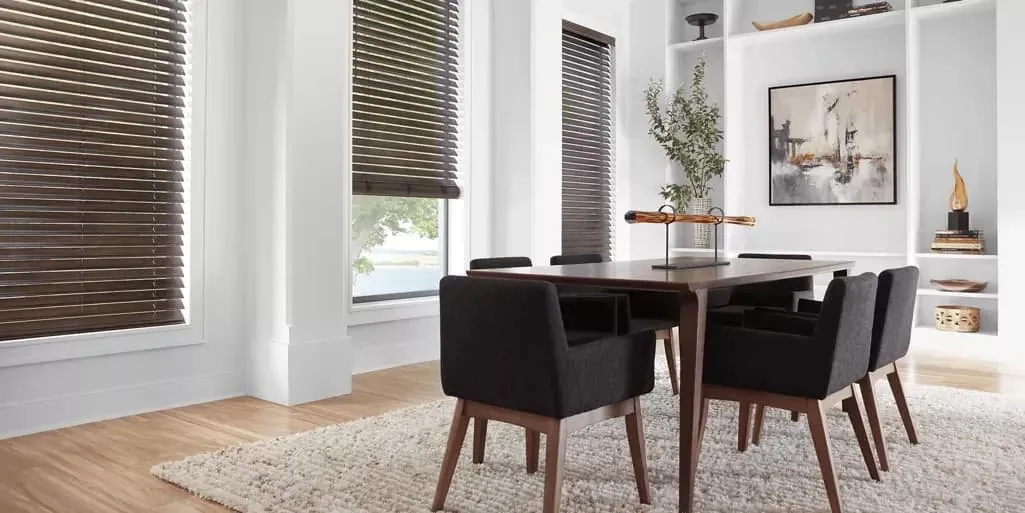
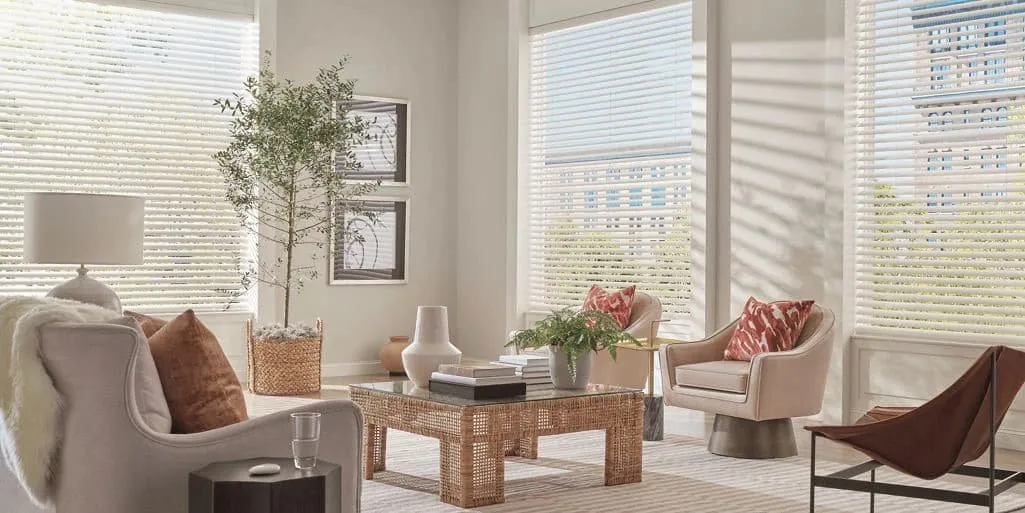
Wood blinds for tall Victorian sash
Real hardwood slats built to the full height of an old sash, with a cordless lift to keep a long blind easy to raise.
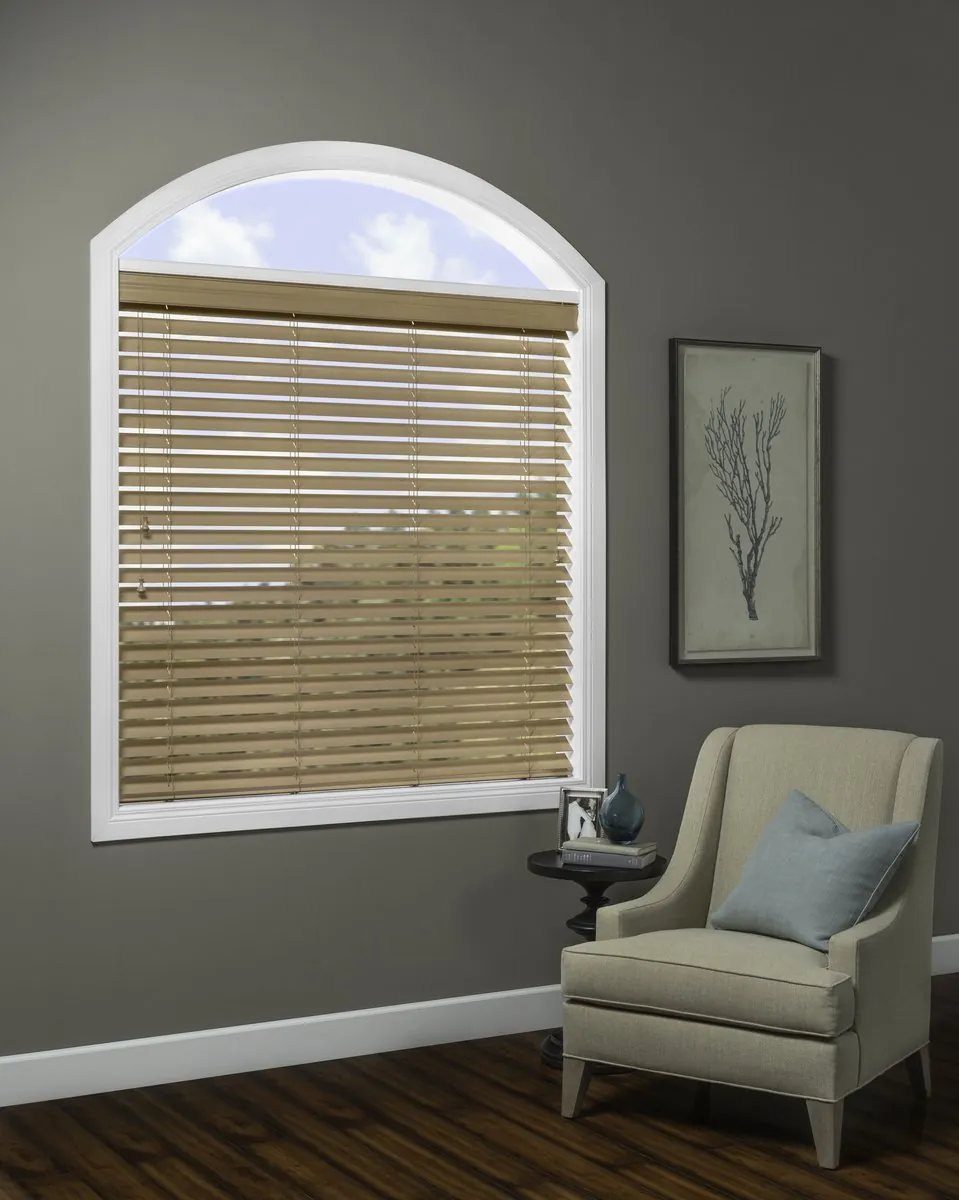
Parkland wood blinds under an arch or transom
A blind on the rectangle below, with the shaped glass above left open to the sky.
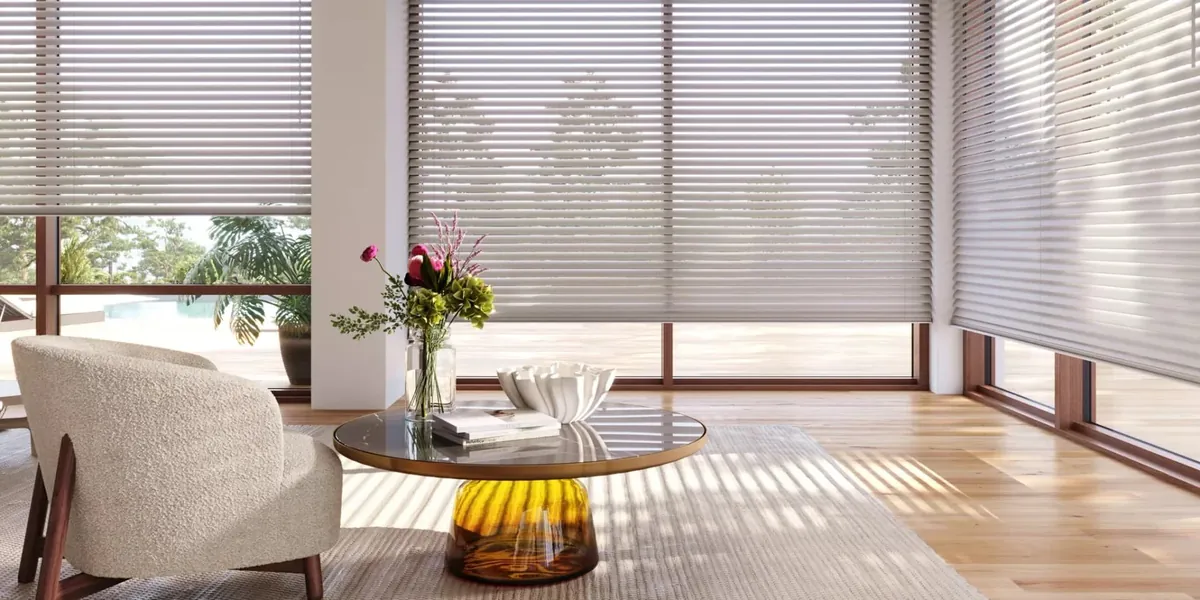
EverWood faux wood blinds for bays and corners
One blind per facet of a bay, matched in color and set level so they rise together.
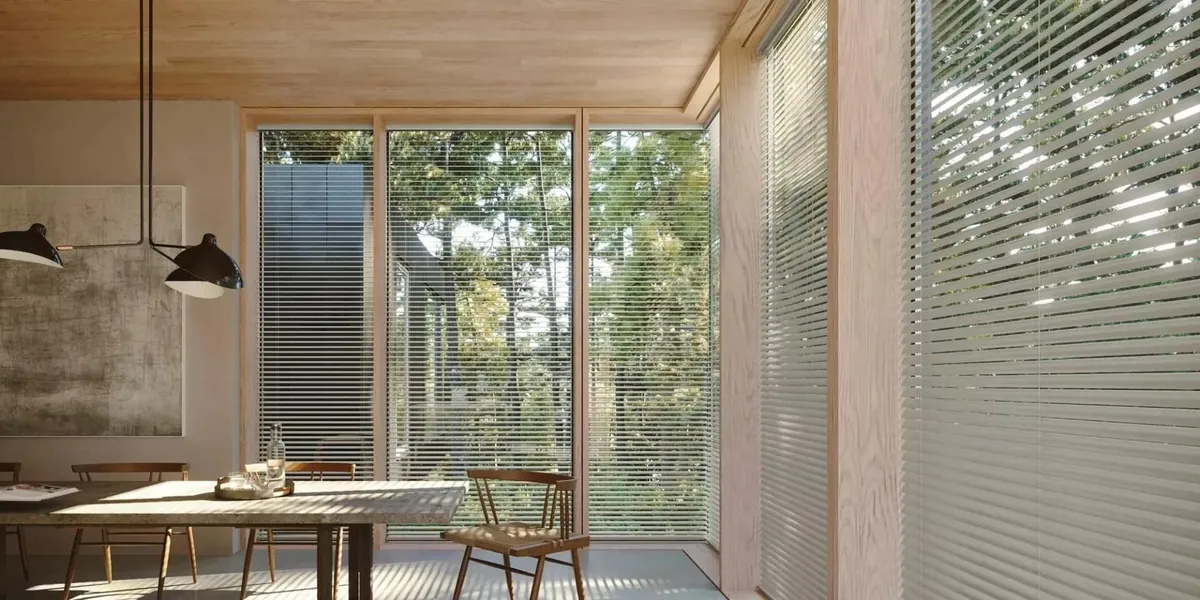
Metal blinds for big modern glass
Slim slats and a light profile for the large windows of a newer house, or a shallow old frame.
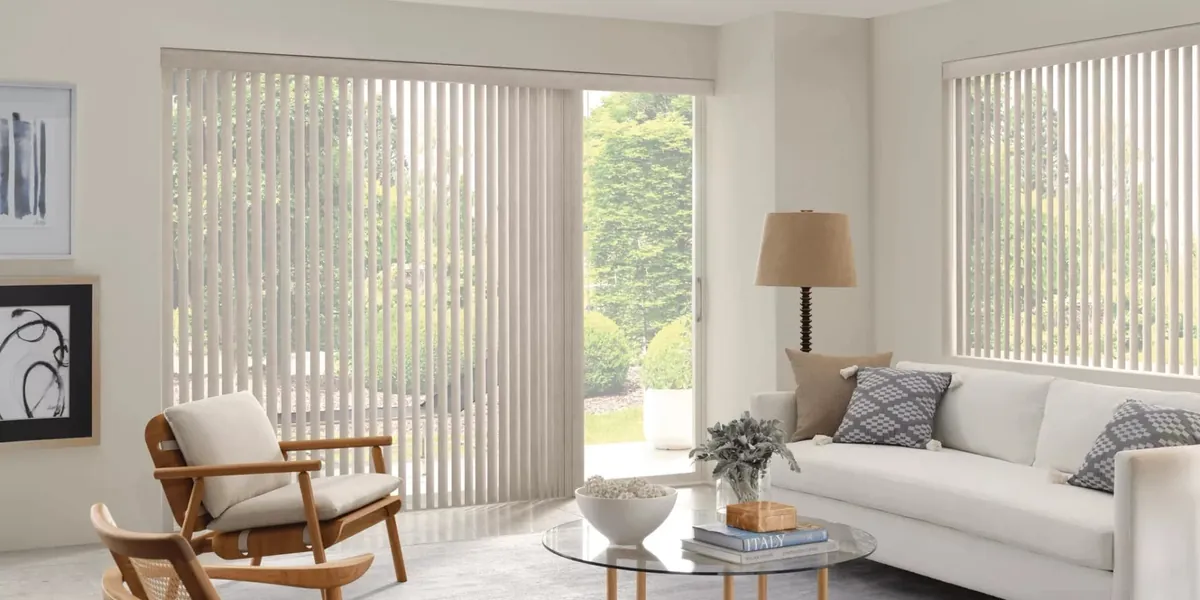
Vertical blinds for subdivision sliders
A track-hung blind that draws clear of the patio door and turns to shade the room.
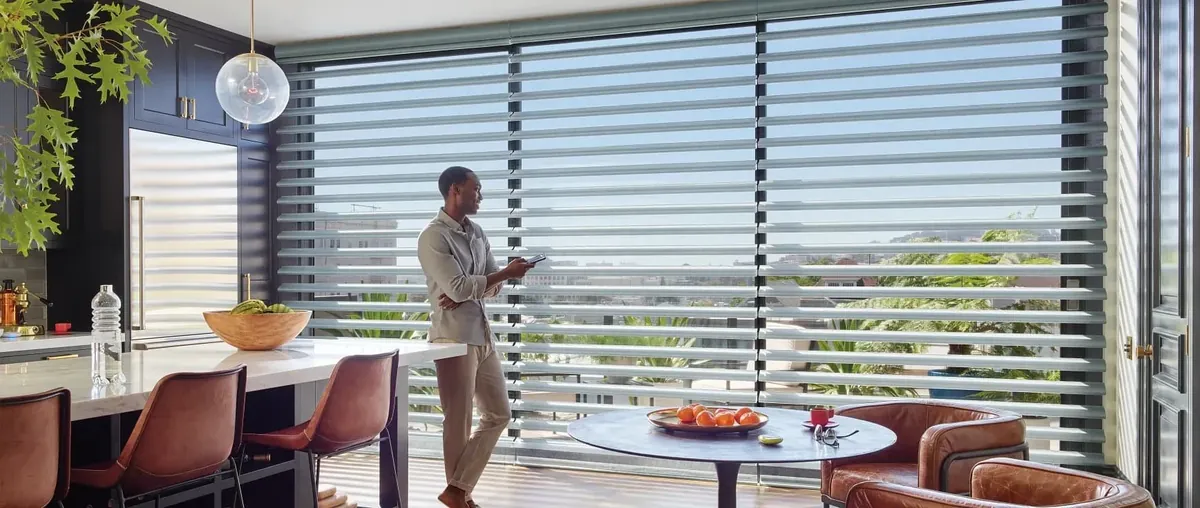
Motorized blinds in Foxborough
PowerView for the high foyer window and any blind you would rather not reach for.
Why the old windows near the common need made blinds
A Victorian or an early colonial by the common was built one window at a time, by hand, to suit each wall. The sash in a front parlor may be taller than the sash in the dining room. The windows in a bay are often a slightly different width from each other. And a frame that has carried a house through a long life has usually shifted a little out of square.
A ready-made blind is sold in fixed widths and lengths. On an old opening it will either be too wide to fit inside the frame or narrow enough to leave a bright gap at each side. On a tall sash, a stock length can stop short of the sill or pile up on it.
A made-to-measure blind avoids all of that. We measure every opening across the top, the middle and the bottom, and down both sides and the center, and the blind is built to the narrowest figure so it drops freely. We also check the depth of each frame, because an inside mount needs room for the headrail behind the stops, and old sash hardware can be in the way. Where a frame is too shallow for wood, a metal blind’s slimmer headrail usually fits. Where nothing fits inside, we mount on the face of the casing and explain why.
Treating a bay window
A bay is the best seat in many center houses, and it is also the window most often badly covered. Three or five panes meet at angles, and at each corner the headrails of neighboring blinds have to share a small amount of space without clashing.
We treat each facet as its own blind. Each one is measured on its own, mounted inside its frame, and made to clear the blind beside it at the corner. The headrails are set at the same height across the bay, so when you raise the blinds together their bottom rails line up in a straight line. Each facet can also be worked on its own, so you can close the side facing the afternoon sun while leaving the center pane open to the common.
Color matters more in a bay than anywhere else, because you see every blind at once. We usually suggest a color that matches the trim, so the blinds recede and the shape of the bay stays the feature.
Transoms and the glass above the door
Transoms are a common feature in Foxborough’s older houses: a band of glass above a door, above a pair of windows, or across the top of a bay. They were put there to bring daylight into halls and stairwells, and most of the time they do that best when left uncovered.
There are exceptions. A transom on the west side may bring in hard late-afternoon sun across a hall. A transom in a bedroom may let in streetlight at night. In those cases we can fit a separate small blind to the transom itself, made to its size and set to match the blind below. If the transom is too high to reach comfortably, PowerView motorization lets it tilt or close from a phone or a remote, or on a schedule. When a transom is shaped, such as an arch or a fan, it is normally best left bare, with the blind on the rectangle below.
Tall sash and high ceilings
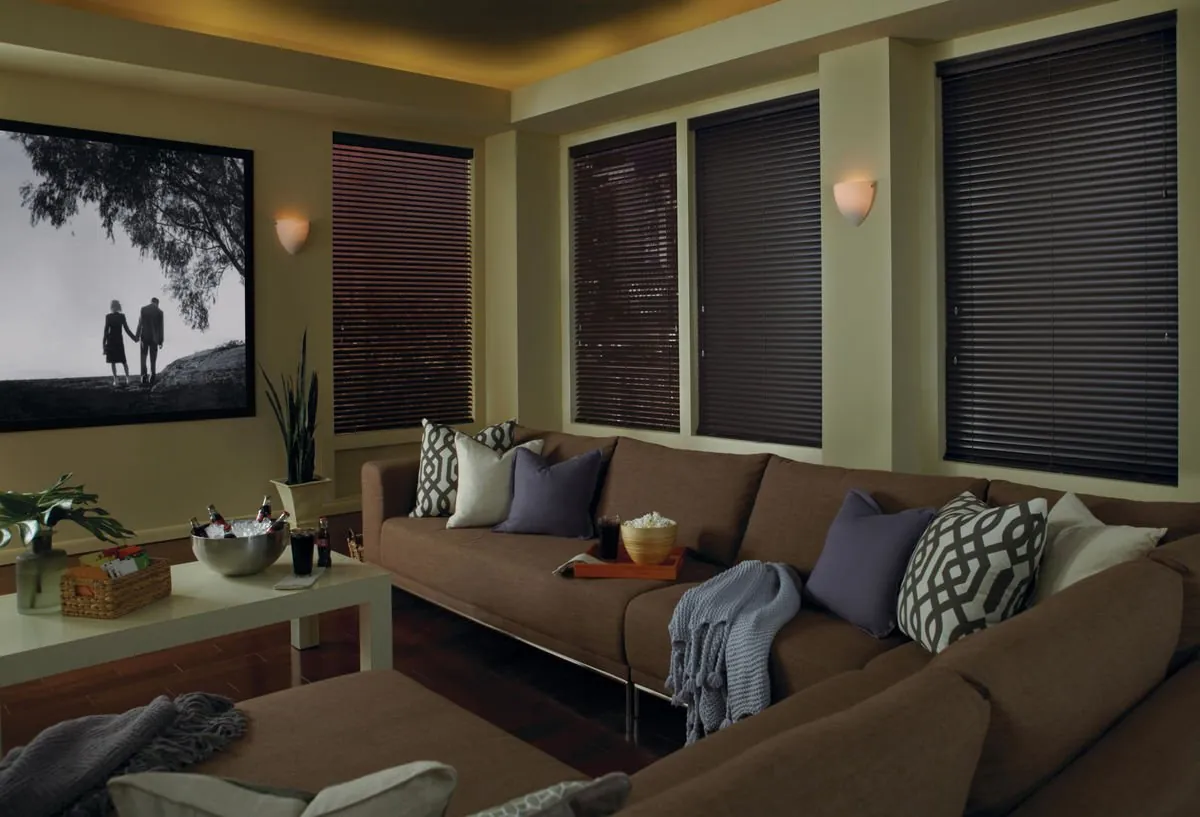
The ceilings in a Victorian are generous, and the sash rise to match. A tall blind has more slats, which makes it heavier to lift and creates a deeper stack when raised. A cordless lift makes a tall blind easy to raise by the bottom rail. A narrower slat makes a smaller stack. And on sash that stay down most of the time, simply tilting the slats for light and privacy avoids raising the blind at all.
For tall front windows on a busy road around the common, being able to tilt is especially useful. Angle the slats downward and the view from the sidewalk is blocked while you can still see out. Close them for the evening and the room is private.
Subdivisions out toward Route 1
The newer subdivisions toward Route 1 are a different kind of house: colonials and larger family houses with standard windows on all sides, wide sliders to a deck, an open family room and kitchen, and very often a two-story foyer with a tall window above the front door.
These are straightforward windows to fit, and the main job is consistency. A matched set of blinds across the front of the house, one material and color, looks finished from the street. The back can vary by room. The tall foyer window is the one that needs thought: if it cannot be reached from the stairs, PowerView lets it be worked from a phone or a wall remote. Sliders get vertical blinds. The kitchen and baths take faux wood. Planning custom blinds in Foxborough for one of these houses usually means one walk-through and one order.
Post-war ranches between the two
Between the old center and the newer streets sits a belt of post-war ranches. They are single-story, so every window is at ground level, and most have a broad front window facing the road, a hall of bedrooms down one side and a door to the yard at the back.
A broad front window is better split than covered in one piece. Separate blinds, built to each section of the window and hung at a matching height, are lighter to lift, stay level more easily and let you open the sunny end while the other end stays shut. In the bedrooms, the choice between wood and faux wood comes down to whether the room has a bathroom off it. The back door, if it is a slider, takes a vertical blind.
With every room at ground level, the ability to angle the slats does a lot of work in a ranch. A small turn keeps passers-by from seeing into a front room without shutting out the day. For custom blinds in Foxborough, MA, on a ranch, we usually keep to one color all round, because the whole house is seen from the yard and the street at once.
Four materials and where they go
Hunter Douglas makes all four types of blind we fit, and all are made to measure.
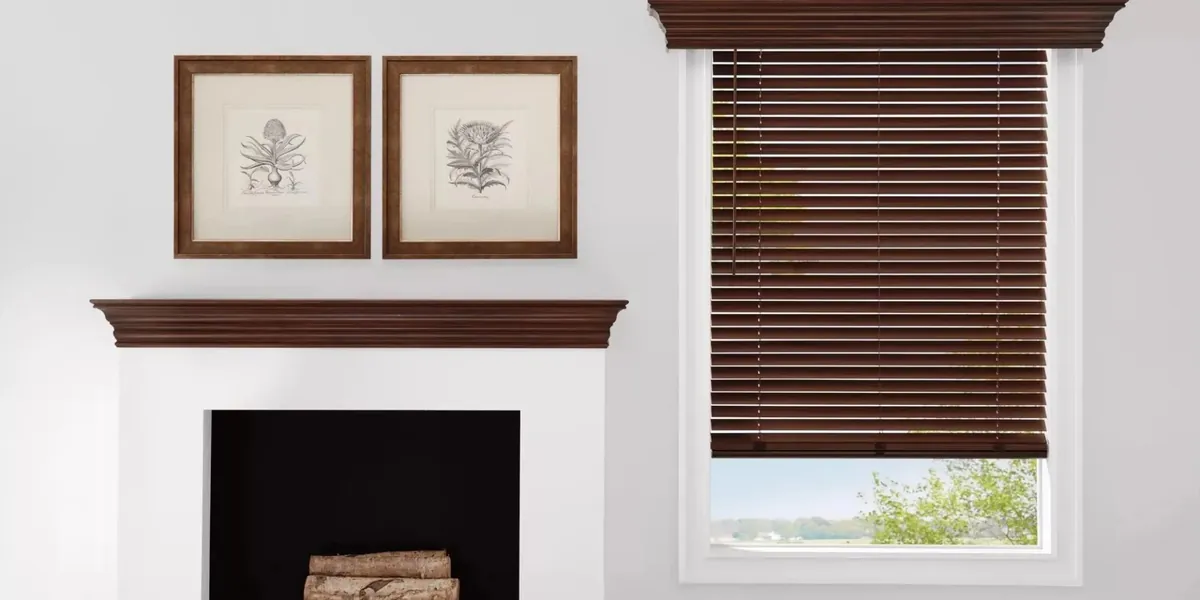
- Parkland wood. Warm hardwood slats for the front rooms and bays of a Victorian, the dining room of a colonial and most bedrooms.
- EverWood faux wood. A painted wood look that resists humidity, for kitchens, baths, laundry rooms and mudrooms.
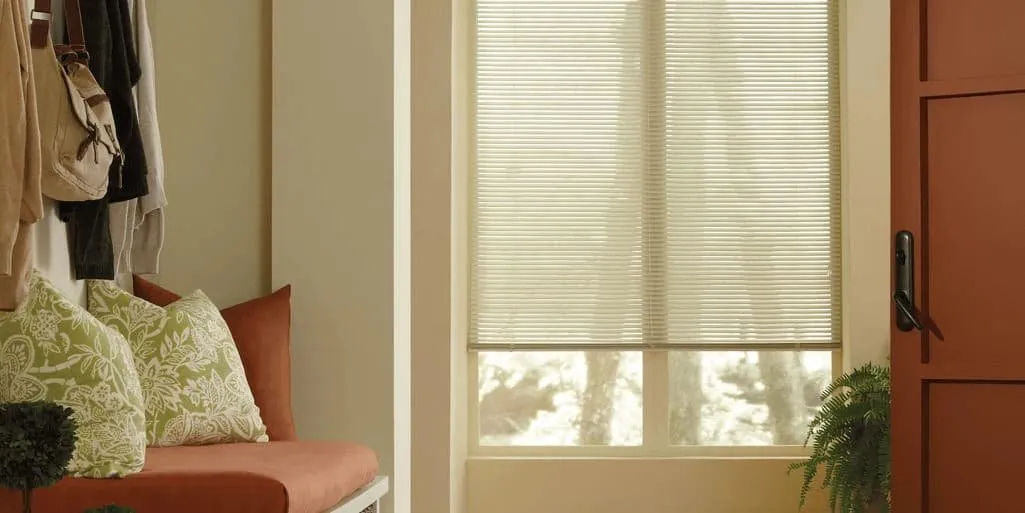
- Metal. Slim aluminum for shallow old frames, door glass and big modern windows.
- Vertical. Track-hung vanes for sliders and wide openings.
A center Victorian might combine wood in the parlor and bay, faux wood in the kitchen, and metal on a shallow pantry window. A subdivision house might use faux wood throughout the back, wood at the front, verticals on the deck door and a motor on the foyer window. Our main custom blinds page has more on each.
Color for a house on the common
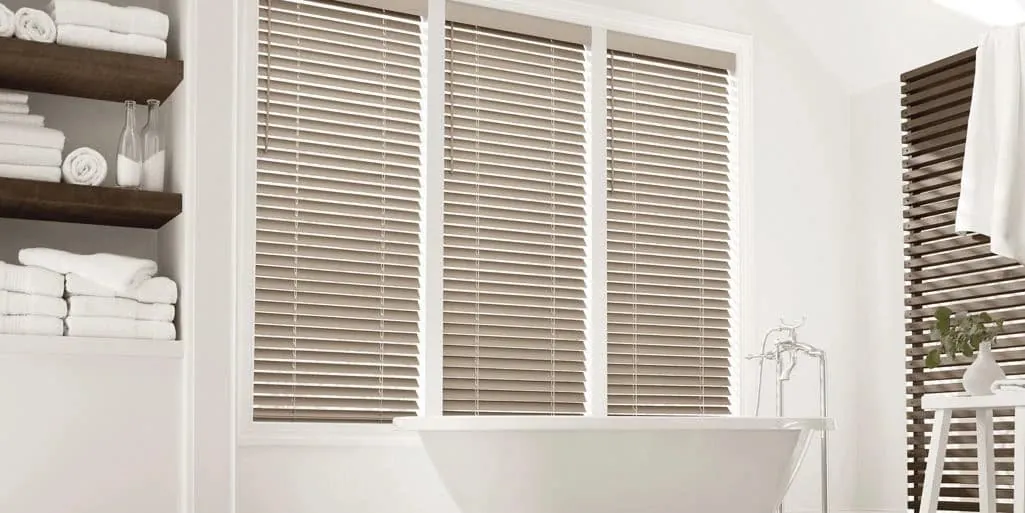
Houses facing the common are seen from every angle, by people crossing the green and driving round it. On these houses, a blind that matches the trim color keeps the front looking as it always has. A white that is too bright beside old cream trim can look out of place, so we bring several to compare in daylight.
Inside, the formal rooms of an old house often have stained woodwork or painted panelling, and a Parkland slat stained to match the woodwork can look as if it came with the house. Newer houses toward Route 1, with painted trim and open plans, often suit a soft white, a gray or a light stain.
Lifting, tilting and motors
The old houses and the new ones need slightly different controls. On a tall Victorian sash, lifting a long blind by a cord is a chore, so a cordless lift, raised and lowered by the bottom rail, is the usual choice, and it keeps the deep sills free. On a subdivision house with many identical windows, the same cordless lift on every blind gives a clean, consistent look from inside and out. A wand turns the slats in both.
Some windows are simply out of reach: a transom over the front door, the high window in a two-story foyer, a window behind a deep kitchen counter. PowerView motorized blinds solve those. They tilt and lift from an app or a small remote, and they can follow a timetable, closing the west-facing bay at four in the afternoon or opening the foyer blind at sunrise. Routeless slats in a bedroom, without the small holes for lift cords, keep out the glow of a streetlight around the common. We plan how each motor is powered at the visit.
Halls, stairs and the space under the transom
Older houses near the common often have a front hall that rises to a landing, with a stair window halfway up and a door with sidelights or a transom at the bottom. These spaces get forgotten when a house is being planned room by room, but they are seen by everyone who walks in.
A stair window can be hard to reach from the treads. A blind that stays down and simply tilts is often the best arrangement there, and if it needs to move, a motor makes it easy. Narrow sidelights beside a front door can take slim metal blinds mounted on the frame, made to their exact width. Keeping the hall blinds in the same color as the front rooms ties the entrance to the rest of the house. When we plan custom blinds in Foxborough for an older house, the hall and stairs are part of the same walk-through, so they are measured and fitted with everything else.
Your visit, step by step
Choosing at home lets you see each sample against your own trim and windows, including that awkward bay.
- Request a consultation online or with the call button and agree a time.
- Our van brings wood, faux wood and metal slats, vertical vanes and each control.
- We go room by room, starting with the bay, the transom or whichever window has defeated you so far.
- You try samples at your own windows in your own light.
- We measure every opening carefully, including each facet of a bay.
- You get a free estimate to consider at your own pace.
- When the blinds are ready, our certified Hunter Douglas installers fit them, level each one, line up the bays and show you how everything works.
The showroom comes to you
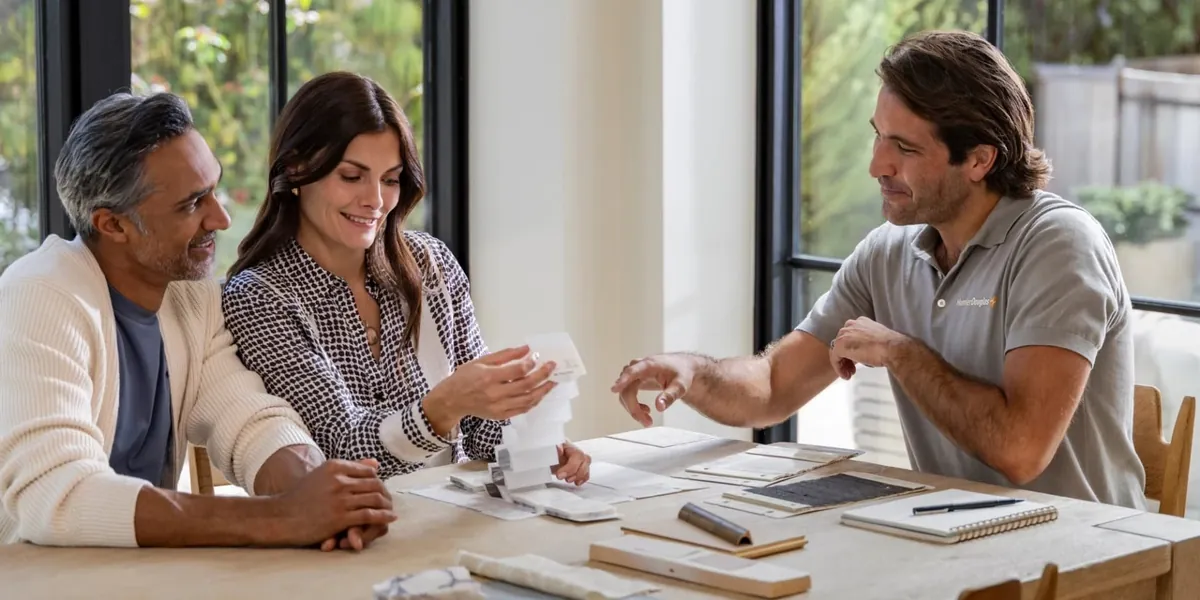
Our vans carry the samples, so we can bring the showroom to your door, whether you live on the common or out toward Route 1. It is the best way to judge a slat color against old woodwork or a big modern window.
We also offer interior design consultations, so if a room needs more than blinds, we can talk through color, fabric and other window treatments at the same visit. Read about what happens at an in-home consultation.
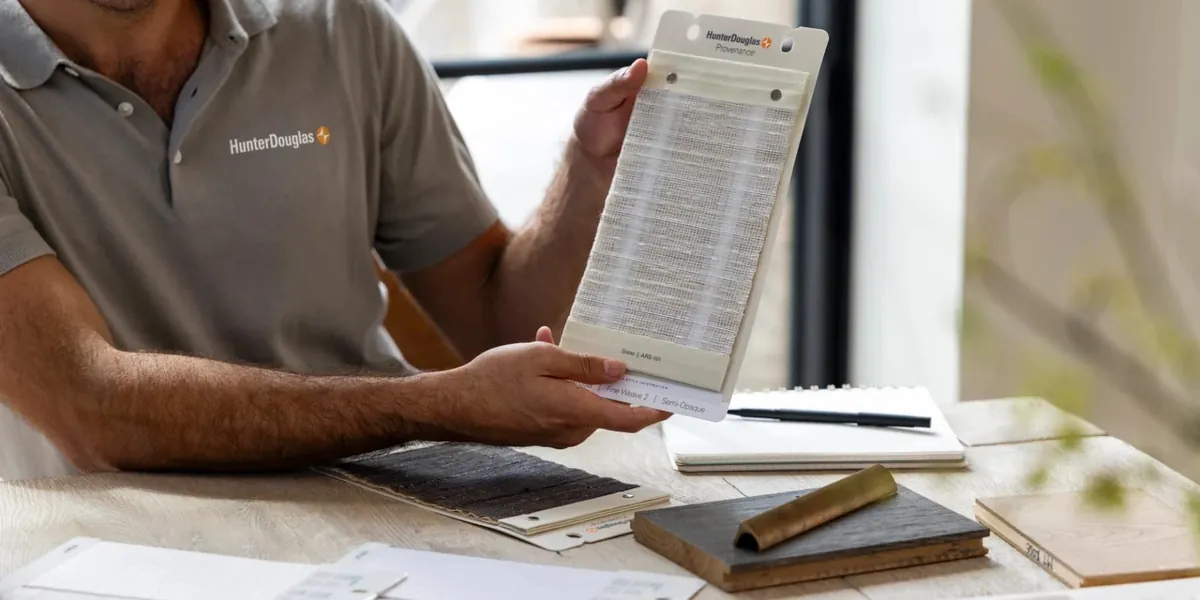
Installing in an old house
Fitting blinds in a Victorian takes care. Brackets go into sound wood without splitting old casings, and we take care around trim that may carry many coats of paint. Each headrail is set level even where the frame is not, and in a bay every blind is lined up with its neighbors. Our installers are certified by Hunter Douglas. That care is what makes custom blinds in Foxborough, MA, look built in rather than added.
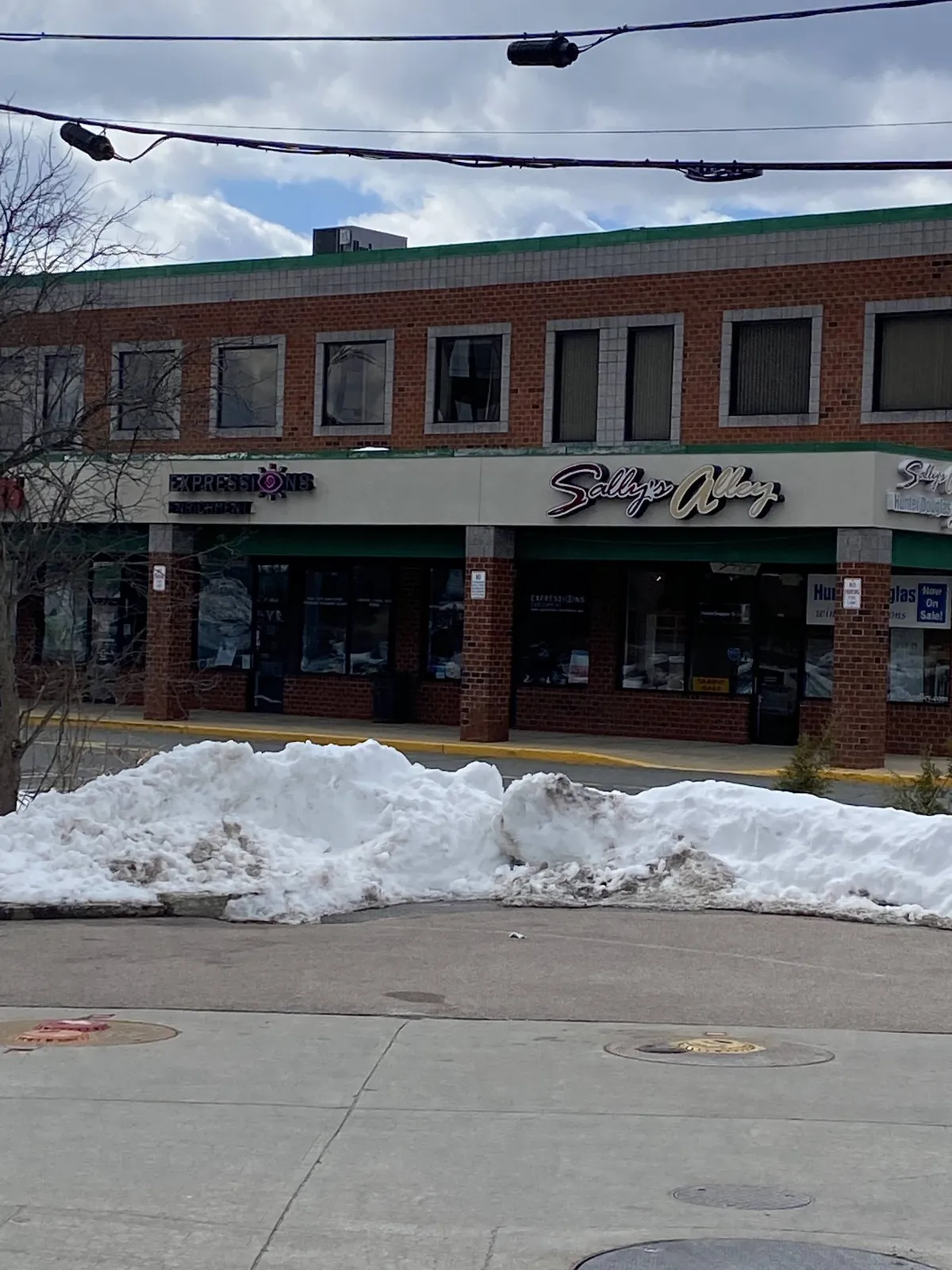
A Gallery dealer near Foxborough
Blinds & Designs is a Hunter Douglas Gallery dealer, the designation Hunter Douglas uses for dealers who meet its standards. You get the full blind range in one place, PowerView motorization and installers certified by Hunter Douglas. We also handle blind and shade repairs.
The Franklin showroom is our nearest to Foxborough. Its address and hours are on the Franklin showroom page. For other rooms, see our plantation shutters in Foxborough, cellular shades in Foxborough, or all our services on the Foxborough page.
Questions from Foxborough
How do you cover a bay window?
Each facet gets its own blind, measured separately and mounted inside its frame, made to clear its neighbor at the corners. The headrails are set level, so the blinds rise together in a straight line, and each one can still be worked on its own.
Should I cover the transom above my door?
Usually not, because it lights the hall. If it lets in hard sun or streetlight, we can fit a small blind made for it, and motorize it if it is out of reach. Shaped transoms are best left bare.
Why not buy ready-made blinds for my old house?
Old windows rarely match stock sizes. A ready-made blind either will not fit inside the frame or leaves gaps at the sides. A made-to-measure blind fits the actual opening.
What about the tall window over our foyer?
If it cannot be reached safely from the stairs, a PowerView motorized blind can be worked from a phone, a remote or a schedule.
Is the estimate free?
Yes. Once we have measured, the estimate is free and there is no obligation.
Book your visit
The easiest way to choose is to see the samples at your own windows, bay and transom included. Request a consultation and we will bring Hunter Douglas blinds to your Foxborough house, measure every opening and give you a free estimate. You can also use the call button, or visit the Franklin showroom.