

Why there is no single right answer
Most homeowners ask us the same thing early on: shades or blinds? It sounds like a question with one answer for the whole house. In practice it is a question you answer window by window, because the two work in different ways and every room asks something different of its glass.
A shade is a piece of fabric that raises and lowers. A blind is a set of slats or vanes that tilt, and also lift out of the way. That one difference, fabric versus slats, decides how each handles light, privacy, warmth and the look of the frame around it.
So rather than pick a side, it helps to understand what each one is good at, then look at the actual windows you have.
What each one does well
Shades soften a room. Whether it is a Duette honeycomb, a Designer roller, a Vignette Roman or a sheer like Silhouette, the fabric diffuses daylight and gives the window a calm, continuous face. You control the light mostly by how far down the shade sits. Honeycomb shades add something else: the cells hold still air against the glass, which is why a room with them holds its heat better on a cold night.
Blinds give you angle. With Parkland wood blinds, EverWood faux wood or metal blinds, you can leave the blind fully down and simply tilt the slats, steering daylight up toward the ceiling while blocking the view in from the street. Vertical blinds do the same on a slider or a wide door, turning sideways instead of up and down. Blinds also bring a firmer, more tailored line, which suits some rooms better than soft fabric.
Neither is better in general. One will be better at a particular window.
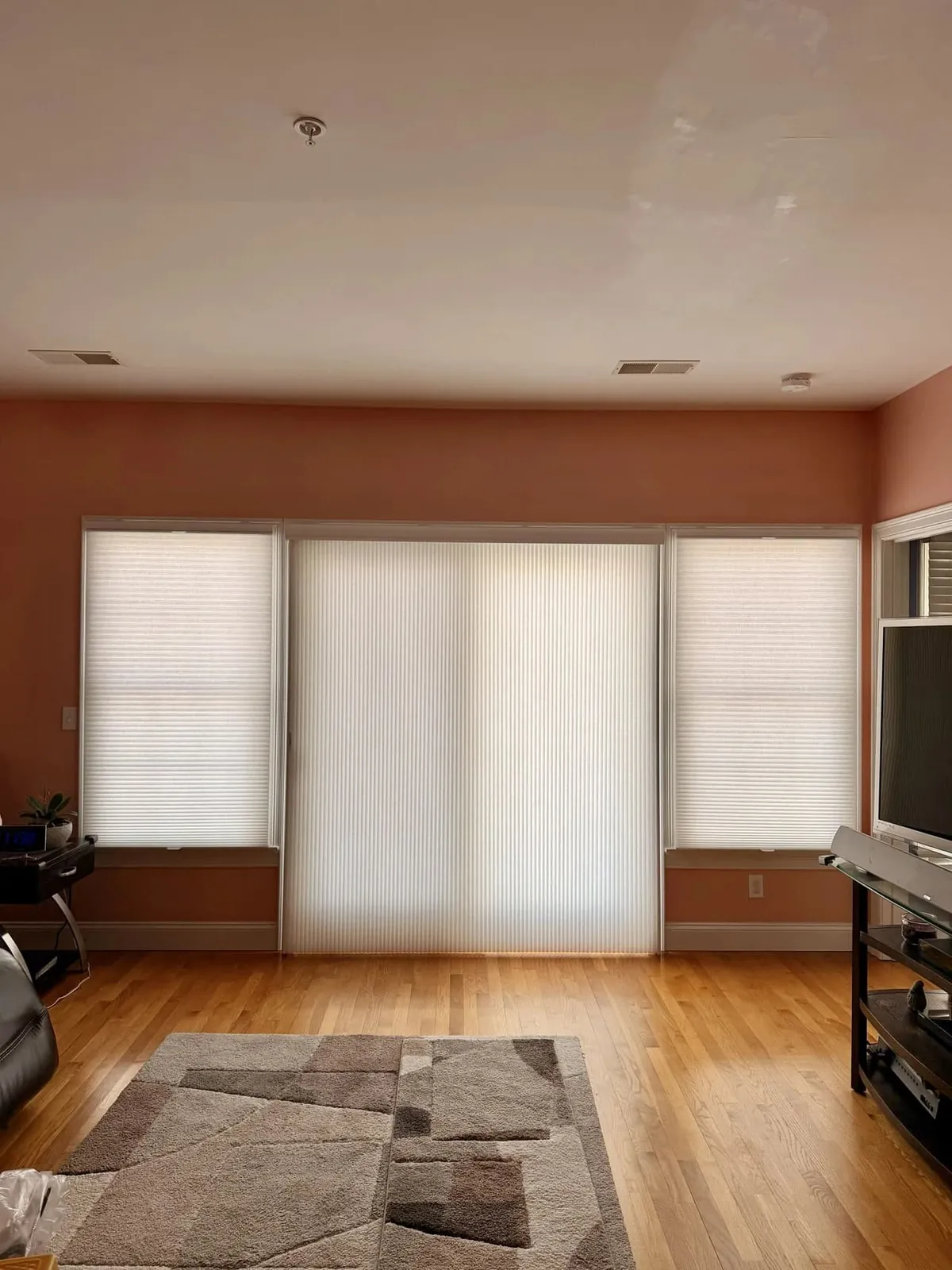
Shades or blinds, room by room
Here is how the choice tends to play out in the houses across our four territories.
Small, deep-set sash in antique capes
Along Route 6A and in the older parts of Sandwich and Hingham, antique capes have small windows set deep into thick walls, with trim that is often the best feature of the room. Both products can sit inside that depth. A honeycomb or Roman shade keeps the trim fully visible and gives a soft look that suits low ceilings. A wood blind gives a crisper line and lets you tilt light in without raising anything, handy on a window that is awkward to reach behind a deep sill.
Tall, narrow windows in mill-era triple-deckers
In New Bedford, Fall River and Woonsocket, the triple-deckers built for mill workers have tall, narrow windows, often several in a row and often close to the next house. Privacy matters on every floor. Blinds with tilting slats let daylight in at an upward angle while keeping a neighbor’s window out of view. A top-down, bottom-up honeycomb shade does a similar job differently: it lowers from the top so the sky stays open and the lower glass stays covered.
Glass facing the water
In Osterville, Chatham and Marion, water-facing rooms are often more glass than wall, with bright reflected light and glare that changes through the day. Roller and screen shades are usually the first thing we show here, because a screen fabric cuts glare while keeping the view. Sheer shades with soft vanes are the other favorite. Blinds can work, but a wall of slats breaks up a view that most owners want to keep.
Foyer glass in newer colonials
Large newer colonials in Franklin, Medway and Needham often have two-story foyers and great rooms with tall upper windows that no one can reach. Shades usually win here, and these are the windows where motorized shades earn their keep, because a high window you can lower with a remote or an app actually gets used.
Bedrooms anywhere
Bedrooms are where the question of shades or blinds most often settles itself. If you want the room properly dark, a room-darkening fabric shade gives you a solid surface across the glass, while even closed slats let thin lines of light through where they meet. If you like waking to some daylight, a light-filtering shade or a blind tilted partly open both work, and the choice comes down to whether you prefer fabric or slats against the bedroom walls.
Questions to ask about each window
Before you settle on a product for any room, it helps to answer a few questions about the window itself:
- Do you want to see out while the window is covered, or block the view completely?
- Do you want to steer light at an angle, or simply let more or less of it in?
- Is the trim worth showing, or would you rather cover the whole frame?
- How easy is the window to reach, and how often will you adjust it?
- Does the room get cold at night, or too warm in the afternoon?
If your answers lean toward angle, a firmer line and tilt control, blinds are worth a close look. If they lean toward softness, a calm face, warmth or a protected view, start with shades. Plenty of houses end up with both, and that is fine: the windows decide, not a rule.
Look at the options
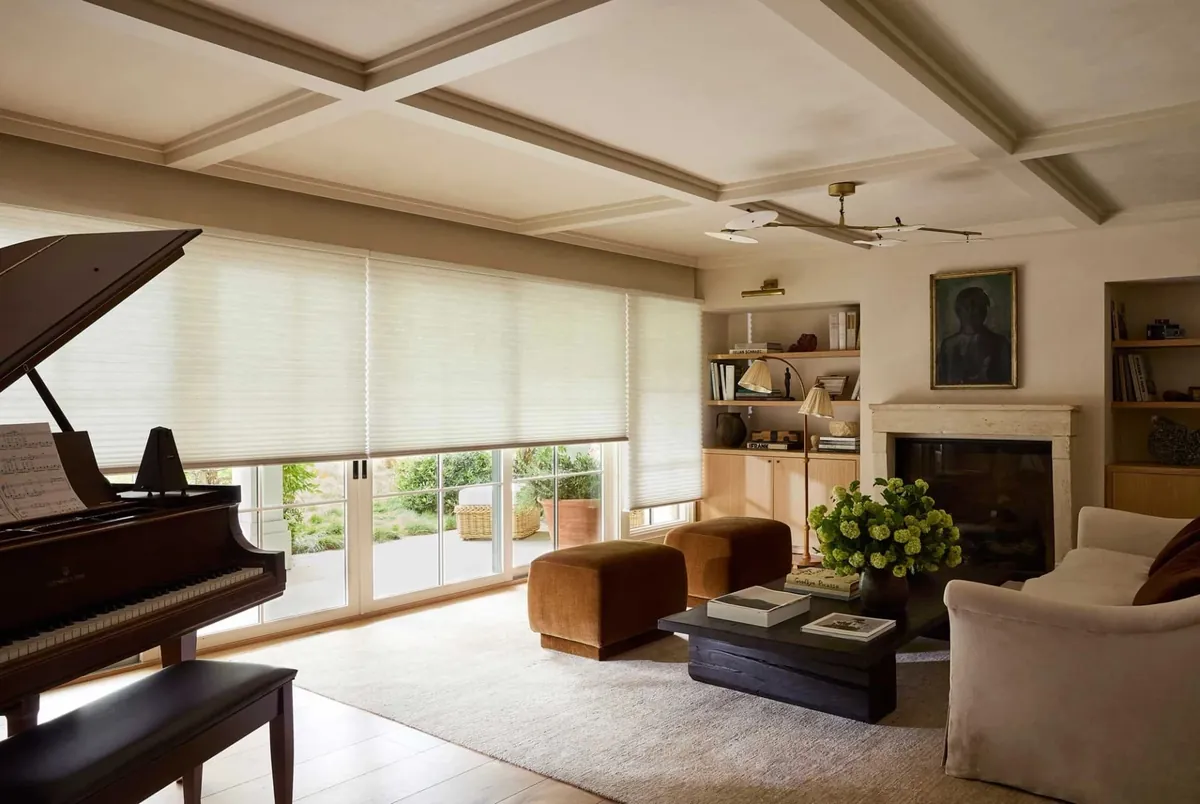
Cellular shades
Duette and Applause honeycomb shades, for rooms that lose warmth at the glass.
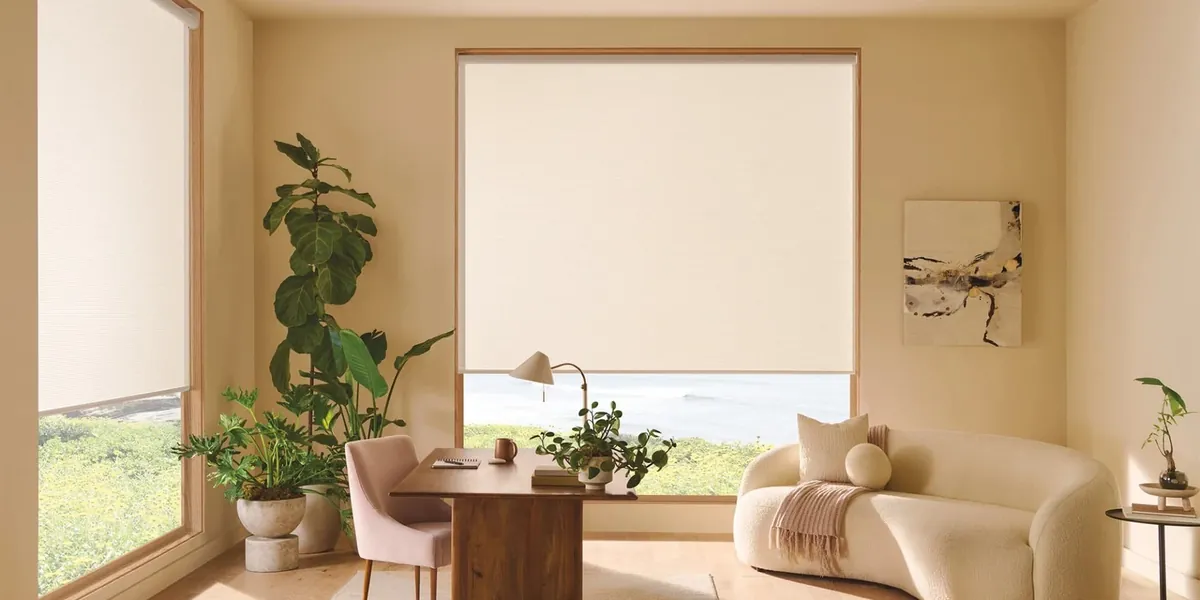
Roller shades
Designer roller and screen shades, where glare and view both matter.
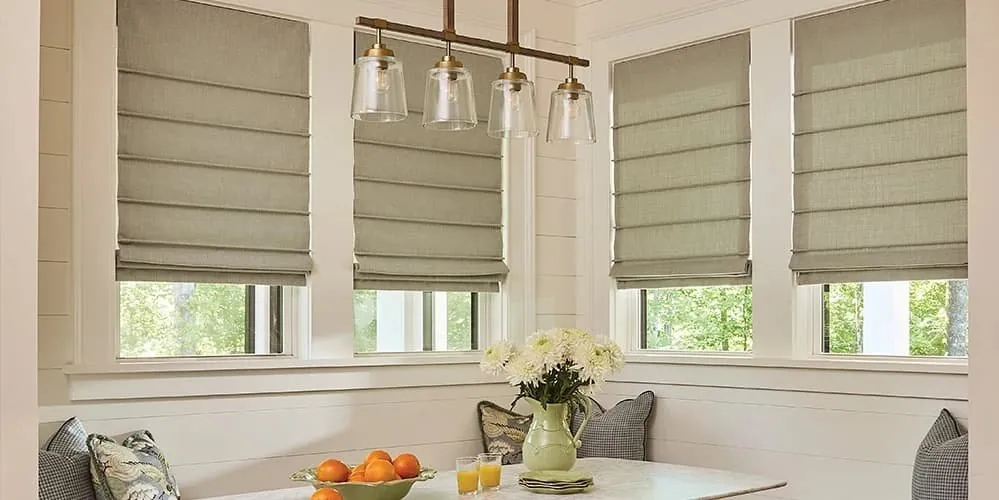
Roman shades
Flat and folded fabric styles for a softer, tailored window.
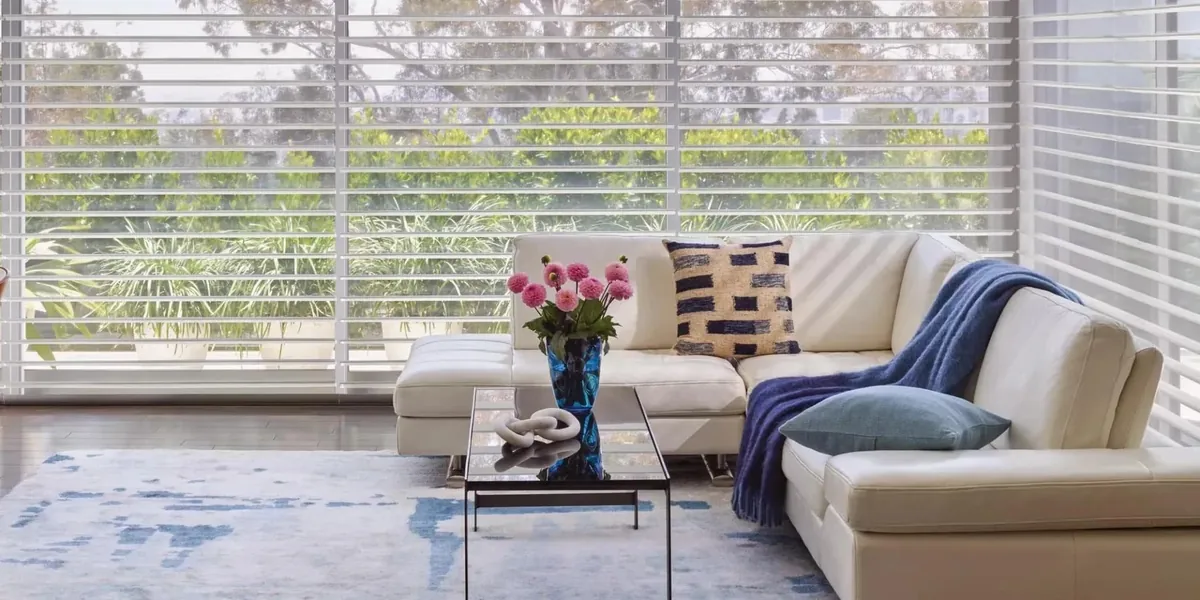
Sheer shades
Soft vanes between sheer fabric, for filtered light and a clear outlook.
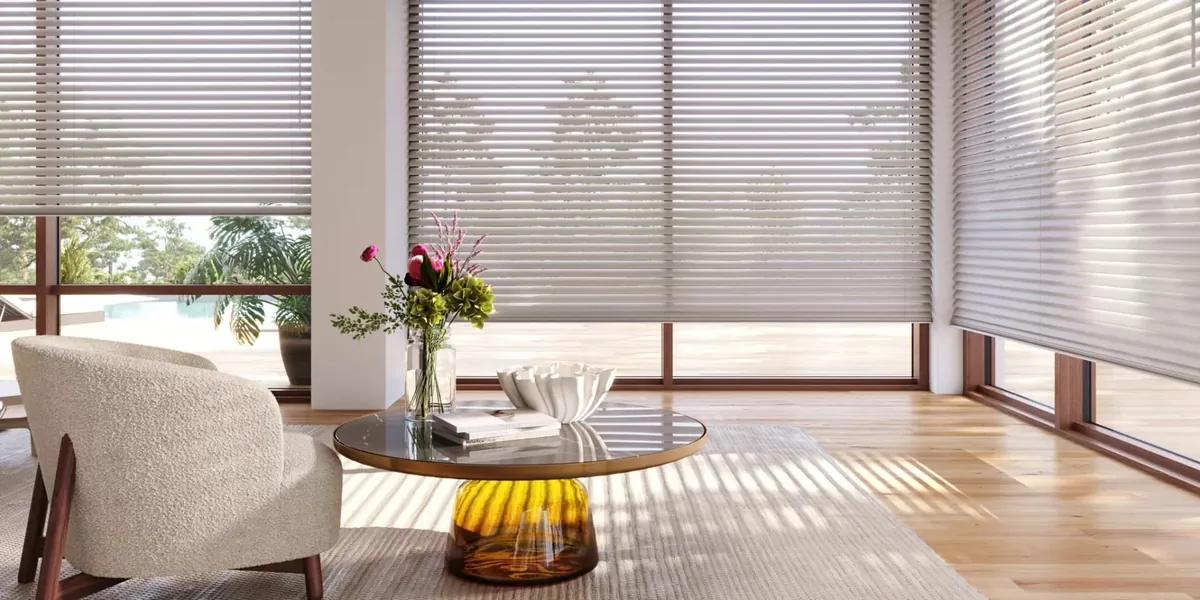
Custom blinds
Wood, faux wood, metal and vertical blinds, with slats that tilt.
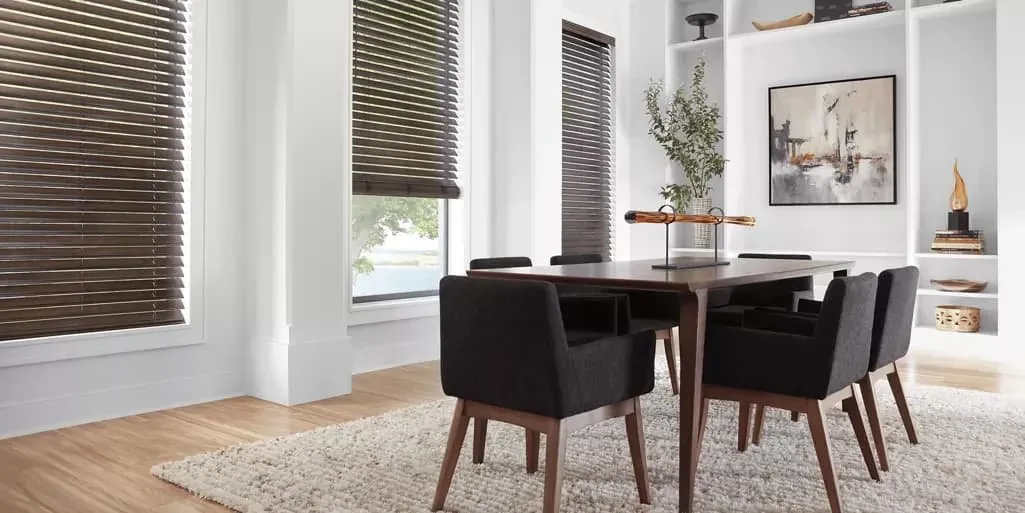
Wood blinds
Parkland and EverWood, for a warmer, firmer line at the window.
Deciding with the samples in your hand
The fastest way to settle the question is to hold both against the window. Fabric that looks bright on a screen can read quite differently in a north-facing triple-decker bedroom, and a slat color that looks right in a brochure can clash with old painted trim. That is why our in-home consultations come with sample vans: we can bring the showroom to you and let the room make the case.
As a Hunter Douglas Gallery dealer, we carry the whole range, so you are never steered toward one product because it is the only one on offer. Estimates are free, and every order is fitted through certified Hunter Douglas installation. If you would like help pulling a whole floor together, ask about our interior design consultations.

Shades or blinds: common questions
Can I mix shades and blinds in the same house?
Yes, and many houses do. A kitchen might take wood blinds while the living room next to it has honeycomb shades. We help keep colors and lines consistent so the windows still look like they belong together, especially from the street.
Which is better for privacy?
Both can give full privacy when closed. The difference is partway: blinds let you tilt slats to keep the view out while letting light in, and top-down, bottom-up shades cover the lower glass while leaving the top open.
Which is better for a cold room?
Honeycomb shades are the usual answer. The cells hold still air against the window, which is why a room with them holds its heat. See cellular shades and winter heat for more.
What about bright rooms and glare?
Screen, roller and sheer shades are where we usually start for strong sun, because they cut glare without hiding the view. Our guide to the best shades for sun and glare goes into the choices.
Do I need to know which one I want before you visit?
No. Many homeowners book a visit precisely because they cannot decide between shades or blinds. We look at each window with you and show you both.
Book a visit when you are ready
You do not need to have the answer worked out. Request a consultation, tell us which rooms you are weighing up, and we will bring samples of both to your windows. If you would rather see the range first, visit the North Dartmouth showroom, or use the call button at the top of the page to reach it directly.