
Capes, two-families, condos and the water
Weymouth covers a lot of ground, and its houses change as you cross it. North and South Weymouth are filled with post-war capes and ranches. Around Weymouth Landing the housing is older and closer together, with two-families lining the streets. Near the Back River, newer condominiums bring a different kind of home altogether. And along the river and the harbor side of town, the houses face open water and everything that comes off it: wind, bright reflected light and salt in the air.
Each of those settings shapes what a window needs. A cape in South Weymouth wants warmth in its upstairs bedrooms. A two-family near the Landing wants privacy on a close street. A condo by the river wants a covering that suits a slider and a balcony and fits the building. A house on the water wants to handle glare and wind without losing the view. Planning cellular shades in Weymouth, MA, means knowing which of those you are dealing with before the samples come out.
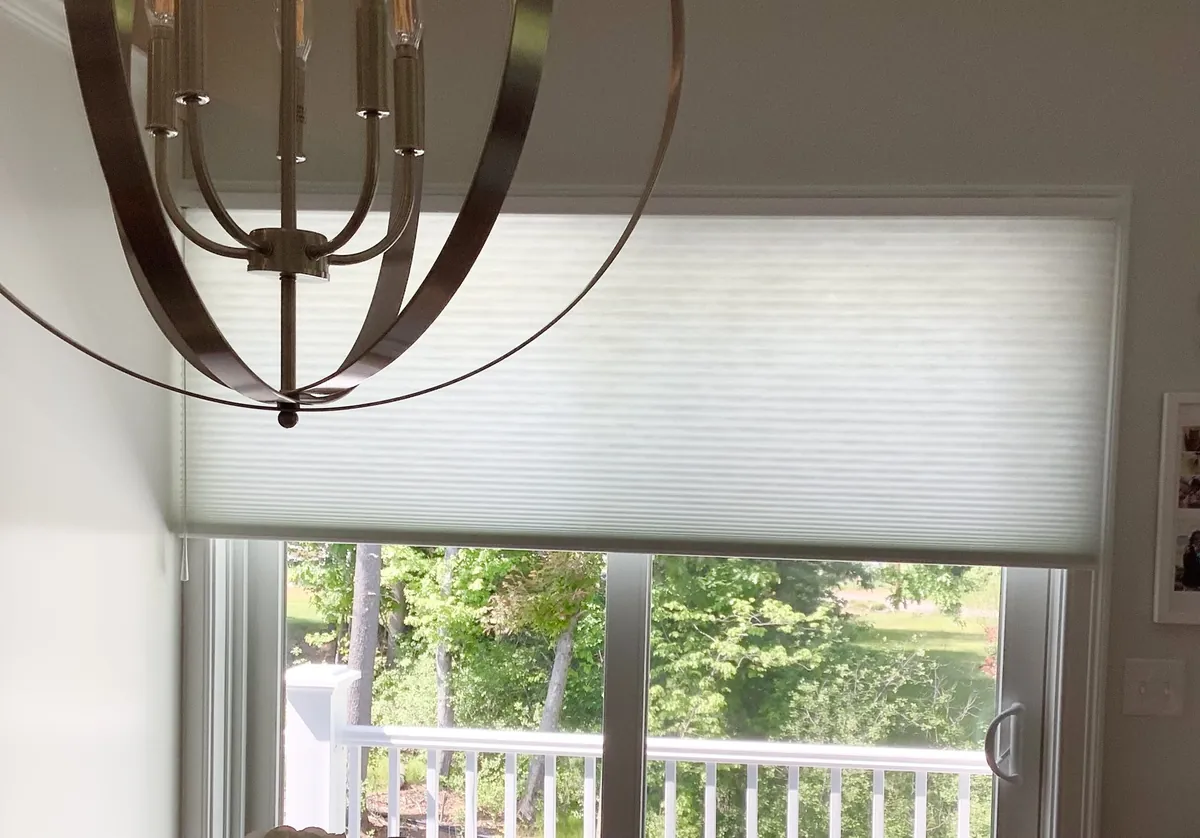
What links them is the cold. Weymouth winters come in off the water, and a honeycomb shade, with air held still in its pockets between the glass and the room, is the warmest window covering we fit. Duette and Applause are the two Hunter Douglas lines we bring.
Honeycomb shades for every kind of Weymouth home
The three main kinds of housing in town each lead somewhere a little different.
Capes and ranches in North and South Weymouth
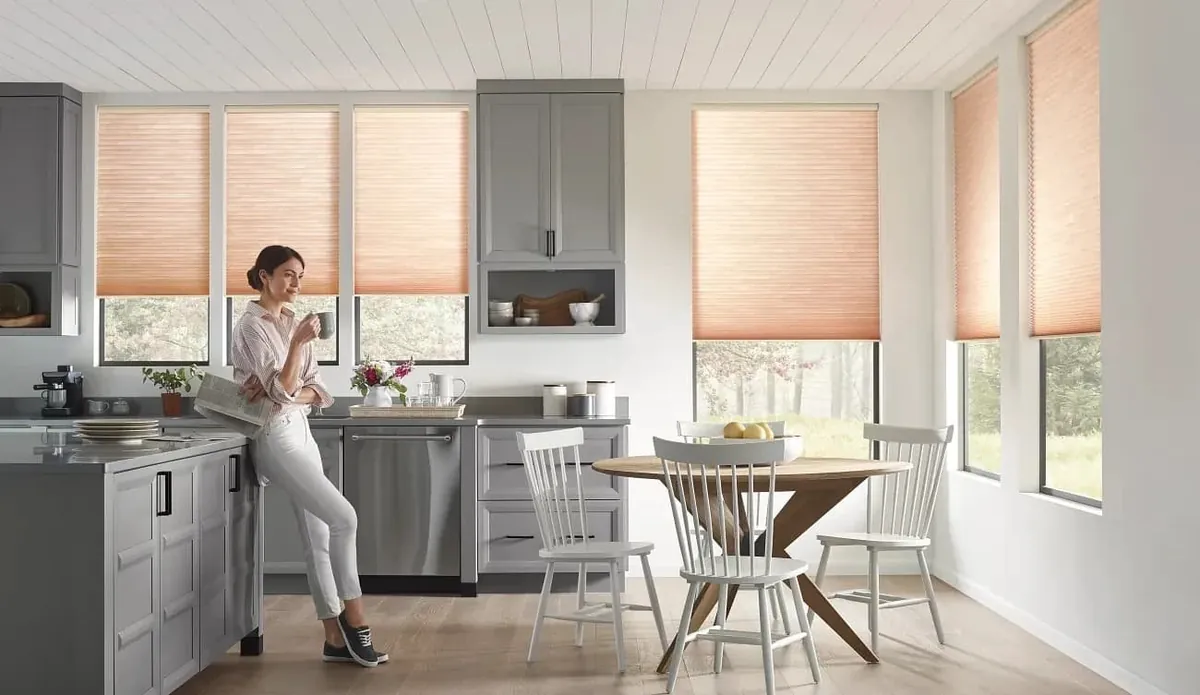
Standard openings, matched room to room, with darker fabrics for dormer bedrooms. Applause covers these windows well.
Two-families near Weymouth Landing
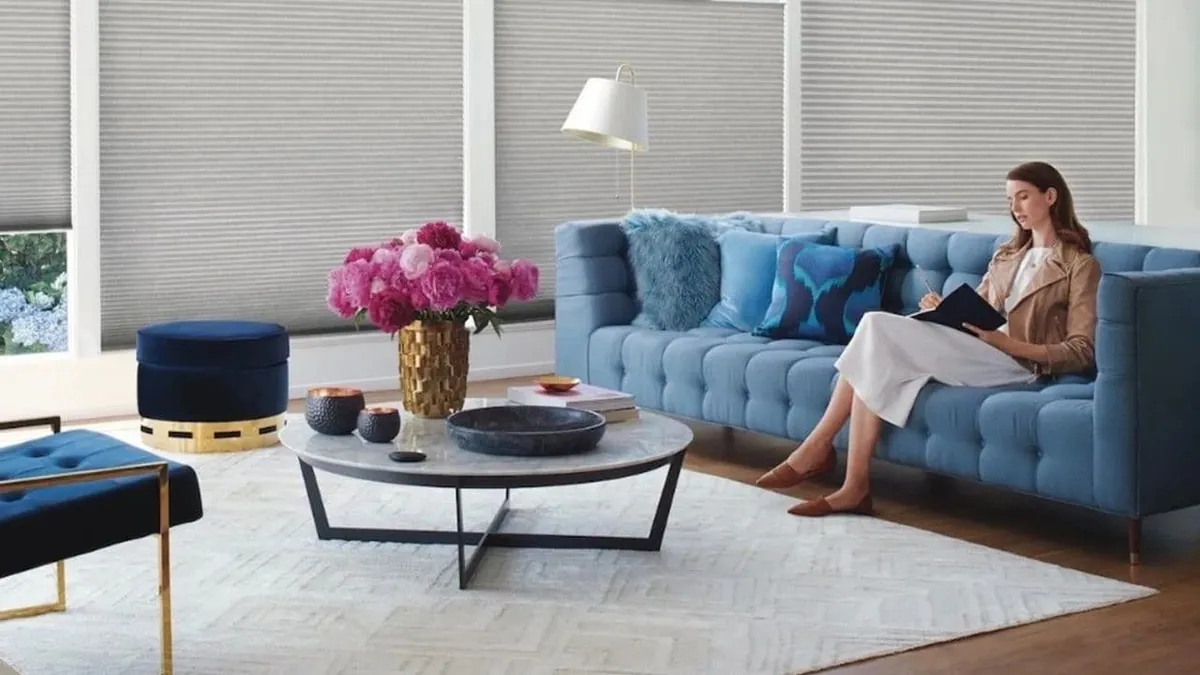
Older, taller windows and close neighbors. Duette’s range of sizes and fabrics handles the variety.
Condominiums near the Back River
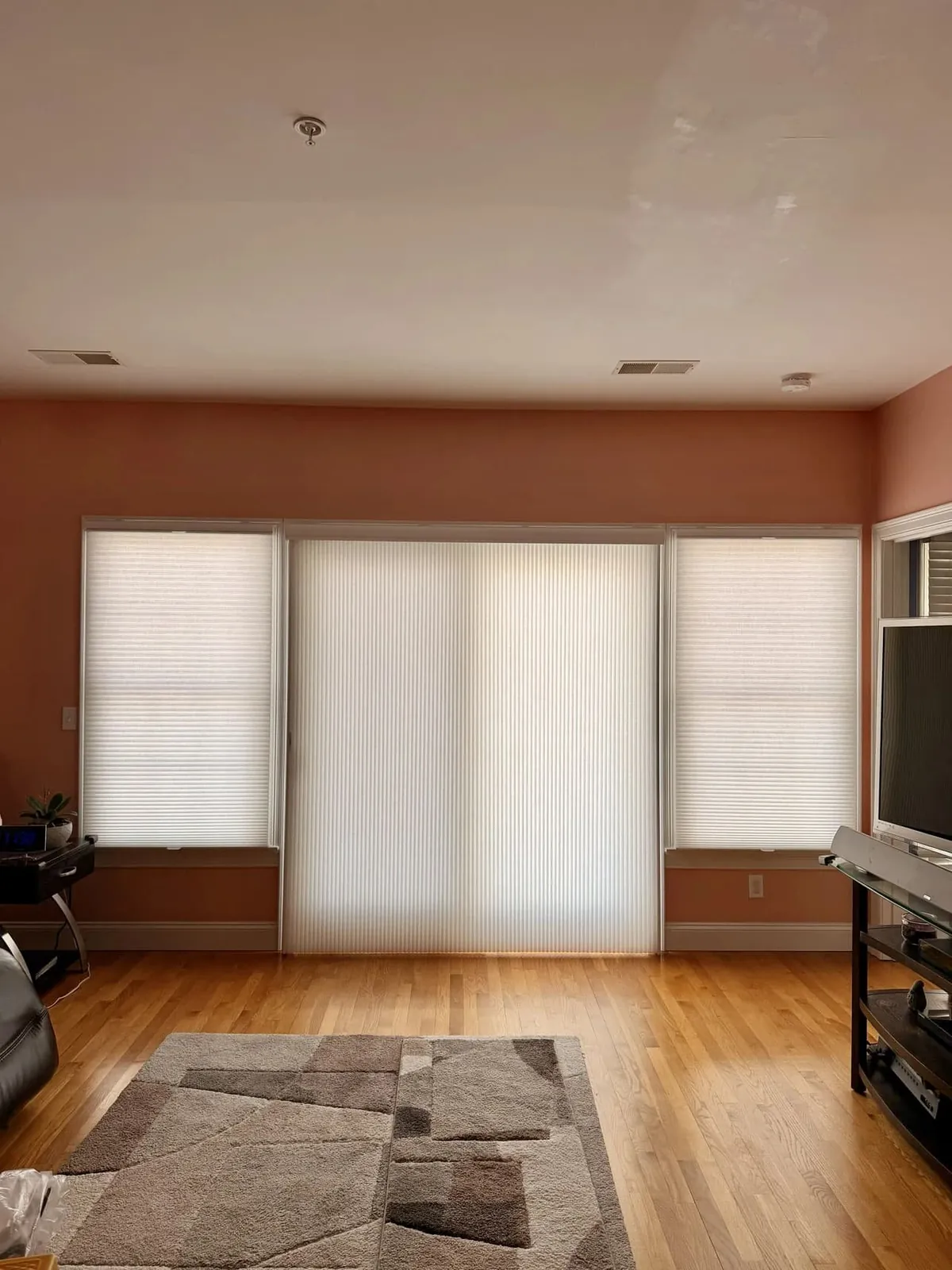
Sliders, balconies and a building with a shared look from outside, planned so your shades suit both.
The harbor side: wind, glare and salt air
Houses along the river and the harbor side of Weymouth live with weather that inland streets never see. The wind arrives off open water with nothing to slow it, so windows on the water side lose heat faster than the rest of the house on a winter night. Sunlight bounces off the water as well as coming from the sky, and a room facing the harbor in the morning or the river in the evening can be bright to the point of discomfort.
Honeycomb shades help with both. The air held in their pockets slows the heat lost through the glass on a windy night, which is where coastal houses feel the cold most. During the day, a light-filtering fabric turns that hard reflected glare into an even glow, so the room stays bright and the water stays a presence without the dazzle.
Salt is the third thing. Air off the water carries it, and over time it settles on anything exposed near a window you open in summer. With a honeycomb shade, the working parts sit inside the headrail, so far less is out in the open than with an older corded blind. When we fit shades on the water side, our installers fix the brackets firmly so the shades sit level and stay put on windows that get opened often in the warmer months.
Keeping the water in view
On the harbor and river side, the view is often the reason the house is where it is. Nobody wants a shade that hides it. Honeycomb shades fold into a slim stack when raised, so when they are up, the water is there. When they are down, a lighter fabric keeps a soft sense of the light outside.
For a room that faces the water directly, we usually suggest a lighter fabric that handles glare without darkening the room, lowered just for the brightest hours. Bedrooms on the water side often take a darker fabric, since the early light off the water arrives with real force. We bring both so you can see the difference standing at your own window, looking at your own view.
Capes and ranches across North and South Weymouth
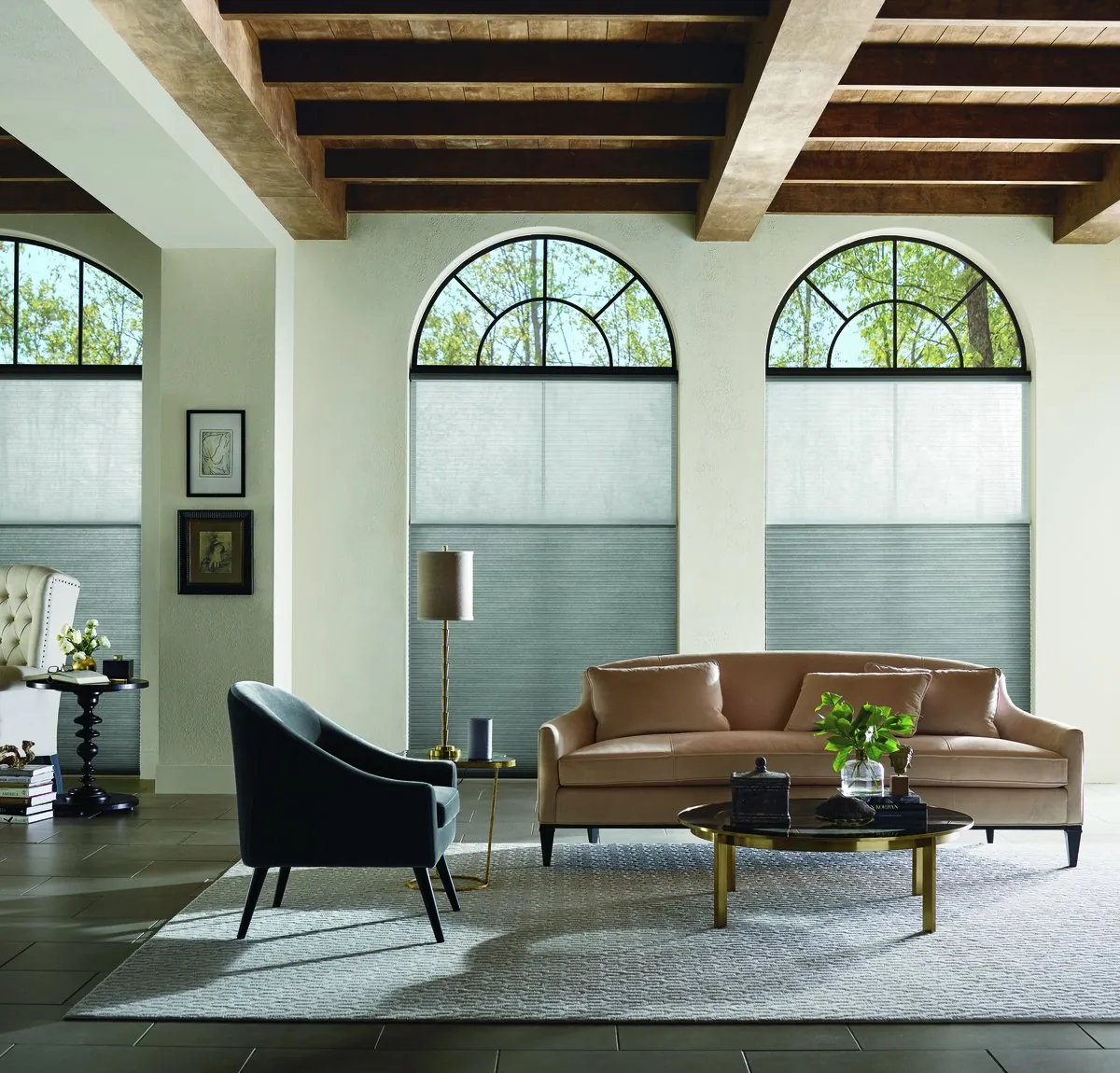
North and South Weymouth are thick with post-war capes and ranches, and their windows are plain, square and regular. A good number are replacement units by now. Plain openings like these take a honeycomb shade without fuss, and matching shades on matching windows keep the front of the house even from the road.
In a cape, the upstairs bedrooms under the roof, lit by dormers, are usually where comfort goes wrong. They overheat in summer and chill in winter. A honeycomb shade sized to each dormer, mounted inside the recess where the depth allows, deals with both, and a darker fabric keeps the early light out. In a ranch, the living room picture window is the big one: wide glass that loses heat fast. It can take two or three shades on one headrail, raised together or separately.
Regular does not mean identical, so the tape still goes on every opening. A newer vinyl unit may leave only a shallow pocket between its latches and the room; when the headrail cannot sit in there cleanly, we fix the shade to the wall over the window and make it a little oversize instead.
Two-families near Weymouth Landing
Around Weymouth Landing the houses are older and closer, and many are two-families, one unit above the other. The windows tend to be taller and less regular than in a post-war cape, and the close spacing puts side windows within easy view of the house next door.
On the first floor, privacy usually comes first. A lighter fabric gives daytime privacy while the room stays bright, but after dark, with the lamps on, a heavier fabric does more. Upstairs, under the roof, warmth and summer heat take over. If you own the building, keeping the street-facing color the same on both floors gives the front a tidy, unified look. If you own or rent one unit, we plan yours, and the other floor can match later by choosing the same outward color.
Older windows near the Landing also need careful measuring. Frames that have settled may not be square, and old sash hardware can limit depth. We measure each opening at several points and recommend an inside or outside mount accordingly.
Condominiums near the Back River
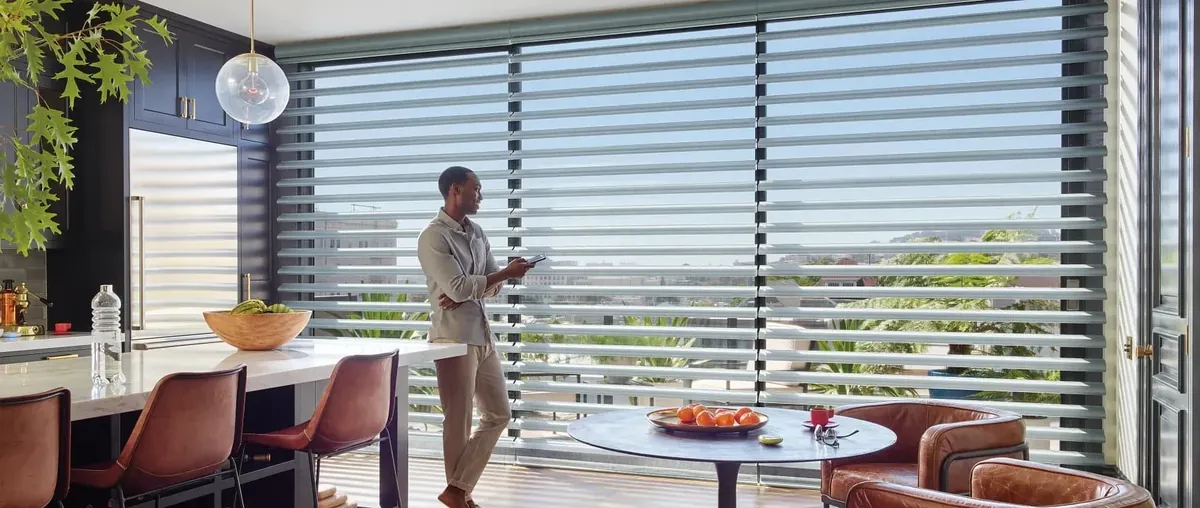
The newer condominiums near the Back River are a different kind of job from a house. The windows are modern and regular, often with a slider out to a balcony or patio and a large living room window beside it. Many units have rooms facing only one or two directions, so the light in each room is consistent, and the river side gets the bright, reflected light off the water.
Honeycomb shades suit a condo well. They are tidy, they look consistent from outside, and they keep a unit with large modern windows warmer in winter and cooler in summer. A slider needs a covering that leaves the door easy to use, and we look at how you use it before suggesting one. The big window beside it can be split into two or three shades on one headrail.
Many condominium buildings have guidelines about what shows from the outside, such as a white or neutral color facing the street. If yours does, bring the guidelines to the visit, and we will choose fabrics that meet them while letting you pick the color you want inside. Because every shade is made to measure, a unit’s windows end up looking as neat from the street as the building expects.
Condos also tend to be on one level, which makes them a tidy fit for a single fabric across every room, with a darker version in the bedroom. If you are planning cellular shades in Weymouth, MA, for a unit you have just moved into, doing every window at once is often simplest, since the sizes are regular and the look stays consistent from the balcony to the bedroom.
A pocket of still air at the glass
Hold a honeycomb shade sideways and you see why it works: a row of six-sided pockets running its full width. When the shade is lowered, each pocket holds a tube of air with nowhere to go.
Air that cannot move carries heat slowly. So the shade lays a layer of it between the window and the room. On a winter night with the wind off the harbor, the warmth in the room stays on your side of the shade a little longer; the cold off the glass stays on the other. In summer, lowered on the sunny side through the afternoon, the same pockets slow the heat that the glass lets in.
That is why we suggest starting with the coldest rooms and the ones on the water side, whatever kind of home you have. A cape’s dormer bedroom, a two-family’s top-floor living room, a condo’s river-facing slider: those are where cellular shades in Weymouth, MA, make the first difference.
Two lines, one idea
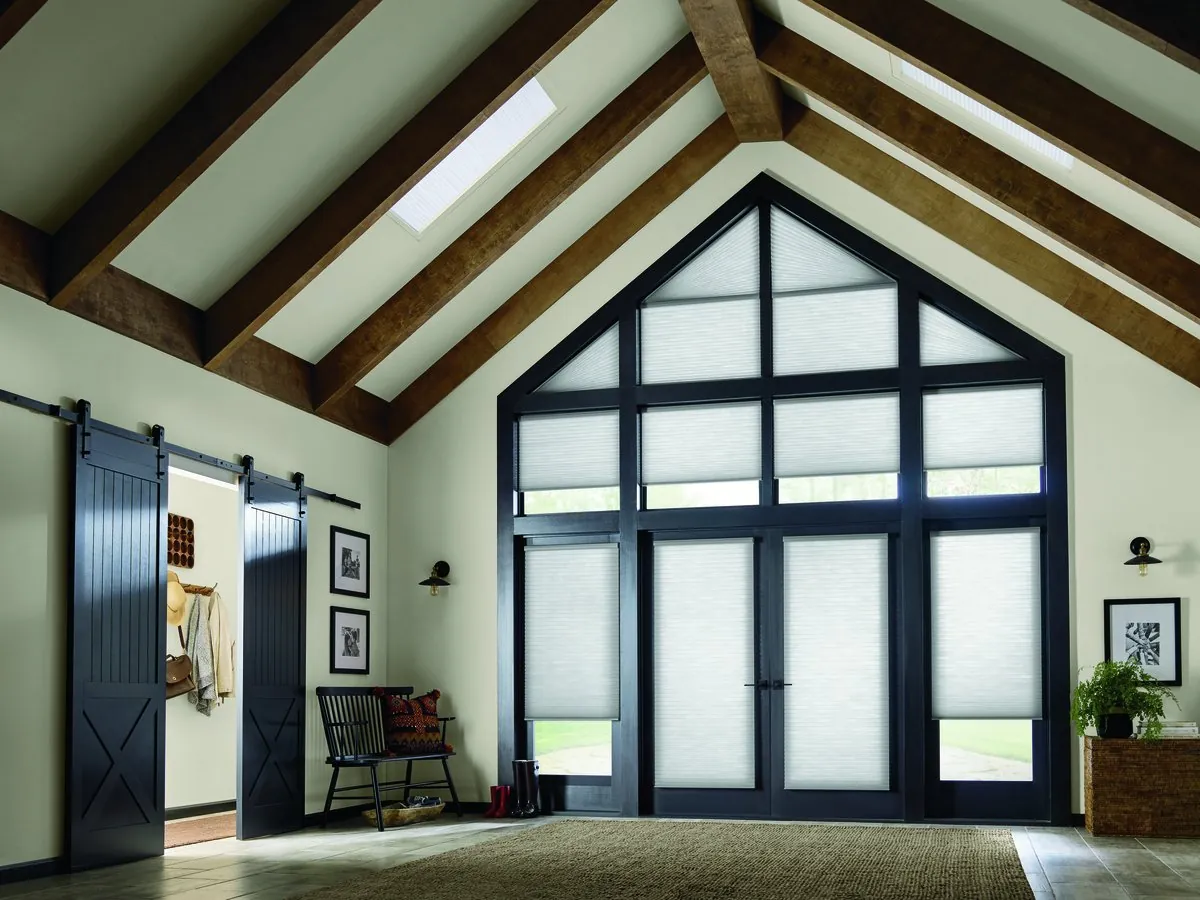
Hunter Douglas sells its honeycomb shades under two names. Duette is the bigger family; if a window near the Landing is an odd width or unusually tall, Duette’s size range is usually where the answer lies. Applause is a collection in its own right, with colors and fabrics that differ from Duette’s, and it sits happily on the regular windows of a ranch, a cape or a modern condo. The cell, and the still air inside it, works the same way in both.
Some households settle on one line for every room; others choose window by window. Either way the decision gets made with swatches from both lines pinned against your glass, so the comparison is fair. Our cellular shades page sets the two side by side if you want to read up first.
Weather on the river side, season by season
The river and harbor side of Weymouth has seasons of its own at the window. In winter, the wind off the water presses hardest on the windows that face it, and those rooms run colder than the rest of the house even with the heat up. That is where cellular shades in Weymouth, MA, earn their keep first: lowered at dusk, they slow the warmth draining out through the glass on the side of the house that takes the weather.
Spring and fall bring the low sun. Coming in at a shallow angle and reflecting off the water, it can light up a room with real glare for an hour or two at the start or end of the day. A light-filtering fabric lowered for those hours keeps the room usable. Summer brings long, bright days and windows open to the breeze, and a shade that softens the light while letting the room breathe is what most water-side rooms need.
Through all of it, the view stays the point. On the water side, we tend to suggest lighter fabrics in the rooms you sit in and save the darker ones for bedrooms, so the shades handle the weather while the water stays part of the room.
PowerView on the water side
Motorization makes particular sense in two Weymouth situations. On the harbor and river side, a schedule can lower the shades for the brightest hours of reflected light and raise them again afterward, without anyone remembering. In a condo or a two-family where a window sits behind furniture or above a counter, a remote or phone app makes it as easy to use as any other. PowerView handles both, with control from a remote, an app or a schedule. We plan how each motor is powered at the visit. Our motorized blinds and shades in Weymouth page has more.

Gallery dealer range, certified hands
We are a Hunter Douglas Gallery dealer, so a Weymouth order is never limited to a short list. Any honeycomb fabric in either line can go on your windows, and PowerView can be added wherever reaching or remembering is the problem.
The shades are hung by installers carrying Hunter Douglas certification, who check that every headrail sits true, cycle each shade and hand over the controls with a quick lesson. Older blinds or shades in the house that have stopped cooperating can be looked at too; we take on repairs.
Not every room in a Weymouth home wants honeycomb. Try roller shades in Weymouth for strong water glare, custom blinds in Weymouth, or plantation shutters in Weymouth. Everything we do in town is on our Weymouth page.
Your consultation, in order
For Weymouth, consultations come from our Canton-based shop-at-home team and take place where the shades will hang. Samples travel in the van, so we can bring the showroom to you; our shop-at-home from Canton page explains more.
- Ask for a visit using Request a Consultation, or tap the call button, and we agree a day and time.
- The consultant unpacks swatches in a spread of shades, from bright white to deep tones, light to heavy.
- You lead the tour: the water-facing rooms, the dormer that never warms up, the slider to the balcony.
- Swatches are held to the glass so you can judge glare, privacy and color with your own eyes.
- Each opening is measured and its frame checked to decide where the headrail will sit.
- You are left with a free estimate and all the time you need to think it over.
If you would like ideas for a whole room as well, our interior design consultations can be folded into the same appointment.
If you want to see a store first
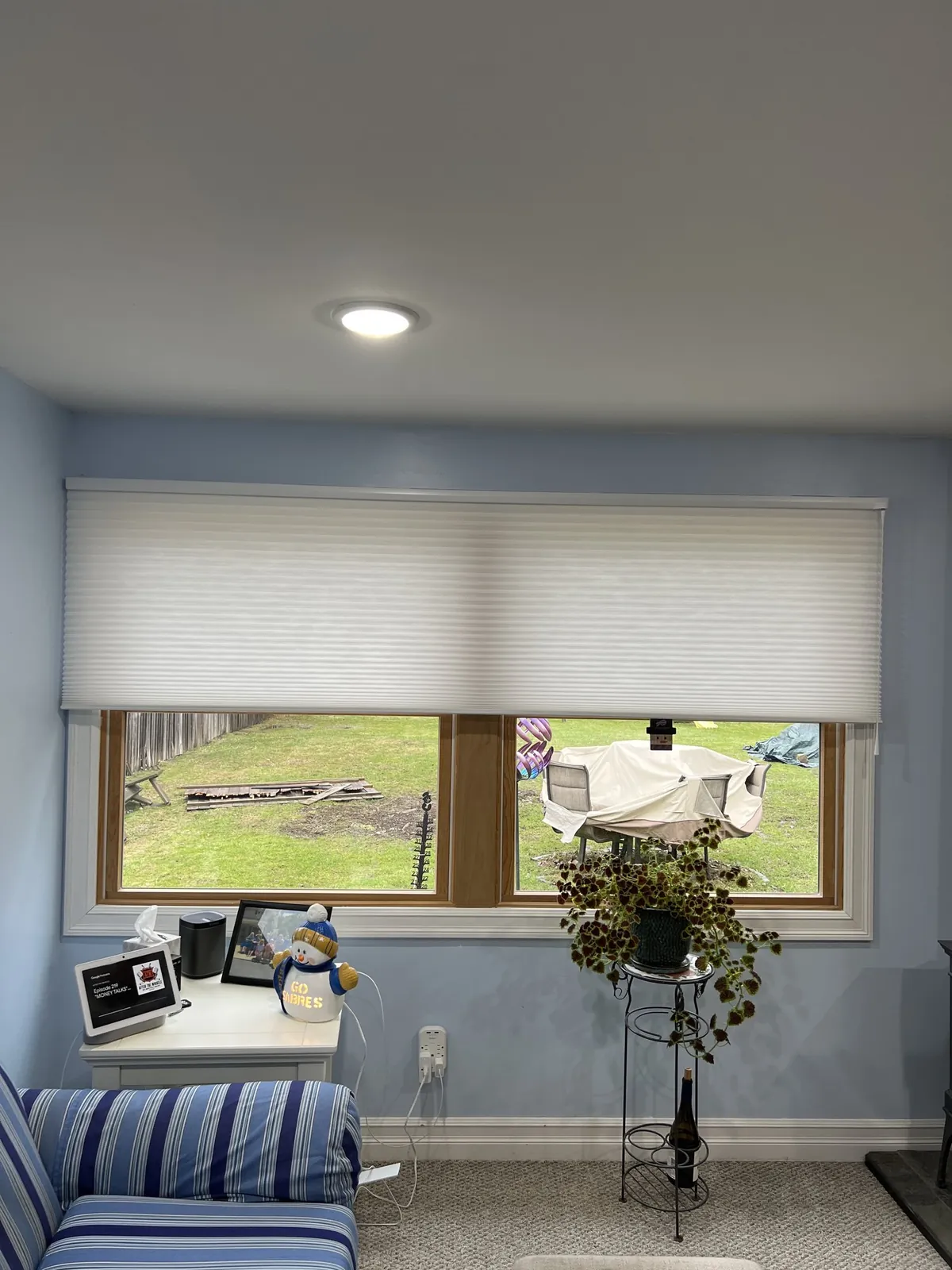
A fabric that looks right under store lighting can look quite different with the harbor glinting outside, so the home visit is where most Weymouth decisions get made.
Still keen to browse in person? Of our showrooms, Franklin is the closest, and starting there before booking a home visit works fine.
Questions from Weymouth
My house faces the harbor. How do I cut the glare without losing the view?
A light-filtering honeycomb fabric turns reflected glare into an even glow, and you can lower it only for the brightest hours. Raised, the shade folds into a slim stack and the view is clear.
Do honeycomb shades hold up near salt air?
The working parts sit inside the headrail, so far less is exposed than with an older corded blind. Our installers fix the brackets firmly for windows that get opened often in summer.
My condo has rules about what shows from outside. Can you work with them?
Yes. Bring the guidelines to the visit, and we will choose fabrics that meet them, often a white or neutral facing out, while you pick what you want inside.
We own a two-family near the Landing. Should both floors match?
Not necessarily. Keeping the street-facing color the same on both floors gives a tidy front, while each unit chooses what suits it inside.
Do I have to come to a store?
No. The consultant brings the swatches to you. Should you want a store as well, Franklin is our nearest showroom.
From the Landing to the Back River
A dormer bedroom in South Weymouth, a first-floor unit near the Landing, a condo looking over the river: whichever it is, cellular shades in Weymouth, MA, start with a visit to the home itself. Use Request a Consultation to set one up. The swatches, the measuring and a free estimate all come with it, and the call button is there for anything you want to ask beforehand.