
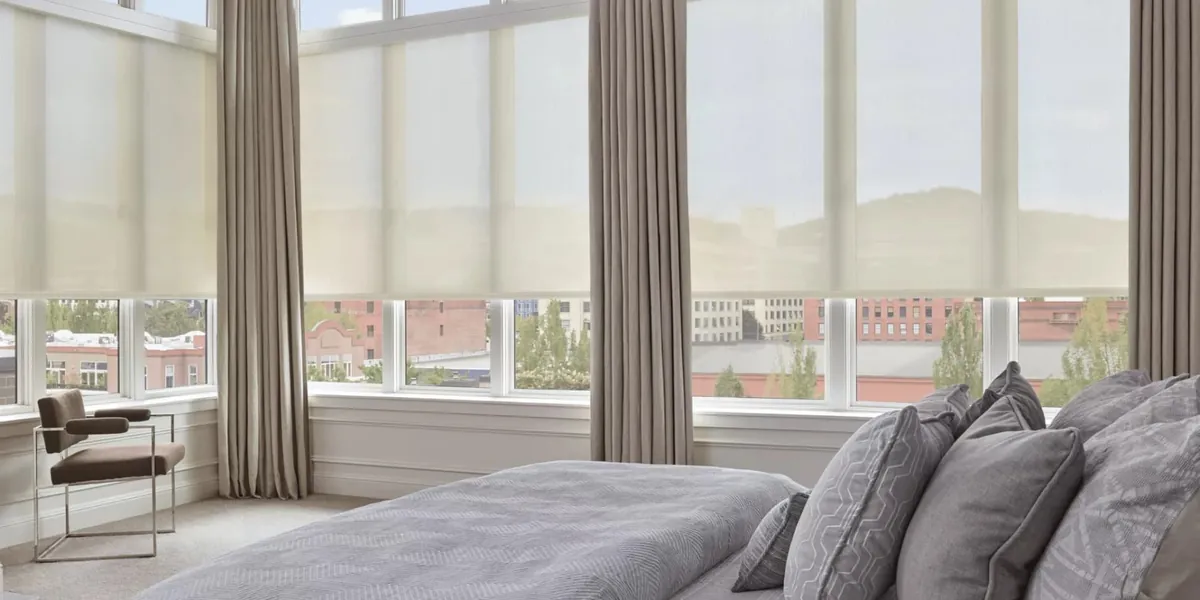
Brownstone sash and condominium glass
The city holds two very different kinds of window. Through the Back Bay, Beacon Hill and the South End, brownstones and row houses have tall, narrow sash set into deep masonry reveals, often on a street protected by historic district review. A few blocks away, new high-rise condominiums put floor-to-ceiling glass on every exterior wall.
Choosing window treatments in Boston, MA, means knowing which of those two problems you have. A parlor floor in a row house needs a covering that fits a slender, deep opening and looks orderly from the sidewalk. A corner unit high above the street needs something that can tame a whole wall of sky without closing off the skyline.
We plan both kinds of home the same way: at the windows themselves, with samples in hand.
Window treatments in Boston, MA, by service
Each card leads to the full page for that service in the city, so you can read about window treatments in Boston, MA, one product at a time.
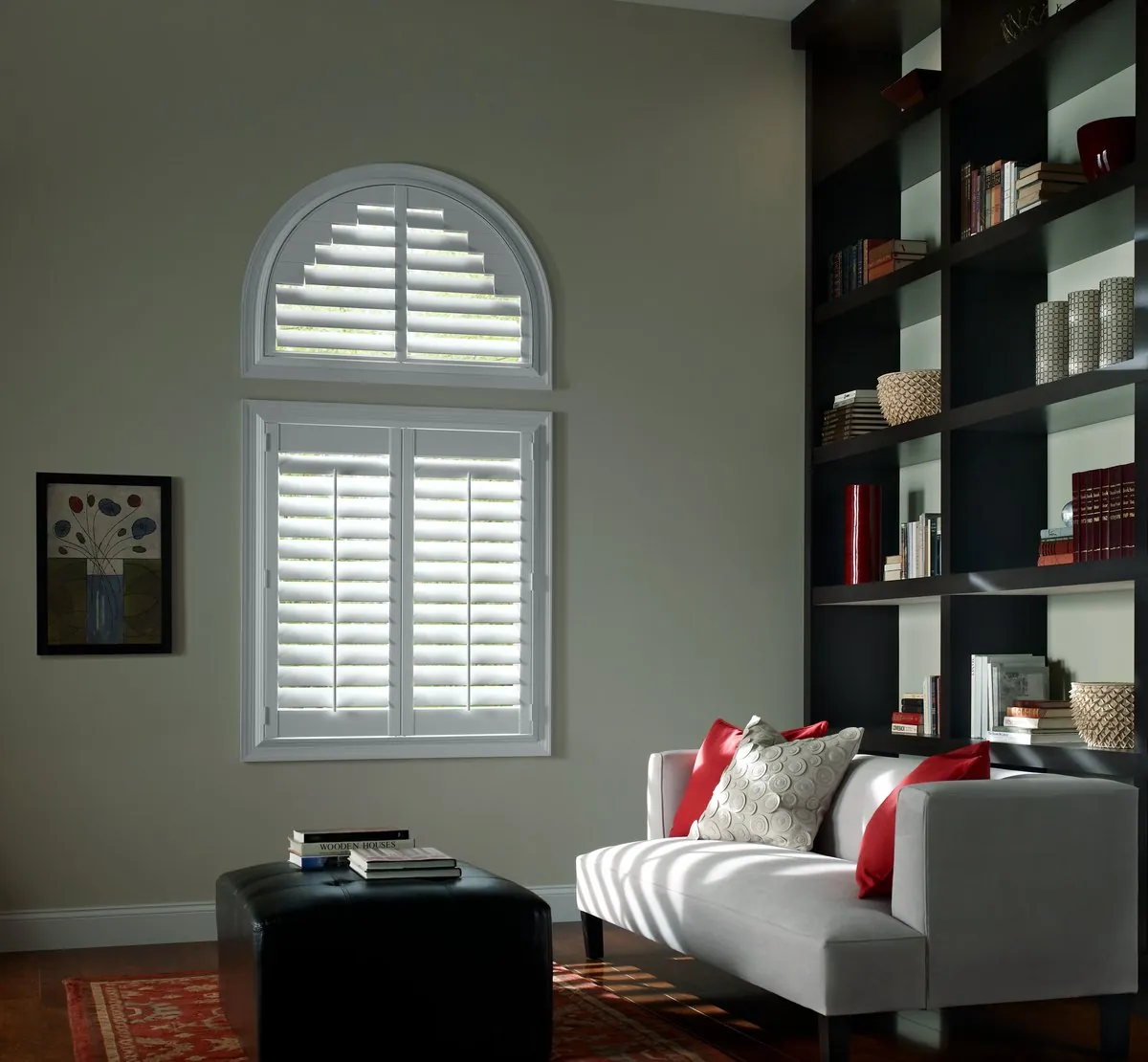
Plantation Shutters in Boston
Palm Beach, NewStyle and Heritance shutters, framed to sit within a deep brownstone reveal.
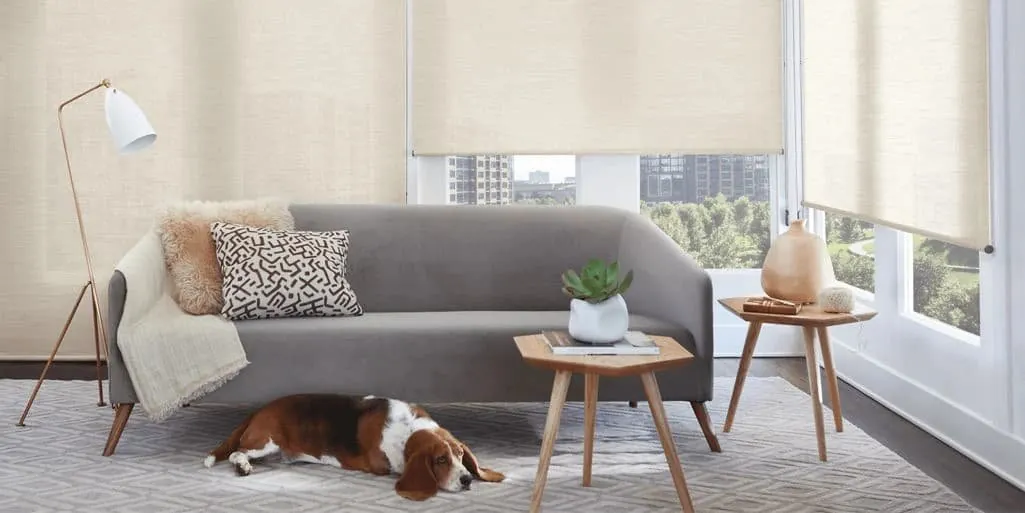
Roller Shades in Boston
Designer and Alustra rollers and solar screens, chosen by openness so the skyline stays in view.
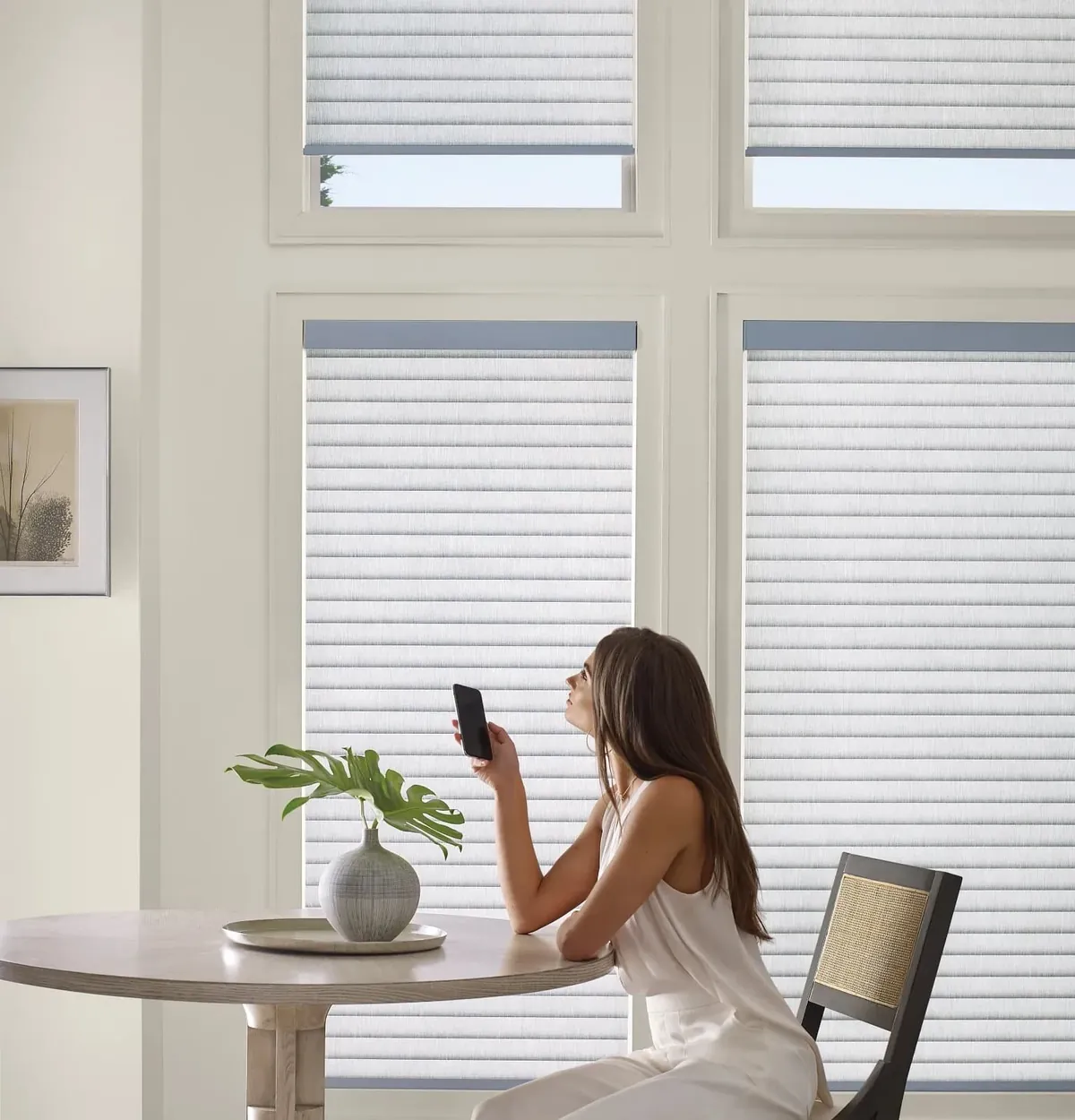
Motorized Blinds and Shades in Boston
PowerView runs a whole glass wall, or the high sash in a parlor, from an app, a remote or a schedule.
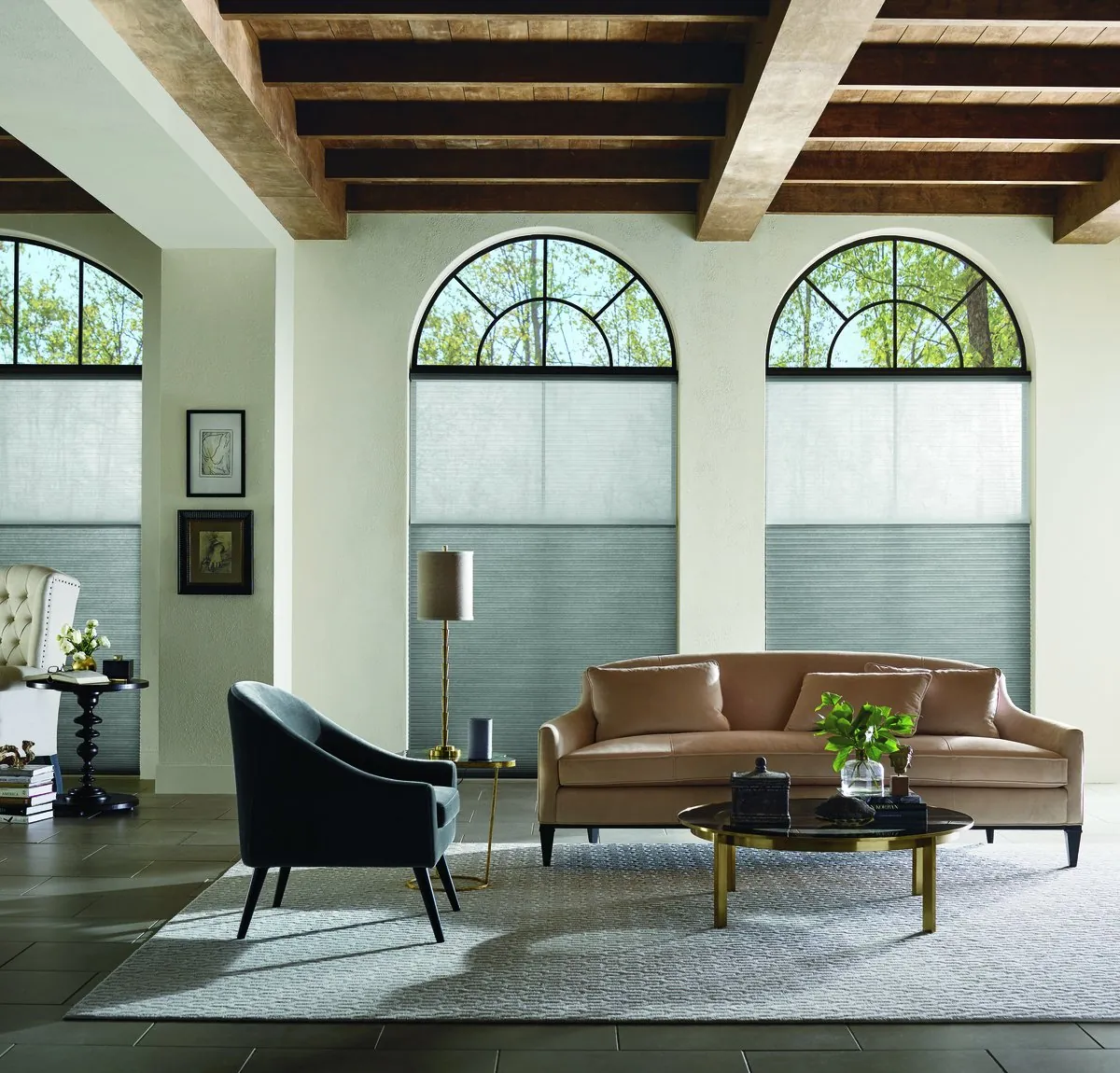
Cellular Shades in Boston
Duette and Applause honeycomb shades, slim enough for narrow sash and quiet in a bedroom.
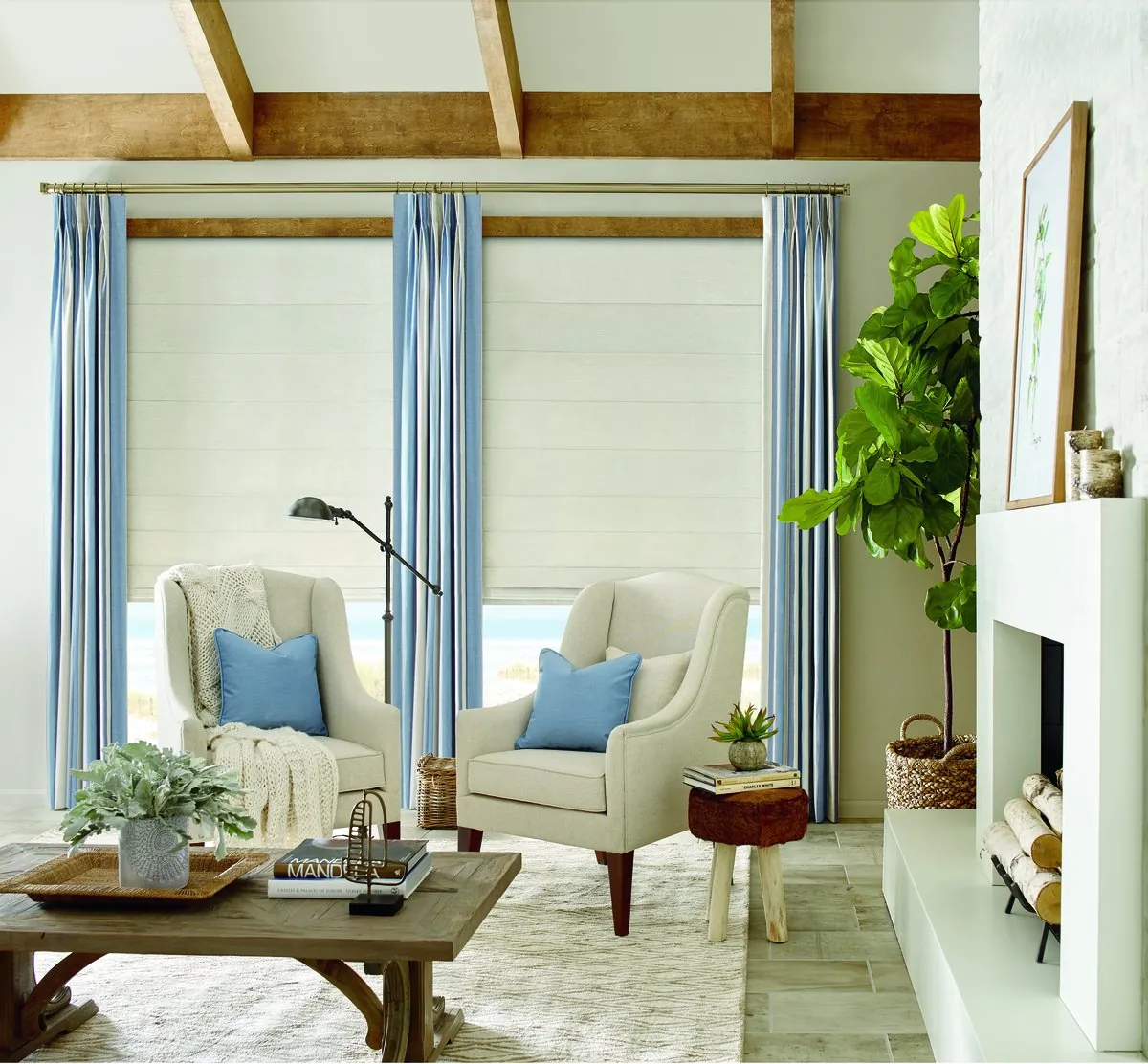
Roman Shades in Boston
Vignette and Carole fabrics, flat or folded, for a parlor or a dining room with a marble mantel.
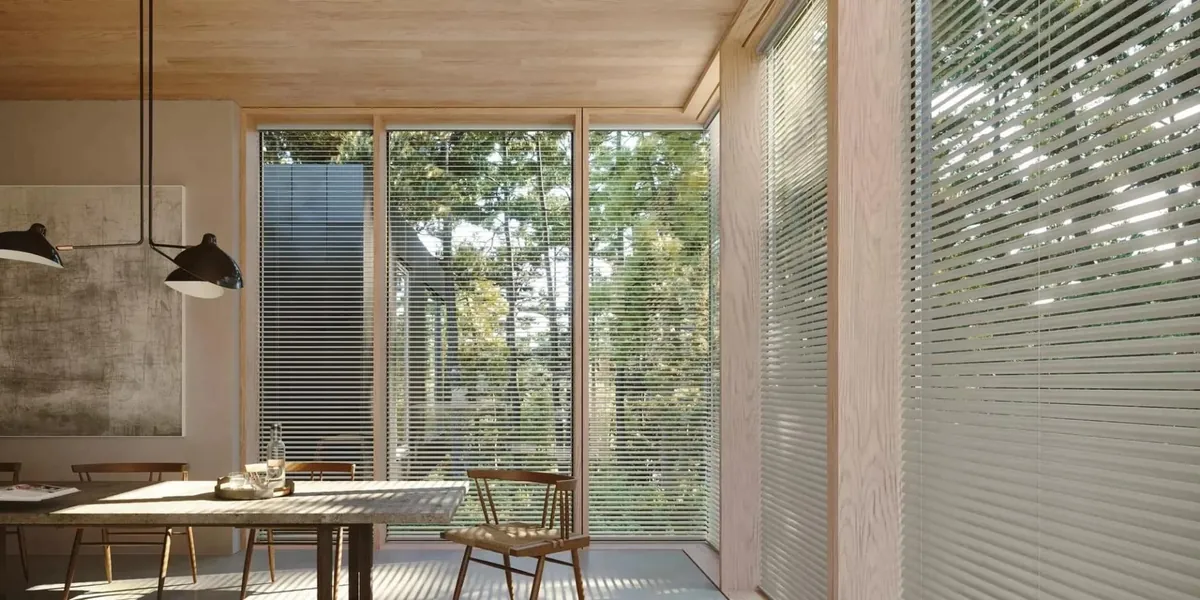
Custom Blinds in Boston
Wood, faux wood, metal and vertical blinds, from crisp metal slats in a tower to warm wood in a study.
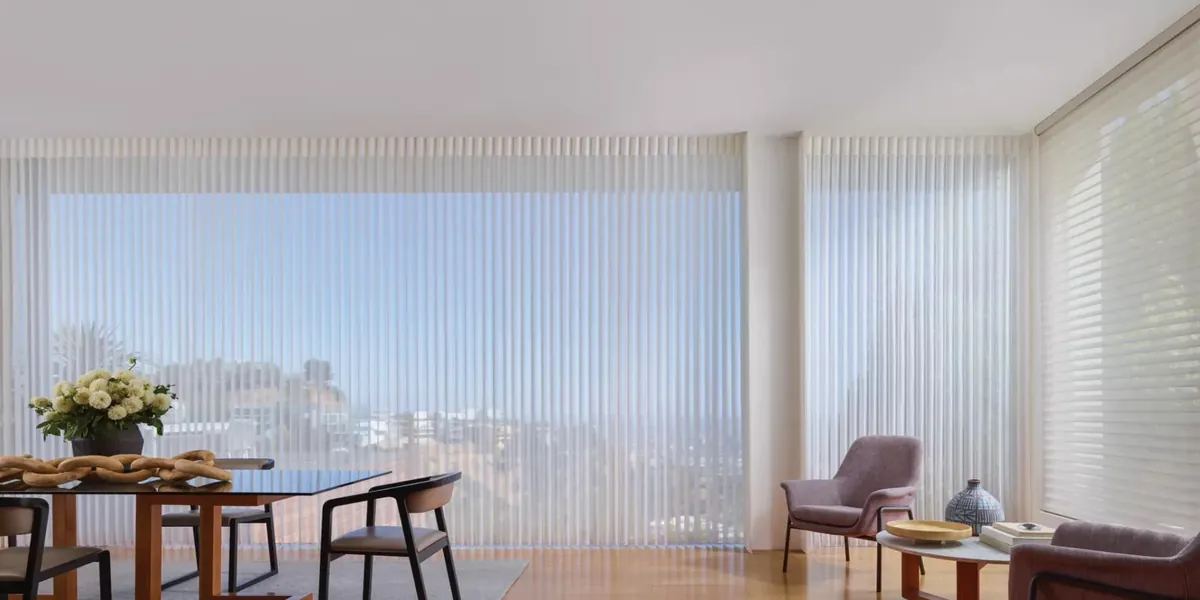
Hunter Douglas Dealer in Boston
As a Gallery dealer we can offer the full Hunter Douglas range, hung by certified Hunter Douglas installers.
The row house window, measured from the inside
A Back Bay or South End window is usually much taller than it is wide, and it sits at the back of a masonry opening that can be well over a hand’s width deep. That depth is an opportunity. It means most coverings can be mounted inside the reveal, tucked back from the room, with the stone or plaster returns left showing on either side.
Narrow sash does shrink the field, though. Some products need a minimum width to work well, and a very slim opening rewards a shade with a compact headrail and a small stack when raised. On a tall window, the stack height matters more than usual, because it sits at the top of the glass where the light is best.
Older openings are rarely square. Brick settles, plaster gets patched, and one side of a parlor window can be a little off the other. That is why we measure each opening on its own rather than assuming a row of windows are the same size, and why an inside mount in an old house is a decision to make with a tape measure in the reveal, not from a drawing.
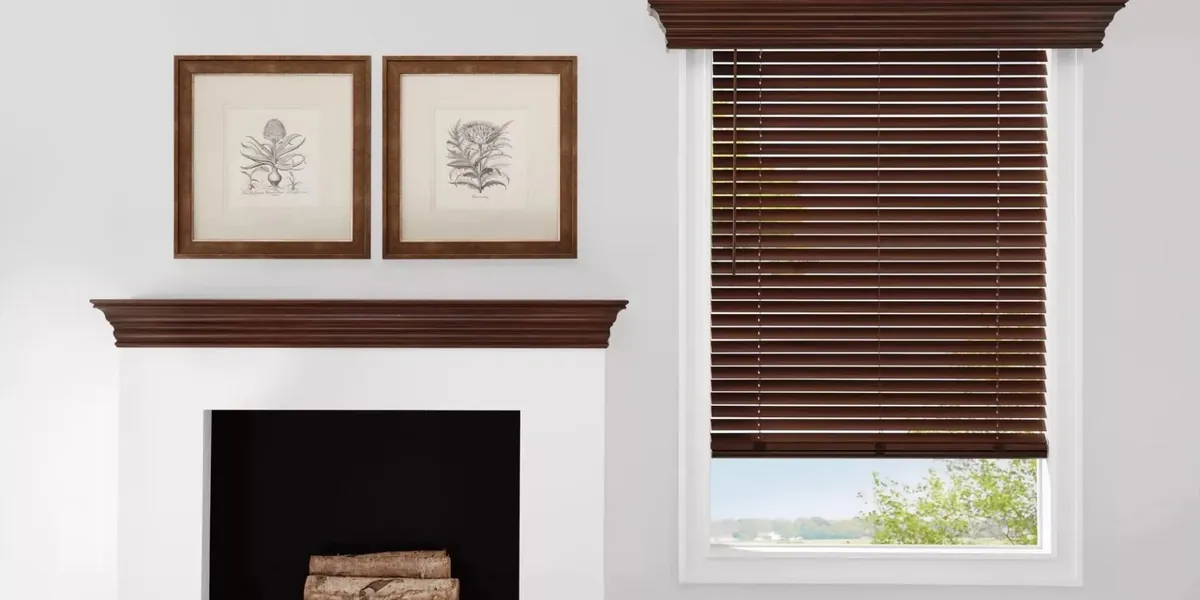
Looking orderly from the sidewalk
On a street under historic district review, the front of the house is watched closely, and most owners want what shows through the glass to look calm and consistent. Interior coverings are not the facade, but from the brick sidewalk they are part of how the facade reads.
The simplest way to keep a row house front tidy is to give every street-facing window the same color backing, so the sash looks uniform from outside even if each room is treated differently inside. Shutters set inside the reveal are a long-standing choice for this reason: their frames line up floor by floor. Pale honeycomb or roman shades in one tone do the same job more softly.
If your building or your district has its own guidance on what shows from outside, bring it to the consultation and we will choose within it.
Parlor floors with high ceilings
The parlor floor is where a brownstone shows off: tall windows, a marble or wood mantel, crown molding, and often a pair of front windows facing the street with another pair at the back. These rooms are formal by nature, and they can carry a richer treatment than the floors above.
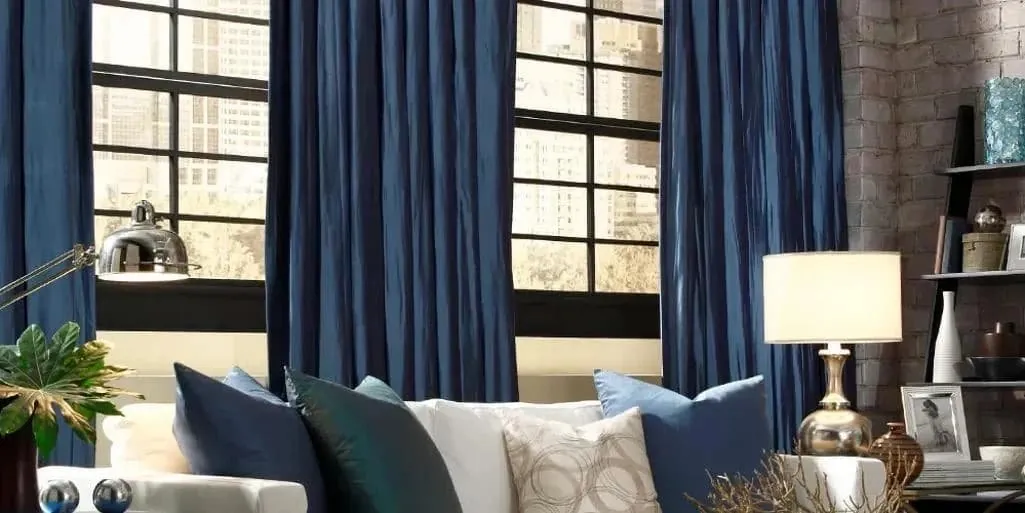
A common plan pairs a roman shade or a sheer shading inside the reveal with full-length side panels hung on a rod set close to the ceiling. The shade handles daylight and privacy, and the panels frame the height of the window. Plantation shutters are the other classic route, especially where the window has interior wood trim worth framing. Where the top of the window is arched, a shutter can follow the curve, or a shade can stop at the spring line and leave the arch bare.
Garden levels and street-level privacy
The garden level of a row house sits partly below the sidewalk, so passers-by look straight in at eye level or even down into the room. Privacy here is a daytime issue, not just an evening one, and daylight is already in short supply.
The usual answer is a covering that hides the lower glass while letting light in above. Cafe-height shutters do this neatly, covering the bottom of the window and leaving the top clear. A light-filtering shade in a pale fabric keeps the room bright while blurring the view in. Avoid dark fabrics on a garden level; they swallow what little light the window brings.
At the back of the house, the garden level often opens onto a small yard through a door or a pair of French doors, and those want a covering mounted to the door itself so it stays put as the door swings.
Upper floors, bedrooms and top-floor dormers
As you climb a row house, the ceilings drop and the windows get smaller. Bedrooms on the upper floors face the street or a neighbor’s rear wall across a narrow gap, and city light, from streetlamps to signs, carries on all night.
Room-darkening honeycomb shades or blackout rollers are the practical start for sleep. Inside a deep reveal they can sit close to the glass, which leaves less space for light to creep round the edges. A top-floor dormer or a small roof-deck door is often the last window anyone thinks about, but it is also the one that lets in the earliest sun; a shade mounted into the dormer’s own opening keeps it simple.
The glass tower: walls of floor-to-ceiling windows
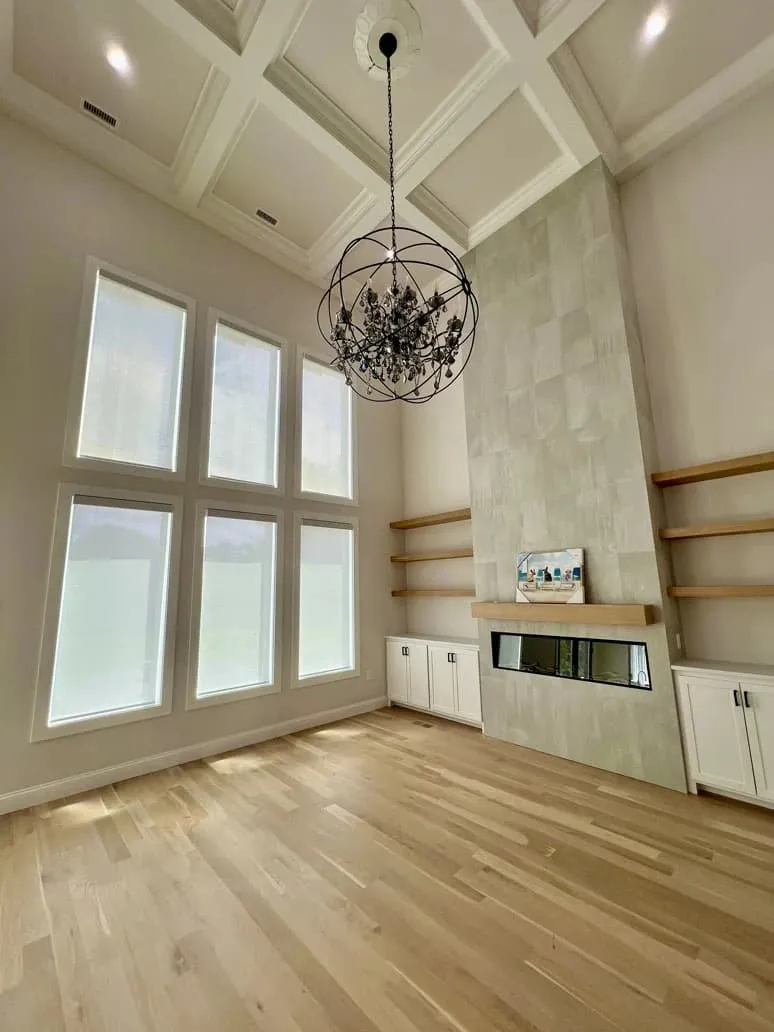
New high-rise condominiums turn the row house problem upside down. Instead of slender openings in thick walls, you have entire exterior walls of glass, often meeting at a corner, with a view you paid for and sun that can arrive with no warning from a neighboring tower.
Here, the job is to control glare and heat without giving up the skyline. Solar screen rollers are the workhorse. Their openness tells you how much view stays visible: a more open weave keeps the city sharp through the fabric while cutting glare, and a tighter one gives more privacy and softer light. In a bedroom, where the city never quite goes dark, a room-darkening roller takes over from the screen.
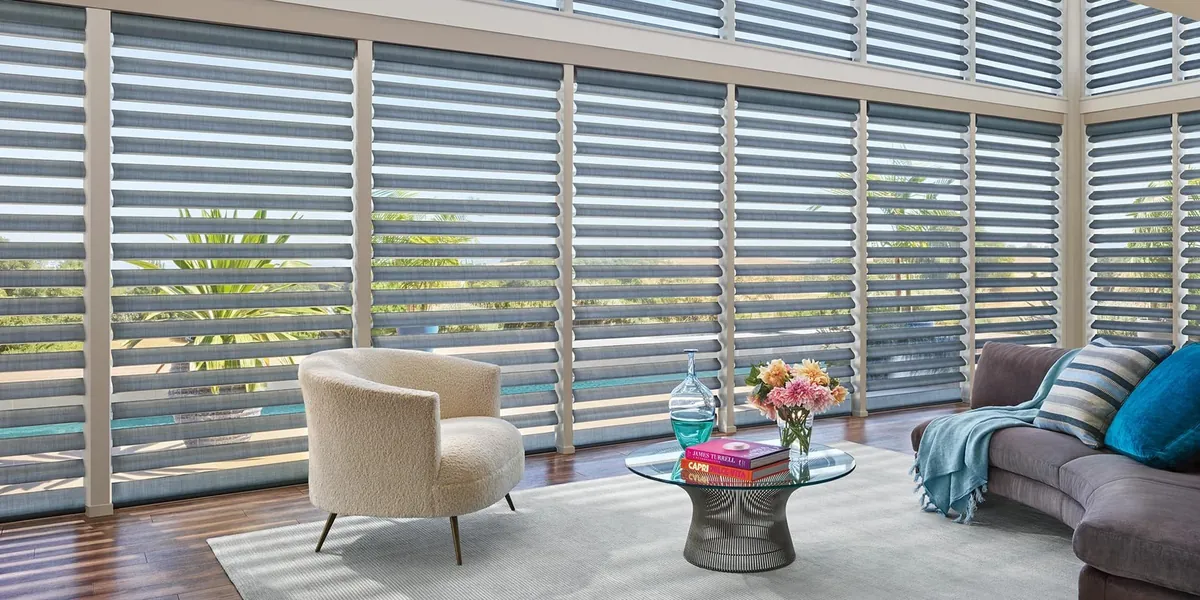
Sheer shadings are the softer option for a living area, filtering the light while the vanes still tilt open to the view.
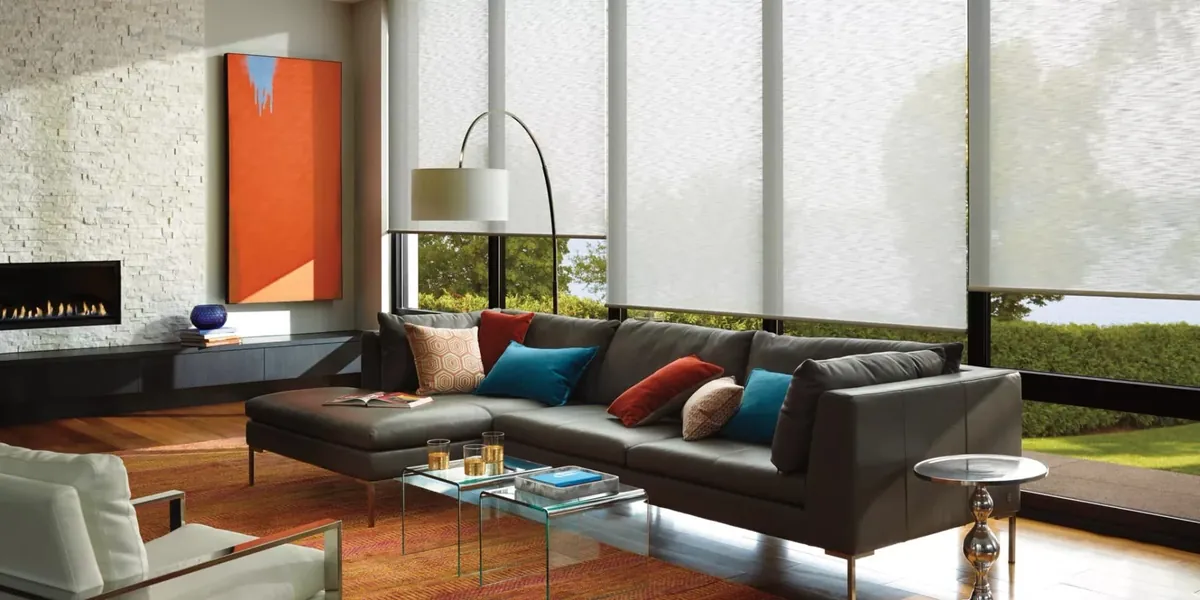
Corners, columns and window walls that keep going
Floor-to-ceiling glass rarely comes in one tidy rectangle. Mullions divide it, structural columns interrupt it, and a corner unit may have two or three walls of glass meeting at angles. Getting the shades to line up across all of it is what makes a condominium look finished.
We look at where each shade will break: at a mullion, so the fabric edges line up with the window frame; at a column, so the shade stops cleanly; and at the corner, so the two runs meet without a gap of light. A pocket or ceiling recess, if the building has one, can hide the rollers completely. Where it does not, we line the headrails up at one height across the whole wall.
Motorization where windows are out of reach
Both kinds of home have windows people cannot comfortably reach. In a brownstone, it is the top of a very tall parlor sash or a window over a stair. In a tower, it is a glass wall too wide to walk along every morning and evening.
PowerView solves both. Shades can be grouped by room or by wall and raised or lowered from a remote, a phone app or a schedule, so the glass wall facing the afternoon sun can come down on its own when you are at work. We plan how each motor is powered at the visit. See motorized blinds and shades in Boston for more on control.
Kitchens, baths and the narrow back windows
Row house kitchens and baths often sit at the back, where windows look onto a light well, an alley or a neighbor’s wall a few feet away. These windows are small and close to wet areas, and privacy matters more than the view.
Faux wood blinds are a familiar choice in a bath, and they tilt for privacy without raising the whole blind. A light-filtering roller or a honeycomb shade in a pale color keeps a back kitchen bright. Where a window faces a light well, a translucent fabric that keeps the room glowing is usually kinder than a blind tilted half shut all day.
In a condominium, the kitchen often opens straight onto the living area, so its covering should match the main glass wall rather than stand apart.
Your consultation happens at home
We serve the city through our Canton shop-at-home territory. That means there is no storefront to drive to: a consultant comes to your address with a van of samples, so the showroom comes to you. For a row house with narrow stairs or a tower unit with a concierge, that is usually the easier way to choose anyway, because every sample is judged in your own light.
- Request a Consultation online, or use the call button to ask a question first.
- A consultant arrives with sample books, shutter corners and fabric swatches suited to both brownstone and tower windows.
- We look at each window together, noting reveal depth, ceiling height, glare and the view you want to keep.
- Every opening is measured on its own, since old masonry openings rarely match.
- You receive a free estimate to review in your own time.
Read more about how the Canton shop-at-home service works, or ask about our interior design consultations for help pulling a whole floor together.

Lofts and conversions in older buildings
Between the brownstones and the towers sit converted warehouses and older buildings turned into lofts, with tall factory windows, exposed brick and high ceilings. These windows are wide and tall at once, and often face each other across a narrow street.
Roller shades in a textured fabric suit the industrial look, and a solar screen keeps the brick-walled room bright. Where the windows are very large, motorized rollers save a lot of walking. Full-length panels on a high rod soften the hard edges if the room feels too stark, and blinds in metal or dark wood can carry the warehouse character into the window itself.
Color against brick, brownstone and steel
The materials around a window change what color works on it. In a brownstone, warm woodwork, plaster and the reddish stone outside call for ivory, cream, linen and soft taupe; a stark white shade can look cold against old trim. Stained wood blinds or shutters suit a study or library where the woodwork is dark.
A tower unit is a different palette. Pale gray, white and soft charcoal sit quietly against steel mullions and a neutral interior,, and a darker solar screen can look sharper against a bright skyline. The side of the fabric that faces out matters as well: on a glass wall seen from the street or from a neighboring building, one consistent outward tone keeps the whole facade calm.
When you are choosing window treatments in Boston, MA, we bring fabrics for both settings, so you can hold a sample against your own trim or your own glass before deciding.
Moving from one kind of home to the other
Plenty of owners know both worlds, moving from a row house to a new condominium or the other way round, and want to bring something of the old home along. Shutters are hard to carry between such different windows, but a fabric or a color can travel well. A roman shade fabric from a parlor floor can reappear on the bedroom roller of a tower unit, and a favorite honeycomb color can carry into a new space with a completely different shape of glass.
Bringing old coverings back to life
Older city homes often come with good shutters or shades that have simply stopped working: a cord worn through, a louver that will not hold its tilt, a roller that will not stay up. Before replacing them, it is worth checking whether they can be put right. We welcome that work and will tell you plainly what makes sense. See blind and shade repair for details.
Why a Hunter Douglas Gallery dealer
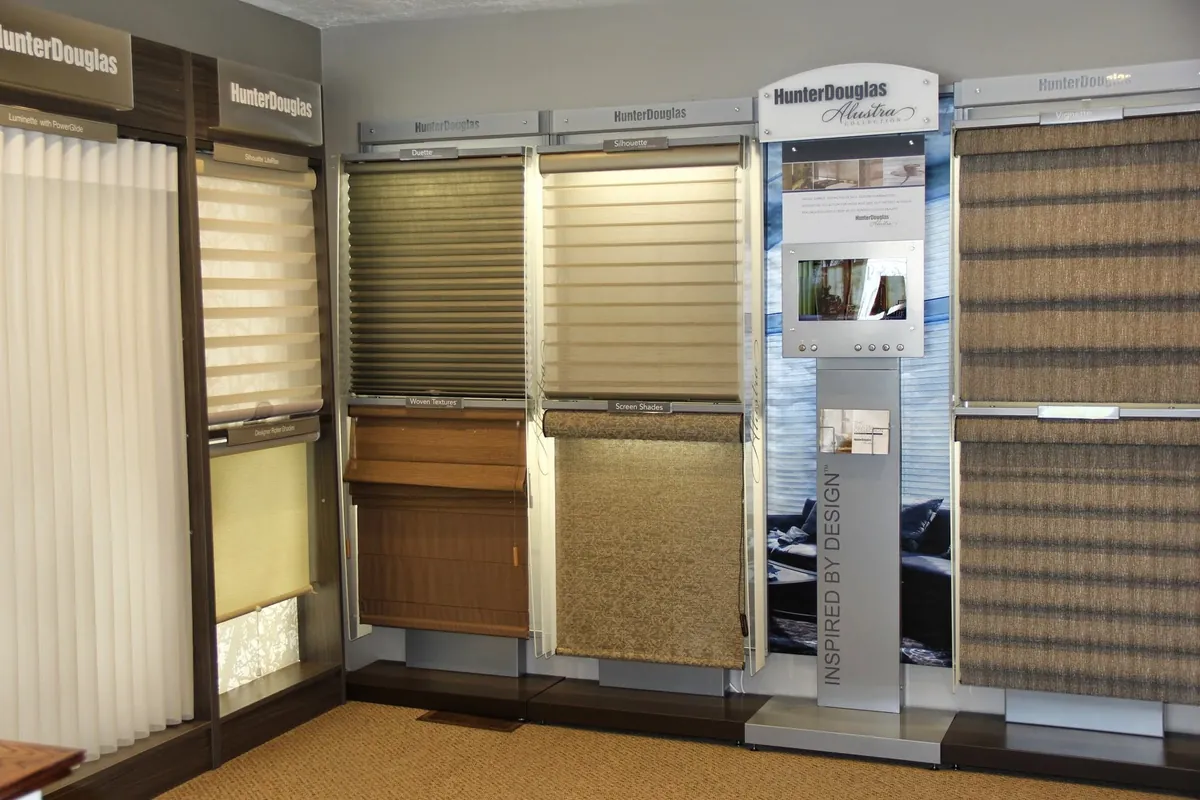
Blinds & Designs is a Hunter Douglas Gallery dealer. Whether you are fitting a single parlor window or every wall of a new condominium, that status means the full range is open to you, from Duette and Silhouette to Designer Screen rollers, Heritance shutters and PowerView.
Certified Hunter Douglas installers hang everything we sell. Alongside the products we offer free estimates, interior design consultations, repairs and window covering automation, with commercial blinds and shades for offices as well.
Questions from Boston
Will shutters fit inside a deep brownstone reveal?
Usually, yes. A deep masonry opening often leaves room to mount shutters inside it, with the frame set back from the room. We measure each opening, because old reveals are rarely square.
What is the best way to keep a city view while cutting glare?
A solar screen roller. The more open the weave, the more of the skyline you see through it; a tighter weave adds privacy and softens the light more.
Can different rooms have different coverings without the front looking mixed?
Yes. Keep the color that faces the street the same on every front window, and the room side can change from parlor to bedroom.
Can shades on a high-rise glass wall be motorized?
Yes. PowerView can group them by wall or room and run them from a remote, an app or a schedule. We plan how each motor is powered during the visit.
Is there a showroom in the city?
No. The city is served from our Canton shop-at-home territory, so the consultant brings the samples to you. The nearest showroom you can visit is in Franklin.
A window-by-window plan for your home
Whether it is a slim parlor window behind a brick reveal or a corner of glass high above the harbor, the best window treatments in Boston, MA, are chosen where they will hang. Ask for a consultation and we will bring the samples, measure each opening and leave you with a free estimate. If you would rather see the products on display first, the Franklin showroom is the nearest one to the city.
To compare everything we carry side by side, see our window treatments page.