
Canal weather and bright water: why Bourne blinds wear
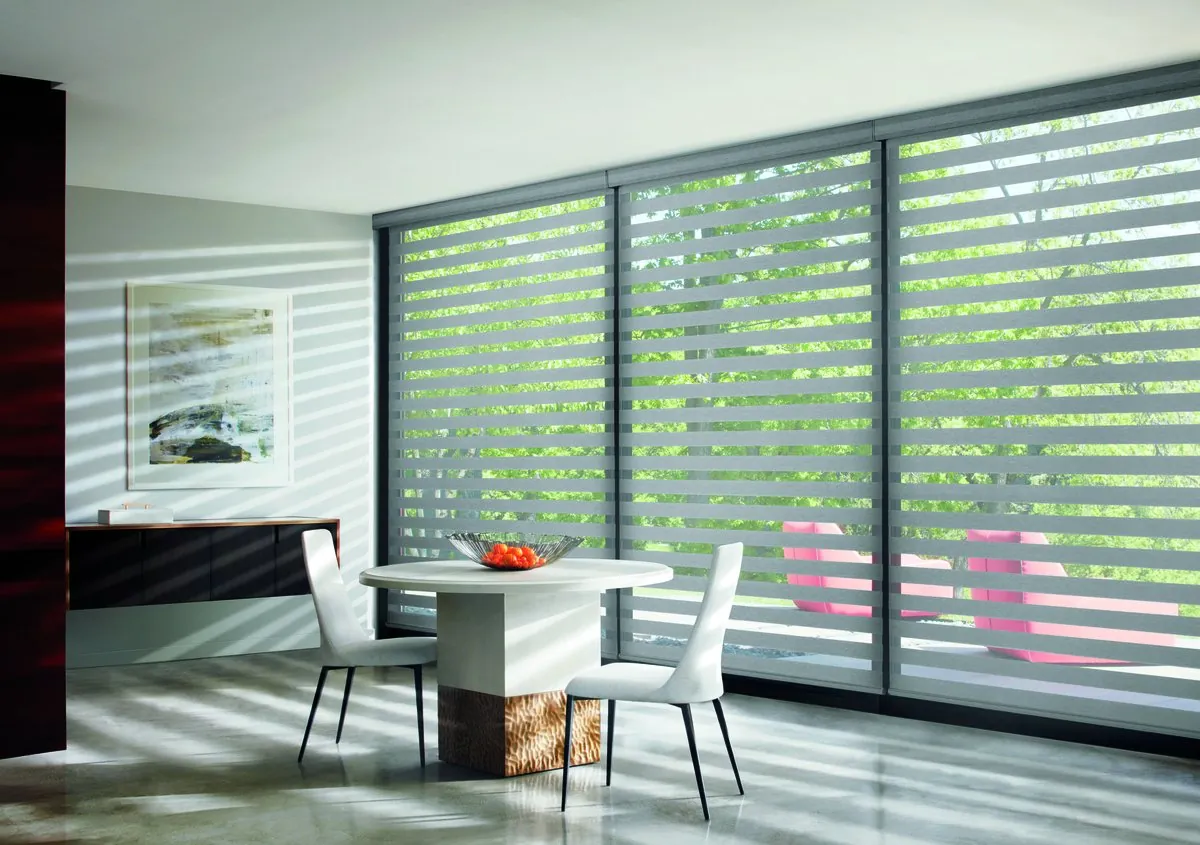
Bourne straddles the canal, and the canal makes its own weather. Rooms that look over the water take wind-driven rain and spray against the glass, and on a clear day the light comes at them twice: once from the sky and again, hard and bright, reflected off the water. Blinds and shades in those rooms work harder than anywhere else in the house, and their cords, gears and brackets show it first.
That is the backdrop for blind and shade repair in Bourne, MA. The work itself is familiar: restringing a lift, replacing a cord or a tilt wand, straightening or resetting a headrail, swapping a tilt mechanism that has stopped turning the slats. What changes from house to house is why it failed.
In the Monument Beach and Pocasset cottages it is usually years of salt and daily handling. In the village housing around Buzzards Bay it is small, busy windows. In the newer colonials inland, away from the water, it is more often plain wear on blinds that were all fitted at once and are now ageing together. Our Sagamore showroom is here in town, so these are houses we see all the time.
What we repair, product by product
Every window covering has the same basic jobs, lifting and tilting or turning, but each type does them its own way. These are the products that come up most often in blind and shade repair in Bourne, MA.
Wood and faux wood blinds
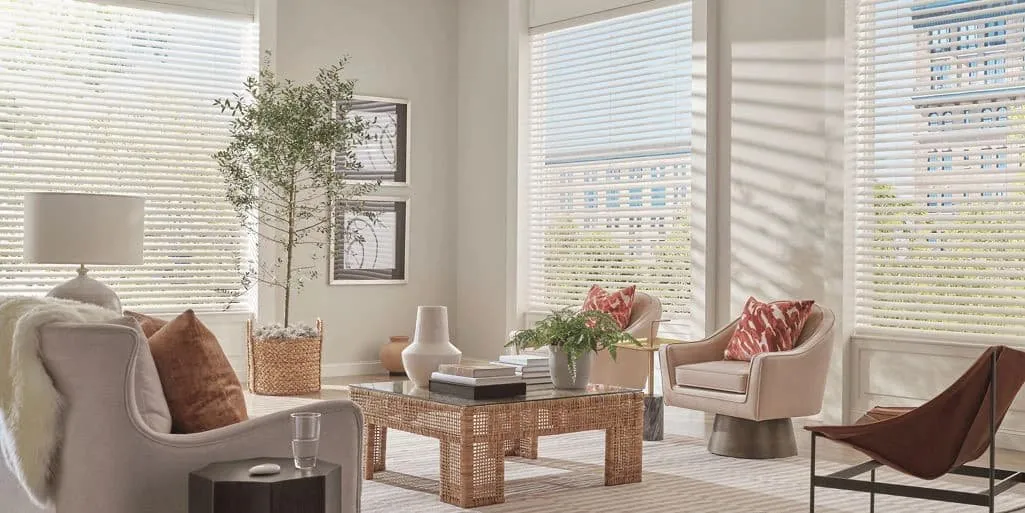
Lift cords and ladder tapes restrung, tilt wands replaced, and the tilter in the headrail swapped when the slats no longer move.
Honeycomb shades
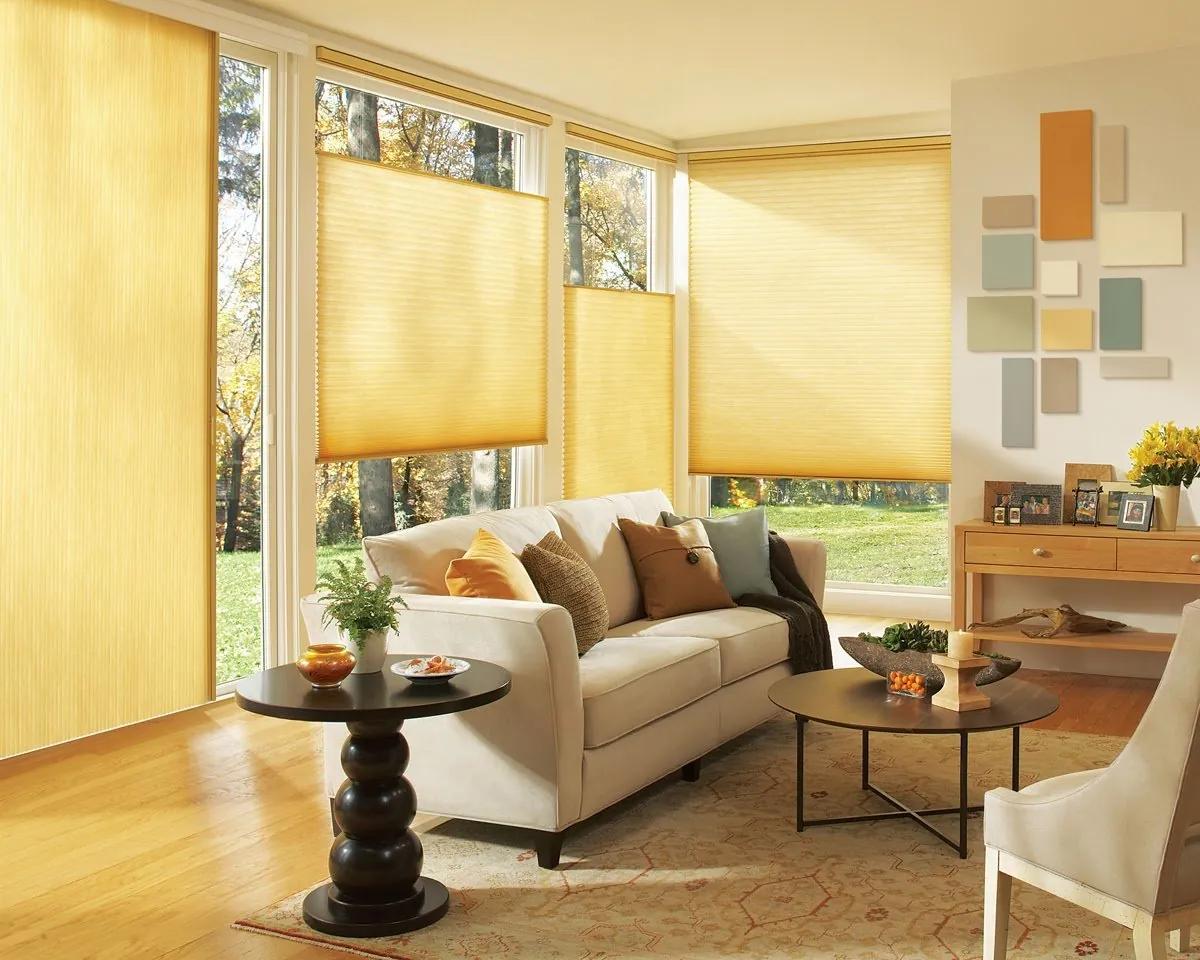
Cords that run inside the cells, restrung along their original path, and cordless lift systems that no longer hold the shade in place.
Roman and woven shades
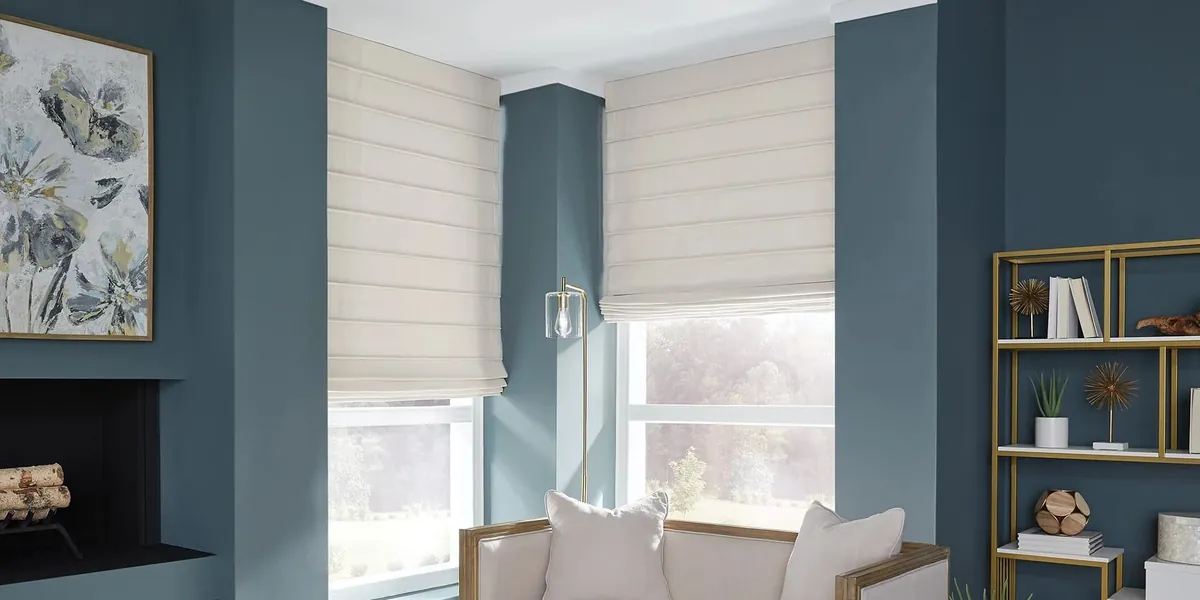
Broken cords and torn rings on the back of the fabric, so the folds stack evenly again.

Roller and screen shades
Slipping clutches, worn beaded chains and fabric that rolls up crooked on its tube.
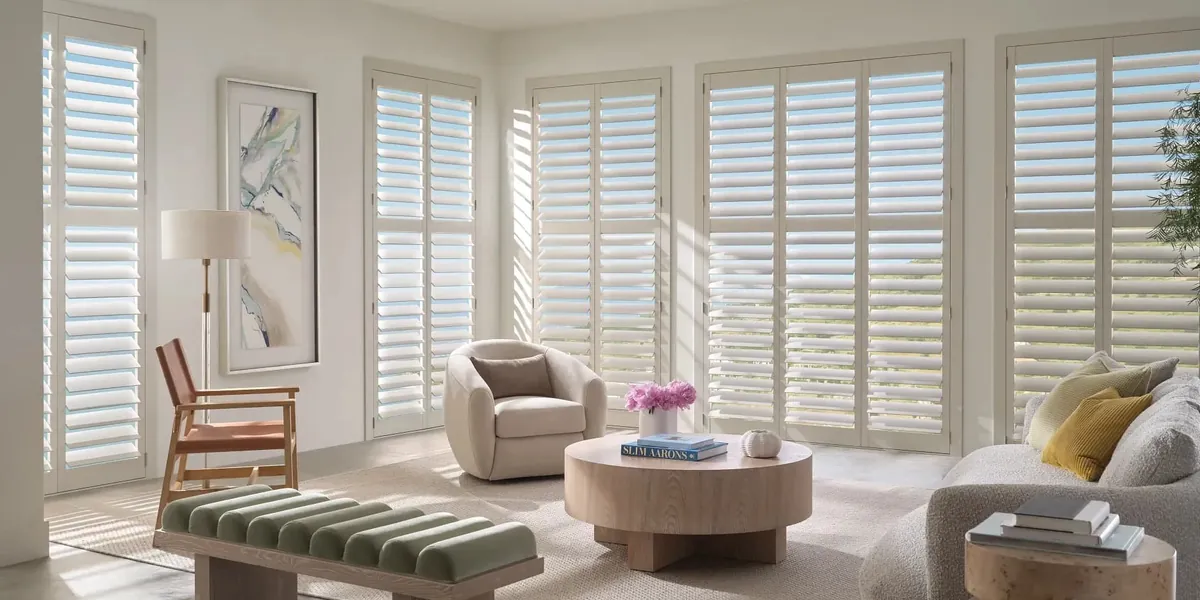
Plantation shutters
Louvers that fall shut, tilt rods that have come loose and panels that sag on their hinges.
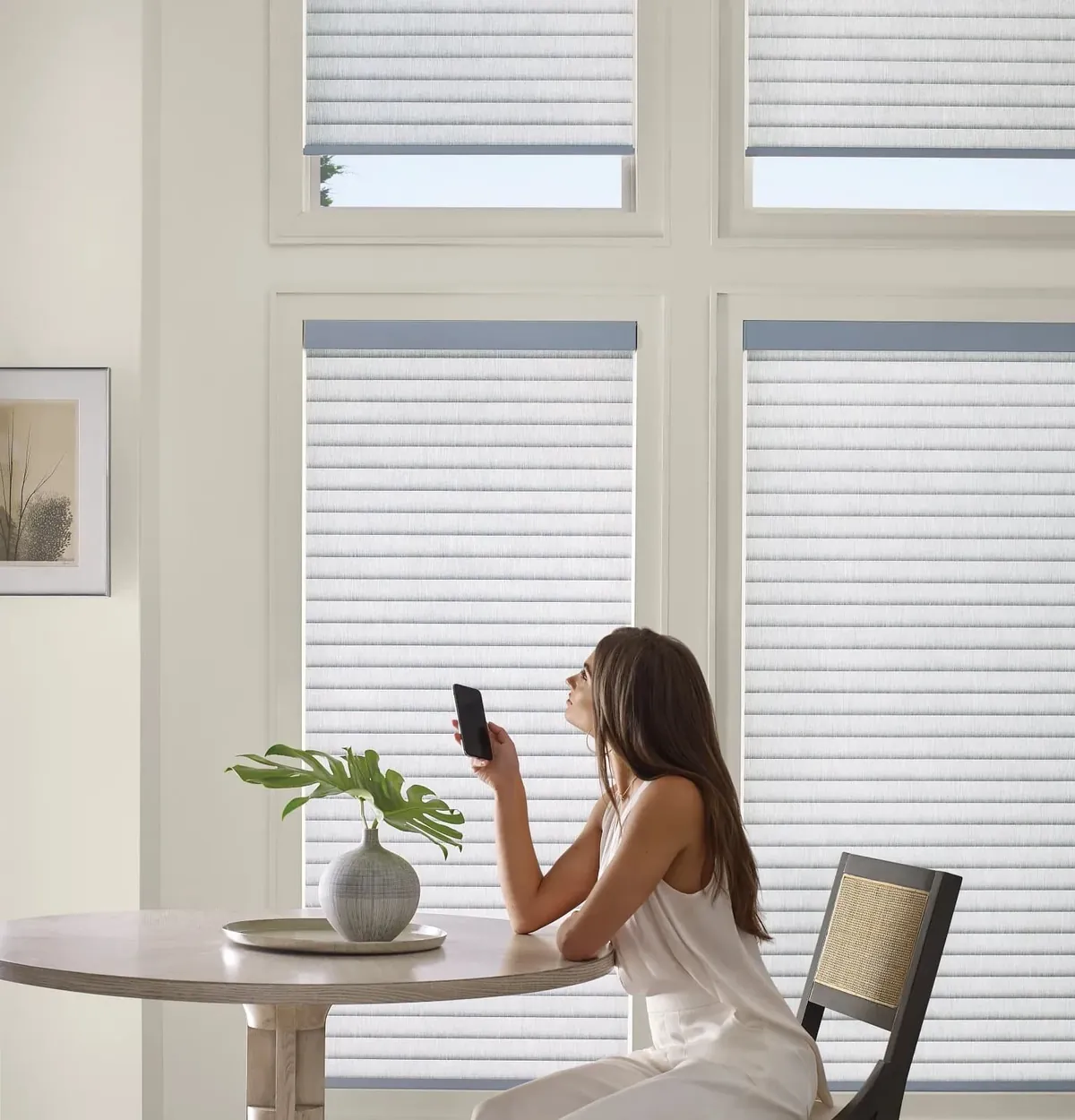
PowerView shades
Motorized shades that have lost their pairing, stopped following a schedule or stopped moving at all.
Monument Beach and Pocasset cottages
The cottages near the shore at Monument Beach and through Pocasset were built for the water, close to it and open to it. Many have small rooms with windows on more than one side, and in the warm months every window is open to the bay. That is lovely to live with and hard on hardware.
Salty air settles into the small metal parts at the top of a blind. The cord lock, which pinches the cord to hold the blind up, collects salt in its teeth until it no longer grips cleanly and the blind creeps back down. The tilter stiffens as its gears corrode. Bracket screws rust and loosen in the soft wood of an old window frame. You notice the symptoms one at a time: first a blind that will not stay up, then a wand that needs a firm twist, then a headrail that sits a little lower at one end.
Each of those can usually be dealt with without replacing the blind. A new cord lock, a new tilter, fresh screws set into sound wood. While the headrail is open, we look at the cords too, because a lock that has been slipping for months has often chewed the cord it was gripping. Restringing at the same time saves a second visit later.
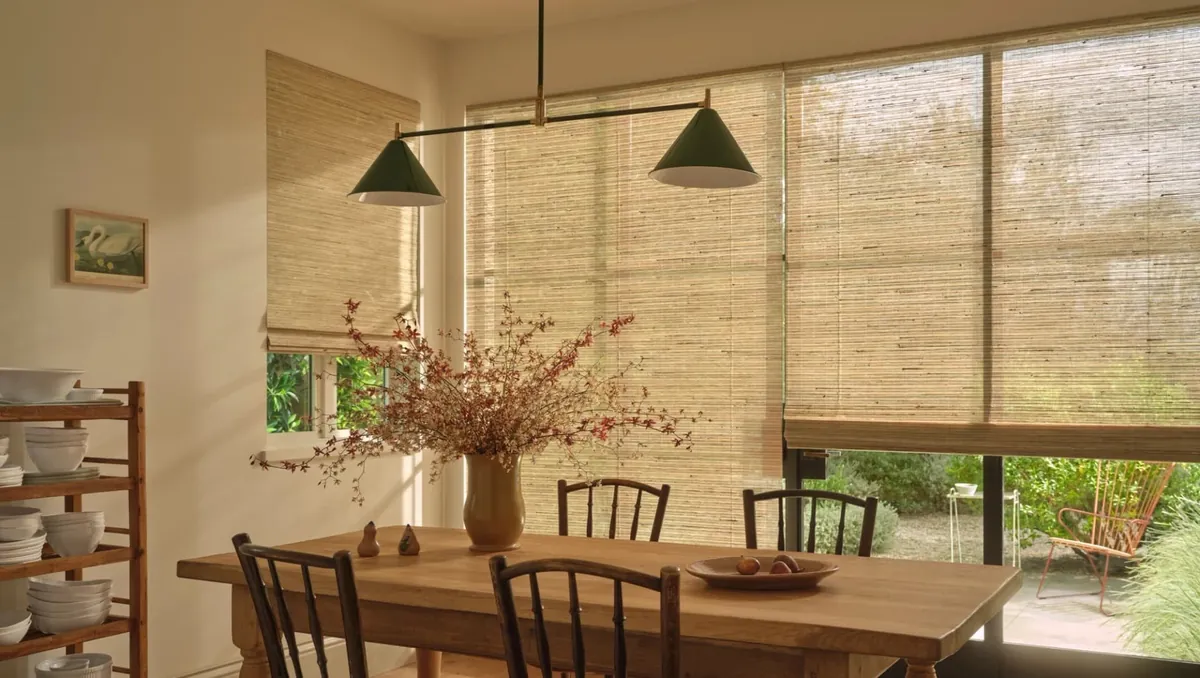
Rooms that face the canal
Houses along the canal, and those that look across the bay toward it, tend to have their best rooms on the water side, and those rooms get the hardest treatment. Wind-driven weather means rain and spray thrown at the glass, and on a mild day the window is often open to it, so blinds can get damp. Then the sun comes out and the water throws light straight back into the room.
Two kinds of wear follow. The first is on fiber: lift cords and ladder tapes left in strong reflected light for years dry out, lose their strength and fray, usually at the point where they leave the headrail. The second is on fabric: shade fabric facing that much light can fade or weaken over many seasons, especially in darker colors.
For the first, restringing is the answer and usually a sound one; it is the most common job in blind and shade repair in Bourne, MA, on the water side of town. For the second, we take a careful look before suggesting new cords. If the fabric is still clean and supple, a restring gives the shade a good few more years. If it has gone brittle or bleached, new cords will not make it look right, and we will tell you so rather than take on a repair that disappoints.
Newer colonials inland
Away from the water, the newer colonials in the inland parts of town have larger, more regular windows and, often, the same blind or shade on many of them, ordered together when the house was finished or bought. That uniformity is handy when things go wrong, because the faults tend to be predictable.
Blinds bought at the same time wear at the same pace. When the first one in the house loses a cord, others are rarely far behind. The tilt wands on the most used windows, kitchen, family room, the main bedroom, usually go first. Two-story foyers and stair windows bring their own challenge: a blind or shade high up the wall is hard to reach when it misbehaves, so a broken cord there becomes a real nuisance.
If you are noticing the same fault on several windows, it makes sense to tell us about all of them at the start. Blind and shade repair in Bourne, MA, on a colonial with many matching blinds is often a set of similar small fixes, and dealing with them together is simpler for everyone.
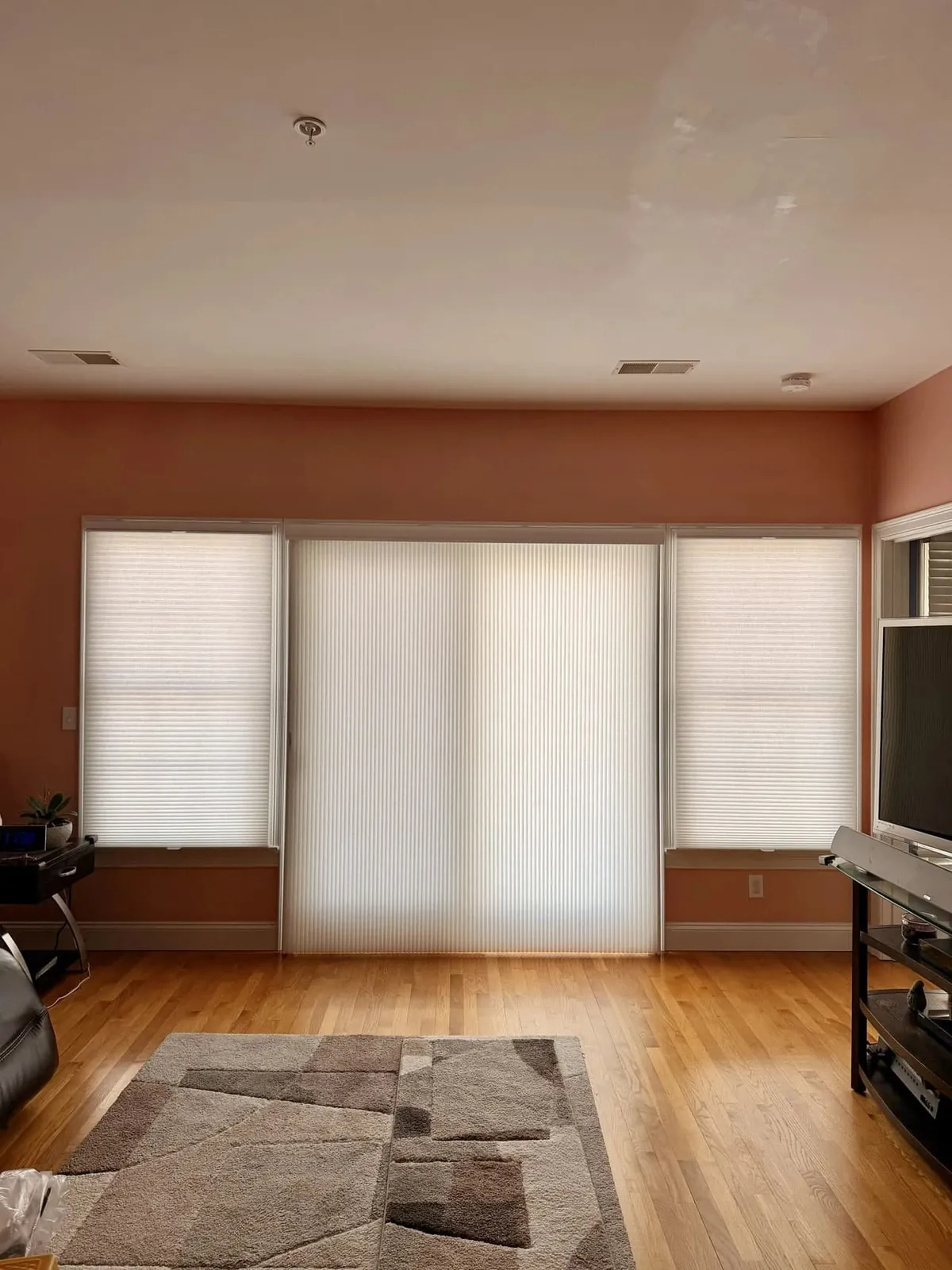
Village housing around Buzzards Bay
The village at the western end of the canal, which has its own page, has a different feel from the cottages along the shore. Houses sit close together, and many older ones have been converted into apartments, with small original window openings. Blinds on those windows are small too, but they are opened and closed constantly, because privacy between close neighbors depends on them.
That constant use wears tilt wands and tilters fastest. A blind that is tilted closed every evening and open every morning turns its gearbox many times a year. When the wand starts to slip or the slats stop moving together, a new wand or tilter usually sets it right. Our page on blind and shade repair in Buzzards Bay goes into those village windows in more depth.
Signs a blind or shade needs attention
Most failures give some warning. If you spot any of these, it is a good time to ask about a repair, before a small fault turns into a bent slat or a dropped rail:
- fuzz or thinning on a cord where it leaves the headrail
- a blind that creeps down after you let go of the cord
- a bottom rail that rises higher on one side
- a wand that needs real effort to turn, or turns with no effect
- a headrail that sits lower at one end or has pulled out of a bracket
- a roller shade that drifts down or springs up too hard
- louvers on a shutter that will not hold an angle
Catching these early usually keeps the repair small.
The gearbox behind the wand
The tilting part of a horizontal blind is surprisingly mechanical. A clear wand hangs from a short stem that pokes out of the headrail. That stem feeds a little gearbox, the tilter, which turns a long rod running the full width of the blind. As the rod turns, it winds the ladder tapes one way or the other, and every slat rotates in step.
When the slats stop responding, it helps to know which part has failed. If the wand has dropped off, the hook or the stem has worn or snapped. If the wand turns freely and the slats ignore it, the gears inside the tilter have stripped. If the wand will not turn at all, the tilter has seized, often from corrosion in a house near the water, and forcing it is the quickest way to break the stem.
A wand or stem is a small part. A tilter means opening the headrail, but it is still a far smaller job than replacing the blind. Our installers are certified by Hunter Douglas, and they know how the tilter seats in each type of headrail so the blind turns smoothly when it goes back up.
From your first note to a working blind
Most repairs follow the same simple path, and it starts with you telling us what is wrong.
- Send us a short note through Request a Consultation, or use the call button, saying what the product is, where it hangs and what it is doing.
- Add a picture if you can: the window as a whole, and a close look at the headrail or the part that is giving trouble.
- We reply with our honest view on whether it sounds like a repair, and what a proper look at it would involve.
- We check the whole product while it is in hand, since on the canal one tired part often has company.
- If a repair is not worth doing, we explain why and leave the choice with you.
You do not have to order anything new to have a repair looked at.
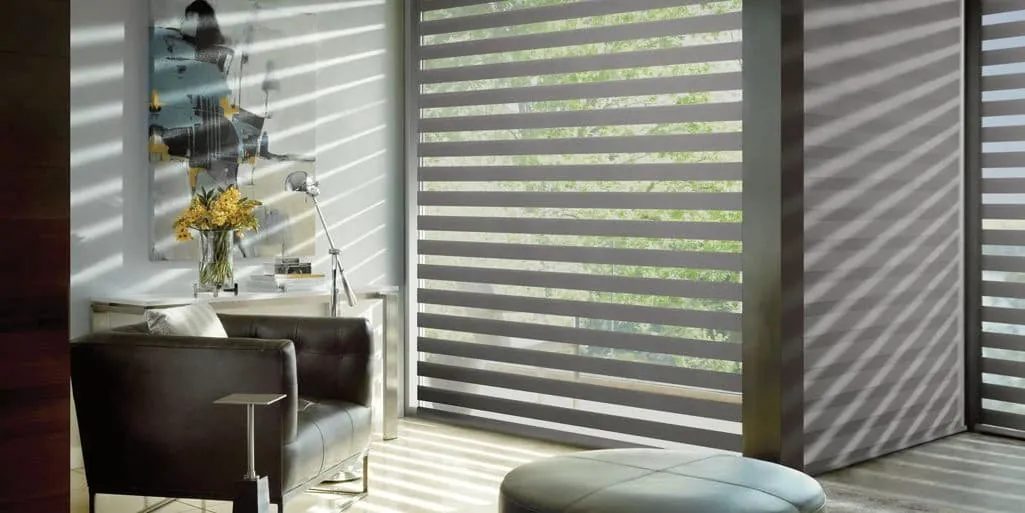
Headrails that have shifted
A headrail can only stay as steady as the wood beneath it. In the older cottages, window frames have been painted and repainted many times over, and the wood behind the paint may be dry and soft. A bracket screwed into that wood holds for years, then slowly loosens as the blind goes up and down, until one end drops.
On wide windows, a different problem appears. A long headrail needs support along its length, and if a middle bracket was never fitted, or has worked free, the rail bows. A bowed rail lets the lift cords pull unevenly, so the blind rises crooked however carefully it is raised. Straightening or replacing the rail and fitting the right support usually sorts it.
Both repairs share a goal: a level, secure headrail so the lift works evenly and the cords stop wearing on one side. When a bracket has to move to firmer wood, we show you the new position first.
Roller shades and their clutches
Roller shades wind their fabric onto a tube, and the mechanism that holds the tube still is either a spring or, on many newer shades, a clutch worked by a loop of beaded chain. On a wide canal-view window that tube carries a lot of fabric, and the clutch takes its full weight every time the shade stops partway down.
When a clutch wears, the shade drifts down on its own or the chain slips over its teeth. When a spring loses tension, the shade will not rise properly or snaps up too hard. Fabric can also wander along the tube and roll up crooked, catching on its bracket. Many of these faults can be adjusted, or the worn part replaced, while keeping the fabric.
Shutters near the water
Plantation shutters are popular in cottages and colonials alike, and they have no cords to fray. They do have moving parts. Louvers pivot on small pins held with a set tension, and a tilt rod or hidden mechanism links them so they move as one. Hinges carry each panel.
Over time, louver tension eases and louvers start to fall closed. Tilt rods can come away from a louver. Hinges sag, especially on wide panels, so a panel rubs its frame. In a damp house near the bay, frames can move a little with the seasons too. Most of these can be adjusted or repaired, and the shutters stay where they are.
Repairing PowerView shades
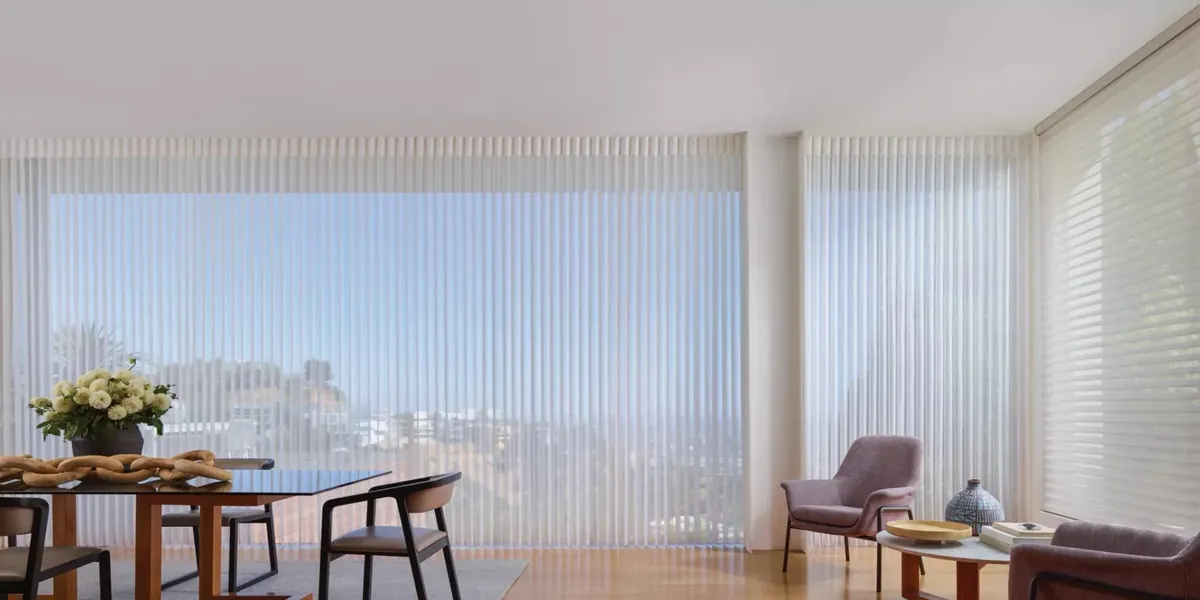
Motorized Hunter Douglas shades run on PowerView, with remote, app or schedule control, and they are a natural fit for tall or hard to reach windows. When one stops working, the cause is often not the motor. A shade may have dropped out of pairing, lost its place in a scene, or run out of power. A shade near an open canal-side window can also suffer from damp on its small electrical contacts.
If one shade has stopped and the rest carry on, the fault is probably in that shade. If they all stopped together, look at the control side first. Tell us what you see and what you have tried. Our motorized blinds in Bourne page explains how PowerView is set up and controlled.
Being straight about repair versus replacement
A repair is the right call when the product you see every day, the slats or the fabric, is still in good order and the fault is a part that has worn out. It is the wrong call when the fabric has faded or split, the headrail is cracked as well as the part you mentioned, or the same product keeps failing.
When we think a repair would not last, we say so, and we do not push anything in its place. If you decide you would like new window coverings for a room, our in-home consultations explain how we bring samples to your house, and our Bourne page gathers everything we offer in town.
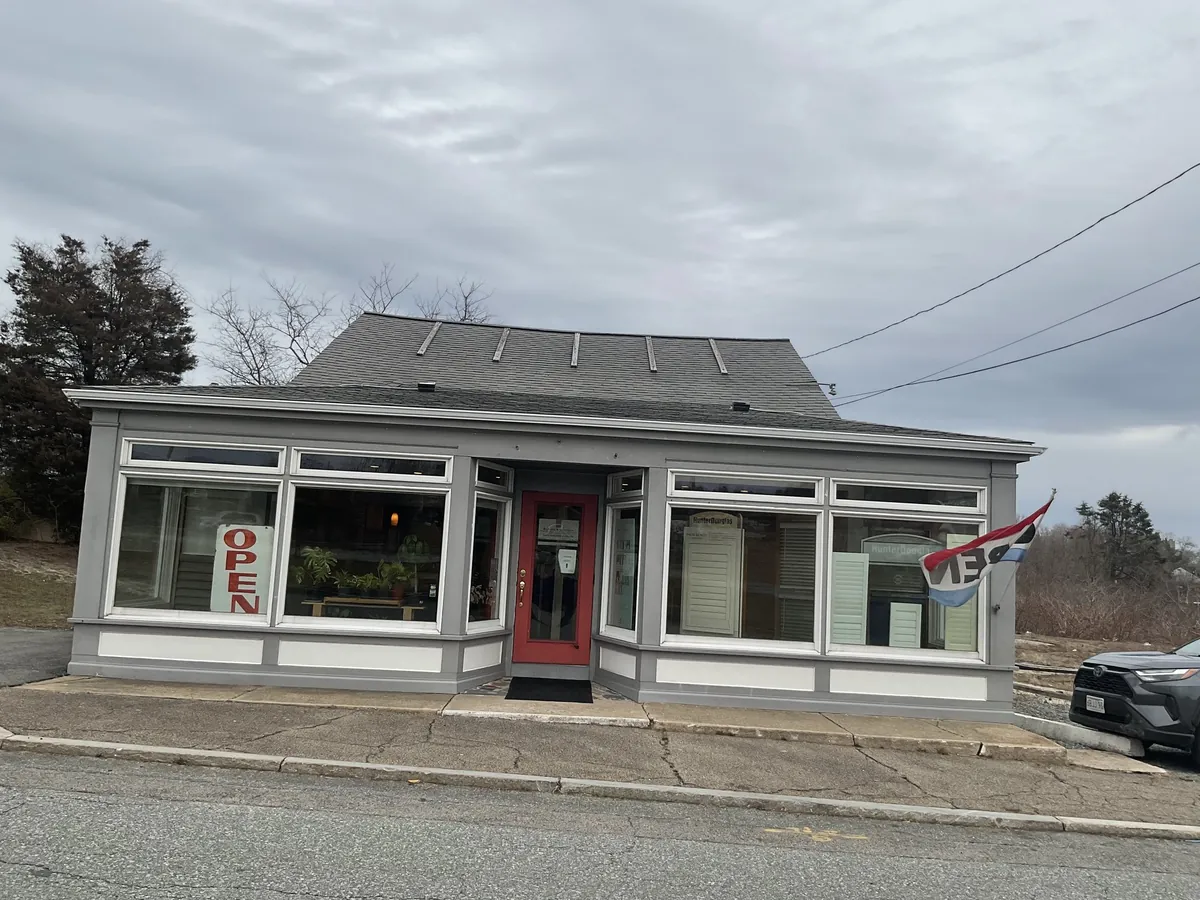
Our Sagamore showroom is here in Bourne
The Sagamore showroom is in Bourne itself, which makes it the easiest place to bring a question about a repair. Bring your photos, describe what the blind or shade is doing, and talk it through.
If the product is hard to take down, or you would like us to see it on the window, mention that when you get in touch. A blind seen in its own opening, with its own light and weather, often gives away its fault quickly.

Repairs from a Hunter Douglas Gallery dealer
Blinds & Designs is a Hunter Douglas Gallery dealer, and our installation is certified by Hunter Douglas. That background is what makes our repairs worth having. Knowing how each product is built and how it should hang is the difference between a quick patch and a fix that lasts.
We welcome repairs on window coverings you already own, whether we fitted them or they came with the house. Our main blind and shade repair page covers how repairs work in general, and for new coverings in other rooms, see our cellular shades in Bourne page.
Questions from Bourne
My blind faces the canal and the cords look worn. Can they be replaced?
Usually, yes. Strong reflected light dries out cords over time. Restringing replaces them, and we check the fabric or slats at the same time so you know whether the rest of the product is still sound.
The blinds in my cottage keep slipping down. Why?
On a window near the water, the cord lock is the usual cause. Salt builds up in its teeth until it no longer grips. Replacing the cord lock, and the cord if it has been chewed, normally fixes it.
Several blinds in my colonial have the same problem. Should I mention them all?
Please do. Blinds bought together tend to wear together, and dealing with several similar faults at once is simpler than tackling them one at a time.
My roller shade on a big window will not stay down. Is it worth repairing?
Often. On a wide shade the clutch carries a lot of weight and can wear. A worn clutch can often be replaced while keeping the fabric.
Will you try to sell me new shades?
No. A repair is about what you already own. If you want to look at new coverings another time, that is your call.
Ready when you are
The easiest way to start blind and shade repair in Bourne, MA, is a quick message. Use Request a Consultation to tell us what the blind or shade is doing, with a picture if you have one. Or use the call button, or come by the Sagamore showroom.