
Old sash, old rules and the blinds in between
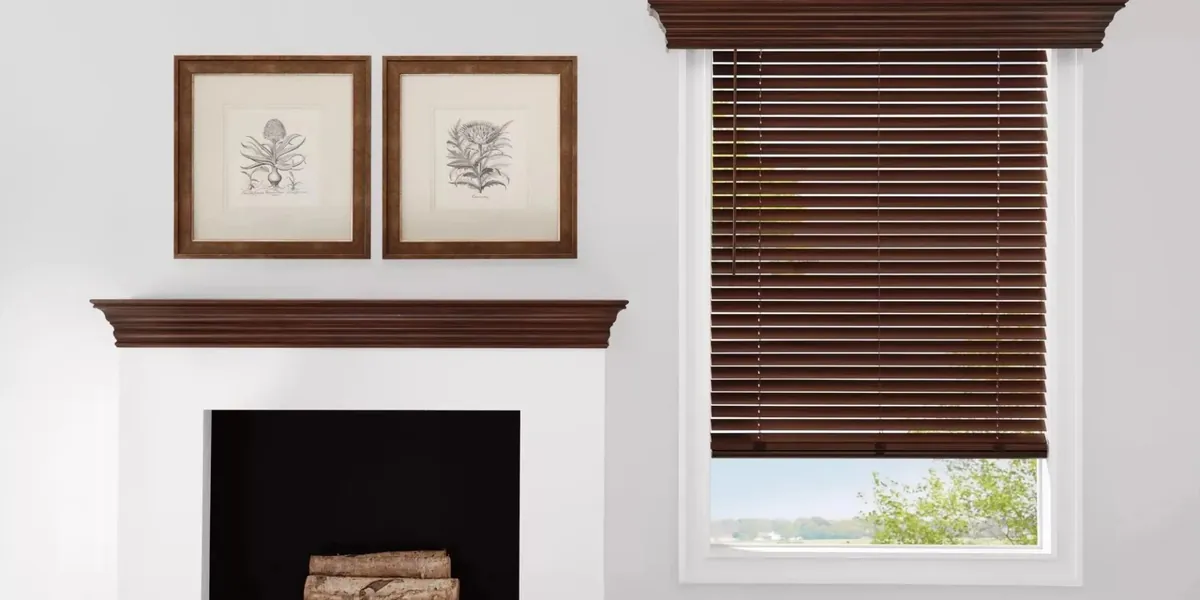
The oldest houses in the historic village around the Grist Mill have some of the smallest windows you will find anywhere on the Cape. Antique capes and Federal houses there still carry their original sash, tiny panes in narrow frames, and the window coverings fitted inside them have to be made, and mended, to suit. That is where blind and shade repair in Sandwich, MA, gets interesting.
A small blind in a small frame has almost no room for error. If its headrail slips a fraction, it rubs. If a cord runs a little long, the bottom rail tips and catches the sill. And because the historic district has its own expectations about how a house presents to the street, swapping a failed blind for something that looks different is not always the easy answer it seems.
Further out, along Route 6A and toward Forestdale, the houses change: post-war ranches with wider windows, newer colonials with standard openings and rows of matching blinds. Their repairs are more familiar, but they come with patterns of their own. Across all of them the work is the same four jobs, restringing, cords and wands, headrails and tilt mechanisms, fitted to the house in front of us.
Repairs room by room
Different rooms wear out window coverings in different ways. These are the rooms we hear about most, and what usually goes wrong in each.
Front parlor
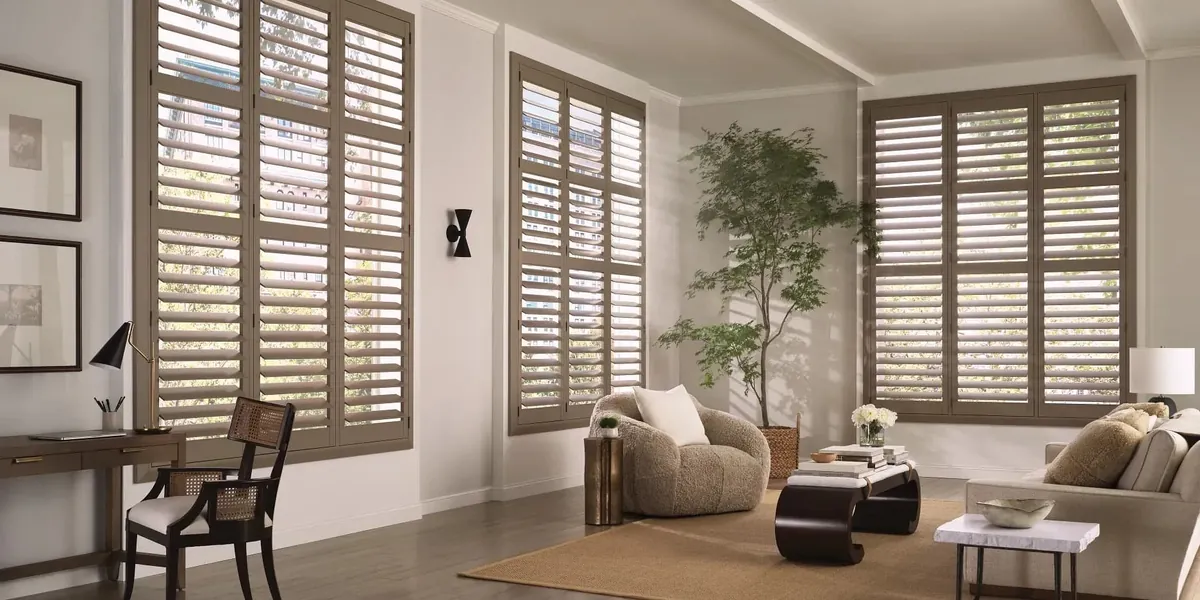
Shutters with louvers that no longer hold an angle, and small inside-mounted blinds whose headrails have shifted in old frames.
Dining room
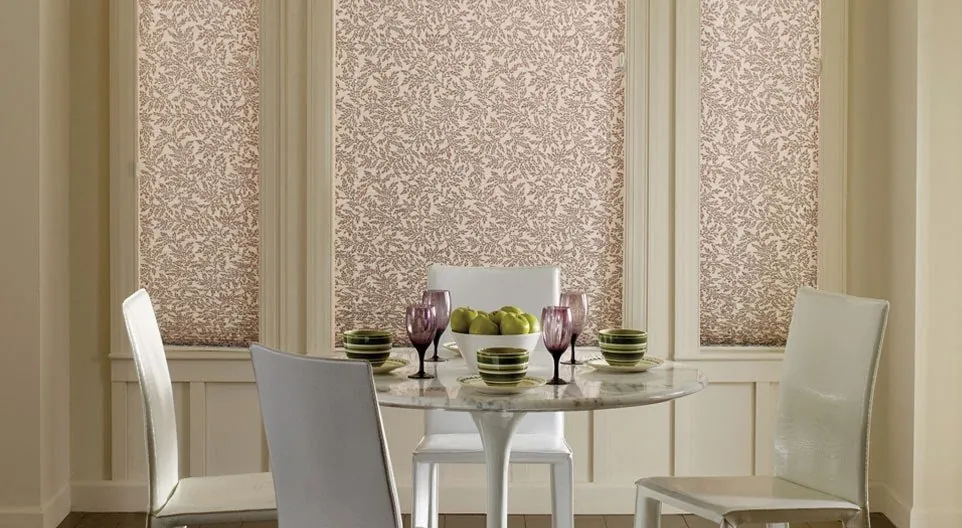
Fabric shades with a broken lift cord, so one window in a matched row hangs lower than its neighbors.
Kitchen
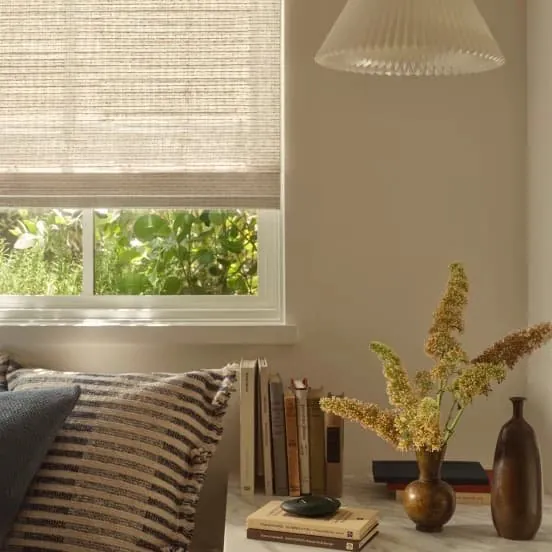
Wands knocked off their hooks by a reaching hand, and cord locks clogged with kitchen grease and dust.
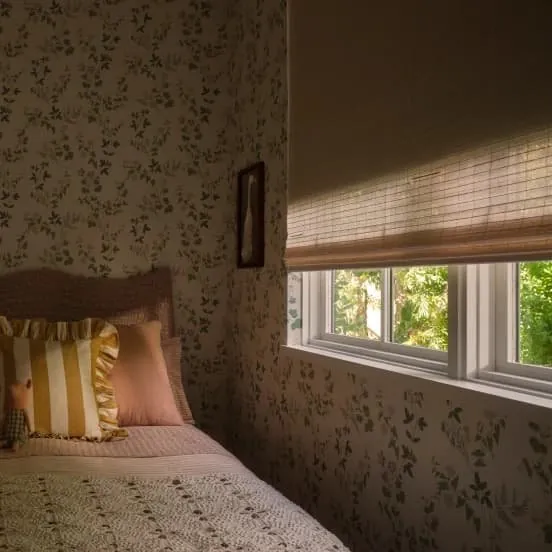
Bedrooms
Shades lowered every night and raised every morning, with lift cords and cordless springs that eventually tire.
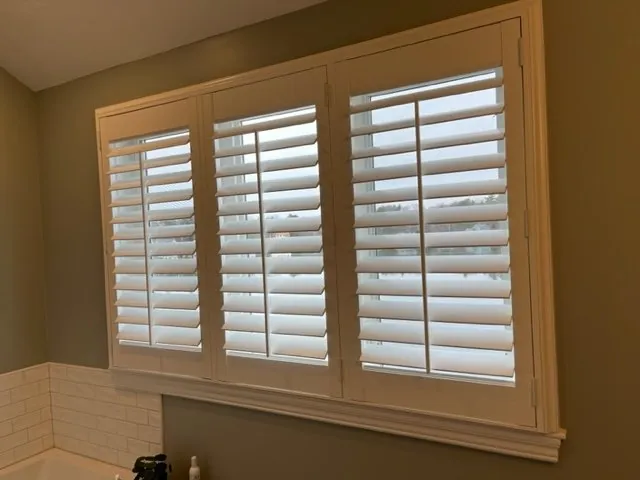
Bathroom
Steam stiffens tilters and corrodes small fittings. Shutter hinges and louver tension also suffer in damp air.
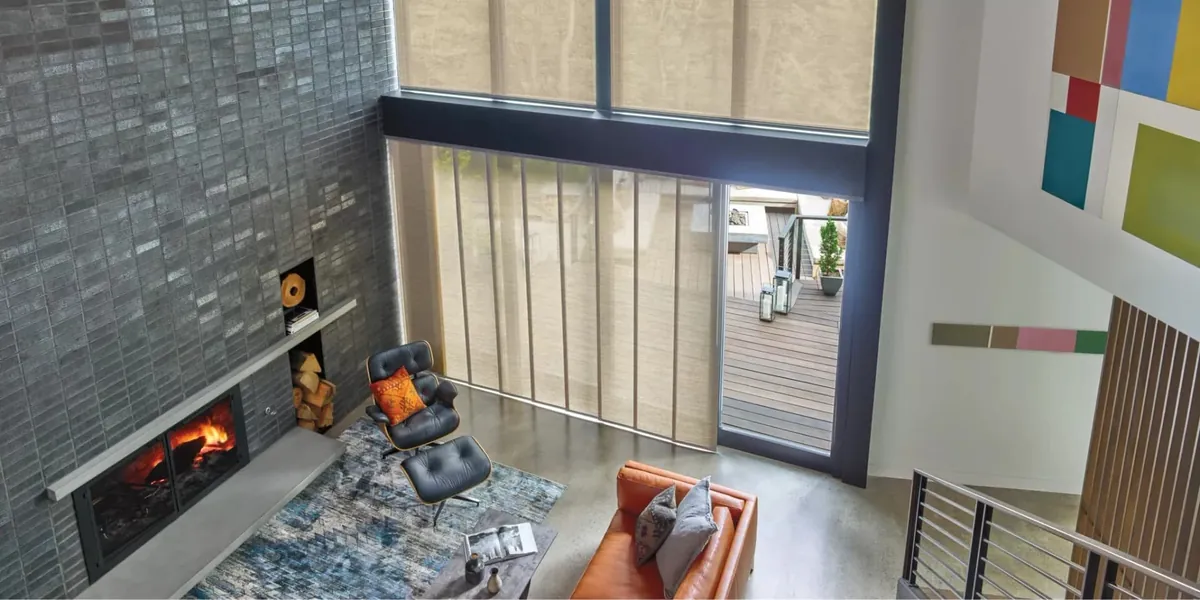
The back slider
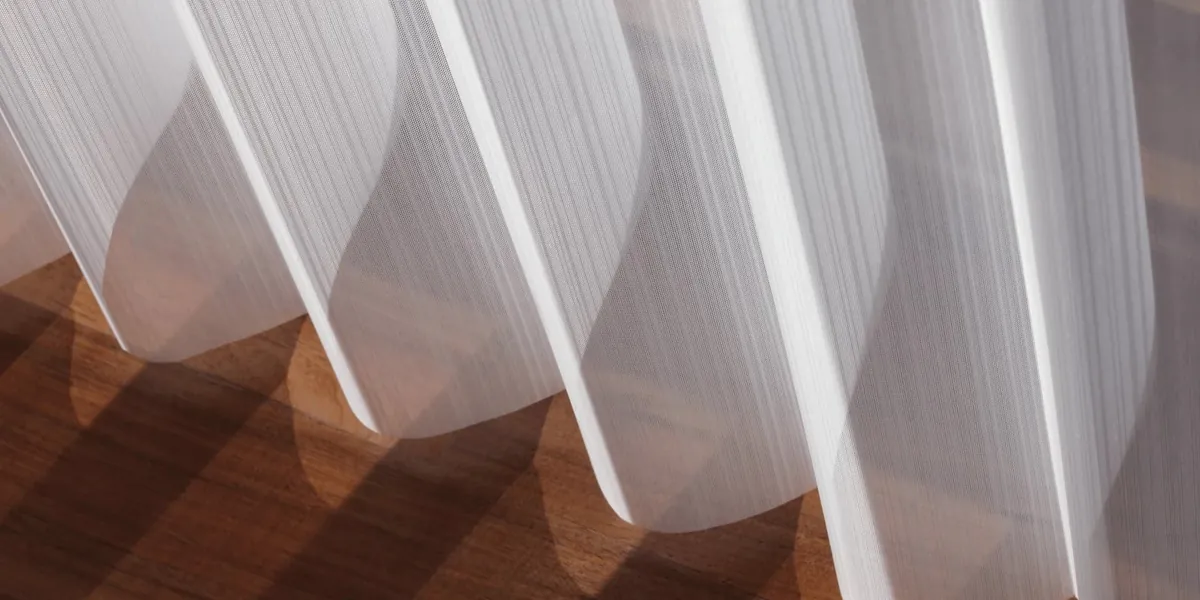
Vertical blinds and gliding panels with cracked carriers and vanes that have dropped out of the track.
The smallest sash in the village
Windows in the oldest antique capes were built small, partly for warmth and partly because glass was precious when the houses went up. Many still have their original sash, with narrow frames that leave a blind or shade very little room. A product mounted inside one of those openings is often only a few inches wide and set into wood that has been painted and stripped more times than anyone can count.
That combination produces a particular kind of fault. A tiny headrail is held by tiny brackets with short screws, and old wood does not grip short screws well for ever. When one bracket loosens, the headrail drops at one end, and in such a tight frame the blind immediately starts to rub. The bottom rail catches on the side of the opening; the lift cord on the low side drags harder over the edge of the headrail and frays.
The repair is usually two jobs together. The worn cord is replaced, and the headrail is reset so it sits level and clear of the frame. If the old screw holes no longer hold, the bracket may need to move to firmer wood nearby. On a historic window that move is kept as small and discreet as possible, and we show you the spot first.
Why repair suits the historic district
In the historic village, how a house looks from the street is part of what makes it what it is. A row of front windows with matching blinds or shades reads as one piece. When one of them fails, replacing it alone can break that: a slightly different color, a different headrail, a blind that sits at another height in its frame.
That is one of the strongest reasons to repair. Restringing a blind, fitting a new tilter or resetting a headrail keeps the original product in place, so the front of the house looks the same as it did. Blind and shade repair in Sandwich, MA, on a historic house is often less about the one blind that failed and more about keeping a matched set intact.
We look at the blinds on either side of the one you called about, because products bought together usually wear together. If two or three are showing the same signs, dealing with them at once keeps the row consistent and saves another visit.
Federal houses and their taller windows
The Federal houses in the village are a little grander than the capes, with taller windows and higher ceilings, often in the front rooms. Blinds on those windows are longer, and a longer blind carries more slats and more cord from a single headrail.
Every time a tall blind is raised, its lift cords drag across the edge of each slat they pass through. More slats means more edges, and more wear. The ladder tapes that hold each slat in position carry more weight too. On wood blinds, which are heavier than faux wood or metal, both cords and ladders work hard.
So on Federal windows the common repair is a full restring: both lift cords replaced together, and the ladders checked and renewed where they have become brittle. If something in the headrail was causing extra wear, a burr or a bracket slightly out of line, that is corrected at the same time so the new cords last.
Ranches along Route 6A
Drive out along Route 6A and the post-war ranches sit low on their lots, with a broad picture window in front, long bedroom windows down one side and very often a slider off the kitchen. Coverings on openings that broad stretch a headrail to its limit.
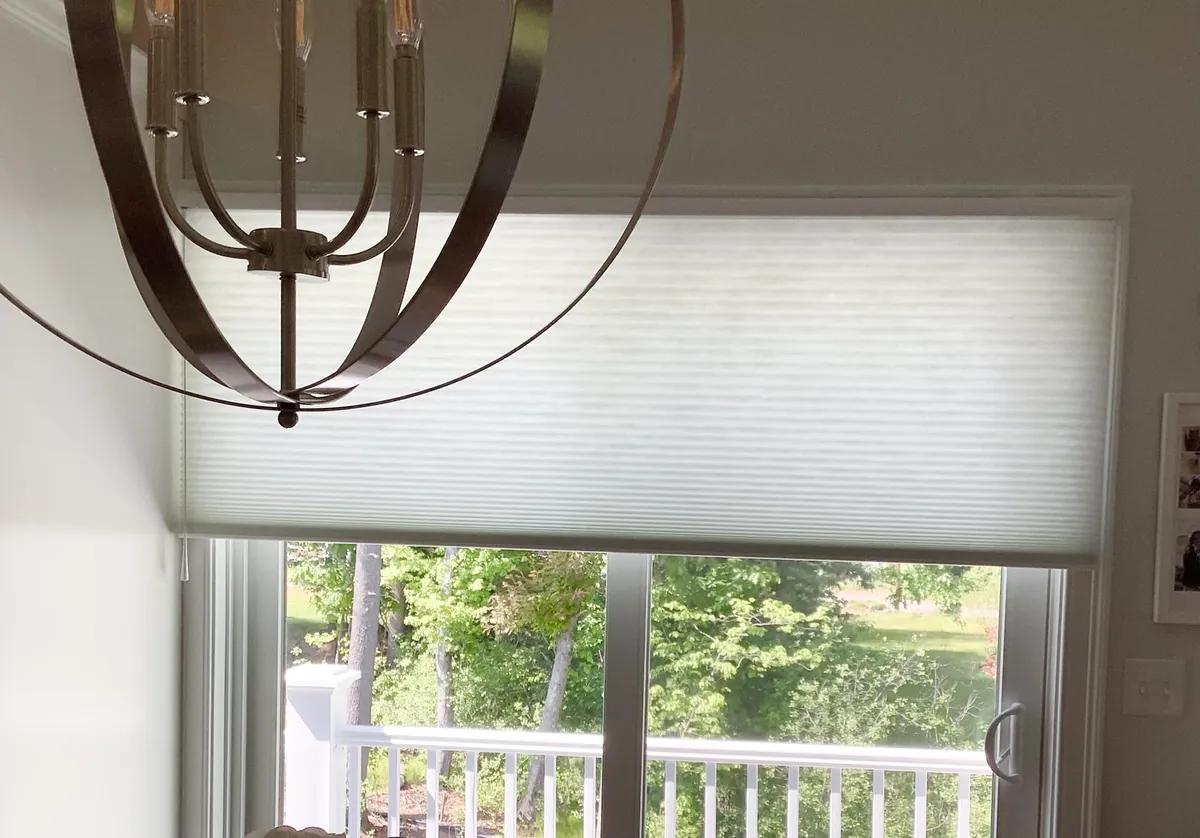
Picture a rail many feet long held only at its two ends. Over the years gravity wins, and it sags in the middle. The lift cords then travel different distances, so the bottom rail climbs at an angle and stays that way however gently you pull. A honeycomb shade on the same window has long cords threaded through cell after cell, and if one snaps, the fabric slumps on that side and the pleats crumple against each other.
Most of the time a new or straightened rail, with an extra bracket at its center, gets a broad blind lifting evenly again. A honeycomb restring on that scale is slow, careful work, and it pays off whenever the fabric has kept its color and its crisp pleats. Blind and shade repair in Sandwich, MA, on these ranches is mostly this kind of job: big openings, simple faults.
Newer colonials toward Forestdale
Toward Forestdale the colonials are newer and their openings regular, so a single order of blinds or shades frequently covers most of the house. Those products then age as a set.
That has a useful side. Once one blind in the set has lost a lift cord or a tilter, you have a fair preview of what the others will do in time, because they have faced the same daylight and much the same handling. Kitchens and family rooms usually show it first. A tall stair or landing window is the awkward one, since a fault up there is out of reach without a ladder.
So if a few windows are showing the same trouble, list them together when you write to us. Batching similar fixes into one visit keeps things simple.
What a restring involves
Restringing is the repair we do most, and people are often curious what it actually involves. On a typical horizontal blind it goes roughly like this.
- The blind comes down from its brackets and is laid out flat.
- The bottom rail is opened and the old lift cords are untied.
- The old cords are drawn out through the headrail and each slat.
- New cord is threaded through the headrail, down through every slat in the same path, and tied off at the bottom rail.
- The ladder tapes are checked, and replaced if they have gone brittle or a rung has broken.
- The cord lock and tilter are checked while the headrail is open.
- The blind goes back up, is levelled, and is tested through its full travel.
On a honeycomb or roman shade the principle is the same, though the cords run inside the cells or through rings on the back of the fabric.
Small fabric shades in tiny openings
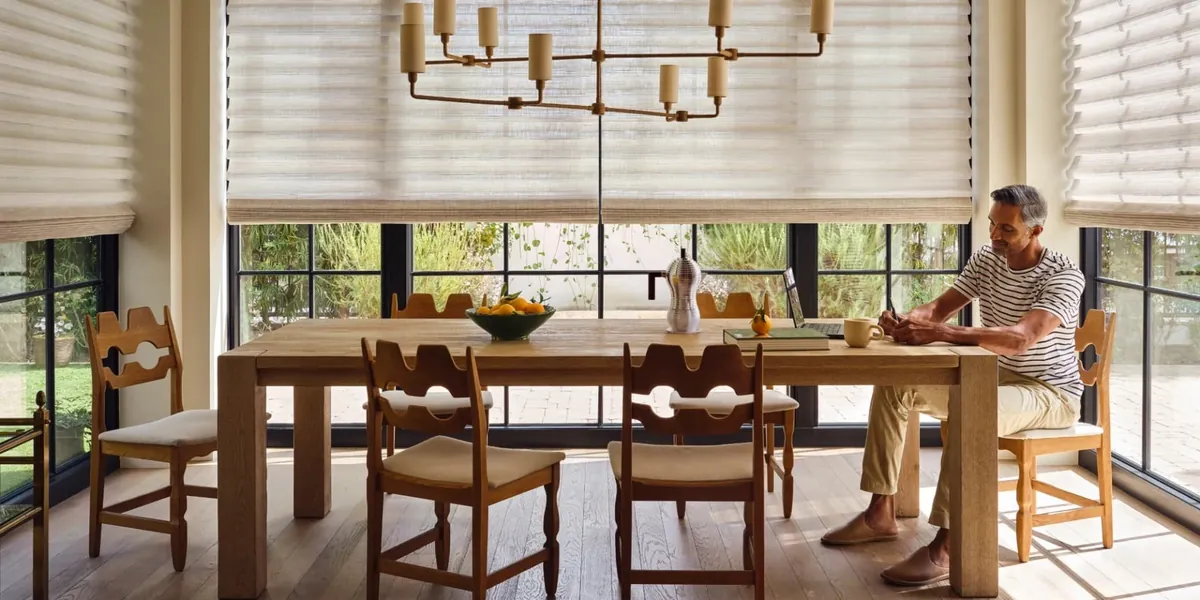
Cellular and roman shades are often the choice for the very small sash of the oldest houses, because they fold up neatly and keep a narrow window looking uncluttered. A shade only a little wider than a hand span still has two lift cords, though, and they sit very close together. If one runs even slightly long, the shade twists in its frame instead of rising straight.
That twist is the most common complaint on tiny shades. The bottom rail catches one side of the opening, the fabric creases where it rubs, and the cord on the short side does all the work until it frays. Restringing with both cords cut to exactly the same working length, and making sure the headrail sits square, is usually the cure.
Blind and shade repair in Sandwich, MA, on these little shades is fiddly, and it is the sort of job worth doing properly. When the fabric is clean and the cells or folds still hold their shape, a careful restring keeps a shade that suits its window better than most replacements could.
Before you get in touch
A few quick observations make it much easier to tell whether something sounds like a repair:
- Does it rise level, or does one side lag behind?
- Does it stay where you leave it, or creep down?
- Do the slats tilt together, or does the wand turn freely?
- Is the headrail level and seated in both brackets?
- Is it rubbing anywhere in its frame?
Send us those answers through Request a Consultation, ideally with a picture of the window and the headrail, or tell us by the call button. We will let you know what we think and what would happen next.
Wands, cord tilts and tilters
Horizontal blinds tilt their slats in one of two ways. Most use a clear wand hanging from a stem on the headrail; some, often wood blinds on taller windows, use a pair of tilt cords. Either way, they turn a small gearbox inside the headrail, the tilter, which rotates a rod that winds the ladder tapes and turns every slat.
When the wand falls off, the hook or stem has worn. When the wand or tilt cord moves and the slats do not, the tilter’s gears have stripped. When nothing will turn, the tilter has seized, and forcing it risks breaking the stem. Tilt cords also fray, much like lift cords, especially where they leave the headrail.
All of these parts are replaceable. A wand or stem is the simplest of them; a tilter is reached by opening the headrail; tilt cords are replaced the same way lift cords are. Each new part is seated as the headrail’s maker intended, by installers who hold Hunter Douglas certification.
Cord locks in the kitchen
Kitchen windows take a particular kind of grime. Cooking puts a fine film of grease in the air, dust sticks to it, and the cord lock at the top of a kitchen blind sits right in its path. Inside the lock, a small toothed cam pinches the cord to hold the blind up. Once the teeth are clogged, they skid on the cord instead of gripping it, and the blind slides down a little every time you let go.
A lock in that state can sometimes be cleaned, but more often it is simply replaced, because the cord it has been chewing on is usually worn too. Replacing the lock and the cord together gives a blind that stays put again. Kitchen wands suffer as well, knocked about by a hand reaching past to open the sash over the sink, so the hook at the top wears and the wand drops off. A new wand or stem sorts that out.
Shutters in the older rooms
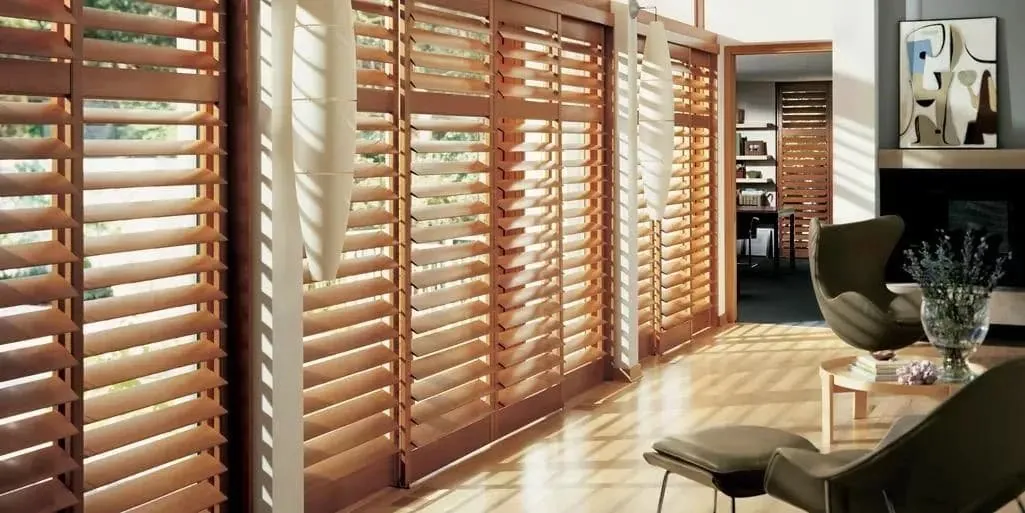
Front rooms in the village often have shutters, which sit comfortably in old openings. There is no cord on a shutter, yet plenty still moves. Every louver turns on a pair of small pins, friction keeps it at the angle you choose, a rod or a hidden linkage makes the whole panel move together, and hinges let the panel swing.
When the friction wears down, louvers sink shut by themselves. A rod can detach from one louver so the panel no longer moves as one. A heavy panel can drop on its hinges and catch the sill, and in an antique house the opening may have shifted slightly since the shutters were fitted. Nearly all of that is adjustable on the spot. Our guide to shutters for older windows explains how shutters are fitted to openings like these.
Knowing when to stop
Sometimes the kind answer is that a repair is not worth it. Fabric that has bleached or torn, slats that have twisted, a rail that has cracked along with the part that failed, or a blind that has needed fixing again and again: in those cases new cords are money spent on a product that is near its end.
If we reach that view, you hear it plainly and the next step is entirely up to you. Asking about a repair commits you to nothing. Should you want to see what is available for a room, our in-home consultations explain how samples come to you, and the Sandwich page shows our other services in town.
Gallery dealer knowledge, applied to repairs
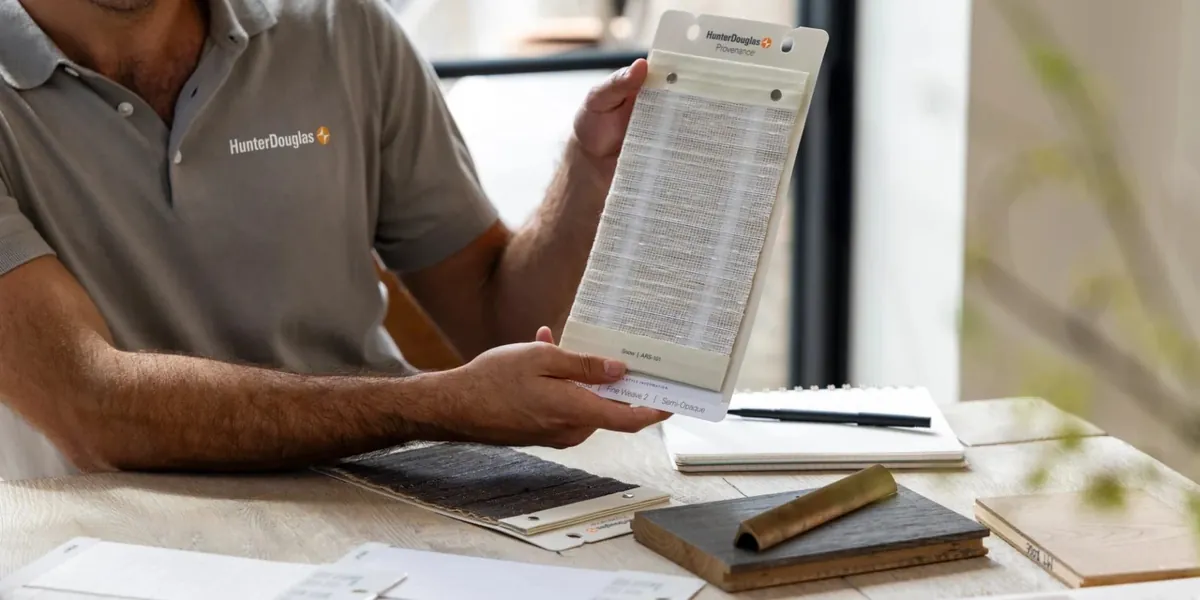
Hunter Douglas names dealers who meet its standards Gallery dealers, and Blinds & Designs is one, with Hunter Douglas certification for its installers on top. On a repair, that shows in the small things: the right cord path through a Duette shade, the right tilter for a Parkland headrail, the right bracket for a tiny inside mount in an antique frame.
Any window covering already in your house is welcome, ours or not. Read more on our main blind and shade repair page, and if a room needs something new, our plantation shutters in Sandwich page is worth a look for older windows.
Sagamore is our nearest showroom
Sagamore is our closest showroom to Sandwich. It is a good place to show us pictures of the fault and talk over what a repair might involve.
Some blinds are better seen where they hang, particularly the little inside-mounted ones in an antique cape, where the fault is often obvious once you see how the blind sits in its frame. Let us know if that applies to yours.
Questions from Sandwich
The blind in my antique cape rubs its frame. Can it be fixed?
Usually. In a very small opening, a headrail that drops even slightly tilts the blind enough to rub. Resetting the headrail level, and replacing any cord worn by the rubbing, normally sorts it out.
Should I repair rather than replace on a historic house?
Often it is the better choice, because keeping the original product keeps the front windows matched. We also check the blinds beside the one that failed, since they usually wear at the same rate.
My tall wood blind tilts with cords, and one has broken. Is that a big job?
No. Tilt cords are restrung much like lift cords, and the tilter behind them is checked at the same time. If the slats are in good shape, it is a sensible repair.
My wide shade on a ranch picture window rises crooked. What is wrong?
On a wide window it is often the headrail rather than the cords. A rail that has bowed in the middle pulls the cords unevenly. Straightening or replacing it, with proper support, usually fixes the lift.
Do I need to buy anything new to have a repair looked at?
No. A repair is about the product you already own, and you will hear honestly whether it is worth doing.
Starting a repair
Blind and shade repair in Sandwich, MA, begins with a description of the problem. Send it through Request a Consultation with a picture if you can, use the call button, or bring it to the Sagamore showroom. We will tell you what we think and what comes next.