
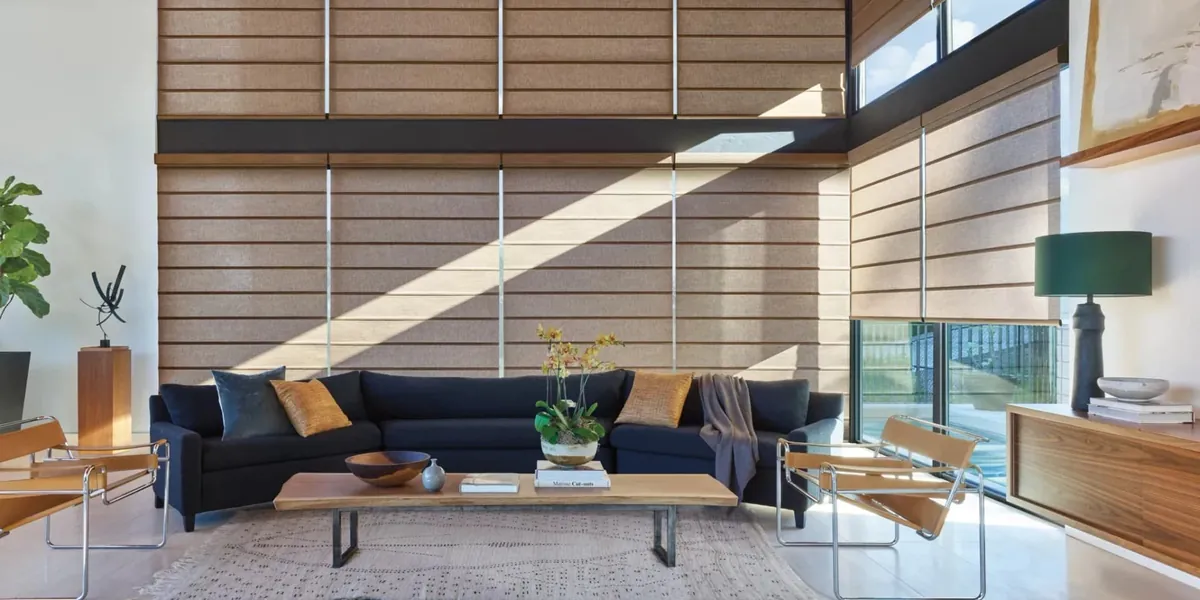
One town, three very different windows
Plymouth covers more ground than any other town in Massachusetts, and its houses range just as widely. In the historic center, antique colonials keep small, deep-set sash. Up in the Pinehills, large newer houses have walls of modern glass rising two stories. And across the miles in between, post-war ranches sit on their lots with picture windows and sliders. There is no one answer for any of them, and that holds for blind and shade repair in Plymouth, MA, as much as for anything else.
The work comes down to a short list: new lift cords, a fresh cord or wand, a headrail put straight or remounted, and a worn tilt gear replaced. The list stays the same across town; the reasons behind each fault do not.
A tiny blind tucked into a deep colonial window wears where it meets an out-of-square frame. A tall shade on two-story glass wears from sheer length and weight, high out of reach. A wide blind on a ranch window wears along a headrail that has slowly sagged. Knowing which kind of house you have tells us a lot before we have even seen the window.
Blind and shade repair in Plymouth: the six complaints we hear
Most calls start with one of these sentences. Each points to a particular part, which is why a repair is so often possible.
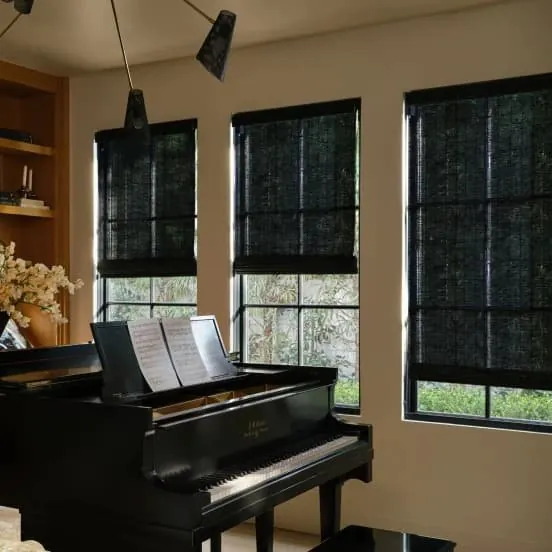
It will not go up
A snapped lift cord, a cord jammed in the headrail, or a cordless lift that has lost its spring. Restringing or a new lift part usually follows.
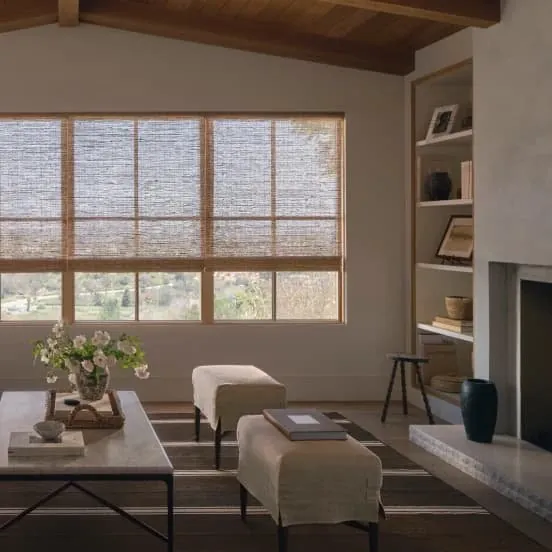
It will not stay up
A cord lock with worn teeth, or a roller clutch that slips. The product creeps back down after you let go.
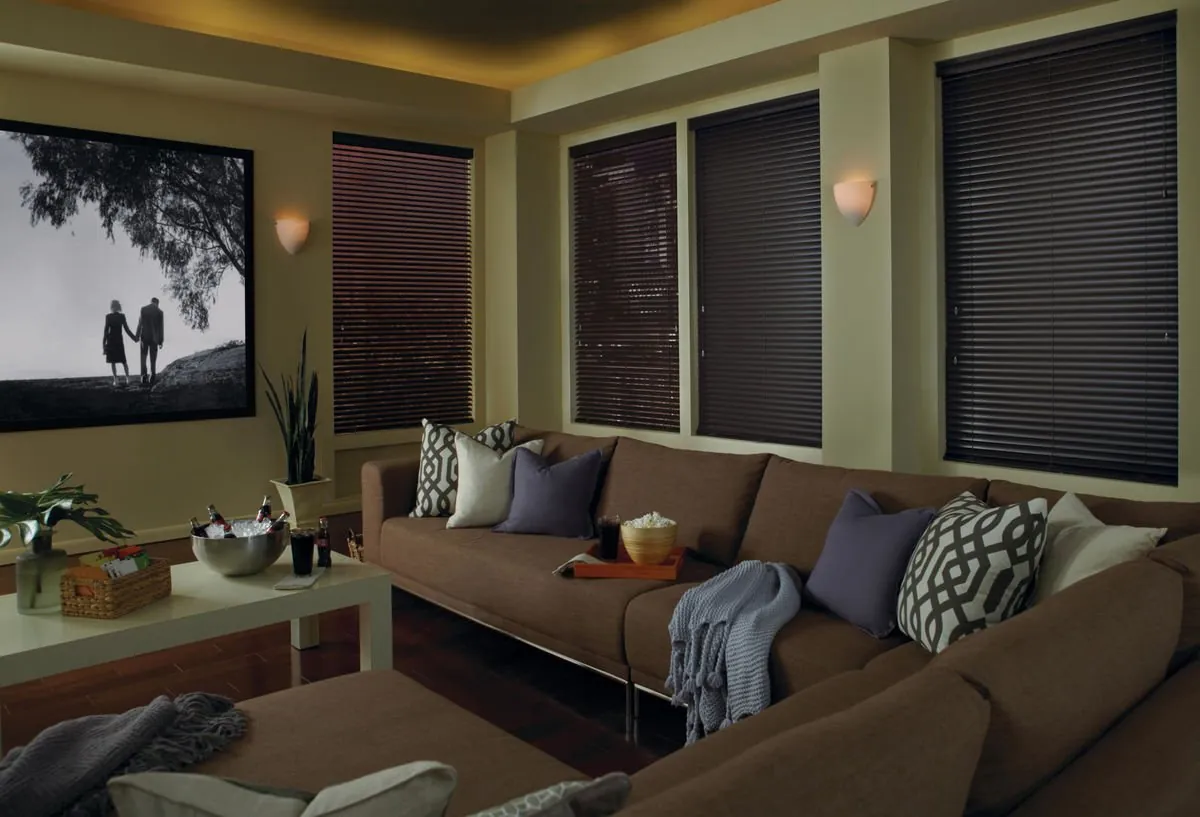
The slats will not tilt
A broken wand, a worn stem, or a tilter inside the headrail with stripped or seized gears.
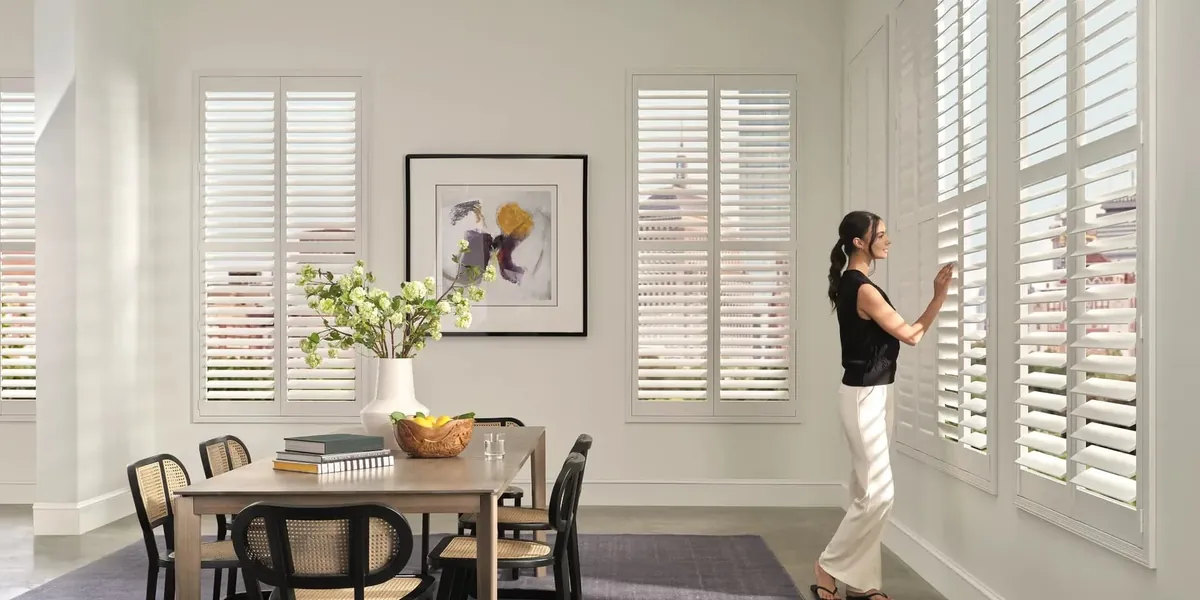
It hangs crooked
A frayed cord on one side, a broken ladder tape, or a headrail that has sagged or pulled from a bracket.
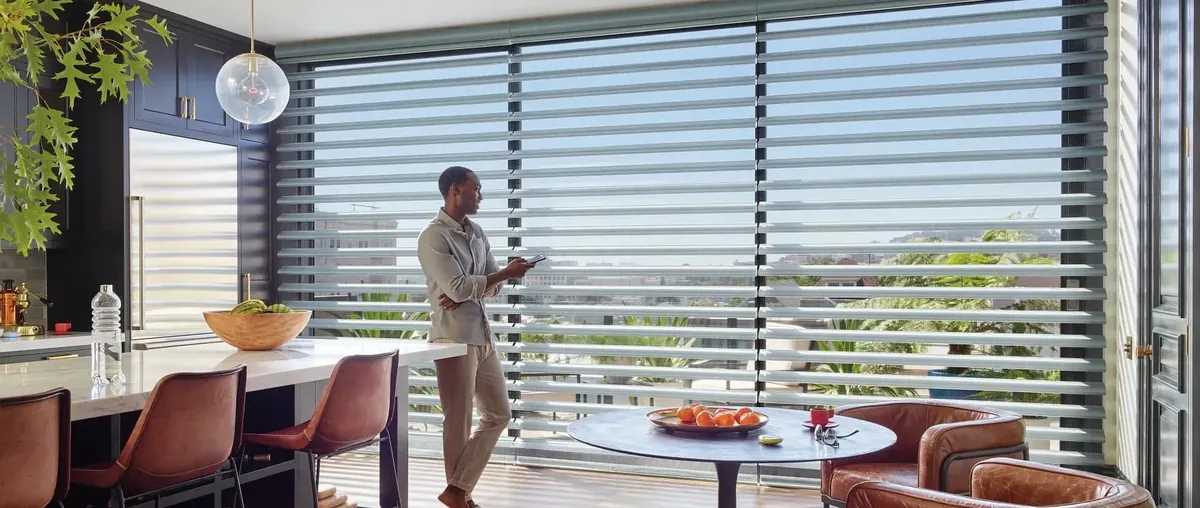
The motor has stopped
A PowerView shade that no longer answers its remote, app or schedule, from lost pairing to a power problem.
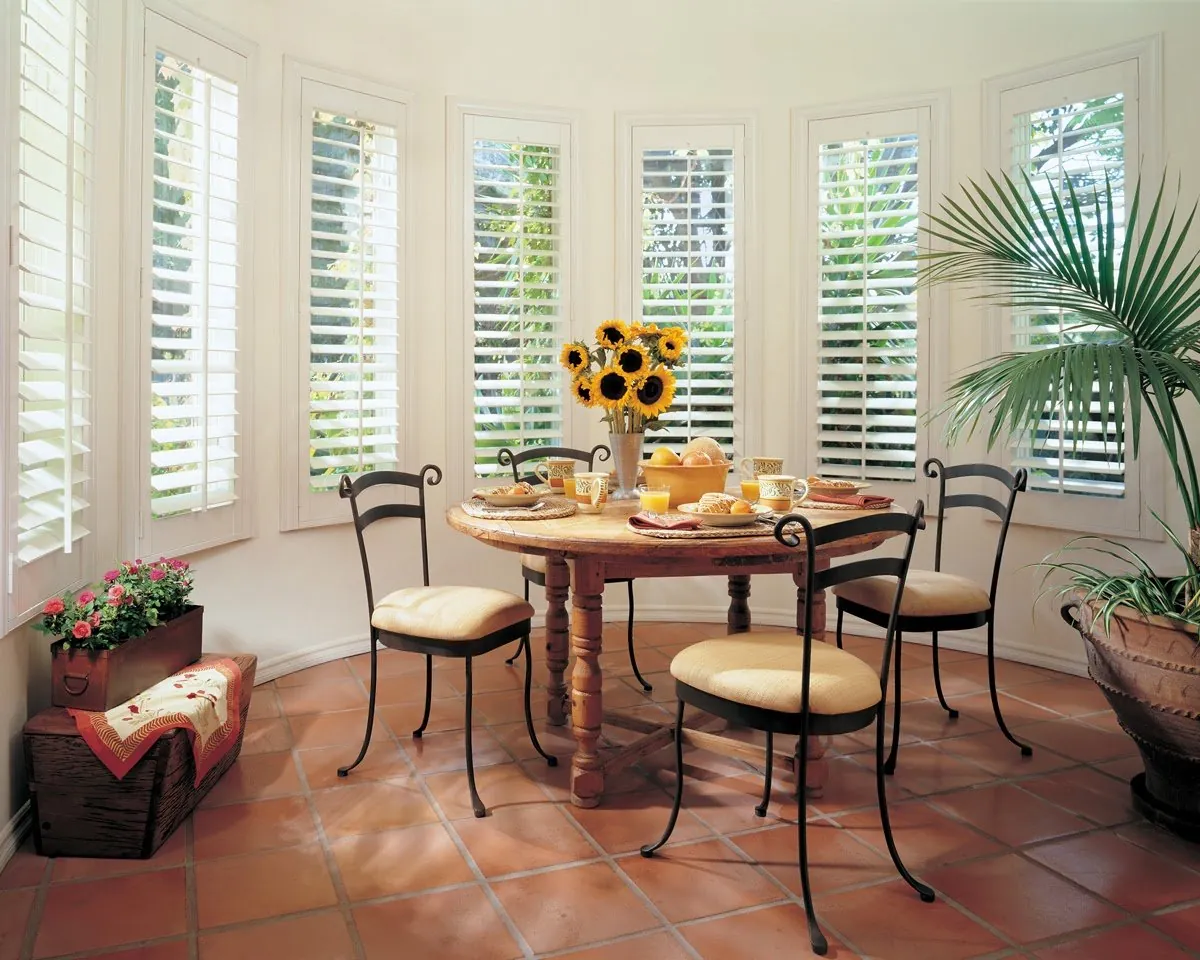
The louvers flop shut
Shutter louvers that have lost their tension, or a tilt rod that has come away from the panel.
Deep-set sash in the historic center
The antique colonials near the waterfront and through the old streets of the center were built with thick walls, so their windows sit well back in deep openings. The sash themselves are small, often with narrow frames, and after so many winters they are seldom perfectly square.
A deep opening is generous for mounting a blind inside it, which is why so many are fitted that way. The difficulty is squareness. If the top of the opening is slightly wider at one end, or the sides lean a touch, a headrail mounted inside cannot sit evenly in both brackets. One bracket ends up carrying more weight, loosens in the old wood first, and the blind starts to tip. The cord on the low side then drags against the headrail edge, and before long it frays.
Blind and shade repair in Plymouth, MA, on these colonials is usually a pairing: a new cord, and a remounted headrail that sits level in a frame that is not. Where old screw holes have stopped holding, the bracket can move to sounder wood close by. On a historic window any change like that is kept small and out of sight, and we point out the spot before anything is drilled.
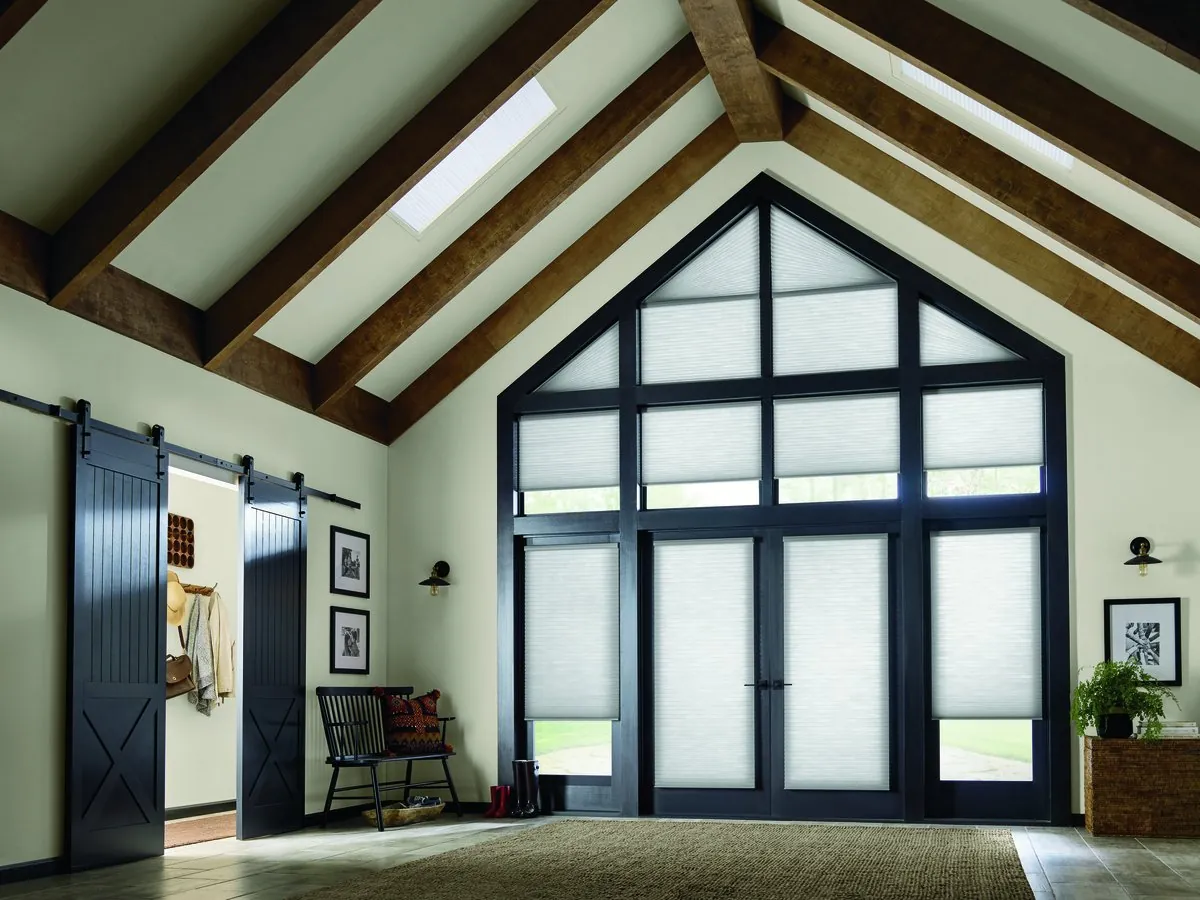
Two stories of glass in the Pinehills
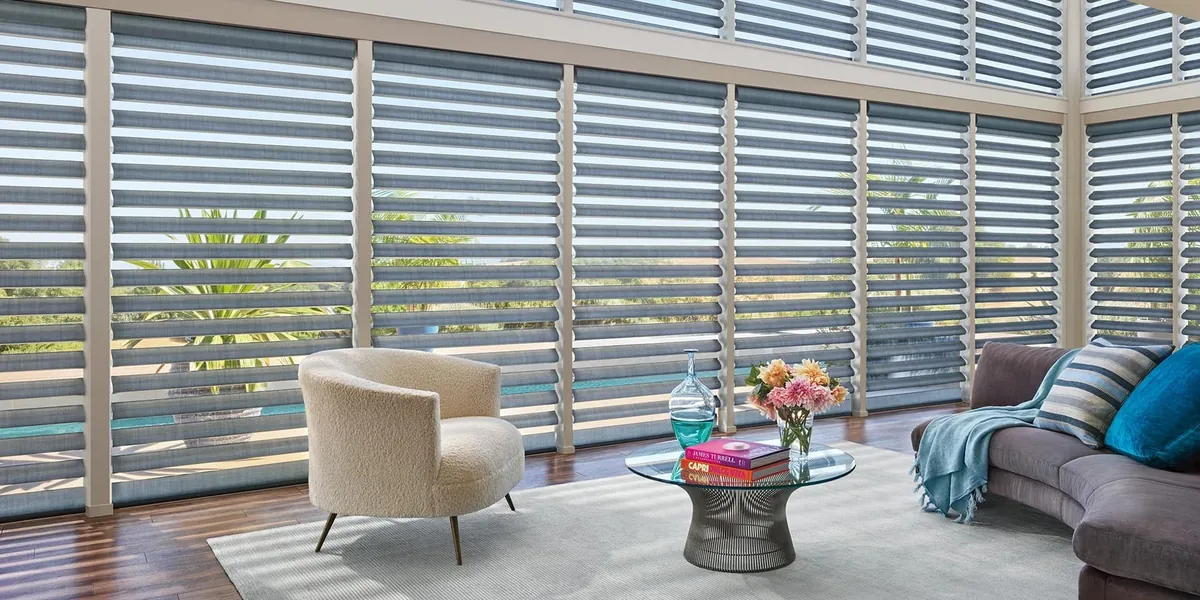
The houses in the Pinehills are newer and larger, with modern window walls that run up through two stories: tall panels of glass in a great room, transoms above sliders, sometimes a gable end that is almost entirely window. Shades on those openings are some of the longest and heaviest we see.
Length brings two problems. First, a tall shade’s lift cords carry the full weight of a lot of fabric, and whenever it is halted mid-window, the cord lock or the clutch takes that load. Over the years, those parts wear faster than on an ordinary window. Second, everything at the top is far out of reach. A frayed cord at a headrail high above the great room floor is not something you can inspect from below.
That is one reason motorized shades are common on this kind of glass, and why they turn up on our repair list too. A PowerView shade that has stopped may only need re-pairing or a charge, while one that grinds or stalls may need a closer look at its motor or its lift. For manual shades on two-story glass, restringing is careful work at height, and it is worth doing whenever the fabric is in good condition.
Wide spans and sagging headrails
Whether it is a Pinehills window wall or a picture window on a ranch, broad glass calls for a long rail, and a long rail wants a bracket in its middle as well as at each end. Leave that middle bracket out, or let it work free, and the rail droops under the product’s weight.
A bowed rail is a quiet troublemaker. The lift cords leave the rail at slightly different heights, so the bottom rail climbs at a slant no matter how carefully you pull. Cords then rub unevenly, and one wears out before the other. On a honeycomb shade the cells start to crease at the low end.
A rail that is trued up or renewed, with a center bracket added, tends to cure all of that together. It is also a good moment to check the cords, because a lift that has run crooked for a long time has often worn one of them thin.
Post-war ranches across the middle of town
Between the old center and the newer developments, a great many Plymouth houses are post-war ranches. They tend to share a layout: a big front window in the living room, horizontal bedroom windows, a kitchen window over the sink and a slider out to the yard. Blinds on those windows get used every day and age in a steady, predictable way.
Kitchen blinds go first, as a rule. A hand reaching over the sink knocks the wand, steam stiffens the tilter, and the cord lock gathers grease. Bedroom blinds and shades wear their lift cords through daily use. The slider’s vertical blind or vertical shade has vanes and carriers that get brushed every time someone steps out, and those small carriers crack.
All of those are modest repairs on their own: a new wand or tilter, a restring, a few replacement carriers and vanes. If several are due at once, describe them together when you first get in touch.
A big town and how to describe where you are
Because Plymouth spreads across so much ground, it helps to tell us roughly where the house is when you first get in touch: near the center, in the Pinehills, or out in one of the other villages. It gives us a quick idea of the kind of house and window we are likely to meet.
It also helps to say what kind of window the product is on. A small, deep colonial sash, a soaring panel of modern glass and a ranch picture window each point toward a different set of likely faults. With that, and a photo, we can usually tell you a good deal before anyone looks at the window itself. Blind and shade repair in Plymouth, MA, works best when we start with a clear picture of the house as well as the blind.
Cords on cordless shades
Plenty of newer shades have no hanging cord at all. You lift or lower the bottom rail by hand, and a spring system inside the headrail balances the weight so the shade stays where you leave it. That system still has cords, hidden inside the fabric, plus the spring that winds them.
When a cordless shade starts drifting down, or will not stay raised, the spring has usually lost some of its tension, often after years of carrying a heavy or very tall shade. When it rises crooked, one of the hidden cords has stretched or frayed. Some spring systems can be adjusted; some parts can be replaced; and on some shades the honest answer is that the lift has reached the end. We will explain which applies once we know the product.
Restringing, explained plainly
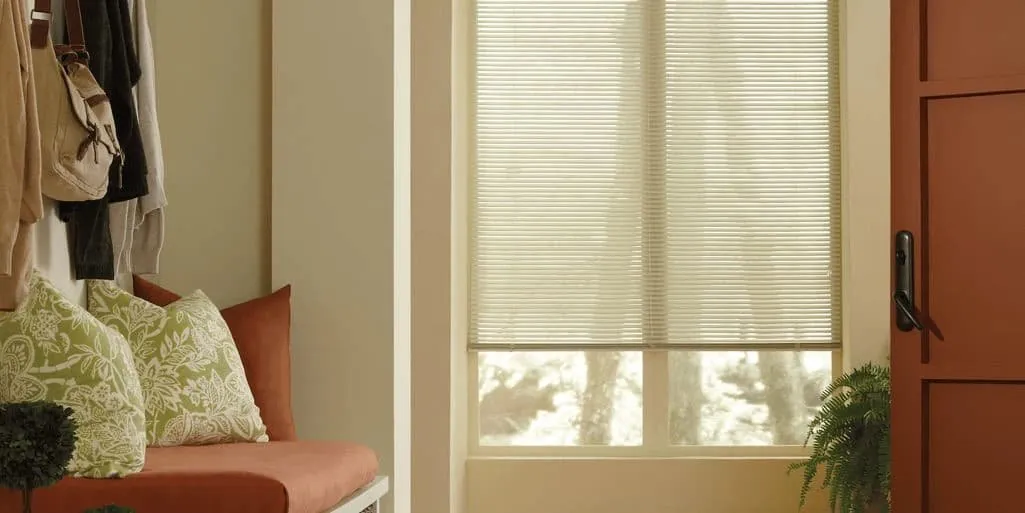
Restringing is the most common repair we do, and it is simpler than it sounds. The old lift cords come out, and new cord goes in along exactly the same path: through the headrail, around its guides, down through each slat or along the back of the fabric, and tied off at the bottom rail.
On horizontal blinds, the ladder tapes, the woven supports that hold each slat level, get a close look at the same time. Tapes that have dried out in strong sun or snapped a rung are replaced so every slat sits evenly again. On honeycomb shades the cords run through the cells, and on roman shades through small rings stitched to the back, so the path is different but the principle is the same.
The point of a good restring is that both cords end up exactly the right length and nothing in the headrail is waiting to wear the new cord through. That is what lets the product rise level and stay that way.
How a repair request usually goes
Here is the sequence most repairs follow, from your first message onward.
- Tell us, through Request a Consultation or the call button, what the product is, where in town the house is, which window it hangs in and what it is doing.
- Send a picture if you can, of the whole window and, if it is safe to reach, of the headrail.
- You get our candid first read on the fault, and what an inspection in person would mean.
- The whole product is checked, not only the part you mentioned.
- If repair would not be worthwhile, we explain why, and the decision stays with you.
Asking about a repair does not commit you to buying anything.
The tilt side of a blind
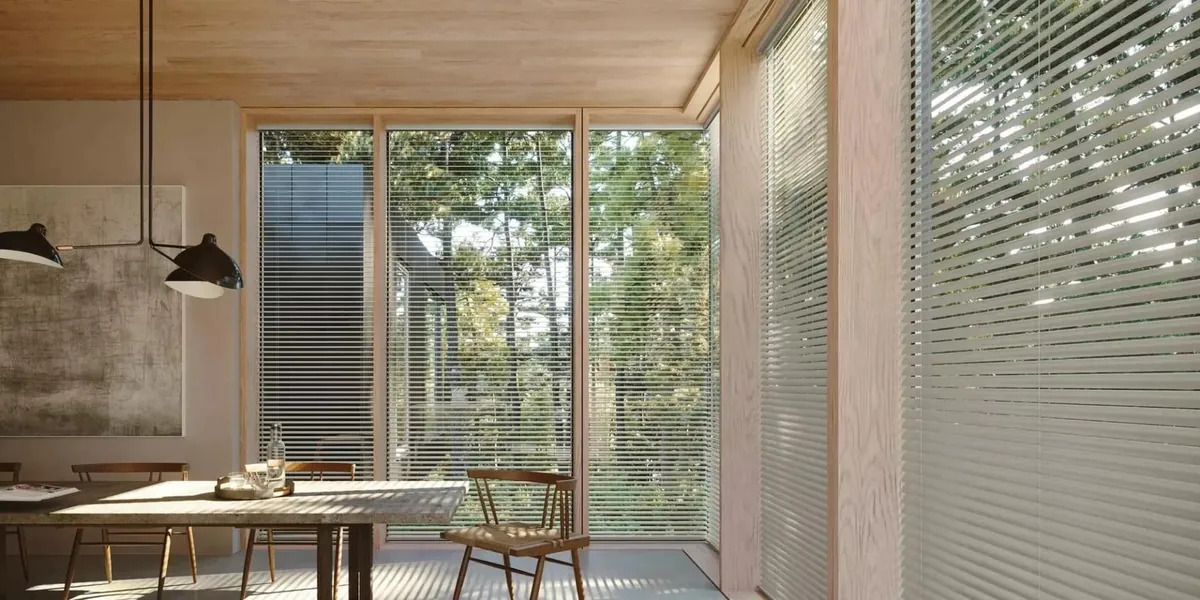
On horizontal blinds the slats turn because of a small gearbox, the tilter, sitting inside the headrail. A wand on the end of a short stem, or on some taller wood blinds a pair of tilt cords, drives that gearbox. The gearbox turns a rod running the width of the blind, the rod winds the ladder tapes, and all the slats pivot together.
Symptoms tell you a great deal. A wand that drops off means a worn hook or a broken stem. A wand that spins with nothing happening means stripped gears. A wand that will not move at all means a seized tilter, and twisting harder usually ends with a snapped stem. A blind where most slats close and a few do not usually has a broken rung on a ladder tape.
Each one is a replaceable part. Our installers hold Hunter Douglas certification, and they fit each replacement the way the headrail was designed to take it, so the slats turn smoothly afterward.
Sheer and honeycomb shades on modern glass
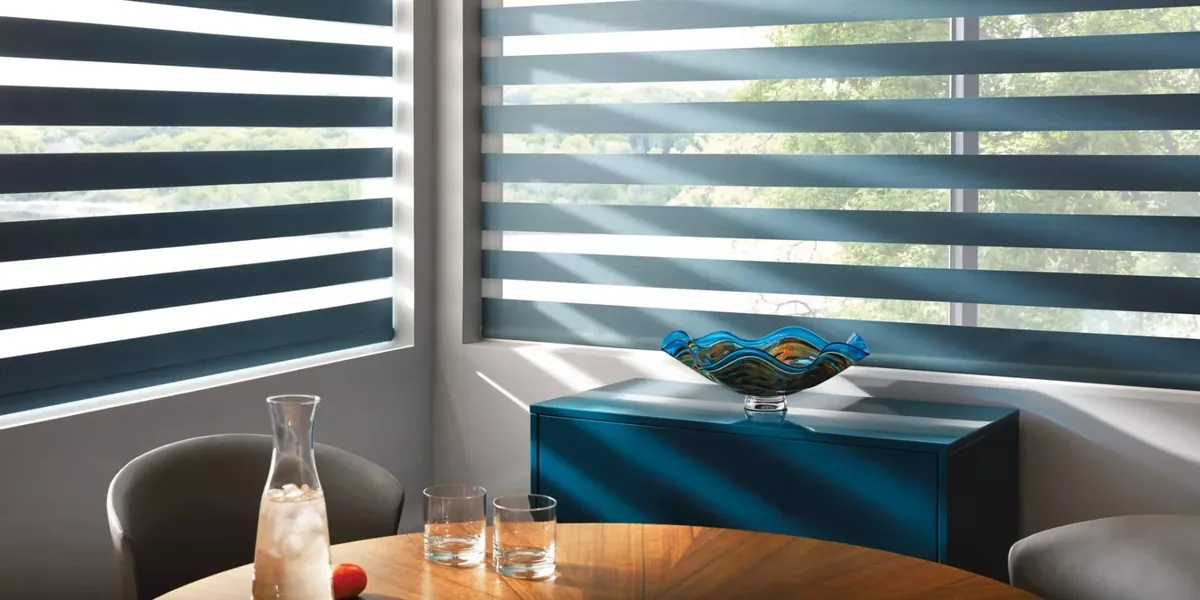
The large windows of the newer houses often carry sheer shades, with soft fabric vanes between two sheer layers, or wide honeycomb shades. Both are lovely on big glass, and both have lifts hidden inside or behind the fabric.
On a sheer shade the fabric rolls onto a tube in the headrail, and the vanes open and close as it turns. When the shade stops at the wrong point, will not open its vanes, or rolls up unevenly, the cause is usually in the drive or the clutch rather than the fabric. On a wide honeycomb shade, a broken cord drops one end and creases the cells.
Fabric is the deciding factor with both. Sheer and honeycomb fabrics that are clean and undamaged are worth repairing around; fabric that has torn or yellowed is not. We will tell you which we see.
Small habits, longer life
A few simple habits slow down the wear on any window covering:
- Pull lift cords straight down, never off to one side.
- Tilt slats open before raising a blind, so the ladders are not strained.
- Turn a wand gently and stop when the slats stop.
- Raise and lower motorized shades with the remote or app, not by tugging the fabric.
- Dust fabric shades with a soft brush or a vacuum on low.
Our guide to caring for fabric shades has more on cleaning without damage.
When we will tell you not to repair
Repair earns its keep when the fabric or slats still look good and one component has simply reached the end of its life. It does not when the fabric is bleached or torn, the slats have twisted, the rail has cracked as well, or the product returns again and again with something new.
If we think a repair will not last, we say so plainly. The choice remains yours, and nobody will press you toward anything new. Should a room need new coverings after all, the in-home consultations page describes a visit with samples, and our Plymouth page collects the rest of our services here.

Why a Gallery dealer for repairs
Gallery dealer is the title Hunter Douglas gives its leading retailers; Blinds & Designs carries it, and our installers are Hunter Douglas certified. Together they are why our repairs hold up. We know how a Duette lift is threaded, how a Silhouette shade’s drive should feel and how a long headrail ought to be supported on wide glass.
Bring us any blind, shade or shutter already hanging in your home, whoever sold it. Our overview of blind and shade repair has more, and for windows that need something new, our motorized blinds in Plymouth page covers PowerView for tall, hard to reach glass.
Sagamore is our nearest showroom
Of our locations, the Sagamore showroom is closest to Plymouth. Bring your pictures and your description of the fault, and we can talk about what a repair would involve.
For a shade high on two-story glass, or a blind wedged in a deep colonial window, it often helps for us to see it where it hangs. Let us know when you get in touch if that suits you better.
Questions from Plymouth
My blind in a deep colonial window keeps tipping. Why?
Old openings are rarely square, so a headrail mounted inside one often sits unevenly in its brackets. One bracket loosens first and the blind tips. Remounting the headrail level and replacing any worn cord usually fixes it.
Can you repair a shade high up on two-story glass?
Often, yes. Tall shades wear their lift parts faster because of the weight they carry. Restringing or replacing a clutch is worthwhile when the fabric is still in good condition. Motorized shades up high can also be repaired.
My PowerView shades stopped all at once. Is the motor gone?
Probably not. When every shade stops together, the problem is usually on the control side, such as pairing or settings, rather than in each motor. Describe what happens when you press the button.
The vertical blind on my slider has missing vanes. Do I need a new one?
Usually not. Vanes and the carriers that hold them can be replaced individually, and a stiff track can often be cleaned so the blind runs smoothly again.
Will you tell me if a repair is not worth doing?
Yes. If the fabric or slats are worn out, or several parts are failing, we will say so honestly, and what happens next is up to you.
Take the first step
For blind and shade repair in Plymouth, MA, start by telling us what has gone wrong. A few lines in a Request a Consultation message, plus a photo where possible, give us enough for a straight first opinion. You can also use the call button or call in at the Sagamore showroom.