
From the common outward
Norwood’s housing changes in rings. Around the common and the center, Victorians and two-families stand close together, many with their original tall sash. Further out come the post-war capes and ranches, and then the newer streets, where windows are standard sizes. Each ring has its own typical window, and each window wears a blind or shade in its own way, which is the first thing we think about with any blind and shade repair in Norwood.
Most calls for blind and shade repair in Norwood, MA, come from that inner ring. Tall windows in close-set houses work their coverings hard: the shades are rarely fully up or fully down, the cords are long and the light has to be balanced against the house next door all day long.
The outer streets bring simpler jobs on simpler windows, which we are just as glad to take on.
What we repair in Norwood
Here is the ground blind and shade repair in Norwood usually covers, from new lift cords to a stripped gear, and the shapes those jobs take in local houses.
Restringing
Fresh lift cord run through a shade or blind that rises unevenly or has lost a cord, so it lifts square again.
Cord replacement
A cord worn through where it rubs, or a catch that no longer holds, replaced before the covering becomes useless.
New wands
A wand that has split, worn at its clip or gone missing, replaced so it turns the slats or vanes again.
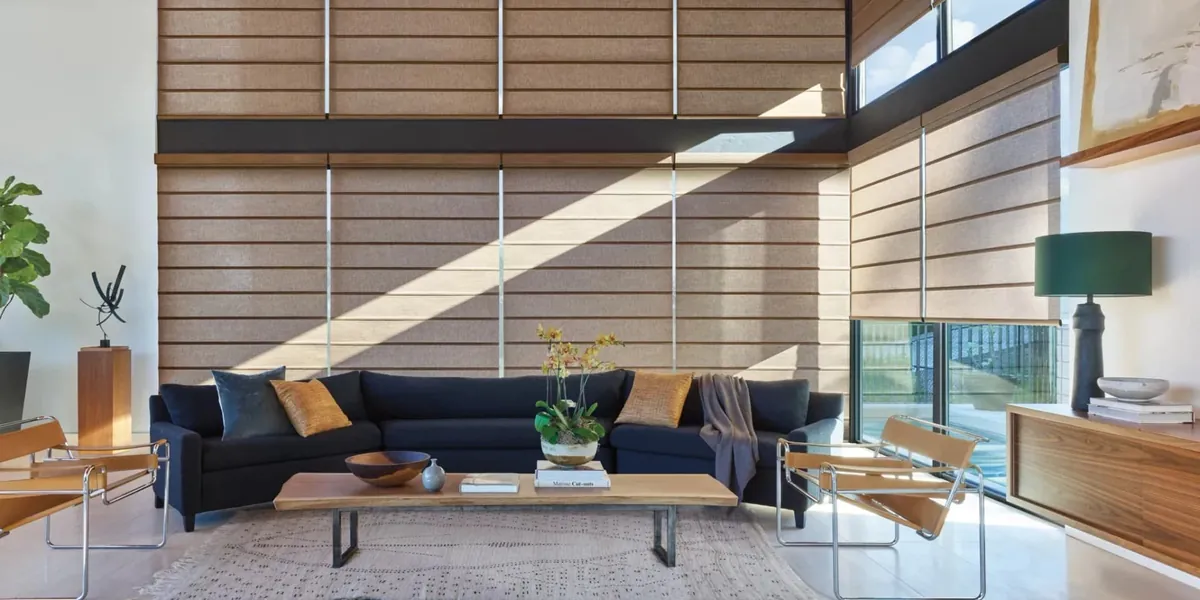
Headrails
A headrail that has slipped from its brackets, bowed or jammed, put right so the covering hangs level and moves freely.
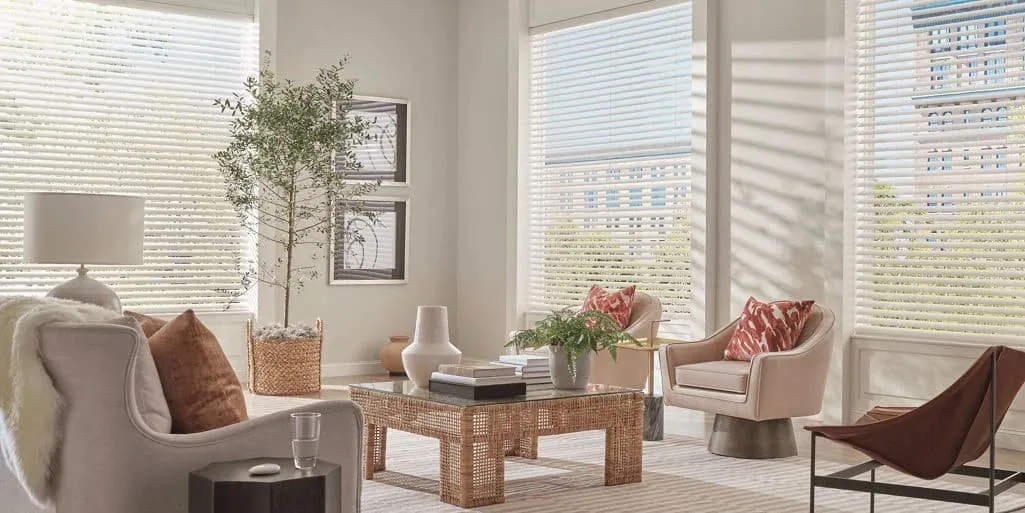
Tilt mechanisms
A stripped tilt gear that leaves the slats frozen, replaced so they open and close together.
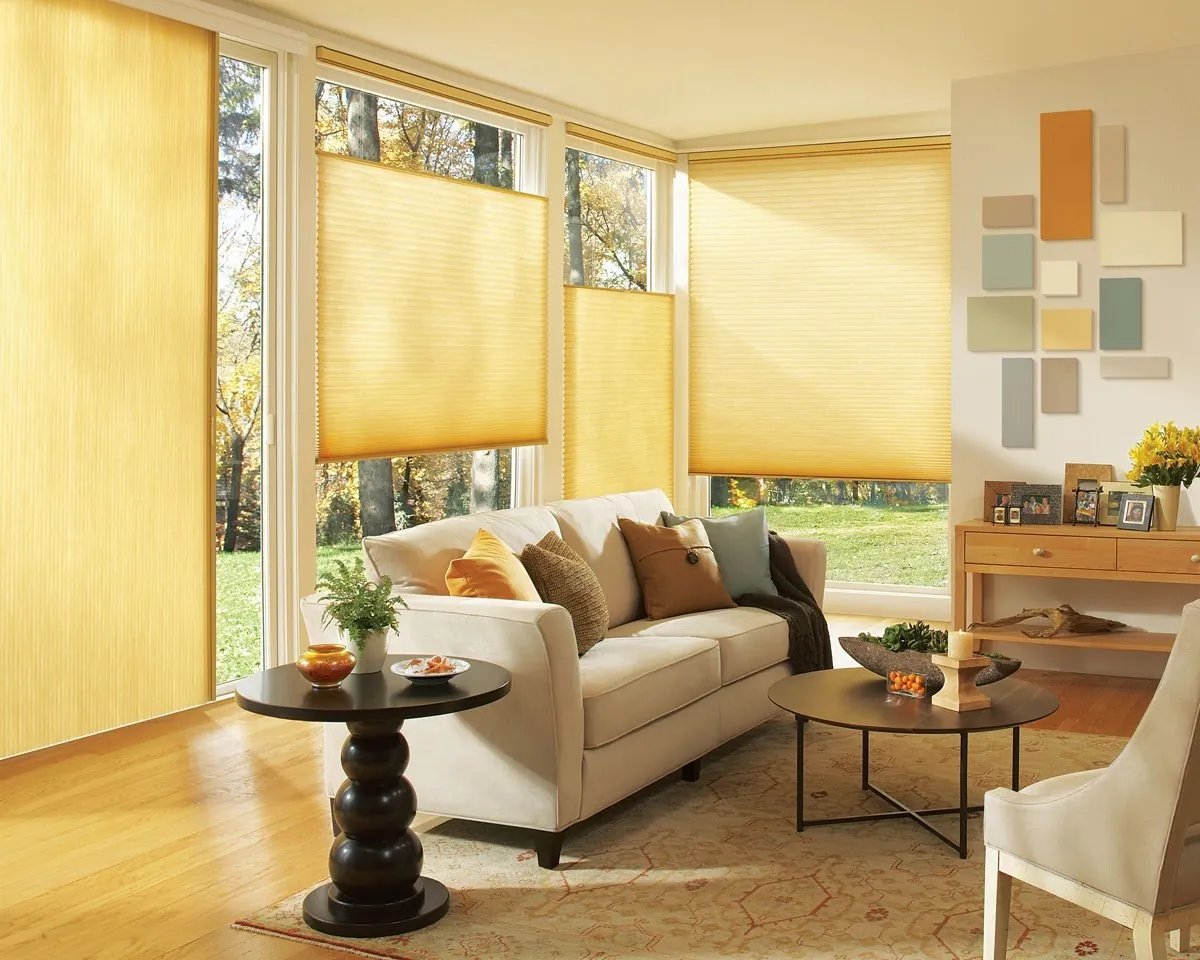
Top-down, bottom-up shades
Shades with two sets of cords, popular on tall street-facing sash, which can fail at the top rail, the bottom rail or both.
Tall sash in close-set houses
Around the common, houses sit near enough that a side window may face the neighbor’s wall a short way off, and the front windows look straight onto the street. In that setting nobody leaves a shade fully raised all day. Instead, shades on tall sash spend most of their lives at some middle height: low enough for privacy, high enough to let in light.
That has a particular effect on the cord. A shade held at mid-height puts its weight on the cord catch at one point along the cord, and it is the same point day after day. Over time the cord flattens and frays exactly there. Eventually the catch no longer holds, and the shade slides to the sill, or the cord parts and the shade hangs crooked.
Restringing with new cord solves it. Where the catch has also worn, we replace it at the same time. On a tall window, we also make sure the two sides of the lift are even along their whole length, so the shade hangs level at whatever height you settle on.
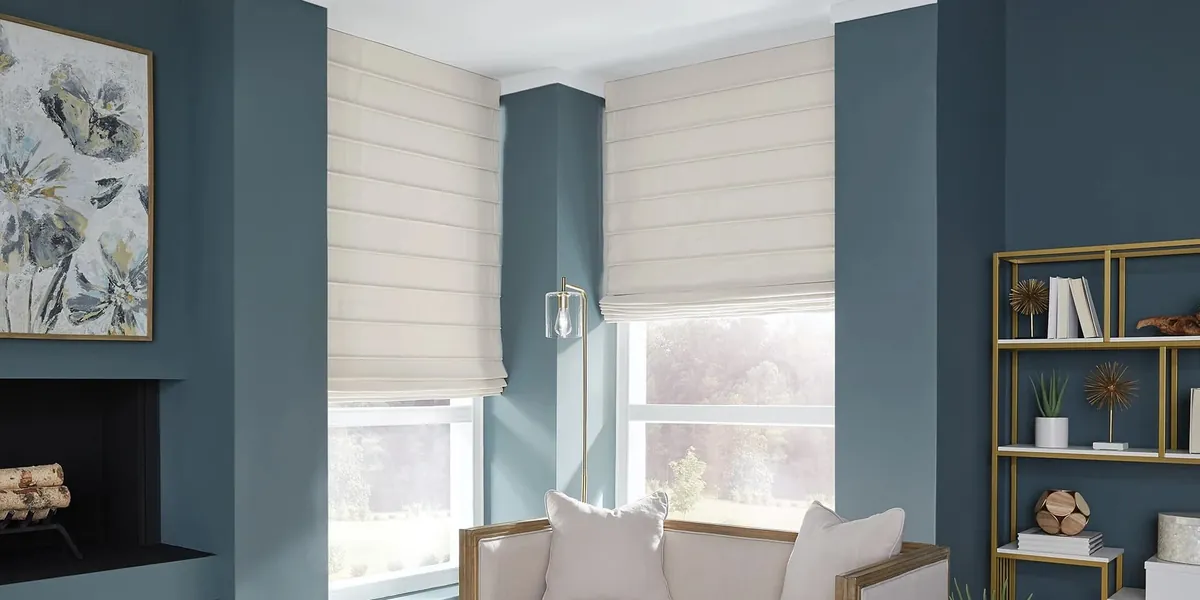
Top-down, bottom-up on street-facing windows
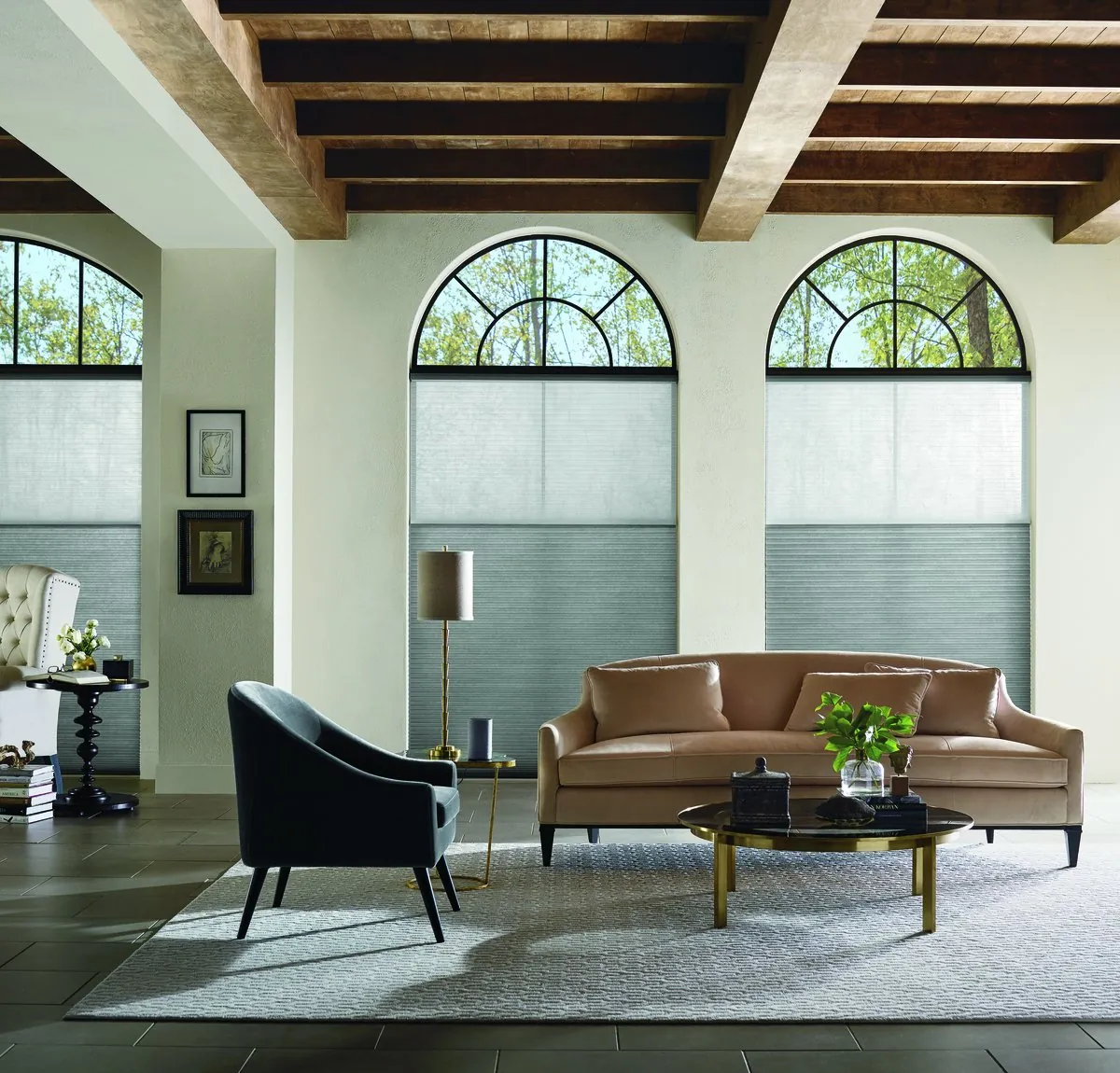
A top-down, bottom-up shade is a natural choice for a tall front window in a close-set house. Lower it from the top and you get sky and daylight while the lower half stays covered from the sidewalk. Plenty of Norwood’s Victorians and two-families have them.
They have twice the moving parts of an ordinary shade: a middle rail that moves down from the top, a bottom rail that moves up, and a separate set of cords for each. That makes them very useful and also a little more prone to trouble. The commonest faults are a middle rail that tilts because one of its cords has stretched, a rail that will not stay where it is put, and cords that have tangled or crossed inside the headrail.
These are restringing jobs, just with more cord. The shade is laid out, both sets of cord are replaced along their full path and each rail is levelled on its own before the shade goes back up.
Victorians and two-families near the center
The older houses at the heart of Norwood were built with generous ceiling heights and windows to match. A Victorian parlor window or the front room of a two-family can be very tall, and the covering on it carries a long stack of slats or fabric. Heavier loads mean faster wear on cords and headrail parts.
Two-families add the matter of numbers. Two households, two sets of rooms, and often blinds of the same type bought together for every window. When one goes, its siblings are frequently not far behind. If you look after the whole building, it can be worth having several checked at once.
Old frames are another factor. Tall sash that has been in place a very long time may have settled slightly out of square, and an inside-mounted headrail will follow the frame. That makes one side of the lift work harder. When we repair a shade in an old frame, we check that the brackets are level and adjust them where needed, so the repaired shade wears evenly.
Capes and ranches further out
Beyond the old center, Norwood’s post-war capes and ranches have smaller, simpler windows. The coverings on them are typically used hard but in a straightforward way: a kitchen blind over the sink, bedroom shades raised each morning, a living room blind tilted for light through the day.
The usual repairs here are the simple ones. A wand that has cracked, a tilt gear worn from years of daily turning, a cord that has frayed. In a cape, a shade in a deep dormer recess may have worn one side faster than the other from being pulled at an angle. In a ranch, a wide living room blind may have started to sag in the middle.
Because the windows are regular, the repaired covering goes straight back into an opening it already fits.
Upper floors of the two-families
In a Norwood two-family, the upstairs unit often has the same tall windows as the one below, and sometimes even taller ones at the front. The coverings up there are reached from inside without much trouble, but the light is different. Upper windows clear the neighboring roofs and fences, so they catch more direct sun than the ground floor, and their shades are lowered more often in the afternoon.
More sun means more wear on fabric and cords alike. It is common to find an upstairs shade with a cord gone dry and brittle while the identical shade downstairs is still fine. When we look at an upper-floor covering, we check the fabric carefully, since a repair only makes sense if the fabric has held up.
The back of a two-family often has a rear stair or porch with its own door and window, frequently with a blind that is knocked by everyone coming and going. Wands and bottom rails there take a beating, and they are straightforward to replace.
A shade that hangs crooked: the usual suspects
A crooked shade is the single most common thing people describe to us, and it has only a handful of causes. One lift cord may have stretched more than the other, which is the usual answer on a tall sash. A bracket may have loosened, tipping the whole headrail. On a top-down, bottom-up shade, the middle rail may be out of line with the bottom rail rather than either being crooked on its own. And occasionally the frame itself has moved, so a shade that was once level now follows a leaning window.
Telling those apart is the first thing we do on a visit. A photo taken straight on, with the shade lowered fully, often gives a good clue before we arrive.
Standard sizes on the newer streets
The newer streets in Norwood are the easiest of all for repair. Openings are standard sizes, frames are square and brackets sit in sound wood. Faults on those windows are almost always about the covering itself rather than the window: a worn part, nothing more.
Those are also the houses where you are most likely to find a set of matching coverings in good overall condition with one or two failing parts. That is the ideal case for repair.
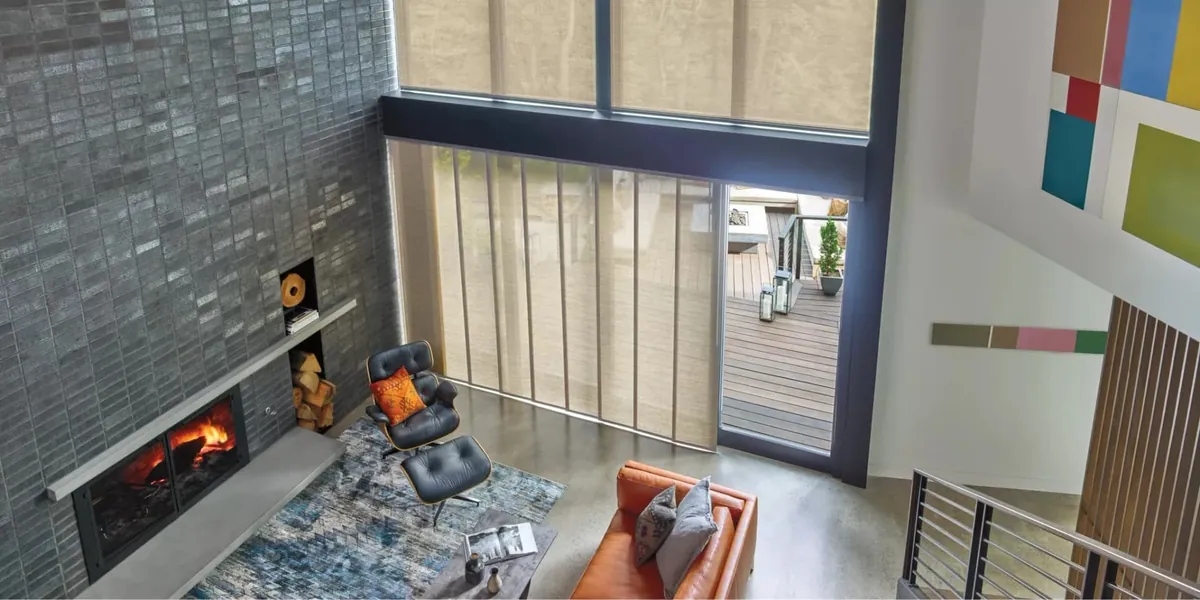
Newer houses also tend to have a slider or patio door, often with a vertical treatment across it. Vertical vanes hang from small carriers in a track, and a wand or cord both draws them across and turns them. When one carrier breaks, a single vane hangs askew or drops; when the turning mechanism wears, the vanes stop rotating together. Both are single-part repairs, and the vanes themselves can usually stay. Kitchens in these houses often have a blind over the sink that lives with steam and splashes, and its cords and ladders tend to need attention sooner than those elsewhere in the house.
A repair from start to finish
Norwood is served by our Canton shop-at-home team, so repairs begin with a visit to the house rather than a trip to a store.
- Send a few words about the fault, using Request a Consultation, or ring us with the call button. A picture of the shade or blind, plus its headrail sticker if there is one, tells us a lot.
- From that we give you a first opinion on whether a fix is realistic.
- When it is, we book a visit to see the covering in its window.
- On the visit, you see the worn or broken part and hear what replacing it involves, all before work starts.
- Once repaired and back in place, the covering is yours to test while we are still there.
- Should repair turn out to be a poor bet, we tell you plainly and the choice stays yours.
The Canton shop-at-home page explains how the territory works.
Restringing on a tall window
Restringing starts with the shade off its brackets and flat on a clear surface. All of the old cord comes out, from the knot in the bottom rail to the catch at the top, since a cord that has snapped in one place has usually aged everywhere. The replacement follows exactly the same route back through. Then comes the fiddly part on a tall window: matching the left and right lengths so precisely that the rail stays level from sill to head.
A tall Norwood sash simply means more cord to thread and more care in matching it. A top-down, bottom-up shade doubles the job, with each rail strung and levelled separately. And on a slatted blind, the woven ladders that cradle each slat get checked too, because tired ladders spoil the look of a blind however new its lift cords are.
Wands, catches and cords
Hands wear things out. On a front room or kitchen blind, the wand gets a twist every time the light changes, and the little plastic clip at its top end, where it meets the gear, slowly loosens. Eventually it drops off, or turns freely and moves nothing. A replacement wand is a simple fit.
Cord grips wear the same way. The grip is a small part with ridged jaws that close on the cord when it is swung aside. Countless closings later, the ridges are smooth and the cord is thinner, and the blind creeps or falls the moment you let go. New jaws and fresh cord together cure it.
Headrails and tilt gears
Tilting a slatted blind depends on one small gear set at the end of the headrail. On a tall Victorian blind with a long column of slats, that gear works under real load, and forcing the wand once the slats are already shut is what usually finishes it off. The symptom is unmistakable: the wand turns and the slats ignore it, or the top half moves while the bottom stays put.
The headrail’s fixings matter as much as its insides. Screws set into very old casing near the common can loosen as the wood dries, so one end of the headrail sinks. Spanning a broad window with too little support, a headrail sags at its center. Sound fixings, and a middle bracket where one is missing, are part of putting it right.
Repair or replace
A covering with one fault and good fabric or slats is worth repairing. A new cord, wand or gear is a far smaller step than a new blind.
A covering with brittle, split fabric, a row of cracked slats, a bent headrail or several failures at once is usually better replaced. We will tell you honestly which side of that line yours falls on. If you want to look at new coverings, start with custom blinds in Norwood or cellular shades in Norwood, and our Norwood page lists every service we offer in town.
Keeping a repaired shade working
On a shade that lives at mid-height, vary the height now and then rather than parking it at exactly the same spot every day; it spreads the wear along the cord. Let the shade settle onto the catch gently rather than letting it drop. On a top-down, bottom-up shade, move each rail with its own cord and avoid pulling both together.
On blinds, close the slats with the wand and stop there. On wide blinds, lift from the center so both sides rise evenly. Dust the top of the headrail when you can, because grit that reaches the pulleys wears through cord. Our guide to caring for fabric shades has more.

We come to you in Norwood
Norwood sits inside our shop-at-home territory, which is why blind and shade repair in Norwood, MA, begins at your front door. Nothing has to come off the window and travel anywhere.
The same vans that bring us to repairs are loaded with samples. So if a broken shade ever gets you thinking about something new for that room, the choosing happens at home as well.
A Gallery dealer’s view of a repair
Blinds & Designs is a Hunter Douglas Gallery dealer, and our installers are certified by Hunter Douglas. We know how these coverings are built, so we can find the worn part and fit a replacement the way the product was designed to work.
A good repair should leave the covering working as it did, not limping toward the next fault. The main blind and shade repair page shows how repairs work across all our areas.
Questions from Norwood
My shade keeps sliding down from the middle of my tall front window. Why?
A shade parked at the same mid-height every day wears its cord and catch at one spot. Eventually the catch cannot grip. A new cord, and a new catch if needed, fixes it.
Can you repair a top-down, bottom-up shade?
Yes. They have two sets of cords, one for each rail, and the usual faults are a stretched cord or a tangle in the headrail. Restringing both sets and levelling each rail puts it right.
Our two-family has the same blinds throughout and several are failing. What do you suggest?
Blinds bought together usually wear together. We can look at as many as you like at one visit and tell you which need work now and which can wait.
Do I need to bring the blind to a store?
No. Norwood is served by our shop-at-home team. We come to the house to look at it.
Will you push me to buy something new?
Not at all. The visit is about the repair. New coverings are a separate matter, handled by our in-home consultations with a free estimate, and only when you ask.
Getting it fixed
A sentence or two about the problem is all it takes to begin. Send it through Request a Consultation, ideally with a snapshot, or speak to us on the call button. Blind and shade repair in Norwood, MA, then comes to you.