
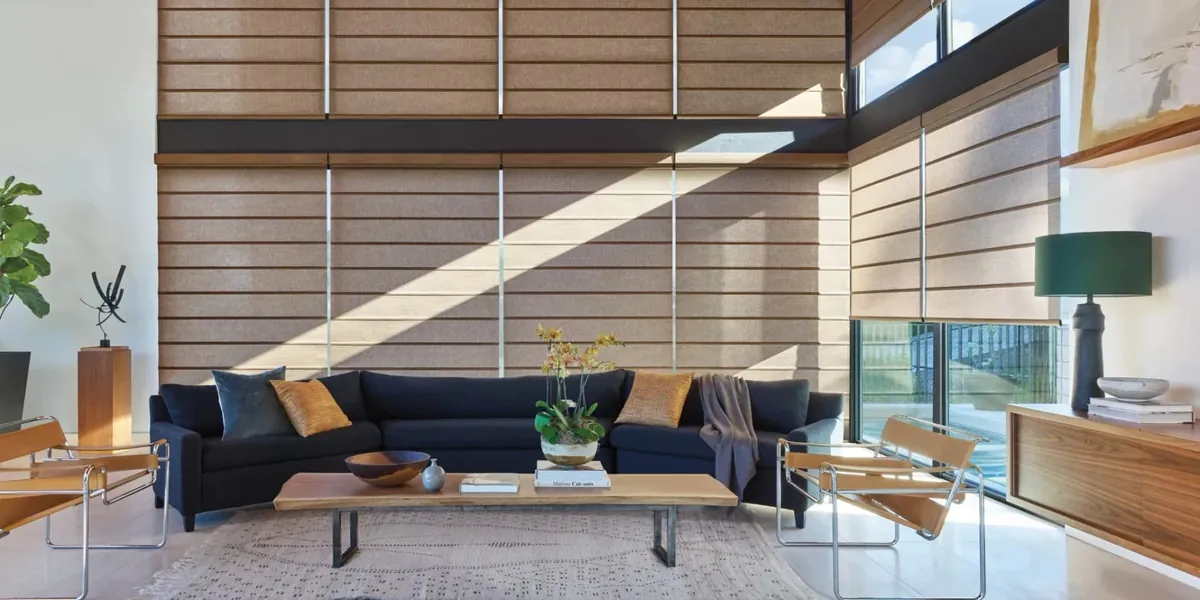
Two kinds of window, two different answers
Middleborough covers a very large stretch of land, and its houses fall into two broad groups. Around the town center stand Victorians and Federal houses with tall, narrow sash, the kind of window that runs nearly from the floor to the ceiling in a front parlor. Spread out across the rest of town are post-war ranches and newer colonials, many of them in subdivisions laid out well away from the center. When we plan roller shades in Middleborough, MA, the first question is which of those two houses we are standing in, because the answers really are different.
A tall Victorian window asks for a shade that hangs perfectly straight over a long drop, fits a frame that has moved with the house, and lets the woodwork show. A ranch or colonial asks for something else: consistent fabric through the house, darkness in the bedrooms and glare control on the sliders and picture windows.
A roller shade can do all of that. A flat fabric winding on a hidden tube scales from a narrow parlor sash to a wide family room window, and the fabric choice, from screen to blackout, does the rest.
The roller options for roller shades in Middleborough, MA
Each one is a Hunter Douglas shade. We bring samples of all six to your house.
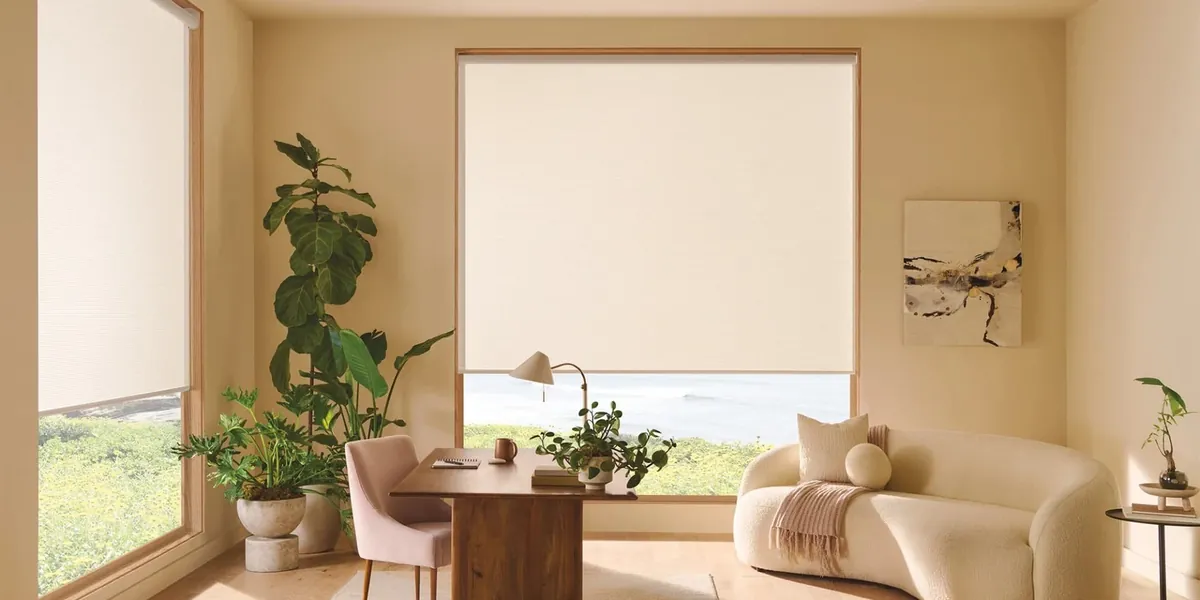
Designer Roller in light filtering
The everyday fabric for living rooms and kitchens. Bright, private and simple to live with.
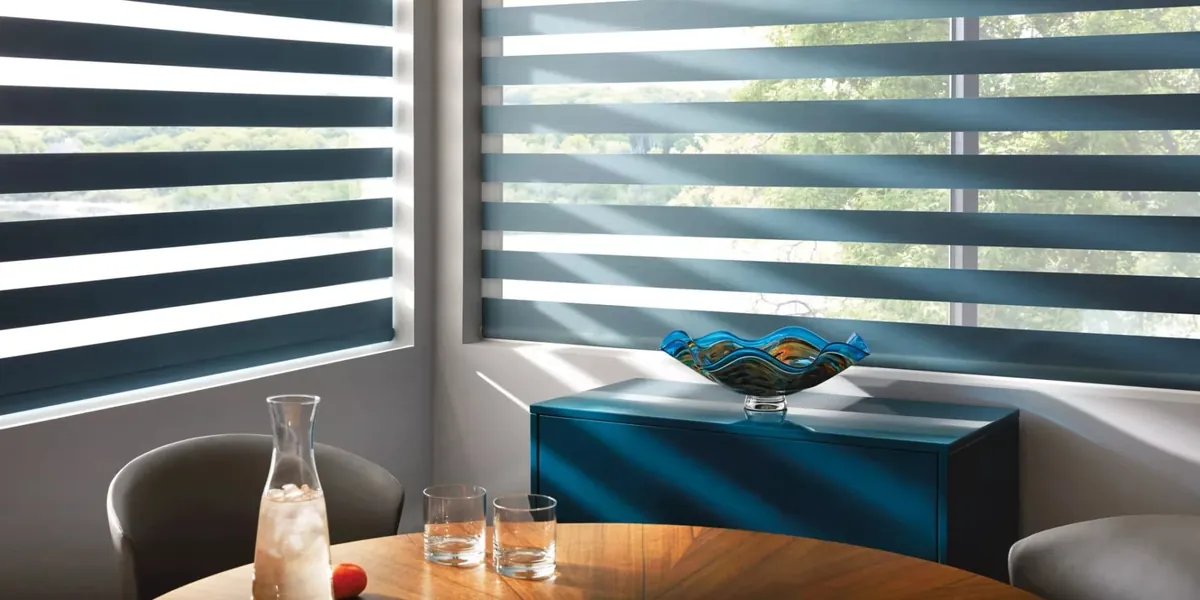
Designer Banded
Two layers of stripes that slide to open or close the view, a good choice for a corner dining room.
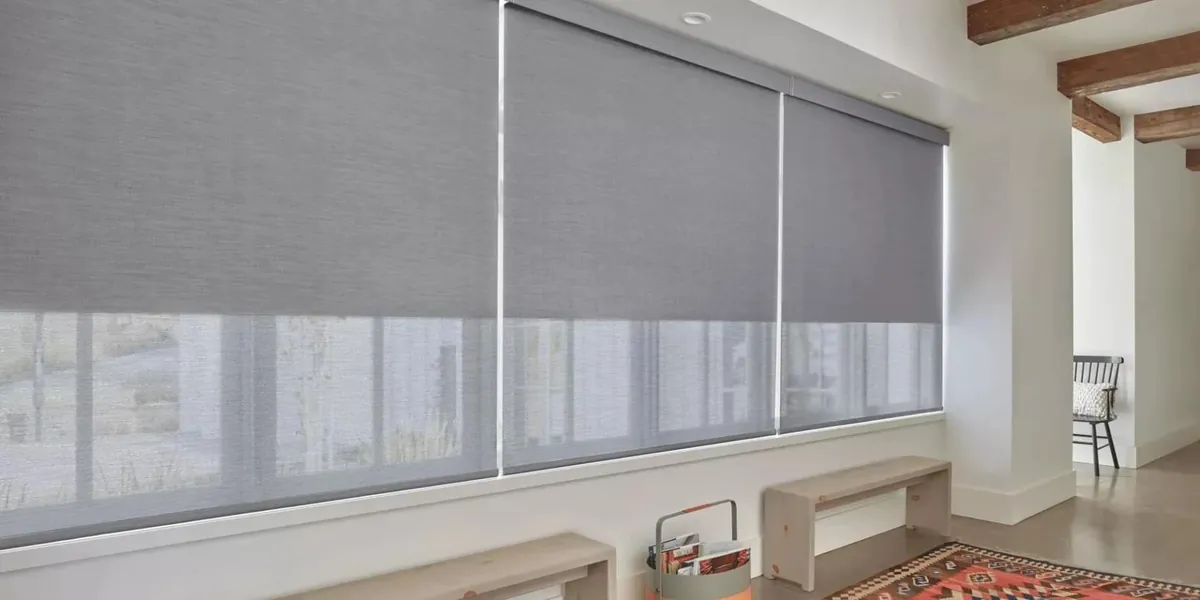
Blackout rollers
Opaque fabric for bedrooms upstairs in a colonial, or a ground floor room used as a media room.
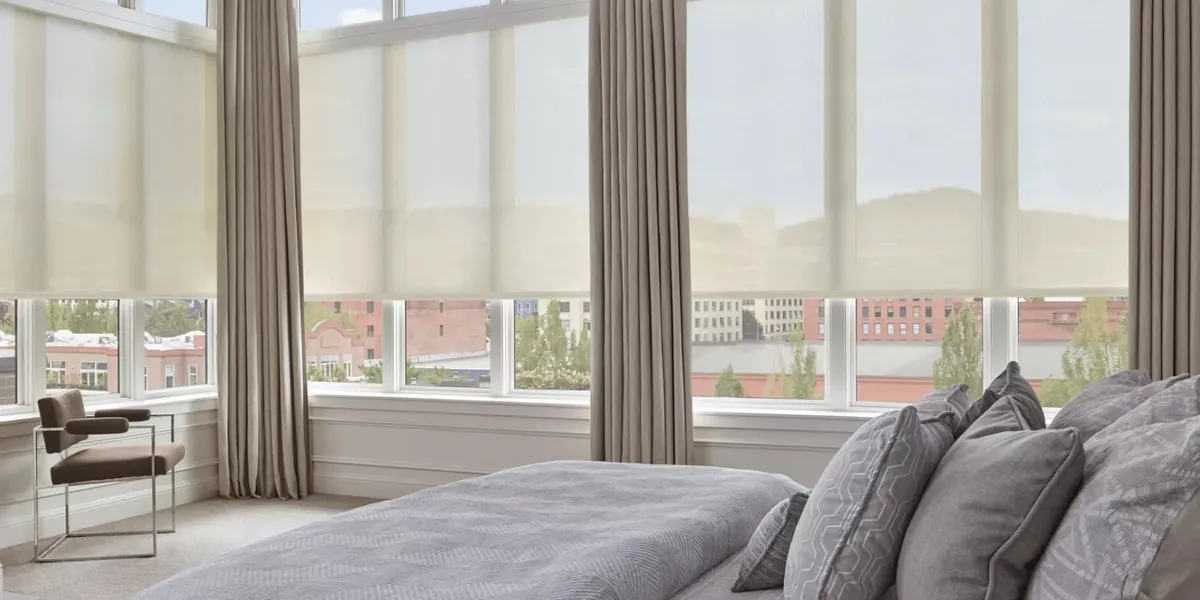
Designer Screen
A woven solar screen that tames glare on the sunny side and keeps the yard in view.
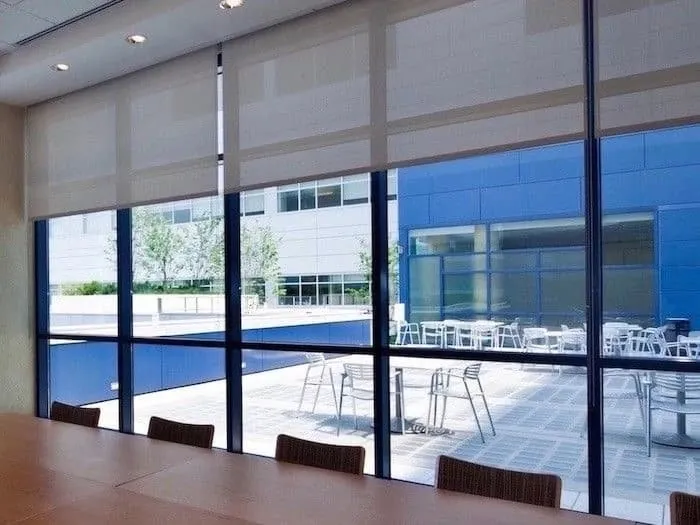
Screens for big glass
Screen fabric scales up to large openings, so a family room with tall glass can be handled in matched panels.
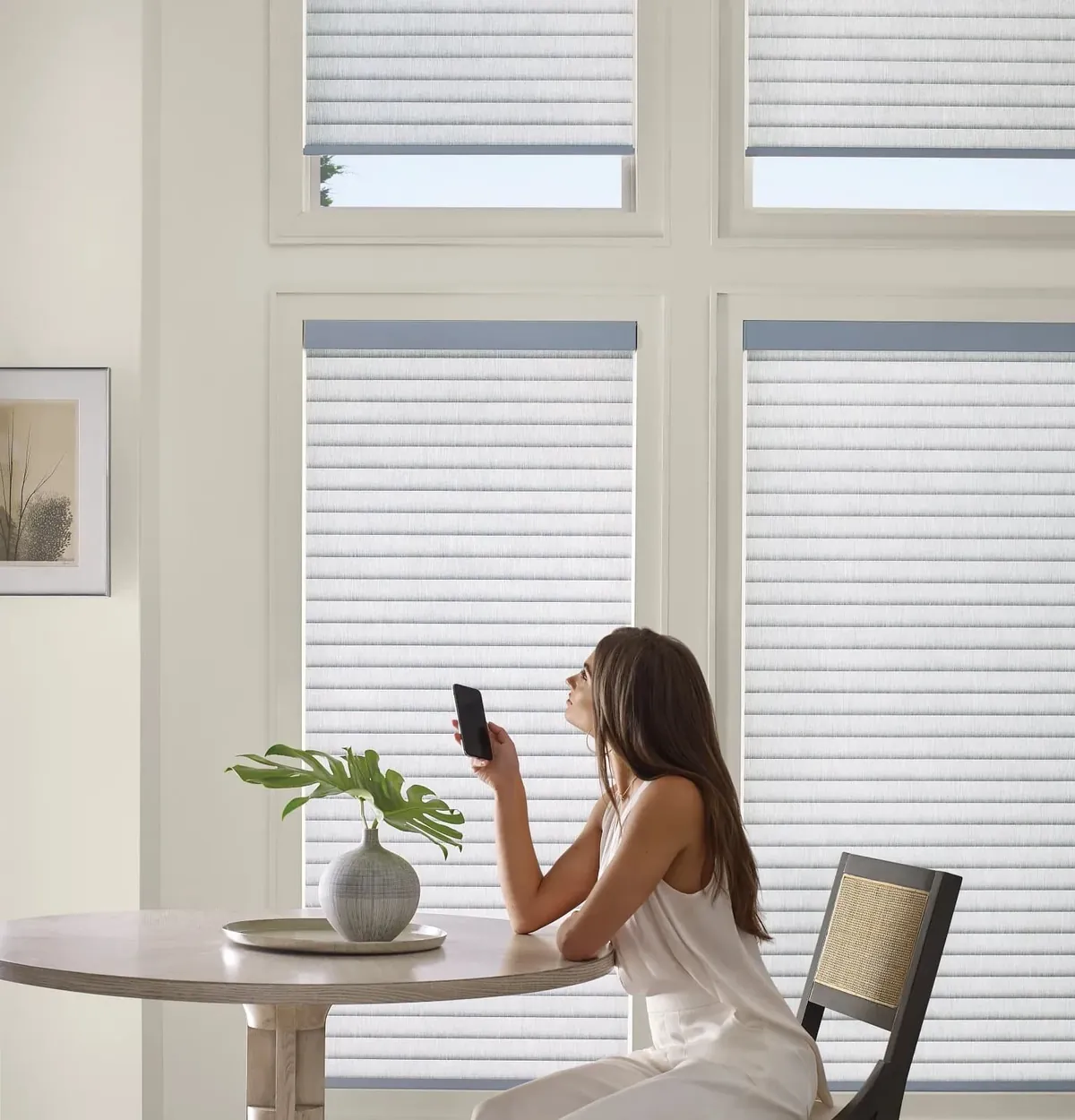
PowerView control
Motors move the shades from your phone, a remote or a timer. Ideal for tall sash and hard-to-reach glass.
The center’s tall, narrow sash
The houses around Middleborough’s town center were built when ceilings were high and windows were tall. In a Victorian parlor or a Federal front room, the sash often runs from just above the floor nearly to the ceiling, and it is narrow for its height. These windows give older rooms their character, and the woodwork around them is usually worth showing off.
A roller shade suits that shape well. Because the fabric winds onto a tube rather than folding or stacking, a fully raised roller takes only a few inches at the head of a tall window. The full height of the glass stays open, which keeps the room bright and the proportions of the window intact.
Long drops do bring their own demands. A tall, narrow shade has to hang flat and roll evenly, and the hem bar at the bottom matters more than it would on a short window. We look at fabric weight and hem choice with you so the shade stays straight from top to bottom. On very tall sash where reaching the top of the shade means a stretch, a cordless lift or a motor saves the effort.
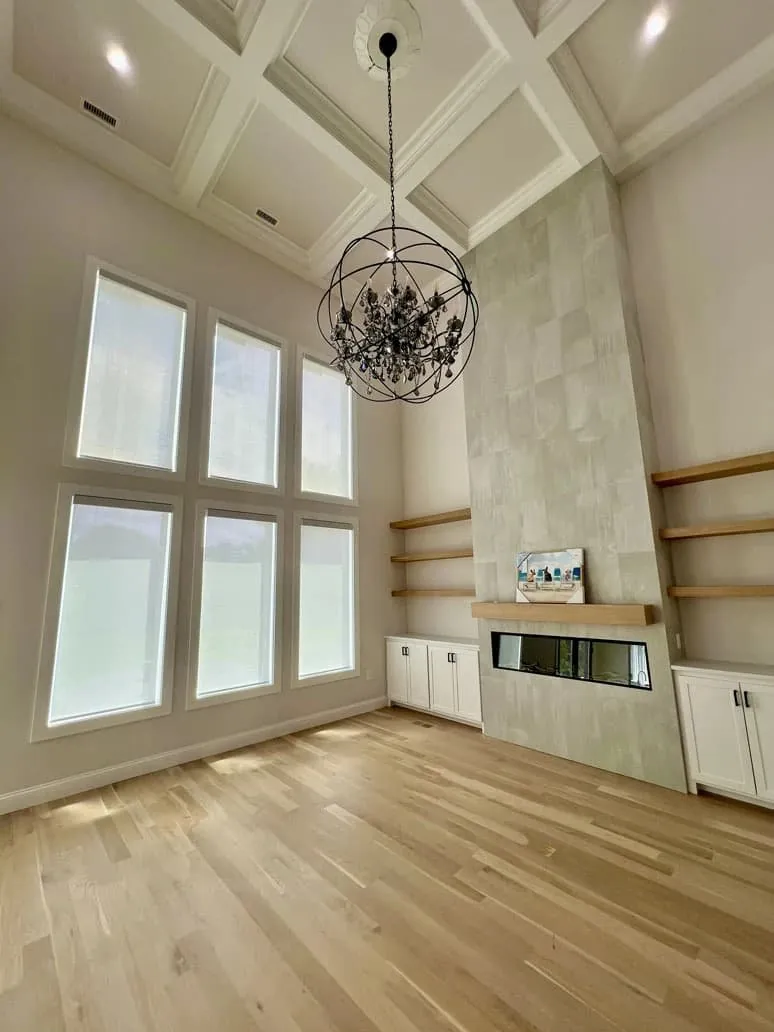
Old frames are rarely square
A house that has stood near the center for a long time has settled, and its window openings have settled with it. One side of a frame may be slightly longer than the other, and the opening may be wider at the head than at the sill. Paint layers, old weatherstrip and the stops that hold the sash all reduce the space a headrail can use.
That is why we measure each tall window on its own rather than assuming a row of matching windows really match. Width gets measured at the head, the middle and the sill, and height on both sides and the center. We check the depth of the reveal along the top, where the headrail would sit inside the frame. The shade is then made to the tightest dimension, so it runs freely without rubbing.
If the reveal is too shallow for an inside mount, or the frame is too far out of square for the shade to look right inside it, we mount the shade on the face of the casing instead. Done carefully, an outside mount on a tall Victorian window still looks deliberate, and it gives better coverage at the edges. We will tell you honestly which suits each window.
Ranches and colonials across the rest of town
Away from the center the picture changes. Post-war ranches and newer colonials make up most of Middleborough’s outer neighborhoods, and their windows are standard modern sizes, square and true. Measuring is quick and mounting is simple, so the focus moves to choosing the right fabric for each room and keeping the house consistent.
In a ranch, the living room picture window and the back slider usually get the most sun. A light filtering fabric on the picture window gives privacy from the road and keeps the room bright. The slider may suit a screen if it faces south or west. Bedrooms at the end of the hall want room darkening or blackout fabric.
In a colonial, the open kitchen and family room at the back of the house often share one long wall of windows and doors. One fabric across that whole wall makes the space feel calm and joined up. Upstairs, children’s bedrooms want cordless shades, and the main bedroom often wants full darkness.
Sun across open land
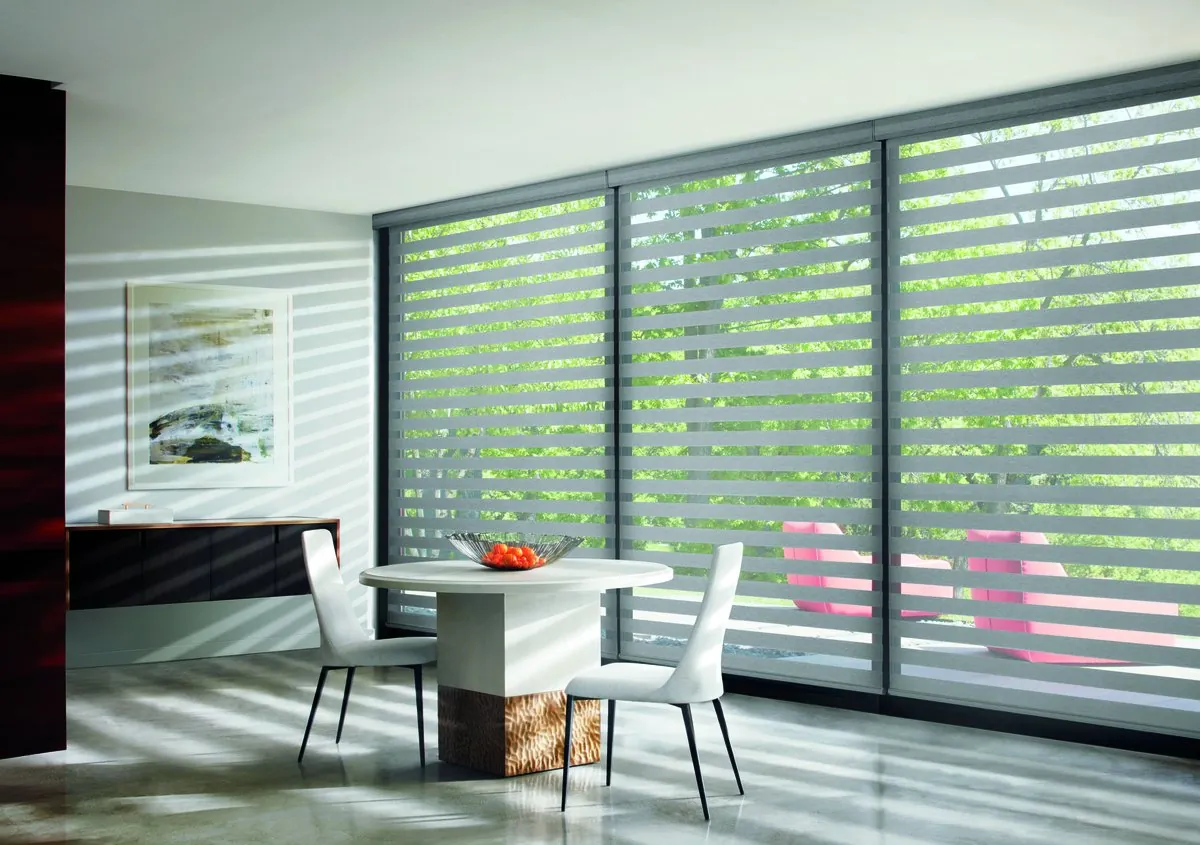
Many houses in the outer parts of town sit on open lots, with fields or wide yards around them and few trees close to the windows. That openness means the sun reaches the glass for much of the day, and the low winter sun can cross an entire room.
On those windows, solar screen fabric is worth a close look. A screen is woven with a measured amount of open space, the openness factor, which decides how the shade balances view and glare. A tighter weave controls more glare and gives more daytime privacy. A more open weave keeps the view of the yard and the fields clearer. Darker screen colors are generally easier to see through; lighter colors reflect more sun back out and look brighter from inside.
Bear in mind that screens are for daytime. With the lights on inside after dark, a screen lets you be seen. A bedroom or a living room that faces the road may want an opaque fabric instead, or a screen paired with a second shade on the same window.
How a home visit works
Middleborough is a big town, and coming to you saves a long drive with fabric swatches. Our vans carry the full roller range, so we can bring the showroom to your door.
- You request a consultation online or by the call button, and we agree on a time.
- We walk through the house together and talk about each room: who uses it, when, and what the light is doing.
- You hold samples up against your own windows, comparing light filtering, screen and blackout fabrics in the real light.
- We look at each opening for mount depth, square and any hardware in the way.
- We measure every window carefully.
- You get a free estimate for the shades you are considering, with time to think it over.
You can read more about what happens at an in-home consultation on its own page. If you want help with color and fabric across the whole room, ask about our interior design consultations too.
How dark is dark enough
Opacity is the decision that shapes each room most, and roller fabrics cover the whole range.
- Screen keeps the view and knocks back glare, for sunny family rooms and kitchens.
- Light filtering diffuses daylight and hides the room from outside during the day.
- Room darkening takes a room down to a dim, restful level.
- Blackout stops light through the fabric itself.
The mount affects darkness as much as the fabric does. Inside a frame, a roller leaves slim gaps at each side, and on a tall Victorian window those gaps run the full height of the glass. An outside mount overlapping the casing closes most of them. For a bedroom in an older house where real darkness matters, that is often the deciding factor between the two mounts.
Federal front rooms and patterned fabric
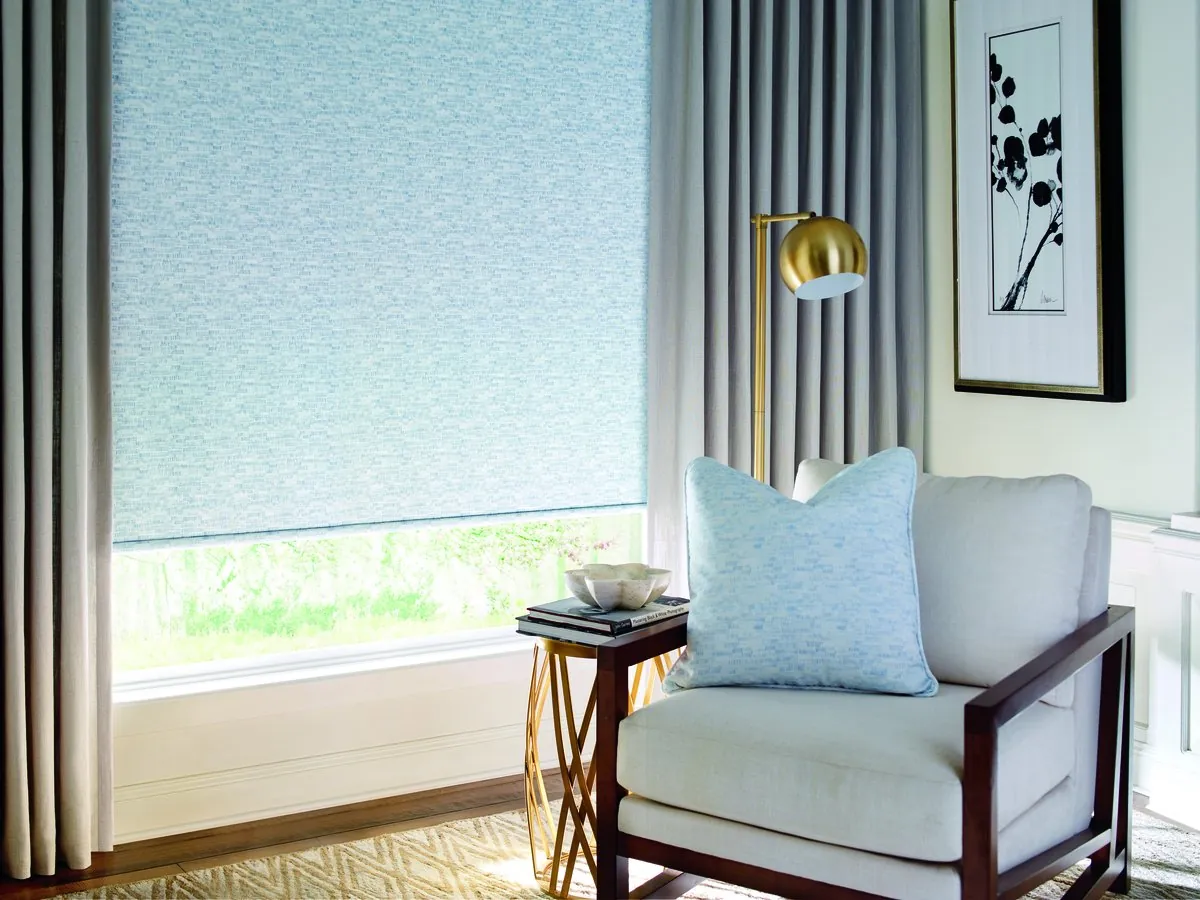
A Federal house near the center is usually symmetrical, with the front door in the middle and matching windows on either side, two stories high. Those front windows are what everyone sees from the street, and from inside they frame the room. A plain white roller can look a little stark in that setting, especially against painted panelling or a deep moulded casing.
There are two good answers. One is to choose a richer fabric, a texture or a subtle pattern from the Alustra collection, so the shade reads as part of the room’s decoration when it is lowered. The other is to keep the roller quiet and let it work behind drapery, so the shade handles light and privacy while the curtains carry the style. Either way, the shade rolls up out of sight when you want the window and its woodwork on show.
Because the front windows of a Federal house are seen as a set from outside, we make sure every shade on the facade sits at the same height and shows the same color to the street, even where the rooms behind them use different opacities.
Kitchens and baths in older houses
The kitchen and bathroom windows in a center house are often the ones that were changed most over the years, and they can be awkward: a window tucked behind a deep sink, a narrow bathroom sash beside a tub, a small window set high in a stair hall. Roller shades in Middleborough, MA, homes of this age handle these spots well because the shade is slim and the fabric choice is wide. A fabric that is easy to keep clean suits a bathroom, and a light filtering weave keeps a kitchen bright. For a window you cannot comfortably reach across a counter, a cordless lift or a motor makes the daily routine simple.
Designer, Alustra and Sonnette
All roller shades in Middleborough that we supply come from Hunter Douglas lines, and each line has a job it does best.
Designer Roller offers a broad choice of plain and textured fabrics in every opacity. Designer Screen is the solar screen family, with a range of openness factors and colors. Designer Banded is the striped shade with two moving layers. Sonnette is the cellular roller, with a gently curved profile that gives a softer look on a window.
Alustra is the premium collection, with finer weaves, textures and patterns, and it includes the Alustra Woven Textures roller. On a Victorian or Federal window where the shade is part of the room’s decoration, an Alustra fabric often looks more at home than a plain modern roller.
The roller shades page covers the whole range. For the striped shade, see Designer Banded, and for the premium fabrics, Alustra.
Motors for tall and hard-to-reach windows
PowerView motorization fits a quiet motor inside the roller tube. The shade then moves from a handheld remote, the app on your phone or a schedule you set once. On the tallest sash in a center Victorian, it means no more reaching for a hem bar high above your head. In a colonial with a two-story foyer, it is the only practical way to work the glass above the door.
Groups and schedules add convenience. A whole wall of shades can move together and stop at the same height. Screens on the sunny side can lower in the afternoon and lift in the evening. Bedroom shades can close at dusk.
We plan how each motor is powered at the visit and help you decide which windows are worth motorizing and which are fine with a cordless lift. You can learn more on our motorized blinds in Middleborough page.

Fitting the shades
Measurement and installation are where a roller shade looks either custom or off the shelf.
- Each opening is measured at several points for width and height, and the reveal depth is checked along the top.
- We confirm the mount, fabric, lift and roll direction for every window with you before ordering.
- When the shades arrive, our certified Hunter Douglas installers fix each bracket into solid framing.
- Every headrail is levelled, and on an out-of-square frame the shade is set so it looks straight to the eye.
- Each shade is run through its full travel, and we show you how the lifts and any PowerView controls work.
On a tall old window, getting the shade to look level when the frame itself is not is a skill. It is one reason the installation matters as much as the shade.
A Hunter Douglas Gallery dealer for both halves of town
Blinds & Designs is a Hunter Douglas Gallery dealer, a designation Hunter Douglas gives dealers who meet its standards. For your house that means every roller line from one dealer: Designer Roller, Screen and Banded, Sonnette, Alustra and PowerView.
Our installers are certified by Hunter Douglas. Beyond roller shades we carry Hunter Douglas blinds, shutters, cellular and roman shades and drapery, so a Victorian parlor and a colonial family room can each get what suits them. We repair blinds and shades as well. Other services in town include cellular shades in Middleborough and plantation shutters in Middleborough, and our Middleborough page lists them all.
Seeing fabrics in Sagamore
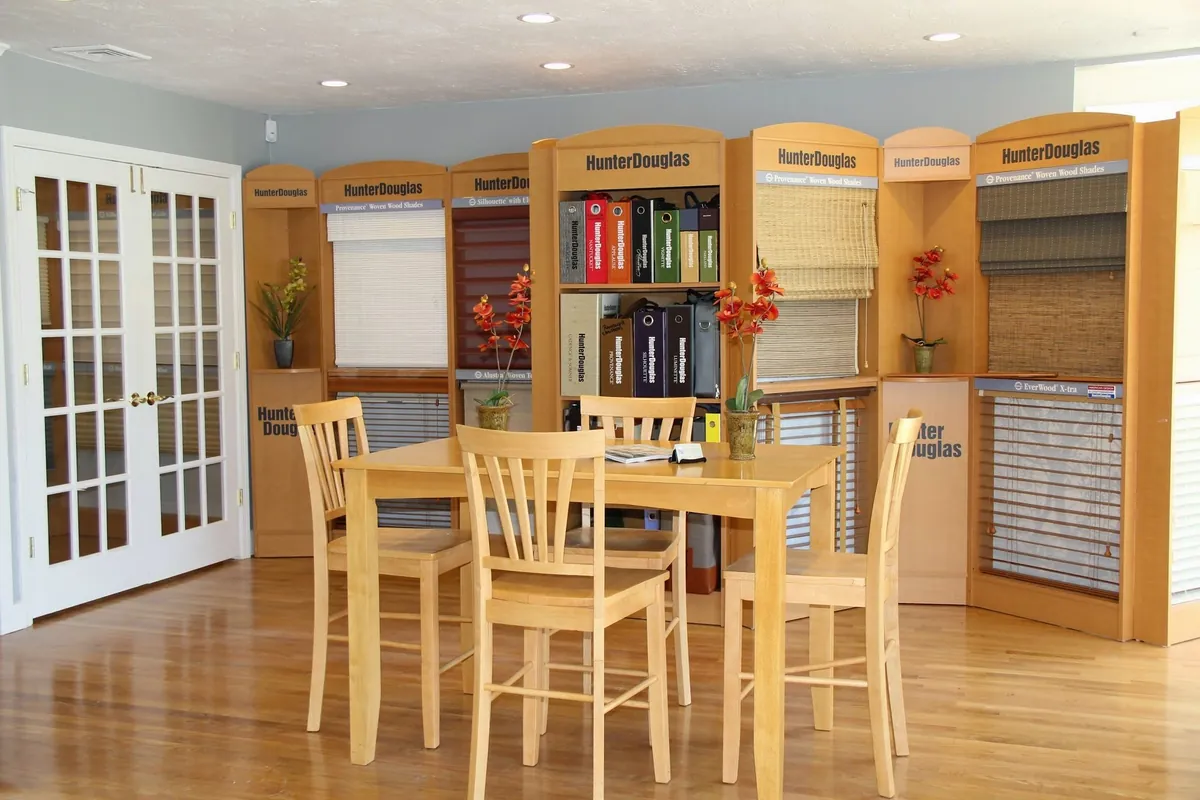
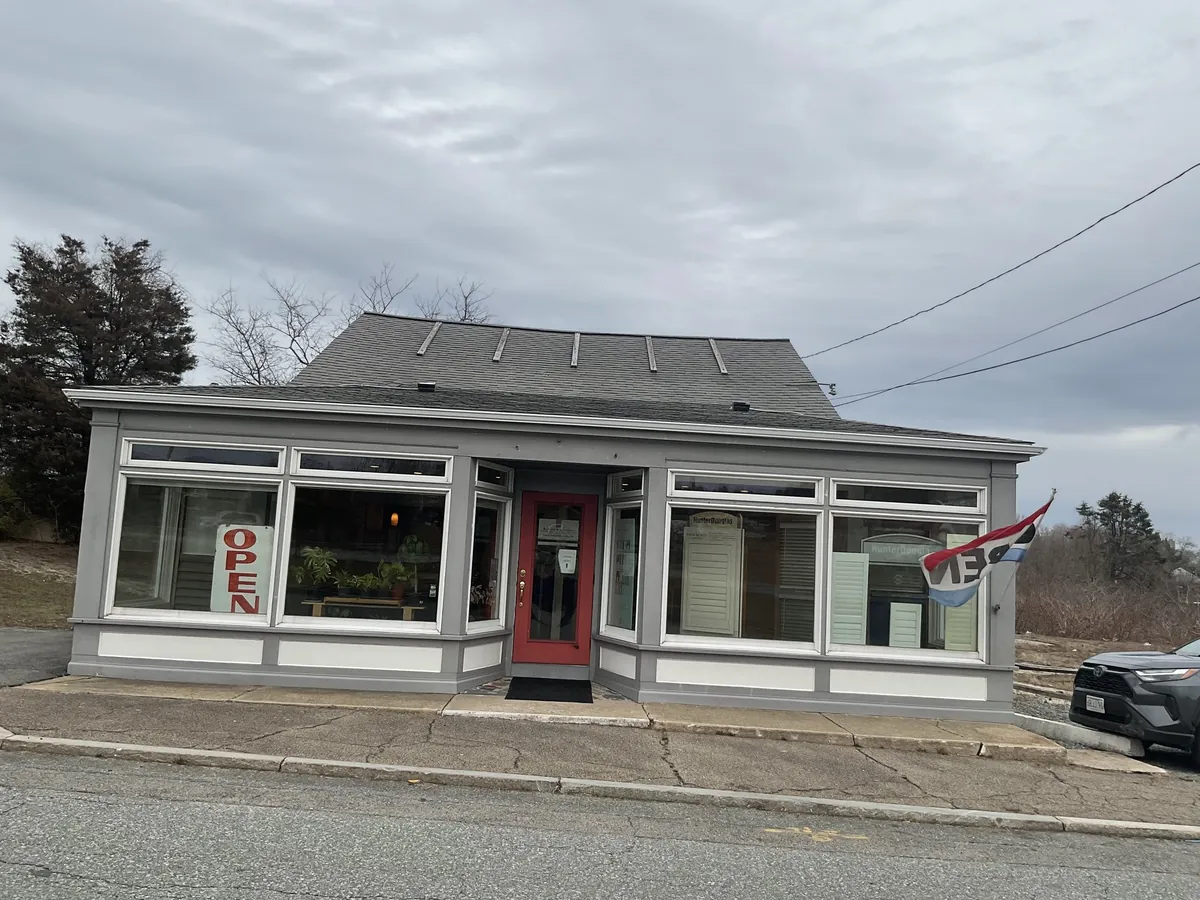
The nearest Blinds & Designs showroom to Middleborough is in Sagamore. The Sagamore showroom page has its address and opening hours if you would like to look at fabrics in person.
For most houses, though, the home visit comes first. Your tall sash, your open yard and your own light are what the fabric has to work with.
Questions from Middleborough
Can roller shades work on tall, narrow Victorian sash?
Yes, and they suit it well. A raised roller winds into its tube and takes very little of the window’s height, so the glass and woodwork stay on show. We pay attention to fabric weight and the hem bar so the shade hangs straight over a long drop.
My windows are out of square. Is that a problem?
Not usually. We measure each window at several points and make the shade to the tightest dimension. If a frame is too far out for an inside mount to look right, we mount on the casing instead and set the shade so it looks level.
What is the openness factor on a solar screen?
It is how much of the woven fabric is open space. A lower openness blocks more glare and gives more daytime privacy. A higher openness keeps the view clearer. We bring several so you can compare them at your window.
Which rooms should I motorize?
Usually the windows that are hard to reach, like tall sash and foyer glass, and any wall of shades you want to move together. Many houses mix motors on those windows with cordless lifts elsewhere.
Do you charge for the estimate?
No. After we measure, you receive a free estimate for the shades you are considering.
Take the next step
The surest way to choose roller shades in Middleborough, MA, is to see the fabrics against your own windows, whether they are tall Victorian sash near the center or standard openings in a newer house. Request a consultation and we will bring the samples, measure every window and give you a free estimate. You can also use the call button or visit our Sagamore showroom.