
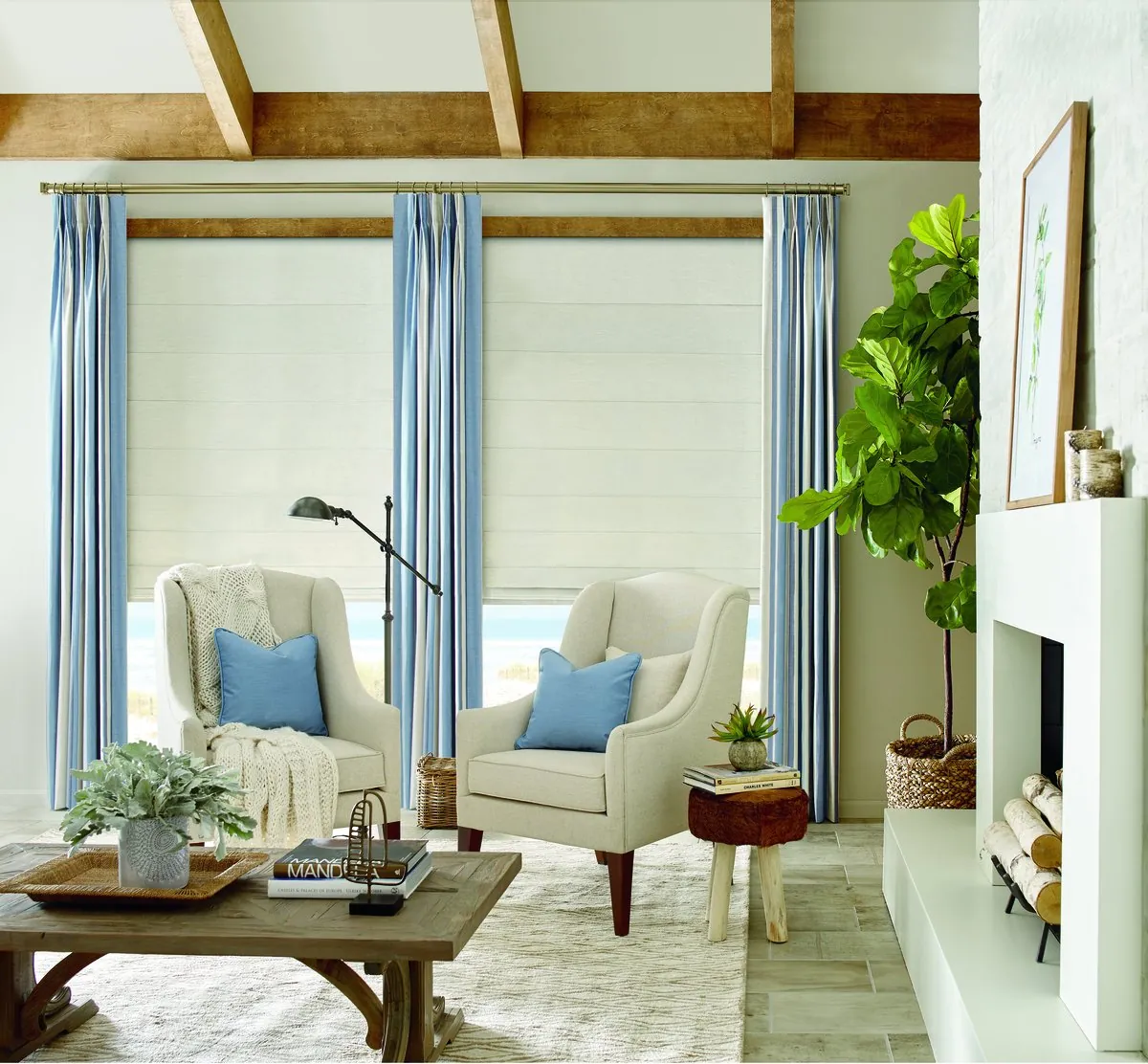
Tall sash in the center, wide glass out of town
Middleborough is really two kinds of place when it comes to windows. Around the town center, Victorians and Federal houses stand with tall, narrow sash, high ceilings and a lot of wall between the top of the window and the cornice. Spread across the very large land area beyond the center, post-war ranches and newer colonials have shorter, wider, more regular windows and lower rooms. A shade that is perfect for one is often wrong for the other, so roman shades in Middleborough, MA, need two sets of answers.
On a tall Victorian window, the questions are about proportion and height: how many folds the shade carries, where the stack sits, how a long fabric panel looks against a high wall, and how you reach the cord or rail. On a ranch window, they are about width and daily use: whether one shade or two covers a picture window, how the fabric handles the afternoon sun, and how easily you can raise it every morning.
We plan both from the same starting point, which is a visit to your house to see the windows you actually have.
Two sets of choices for one town
Six options we often bring to Middleborough houses: the first three for the older center, the last three for the outer neighborhoods.
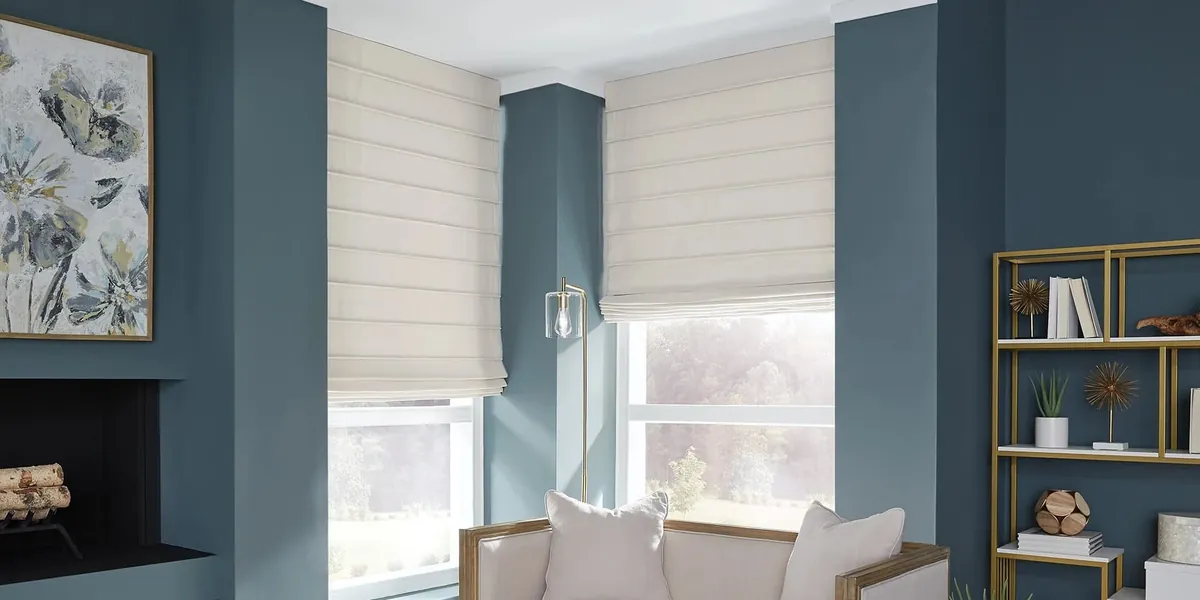
Long flat folds for Victorian sash
A crisp Carole Fabrics flat fold looks tailored on a tall, narrow window and keeps the eye moving upward toward the high ceiling.
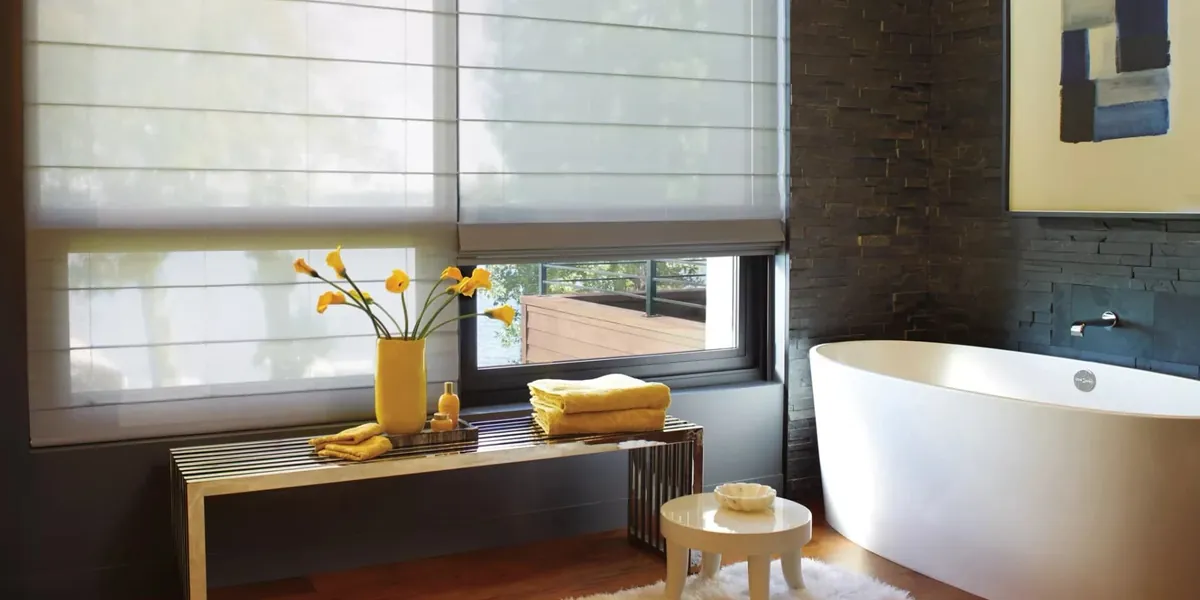
Sheer fabric for the darker rooms
Older houses can have dim back rooms. A sheer or lightly filtering fabric gives privacy while keeping as much daylight as possible.
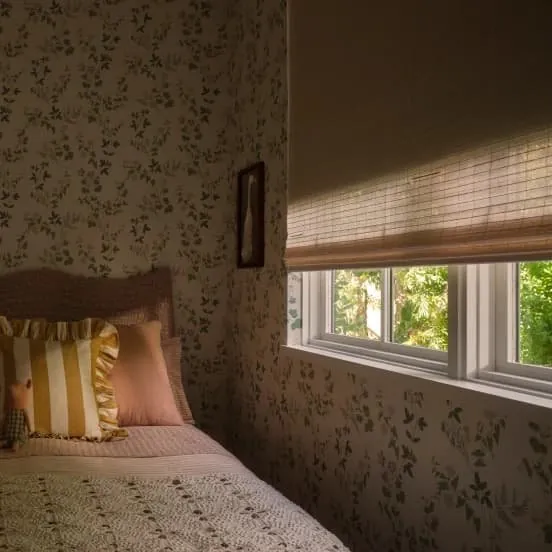
Small prints and plain weaves
A narrow window shows only a slice of a fabric, so a small repeat or a textured plain reads better than a large pattern.
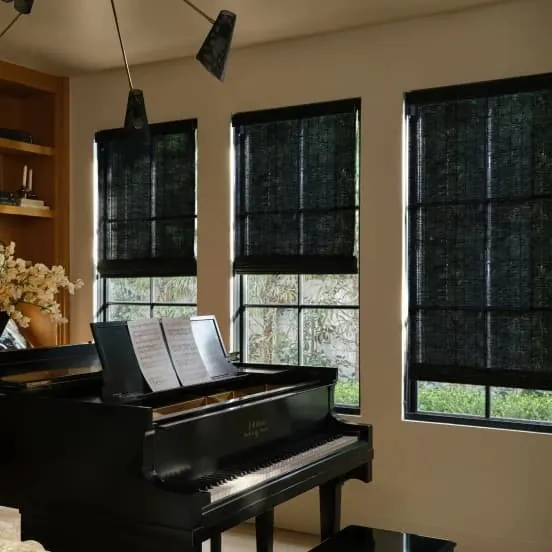
Matched runs across a ranch window
Two or three shades side by side on one wide opening, sharing a fold spacing, so each lifts on its own and the run still looks like one piece.
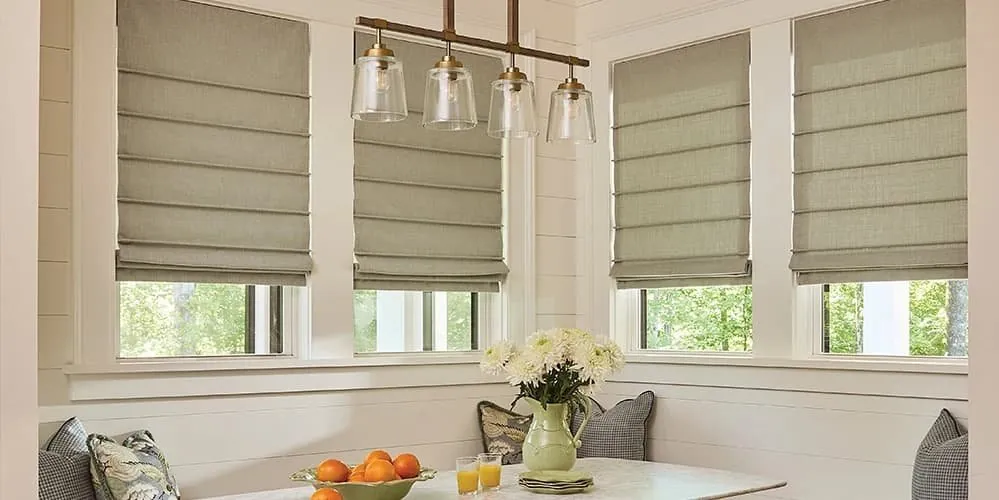
Vignette for kitchens and family rooms
Even folds built into the fabric, no cords down the back and a compact roll at the top suit rooms where the shade moves many times a day.
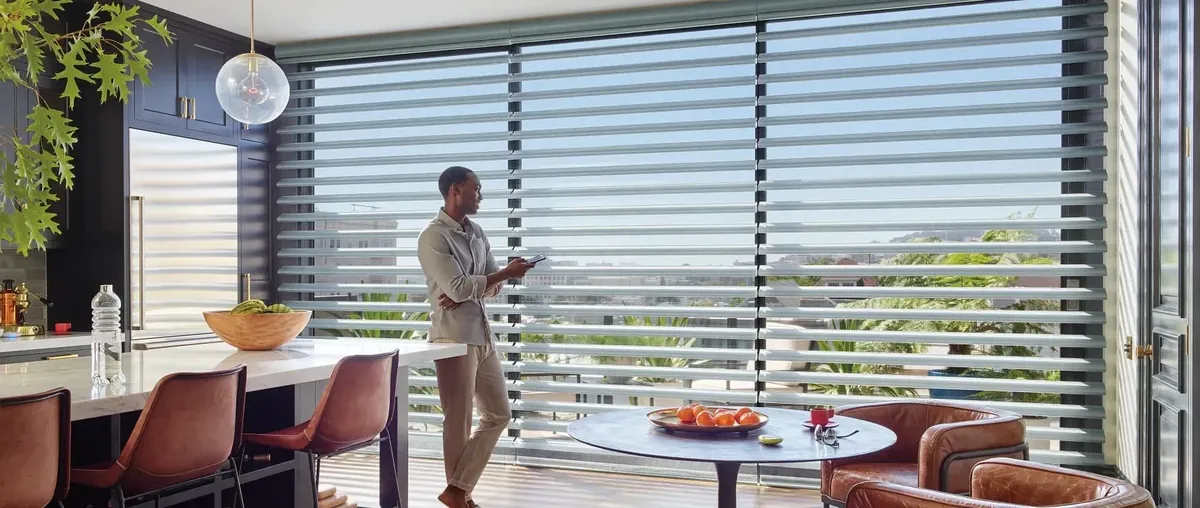
PowerView for a whole house
In a larger colonial, motorized shades can be grouped by room or by side of the house and moved from a phone, a remote or a schedule.
Victorian windows around the center
The Victorians near the center were built when tall windows were the way to light a room. A front parlor might have two or three sash windows reaching well above head height, with deep wooden casings and sometimes interior shutters long since painted shut. These windows are the reason the rooms feel grand, and the right shade should play to that height rather than fight it.
A roman shade on a tall window becomes a long, vertical band of fabric when lowered, and it reads as part of the architecture. Spacing the folds a little wider than usual keeps the shade from looking busy over such a long drop. When it is raised, the stack gathers at the top, and on a tall window there is plenty of glass below it, so the stack hardly costs any light at all.
The challenge is reach. The top of a tall Victorian sash may be well out of reach from the floor. A sewn shade with a continuous cord loop lets you raise and lower it without stretching, a cordless shade can be set so the bottom rail rests at a height you can reach, and for windows that are both tall and awkward, such as a stair landing or a window behind a piece of furniture, PowerView takes the reaching away altogether.
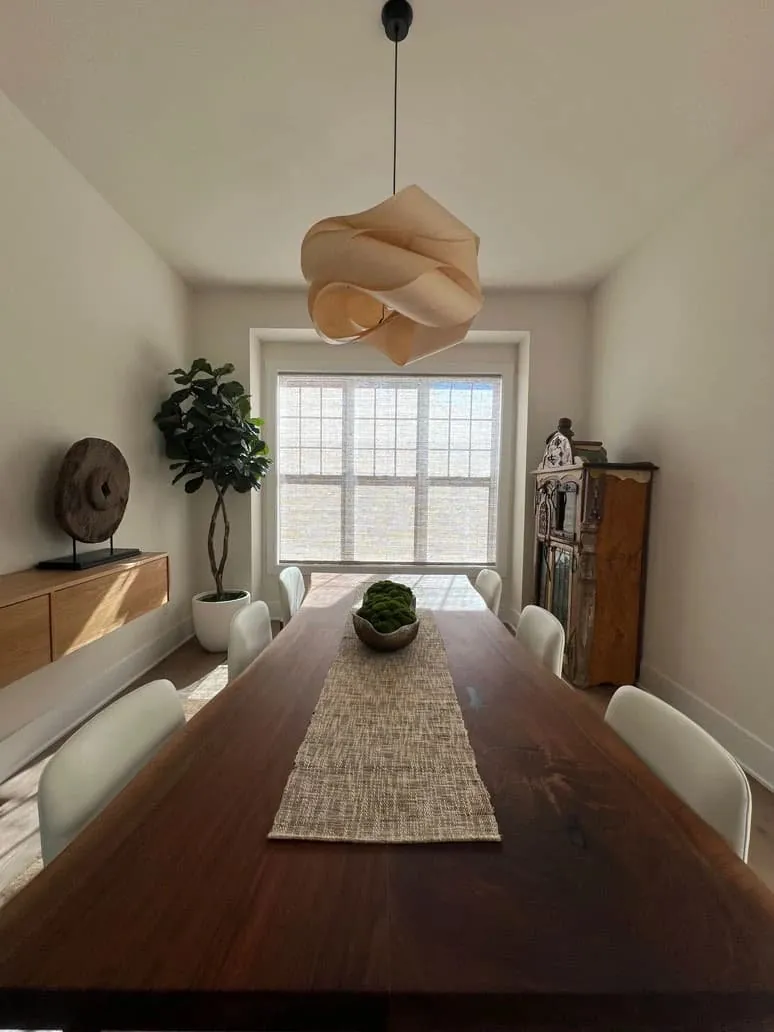
Bays, side lights and odd openings
The older houses near the center rarely stop at plain sash. Victorians in particular love a bay: three or five tall windows set at angles, often with narrow side panels and a deep seat below. Federal fronts sometimes have slim side lights flanking the door and a small window on the stair. Each of these needs its own plan.
In a bay, every window gets its own shade, made to its own measurements, and all of them are set to the same top line and the same raised height so the bay reads as one curve of fabric. Where the angled panels are narrow, the fold spacing on those shades is matched to the wider center window rather than chosen separately, so the folds line up across the bay when the shades are half lowered. A bay seat is a lovely place for a Carole Fabrics shade that picks up the cushion fabric.
Very narrow side lights and stair windows are often too slim for a folded shade to work well, and there we will tell you so and suggest a Hunter Douglas option that fits, in a color that sits with the roman shades in the room beside it. Getting roman shades in Middleborough’s older houses right is often about these smaller openings as much as the main windows.
Federal houses and their proportions
The Federal houses around the center are more restrained than the Victorians, with symmetrical fronts and evenly spaced windows. Their sash is still tall and narrow, but the rooms are often a little lower and the trim plainer. What matters most here is balance. Every front window should look the same from the street, and inside, the shades should line up at the same height across a room.
That means planning the whole front of the house at once. We measure each window on its own, because old frames that look identical rarely are, but we set the shades to a shared top line and a shared raised height so they read as a matched set. A plain or softly textured fabric suits the Federal style, and a flat fold keeps the look clean.
An inside mount works on many Federal windows and keeps the casing visible. Where the jamb is too shallow, or the frame has settled out of square, a narrow outside mount fixed to the top of the casing is the better choice. We will tell you which suits each window.
Ranches and colonials across the outer town
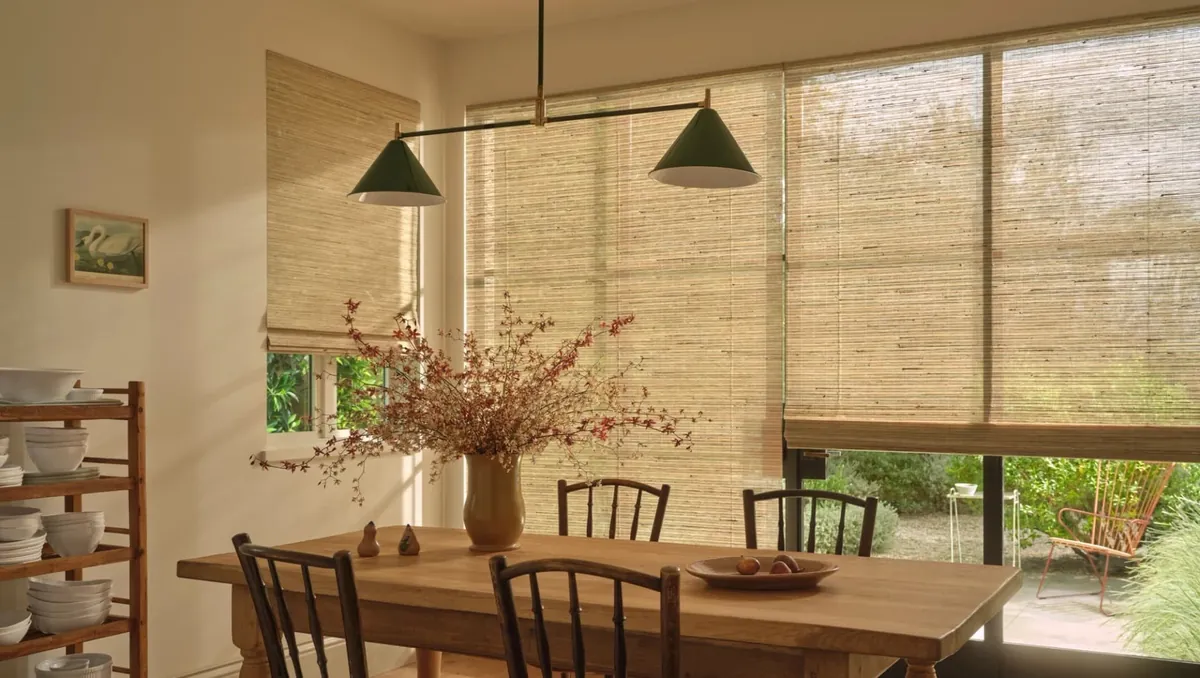
Out beyond the center, the housing changes completely. Post-war ranches and newer colonials sit on their own lots along roads that run a long way into the countryside. Their windows are standard modern sizes: a wide picture window or a pair of double-hungs in the living room, a kitchen window over the sink, a slider out to the yard, and bedrooms with wider, shorter windows set higher in the wall.
These windows are straightforward to fit and invite a different kind of shade. Width matters more than height. A wide ranch window looks best with two or three shades on matched headrails, so each one stays light enough to lift easily and you can shade one end of the window while leaving the other open. In a newer colonial, matching shades across every window in a family room give a calm, unified look.
Fabric choice can be bolder out here. A room with standard windows and modern proportions can carry a stronger color or a larger pattern than a narrow Victorian sash, and a soft fold adds texture to an otherwise plain room. For roman shades in Middleborough ranches, a room-darkening lining in the bedrooms and a light-filtering fabric in the living spaces is a common starting point.
Fold spacing and the long drop
Fold spacing is the distance between each pleat on a roman shade, and it has a bigger effect on the look than most people expect. Close folds make a shade look full and busy; wider folds make it look calm and tailored.
On a tall, narrow Victorian window, wider spacing usually looks best, because a long shade with many tight folds can look fussy. On a short ranch bedroom window, closer spacing keeps the shade from looking like a single flat panel. Vignette sets its own even fold depth, which is part of its clean look, while Carole Fabrics shades can be made with the spacing that suits each window.
We show you samples at different spacings, so you can see the difference on your own window rather than imagine it. For a house that mixes old and new windows, keeping a consistent look from room to room can matter as much as the right spacing for each one.
High ceilings and where the light goes
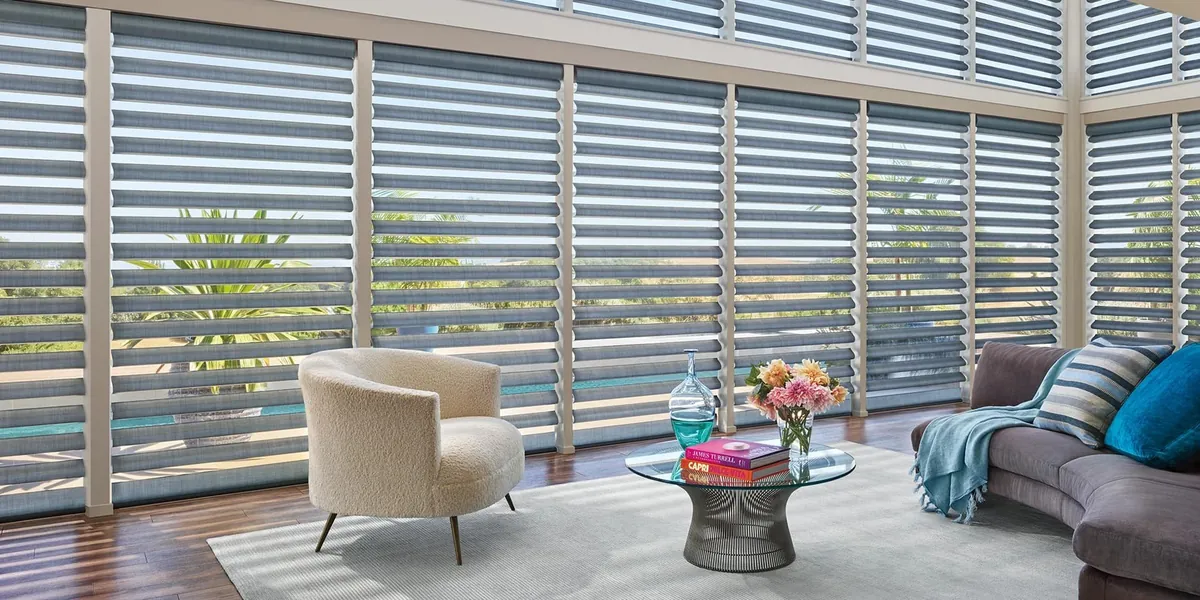
High-ceilinged Victorian rooms handle light differently from low modern rooms. Light from a tall window travels deep into the room and up toward the ceiling, which is what makes the rooms feel bright even with relatively narrow windows. A shade that cuts off the top of the window darkens the room far more than one that covers the bottom.
That is why, in the center’s older houses, we often suggest mounting the headrail as high as the frame allows and choosing a fabric that filters rather than blocks. In a bedroom where you do want darkness, a room-darkening lining still works, but a light-filtering fabric is usually the better choice for parlors and dining rooms.
In a ranch, the opposite is often true. Low ceilings and wide windows mean light comes in flat across the room, and the afternoon sun on the west side can be strong. A shade lowered part way cuts the glare without darkening the whole room.
Vignette, Carole Fabrics and how to choose
Both are Hunter Douglas folded shades, but they suit different windows.
Vignette is built differently. The pleats are part of the material, each one the same depth all the way down, and the back of the shade carries no strings at all. It rolls up into a slim headrail, which keeps the stack small. It is a good fit for ranch and colonial kitchens, family rooms and bedrooms, for windows that go up and down many times a day, and for motorized runs.
A Carole Fabrics shade is stitched for one window from a cloth picked out of a big decorator library, in flat or soft folds, with the fold spacing set to suit each window. They are the natural choice for the tall sash of a Victorian or Federal house, where the fabric and proportions are on show and the shade is part of the room’s character.
Many Middleborough houses use both: Carole Fabrics in the formal front rooms and Vignette in the kitchen and family spaces. See our Vignette and Carole Fabrics roman shades pages for more, or the main roman shades page for the full range.
Color across a house built in two eras
Plenty of houses in town are a mix: an older core with a later addition, or a ranch that has been extended with a family room and a new kitchen. Windows in the old part and the new part may differ in height, width and style, which can make a house feel disjointed from inside.
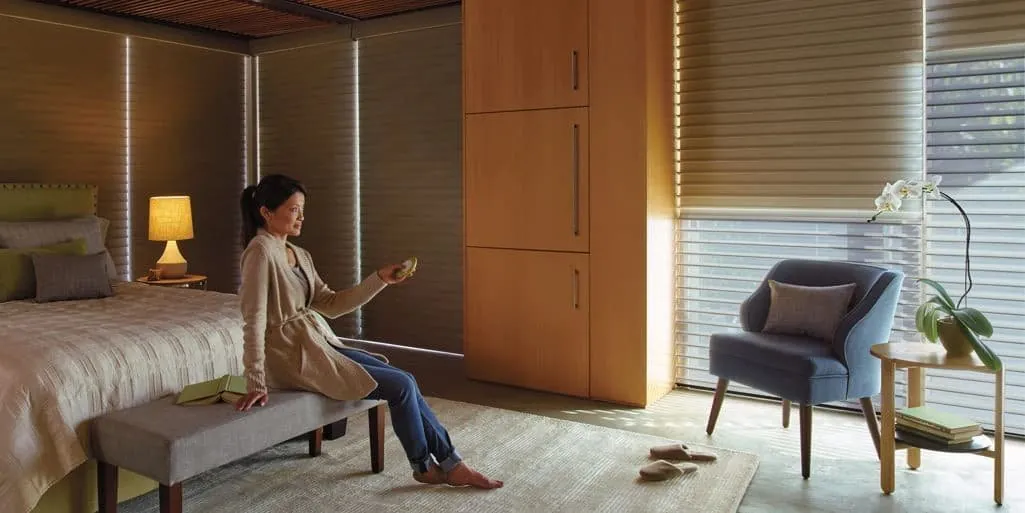
Shades are a quiet way to pull it together. Choosing fabrics from one color family, or using one lining color throughout, lets each room have the right shade for its windows while the house still feels like one place. A tall front room might carry a patterned Carole Fabrics flat fold, and the family room in the addition a plain Vignette in a color drawn from that pattern. For roman shades in Middleborough houses like this, we lay the samples out room by room so you can see the whole house at once.
Reaching the high windows
Between tall Victorian sash, stair landings and the occasional window above a kitchen counter, Middleborough houses have plenty of windows that are hard to reach. PowerView motorization makes them easy. Each shade rises and falls from a remote or an app, rooms can move together at one touch, and schedules can raise the shades in the morning and lower them at dusk.
In a large colonial, PowerView can group shades by room or by side of the house, so the west side can come down against the afternoon sun while the east stays open. You can read more on our motorized blinds and shades page. We plan how each motor is powered during the consultation.
When we come to your house
Because the center and the outer town need such different answers, we always like to see your windows first. Samples travel with us in the vans, so the showroom comes to your kitchen table.
- Book through the Request a Consultation page or the call button.
- We bring both lines, Vignette and the Carole Fabrics library, with sheer, light-filtering and room-darkening options and samples at different fold spacings.
- We look at every room with you, from tall parlor sash to ranch bedrooms.
- You see each fabric at your own windows, in your own light.
- We measure every opening carefully, at several points on old frames, and agree the mount and lift for each shade.
- A free estimate comes next, covering the shades on your list, and you decide in your own time.
For help with fabric and color across the whole house, our interior design consultations can be part of the same visit.
Fitting old plaster and new drywall
Our certified Hunter Douglas installers fit shades in every kind of Middleborough house. In the older center, they work with plaster walls and wooden casings, setting brackets into solid wood, levelling each headrail even where the frame has shifted, and taking care around old trim. In the outer neighborhoods, they line up matched runs across wide windows and pair any PowerView motors with your remote or app. They try each lift themselves and then hand the controls over to you. Our page on installation day explains the visit.
What Gallery status gives a Middleborough house
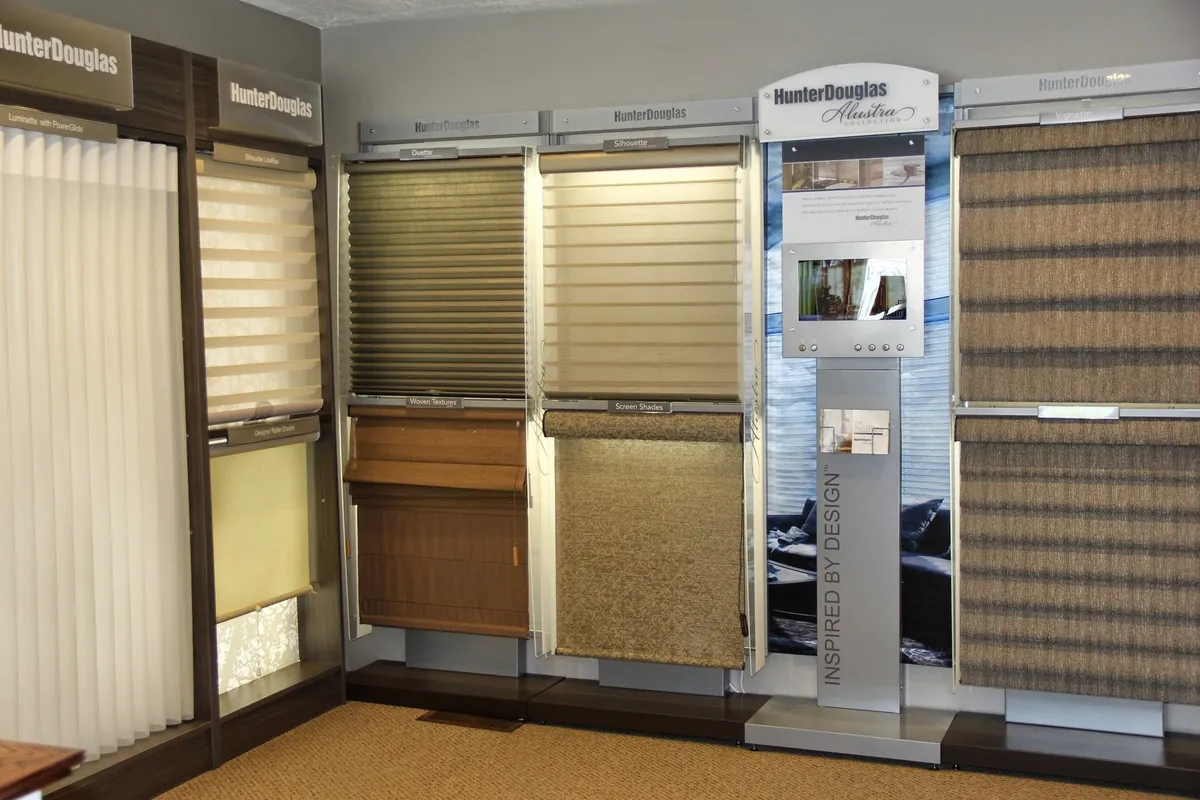
Hunter Douglas reserves the Gallery title for dealers who meet its standards, and Blinds & Designs carries it. One consultation can therefore cover Vignette, the Carole Fabrics range, each lift system and PowerView.
Our installers hold Hunter Douglas certification, design help is available, and we mend blinds and shades you already own. For the rest of the house, see custom blinds in Middleborough, cellular shades in Middleborough, or all our work in town on the Middleborough page.
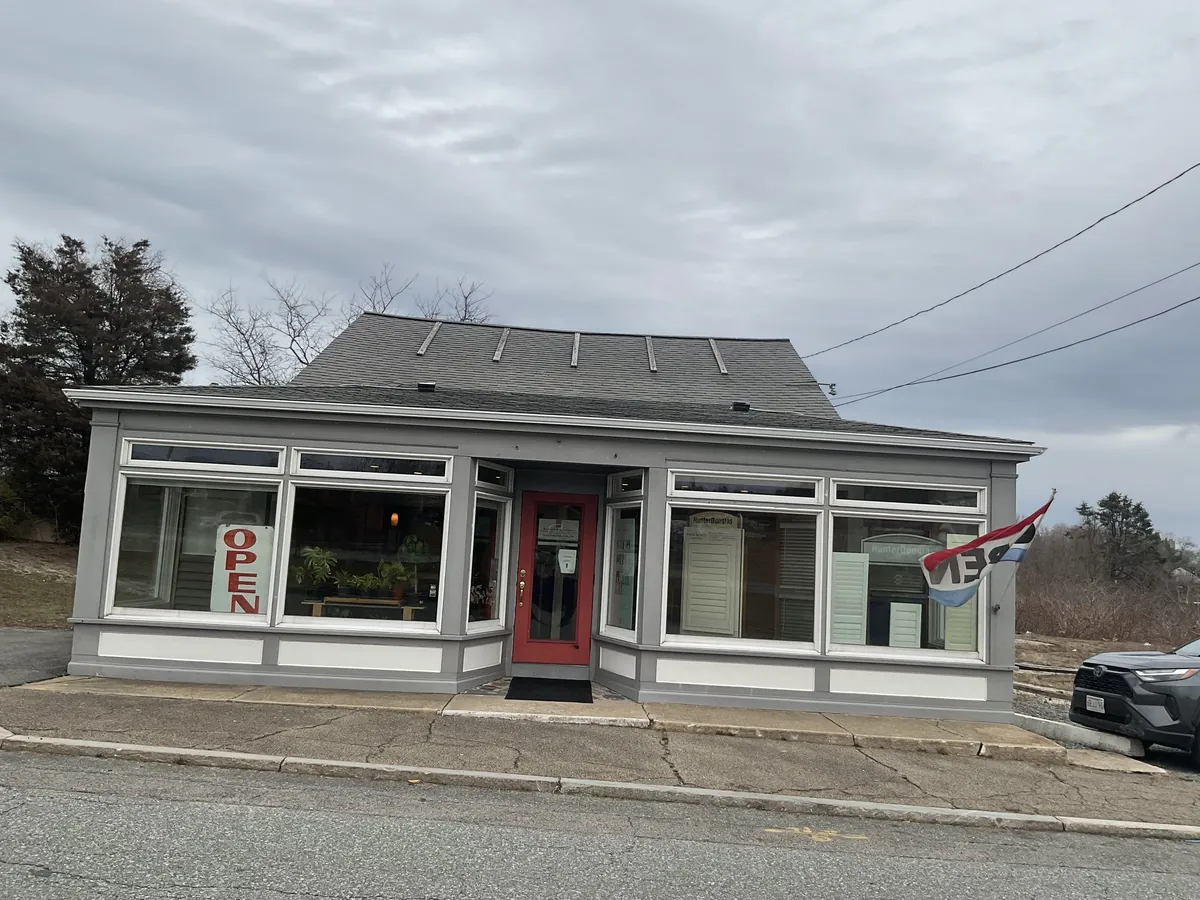
Sagamore is our nearest showroom
Of our locations, Sagamore sits closest to Middleborough, and you are welcome to stop in and try a shade.
For many Middleborough houses, though, the in-home visit is the better first step, because a fabric on a tall Victorian window behaves so differently from the same fabric on a ranch picture window.
Questions from Middleborough
Our Victorian has very tall windows. How do we reach the shades?
A continuous cord loop or a cordless shade set at a comfortable height works for most. For windows that are tall and awkward to reach, PowerView lets you move them from a remote, an app or a schedule.
Will the same shade work in our old front rooms and our newer addition?
Often not the same version. Carole Fabrics flat folds suit the tall front sash, while Vignette fits the kitchen and family room. A shared color keeps the house looking consistent.
How many shades do we need for a wide ranch window?
Usually two or three on matched headrails, depending on the width. Each one stays light to lift, and you can shade one end while the other stays open.
Can an inside mount work on our Federal house windows?
On many, yes, which keeps the casing in view. Where the jamb is too shallow or the frame has settled, a narrow outside mount works better.
Is there a charge for the estimate?
No. After measuring, we give you a free estimate for the shades you are considering.
Ready when you are
The best way to choose roman shades in Middleborough, MA, is at your own windows, whether they are tall Victorian sash or a wide ranch picture window. Book a consultation and the sample van comes to your door; we measure each opening and a free estimate follows. Prefer to talk first? The call button works, and the Sagamore showroom welcomes visitors.