
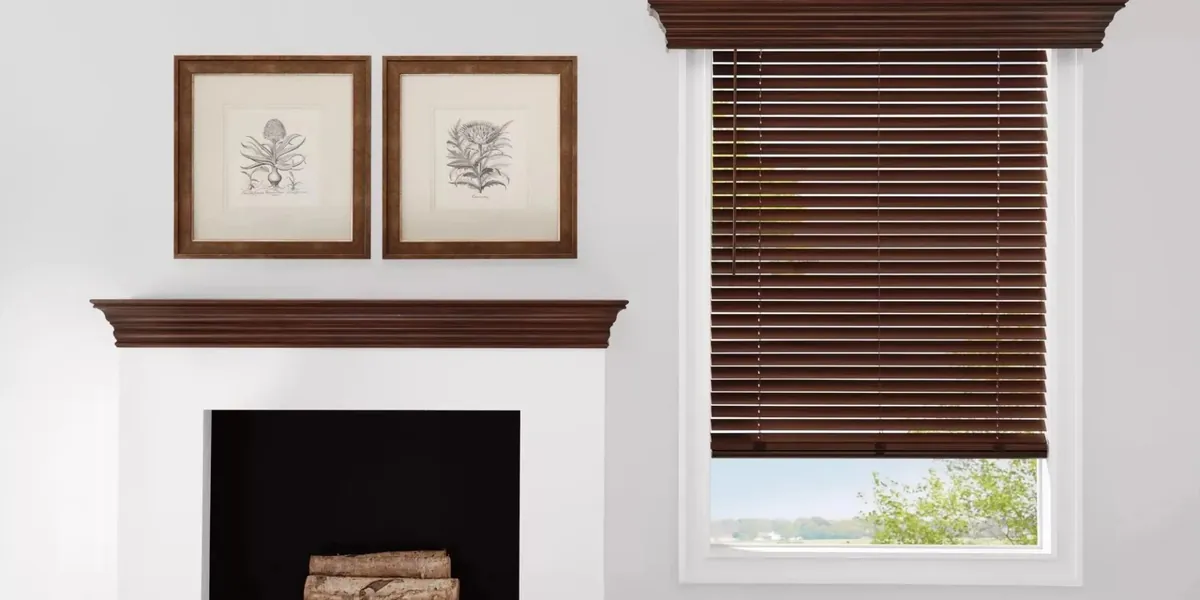
Whitinsville houses, close to the curb
In Whitinsville, the old mill village still shapes the streets. Company houses stand shoulder to shoulder, close to the curb and close to each other, and most still have their original sash: tall, narrow and set in pairs or rows along each wall. On the outskirts of Northbridge the picture opens up into newer colonials with standard windows and more yard around them.
The village houses pose a particular puzzle. Their windows are generous in height, so the rooms get good daylight, but they face a sidewalk a few strides away and a neighbor’s wall not much further. You want the light; you do not want the view in. That balance is exactly what horizontal blinds are good at, and it is why so many calls for custom blinds in Northbridge, MA, come from the village.
Out on the edges of town, the work is more about sun, sleep and a tidy look across many matching windows.
Custom blinds in Northbridge, MA: what we bring
Six options cover nearly every window we see here. All six ride along in our van, so the choosing happens at your windows rather than from a brochure.
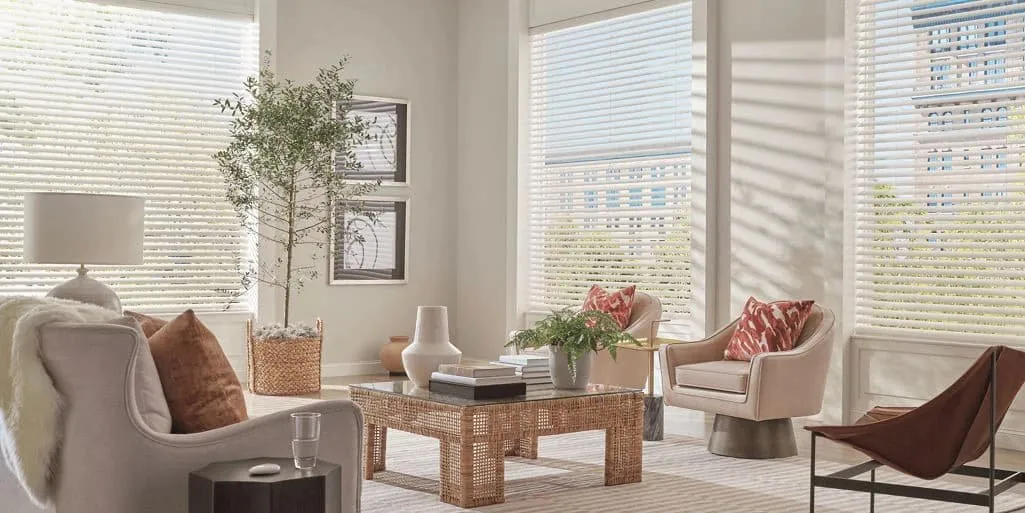
Wood blinds for tall sash
Real wood made to the full height of a village window, in a paint or stain that suits the room’s woodwork.
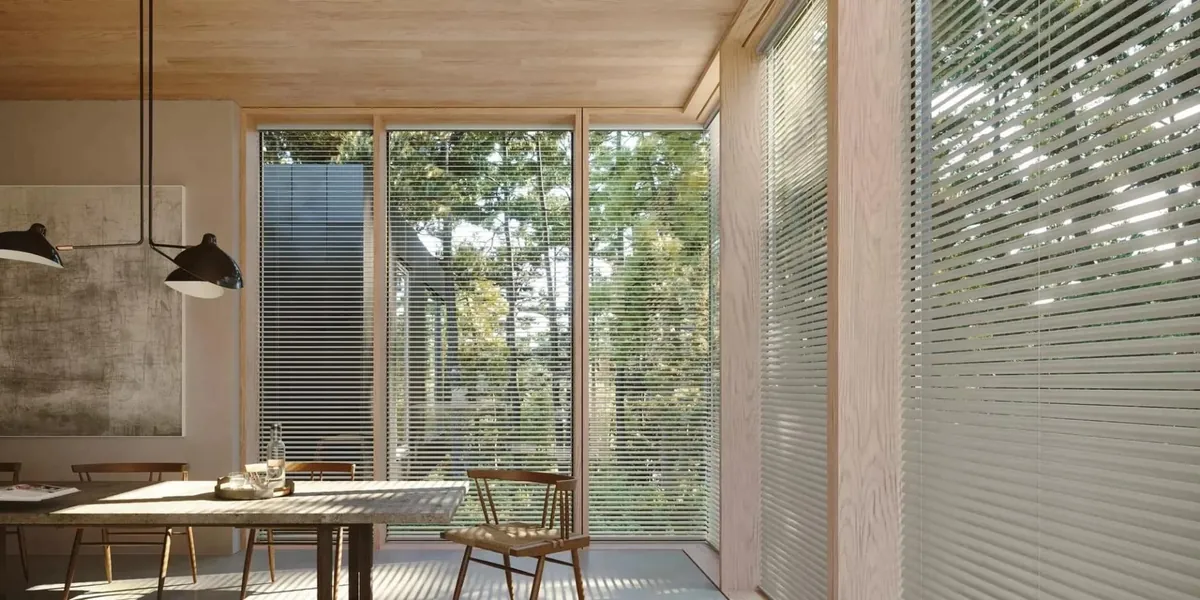
Metal blinds for slim frames
A lean headrail and thin slats that fit where an old frame offers little depth.
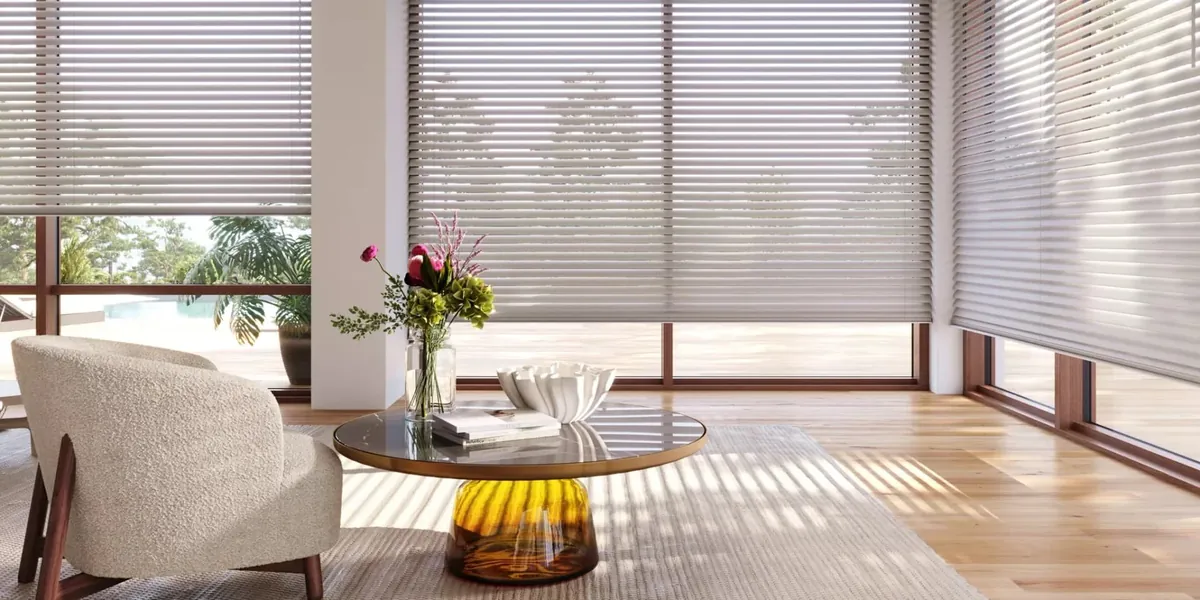
Parkland wood blinds
Hunter Douglas real-wood blinds, a natural partner for the original trim many company houses keep.
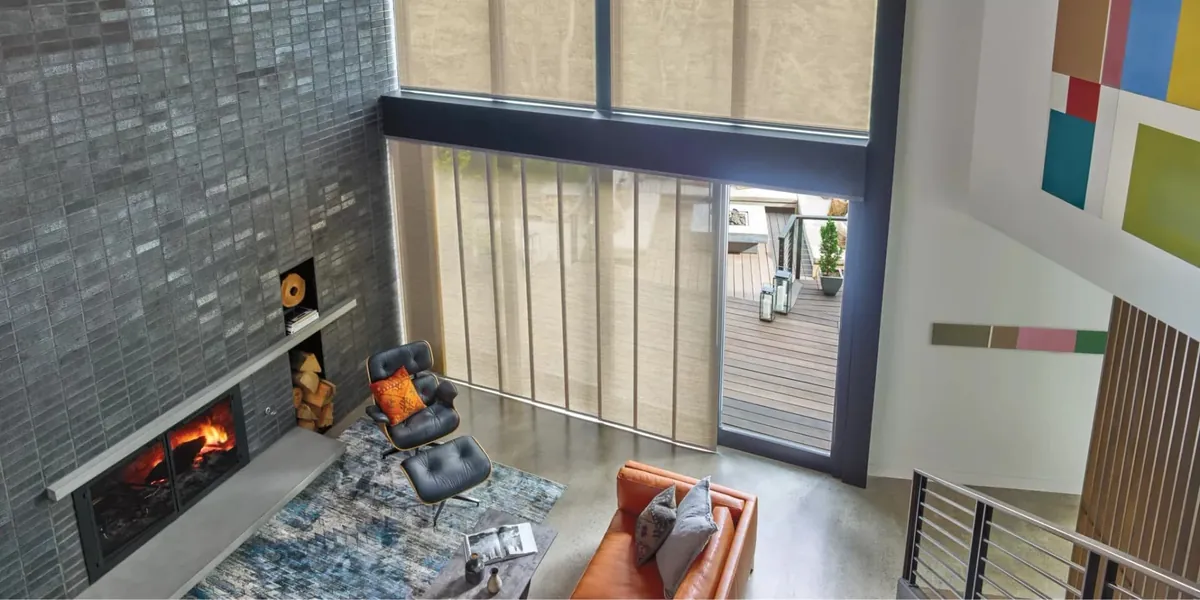
Vertical blinds
For the slider in a newer colonial’s family room, drawn aside to step out and turned to block the sun.
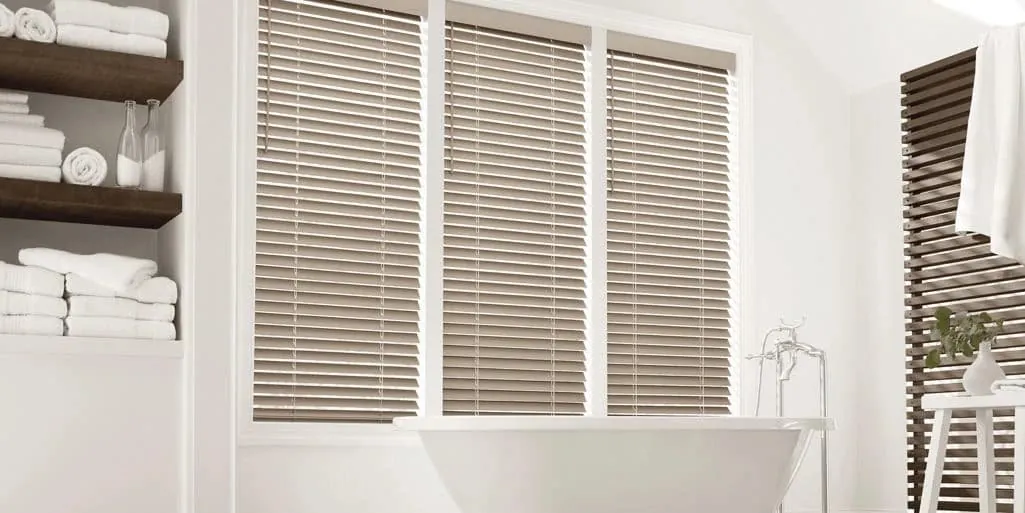
EverWood faux wood blinds
The painted-wood look in another material, often picked for the kitchen and the bath.
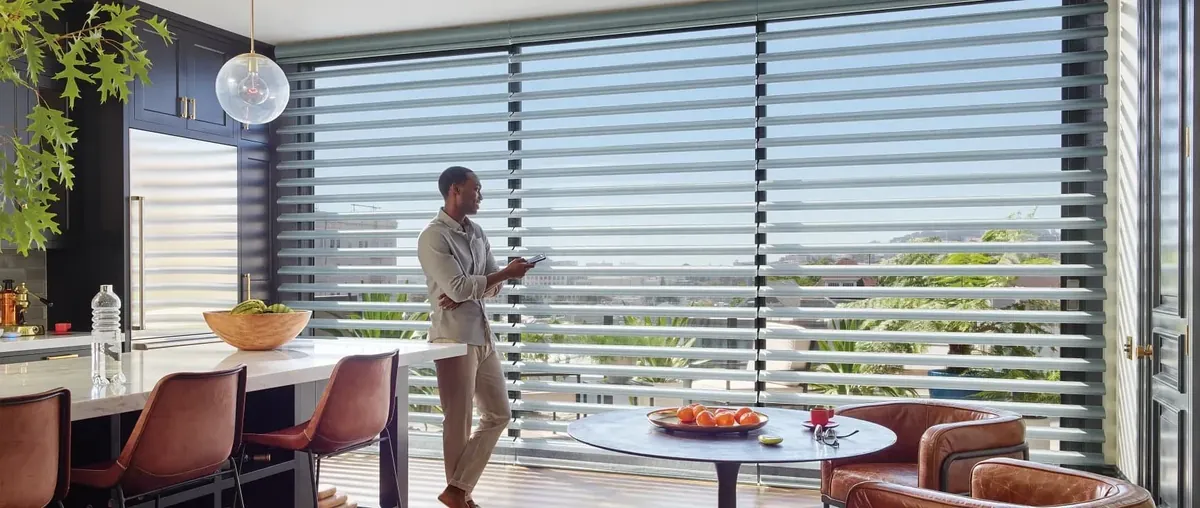
Motorized blinds in Northbridge
PowerView puts the tilt and lift on your phone, a remote or a timetable.
A day at a village window
The easiest way to see what a blind does for a Whitinsville house is to follow one window through a day.
Early on, the bedroom windows facing east fill with light. A blind with darker slats, shut tight, holds that back until you want to get up. When you do, a turn of the wand opens the slats flat and the room is bright in a moment, with nothing to roll up or tie back.
By mid-morning, the front room is in use. It sits a few steps from the sidewalk, and people walk past. Angle the slats so they slope down toward the street and anyone passing sees the slat faces, while you, sitting inside, can see out over them. The daylight still comes in.
Through the afternoon, the side windows matter more. The house next door may be close enough that its windows line up with yours. Slope the slats the other way, rising toward the glass, and a look across from next door meets solid slat while daylight still slips over the top.
At dusk, with the lamps on, every blind closes fully. A lit room in a close-set village shows to the whole street, and closed slats turn that off. If you would rather not go round the house each evening, PowerView motorization can close them all at sunset on its own.
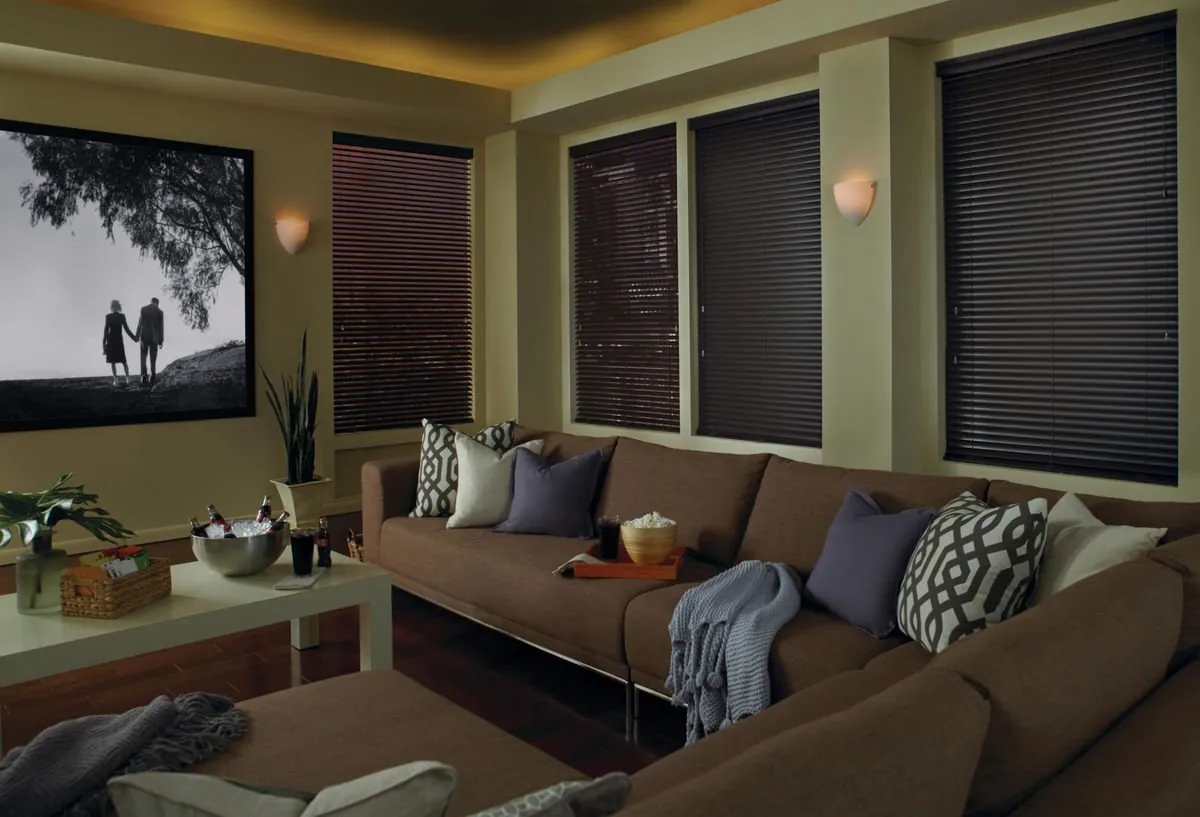
Tall, narrow sash and how we fit it
The original sash in the mill village is tall for its width, and after so many seasons the frames are seldom true. A window can be a little wider near the top than near the sill, and a pair on one wall can differ slightly. A blind built to a stock size would leave light at the edges of one and drag in the other.
Each opening is therefore measured on its own: across the head, the middle and the sill, and down both jambs and the center. The blind is made to the tightest figure, which lets it run the full height freely and sit snugly from side to side. On a narrow window that edge-to-edge fit is what makes the difference between a blind that looks built in and one that looks added.
The mount comes from the frame. Where there is depth, the headrail goes up inside the opening and the original casing stays on view, which is the neatest result. Shallow frames are common in the village, with the stops leaving little room. A metal blind’s lean headrail often fits there. If nothing will fit inside, the blind mounts on the face of the casing, and we explain why before ordering.
Height brings a question of its own. A tall blind raised fully gathers its slats at the top of the window. On windows you rarely raise, it can be simpler to leave the blind lowered and use the tilt alone. On windows you open often, a cordless lift makes a tall blind easy to raise from the bottom rail.
Front rooms near the street
The village houses put their front rooms close to the curb. That is where the original woodwork tends to be best kept, and also where the house meets the street most directly. A wood blind mounted within the frame, colored to suit the trim, keeps the casing in view and gives the room daylight and privacy in one.
From the sidewalk, a row of company houses is seen together. Matching the blind color to the house’s own trim lets the windows look settled. Some owners prefer their front to blend with the street; others want it to stand out a little. We bring whites, creams and stains to try against your woodwork by daylight, so the choice is made by eye.
Next door, a few steps away
In the mill village, the gap between houses is often only a path or a drive. Kitchens face kitchens, stairs face bedrooms, and windows that were sensible when the houses were built now sit very close to someone else’s.
The kitchen window over the sink is a good example. You want light on the counter and you do not want to look straight into the neighbor’s kitchen. A faux wood blind tilted halfway gives both. In the bath, a faux wood or metal blind closed tight gives full privacy and can still be opened slightly for daylight.
A side window on a stair or landing is often narrow and shallow. A metal blind suits it, and a cordless lift keeps cords off the stairs.
Upstairs in a company house
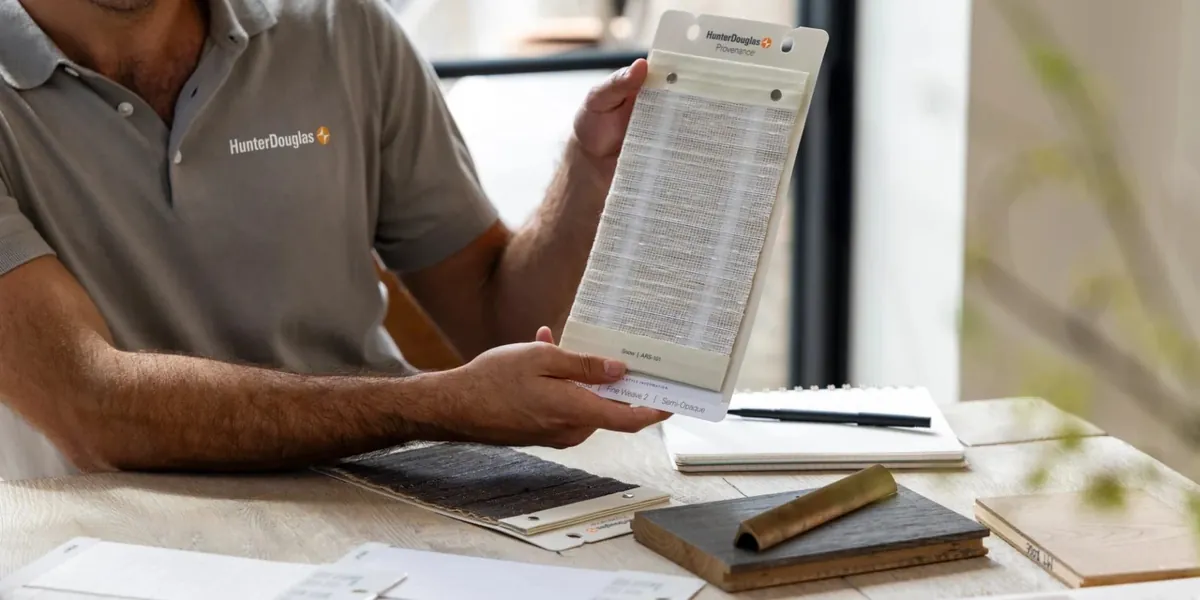
Upstairs rooms in the village houses usually have the same tall, narrow sash as below, sometimes with lower ceilings and windows set nearer the floor. They are bedrooms, so the blinds need to close well for sleep and keep the house next door from seeing in.
A darker slat closed fully keeps a bedroom dim. Where an upstairs frame is especially shallow, metal is often the practical choice. In a child’s room, a cordless lift is the simplest and tidiest option.
Because the village houses stand so close together, an upstairs bedroom can look straight across into the neighbor’s upstairs rooms at the same height. That level view is the hardest one to block while keeping daylight. Slats angled so they rise toward the glass meet the look from next door with a solid face, and the light that comes in over them lands on the ceiling, which keeps a small bedroom feeling open during the day.
The newer colonials on the outskirts
Beyond the village, Northbridge has newer colonials on larger lots, with square frames and windows in a handful of standard sizes. They are easier to fit, and there is more space around them, so privacy from neighbors is less pressing. Sun and consistency come to the front instead.
A typical plan for one of these houses uses wood or faux wood across the front rooms and bedrooms, faux wood in the kitchen and baths, and a vertical blind at the family room slider. One color on every street-facing window gives the front of the house a finished look. Wide windows split into two or three blinds on separate headrails are lighter to lift and let you shade one part while leaving the rest open.
In a colonial with a two-story entry or a window over the stairs, PowerView can raise, lower and tilt the hard-to-reach blind from the floor. When we plan custom blinds in Northbridge for a newer house, we mark those windows early.
Matching material to the room
Whatever goes up is a Hunter Douglas blind, built to the order we take at your house. In Northbridge the choice of material tends to sort itself out by room.
Parlors and front rooms in the village, where the casings are often original, usually take real wood, either painted to match or stained to show the grain. Kitchens and bathrooms, in the village and on the outskirts alike, tend toward faux wood, which gives the same painted look in a different material. Shallow frames, stairwell windows and glass doors suit metal, whose aluminum slats and lean headrail need very little depth. Sliders and broad openings in the newer colonials take vertical blinds, with vanes that travel along a track and park at one side.
Our custom blinds page goes into each range, and wood blinds and metal blinds each have their own page.
Controls
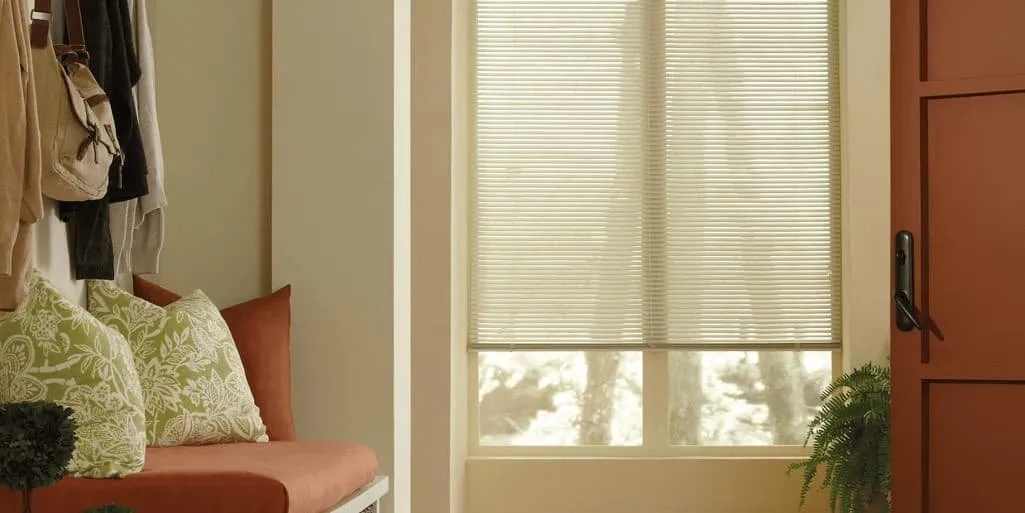
Go cordless and the blind is lifted or lowered by hand from its bottom rail, leaving no cord to hang over a narrow village sill; with toddlers or pets about, that matters. Slat angle is set with a wand.
PowerView motorization moves the same blinds from a phone or a handheld remote, or to a timetable you choose. In a village house where every window looks at the street or at next door, a sundown timetable takes care of evening privacy without anyone lifting a finger. Powering each motor is worked out with you during the visit.
Rows of matching windows
The company houses were built to a pattern, so a single wall can hold three or four tall windows of almost the same size, side by side. Almost is the word that matters. Look closely and one is a fraction narrower, another sits a touch lower, and the casings have been painted to different thicknesses over the years.
Because each blind is built to its own opening, those small differences disappear once the blinds are up. We set the headrails along one line, so the row reads as a set. When the blinds are raised together, the bottom rails stop at the same height. When they are tilted, the slats run in matching bands across the wall.
A row like this is also where a choice of slat width shows most. On tall, narrow sash, a slimmer slat gives more lines down the window and keeps the blind in proportion. On the wider windows of a newer colonial, a broader slat opens up more of the view when tilted flat.
Light in a close-set kitchen
Kitchens in the village were usually placed at the back or the side, which often means they face the next house or a small back yard with houses beyond. They are also the room where daylight is most useful, for cooking and for the counter.
A light-colored slat helps here, because pale slats bounce light into the room even when they are tilted to block the view. On a window over the sink, an inside mount keeps the blind clear of the tap and the sill. If the kitchen has a back door with glass, a matching blind on the door keeps the room looking consistent.
Back doors and entries
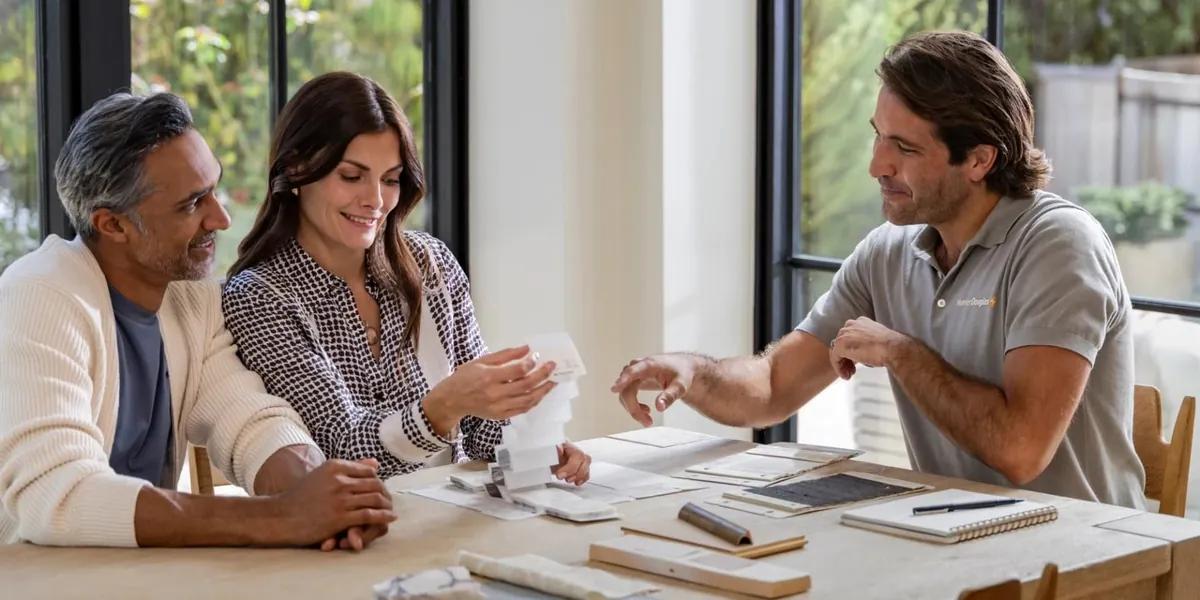
Many village houses have a back or side entry with a glass door or a narrow window beside it, often facing the neighbor’s yard. A metal blind fits door glass well because its headrail is lean enough to stay clear of the frame as the door swings. Tilted, it lets light into the entry while blocking the view in.
In the newer colonials, a front door with side lights or a mud room door to the garage can take the same approach. A matching color keeps the entry looking consistent with the rooms beside it.
The visit, step by step
Everything begins at your house, because the right blind depends on your windows, your light and what each one faces.
- Use the form or the call button to ask for a consultation, and a convenient time is set.
- A van pulls up stocked with slats in wood, faux wood and metal across many shades, along with vertical vanes and every control type.
- Together we walk the rooms, stopping at each window to weigh up daylight against privacy.
- Each frame gets several measurements, and in the village houses its depth is checked with particular care.
- A free estimate comes next, with no pressure on when you reply.
- Hunter Douglas certified installers then hang every blind, set it straight and run each lift and tilt through its paces.
The page on what happens at an in-home consultation has more. Precise numbers are how custom blinds in Northbridge end up sitting snugly in old sash that has shifted over the years.

Why a Hunter Douglas Gallery dealer
Being a Hunter Douglas Gallery dealer lets Blinds & Designs lay out the entire Hunter Douglas blind line at your kitchen table: wood, faux wood, metal and vertical, the complete color range, each control and PowerView motorization. The fitting is done by Hunter Douglas certified installers. Should you want a hand with colors or the rest of a room, interior design consultations are on offer, and we mend blinds and shades as well.
Elsewhere in the house, cellular shades in Northbridge, roman shades in Northbridge or roller shades in Northbridge may suit. The Northbridge page gathers every service in town.
Franklin is our nearest showroom
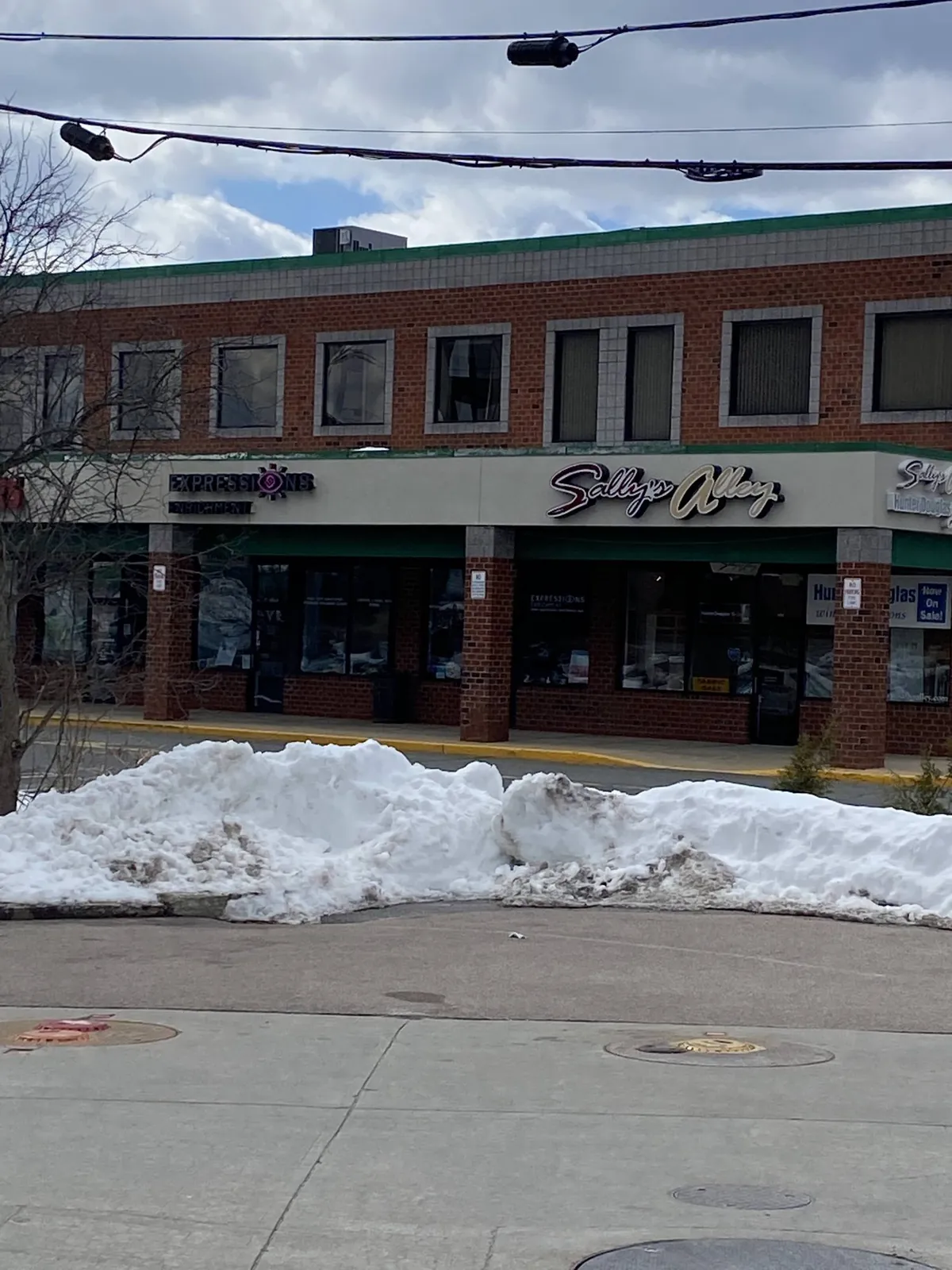
From Northbridge, our nearest showroom is in Franklin. The Franklin showroom page lists when it is open and how to find it.
Questions from Northbridge
Our Whitinsville house sits right by the sidewalk. Can the front room be private and still bright?
It can. Angle the slats downward toward the road; anyone walking by meets the slat faces, while from your chair you look out above them and the daylight keeps coming.
The original sash is tall and narrow. Will a made-to-measure blind fit?
It will. We size each blind to its frame from readings taken at the head, middle and sill, so nothing shows at the edges. Where a frame lacks depth, metal is often the answer.
What works in a kitchen that looks straight at the next house?
Faux wood, half open. The counter gets its light and the line of sight across the gap is broken.
Can the blinds close themselves after dark?
They can with PowerView motorization. Set a sunset time once and every blind on the schedule shuts on cue.
What does it cost to get an estimate?
Nothing. After every window is measured, the estimate is free.
Take the first step
Tall village sash and close neighbors are easiest to plan for on the spot. Book a consultation and the samples come to you, every window gets measured, and you are left with a free estimate for custom blinds in Northbridge, MA. The call button is always there, and so is the Franklin showroom.