
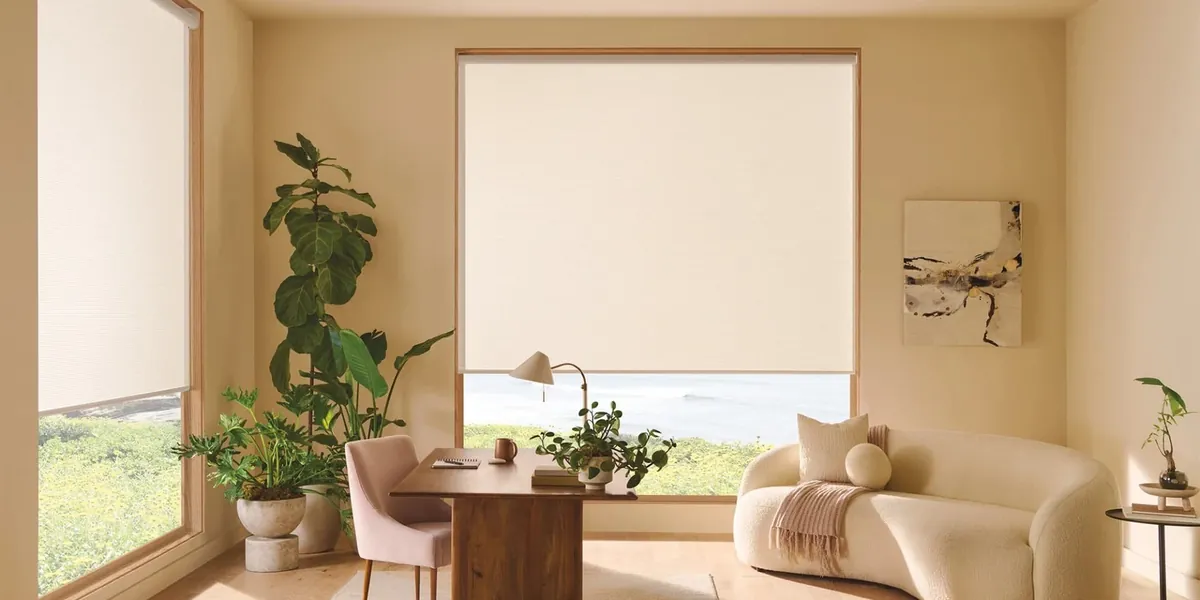
Highlands capes, newer colonials and room to spare
Ask about roller shades in Braintree, MA, and the house usually falls into one of three groups. Around Braintree Highlands, there are capes and colonials on long-settled streets. Further out, newer subdivisions add more colonials with the same kind of layout and up-to-date windows. Near the square, older two-families sit closer together, with a different set of needs.
What most of these homes share is a standard modern opening and a real setback from the street and from the neighbors. That combination is good news for a roller. The frames are regular, the sizes repeat from room to room, and with some distance between houses, the windows can often be about light and view rather than hiding from the house next door.
So the questions here lean toward the sun. Which rooms catch the morning, which get the late afternoon glare, and which need to be dark for sleep? A roller answers each of those with a different cloth, while the shades still look like one family from the street.
Roller options for Braintree homes
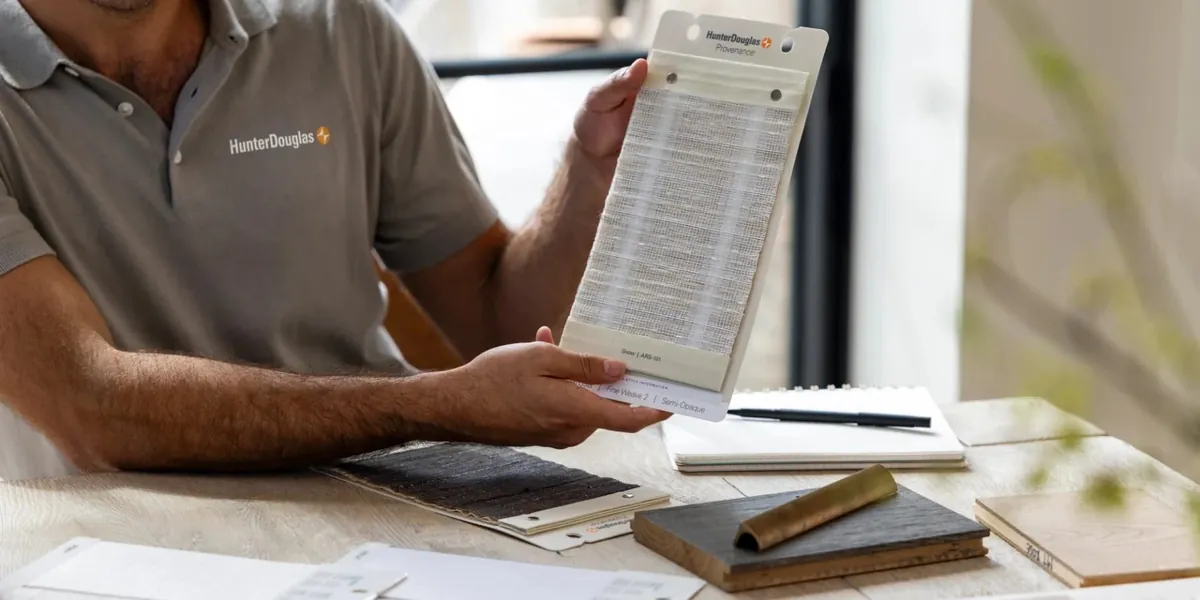
Most Braintree orders come from these three Hunter Douglas lines. Each has a broad spread of colors and weaves, and every swatch comes to your house in the van.
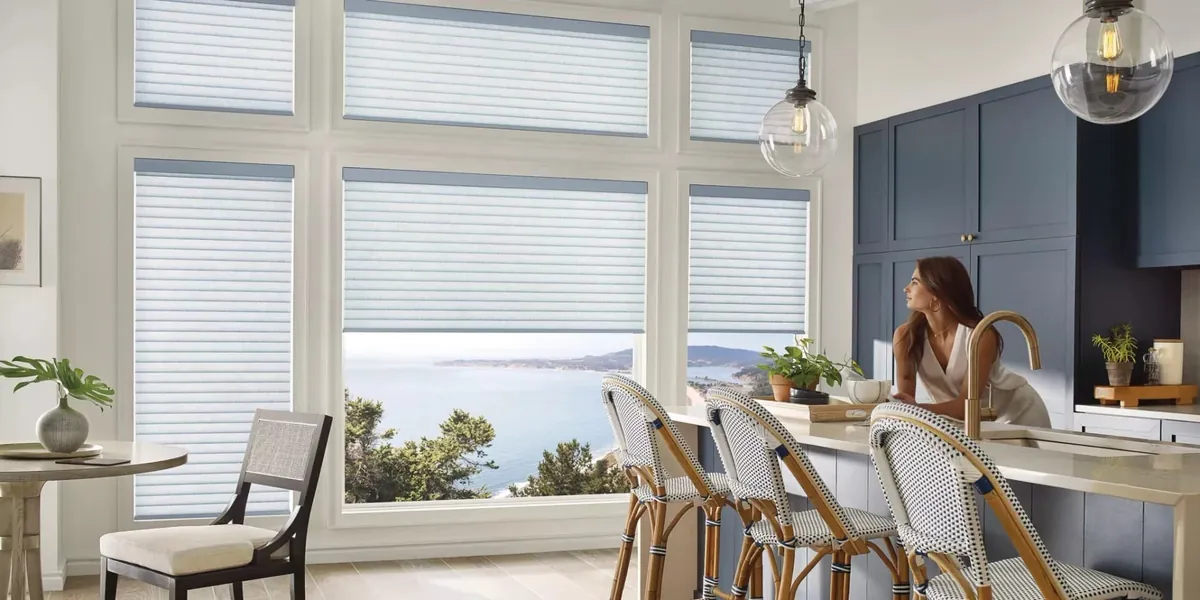
Designer Roller
The workhorse roller, in plain and textured cloth from light filtering to blackout, for living rooms, kitchens and bedrooms.
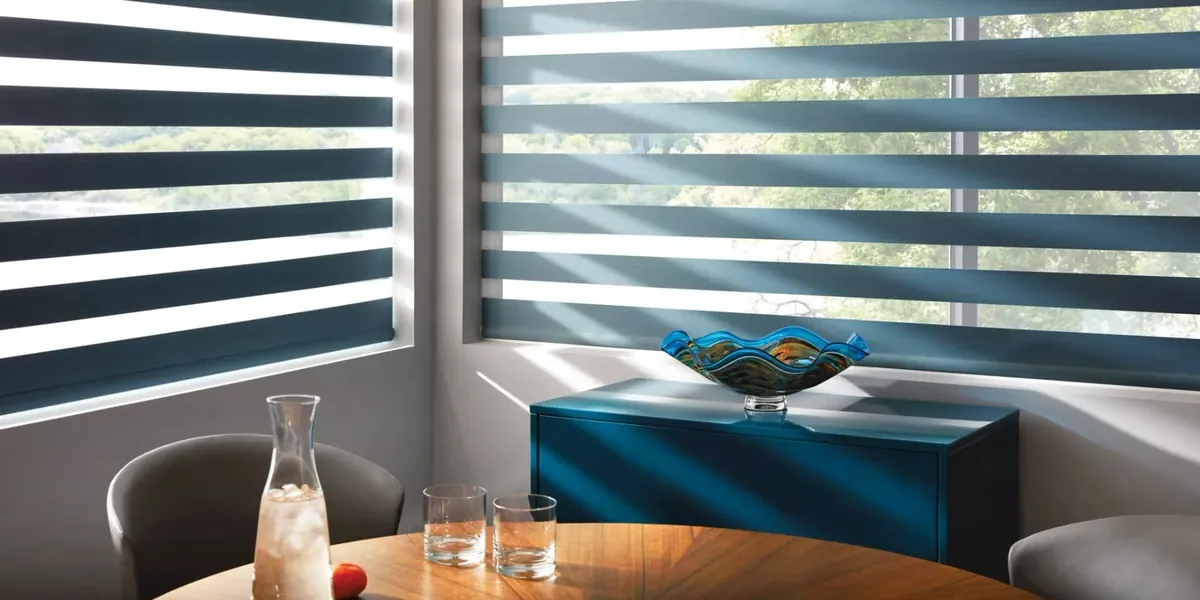
Designer Banded
Sheer and solid stripes in two layers. Slide them one way to see out, the other to cover the glass.
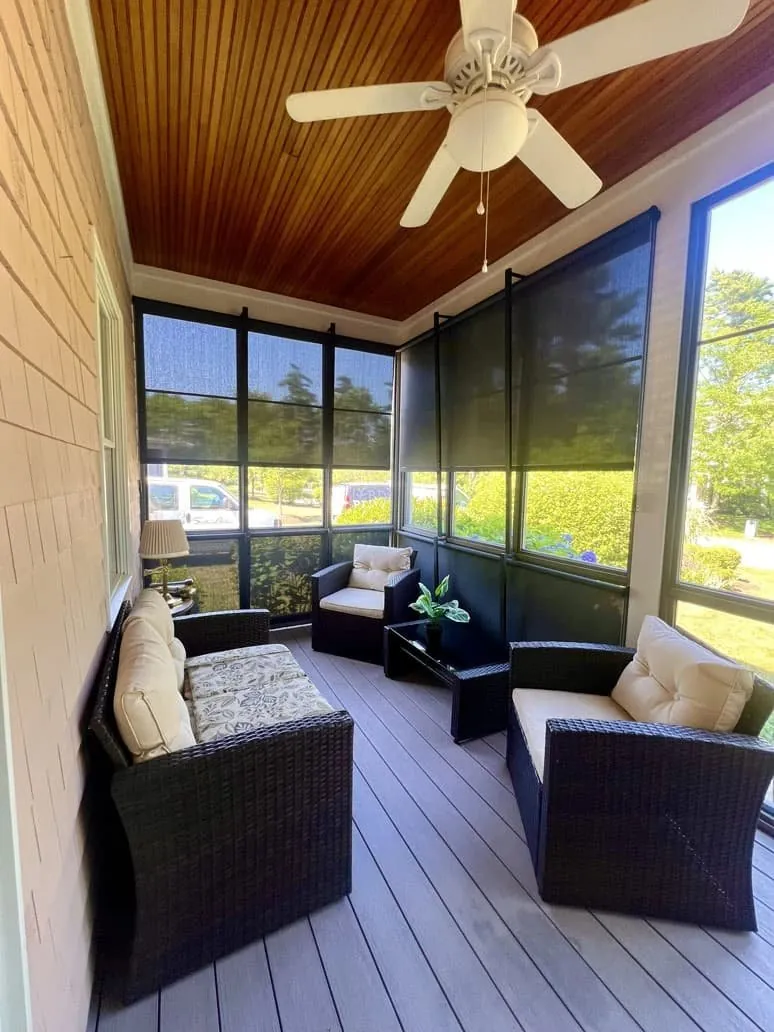
Designer Screen
Screen cloth for a sunny family room or porch, taking the glare down while the yard stays visible.
What a proper setback changes
With roller shades in Braintree, MA, the setback often matters as much as the window. In many towns, the first worry with a window is the house next door. Through much of Braintree, that worry is smaller. With real setbacks between the house and the street, and between one house and the next, many windows look out over lawn, trees and the yard rather than straight into someone else’s kitchen.
That opens up the choice of fabric. A living room that would need a light filtering cloth on a tight lot can often take a solar screen here, keeping the view of the yard while cutting the sun. A back bedroom that faces the garden can be about darkness for sleep, not about privacy from a driveway.
It also means the outlook is worth keeping. When you have a lawn and trees to look at, a shade that shuts the view off entirely is a loss. Screen fabric, or a light filtering cloth that is raised for most of the day, keeps the connection to the outside.
Privacy still matters in the evening, when the lamps are on and the house is lit up against the dark. A street-facing room used at night will want a fabric dense enough to hide what is inside, or a second shade for those hours. But in daylight, many Braintree windows can stay much more open than they could in a denser neighborhood.
Capes in the Highlands
For roller shades in Braintree, MA, the Highlands capes are a good place to start. They follow a familiar pattern: a living room and kitchen downstairs, bedrooms upstairs under the roof, lit by dormers, and regular windows throughout. They are among the easiest houses to plan a full roller order for.
Downstairs, the front windows usually match in size. Rollers in the same outward color, lowered to the same height, give the cape a tidy face. The living room often wants a light filtering cloth for soft daylight, and if the front faces west, a screen on the main window keeps glare off the television in the late afternoon.
Upstairs, the dormers set the agenda. A dormer is a small window set deep in its own little alcove under the roof, and those bedrooms can be bright in summer. A blackout roller in a dormer gives a properly dark room for sleep, because the dormer walls help block stray light around the shade. For a child’s room, a bolder color or a pattern is easy to bring in here.
The kitchen in a cape is usually at the back, overlooking the yard. A roller over the sink stays out of the way when raised, and a light filtering or screen fabric keeps the room bright.
Colonials, older and newer
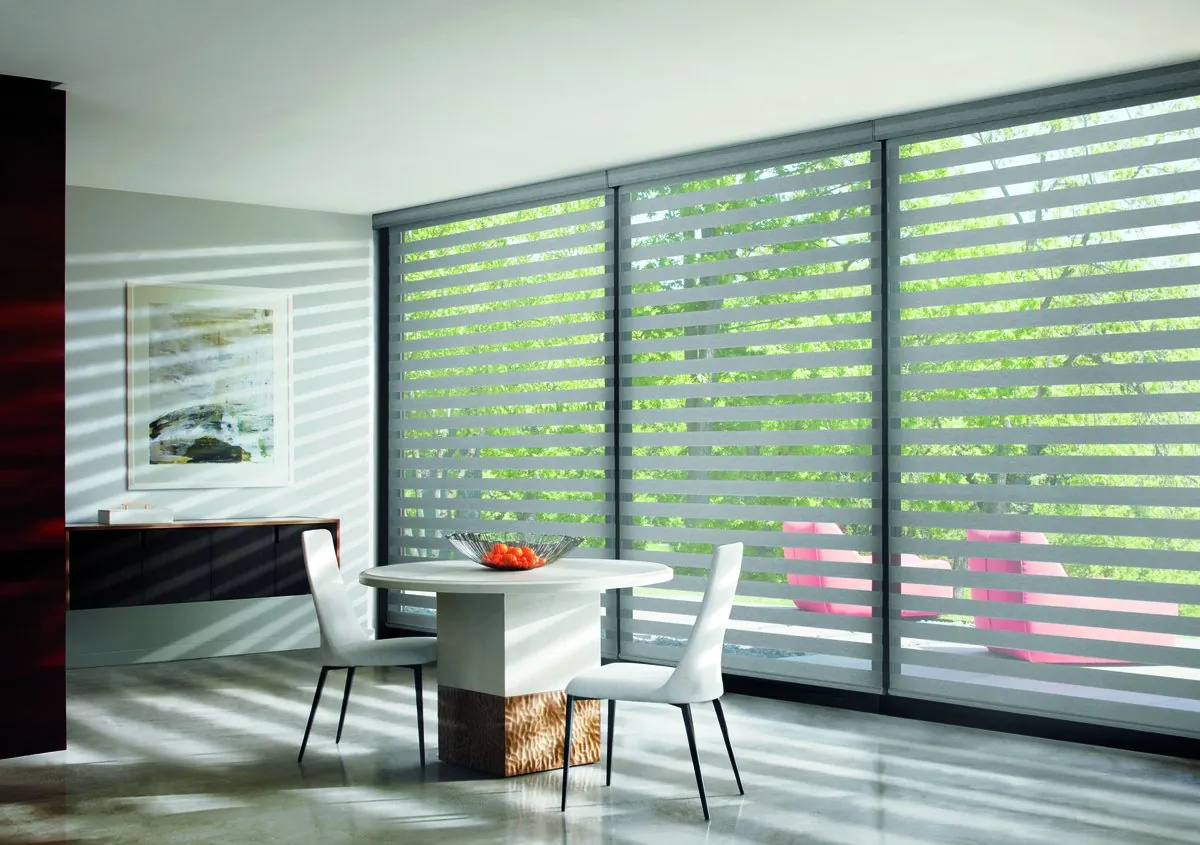
Braintree’s colonials span both the older streets of the Highlands and the newer subdivisions further out. The older ones and the newer ones share a basic plan: formal rooms at the front, a kitchen and family room at the back, and bedrooms upstairs.
The front rooms of a colonial are where the house meets the street. A living room and a dining room on either side of the front door, each with a pair of regular windows, look best with matching rollers. Light filtering cloth keeps them bright; a slightly denser weave in the dining room adds privacy at dinner.
The back of the house is where the light gets interesting. A family room at the rear often has the most windows and the most sun, and it is also where the television usually lives. A screen fabric on the sunniest windows takes the glare off the screen while keeping the yard in view. If part of the family room faces a neighbor more closely, banded fabric on those windows gives flexible privacy.
Upstairs, the bedrooms of a colonial are usually regular in shape with two windows each. Room darkening cloth suits most of them, with blackout for an east-facing room or a nursery.
Whole-house orders in the newer subdivisions
The houses in Braintree’s newer subdivisions were built with modern windows in a handful of repeating sizes. That regularity makes them well suited to doing the whole house at once rather than a room at a time.
Doing it all together has practical advantages. The outward color can be chosen once for every window, so the front, sides and back of the house all match. Fabrics can be set room by room in the same conversation, so the bedrooms, the family room and the kitchen each get the right cloth without anything clashing. And if you plan to motorize, grouping the shades into scenes is simpler when they are all chosen together.
If doing the whole house is more than you want right now, the same thinking still helps. Settle on a color family first, start with the rooms that bother you most, and add the rest later knowing they will match.
Two-families near the square
Near the square, the older two-families bring Braintree’s housing closer together. The setbacks are shorter, side windows face each other across narrow drives, and each floor is its own household.
Here, privacy is back at the top of the list. A light filtering roller on the side windows keeps the rooms bright while blurring the view from next door. A banded shade is useful on a side window that you want open part of the day and covered the rest, since a small pull moves it between the two without raising the whole shade.
Each floor of a two-family usually repeats the same layout, so planning one unit gives a head start on the other. Many owners cover both floors at once, using the same fabric on the front windows of both units so the house looks consistent from the street. Inside, each household can choose freely.
Morning rooms and afternoon rooms
With regular openings and room around the house, the biggest influence on a Braintree roller order is which way each window faces. It is a useful way to think through the house.
East-facing rooms get the early sun. Bedrooms on this side are the usual candidates for blackout cloth, and a kitchen facing east might want a light filtering fabric to soften the breakfast glare.
South-facing rooms get steady light through most of the day. A living room or family room here often suits a screen, keeping the yard in view while taming the brightness.
West-facing rooms catch the low, hard sun of late afternoon, which is the most uncomfortable light of all. Screen fabric is the usual answer, especially in a room with a television or a desk.
North-facing rooms get gentle, indirect light. A light filtering cloth that lets as much of it in as possible is usually right.
Most homes end up with two or three fabrics, chosen this way, all in one color family. Your consultant can hold each sample against the actual window so you see how it behaves in that light.
Home offices and bathrooms
Two rooms come up in almost every Braintree house, whatever its age: a room that has become a home office, and a bathroom with a window that needs privacy around the clock.
A home office in a colonial or a subdivision house is often a spare bedroom or a small front room. The trouble is usually glare on a monitor, sometimes for only part of the day as the sun crosses that side of the house. A light filtering roller, or a screen with a fairly tight weave, takes the reflections off the screen without making the room feel closed in. If you take video calls, a fabric that gives an even, soft light behind you can make a real difference to how the room looks on camera.
A bathroom window is a different matter. Privacy comes first, day and night, and the window is often small, set high or placed over a tub where it is awkward to reach. A denser fabric is the safer choice on a bathroom that faces a neighbor, and a light filtering cloth can work on one that faces only the yard. Where the window is over a tub, PowerView takes the reaching out of it.
Seeing the yard through a screen
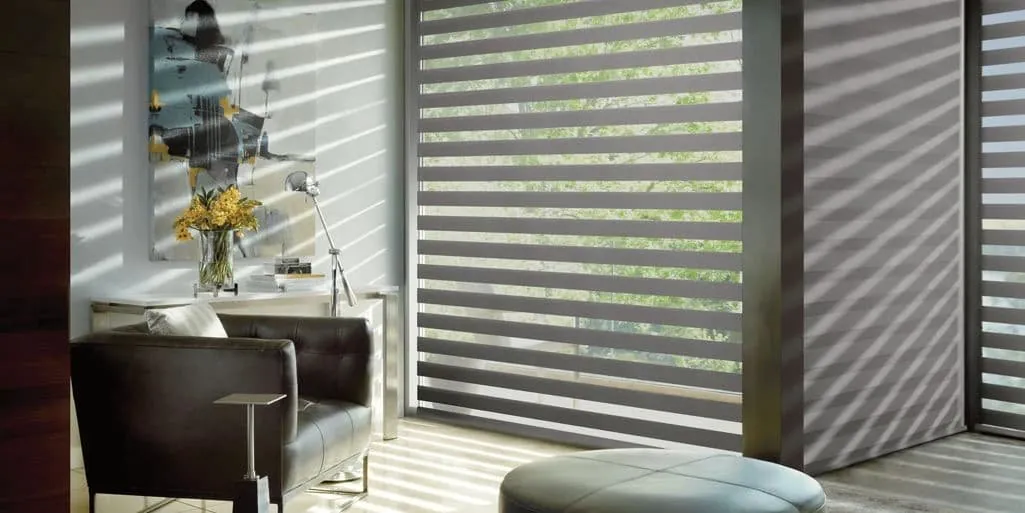
Solar screen fabric is a woven cloth with small openings, and its openness tells you how large those openings are. It is the setting that matters most when you choose roller shades in Braintree, MA, for a sunny family room.
A more open screen gives a clearer view and lets more daylight in, but more glare comes with it. A tighter screen holds back more glare and gives more privacy by day, while the view becomes softer and more muted. Somewhere between the two, there is a balance that suits each window.
Color plays a part too. Dark screens are surprisingly easy to see through, because your eye passes over them. Light screens make the room brighter but veil the outlook a little more. In a back room looking over a lawn, a darker screen of moderate openness often keeps the yard crisp and the room comfortable.
At night, with the lights on inside, a screen loses its privacy. A room that faces the street and is used after dark will want a second option for evening.
PowerView around the house
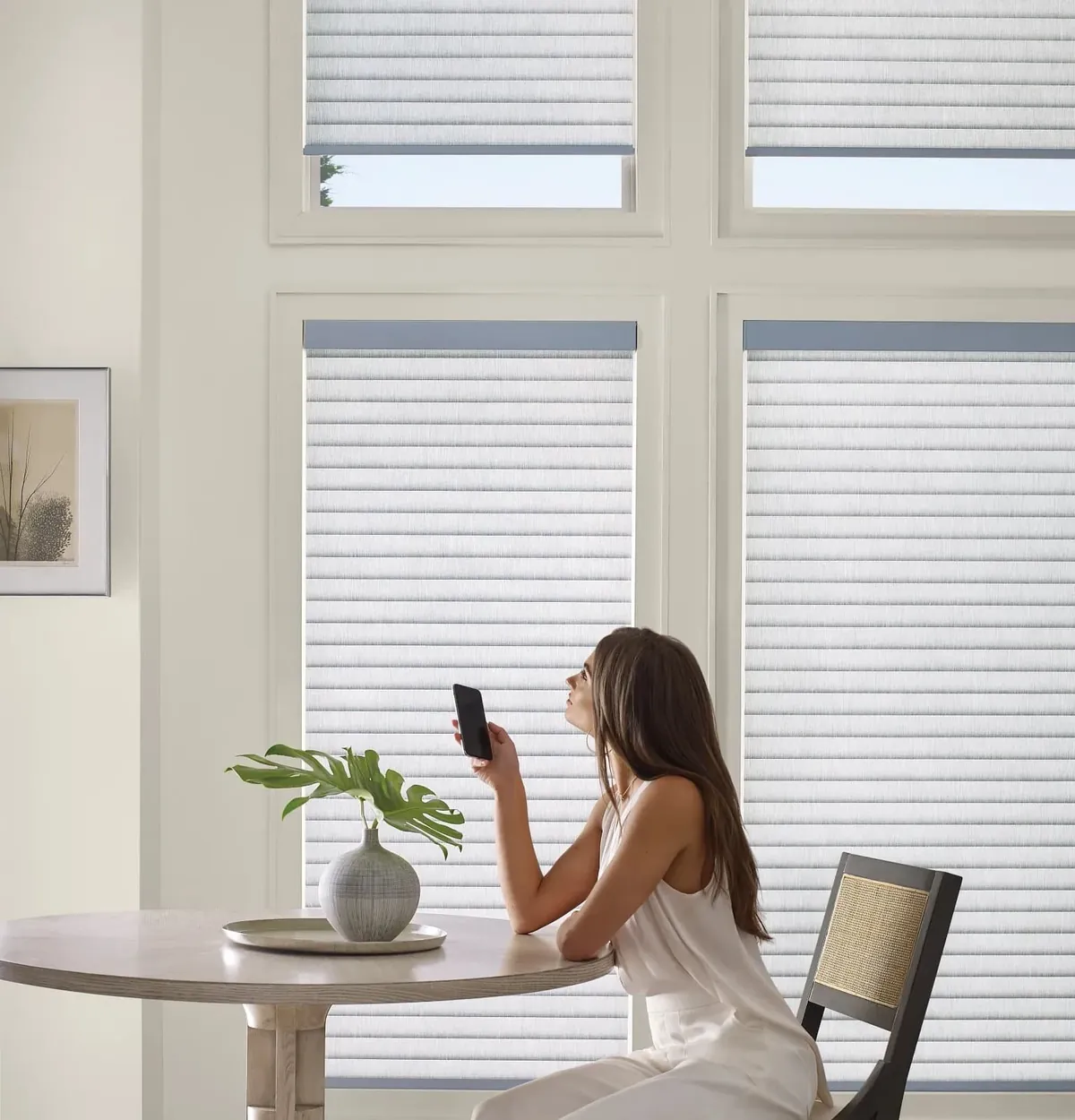
Every one of these rollers can be fitted with Hunter Douglas PowerView. You can move a shade from the app on your phone, from a remote, or by setting a schedule and letting the shades handle it.
In a Braintree colonial, that might mean the west-facing family room screens lowering by themselves in the late afternoon, the front-room shades coming down at dusk and the bedroom blackout rollers lifting at the hour you choose. Shades grouped into a scene move together, so a run of windows across the back of the house settles at one height.
Motorization is also handy on windows that are awkward to reach, such as one above a tub or behind a deep counter. How each motor is powered is something we plan with you at the visit. Our page on motorized blinds and shades in Braintree has more detail.
Your consultation, step by step
Braintree is in our shop-at-home territory. Rather than driving to a store, you have the samples come to you, and you see each fabric in the light of your own rooms. The Canton shop-at-home page explains how that works.
Here is how to make the most of it:
- Book through Request a Consultation, or use the call button, and mention roller shades.
- Note which rooms face east and west, since those are the ones with the strongest light.
- Decide where you would like to keep the view and where you need darkness.
- If you own a two-family, plan to look at both units during one visit.
- Gather any paint or fabric colors you want the shades to suit.
- Expect a free estimate for the windows you choose.
If color or furnishing a whole room is part of the plan, ask about interior design consultations. Our guide on choosing fabric for a sunny room is useful background, too.
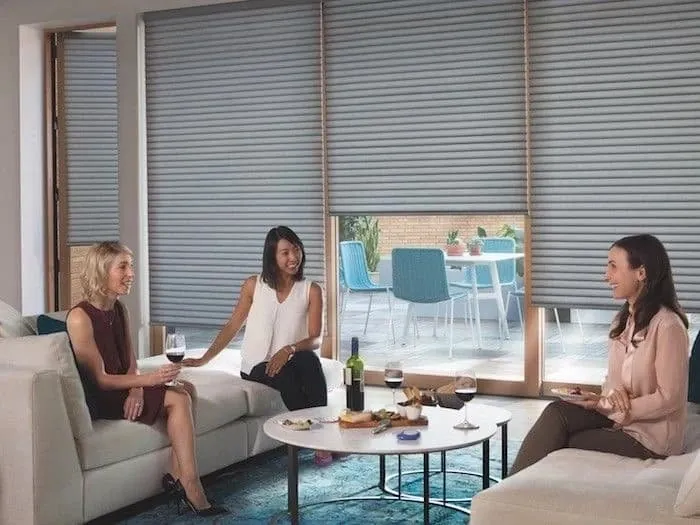
Designer and Alustra in a Braintree house
Designer is the broad Hunter Douglas range for rollers: plain and textured fabrics, screens and banded styles. It covers almost every window in a Braintree cape, colonial or two-family.
Alustra is the Hunter Douglas collection with a more tailored look. For a front living room in a Highlands colonial, a fabric from Alustra Woven Textures adds a woven richness that plain cloth does not. Many orders use Alustra at the front of the house and Designer in the bedrooms, kitchen and family room.
You can compare every Hunter Douglas roller line on our roller shades overview, and see what else we do in town on the Braintree page.
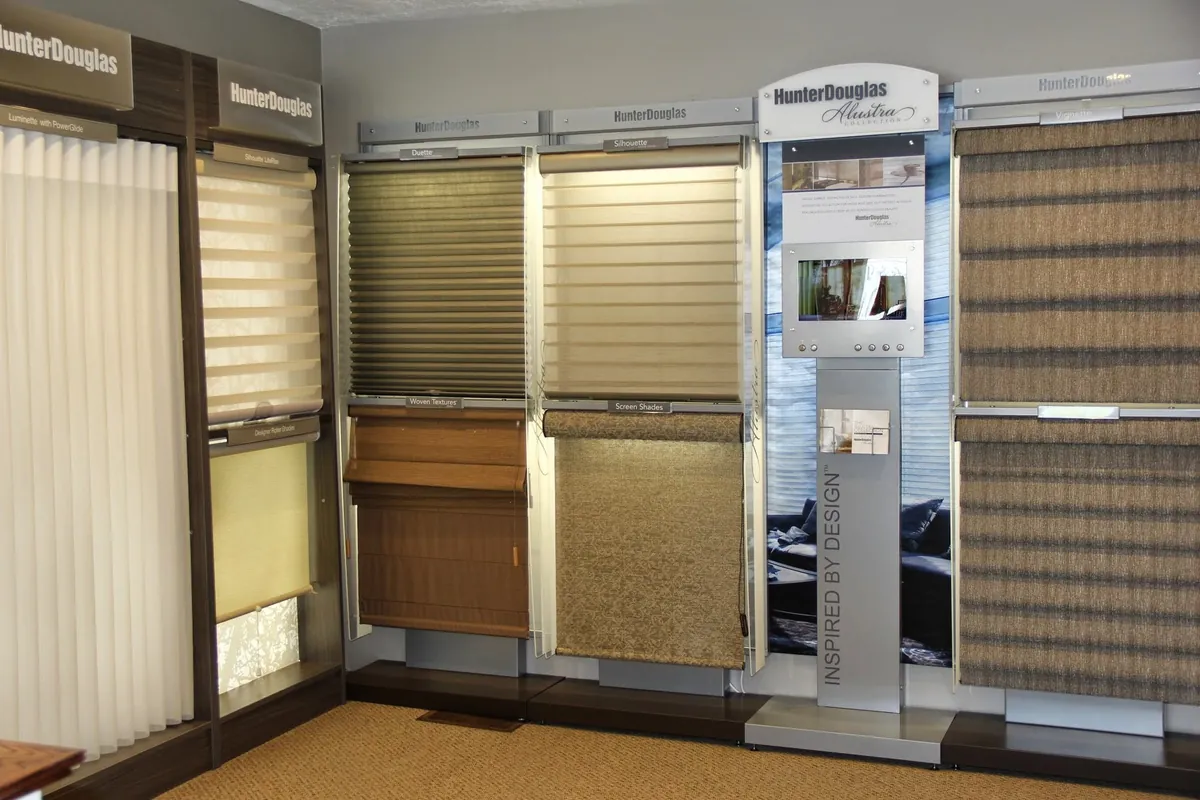
Why a Gallery dealer matters for a roller order
Blinds & Designs is a Hunter Douglas Gallery dealer. For a Braintree homeowner, that means one consultation covers the full Hunter Douglas roller range, Designer and Alustra fabrics, screens and banded styles, with PowerView motorization for any of them.
When you are ready, your shades go up with certified Hunter Douglas installation. If an older shade somewhere in the house needs attention, we offer blind and shade repair on coverings you already own.
If a bedroom or family room needs a softer, warmer look than a roller, cellular shades in Braintree are worth comparing on the same visit.
Questions from Braintree
Our house has plenty of space around it. Do we still need privacy fabric?
Often less than you would on a tight lot. Many Braintree windows can take a screen or light filtering cloth by day. Rooms used at night facing the street still want a denser option for evenings.
Which rooms suit a solar screen?
West- and south-facing rooms with a view worth keeping, especially a family room with a television or a home office.
We own a two-family near the square. Can both floors be done together?
Yes. We can look at both units on one visit, keeping the front consistent and choosing fabrics room by room inside.
Is there a showroom in Braintree?
No. Our shop-at-home team brings the samples to you. If you would like to visit a showroom, the closest is in Franklin.
Is the estimate free?
Yes. Estimates are free, with no obligation.
Pick a room and we will start there
Many orders for roller shades in Braintree, MA, start with a single room: a west-facing family room, a bright dormer bedroom or a side window near the square. Tell us which one when you book. A shop-at-home consultant will arrive with the roller range, start with that room, work through the rest of the house with you and leave a free estimate. If you would rather see shades in a showroom first, our Franklin showroom is the nearest, and the call button at the top of the page reaches us too.