
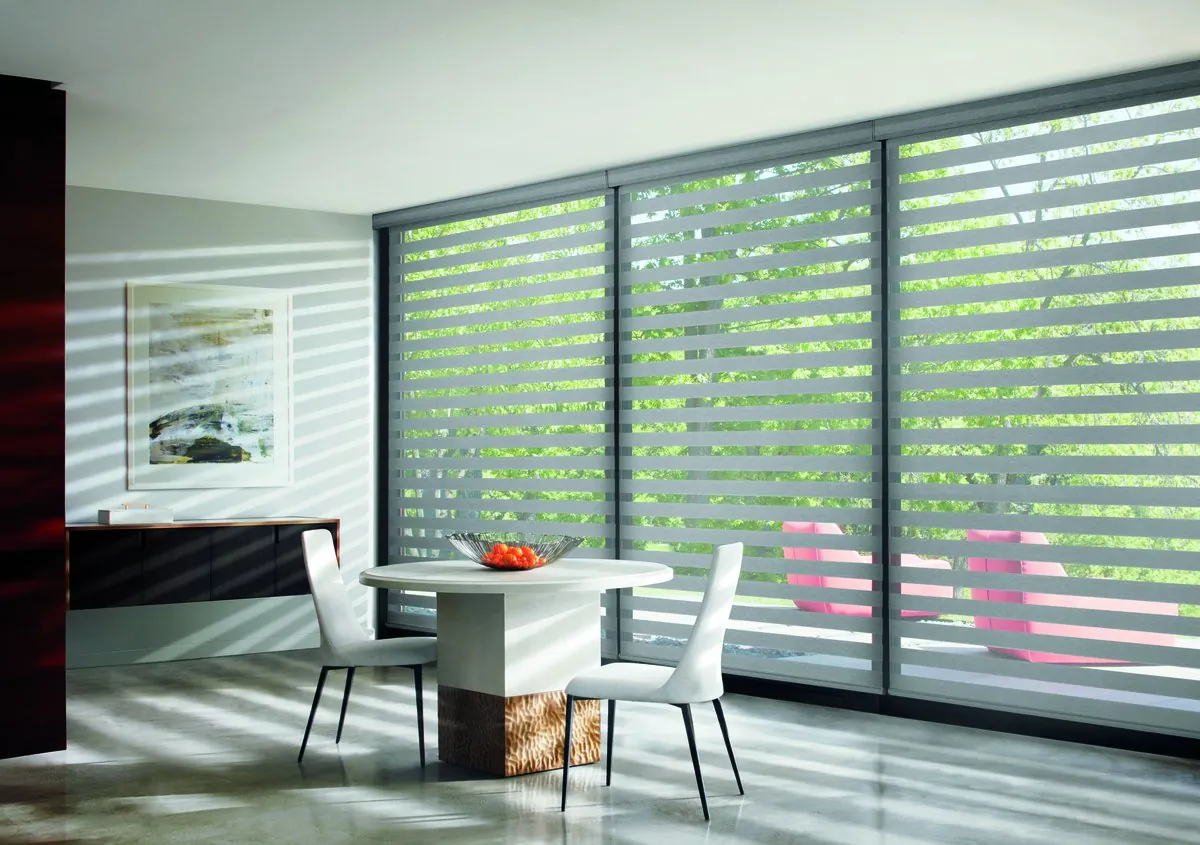
Regular windows, short setbacks
Rockland is a town of sensible houses. Capes and ranches fill most of its streets on modest lots, and off Union Street a run of newer colonials adds two full floors and a few more rooms. What most of them share is the window itself: standard modern openings, square and regular, repeated from the front of the house to the back. They also share short setbacks, which put the front of nearly every house within easy view of the road.
That combination makes roller shades in Rockland, MA, an unusually straightforward project. With regular openings, the fitting is rarely the hard part. The work goes into the cloth, because a window that sits close to the sidewalk wants privacy, and a window that looks over a sunny back yard wants glare control, and the two are not the same fabric.
A roller suits these houses well. It is a flat, unfussy panel that rolls up neatly at the top of the window, looks crisp on a standard frame and comes in fabrics from a gentle light filtering weave to complete blackout, with solar screens for the brightest walls.
Three Hunter Douglas rollers for Rockland houses
These lines cover almost every window in a Rockland cape, ranch or colonial. Our consultants carry all three in the van.
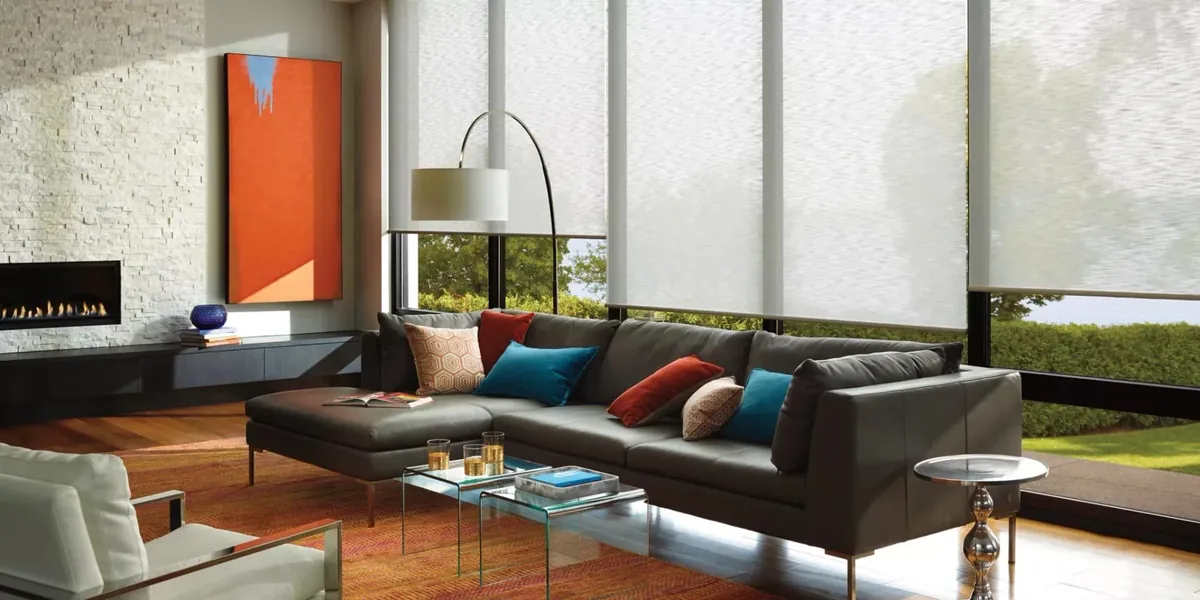
Designer Roller
Plain and textured fabric, from light filtering to blackout, in a wide range of colors. The core of most orders.
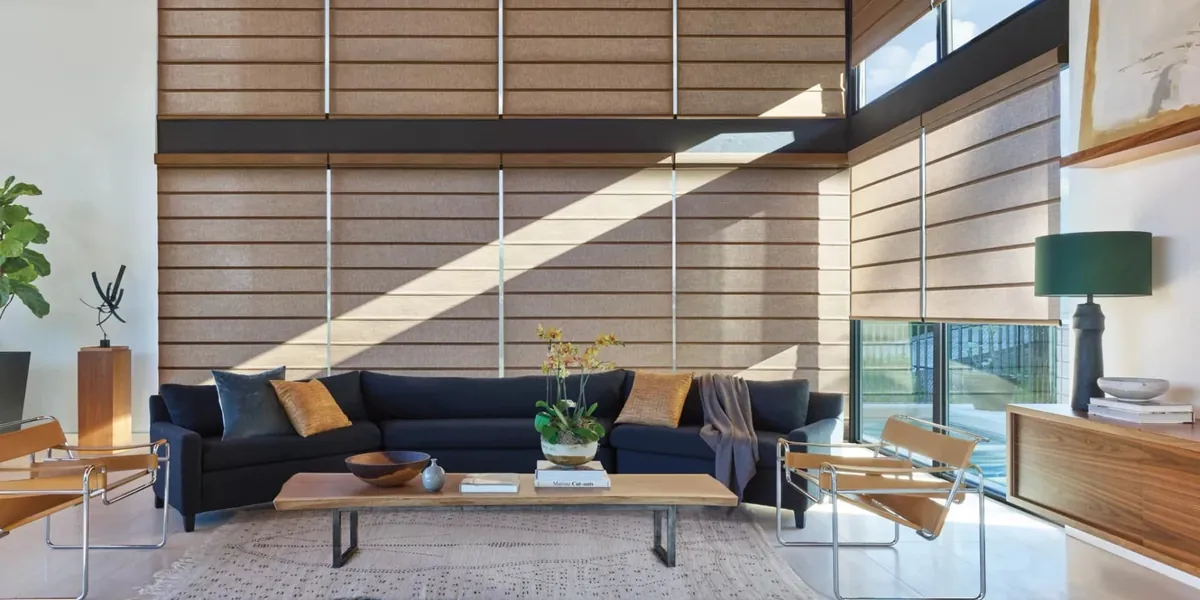
Designer Banded
Two layers of striped cloth that glide against each other, turning a window from open to private without raising the shade.
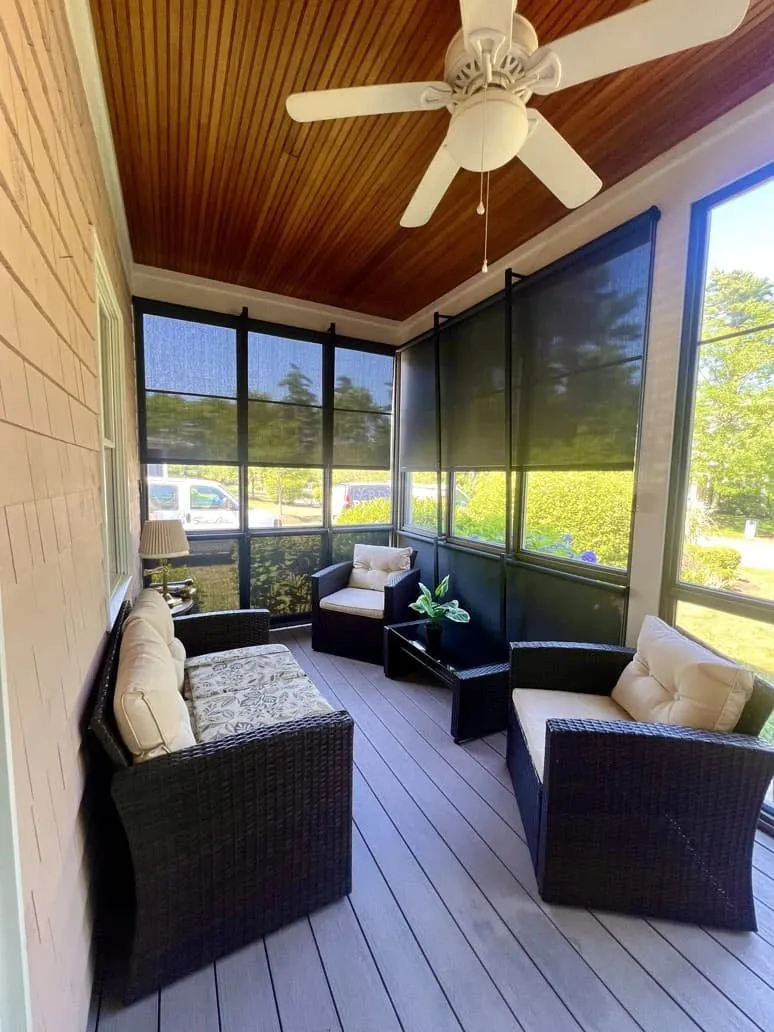
Designer Screen
Solar screen fabric for a back room, sunroom or porch, where you want the sun tamed and the yard still visible.
Five decisions, in the order they come up
Because Rockland windows are so regular, a roller order here tends to follow the same path. It helps to know the decisions in advance, so the consultation feels like a conversation rather than a quiz.
First, opacity. How much light should the room keep? A front living room usually wants daylight with privacy, so light filtering. A bedroom usually wants dim or dark, so room darkening or blackout. A family room facing the sun may want a solar screen.
Second, color. Every street-facing shade shows its color to the road. On a house with a short setback, keeping that outward color the same across the front makes the house look calm and deliberate.
Third, mount. On a standard modern opening, the shade can usually sit inside the frame, which looks neat and keeps the trim visible. Where there is a reason to mount on the casing instead, we explain why.
Fourth, control. Most rollers are operated by hand, and PowerView motorization is there for windows that are hard to reach or for anyone who wants the shades on a schedule.
Fifth, the line. Designer covers nearly everything. Alustra is there for a room where you want a richer fabric.
Working through those five in each room, the plan for the house usually comes together within a single visit.
A Rockland cape, window by window
A cape is compact, and every window counts. On the ground floor, the front windows look onto the street at short range, so a light filtering cloth keeps them bright and private. The kitchen, often at the back, tends to face the yard; a pale weave keeps it cheerful and stays out of the way above the sink.
Upstairs, the dormer bedrooms sit under the roof, each with a single window set into a recess. They catch the early sun on an east-facing house, so room darkening or blackout is usual. The recess helps, because its walls shade the edges of the window.
The side windows of a cape often face the next house across a driveway. For those, light filtering cloth keeps the light coming in while blurring the view across, and a denser fabric serves the bedrooms after dark.
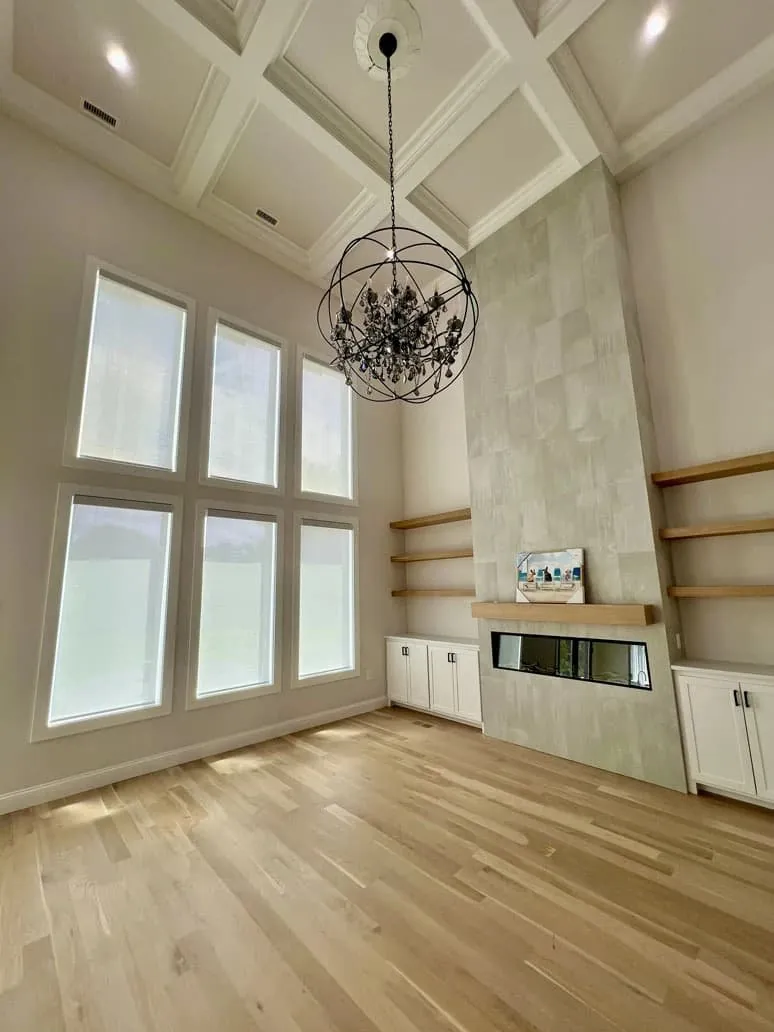
A Rockland ranch, end to end
Ranches put everything on one level, so every window is at ground height. That brings privacy into every room, but it also means the whole house can be planned as one line of windows.
The living room at the front is usually the brightest room and the most visible. A light filtering roller keeps it private by day. If the front faces west, a solar screen on the main window is worth comparing, because it softens late sun that would otherwise land on a television.
The bedrooms run along one side. Room darkening fabric is the usual choice, both for sleep and for privacy from the street or the neighbor. The bathroom, often on the side of the house, wants a dense cloth for day and night.
The kitchen at the back is the easy room. A light weave keeps it bright, and the yard stays in view. When every window in a ranch is set to the same height, the house looks tidy from the road, which suits a short setback.
Colonials off Union Street
The newer colonials off Union Street are larger houses with more varied rooms, and that brings a few extra considerations.
The family room is often at the back, with a slider or a set of French doors onto a deck. That glass takes the afternoon sun and is the most-used opening in the house. A solar screen keeps the room comfortable to sit in and the yard in sight. On the doors themselves, a roller matched to the windows beside them keeps the wall consistent.
The front rooms, often a living room and a dining room either side of the hall, face the street. They are the place for a coordinated outward color. Inside, the dining room might take a richer Alustra fabric if you want it to feel more formal.
The primary bedroom upstairs often has more than one window and sometimes a window over a tub in the bath. Room darkening or blackout fabric in the bedroom and a private cloth in the bath are the usual answers.
The home office, whether it is a spare bedroom or a room off the front hall, needs glare control for a screen. A light filtering roller spreads the daylight evenly; a darker screen keeps a view if the desk faces the yard.
The stair landing in a colonial often has a tall window, sometimes above a door. It is the natural place to consider motorization, since it is the hardest to reach.
A colonial is the house where a whole-home plan pays off most. We walk through every room so the fabrics make sense together and the outside looks the same on every side.
Roller shades in Rockland, MA, at the street side
With short setbacks across most of town, the front windows of a Rockland house are seen by everyone who passes. That makes the outward face of the shades part of how the house looks, not just an inside decision.
The simplest approach is to agree one outward color for every window that faces the road. White, cream and soft gray suit almost any siding. Inside, each room can have its own fabric, and none of that shows from the sidewalk.
Light filtering is the natural cloth for those front rooms. It lets the daylight in and keeps the inside of the room private, because from outside the fabric reads as a soft, even surface. In the evening, when the lamps are lit, a denser fabric or a room darkening roller is the better choice for any front room you use after dark.

Kitchens and the back door
Whether the house is a cape, a ranch or a colonial, the kitchen is usually at the back, and it usually has the busiest glass in the house: a window over the sink and a door with a big pane leading to the yard or the deck. Both are opened, leaned over and walked past dozens of times a day.
A roller suits that kind of use, because there is nothing to snag and nothing hanging low. Over the sink, a raised shade sits right up at the head of the frame, clear of the faucet. On the door, a shade fitted to the door itself moves with it and covers the glass after dark, when a lit kitchen is on display to the yards behind. Matching the cloth on the door and the window keeps the corner looking planned. For roller shades in Rockland, MA, at the back of the house, a pale light filtering cloth is the usual first sample we unroll, with a screen kept handy if that wall takes the late sun.
The back yard and the afternoon sun
Most Rockland houses have one side that takes the sun hard, often the back, looking over the yard. That is where solar screens earn their place.
The thing to choose with a screen is its openness. Think of it as the size of the gaps in the weave. Bigger gaps keep the swing set and the fence line sharp and let the room stay bright, with more sparkle off the patio getting in. Smaller gaps hush the light and stop anyone in the yard seeing in by day, and the garden looks a little hazier. For a back family room most people end up in the middle of the range.
Color pulls the balance one way or the other. Deep charcoal or bronze screens are the easiest to see past, which is why they tend to win in a room built around a television. Pale screens catch the sun and glow, and from the patio side they look more private in daylight. On the back of a house that faces only the yard, privacy at night is less of a concern, which makes a screen a comfortable choice there.
Bedrooms, nurseries and the morning light
In most Rockland houses, the bedrooms are the rooms that need the most thought about light. An east-facing bedroom catches the first sun. A child’s room may need to be dark for an afternoon nap. A room over the garage may face a neighbor’s driveway light.
Room darkening cloth turns a sunny bedroom into a soft, shaded one. Blackout goes further and stops the light at the fabric. Standard modern openings help here, because a shade inside a square frame sits close to the jamb on both sides. At the visit we show you how the mount affects any thin line of light at the edges, so nothing comes as a surprise.
Starting the plan for roller shades in Rockland, MA, with the bedrooms is a common starting point, because those are the rooms people feel the difference in straight away.
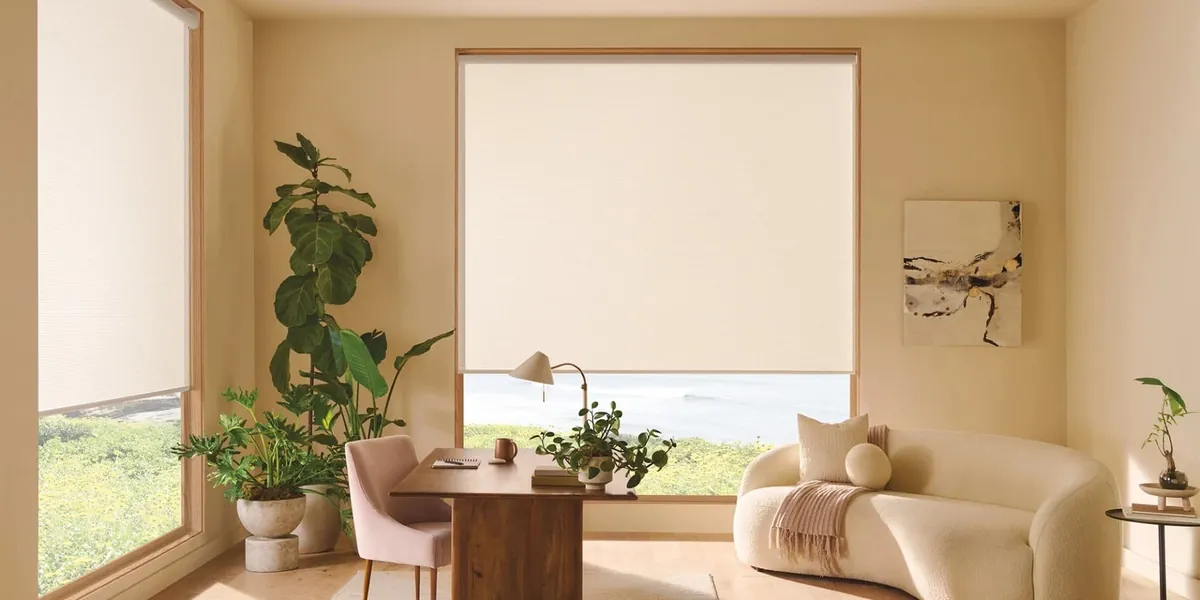
PowerView around the house
Hunter Douglas PowerView motorization can be added to these rollers, so they move from an app, a remote or a schedule. In a cape, the dormer window over a bed is the usual first candidate. In a colonial, the tall stair window and the family room slider are the windows people most want motorized.
Schedules make the house easier to run. The front shades can lower together at dusk, the bedroom blackout can rise in the morning, and a screen on the back can come down in the afternoon. Shades can be grouped so a run of windows stops at the same height. We work out how each motor is powered when we visit. There is more on our page about motorized blinds in Rockland.
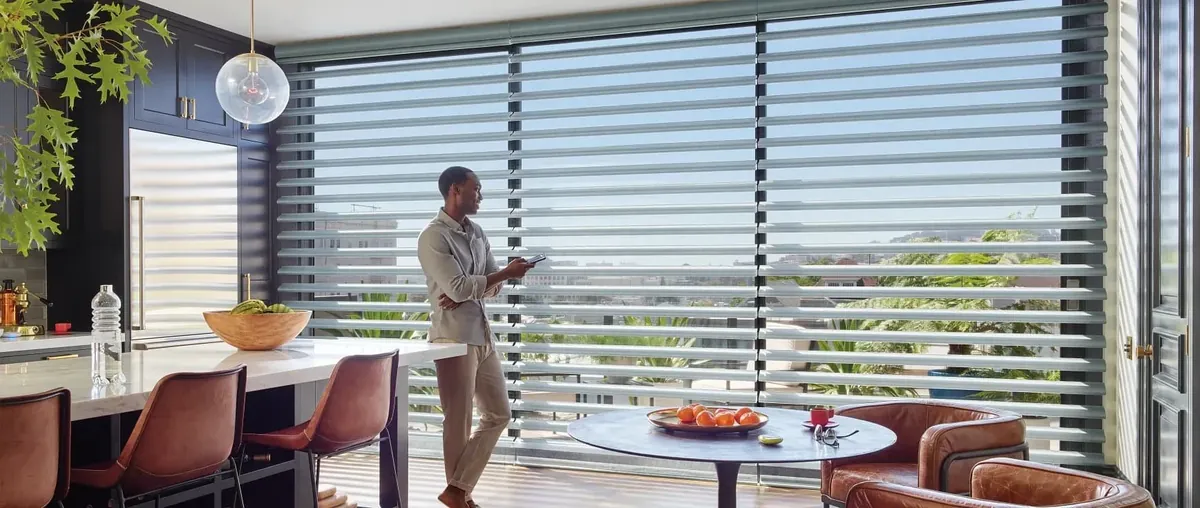
Designer and Alustra together
Every roller we have mentioned belongs to one of two Hunter Douglas families. Designer holds the practical fabrics: smooth and textured cloth, the striped banded style and the solar screens. Alustra is the dressier side, known for weaves with more depth, such as the Alustra Woven Textures range.
A cape or ranch is usually dressed in Designer from end to end. In a Union Street colonial it is common to see Alustra in the formal front rooms and Designer upstairs and at the back. Samples from both ride in the van, so you can hang one beside the other in the same window. Our roller shades page has the full range.
One house, one face
The last step in a whole-house plan is to stand back and look at the outside. On a short setback the front of the house is a picture the whole street sees, and a mix of whites, creams and grays across the windows can look accidental even when every fabric inside is right.
So we finish by checking the front together: every roller facing the road in one outward color, lowered to one line when you want the house to look settled for the evening. With roller shades in Rockland, MA, that small step is what makes a cape, ranch or colonial look finished from the curb.
Choosing at home
Rockland falls within the area our shop-at-home consultants cover, so there is no need to go anywhere to choose. A van full of samples pulls up outside, which is how we bring the showroom to you, and each fabric is held against the very window it is meant for. How the territory is organized is set out on the Canton shop-at-home page.
- Ask for a time through Request a Consultation, or tap the call button.
- A consultant arrives with Designer and Alustra cloth for every room on your list.
- Together you go through the five decisions, one room after another.
- Each opening is measured.
- A free estimate is left with you, so you can decide in your own time.
Want a second eye on paint colors or furniture as well? Our interior design consultations can be folded into the same appointment.
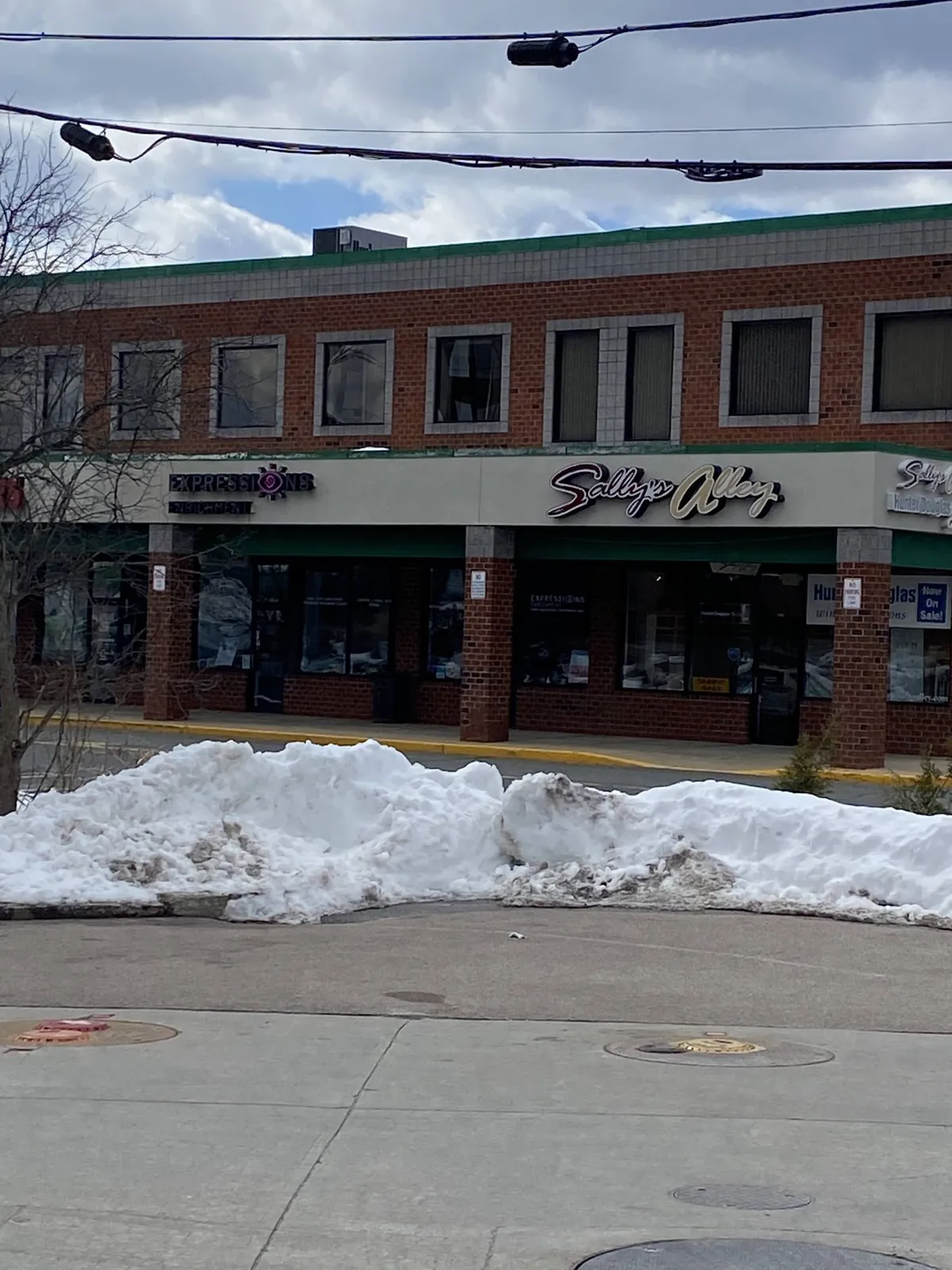
A Gallery dealer for the whole house
Gallery dealer is the Hunter Douglas title Blinds & Designs carries, and it puts the whole Hunter Douglas roller catalog within reach. Installation is done by installers Hunter Douglas has certified. Blinds, shutters, cellular and roman shades are part of the same range, and when an older shade in the house breaks, our repair service can look at it.
For anyone who likes to browse in person too, the closest of our showrooms is in Franklin: see the Franklin showroom page. A cold north bedroom may be better served by cellular shades for Rockland, and the Rockland page gathers all our local services.
Questions from Rockland
Our windows are all standard sizes. Does that change anything?
It makes the fitting simple, so most of the visit goes into picking the right fabric and color for each room.
What works best on the family room slider in a colonial?
A solar screen is the usual starting point, because it softens the afternoon sun and keeps the yard in view. A roller on the doors matched to the windows beside them keeps the wall consistent.
How do we keep the front of the house looking tidy?
Agree one outward color for every window that faces the road. Inside, each room can still have its own fabric.
Is there a showroom in Rockland?
No. We come to Rockland homes with the samples instead. If you also want a showroom, Franklin is the closest.
What does the estimate cost?
Nothing at all. It comes with no obligation to buy.
Book a visit for the whole house
A Rockland house is easiest to plan in one go, while the samples are spread across your own furniture. Ask for a consultation and we will pull up with the full roller range, go through the five decisions with you from the front step to the deck, and leave a free estimate behind. If you would sooner ask a question first, use the call button near the top.