
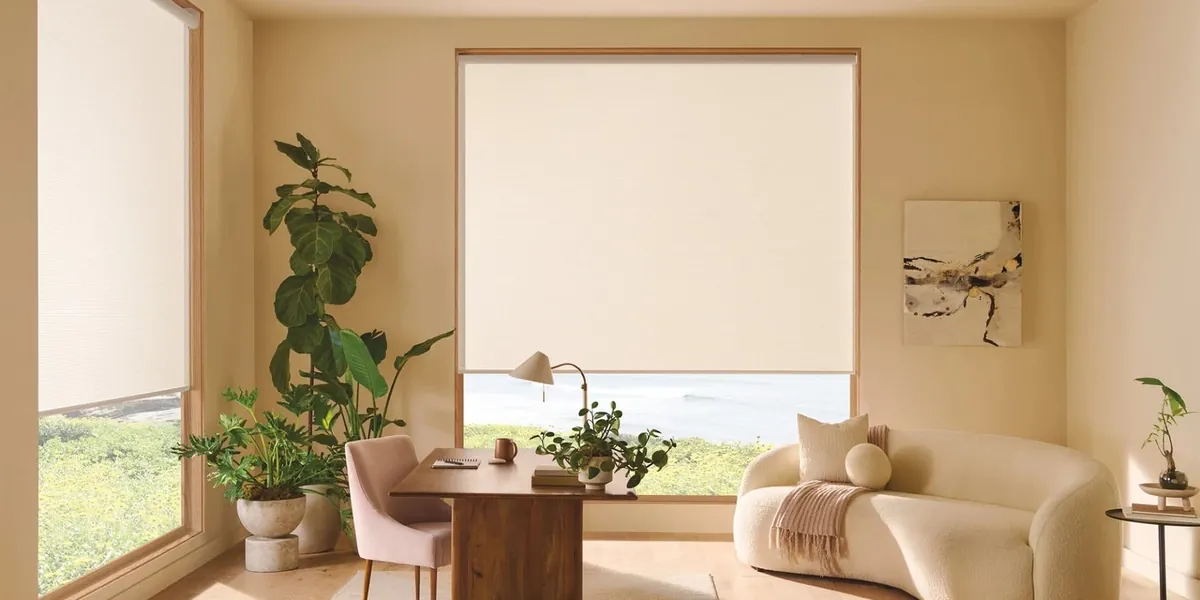
Rooms lit from every side
West Bridgewater spreads out. Farmhouses and capes sit on large lots, newer colonials are scattered in between, and the overall pattern is about as open as it gets this close to the city. Houses stand alone in their own ground, and many rooms have windows on two or three walls with nothing outside to screen them, no house next door, no tall hedge, often not even a tree close by. When we plan roller shades in West Bridgewater, MA, that open exposure is what we design around.
A room that takes light from several sides is a pleasure most of the year. It also means the sun is coming in through one window or another from breakfast until dusk. The east window glares in the morning, the south one bakes at midday and the west one throws long, low light across the floor in the late afternoon. One shade for the whole room rarely handles all three.
Rollers are a good tool for that. Each window gets its own flat panel of fabric, raised or lowered on its own, and the cloth can be different on each side of the room if the light calls for it, from an open solar screen to light filtering weaves and full blackout.
A shade for each side of the house
It helps to think about the house by compass rather than by room. These are the three exposures that shape most roller orders here, and we carry samples for each.
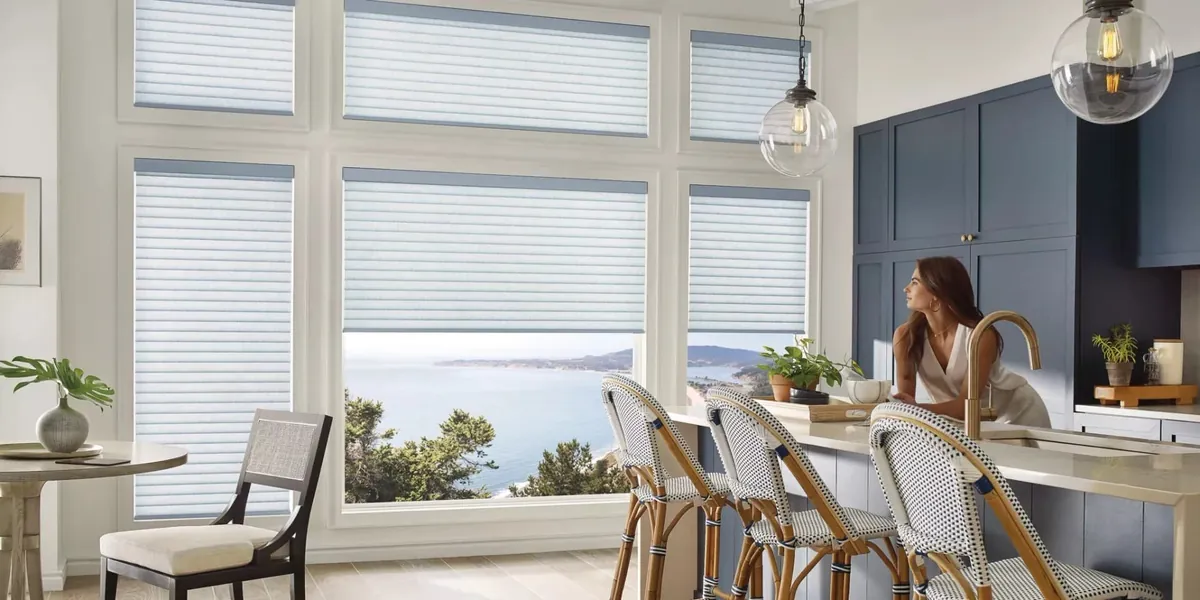
The morning side
East windows catch the sunrise straight on. Light filtering cloth in the kitchen softens it; room darkening or blackout lets an east bedroom sleep in.
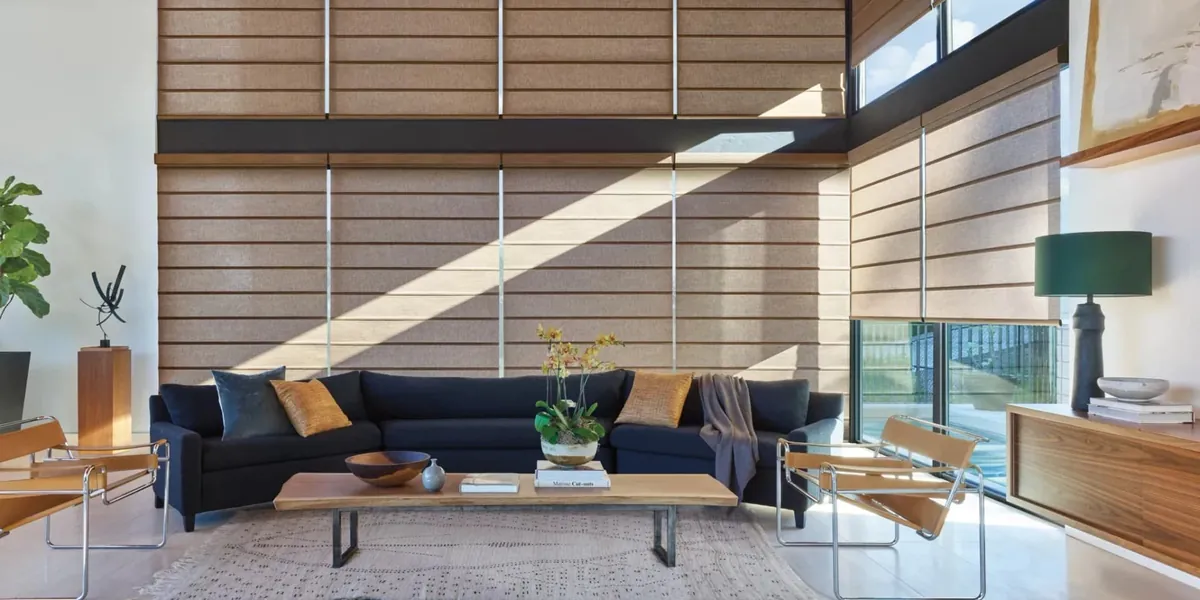
The midday side
South windows take strong overhead sun for hours. A solar screen or banded fabric keeps a living room usable without closing off the yard.
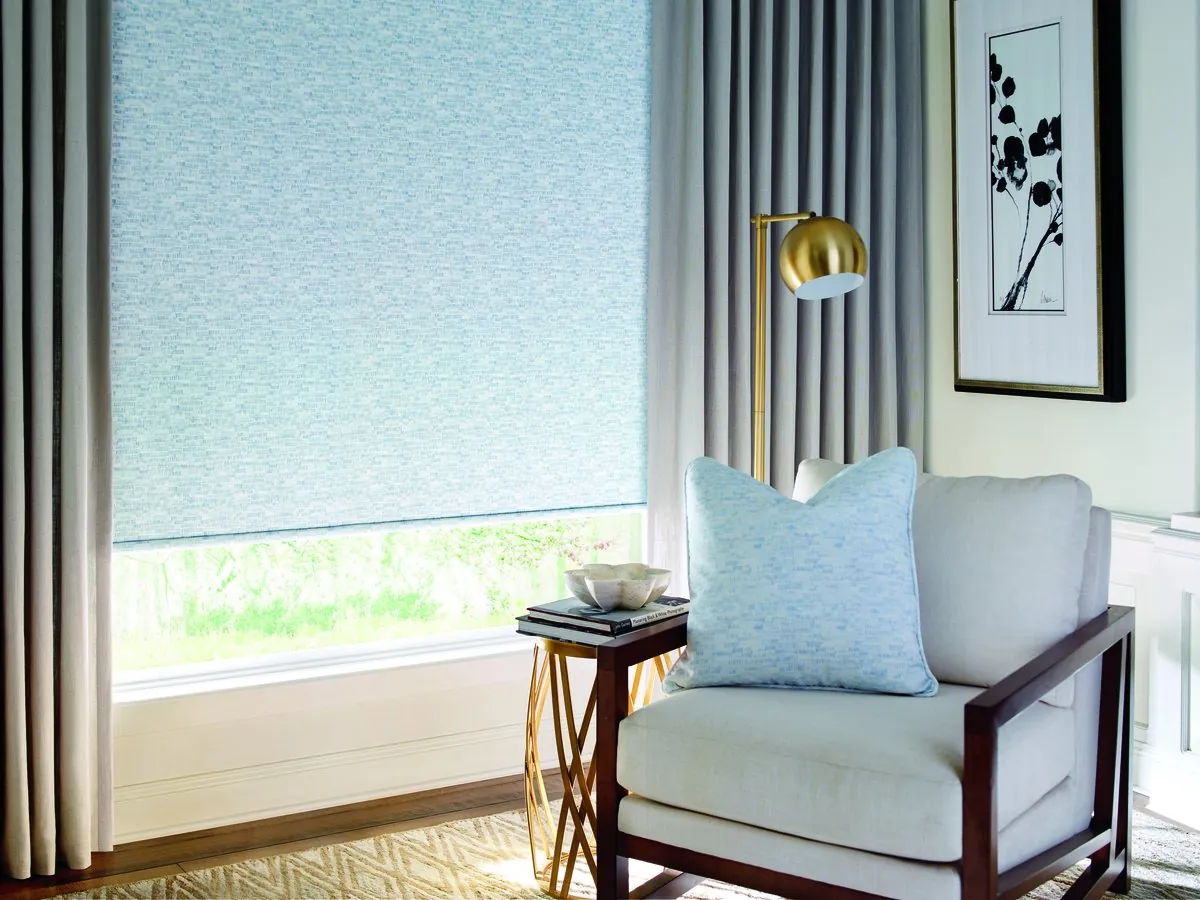
The evening side
West windows get the low, hard sun before dusk, right at eye level. A tighter screen or a denser cloth stops it glaring across a television or a dinner table.
When nothing outside blocks the sun
On a crowded street, the house next door does a lot of shading for you. Its walls block the low morning and evening sun, and its trees take the edge off the midday glare. On a large West Bridgewater lot there is none of that. Light reaches the house across open lawn, a field or a paddock, and it comes in at full strength.
That is why rooms here can feel brighter, and sometimes harsher, than similar rooms in a denser town. A family room with windows facing south and west can be almost too bright to sit in on a clear afternoon. A kitchen facing east can make the first hour of the day uncomfortable at the table. Neither room needs privacy much, because there is nobody close enough to look in. What they need is control.
A roller gives that control window by window. Lowered part of the way, it trims the light from the top of the window where the low sun comes in. Lowered fully, it filters the whole pane. Raised, it vanishes and the view across the land is open again. Because each window has its own shade, you can close the west side and leave the north side open, and the room stays bright without the glare.
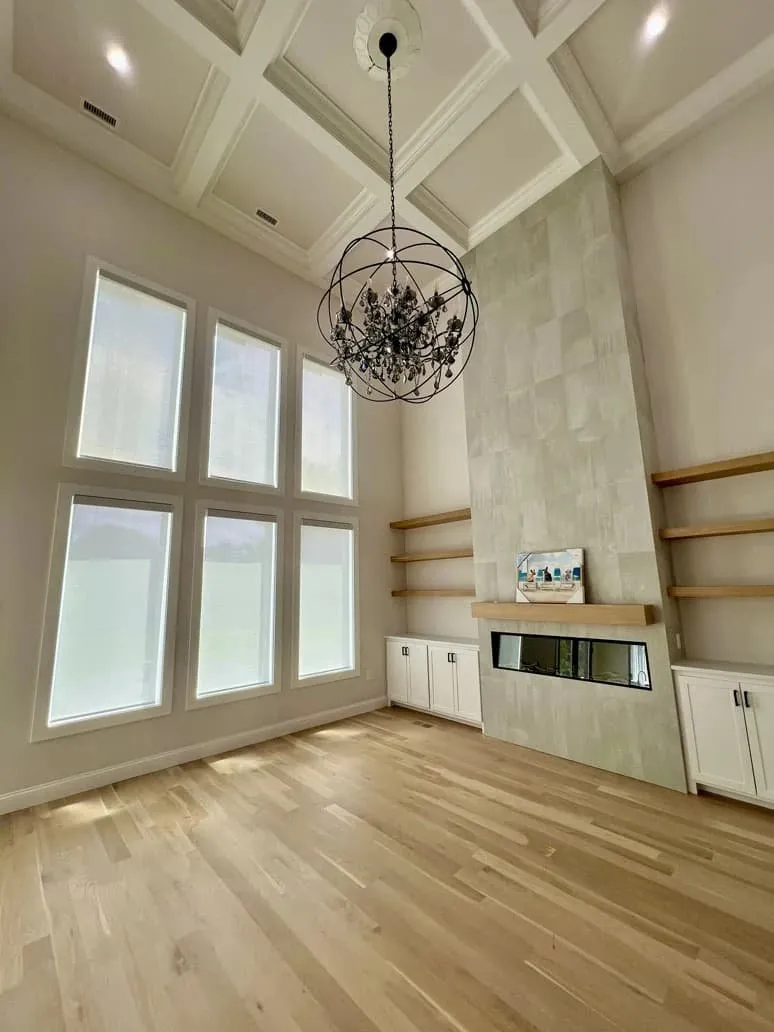
Farmhouse rooms and their windows
The farmhouses in town are often older and have been added to over the years, with a back kitchen, an ell or a wing that turned a simple house into a long, rambling one. Those additions are where you find the rooms with windows on several sides, because each new section was built to catch light.
Older farmhouse windows are usually modest, double-hung sash in plain wood frames. A roller suits them because it adds no bulk and leaves the frame and trim on show. Where the frame has the depth, the shade can sit inside the opening and almost disappear when raised. Where it is shallow or out of true, mounting on the face of the casing works better. We look at each frame and agree the mount with you before ordering.
A farmhouse kitchen with windows on three sides is a good example of how a roller plan works here. The east window might take light filtering cloth for the morning. The south window, often over the sink, might take a screen so the garden stays in view. The west window by the table might take a slightly denser cloth for the late sun at dinner. Three windows, three fabrics, one consistent outward color so the house still looks calm from the road.
Capes on large lots
A cape on a large lot is a different experience from a cape on a tight street. The house is compact, but it sits in open ground, so every window has a clear view and clear sun. The front rooms face the road from a good distance, and the side windows look out at lawn rather than siding.
That means privacy is less of a concern in daylight, and fabric choice can lean toward keeping the view. A light filtering roller in the front room keeps it bright and calm. A screen on a sunny side window keeps the yard visible. Upstairs, the dormer bedrooms often face east or west and take the low sun through a single small window; room darkening or blackout is the usual answer there, and the dormer’s recess helps keep the edges dim.
The kitchen of a cape on a big lot often looks out over the back of the property. A light weave is usually enough, unless that wall faces west, in which case a screen or a denser fabric keeps the evening sun manageable.
Newer colonials between the older houses
The newer colonials scattered through town are bigger houses with more glass. A typical one has a living room and dining room at the front, a family room with a slider or French doors at the back, and bedrooms upstairs, often including a primary bedroom with windows on two walls.
The family room is usually the room that needs most attention. Its slider and windows often face south or west across the yard, and with no neighbor or tree to shade them, the afternoon can be very bright. A solar screen keeps the room comfortable while the yard stays in sight, and a roller on the slider matched to the windows beside it keeps the wall looking consistent.
The primary bedroom, with windows on two sides, often wants two different fabrics: blackout on the window that faces the morning sun and room darkening or light filtering on the other. Upstairs halls and stair landings in a colonial often have a tall window that is hard to reach, which is a natural place for motorization.

Roller shades in West Bridgewater, MA, on the evening side
Of all the exposures, the west is usually the hardest. The late sun drops low enough to shine straight into the room at eye level, across the dinner table or the television, and on an open lot there is nothing between it and the glass.
A solar screen is the first fabric to try. Screens differ in openness, which is a way of describing how tight the weave is. An open weave keeps the view sharp and the room bright, and lets more of that low sun’s dazzle through. A tight weave quiets the glare more firmly and softens the view. On a west window with nothing to shade it, many people lean toward the tighter end.
Screen color matters as well. A dark screen is the easiest to see through, which helps when the west window looks out over a field you enjoy. A light screen glows when the sun hits it, which some people like and others find too bright on a west wall. Holding both at the window in the late afternoon is the only real way to decide.
Where the west room is a bedroom or a den used in the evening, a denser roller can be the better choice altogether, since it handles both the sun before dusk and privacy after dark.
After dark on an open lot
A big, open lot is private by day, but at night a lit room can be seen from the road or across the land from a long way off. That is worth planning for in the rooms you use in the evening.
Screens and lighter cloths become see-through once the lamps are on inside. For a living room or family room facing the road, a room darkening roller on the street-facing windows, or a banded roller that closes fully, gives you a private evening without giving up the daytime view on the other windows. Bedrooms usually take room darkening or blackout anyway, which takes care of the question there.
Choosing fabric, side by side
Most houses here end up with a few fabrics, chosen by exposure rather than by room:
- East: light filtering in kitchens and living rooms, room darkening or blackout in bedrooms.
- South: solar screen or banded fabric in living spaces, room darkening in bedrooms.
- West: a tighter solar screen or a denser cloth, especially where the room is used in the evening.
- North: often the lightest fabric in the house, or a screen to keep the view, since direct sun is rare.
Planning roller shades in West Bridgewater, MA, this way means a corner room can have a different fabric on each wall while the outward color stays the same all round, so from the road the house looks like one piece.
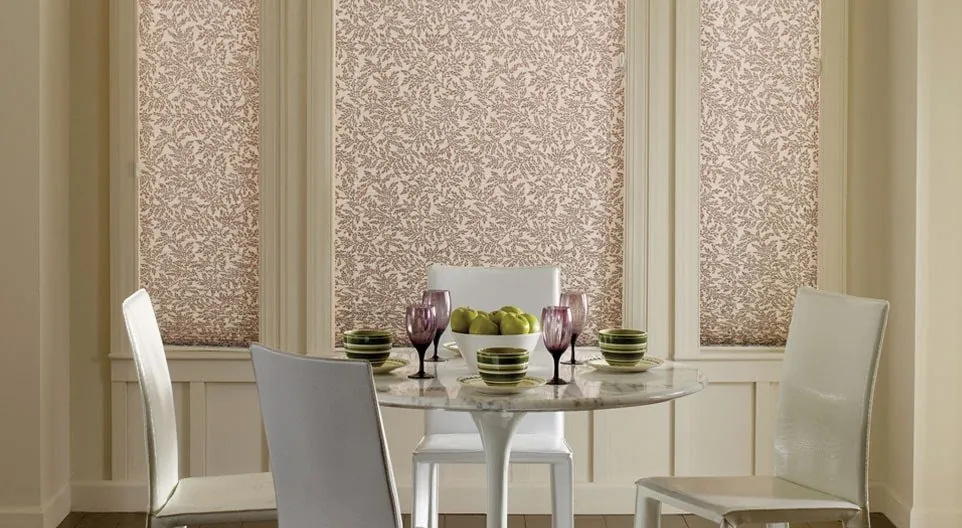
Keeping the view
On a large lot the view is often the best thing about a room, a field, a garden, a stand of trees or simply open sky. Any window covering that blocks it for most of the day is the wrong choice.
That is where rollers and screens earn their place. A roller raised fully leaves the whole pane clear. A screen lowered keeps the view while trimming the glare. A banded roller can line up its sheer stripes for an open view and shift to cover the window when the sun comes round. Between those three, there is almost always a way to keep the outlook and still be comfortable.
The view also changes with the seasons on an open lot. In summer a line of trees at the edge of the property may soften the west sun a little; in winter, with the leaves down, the same window takes the low sun straight across the fields and the glare is stronger than you remember. Snow on open ground adds its own brightness on a clear January morning. That is one more reason to pick roller shades in West Bridgewater, MA, that can be adjusted easily rather than one heavy covering that stays down all winter. A screen that is just right in July may be the one you lower more often in February.
PowerView for a house that faces every way
When the sun moves from one side of the house to another through the day, motorization is a real convenience. With Hunter Douglas PowerView, rollers move from an app, a remote or a schedule. East shades can rise after the morning glare has passed, west shades can lower in the late afternoon, and the rooms facing the road can close as it gets dark. Grouping lets a whole side of the house move together.
Tall stair windows, high windows in a farmhouse wing and the family room slider are the usual first candidates. We plan how each motor is powered at the visit. More on our page about motorized blinds in West Bridgewater.
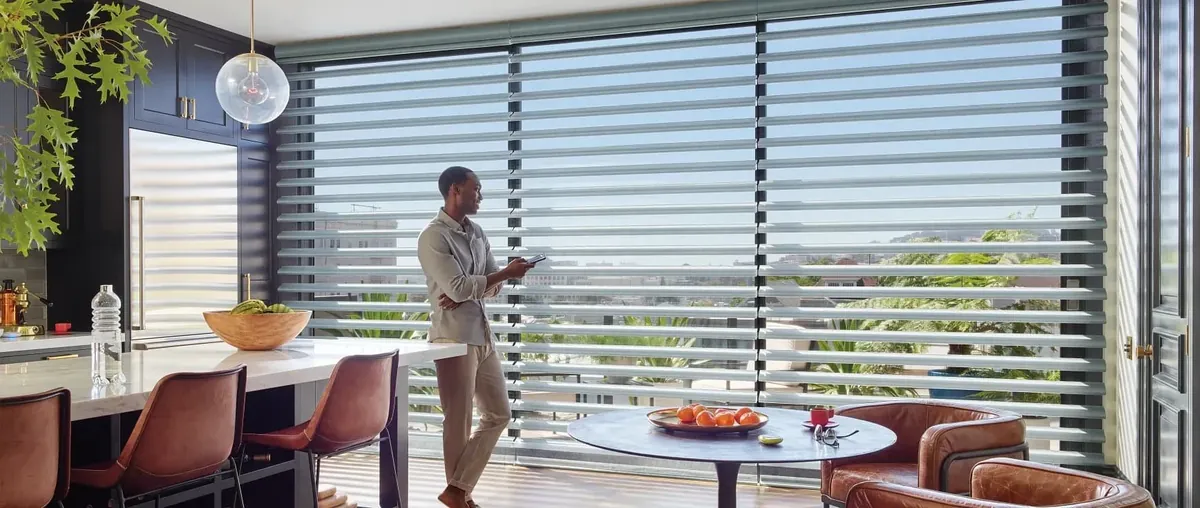
The Hunter Douglas lines in the van
Every fabric on this page comes from two Hunter Douglas roller families. In the Designer family, Designer Roller covers plain and textured cloth from light filtering to blackout, Designer Screen covers the solar screens, and Designer Banded covers the striped two-layer fabric.
Alustra is the finer collection, with richer woven cloth for a room you want to feel a little more finished. In an old farmhouse, the front parlor is the usual place for it. Our roller shades page shows both families in full.
How a home visit goes
West Bridgewater is covered by our shop-at-home service, so you never have to carry samples home and guess. A consultant drives out with the range, which is how we bring the showroom to you, and you see each fabric at each window in its own light. How the territory works is set out on the Canton shop-at-home page.
- Request a Consultation online, or use the call button, and tell us which rooms get the most sun.
- Try to book for a time of day when the worst glare is happening, if you can.
- Your consultant brings both roller families and walks the house with you, side by side.
- Fabrics are held at each window, east, south, west and north.
- Each opening is measured.
- A free estimate is left with you to consider.
If you want help with the whole room, our interior design consultations can be part of the same appointment.
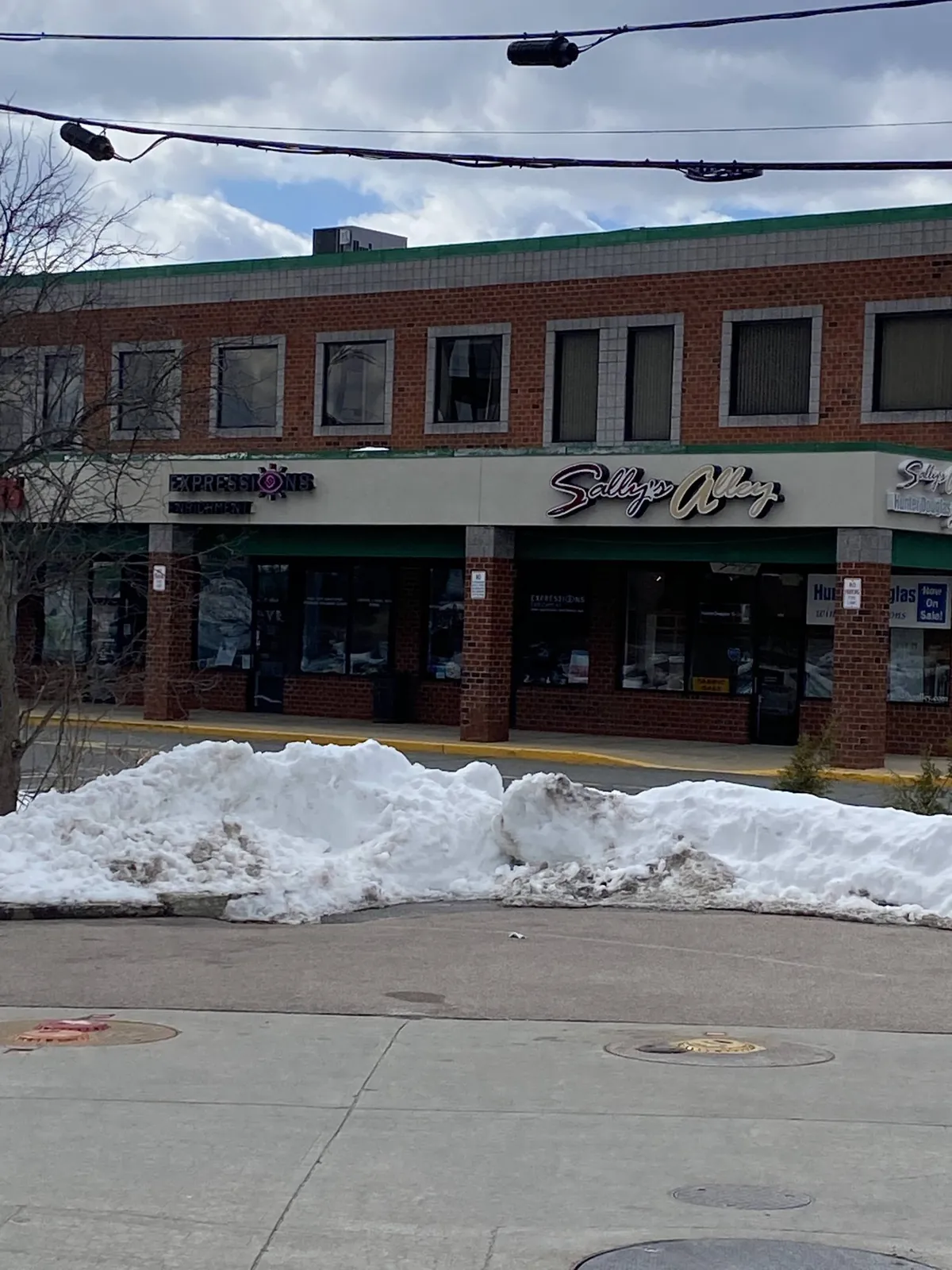
A Gallery dealer, and the closest showroom
Blinds & Designs holds Hunter Douglas Gallery dealer status, which opens up the whole roller range for your house, and every shade is put up by installers certified by Hunter Douglas.
Rollers are only one part of what we do. Hunter Douglas blinds, shutters, cellular and roman shades are all available, and we take on repairs for shades already in the house. If a bedroom on the north side feels chilly, cellular shades in West Bridgewater are worth a look at the same visit. Our West Bridgewater page covers every service in town.
To see shades in a showroom as well, head for the Franklin showroom, our closest to West Bridgewater.
Questions from West Bridgewater
Our family room has windows on three sides. Do they all need the same shade?
Not at all. Each window can have its own fabric for the sun it gets, with the same outward color so the room still looks unified.
Nobody can see into our house. Why would we need anything denser than a screen?
In daylight you may not. After dark, a lit room shows up from the road or across the land, so rooms used in the evening usually want a denser option.
What is the best choice for a west window with low evening sun?
A tighter solar screen is the first to try, because it cuts the glare while keeping the view. For a den or bedroom used in the evening, a denser roller often works better.
Do you have a showroom in West Bridgewater?
No. Our consultants come to the house with samples, and Franklin is the closest showroom.
Is the estimate charged?
No. It is free and you are under no obligation.
Book for the brightest hour
The best time to choose a shade for a room lit from every side is while the sun is doing its worst. Request a consultation, tell us which side of the house gives you trouble, and we will try to come when that light is in the room. Your consultant will hold screens and darker cloths at each window, measure everything, and leave a free estimate. Roller shades in West Bridgewater, MA, are easiest to choose in exactly the light they will have to live with. The call button at the top of the page is there if you would rather talk first.