
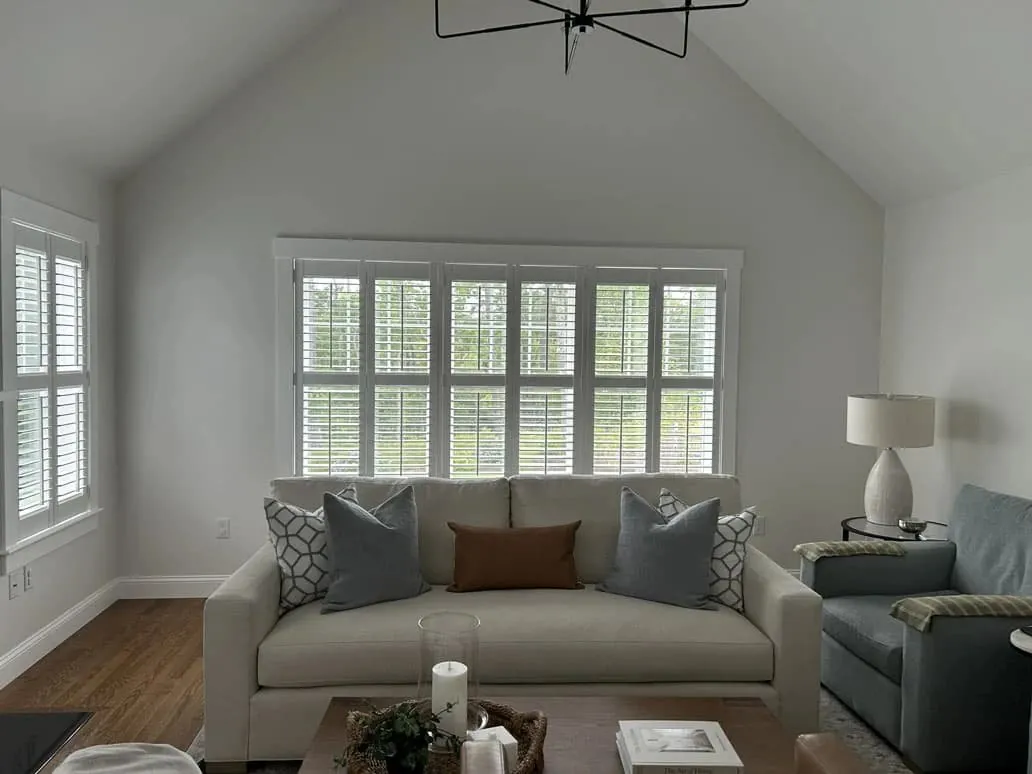
Historic sash, harbor views and wooded lots
Hingham’s houses fall into two broad groups. Along Main Street and around the harbor stand antique colonials and Federal houses, their small sash windows set deep into the walls, carrying a long-held expectation that whatever is added respects their age. Inland, larger newer houses occupy wooded lots, with bigger windows, more rooms and often whole walls of glass facing the trees.
Motorized blinds in Hingham, MA, serve both. On an old house, the PowerView motor disappears into a headrail tucked within the window’s recess, so nothing modern catches the eye, and the shade obeys a remote, a phone or a weekly plan. On a newer one, it gathers dozens of openings under easy command. And in rooms facing the harbor, rooms designed around that outlook, it tames the brightness while leaving the water in sight.
Each shade is built for the window as it stands. Historic frames and trim remain untouched.
Styles that respect the house
Roman folds, honeycomb and screen rollers are where most Hingham conversations land. Follow any of them to its own Hingham page.
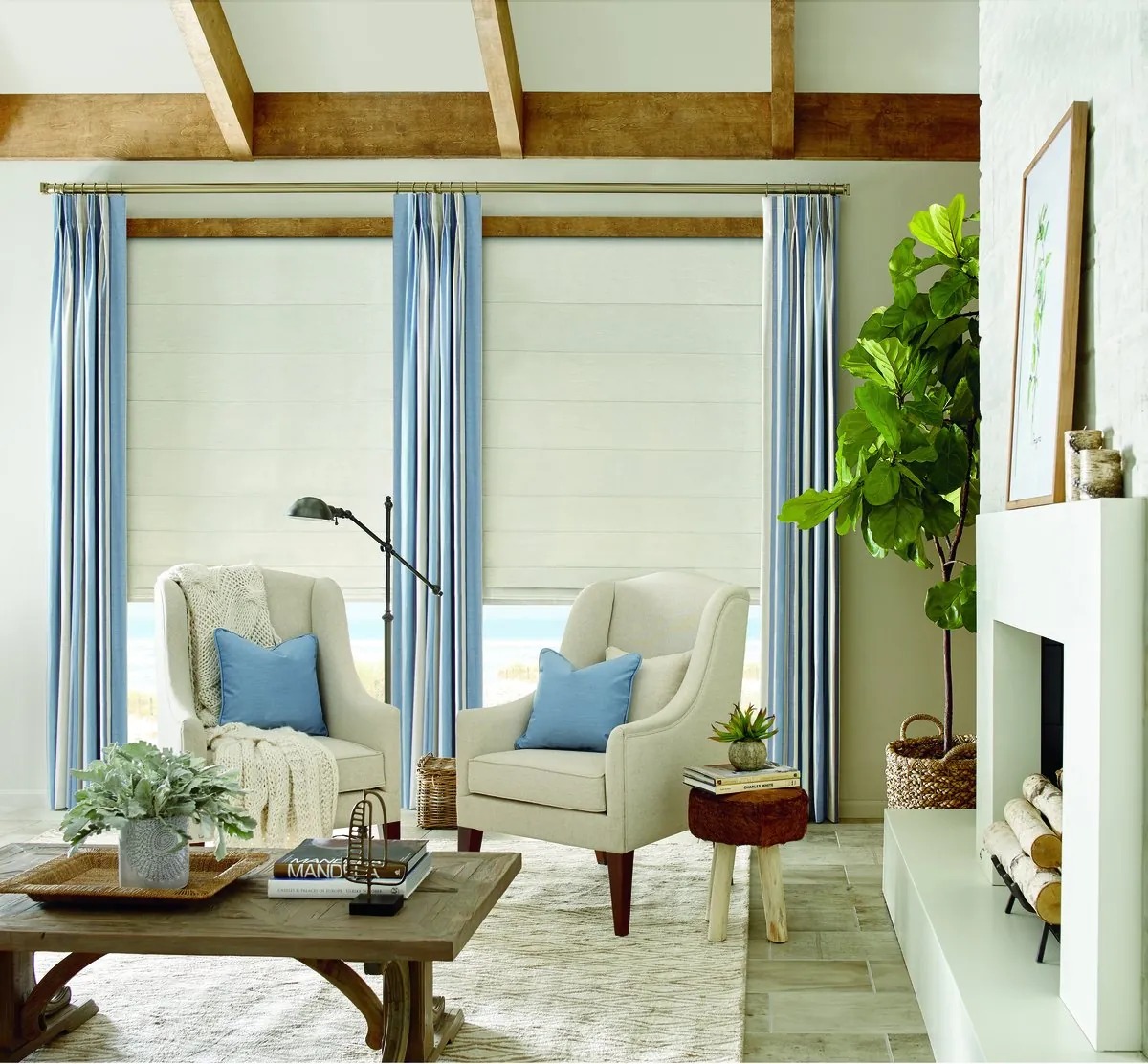
Roman shades
Gentle fabric folds that look at home in the paneled rooms of a Federal house.
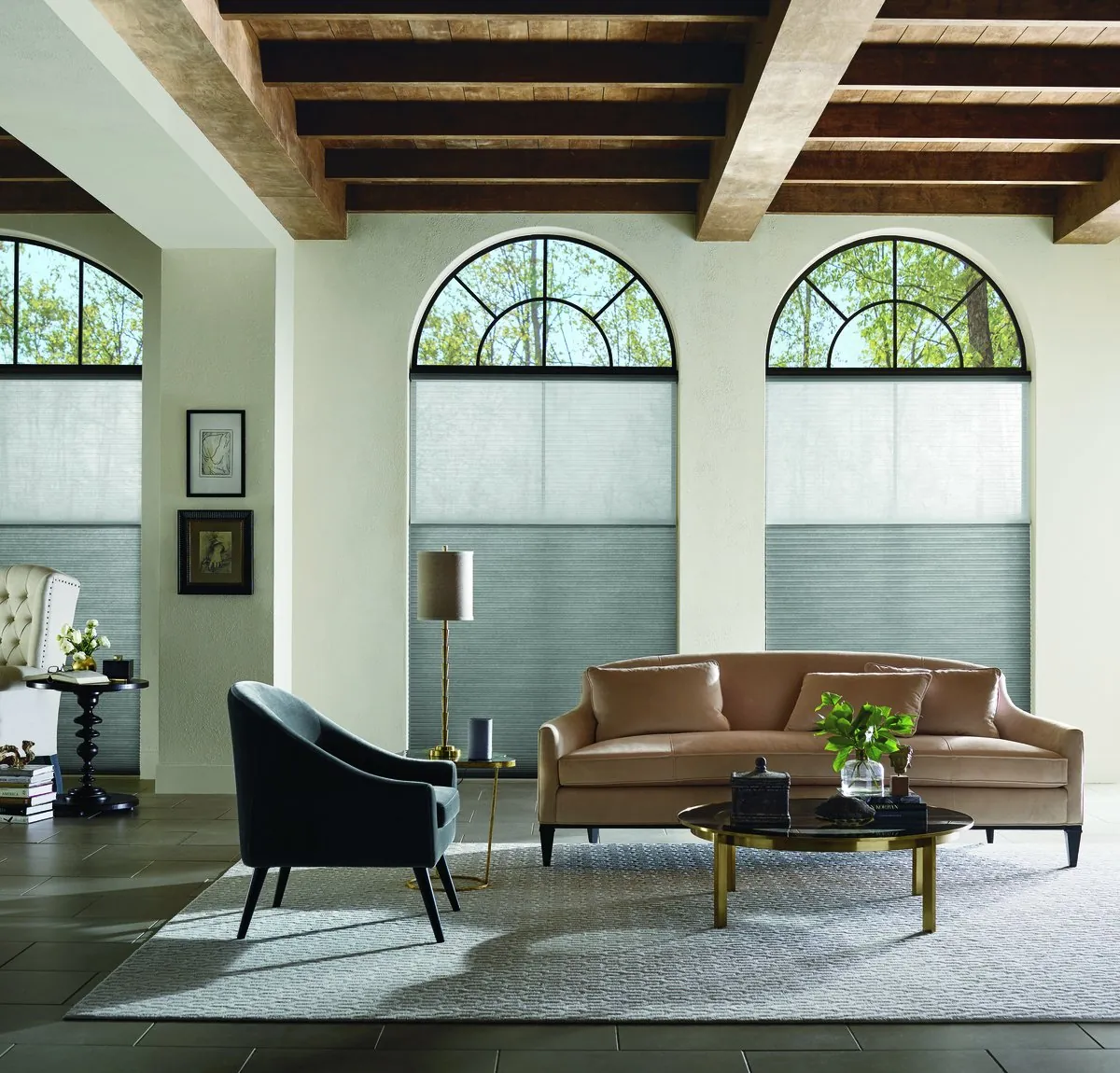
Cellular shades
Slender honeycomb that slips into a narrow old recess and all but vanishes once raised.
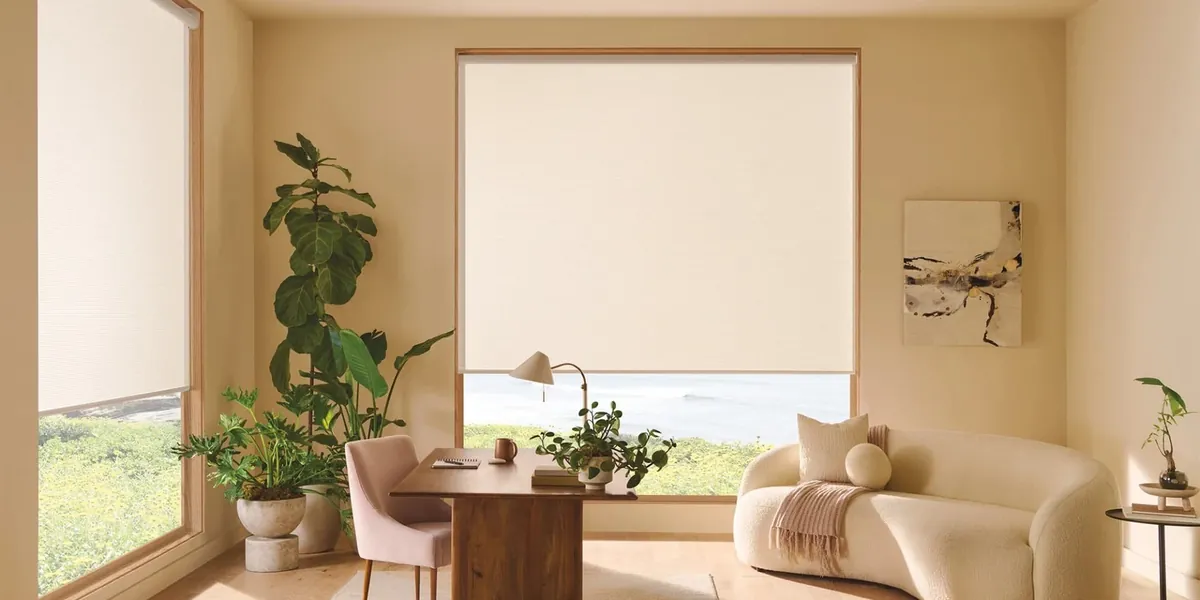
Roller shades
Screen weaves that dull harbor glare yet keep the water in view.
What Main Street asks of a window
A colonial or Federal house on Main Street is read through its windows. Pane proportions, slim muntins and painted casings all carry the character of the place, and owners reasonably want any covering to leave them alone, whether seen from the parlor or from the sidewalk.
Oddly enough, that argues for motorization. A manual shade adds strings, wands and tassels right at the glass. A motorized one adds none: its motor hides in the headrail, and you work it from across the room. Fitted within the recess, it leaves the casing bare, so from the street the house looks exactly as it did before.
Fabric counts as much as hardware here. Quiet, traditional colors in roman folds or slim honeycomb tend to settle comfortably beside old paint. Our samples cover both approaches, colors that melt into the woodwork and colors that echo something in the room, so you can judge them where they will hang.
Thick walls and window seats
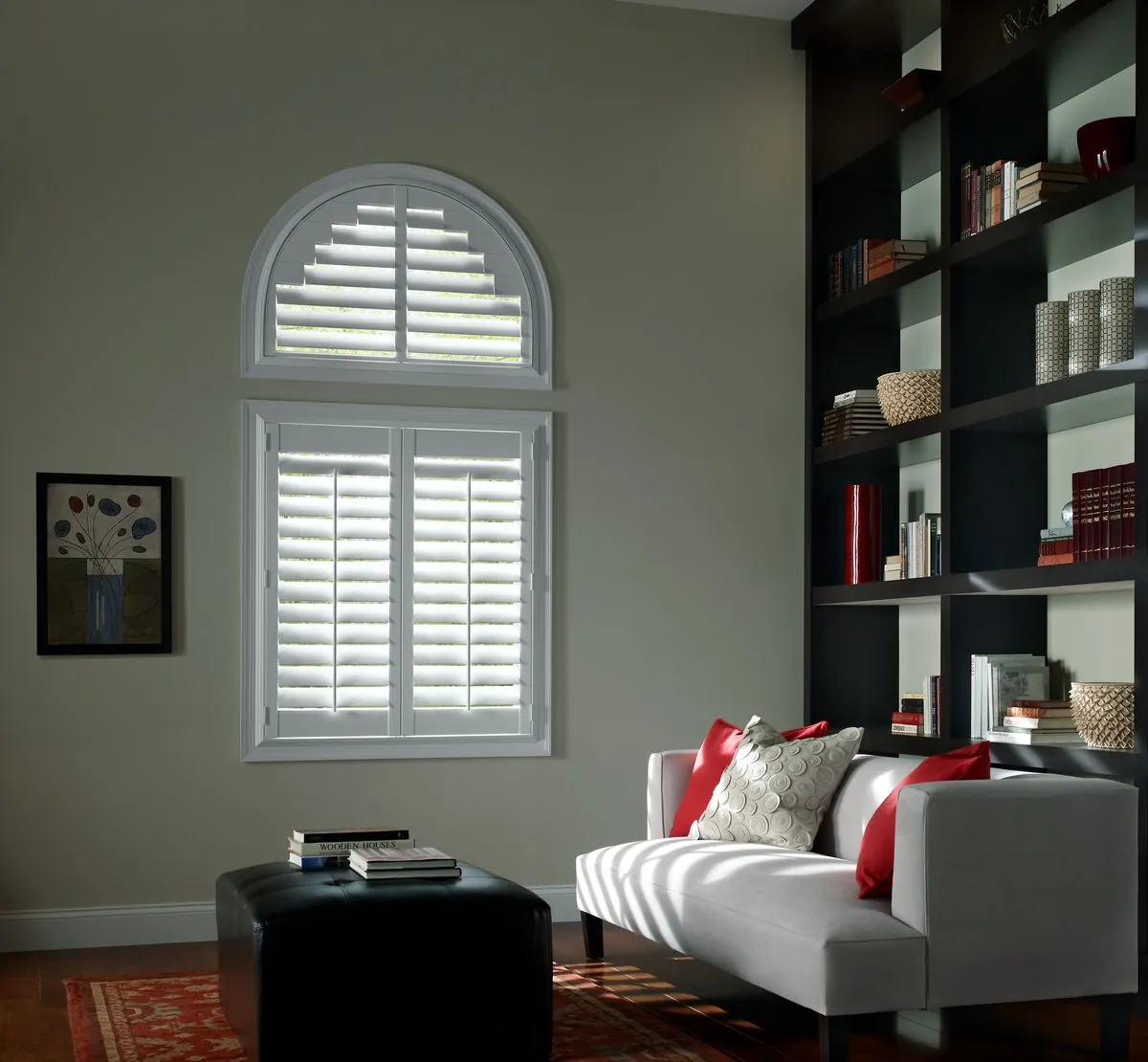
Many of Hingham’s antique houses have walls thick enough to form a real alcove at each window, sometimes with a built-in seat or a broad sill holding plants and books. Those alcoves are lovely to sit in and maddening to reach across.
With the motor doing the work, nobody leans over cushions or moves the geraniums to adjust a shade. The headrail sits up inside the alcove, out of sight beneath the head casing, and the shade travels down to the sill on command. Because none of these old openings is quite square or quite like its neighbor, we measure them one at a time, and every shade is made to its own particular window.
Harbor rooms built around the view
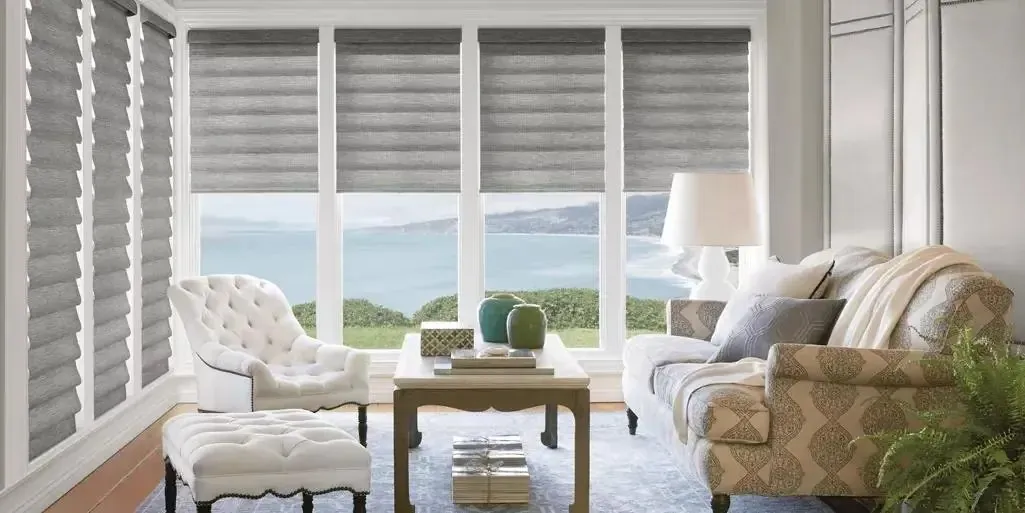
Close to Hingham Harbor, houses often turn their best rooms toward the water. Living room, kitchen and frequently the main bedroom look out across the harbor through as much glass as the walls allow.
The catch is reflection. On a bright day the harbor throws light back up into those rooms, onto screens, faces and upholstery, from beneath as well as from the sky. Drop a heavy shade and the glare goes, but so does everything the room was designed to frame.
Motorized screen rollers strike a better balance. Brought down to a saved position, the weave holds back the dazzle while the harbor remains plainly visible. As the light softens, one press returns them to the headrail. A weekly plan can lower them when the reflection tends to be worst and lift them afterwards, keeping the harbor in the room most of the day. For harbor-side households, that is very often why they ask about motorized blinds in Hingham.
Larger houses among the trees
Away from the water, Hingham’s newer houses sit back on wooded lots, frequently with tall windows, double-height family rooms and great expanses of glass looking into the woods. Neighbors are seldom close; the challenge is the sheer count of openings.
Here motorization means running a whole household rather than rescuing one awkward window. Openings can be linked by room, by floor or by elevation. One weekly plan can open the main living areas each morning while bedrooms stay dim; another can close everything each night instead of sending somebody up and down two floors.
Double-height glass deserves its own mention. Upper shades on those walls are simply beyond any arm. Motorized, they respond like every other shade and can be tied to the lower row so the whole wall settles at one line.
Forest light through the day
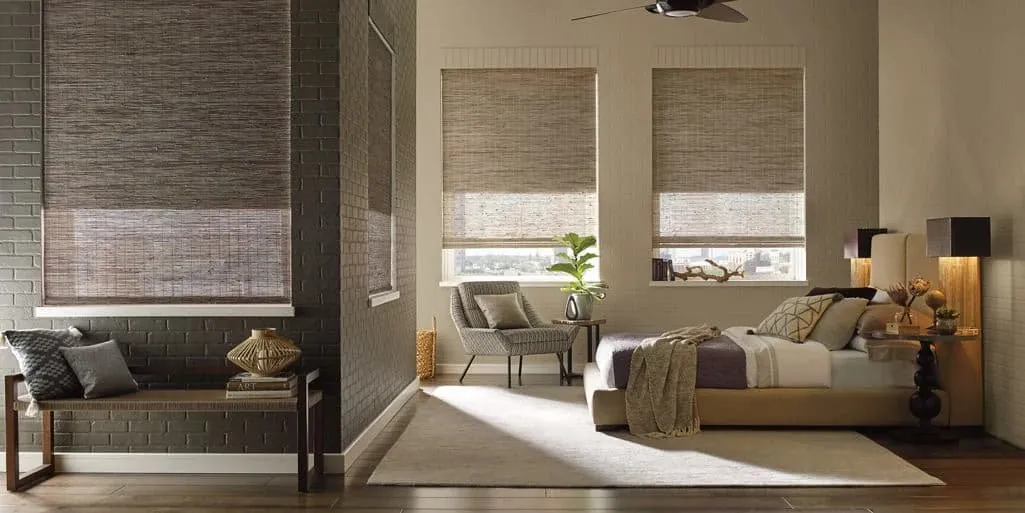
Wooded lots bring their own kind of light. Morning sun arrives in shafts between the trunks, and by afternoon the canopy can leave a family room dim one minute and dappled with glare the next. Bare winter branches let far more light through than full summer leaves.
That changeable light is where a motor proves itself. Saved positions for “bright”, “soft” and “evening” let you shift a whole room in a moment as the trees allow. Seasonal adjustments to the weekly plan take a minute in the app. And because nobody has to cross the room to make a change, the shades actually get moved, instead of being left in one position from spring to fall.
Remote, phone, weekly plan
Visitors to a Hingham house rarely need instructions. The small PowerView remote has up, down and stop, and it can be paired with one shade, a room or any set you like; it works without a phone and can live in a wall cradle near the door. Whoever prefers a screen opens the app, where shades are filed by room and can be sent to an exact height or to a saved scene, perhaps “harbor glare” or “dinner”. Behind both sits the weekly plan, which moves the shades you pick at the times you pick and simply carries on until you edit it, with the remote ready to overrule it at any moment.
Read how motorized shades are controlled for a fuller account, or window covering automation for plans that span a whole house.
One harbor-side household’s routine
How might a house facing the water put all of this to use?
- At first light, the main bedroom shade waits until the set wake-up time, then rolls up to reveal the harbor.
- By mid-morning, as the water brightens, the kitchen’s screen rollers ease down to their saved glare position.
- Toward noon, the living room set does the same.
- Late in the afternoon, once the dazzle fades, both sets return to the headrail and the outlook is clear.
- Come evening, the plan closes every harbor window together with the rooms facing the road.
Anything outside that pattern takes one press of the remote, and the plan is easy to revise as daylight shifts across the year.
The symmetrical front
Many antique Main Street houses present a balanced façade: a central door with parlor windows to one side and dining room windows to the other, repeated upstairs. That symmetry is the whole point of the design, and nothing undoes it faster than shades stopped at six different heights.
Tied together in the app, the front shades travel as a set and come to rest on an identical line. A nightly plan lowers them in unison, so the façade closes evenly, and in the morning they rise the same way. Indoors, roman folds or slim honeycomb keep the rooms looking traditional.
Rooms under the eaves
Antique colonials frequently tuck bedrooms beneath steep roofs, lit by small gable windows or low openings beside the chimney. Early sun reaches them first, and a bed or a blanket chest usually stands in the way.
A room-darkening honeycomb on a motor holds those rooms in darkness until the hour chosen for waking, with a gentler plan on weekends. A remote at the bedside covers the exceptions. Spare rooms that stand empty for weeks can share the household plan, so from the street they open and close like the rest of the house.
Old house, newer kitchen
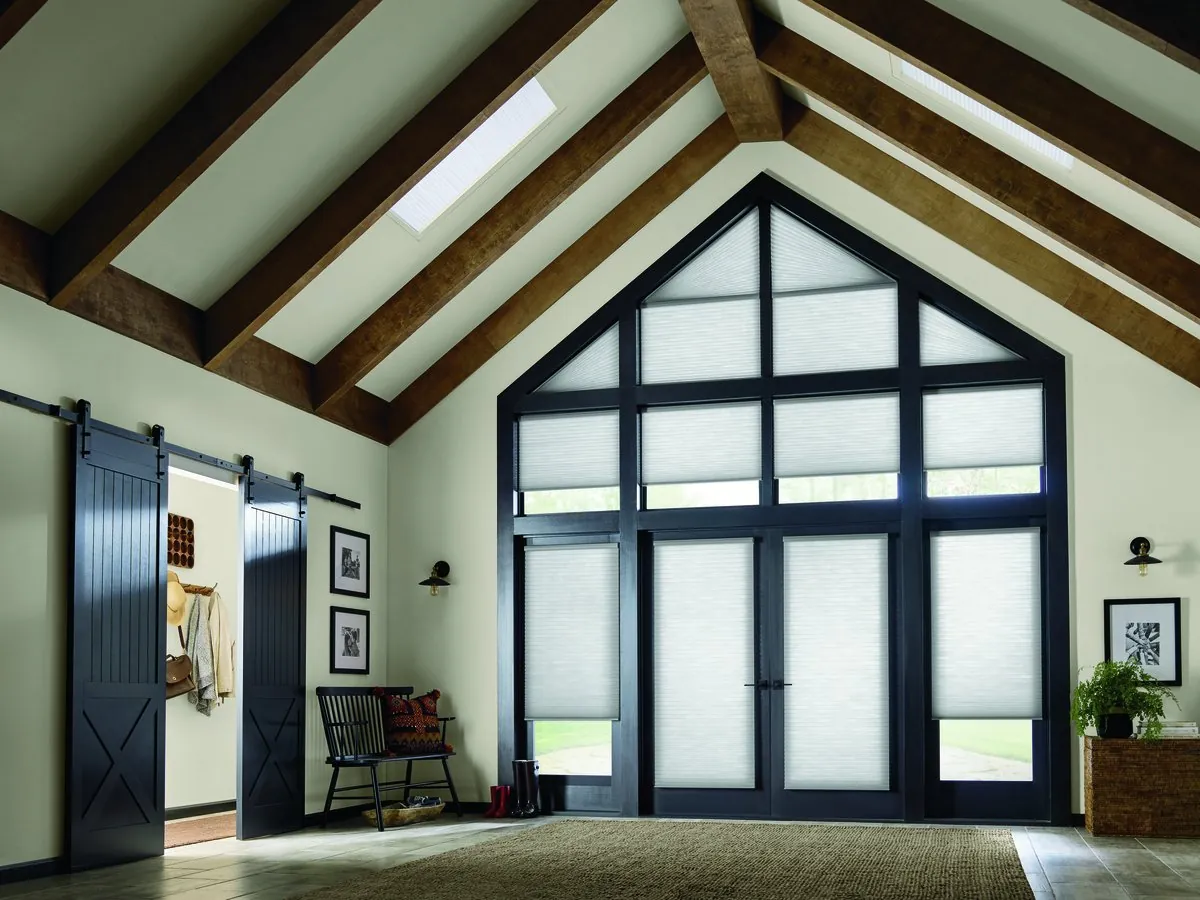
Plenty of Hingham’s antique houses have gained a modern kitchen or family room at the back, frequently with larger glass looking toward the garden or the water. The old front rooms keep their small sash; the addition has sliders and wide picture windows.
One PowerView system handles that contrast without fuss. Roman folds in the front parlor, slim honeycomb upstairs and screen rollers across the new kitchen glass all respond to the same remote and share the same weekly plan. Each room gets the style that suits it, yet the household learns one set of controls. Of all the motorized blinds in Hingham, MA, we plan, mixed old-and-new houses like these are among the most common.
Dining rooms by candlelight
In an antique Hingham house the dining room usually faces the street or the garden through two or three small sash windows, and it is the room most often used after dark. With the candles lit and the shades up, the whole table is on view from outside; with the shades down early, the room loses the last of the evening light.
A motor lets the dining room keep both. A saved “dinner” scene can bring the shades to a height that screens the table from the road while leaving a band of sky at the top, and a single press closes them fully once it is dark. Because everything happens from a remote on the sideboard, nobody has to reach over the chairs or the buffet to manage the windows mid-meal.
Kitchens facing the water
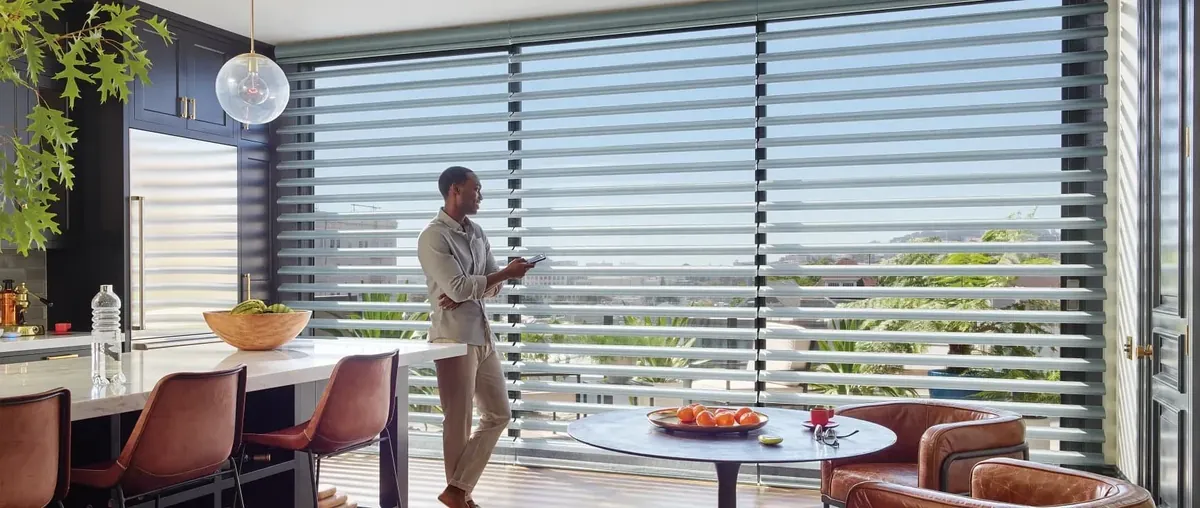
Harbor-side kitchens tend to sit at the back of the house with a run of glass over the counter and sometimes a slider to a deck. Morning light off the harbor arrives at exactly the height of whoever is at the sink or the stove.
Screen rollers on a motor answer that from a remote on the counter. Brought down partway, they hold back the reflection while the harbor stays in view; raised later, they leave the glass clear. Linked with any slider on the same wall, the kitchen moves as one, and the weekly plan can take care of the usual morning pattern. It is often the first room harbor owners choose when they look at motorized blinds in Hingham.
A study or library
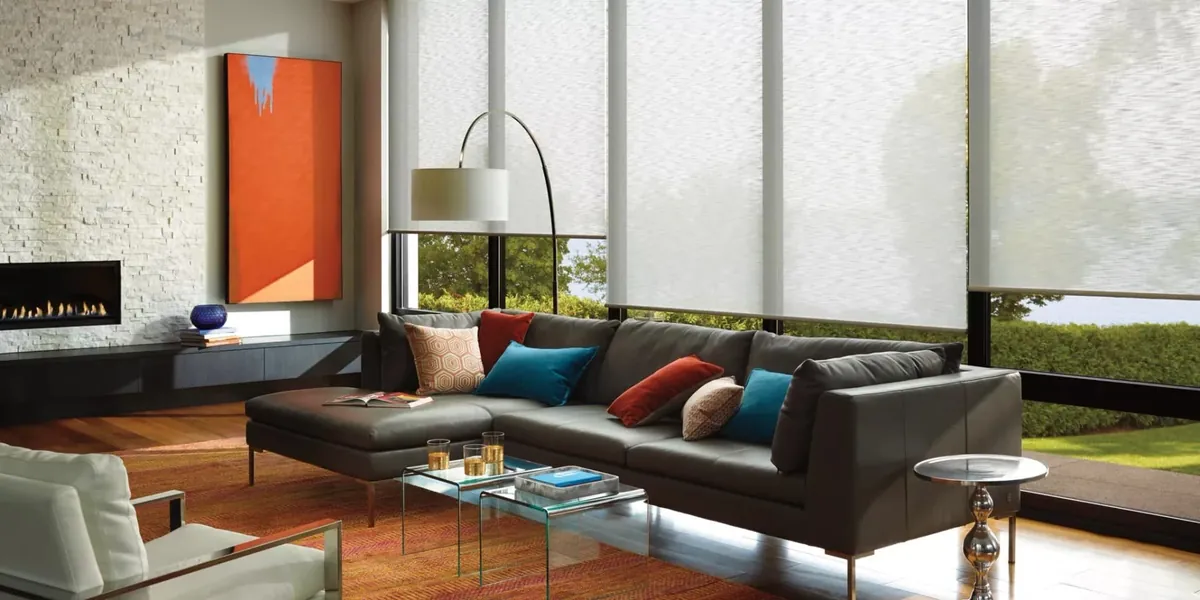
Older Hingham houses often have a small study or library off the front hall, lined with books and lit by one or two deep-set windows. Sunlight across shelves is lovely to look at, but it shifts constantly, making a reading lamp pointless one hour and essential the next, and throwing glare across the page.
A motorized honeycomb or roman shade lets you soften that light without getting up from the chair. Lowered partway through the brightest hours by the weekly plan and lifted again later, it keeps the room comfortable to read in all day.
The stair hall
Federal houses and antique colonials often have a fine front stair with a window on the half landing, and the newer inland houses frequently put a tall window over a two-story foyer. Neither can be reached safely by hand; most are left bare or permanently covered.
Motorized, that window joins the rest of the house. The weekly plan can open it with the morning rooms and close it with the evening ones, and the remote by the front door covers anything in between. In a two-story foyer, the shade can be linked to the windows either side of the door so the entrance looks even from the drive.
Choosing where to start
Few households motorize everything in one step. Good first choices in Hingham tend to follow the house:
- A Main Street antique: the front parlor set and one bedroom under the roof.
- A harbor home: whichever wall faces the water, usually living room or kitchen.
- An inland house among the trees: the double-height family room and the main bedroom.
Extra shades can join the same remote, app and plans whenever you are ready, and many owners find motorized blinds in Hingham spread room by room once the first set has proved itself.
Choosing at home, among your own furnishings
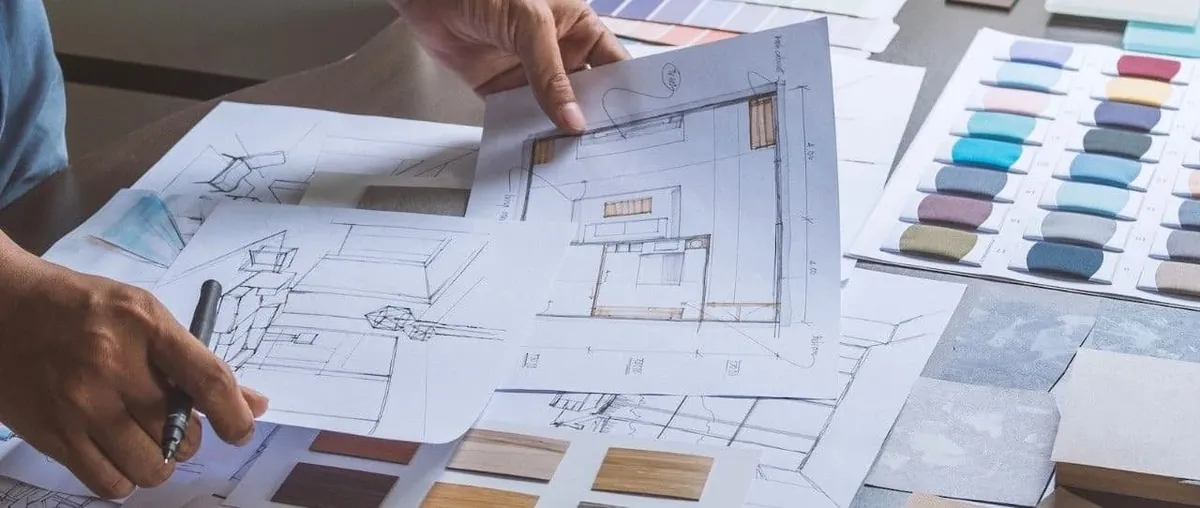
Hingham belongs to our Canton shop-at-home area, which means the consultation comes to you. Hunter Douglas samples arrive by van, and you see each one against your actual sash, your harbor glass, your paint and your furniture. The Canton shop-at-home page has the details.
For an antique house this is essential, since the way a fabric reads inside an old recess beside aged paintwork is impossible to judge from a brochure. On the harbor, it is the only honest way to see how a screen weave handles reflection and how clearly the water shows through. During the visit we settle which shades travel together, which rooms follow a plan, how many remotes to leave and where every motor will take its power from. Each opening is measured, and a free estimate follows for you to consider at leisure.
Should you want help coordinating color and fabric across several rooms, interior design consultations can be arranged. If a showroom visit appeals as well, Franklin is nearest to Hingham, on the Franklin showroom page.
Why a Gallery dealer suits a historic town
Being a Hunter Douglas Gallery dealer lets Blinds & Designs offer every Hingham house, from a Federal on Main Street to a harbor home or a newer house in the woods, the whole range, all running on one PowerView system.
Certified Hunter Douglas installers handle every job, setting each shade carefully into its opening, testing every motor and programming the sets and plans agreed at the visit. We repair existing blinds and shades too. See motorized blinds and shades for the range, and the Hingham page for all our services in town.
Questions from Hingham
Would a motorized shade look wrong in an antique house?
It should not. There are no cords at the glass, the motor hides inside the headrail, and the shade can usually sit within the recess so the casing stays bare.
Our main rooms face the harbor. Is it possible to reduce glare yet keep the view?
Yes. Screen weaves are designed for exactly that, and on a motor they stop at whatever height holds back the dazzle while the water remains visible.
Our newer house has double-height windows. How are the top shades worked?
By motor, from the remote, the app or the weekly plan, and they can be tied to the lower row so the wall moves as one.
Can roman, honeycomb and roller shades share controls?
Yes. Different styles sit happily on one PowerView system.
How do we see samples?
They come to your house by van. Anyone wanting a showroom as well will find Franklin nearest to Hingham.
Your first room, your choice
It might be a Main Street parlor, a room looking over the harbor or a tall family room among the trees. Ask for a consultation and we will arrive with samples, measure each window and leave a free estimate.
Prefer to talk first? Tap the call button, or read about our in-home consultations.