
The sidewalk is right there
On the older streets of the city, houses stand close together and close to the curb. A Victorian parlor or the first-floor apartment of a two-family may sit only a few steps from the sidewalk, with its windows at about the height of a passing head. Next door, another house stands within a driveway’s width, its own windows looking straight across.
So window treatments in Brockton, MA, start with one practical question: how do you stop the street and the neighbors from seeing in while still letting daylight reach rooms that already have tall walls and deep floor plans? Those first-floor windows are usually tall, narrow double-hungs under high ceilings, and anything you hang on them is seen from both inside and out.
Out toward the edges of the city the picture changes. Post-war ranches sit on their own lots with more room around them, and the windows are wider and lower. We plan both kinds at your house, with samples held up to the actual glass.
Every service we offer here, room by room
Each card below is one of the window treatments in Brockton, MA, that has its own page for the city. Open a card for the detail on that product in local houses.
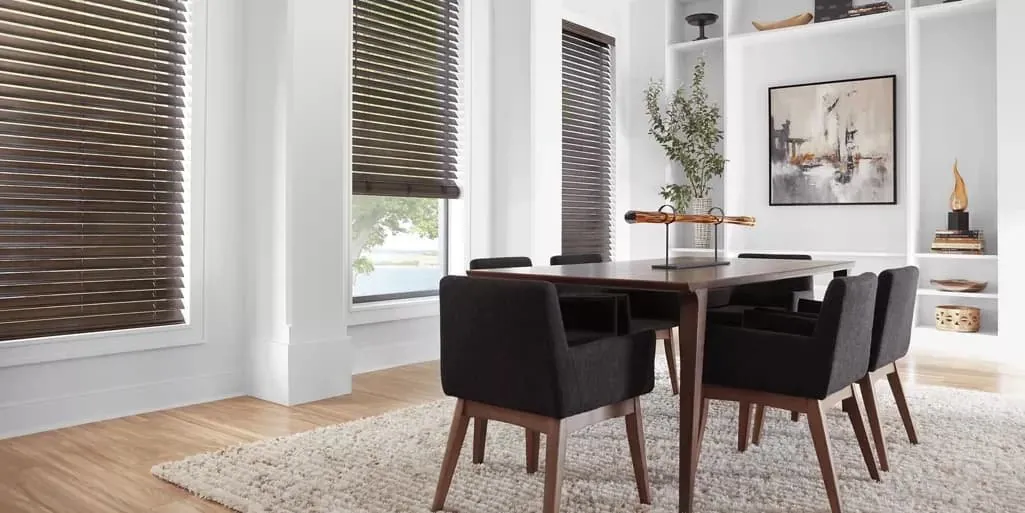
Custom Blinds in Brockton
Wood, faux wood and metal horizontal blinds, plus verticals. Slats turn to block a sightline from the sidewalk while the room stays bright.
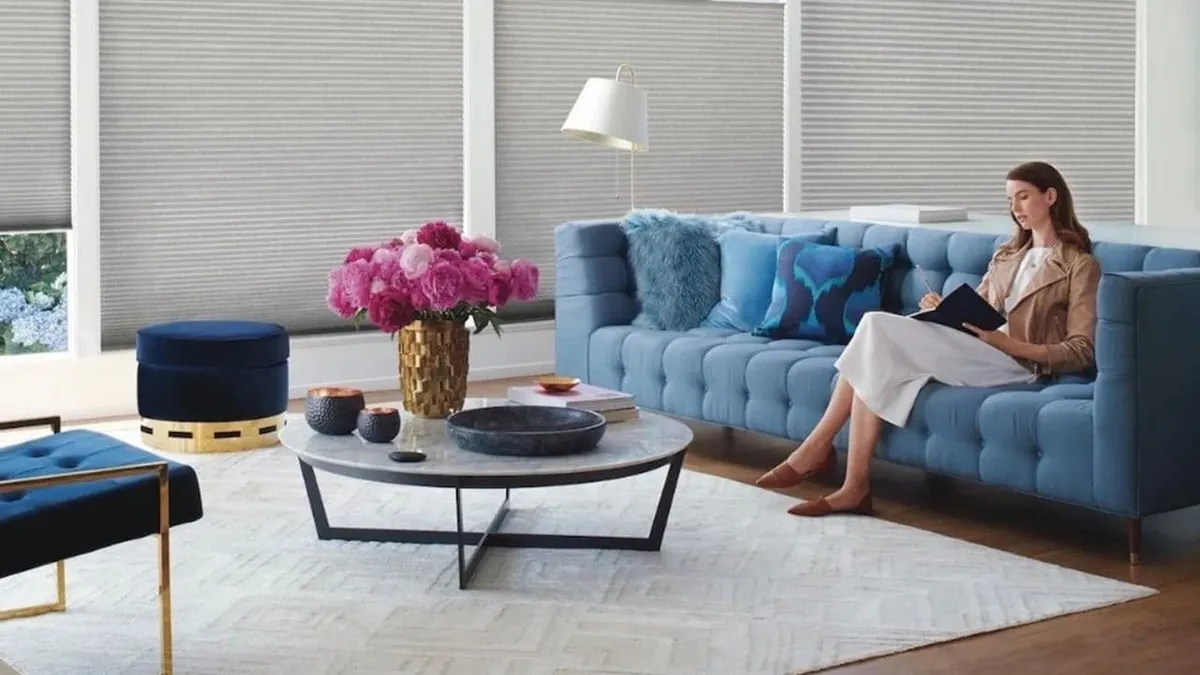
Cellular Shades in Brockton
Duette and Applause honeycomb shades, slim enough to sit inside a narrow Victorian frame without crowding the trim.
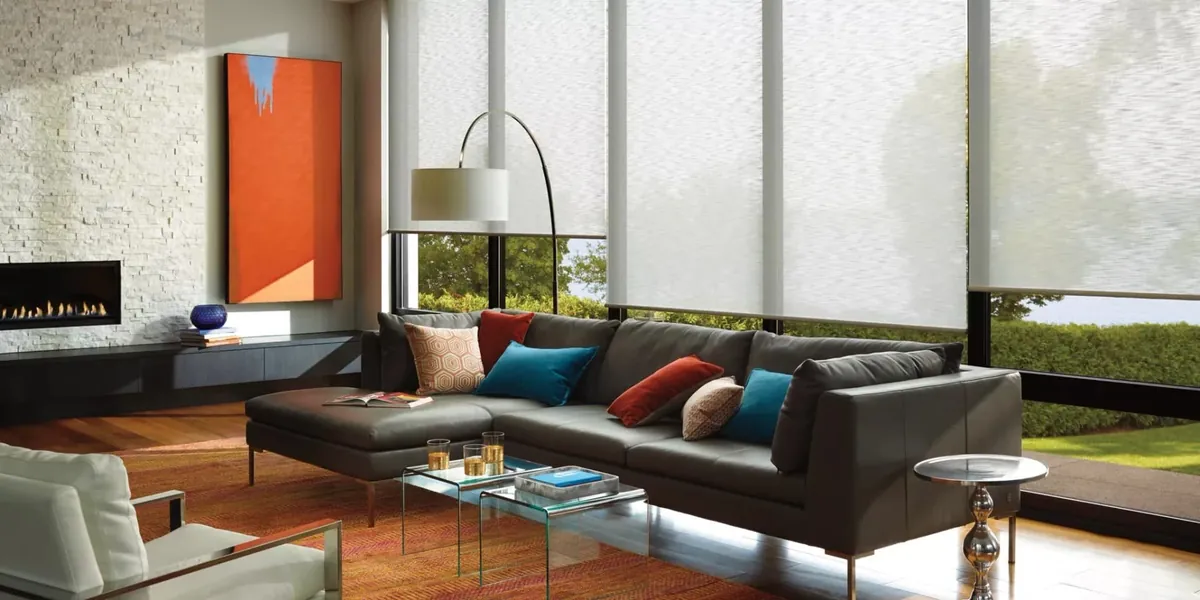
Roller Shades in Brockton
Designer Roller and Alustra shades, from sheer screen fabrics that keep a view to solid ones for a bedroom over the street.
Roman Shades in Brockton
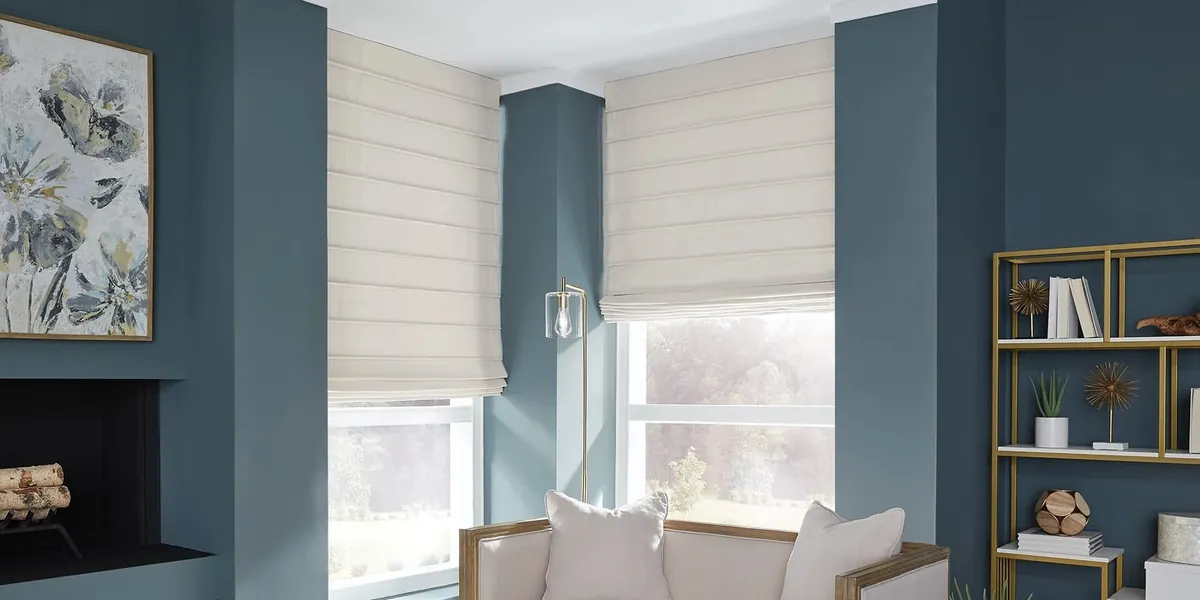
Vignette and Carole romans in flat and folded styles, a soft finish for a parlor bay or a tall front room.
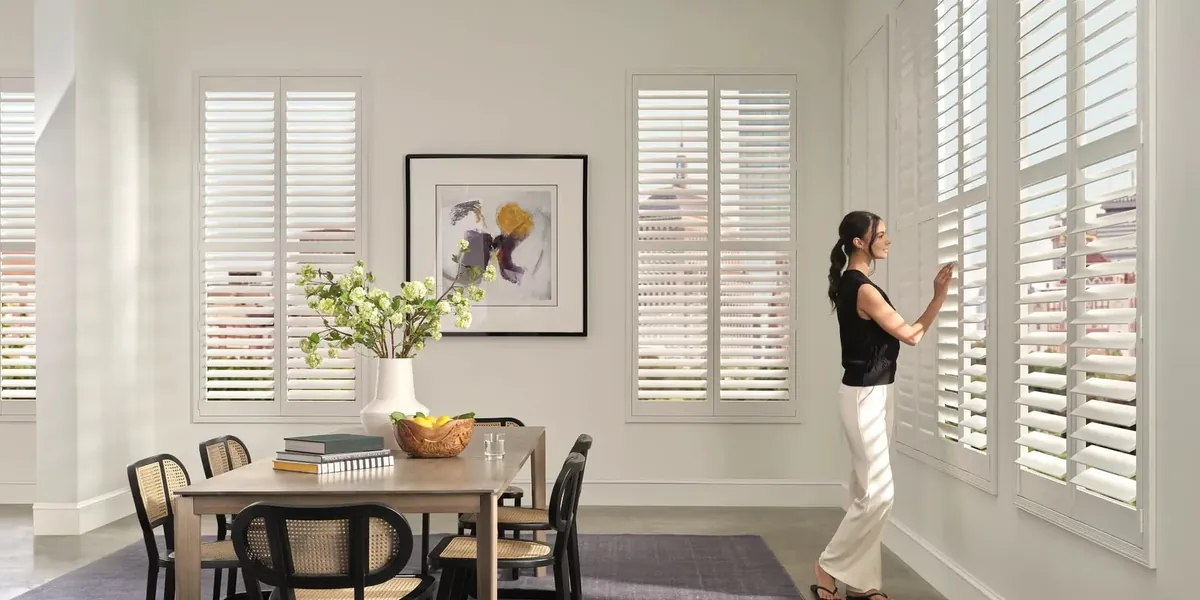
Plantation Shutters in Brockton
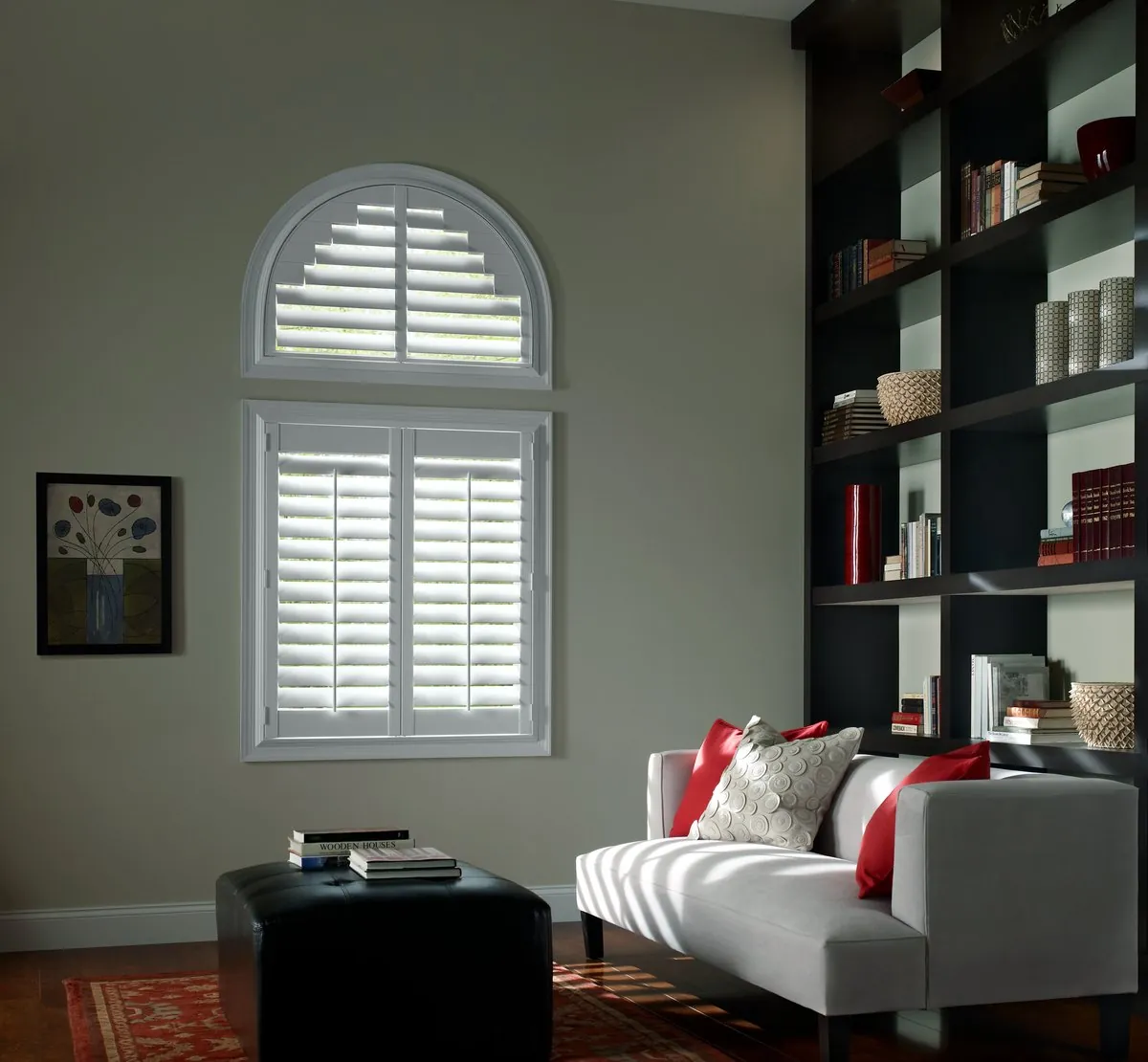
Palm Beach, NewStyle and Heritance shutters, built to the proportions of tall sash, with the louver size chosen for each window.
Motorized Blinds and Shades in Brockton
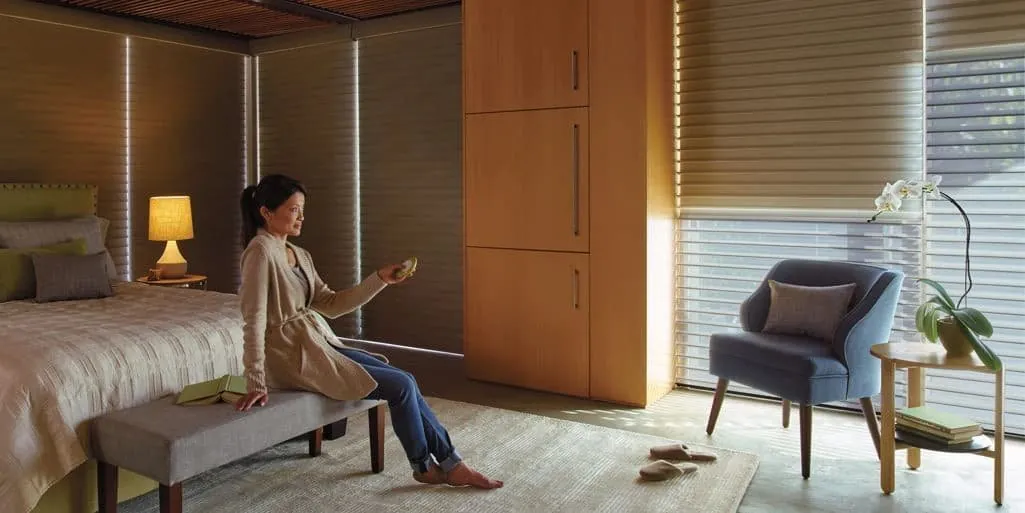
PowerView control by remote, app or schedule, handy where the top of a tall window sits well out of reach.
Hunter Douglas Dealer in Brockton
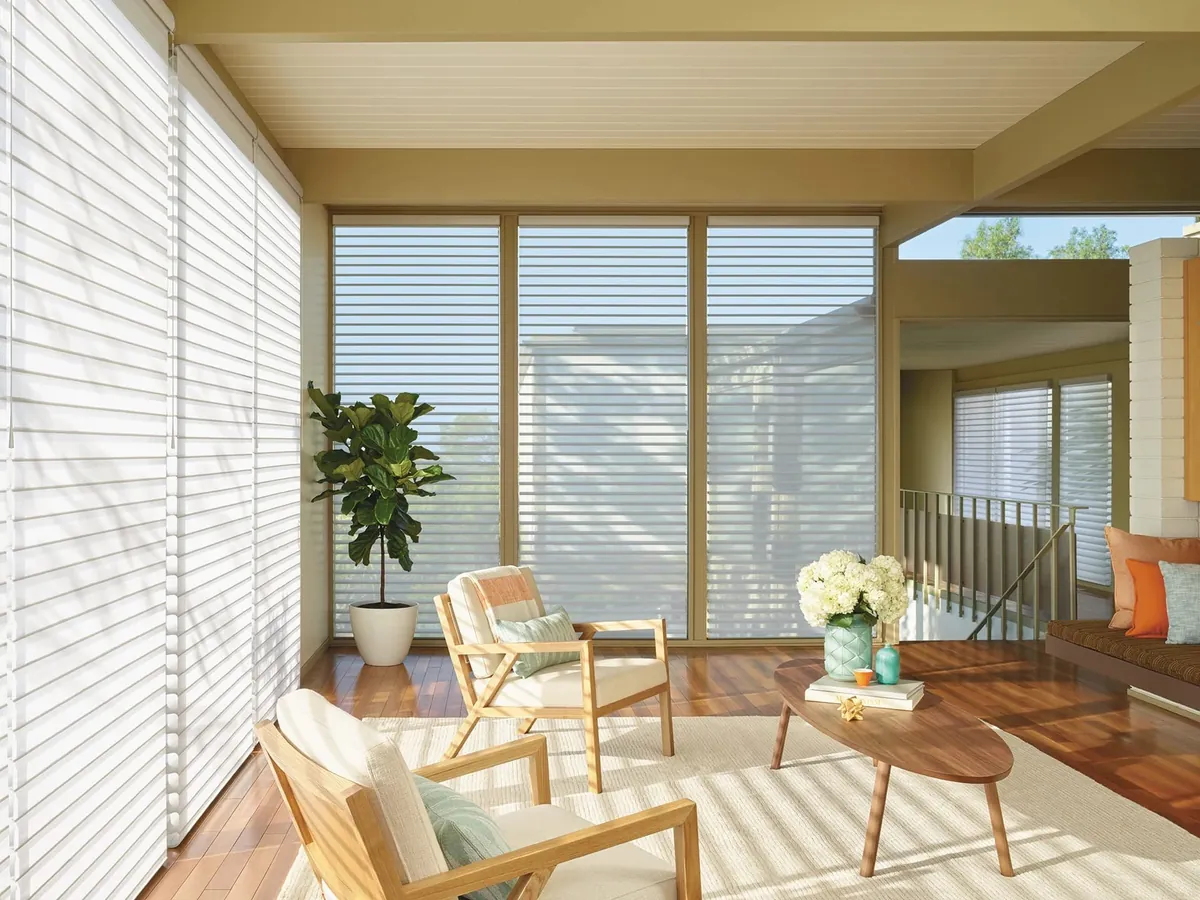
The full Hunter Douglas range from a Gallery dealer, measured at your house and put up by certified Hunter Douglas installers.
Tall sash under high ceilings
The older housing stock across the city was built with generous ceiling heights, and the windows rise to match. A typical parlor window is far taller than it is wide, often with deep wood casings, a sill a little above knee height and a top rail close to the ceiling. Several of them in a row on one wall make a room feel grand, and they also make it very visible from outside.
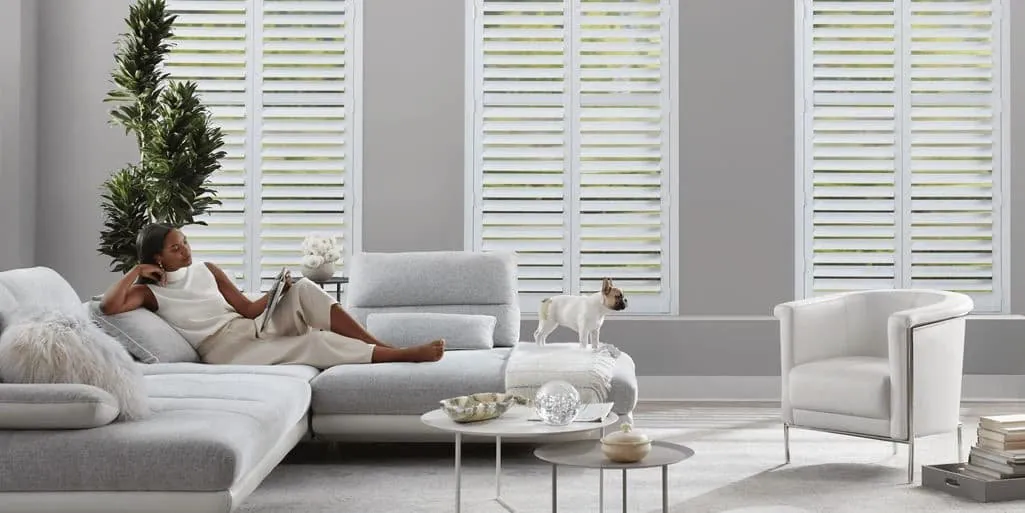
Tall, narrow openings reward coverings that run in a clean vertical line. A honeycomb shade or a roller inside the frame lets the casing show, which suits older trim. Shutters divided into an upper and a lower panel let you open the top for light while the bottom stays shut against the street. Blinds give the same split by tilting, and wood or faux wood slats look at home beside painted Victorian woodwork.
Height brings a reach problem too. The top of a tall window can sit well above where you can comfortably stretch, especially behind a radiator or a piece of furniture. That is one of the most common reasons owners of older houses ask about PowerView: a shade that opens and closes from a remote or a phone takes the stretch out of it.
First floor versus upper floors
In a two- or three-family, each floor has a different relationship with the street, and the coverings can follow that.
- The first floor looks straight at the sidewalk and often at a porch. Privacy at eye level is the priority, day and night. Shutters, blinds and opaque shade fabrics do the most work here.
- The middle floor of a three-family sees over passing pedestrians but faces the windows of the next building almost head on. Light-filtering fabrics that blur the view in both directions are a good fit.
- The top floor often has the best light and the least overlooking, apart from the house next door. Sheer shadings or a more open roller fabric keep the sky in view.
Each household chooses for its own floor. If you own the building, it is worth agreeing one outward color for the front windows, so the house reads as one place from the street while each apartment does what it likes inside.
When three households share one front
A three-family can have a long run of windows facing the street, stacked floor above floor. If each apartment picks its own color and product, the front can end up looking patchy, with a white blind beside a beige roller beside a gap with nothing at all.
Most owners we talk to settle on a simple rule: the side of the covering that faces out stays light and neutral on the street face of the building. Inside, the tenants or the family members on each floor are free to choose fabric color, product and style. Honeycomb and roller fabrics are often available with a neutral outward face, which makes that rule easy to follow.
Owners renting out a floor also tend to choose for durability and plainness on that floor, with a richer choice in their own apartment. We note what goes into each unit so a replacement later can match.
Porches, bays and stair windows
Victorian houses rarely stop at plain rectangles. Several shapes turn up again and again on the older streets:
Front bays. A three-sided bay pushes the parlor out toward the street. Each face needs its own covering, and the side panels often look straight at the next house. Shutters or roman shades fitted to every face give the bay a finished look.
Porch windows. Where a front or side porch wraps the house, the windows behind it get shade from the porch roof but also face anyone standing on the porch. A light-filtering fabric works well here, because the porch already cuts the glare. Closed in the evening, it also keeps a lit room from showing to anyone coming up the steps to the front door.
Stair landings. Many older houses have a window at the turn of the stair, sometimes tall, sometimes oddly placed. It is easy to forget and hard to reach. A simple roller or honeycomb shade, or a motorized one, deals with it without fuss.
Transoms and arched tops. Some parlor and hall windows carry a fixed glass panel above. These can be left clear for light or covered with a fixed shape, depending on how much sun they let in.
Bedrooms that face the street
Bedrooms on the front of a close-set house have two jobs to do. In the morning, they need to stay dark long enough for sleep. In the evening, with the lights on, they need to hide the room from the sidewalk and the house across the way.
A room-darkening honeycomb shade inside the frame handles both. Shutters closed tight are another strong choice, and they look the same from outside whether the louvers are open or shut. If you like drapery panels for a softer look, they can sit over a shade so the shade does the privacy work. For children’s rooms on the street side, we tend to suggest something that can be left down most of the time without the room feeling closed in.
Ranches toward the edge of the city
Out where the streets widen and the lots grow, the post-war ranch takes over. These houses sit on one floor with lower ceilings, a wide picture window in the living room and smaller windows in the bedrooms and kitchen. Setbacks are deeper, so the sidewalk is less of an issue, but the picture window still faces the street and the side windows still face the neighbors.
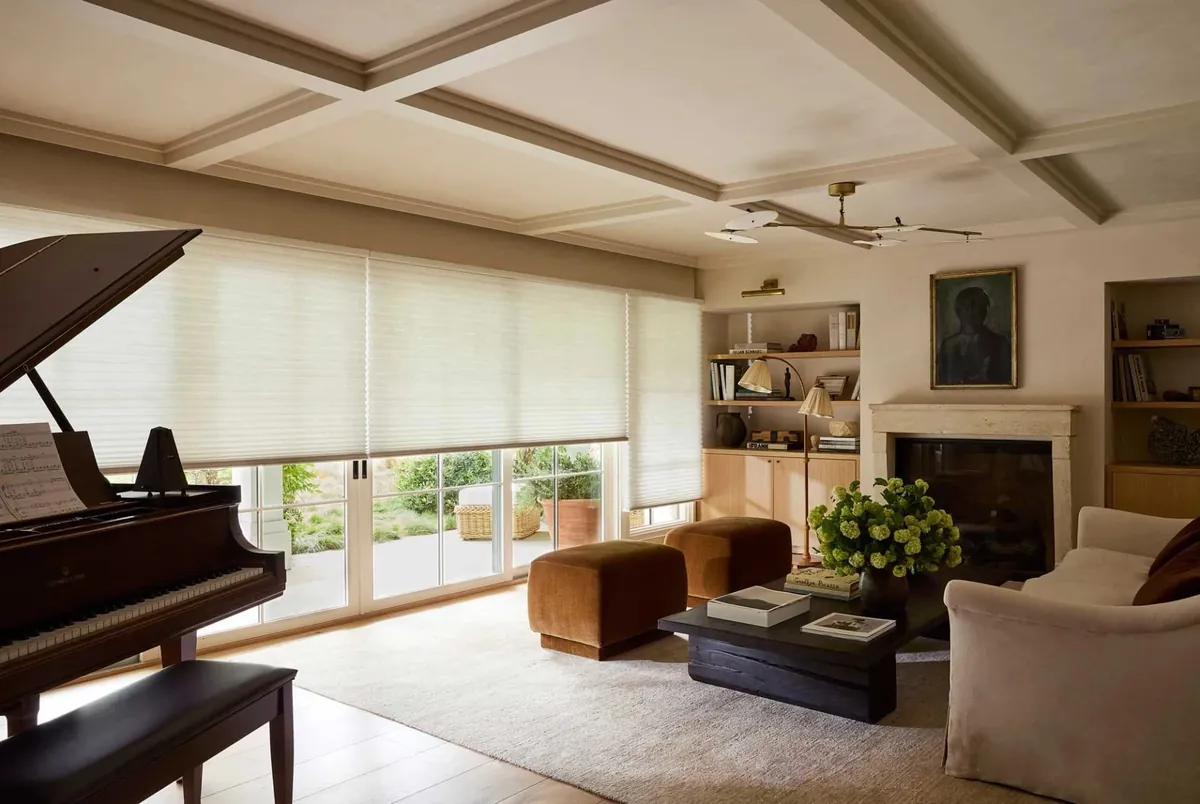
A wide picture window suits a single honeycomb shade, a roller or a sheer shading across the full width. Where it is very wide, two or three shades can share one headrail and move together. Shutters frame a picture window well when the panels are laid out so the louvers line up across the run. In the bedrooms, smaller standard openings take an inside-mount shade neatly.
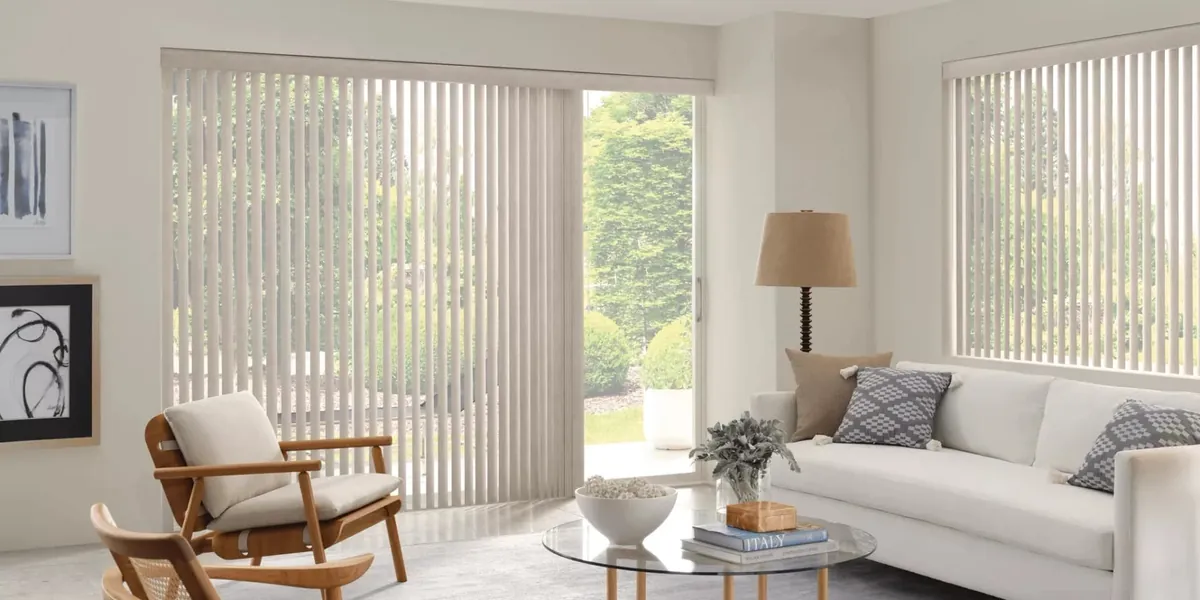
Many ranches also have a sliding door to the back yard. Vertical blinds or a vertical honeycomb shade travel to one side so the door opens fully, and a vertical honeycomb can match the honeycomb shades elsewhere in the house.
How we set up a visit to your house
Our shop-at-home service covers the city from Canton, and the vans carry samples, so we can bring the showroom to you. There is no store to visit in Canton; the consultation happens at your house, which is the best place to judge your light and your sightlines anyway.
- Book a time with Request a Consultation or the call button.
- A consultant arrives with fabric books, slat and shutter samples and a PowerView remote to try.
- You show us the problem windows first, usually the ones nearest the sidewalk or the house next door.
- Samples go up against the glass so you can judge each fabric in your own daylight and from the street side too.
- Every window is measured, including bays, transoms and stair windows.
- You get a free estimate to look over in your own time.
The Canton shop-at-home page has more about the service, and what happens at an in-home consultation walks through a visit.

Choosing by room in a big old house
A large Victorian can hold many different rooms, and the coverings do not all have to match. A sensible plan looks at what each room is used for:
- Parlor and dining room: shutters or roman shades, chosen for how they look with the woodwork.
- Kitchen: blinds or a roller, raised clear of the counter over the sink.
- Bedrooms on the street: room-darkening honeycomb shades or shutters.
- Back bedrooms and a home office: light-filtering shades, where the view is a back yard rather than a sidewalk.
- Bathrooms: faux wood blinds or a light-filtering honeycomb for privacy without darkness.
The street side of every window stays in one tone. Inside, each room gets what suits it.
Kitchens and baths at the back
Kitchens and bathrooms in the older houses are often at the back or the side, with a single window over a sink or tub. These windows face a yard or the next house rather than the street, but privacy still matters, especially in a bathroom where the next building is close.
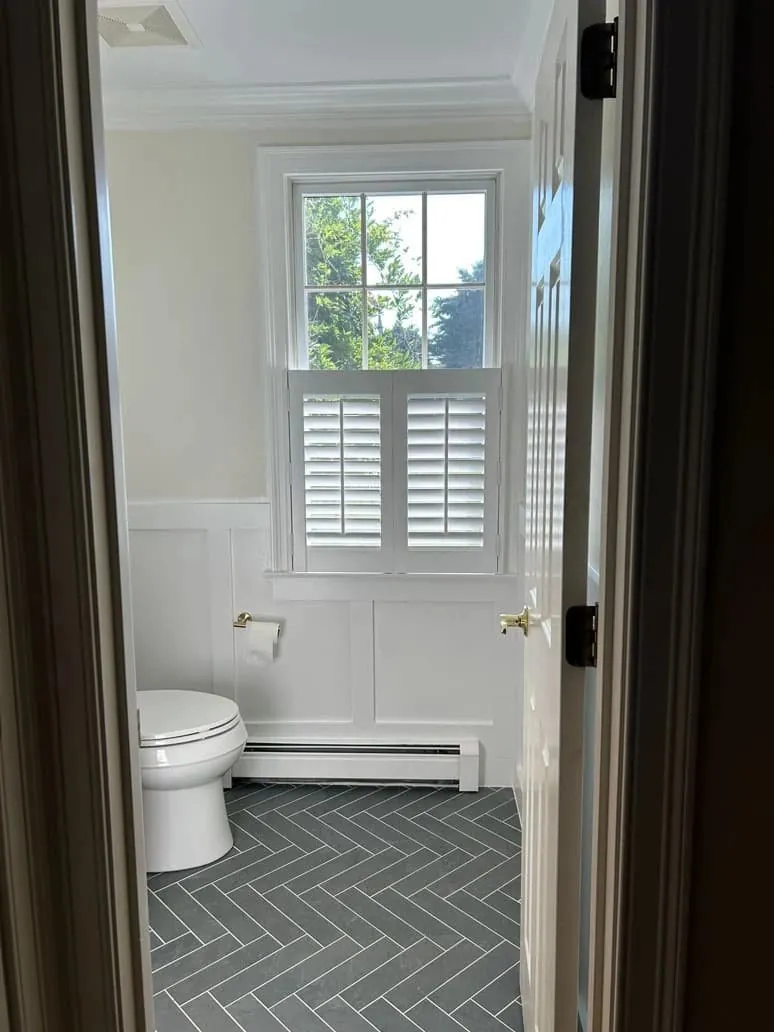
Cafe-style shutters over the lower half of the glass keep the top open to the sky. Faux wood blinds can be tilted to block the view without darkening the room. A light-filtering honeycomb inside the frame is a tidy choice for a small bath window.
Getting control of tall windows with PowerView
Motorized shades take the reaching out of tall windows and let a whole floor move together. With PowerView, shades can be grouped by room or by side of the house and worked from a remote, a phone app or a schedule you set. Street-facing bedrooms can close at dusk on their own, and a parlor can open in the morning without anyone climbing behind the sofa.
In a multi-family building, each apartment can run its own shades independently. We plan how each motor is powered at the visit. More on control is on the motorized blinds and shades in Brockton page.
Color against painted woodwork
Victorian rooms usually come with a lot of trim: wide casings, tall baseboards, picture rails and sometimes a paneled window seat. That woodwork is part of what the window covering sits against, so color choices start there rather than with the wall.
Where the trim is painted white or cream, a covering in the same family disappears into the frame and lets the casing do the talking. Where the trim is stained or a deep painted color, a white shutter or a pale shade can look stark, and a wood blind, a warmer fabric or a stained shutter often sits better. On a three-family where the trim differs floor to floor, each apartment can match its own woodwork while the outward face stays the same.
Window treatments in Brockton, MA, also have to suit rooms that may be painted many times over the years. A neutral covering survives a change of wall color; a strong one may need replacing with it. We bring a wide spread of tones so you can hold the choices against your own trim before deciding.
Coverings you already own
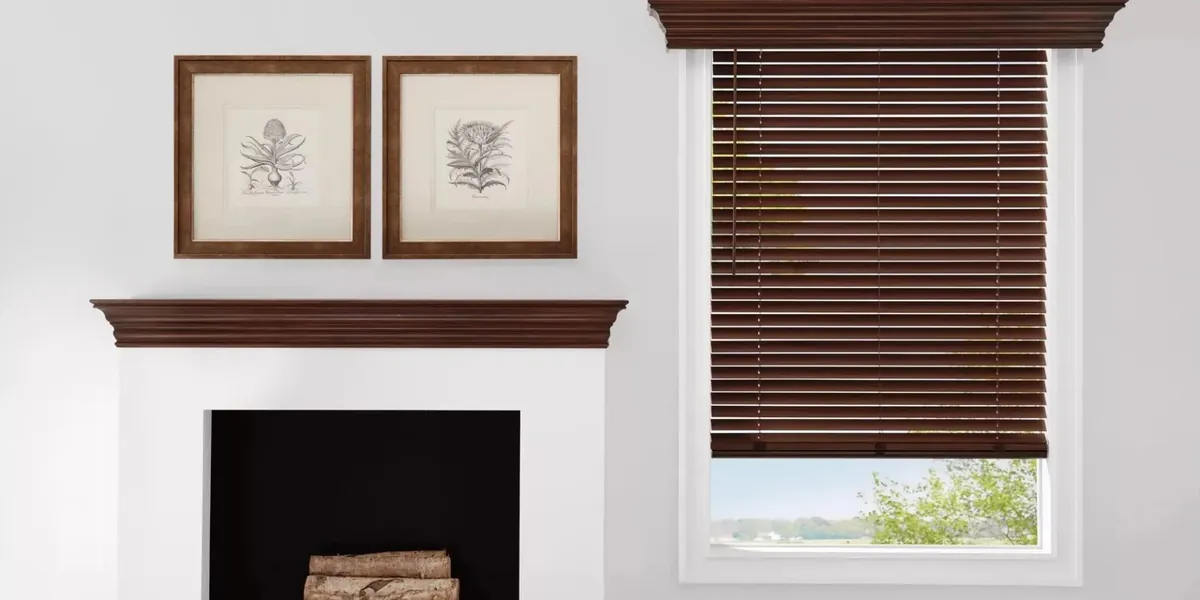
Older houses often come with blinds and shades from a previous owner. If one has a broken cord, a slat that will not tilt or a headrail that has come loose, it may only need a repair. We are happy to look at coverings you already have. See blind and shade repair.
Working with a Gallery dealer
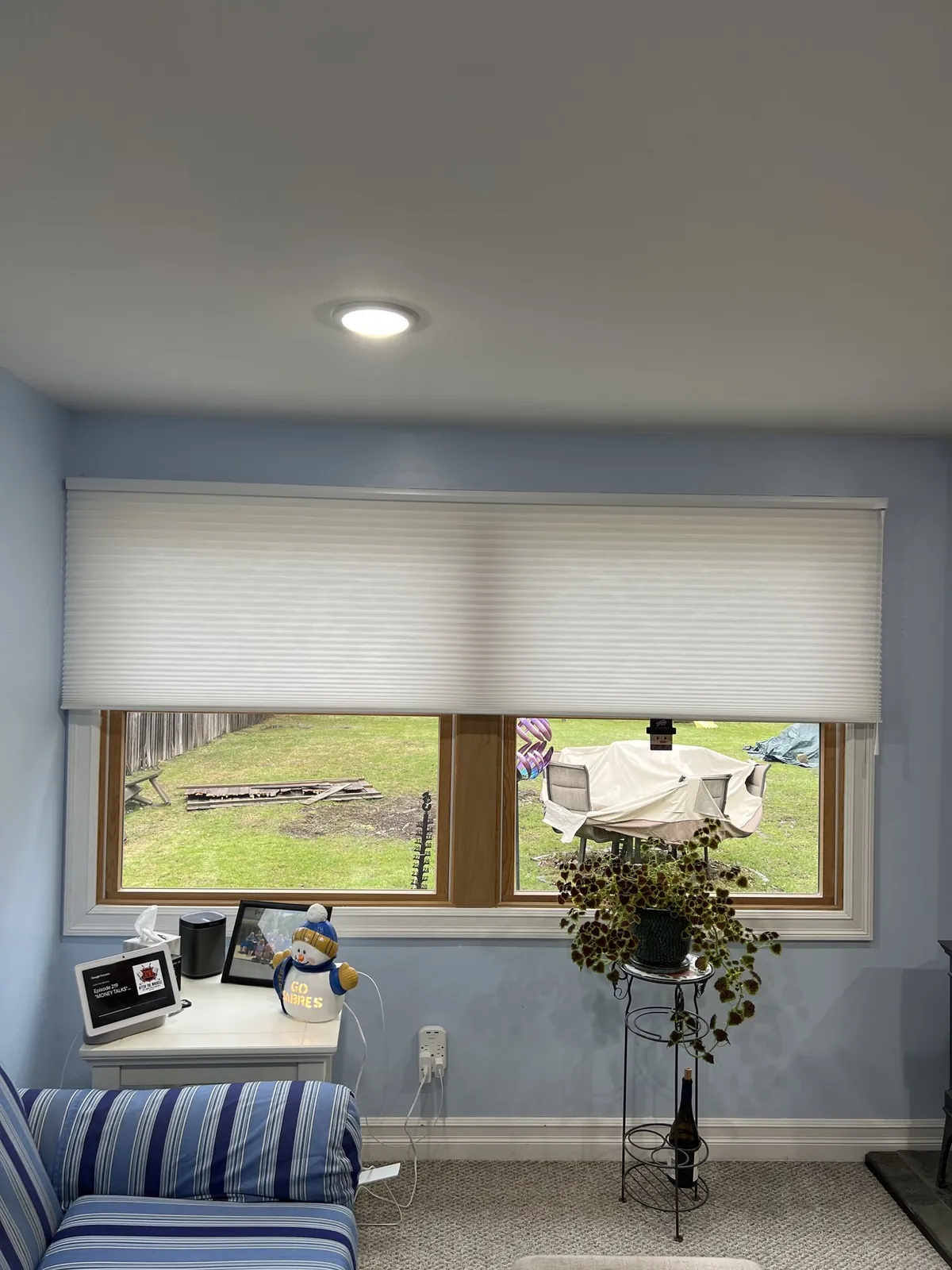
Blinds & Designs is a Hunter Douglas Gallery dealer. For a tall-windowed Victorian, a three-family with rows of street windows or a ranch with one big picture window, that means the full Hunter Douglas line to choose from: honeycomb, roller, roman, sheer and woven shades, wood, faux wood and metal blinds, vertical blinds, shutters and PowerView automation.
Certified Hunter Douglas installers put up every order. We also offer free estimates, interior design consultations and repairs on coverings already in the house. All of it adds up to the window treatments in Brockton, MA, that we take on, whether it is one bedroom or every floor of a building.
Questions from Brockton
My first-floor windows are right on the sidewalk. What gives the most privacy?
Shutters, closed or with the louvers angled, and room-darkening honeycomb shades give the most privacy at eye level. Blinds tilted upward also block the view from below while letting light reach the ceiling.
Do shutters fit tall, narrow Victorian windows?
Yes. Shutters are built to each opening, and on a tall window they are often split into upper and lower panels so you can open the top for light while the bottom stays closed.
I own a three-family. Do all the apartments need the same coverings?
No. Many owners keep the street side of the front windows in one light color so the building looks tidy, and let each apartment choose freely inside.
What works on a ranch picture window?
A single wide honeycomb shade, roller or sheer shading across the whole window, or two or three shades sharing one headrail if it is very wide. Shutters also work when the panels are laid out evenly.
Can I visit a showroom?
Yes. Our nearest showroom is in Franklin. Most visits here begin with an in-home consultation instead, because the samples come to the windows that need them and you see each fabric in your own light.
Your next step
Pick the window that bothers you most, the one nearest the sidewalk or the one that looks into the house next door, and start there. Good window treatments in Brockton, MA, begin at that glass. Request a consultation and we will bring samples to your house, measure every window and leave you with a free estimate to consider. If you would also like to see the range in person, the Franklin showroom page has its address and hours.
Every product line we offer is gathered on our window treatments page.