

Tall windows, long cords and shallow reveals
New Bedford’s older housing is built upward. The mill-era triple-deckers in the North End and the West End stack three floors of rooms with tall, narrow double-hung windows, and the Federal houses in the historic district above the waterfront have high ceilings and windows to match. Blinds and shades on those openings are long, and length changes how they wear. That is the starting point for blind and shade repair in New Bedford, MA.
A long blind has more slats, more cord and more weight hanging from one headrail. Every lift cord runs a greater distance and rubs at more points on the way. The ladders, those thin woven tapes behind the slats, carry more of them. The headrail brackets hold more load, and in many of these houses they are screwed into a shallow reveal that leaves little wood to bite into.
So the repairs we see here are the familiar four, restringing, new cords and wands, headrails and tilt mechanisms, with a local twist: on tall windows they tend to happen sooner, and how the product is mounted matters as much as the part that broke.
Repairs for New Bedford’s tall windows
Here are the faults we hear about most on the windows of the older wards. Each one is a part, not the whole product, which is why a repair is often the sensible answer.
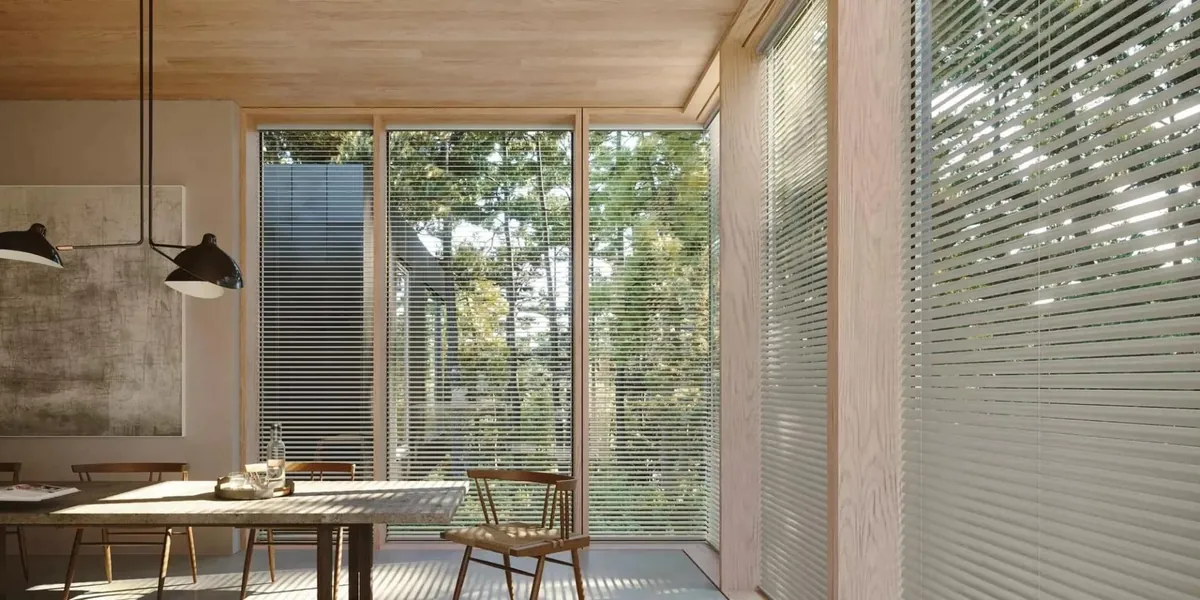
Broken lift cords
On a long blind, one snapped cord drops the bottom rail at an angle. Restringing replaces the cords along their full run.
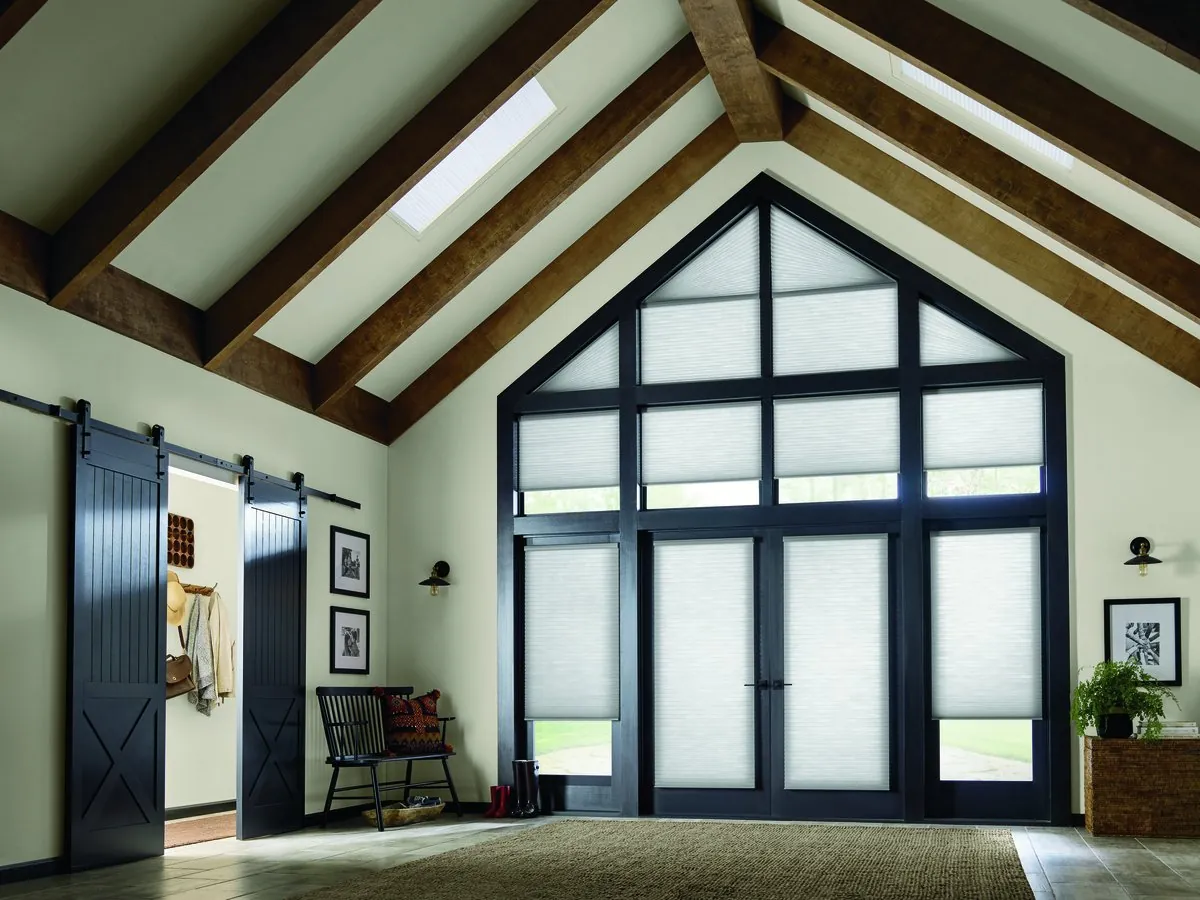
Rotted ladder strings
The woven tapes that hold each slat level. When a rung breaks, slats droop or fall out of line.
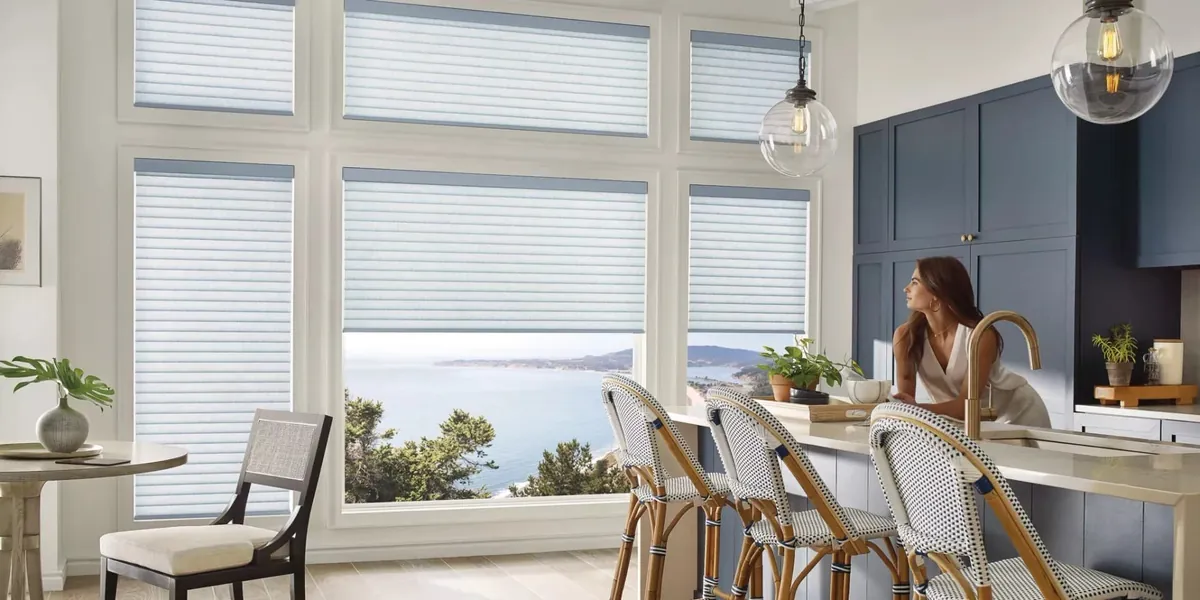
Wands and tilters
A snapped wand, a hook that will not stay on, or a gear inside the headrail that has stripped so nothing tilts.
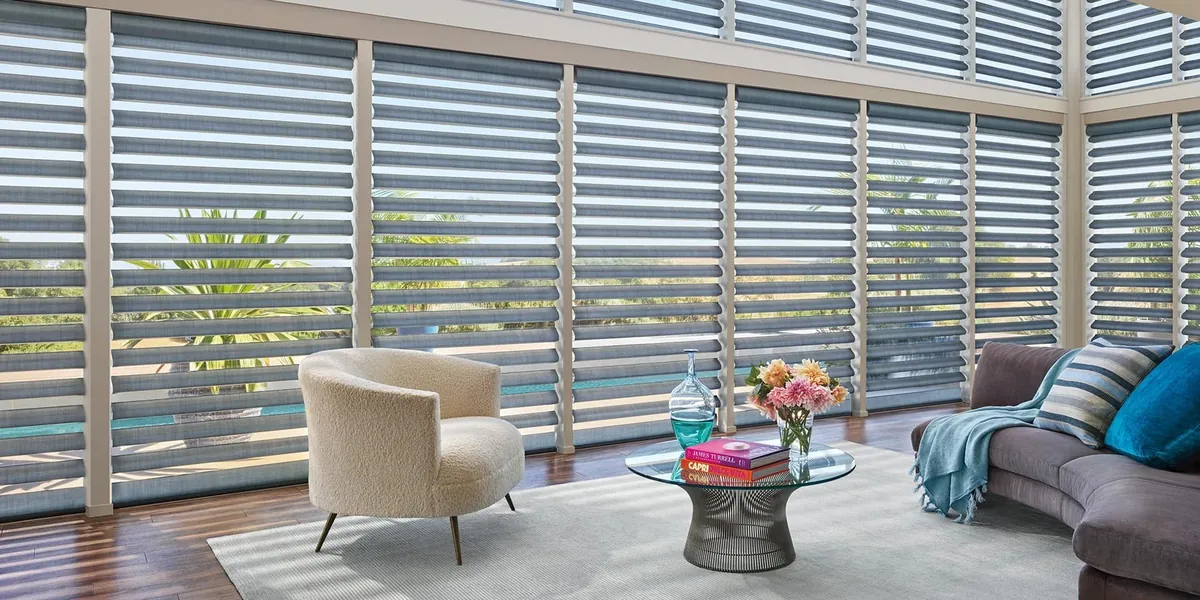
Loose or bent headrails
A rail that has pulled out of a shallow reveal or bent under the weight of a tall product.
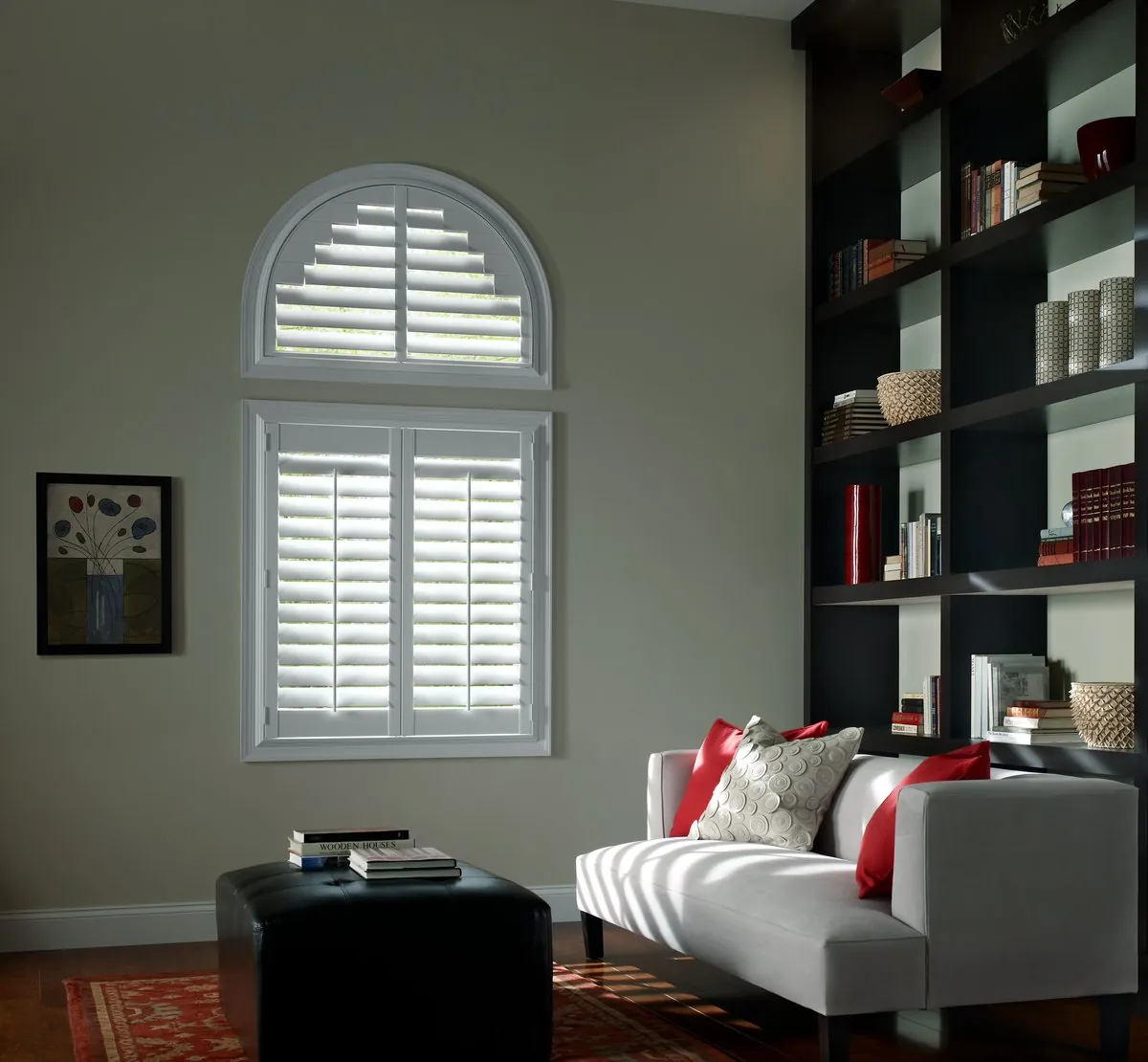
Shutter panels and louvers
Louvers that will not hold their angle, a detached tilt rod, or a tall panel that has started to sag on its hinges.
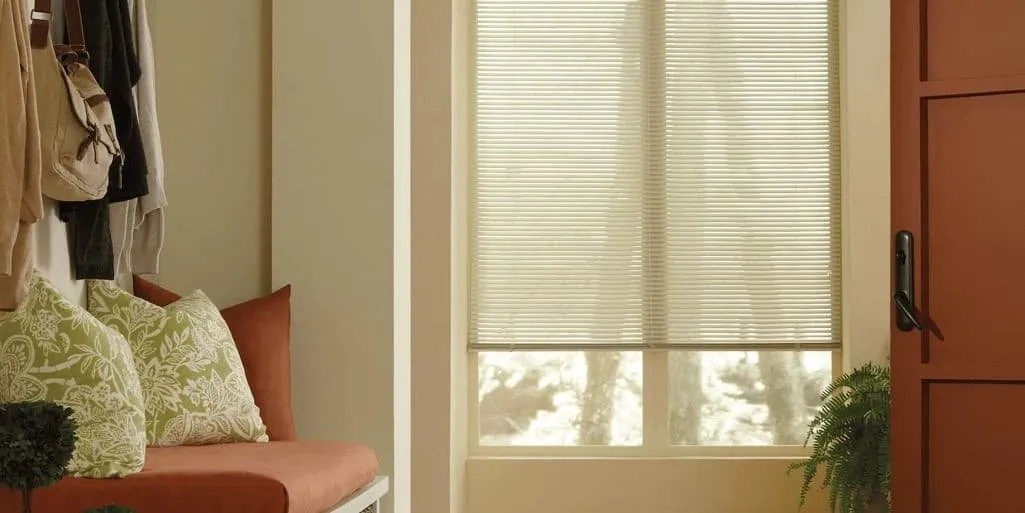
Metal mini blinds
Bent slats, a cord lock that slips and worn end caps on the narrow blinds often found in entries and stairwells.
Why tall blinds lose their cords first
Think of a lift cord as a rope over a pulley that is not really a pulley. At the top of the blind it turns a corner over the edge of the headrail, then threads down through a hole in every slat. Each time the blind is raised, the cord drags across all of those edges. On a short window there are a dozen or so; on the tall windows of a Federal house there may be far more.
That is why cords on tall blinds tend to fray sooner, and why the fraying is usually worst at the top, where the cord leaves the headrail, and at the cord lock, where it is gripped. When one side finally goes, the blind tips, and pulling the remaining cord only drags the bottom rail further off level.
Restringing a tall blind properly means replacing both lift cords together and checking the ladder strings while everything is apart. If the cord wore against a burr on the headrail or a bracket that sits slightly out of line, that gets sorted as well. Blind and shade repair in New Bedford on these windows is about removing the cause, not just swapping the cord.
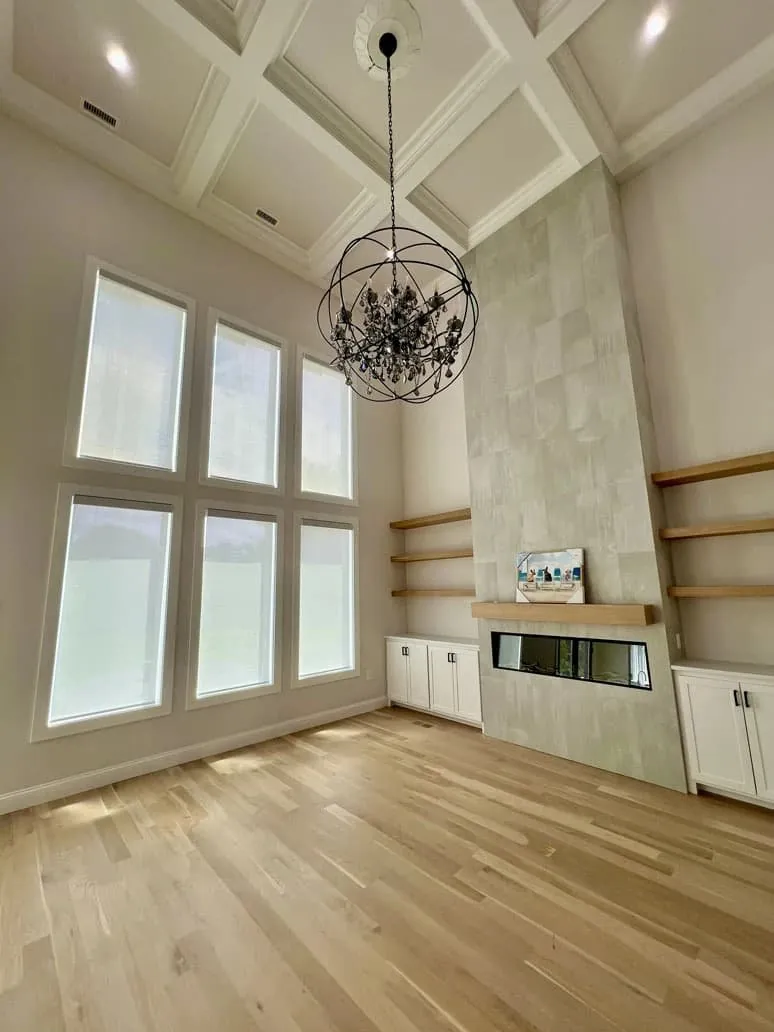
Shallow reveals and how a blind is held up
The depth of a window reveal, the distance from the face of the trim to the glass, decides how a blind or shade can be mounted. In many New Bedford houses that depth is shallow. A Federal window may have beautiful trim and very little room inside it; a triple-decker window may have been reworked over the years so the frame is thinner than it once was.
A blind mounted inside a shallow reveal has brackets screwed into a narrow strip of wood. Raise and lower it every day for years and those screws can loosen, especially in old wood that has been painted and stripped many times. Once a bracket lets go, the headrail drops at one end and everything below it wears unevenly.
Repairing that often means resetting the brackets a little to one side into sound wood, using brackets suited to a shallow mount, or in some cases moving the mount to the face of the trim. Where the historic district’s expectations about how a window looks from the street apply, we keep any change to the mounting as discreet as the window allows, so the product still sits quietly in the opening. If you want to understand the terms we use, our guide to window measuring terms explains inside and outside mounts and what a reveal is.
High ceilings and the headrail you cannot reach
High ceilings bring a practical problem: the top of the blind is out of reach without a ladder. On the upper floors of a triple-decker, or a Federal parlor with tall windows, a cord or wand failure is more than an annoyance, because you cannot easily get up there to see what went wrong.
Tilt wands on very tall blinds are long, and a long wand has more leverage on its little hook at the top. Pull it sideways once too often and the hook wears or the stem it hangs from snaps. A replacement wand, and where needed a new stem or tilter, puts that right.
Motorized shades are common on windows that are hard to reach, and they can be repaired too. A PowerView shade that has stopped answering may need re-pairing, a look at its power supply, or a closer look at its motor. Tell us what it is doing and what you have tried, and we will suggest the next step.

Federal houses and keeping the street view consistent
Above the waterfront the historic district sets a tone, and many houses there present a row of windows to the street that look best when they match. When one blind in that row fails, replacing it alone can leave it looking different from its neighbors: a slightly different color, a different slat, a headrail that sits at another height.
That is one of the better arguments for repair. Restringing, a new tilter or a straightened headrail keeps the original product in place, so the front of the house stays consistent. We look at the blinds beside the one that failed as well, because products bought together usually wear together, and it can make sense to deal with two or three at once rather than come back later.
If a product is past repair and does need replacing, the custom blinds in New Bedford page explains the options, and we can talk about how close a match is possible.
A quick check before you get in touch
You can narrow down most faults yourself in a minute or two, and it helps us give you a better first answer. Try this on the blind or shade that is giving trouble.
- Raise it slowly. Does it rise level, or does one side lag?
- Lower it and let go of the cord. Does it stay where you left it, or creep down?
- Turn the wand gently. Do the slats tilt together, or does the wand spin freely?
- Look at the headrail. Is it level, and are both ends seated in their brackets?
- Snap a picture of the window as a whole and, where it is safe to reach, the sticker or tag the maker put on the rail.
Pass those answers on in your Request a Consultation message, or read them out over the phone. With those answers we can usually say whether it sounds like a cord, a lock, a tilter or the mounting, and what a proper look would involve.
Triple-deckers and windows by the dozen
A triple-decker has a lot of windows, and often the same kind of blind on many of them, fitted at the same time. That pattern matters for repairs. When the first blind in a set needs restringing, others from the same batch are often not far behind, because they have seen the same sun and the same daily use.
The front and back porches of these houses add their own wear. Windows that open onto a porch get bumped and opened more, and blinds on those windows tend to have bent slats at the bottom and cords that have been tugged at awkward angles. A bent slat can often be replaced on its own. A cord lock that has been yanked sideways for years usually needs a new one.
When there are several blinds with the same fault, it is worth asking about them together. Blind and shade repair in New Bedford, MA, on a house with many matching windows is often a handful of similar fixes, and describing them all at the start makes the whole thing simpler.
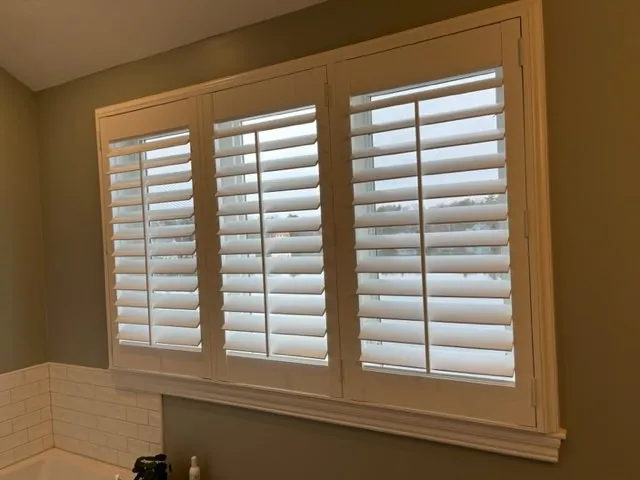
Honeycomb shades on narrow sash
Cellular shades are a common choice for the narrow windows of the upper floors, because they hold warmth well and stack small when raised. Their lift cords run inside the honeycomb cells, hidden from view, and that is both their strength and the reason a repair takes care. When a cord breaks inside a tall, narrow shade, the fabric drops on one side and the cells crease where they fold against each other.
A narrow shade has less room for error than a wide one. Its two lift cords sit close together, so if one runs even slightly long the shade twists rather than tilts, and the bottom rail can rub the window frame. Restringing means drawing new cord through every cell in line with the old path, then setting the length so the shade rises straight in a slim opening.
Cordless honeycomb shades rely on a spring system in the headrail instead. If one will not stay where you leave it on a tall window, the spring may have weakened under the length of fabric it carries. Some of those systems can be adjusted and some parts replaced. When the fabric is clean and the cells still hold their shape, either repair is usually worth considering.

Roller shades, springs and clutches
Roller shades lift differently from blinds. Instead of cords running through slats, the fabric winds onto a tube inside the headrail. Older rollers use a spring inside the tube; many newer ones use a clutch worked by a loop of beaded chain, or a cordless spring system.
When a roller will not stay down, or snaps up too hard, the spring has usually lost or gained tension. When the chain slips or the shade will not move at all, the clutch is often the culprit. Fabric can also track sideways on the tube over time, so it rolls up crooked and catches on the bracket. Many of those faults can be adjusted or the part replaced while keeping the fabric, which is the part you chose and see every day.
On the tall windows of the older wards, a long roller carries a lot of fabric, and that weight is hard on the clutch. If yours is grinding or slipping, it is worth having it looked at before the chain or the clutch gives out altogether.
Wood blinds in the older parlors
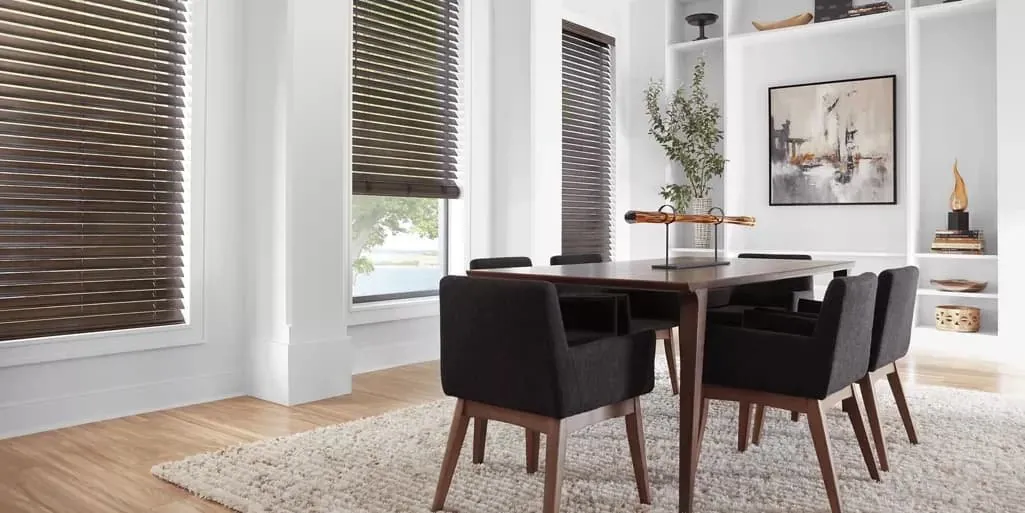
Real wood blinds suit the high-ceilinged front rooms of the older houses, and plenty of them hang there. Wood is heavier than faux wood or metal, so a tall wood blind puts real weight on its lift cords, its ladders and its brackets. When something gives, it tends to be the part carrying the most load: the cord on the side nearest the cord lock, or the bracket at the end where the cord exits.
Wood slats also react to the house. In a room with radiators under the window and a draught from the sash in winter, slats can dry out and, now and then, crack along the grain. A single cracked slat can usually be replaced on its own, so the blind looks whole again. If many slats have warped, that is a sign the blind has reached the end, and we will say so.
The other thing worth knowing is that wood blinds on tall windows are often fitted with a cord tilt rather than a wand, using a pair of cords that turn the tilter from one side. Those cords fray in the same way lift cords do, and the tilter behind them can wear. Blind and shade repair in New Bedford, MA, on a wood blind usually covers the tilt cords and the lift together, since they share a headrail and have done the same years of work.
Honest about when repair is not the answer
We like doing repairs, and we also think it is part of the job to say when one is not a good idea. If the fabric has faded or split, if the headrail is cracked as well as the part you called about, or if the same product keeps failing, patching it may not hold for long.
If we think so, you will hear it from us straight. The choice stays yours: go ahead with the repair where one is possible, or leave things as they are, with no obligation to order anything. If you do decide to replace a product, our in-home consultations explain how we bring samples to you, and everything we offer in the city is on our New Bedford page.


Why bring a repair to a Gallery dealer
Gallery status is Hunter Douglas’s own mark for dealers who meet its standards, and Blinds & Designs holds it, with installation certified by Hunter Douglas as well. Both count for something on a repair. Knowing how the lift is threaded, how the tilter seats in the headrail and how a bracket should carry a tall product is what turns a quick patch into a proper fix.
We welcome repairs on window coverings you already own, whether we fitted them or they were in the house when you arrived. A blind restored to the way its maker designed it tends to stay working, which is the whole aim.
For the wider picture, see our main blind and shade repair page. Of our showrooms, the one in North Dartmouth is nearest to New Bedford.
Questions from New Bedford
My tall blind drops at one side when I raise it. What has broken?
Most likely one lift cord has frayed through, or a ladder string has broken. On a long blind both happen sooner than on a short one. Restringing both cords and checking the ladders usually puts it right.
The window reveal is shallow and the blind keeps falling out. Can that be fixed?
Often. The brackets can go back into firmer wood, swapped for brackets suited to a shallow mount, or moved to the face of the trim. We keep the change as discreet as the window allows.
Can you repair a blind so it still matches the others on the front of the house?
That is one of the best reasons to repair. Keeping the original product in place keeps the row consistent from the street. We will also check the neighboring blinds while we are there.
My roller shade will not stay down. Is it finished?
Not usually. A roller that creeps up or will not hold has a spring or clutch problem, and those can often be adjusted or the part replaced while keeping the fabric.
Do you only repair products you sold?
No. Any blind, shade or shutter already hanging in your house is welcome. Describe it and the fault, and we will say whether it looks repairable.
Start with a photo
For blind and shade repair in New Bedford, MA, a picture of the window and a line about what the blind or shade is doing is all we need to begin. Attach it to a Request a Consultation message and we will reply with our honest read on the fault and the likely next step. You can also use the call button, or bring your photos to the North Dartmouth showroom.