
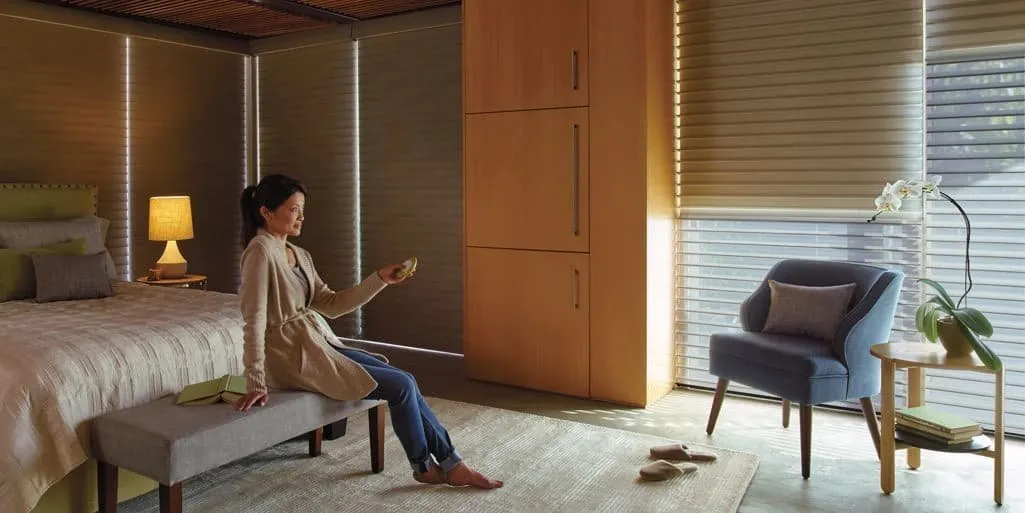
When the neighbors are a few steps away
In the village center at the western end of the canal, houses stand close together. Older homes, converted cottages and apartments above the shops on Main Street look across short gaps at one another, and from many windows the nearest thing you can see is a neighbor’s wall or window. Privacy is the first job a window covering does here, and when a blind or shade fails, that is what you lose.
That gives blind and shade repair in Buzzards Bay, MA, a particular focus. The repairs are the usual ones, restringing, new cords and wands, headrails and tilt mechanisms, but the part that wears fastest is whichever one controls privacy. On a horizontal blind that is the tilter and its wand, used morning and night to open and close the slats. On a shade it is the lift that lowers it at dusk and the cord lock that holds it there.
The openings themselves add a twist. Many of the village’s older windows are small and original, so blinds and shades sit inside tight frames where there is little room to spare. A headrail that shifts even slightly in a small opening starts to rub, and a cord that runs at an angle wears quickly.
Privacy faults we fix in the village
Most of the calls from the village fall into three groups, and each comes back to the same thing: a window that will not cover up when you need it to.
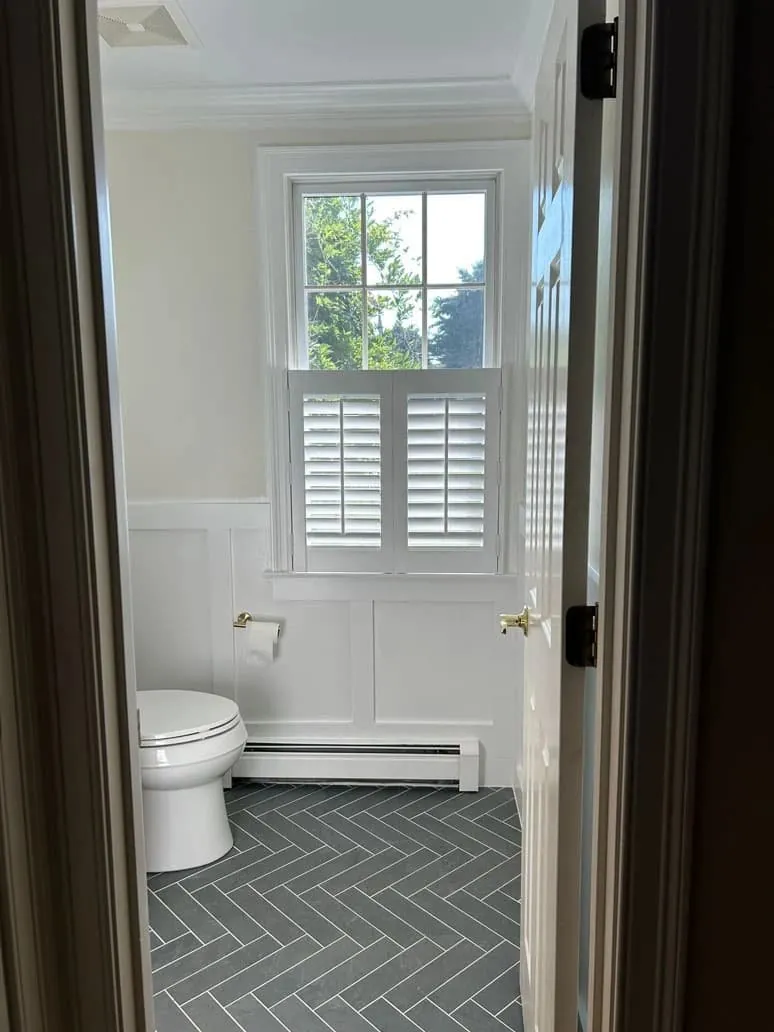
Slats that will not close
A wand that spins freely, a tilter that has stripped, or a ladder tape that has broken so some slats hang open. On shutters, louvers that drift open on their own.

Shades that will not stay down
A cord lock that slips, a cordless spring that has weakened, or a roller clutch that lets the fabric creep back up after dark.
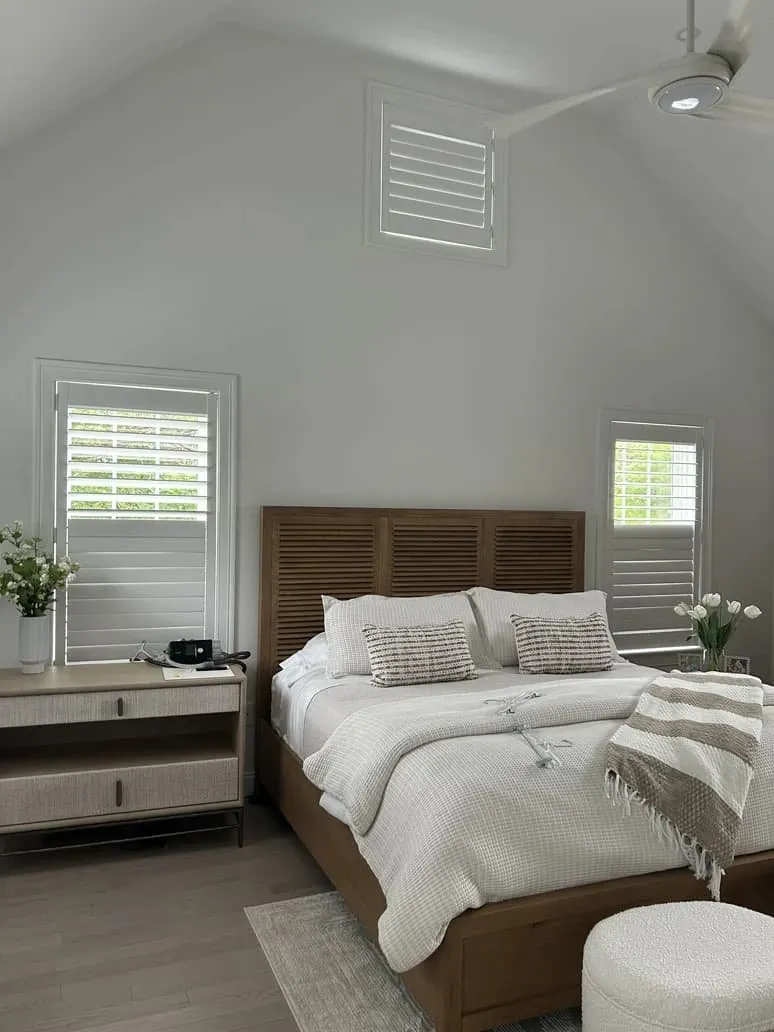
Top-down shades that stick
Top-down, bottom-up shades with two rails and two sets of cords, where one rail jams or sags and the gap you rely on for light and privacy is lost.
Why the privacy parts wear out first
Think about how often a blind in a close-set house gets used. Slats tilted open in the morning for light, tilted shut at night against the windows next door. A shade lowered every evening, raised every morning. Over a year that is hundreds of cycles, and over many years it adds up to a lot of work for some very small parts.
The tilter, a little gearbox inside the headrail, takes the brunt on a horizontal blind. Its plastic gears wear with use until they slip, and then the wand turns without the slats following. The tilt wand itself, grabbed in a hurry when a neighbor’s light comes on, gets pulled sideways and its hook wears or the stem breaks. On a shade, the cord lock pinches the same short length of cord every evening until the cord flattens and the lock no longer bites.
None of that means the product is finished. Tilters, wands, stems and cord locks are replaceable parts. When the slats or fabric are still in good shape, replacing the worn part brings the privacy back.
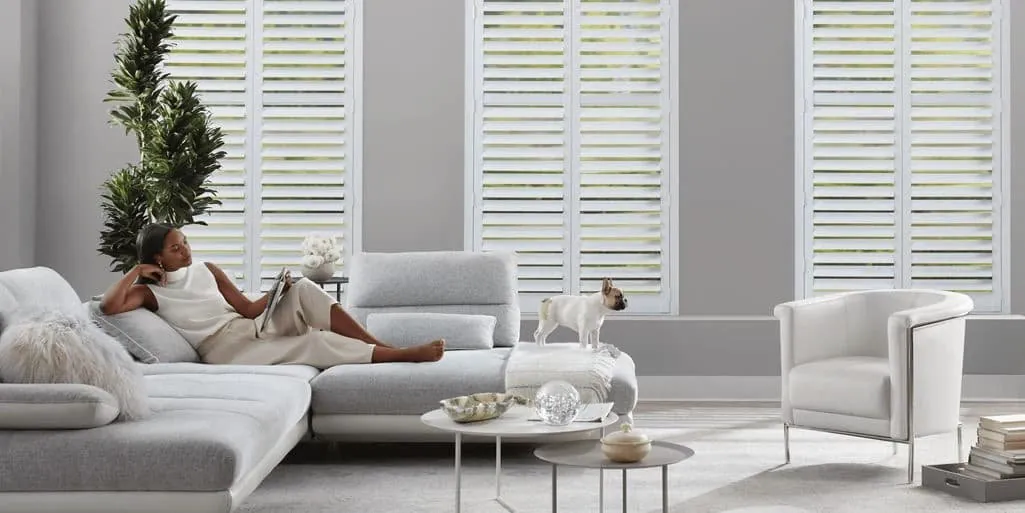
Small original openings
Many of the older houses and cottages in the village kept their original windows, and they are small by modern standards. A blind or shade mounted inside one of those openings has very little clearance. That is part of what makes it look neat, and part of what makes it sensitive.
If a bracket loosens and the headrail drops even a fraction at one end, the product tilts in its frame. The bottom rail starts to catch on the sill or the side of the opening, and the cord on the low side rubs harder against the edge of the headrail. In a small frame, that slight misalignment wears a cord out quickly and can scuff the slats or fabric.
Repairing that is usually twofold: replace the worn cord, then reset the headrail so it sits level and clear of the frame. In old, much-painted wood, a bracket may need to move slightly to find a firm hold, and we show you the spot before anything is moved. Our guide to window measuring terms explains inside mounts and clearances if you want to know what we mean.
Converted cottages and windows of every age
Plenty of the village’s cottages have been converted and extended over the years, and the windows show it. One house might have small original sash at the front, a newer replacement window in the kitchen and a slider out to a small yard at the back. Each kind of opening suits a different kind of window covering, and each fails in its own way.
The original sash usually carry small blinds or cellular shades with short cords that are used constantly. The replacement windows tend to have standard sizes and blinds that were bought in a batch, so when one goes the others are close behind. The slider usually has a vertical blind or vertical shade, whose carriers and vanes take knocks every time someone steps through.
That mix means a single visit can involve quite different repairs: a restring on one window, a new tilter on another, a couple of vane carriers on the slider. If several windows are giving trouble, it helps to describe them all when you first get in touch.
Upper-floor apartments above Main Street
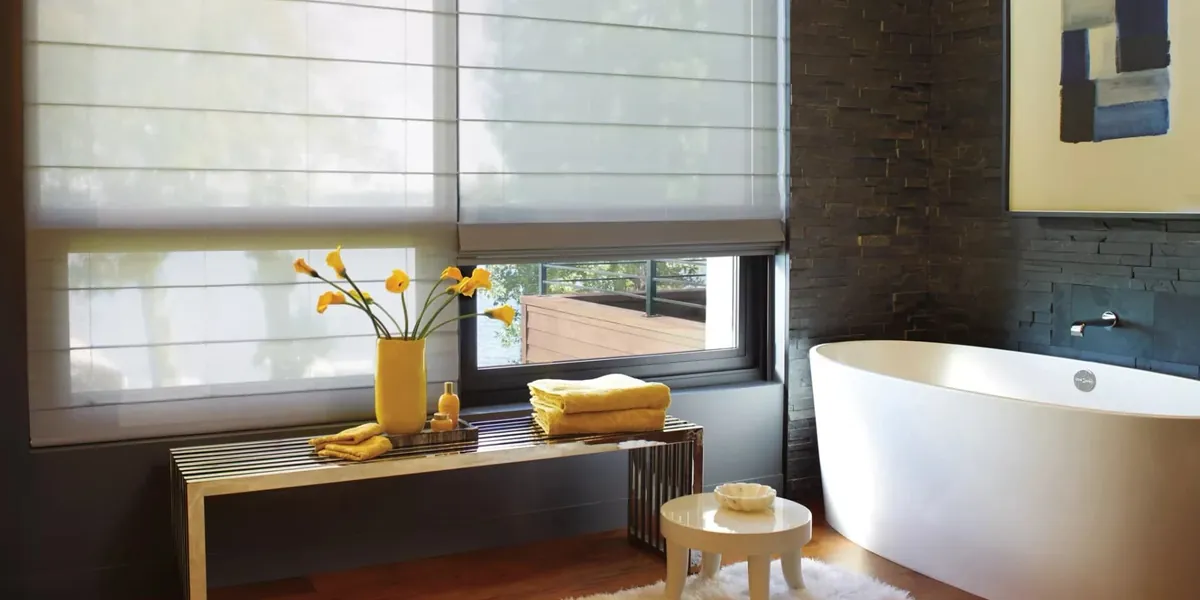
Apartment conversions above the shops on Main Street have windows that face the street directly, often at the same height as windows across the way. Privacy in those rooms means a covering that closes fully and stays closed, and in a bedroom it often means one that blocks light as well.
Room-darkening shades in those windows work hard. Their lift cords, or their cordless spring systems, are used every day, and when one fails the shade sags at an angle and leaves a bright gap down one side. Restringing or adjusting the lift puts the shade back square, which closes the gap. Roller shades with a beaded chain clutch are common here too; when the clutch wears, the shade slowly creeps up and the room is suddenly on show.
Small upper-floor windows can be awkward to reach, so motorized shades turn up as well. A PowerView shade that has stopped responding may just need re-pairing or power. Tell us what it does when you press the button, and we will suggest the next step.
Blind and shade repair in Buzzards Bay for top-down shades
Top-down, bottom-up shades are a favorite in close-set houses, because you can lower the top to let in sky and keep the bottom covered from the house next door. They are clever, and they have twice the moving parts: two rails, each with its own set of cords, both threading through the same fabric.
When one set of cords frays or breaks, that rail drops at an angle and the shade loses its shape. If the middle rail sags, the gap at the top grows and the privacy at the bottom shrinks. Restringing a top-down shade means replacing the cords for both rails along their exact paths, then setting the lengths so both rails move level. It takes care, but on a shade whose fabric is still clean it is well worth doing.
If you only use one rail, you may not notice the other has a problem until it suddenly drops. Checking both when one is repaired saves a second call later.
What happens when you ask about a repair
Here is the usual order of things, from your first message to a blind that closes properly again.
- Tell us through Request a Consultation, or by the call button, which product it is, which window and what it is doing.
- Include a picture if you can, ideally of the whole window and of the headrail.
- We tell you whether it sounds repairable, and what a closer look would involve.
- The whole product gets checked, not just the part you mentioned, since tilters, cords and locks tend to wear together.
- If repair is not the sensible choice, we explain why and let you decide.
Nothing new has to be bought for a repair to be looked at.
Tilt wands and the slats that follow them
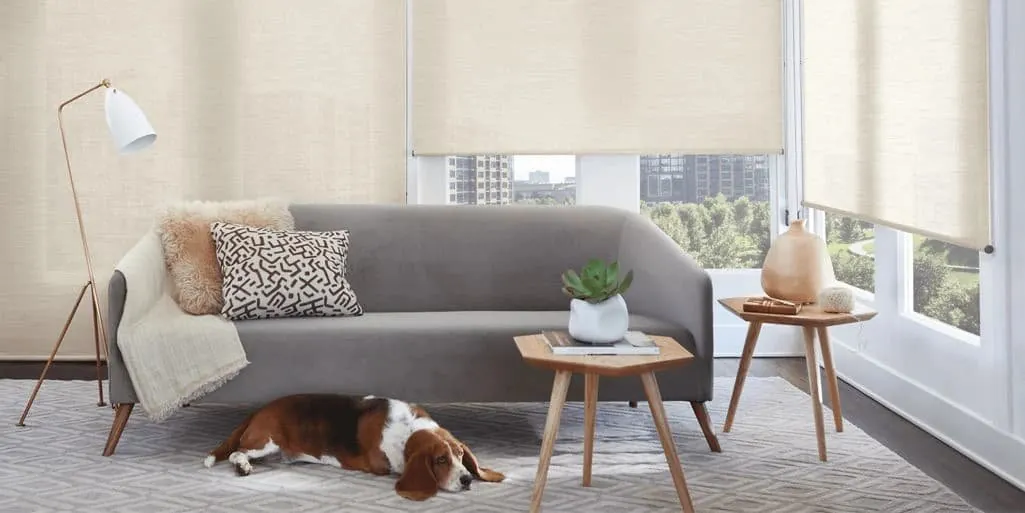
On most horizontal blinds the wand is the way you control privacy. It hangs from a short stem on the headrail, and turning it drives the tilter, which turns a rod that winds the ladder tapes and rotates every slat together.
When it goes wrong, the symptom tells you where. A wand that falls off has a worn hook or a broken stem. A wand that turns with nothing happening has stripped gears in the tilter. A wand that will not turn at all has a seized tilter, and forcing it is the surest way to snap the stem. A blind where most slats close but a few stay open usually has a broken ladder rung behind those slats.
Each of those is a part that can be replaced. Wands and stems are the simplest. Tilters mean opening the headrail. Ladder tapes mean restringing the slats. Our installers are certified by Hunter Douglas, and they know how each of these parts seats in the headrail so the blind tilts smoothly again.
A stopgap while you wait
If a blind has failed in a room where privacy really matters, a few simple measures can help until it is repaired:
- If the slats will not tilt, lower the blind fully; even open slats give some screening when the blind is all the way down.
- If a shade will not stay down, draw a curtain across it or use another room after dark for the time being.
- Avoid forcing a stiff wand or a stuck rail, which can turn a small repair into a bigger one.
These are only temporary. Tell us what has happened and we will let you know what the fix involves.
Why a small gap matters so much at night
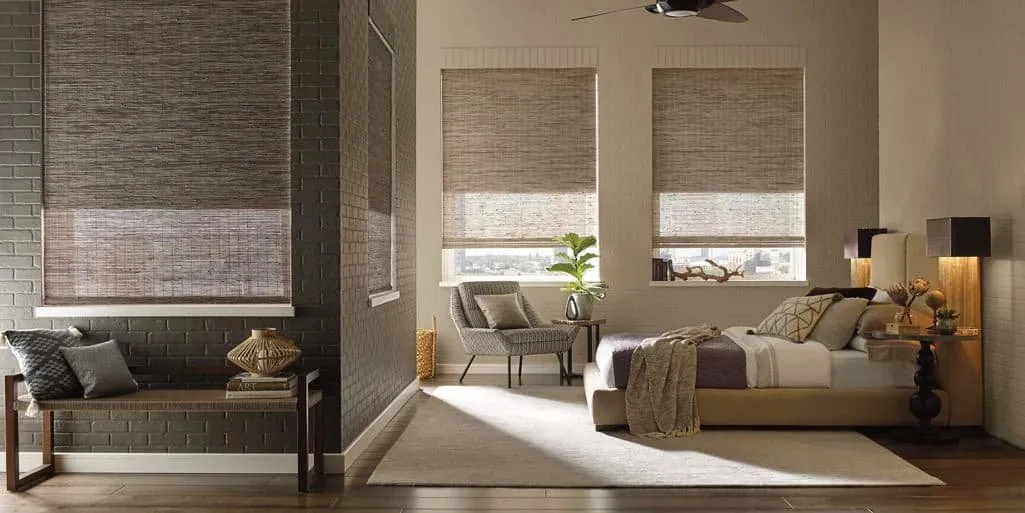
In the daytime a blind that hangs slightly crooked is a cosmetic problem. After dark, with lamps on inside, it becomes a privacy problem. A lit room seen from outside shows every gap: the sliver down the side of a shade that sits at an angle, the line of open slats where a ladder rung has broken, the strip at the top of a roller that will not quite come down.
That is why village repairs often start with a complaint that sounds small. The blind still works, mostly. But a neighbor’s window a few steps away looks straight at the gap. For blind and shade repair in Buzzards Bay, MA, closing those gaps is often the whole point of the job: squaring a shade so it fills its frame, replacing the broken ladder tapes so every slat closes, or adjusting a roller so it reaches the sill.
It is worth looking at your windows from outside one evening with the lights on. You may find a gap you had stopped noticing.
Vertical blinds on the back slider
Many converted cottages have a slider at the back, often opening to a small yard that is overlooked by the houses around it. A vertical blind or vertical shade usually covers it. When it works, it gives full privacy with a quick pull; when a few vanes are missing or hang crooked, the gaps are obvious.
Each vane hangs from a small carrier in the headrail track. The vanes nearest the opening get brushed every time someone steps through, and their carriers crack or the vanes drop out. A stiff track, clogged with grit from the yard, adds strain and breaks more carriers. Single carriers and vanes can usually be replaced, and a cleaned track lets the vanes travel and rotate together again.

Shutters on close-set windows
Plantation shutters are a good fit for village houses, since the louvers can be angled to let light in while blocking a direct view. They have no cords, but their louvers pivot on pins with a set tension, and a tilt rod or hidden mechanism links them together.
When the tension eases, louvers drift open on their own, which defeats the point on a window facing a neighbor. Tilt rods can come away from a louver, and hinges can sag so a panel rubs the frame. Most of those faults can be adjusted or repaired with the shutters left in place.
Cafe-height shutters, covering only the lower half of a window, are common on village windows that face the street or a neighbor’s side door. Because they are opened and closed by hand many times a day, their hinges and catches wear sooner than those on full-height panels. A catch that no longer holds lets the panel swing open; a hinge that has dropped lets the panel scrape the sill. Both are small fixes, and both bring back the screening that made cafe shutters the right choice in the first place.
Repair or replace, honestly
Repair makes sense when the slats or fabric are in good condition and the fault is a worn part. It makes less sense when the fabric has split or faded, when several parts are failing at once, or when the same blind keeps letting you down. In that case we tell you plainly, and the choice is yours.
Blind and shade repair in Buzzards Bay, MA, is about keeping the window coverings you have working. If you decide to look at something new for a room, our in-home consultations explain how we bring samples to your house, and our Buzzards Bay page lists what else we offer in the village.
The Sagamore showroom is close by
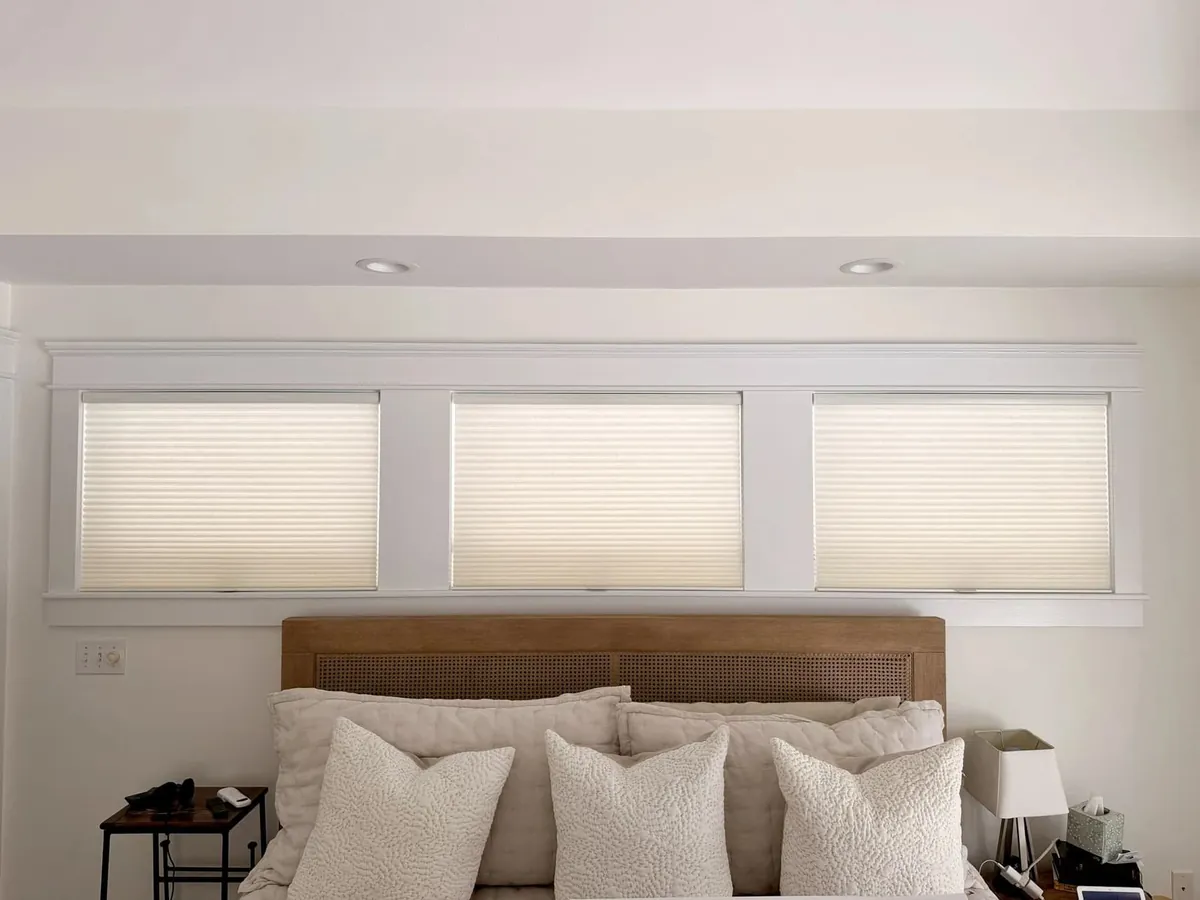
Our Sagamore showroom is the nearest of our locations to the village. It is a straightforward place to bring your photos and questions about a repair.
If a product is hard to take down, or you would rather we saw it in place, say so when you get in touch. A blind seen in its own small frame, with the house next door in view, often shows its fault straight away.
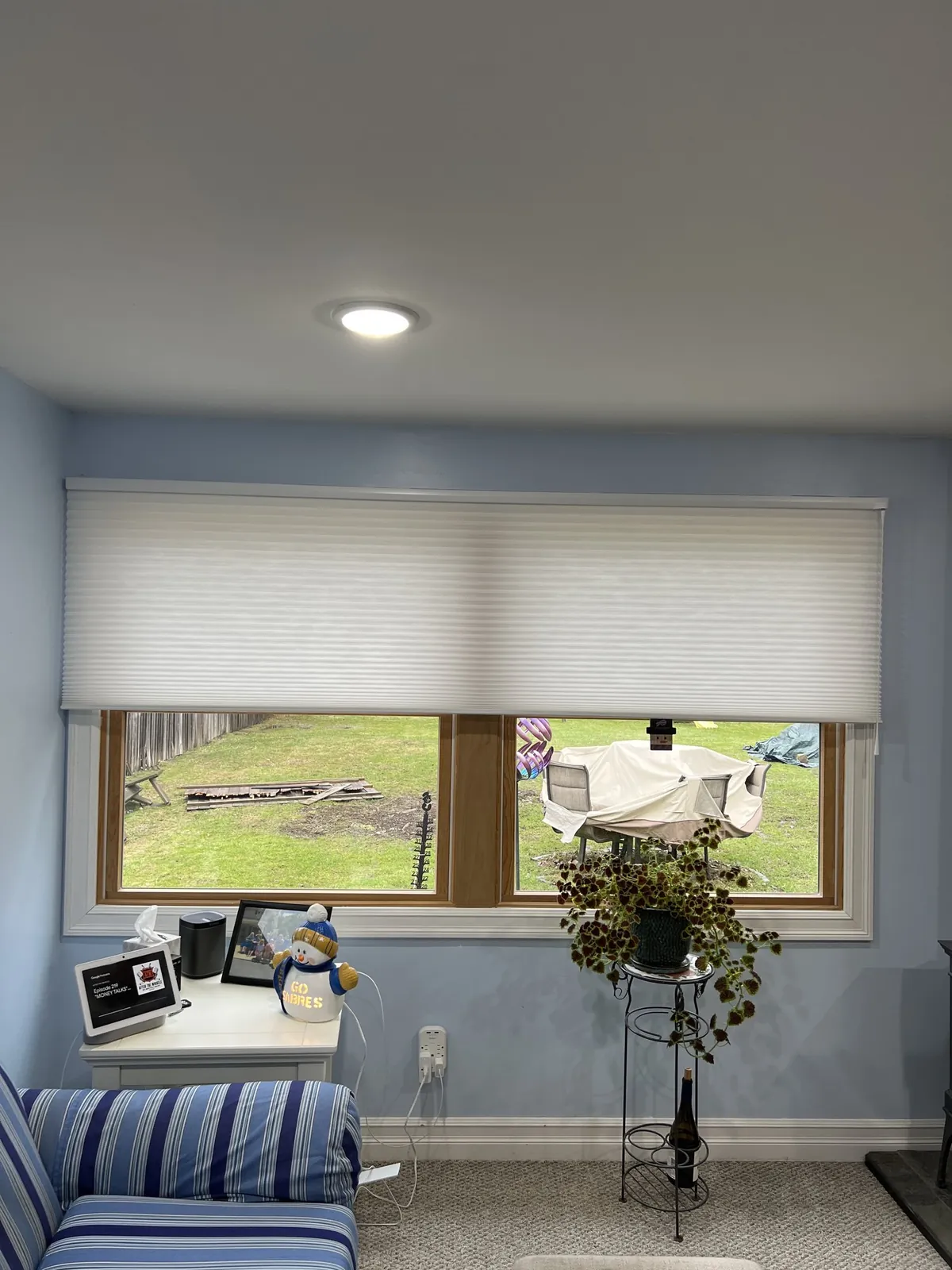
Repair work from a Gallery dealer
Blinds & Designs is a Hunter Douglas Gallery dealer, with installation certified by Hunter Douglas. For a repair, that means knowing how a top-down shade is strung, how a tilter sits in its headrail, and how a small inside-mounted blind should clear its frame.
We welcome repairs on window coverings you already own, whether we fitted them or not. See our main blind and shade repair page for more, or our custom blinds in Buzzards Bay page if you are thinking about new blinds for another room.
Questions from Buzzards Bay
My blind will not close properly at night. Can it be fixed?
Almost always, if the slats are in good shape. The usual cause is a worn tilter or a broken wand stem, and both can be replaced. If only a few slats stay open, a ladder tape has probably broken.
My top-down, bottom-up shade has dropped on one side. What happened?
One set of cords has frayed or broken. Restringing both rails along their original paths and setting them level brings the shade back. It is worth checking the other rail while it is open.
The blind in my small window rubs the frame. Why?
In a small opening, a headrail that drops even slightly tilts the blind enough to catch. Resetting the headrail level, and replacing any cord worn by the rubbing, usually solves it.
Can you repair a room-darkening shade that leaves a gap down one side?
Often. A gap down one side usually means the lift is uneven. Restringing or adjusting the lift squares the shade up and closes the gap.
Do you repair window coverings in apartments?
Yes. Tell us what the product is and what it is doing, wherever it hangs, and we will tell you whether it sounds like a repair.
Getting your privacy back
Blind and shade repair in Buzzards Bay, MA, starts with a short message through Request a Consultation describing the window and the fault, with a picture if you have one, and we will come back to you with our view. The call button works just as well, and the Sagamore showroom is nearby if you would like to talk in person.