
Tall windows, deep reveals and a lot of history
New Bedford was built up close. Through the North End and the West End, mill-era triple-deckers stand shoulder to shoulder, and in the historic district above the waterfront the Federal houses keep their brick and clapboard fronts to the street. Inside, the rooms share a pattern: high ceilings and tall, narrow double-hung windows that let in a lot of light for their width. Window treatments in New Bedford, MA, have to work with that shape.
Two things decide most of what we suggest here. The first is the reveal, the depth of the window opening between the face of the wall and the sash. It tells us whether a shade or shutter can sit neatly inside the frame or has to go on the casing. The second, in the historic district, is what the window looks like from the street, because these are houses people expect to keep their period face.
We measure every opening, look at the trim and the hardware, and suggest treatments that respect both. And because our vans carry samples, we can bring the showroom to your door.
Window treatments in New Bedford, MA, from one dealer
Every service here has its own New Bedford page. Start with the one you need, or let us plan the whole house in one visit.
Blinds made to measure
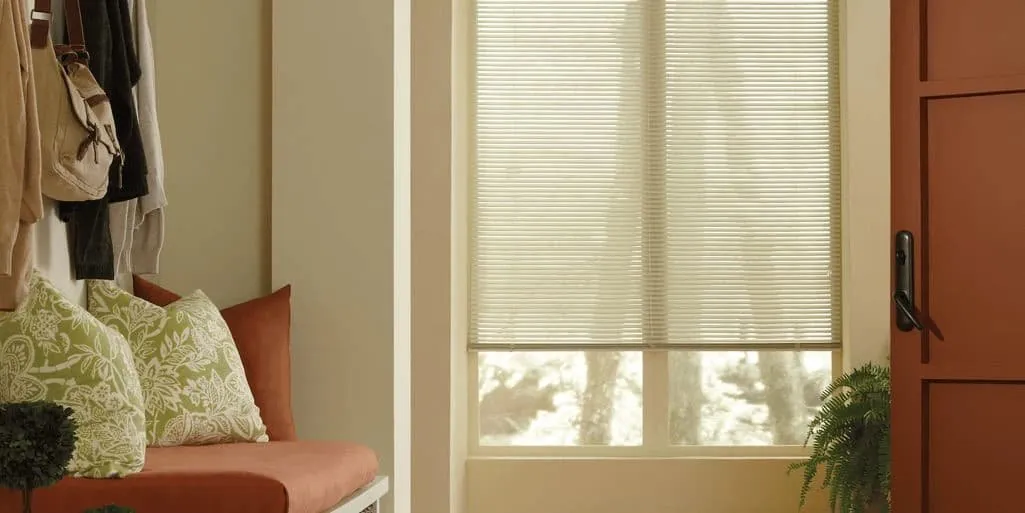
Wood, faux wood, metal and vertical blinds cut to each tall, narrow opening, with slats that steer light up toward a high ceiling.
Cellular shades
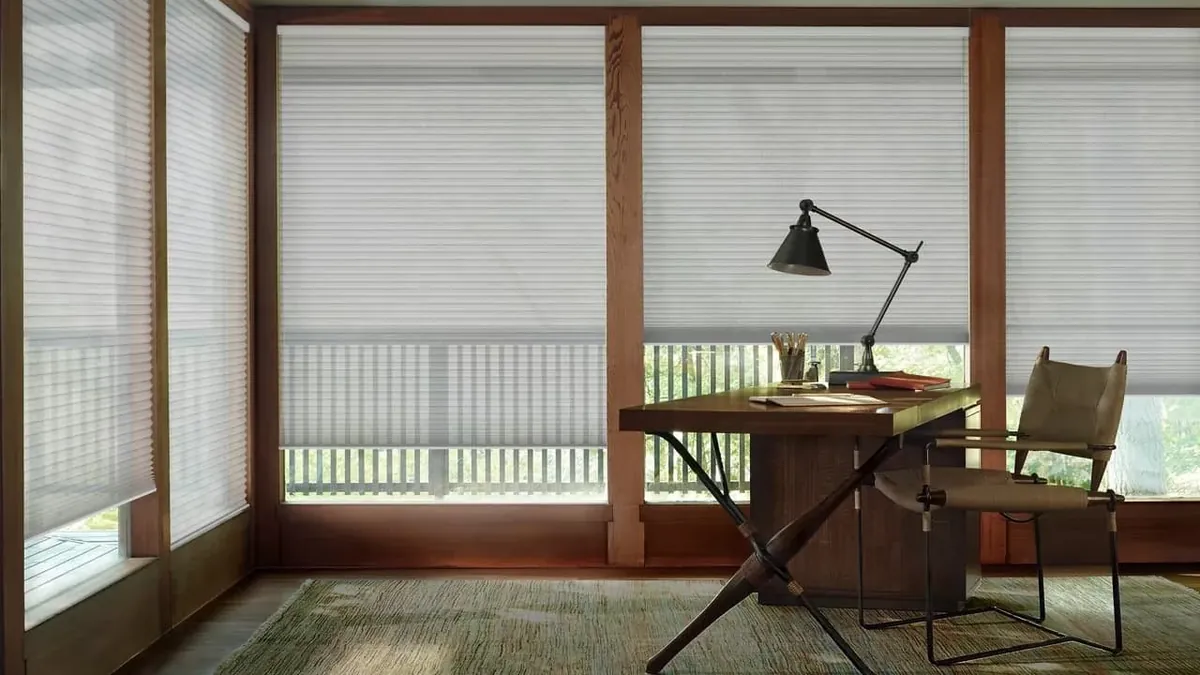
Duette and Applause honeycomb shades with a slim stack, so a shallow old reveal can still take an inside mount.
Roller shades
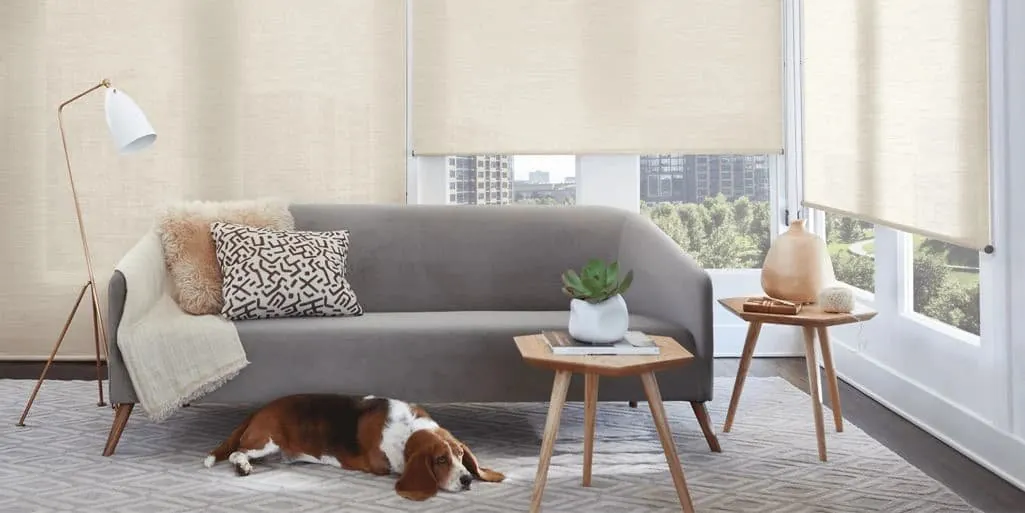
Designer and Alustra rollers and screens, simple and slim, for kitchens, back bedrooms and anywhere a plain line suits.
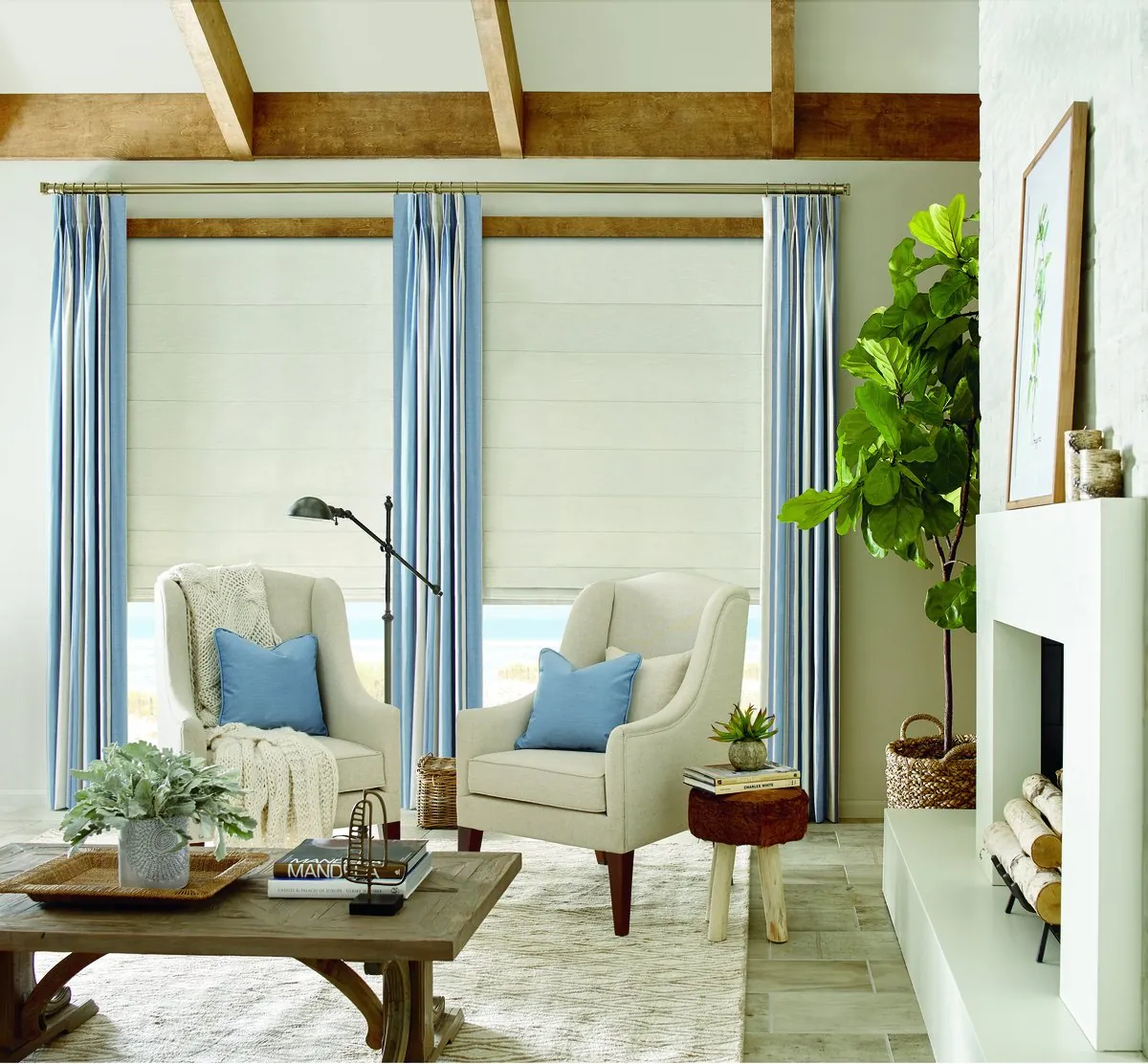
Roman shades
Vignette and Carole Fabrics romans, whose folds look right in a Federal parlor with tall sash and generous trim.
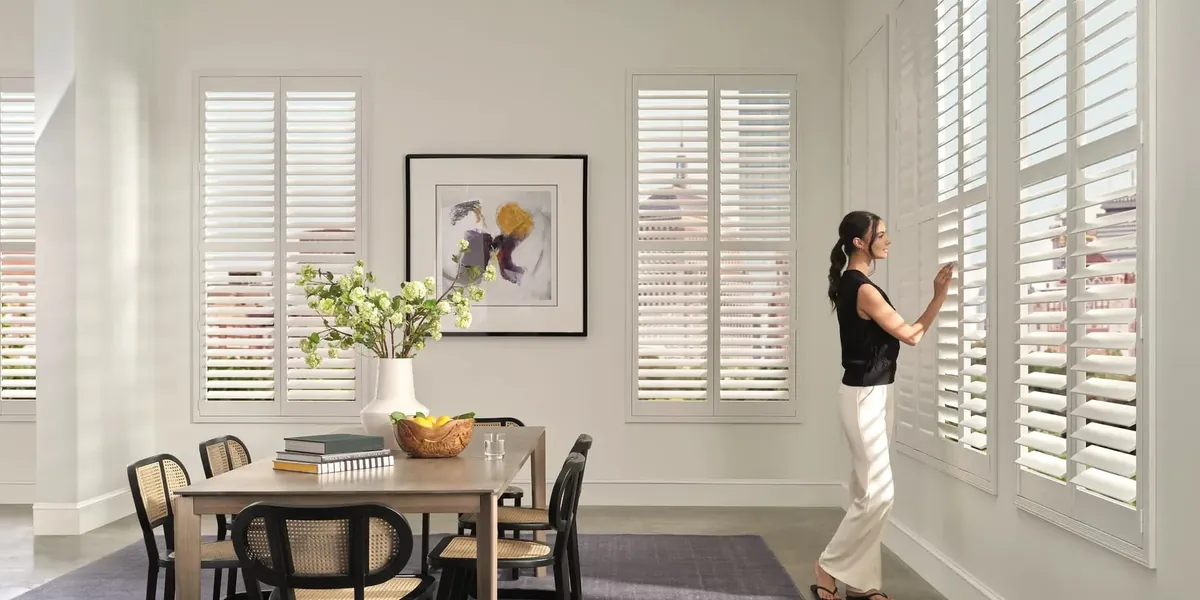
Plantation shutters
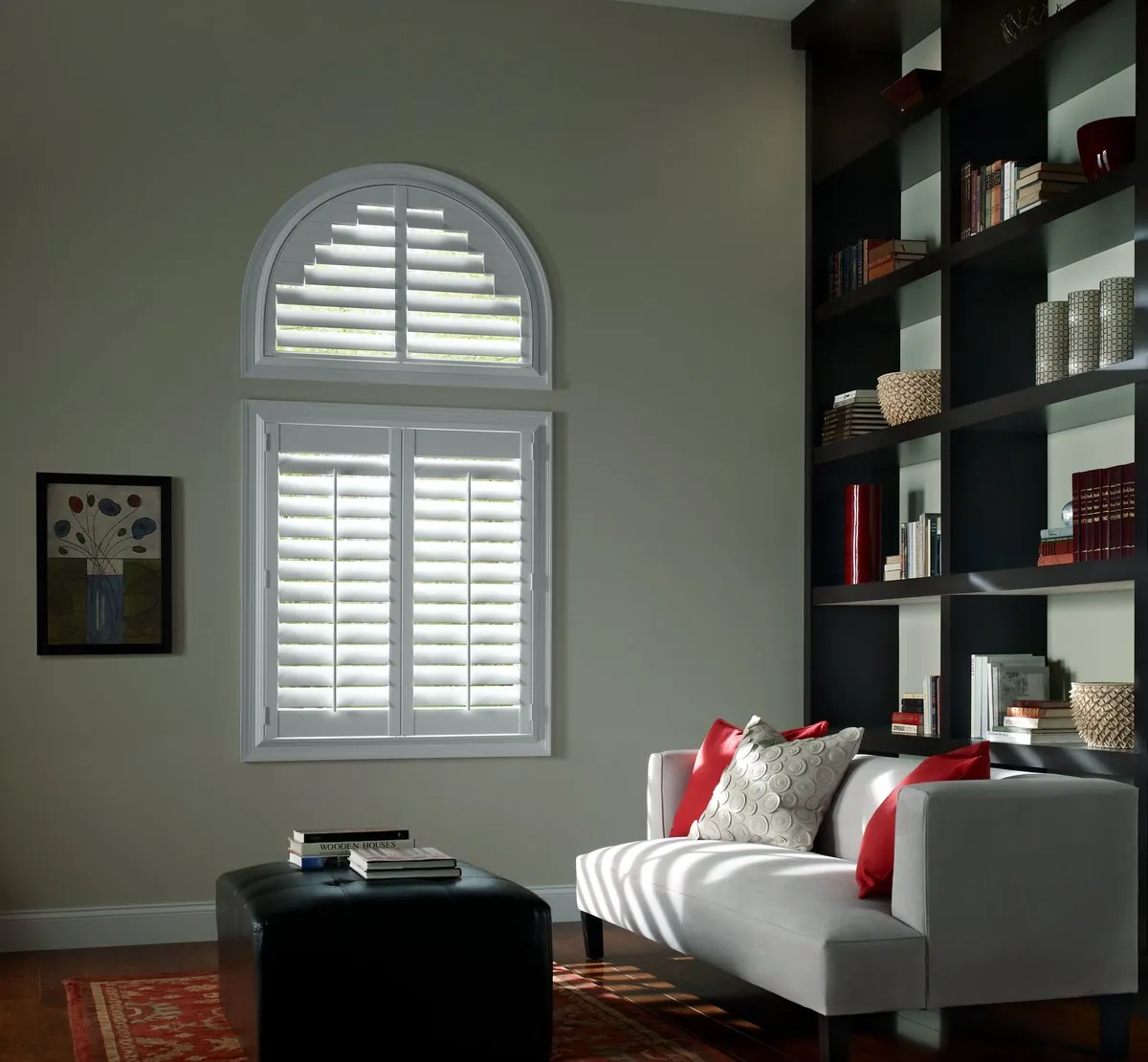
Palm Beach, NewStyle and Heritance shutters, with frames chosen to suit the reveal and a look that sits easily behind old glass.
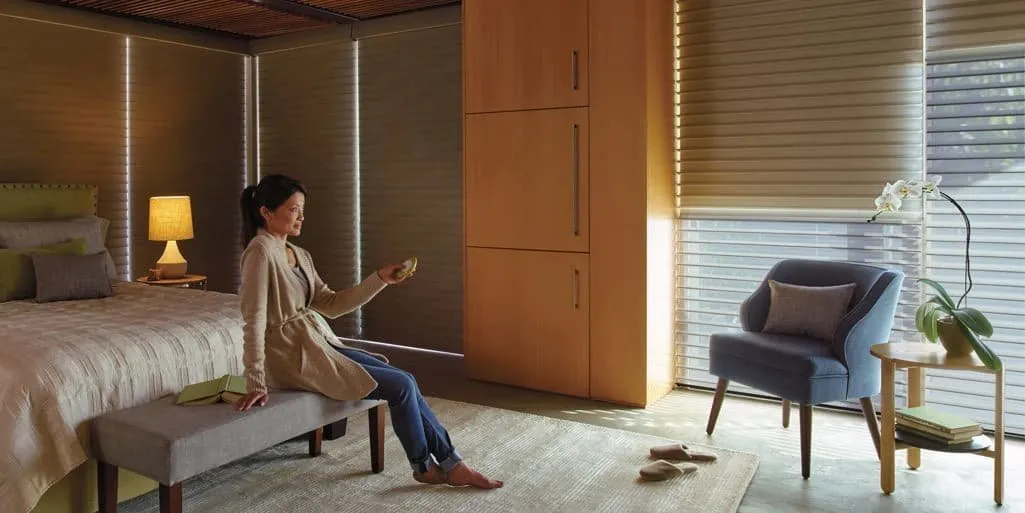
Motorized control
PowerView shades and blinds run from a remote, an app or a schedule, which helps on windows that reach close to a high ceiling.
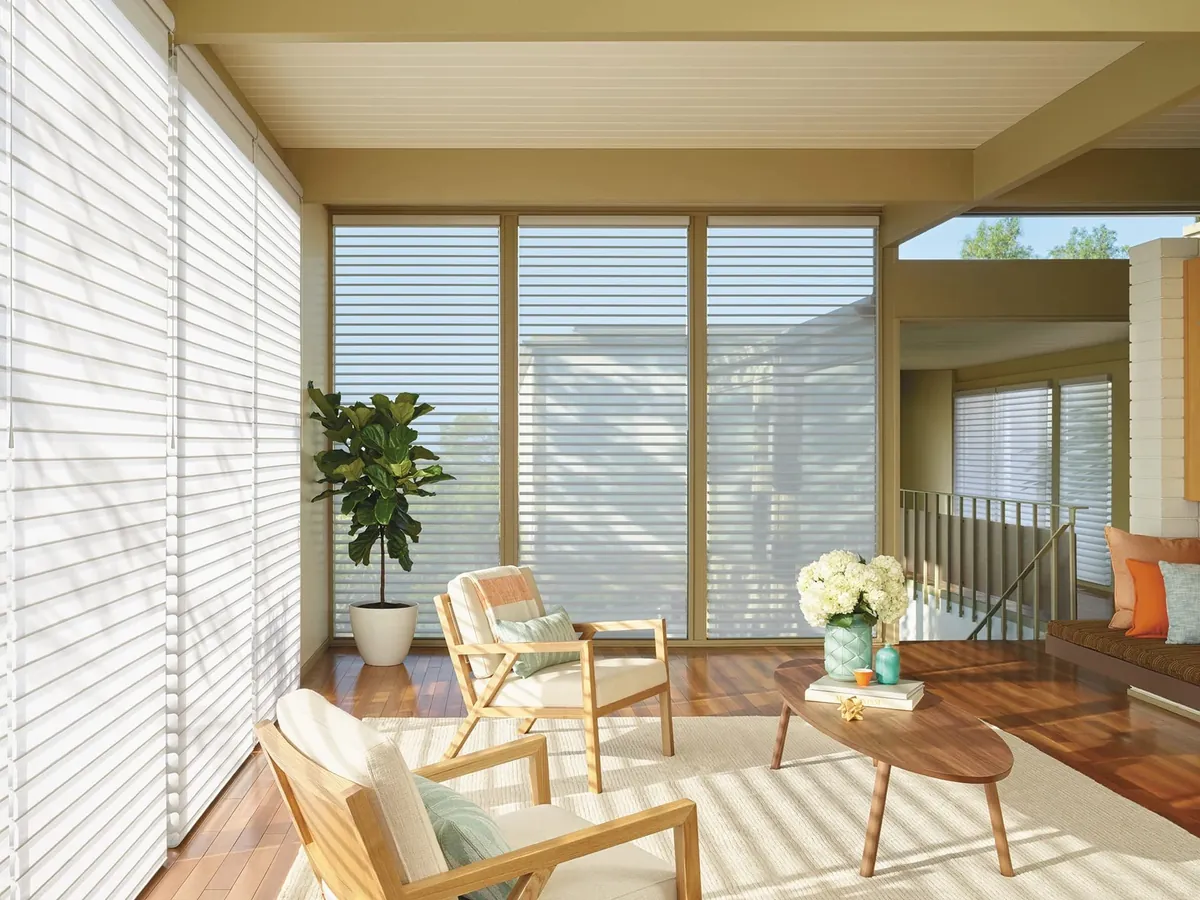
Hunter Douglas Gallery dealer
Every Hunter Douglas line through one Gallery dealer, with certified Hunter Douglas installation.
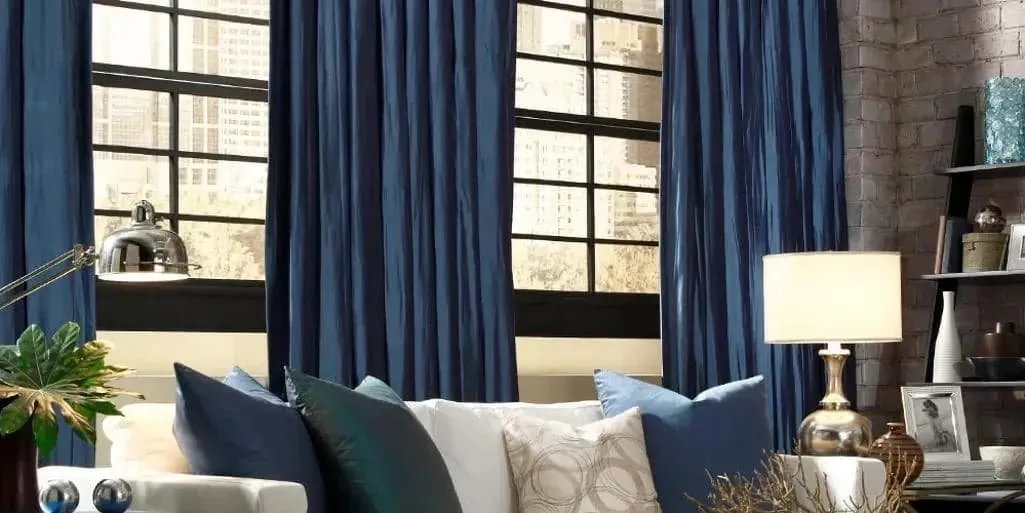
Custom drapery
Hunter Douglas drapery hung high to make the most of a tall ceiling, alone or layered over a working shade.
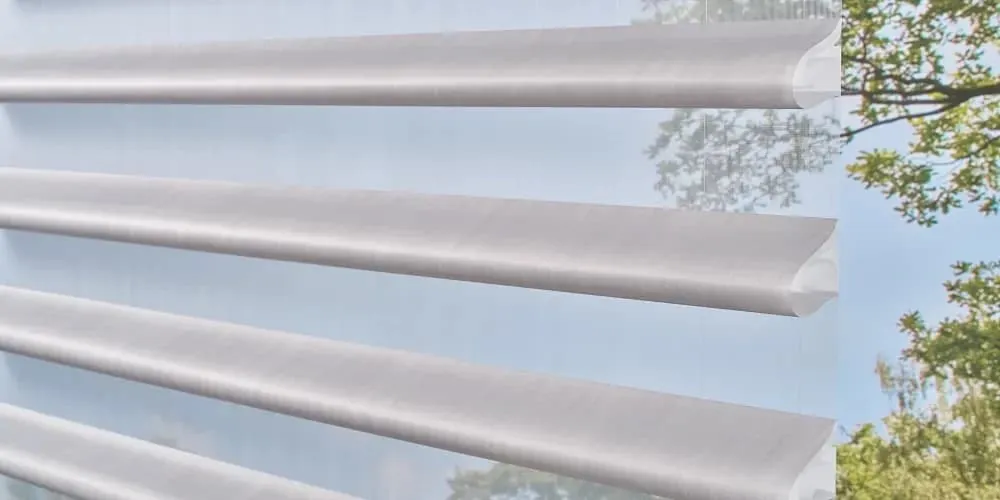
Repairs to what you own
When a blind or shade you already have stops lifting, tilting or holding, ask us to look at it.
Reading the reveal before anything else
Stand at any window in an older New Bedford house and look at the side of the opening. The distance from the room’s wall to the sash, and how much of that is clear of stops, pulleys and sash locks, is the single biggest factor in what can go there.
A generous reveal opens every door. Shutters can sit fully inside the frame so the panels close flush with the wall. Honeycomb, roman and roller shades can mount at the top of the opening and disappear into it when raised. The casing and any trim around the window stay completely on show.
A shallow reveal needs more thought. Old double-hung windows often have a parting bead and sash stops that leave only a thin strip of flat wood at the head. Some shades need very little room: a honeycomb shade, for example, has a compact headrail. Others need more, and a shutter frame needs a certain depth for the louvers to tilt without hitting the glass or the sash lock. Where an inside mount will not work, we look at an outside mount on the face of the casing, sized so it covers the opening neatly and leaves as much of the trim as possible visible.
We measure the depth at the top, both sides and the sill, because in an old house it is rarely the same at each point. You hear what fits before you fall for a sample that does not.
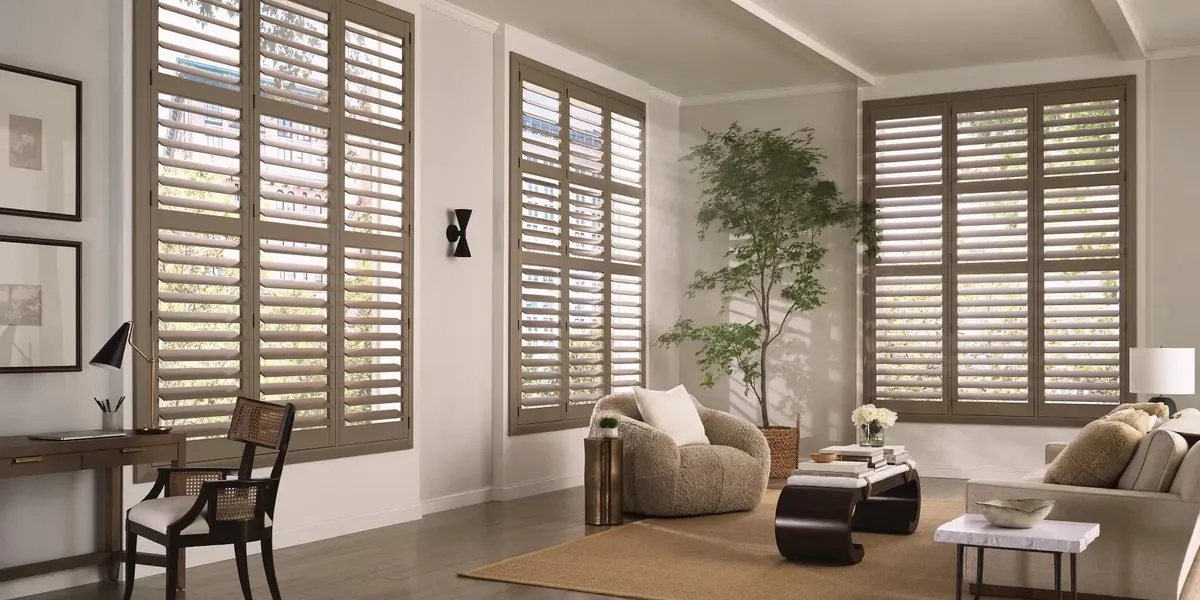
The historic district and the view from the street
The Federal houses and their neighbors above the waterfront keep much of their original detail, and the street face of each one matters. Before choosing anything for a front window, it helps to think about how it looks from the sidewalk as well as from the sofa.
A few principles keep a front elevation looking right. A light, neutral color facing the glass tends to look calm from outside, whatever color faces the room. Treatments that sit inside the opening leave the exterior proportions of the window alone. Shutters with a classic louver and a simple frame, or roman shades in a plain fabric, rarely look out of place behind old glass. Matching the treatment across all the front windows, even when the rooms behind them are different, keeps the façade orderly.
If your house is in the historic district, any rules about what shows from the street come from the district, not from us. We are glad to talk through the options that keep a period look and to fit treatments that change nothing about the window itself, but check with the district if you are unsure what applies to your house.
Inside, there is more freedom. A back bedroom or a kitchen facing the yard can take a modern roller or a bold fabric without affecting the street.
Triple-deckers, floor by floor
The triple-deckers of the North End and the West End are a New Bedford landmark: three stacked flats, usually with a bay on the front, a porch on each level and a long run of rooms from front to back. The windows in each flat are typically tall double-hungs, often several to a room, plus the angled windows of the bay.
Bay windows are where most questions start. Each window in the bay can take its own shade or shutter panel, made to its exact width, so the three line up when they are raised or closed. A shutter in a bay looks especially at home, with the louvers tilting together across all three sides. Roman shades and honeycomb shades work well too, with each shade lifting on its own if you want light on one side and privacy on another.
The back rooms usually face the next house or the yard. Privacy matters more than view there, and a light-filtering fabric that glows during the day without showing what is inside is often the right balance. Top-down, bottom-up shades are useful on windows that face a neighbor’s porch at the same level.
Porch doors with a glass panel can take a narrow honeycomb or roller shade mounted on the door itself, so it moves with the door rather than catching on it.
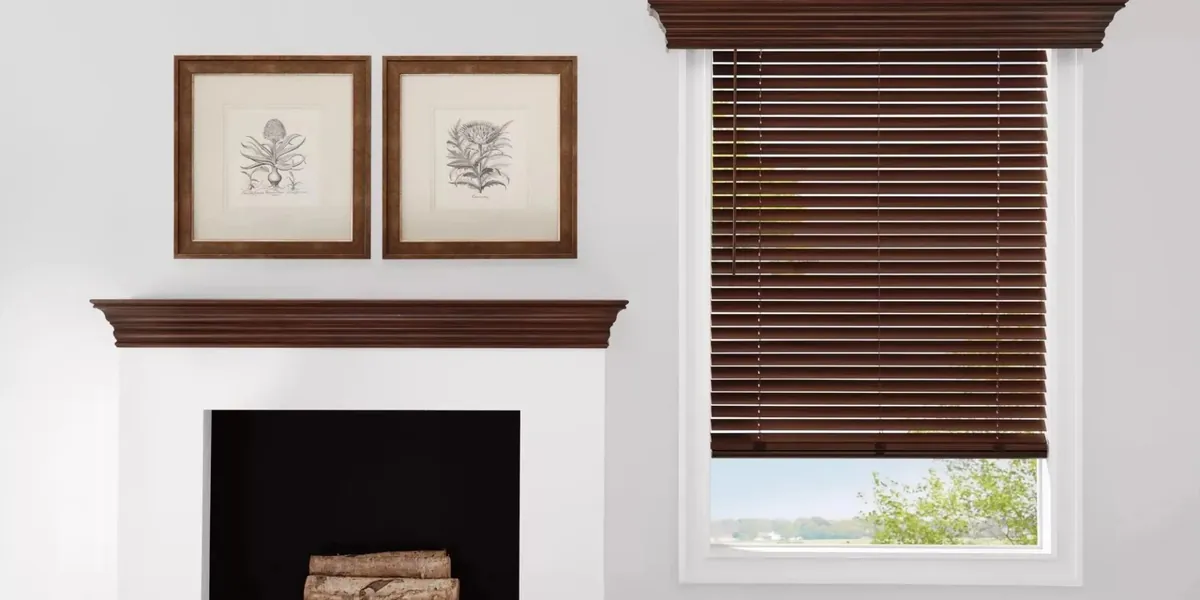
High ceilings and tall sash
Ceilings in these houses often run well above modern heights, and the windows rise with them. That is lovely for light and a challenge for anything that has to be lifted by hand.
A tall window takes a long shade, and a long shade stacks deep when it is raised. Honeycomb shades stack the slimmest, which keeps the top of the glass clear. Rollers roll up into a compact tube. Roman shades fold up into a deeper stack, so on a very tall window we sometimes mount them a little above the opening so the folds sit over the wall rather than the glass.
Reaching the top of a tall shade is the other issue. A cordless lift puts the control at the bottom rail, which can be a stretch on a very tall window. A continuous cord loop or a wand keeps the control within reach. Motorized shades remove the question: a remote, an app or a schedule raises and lowers them without anyone reaching up at all.
Drapery is worth mentioning here too. Panels hung from a rod set close to the ceiling, rather than just above the window, make a tall room feel even taller. Over a working shade, they add warmth on a winter night and soften the hard edges of a high-ceilinged parlor.
Kitchens at the back of the flat
In most triple-deckers and many of the older single-family houses, the kitchen sits at the back, often with a window over the sink, another beside the table and a door out to the rear porch. These rooms work hard. They see steam from the stove, splashes at the sink and a lot of coming and going through the porch door.
Faux wood blinds are a practical favorite here: they wipe clean, tilt to let light in while blocking the view from the next porch, and cope with damp better than real wood. A roller shade in a wipeable fabric gives a cleaner line if you prefer it. Cafe-style shutters over the lower sash keep the sink window bright above and private below, and they suit the plain style of an older kitchen.
The porch door needs something that moves with it. A narrow honeycomb or roller shade fixed to the door itself, with hold-down brackets at the bottom, stays put when the door swings and does not slap against the glass.
Your consultation, from first call to installation
In a city of tall windows, seeing samples at full height in your own room makes the decision much easier than flicking through a book in a shop. Here is how we work.
- Ask for a consultation online or use the call button, and pick a time that suits you.
- Our consultant arrives with shade fabrics, blind slats, shutter louvers and drapery samples in the van.
- We start with the rooms that bother you most and talk through what each window needs to do.
- You hold samples up at your windows, front and back, to see how each one behaves in that light.
- We measure every opening, check the reveal at several points and note the hardware and trim.
- You get a free estimate, with no pressure to decide that day.
- After you order, our certified Hunter Douglas installers mount each piece, check it is level and walk you through how it works.
If you want a second opinion on colors and fabrics across the house, ask about our interior design consultations. The in-home consultations page explains more.
Matching the treatment to the room
Most houses here end up with more than one kind of treatment, chosen room by room. A few combinations come up again and again.
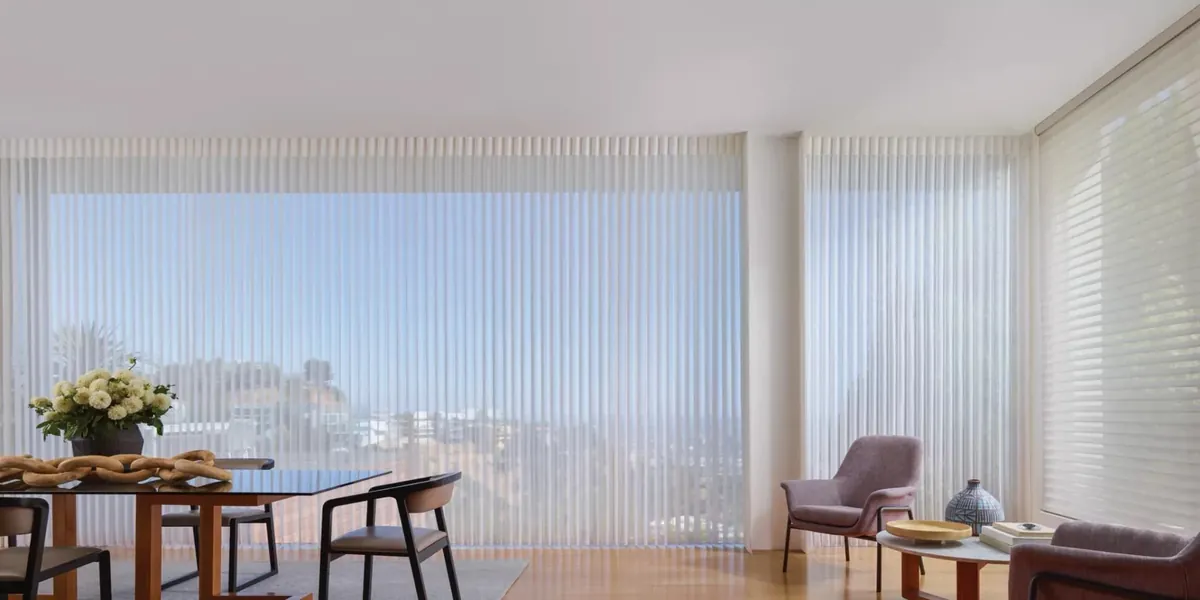
Front parlors and dining rooms often get shutters or roman shades, sometimes with drapery, because they face the street and carry the most trim. Bedrooms usually get honeycomb shades, light-filtering or room-darkening depending on who sleeps there, because the cells keep the room warmer against old glass. Kitchens and bathrooms get faux wood blinds, rollers or shutters, which cope with steam and wipe clean. Back rooms facing a neighbor get top-down, bottom-up shades or sheers for privacy without losing the light.
The point is not to follow a formula but to give each room what it needs while keeping the house consistent. We plan window treatments for New Bedford houses so that the color facing the street, the headrail finish and the mount style stay the same across a floor, even when the products change.
If you are weighing up shutters for an older window, our guide to shutters for older windows is worth a read. For a broader look, see shades or blinds: how to choose.
Cold glass in old houses
Original windows have charm and character, and plenty of them are still doing their job. But single panes of old glass in a tall sash let a lot of cold into a room in winter, and a room with three or four of them can feel chilly even with the heat on.
A cellular shade is the most direct help. Each cell traps still air against the glass, which slows the cold coming into the room and the warmth going out. Lowered at dusk, a honeycomb shade can make a front room noticeably more comfortable in the evening. Double-cell fabrics add a second layer of cells for the coldest windows.
Layering helps too. A honeycomb shade inside the frame with a lined drapery panel over it closes the edges where cold air spills around the shade. In a bedroom, a room-darkening honeycomb shade does both jobs at once. Our guide to cellular shades and winter heat explains how it works in plain language.
Transoms, side lights and front doors
Federal front doors often come with a fanlight above and narrow side lights on either side, and many of the older houses have transom windows over interior doors as well. These openings are part of what makes the houses handsome, and they are also the ones most often left bare, because nothing off the shelf fits them.
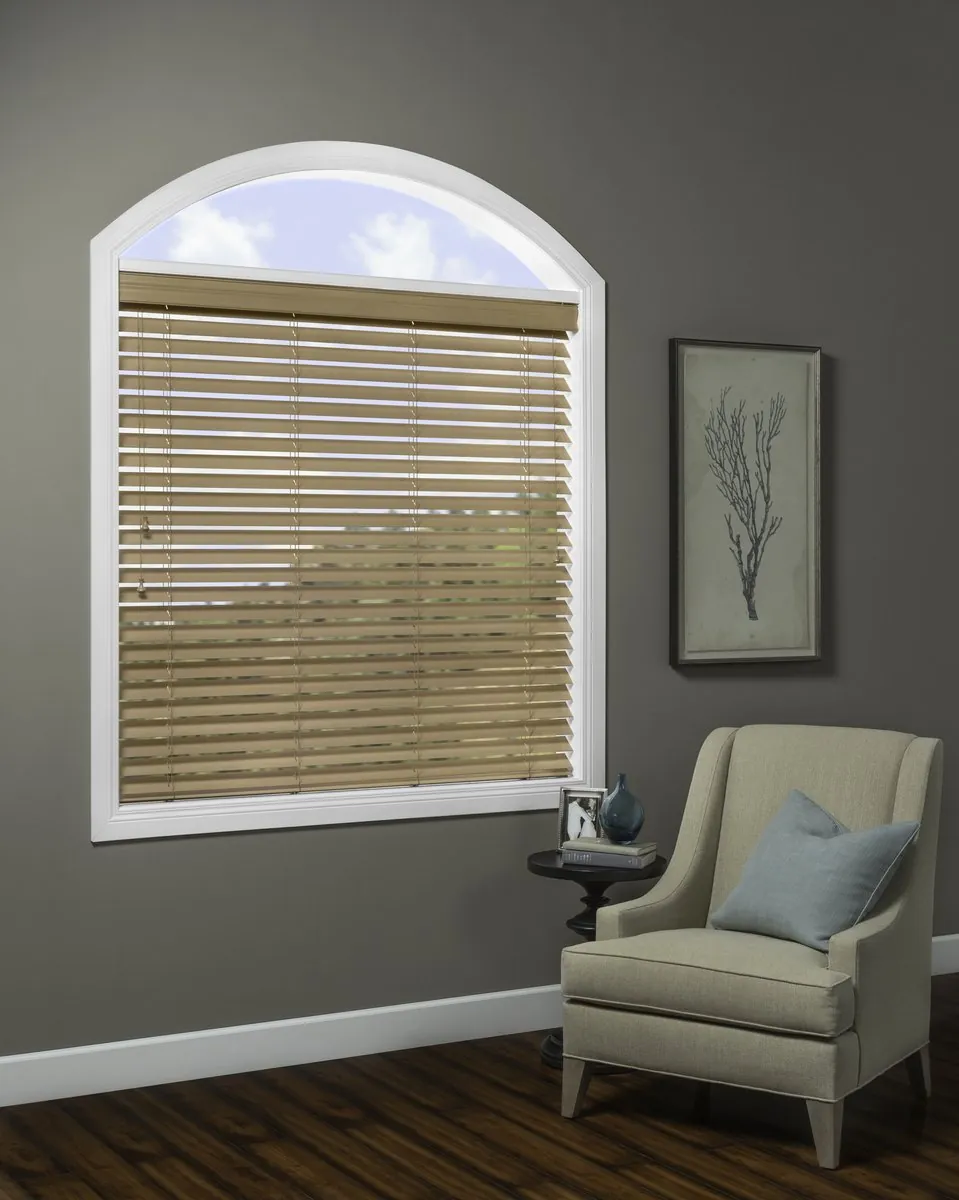
Side lights can take very slim honeycomb or sheer shades, or a narrow shutter panel, mounted on the door frame so they line up with each other. Most people leave a fanlight uncovered, because it is too beautiful to hide and too high to matter much for privacy. Where an arched window does need covering, a fixed arched shutter or a fan-shaped shade can be made to follow the curve.
Interior transoms usually stay open. But on a transom that faces a bright hall or a bedroom, a small fixed shade can block the light without changing the opening. When we plan window treatments for New Bedford, MA, homes, we look at these odd openings alongside the main windows, so the front hall gets the same finish as the parlor.

Why a Hunter Douglas Gallery dealer
Blinds & Designs is a Hunter Douglas Gallery dealer. That gives a New Bedford house access to every Hunter Douglas product in one place: honeycomb, roller, roman, sheer and woven shades, the full range of blinds, three collections of shutters, drapery and PowerView automation.
Our installers are certified by Hunter Douglas, which matters on old frames where getting a bracket into solid wood and a shade level in a settled opening takes care. We also offer interior design consultations and repairs for blinds and shades you already own.
Read more about the brand on our Hunter Douglas page, or see every product on our window treatments page.
The North Dartmouth showroom
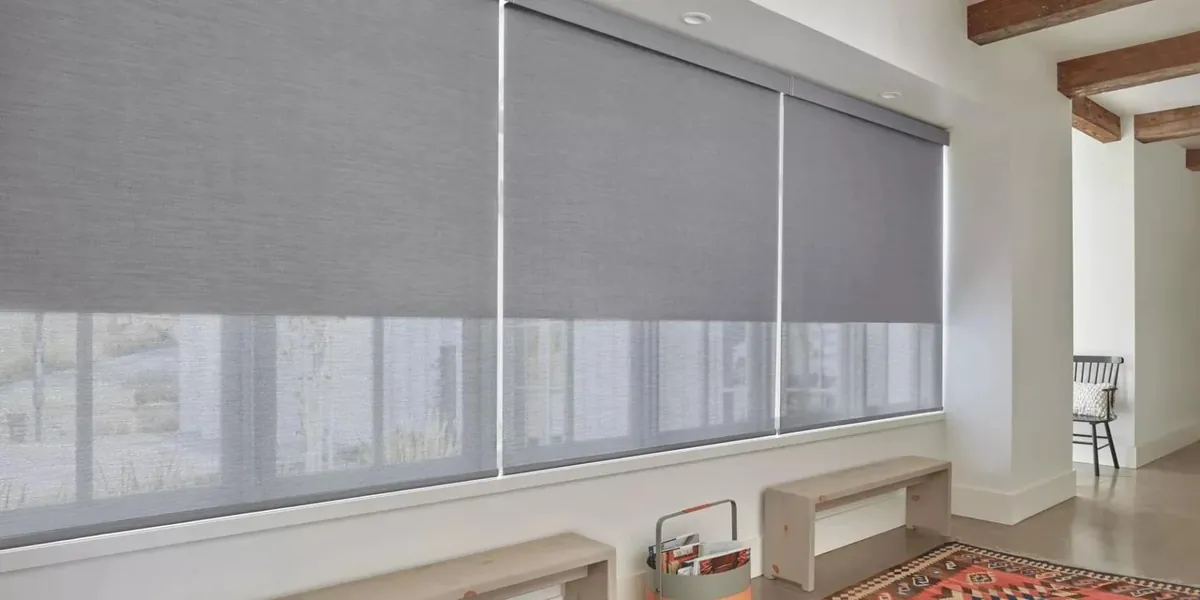
Our nearest showroom to New Bedford is in North Dartmouth, a short drive west. It is a good place to see the range before an in-home visit, or after one if you want another look at a fabric.
Most New Bedford projects, though, are decided at home, where the windows are.
Questions from New Bedford
My window frames are shallow. Can I still have an inside mount?
Often, yes. Honeycomb shades and some rollers need very little depth. Shutters and roman shades need more. We measure the reveal at several points and tell you which products fit inside the frame and which would be better mounted on the casing.
What suits a triple-decker bay window?
Each window in the bay gets its own shade or shutter panel, made to its width, so they line up together. Shutters suit bays particularly well, and roman or honeycomb shades work too, with each panel lifting on its own if you want.
I live in the historic district. What should I keep in mind?
Think about the street view as well as the room. Light colors facing the glass, inside mounts and matching treatments across the front windows keep a period look. Any specific rules come from the district itself, so check with them if you are unsure.
How do I reach the top of a very tall shade?
A continuous cord loop or a wand keeps the control within reach, and motorized PowerView shades lift with a remote, an app or a schedule, so nobody has to stretch.
Is there a charge for the estimate?
No. The estimate is free. We measure your windows, talk through the options and give you an estimate to consider in your own time.
Book your visit
The right window treatments in New Bedford, MA, start with a tape measure and a look at your reveals. Request a consultation and we will bring samples to your house, measure every window and leave a free estimate. Prefer to talk first? Use the call button, or visit the North Dartmouth showroom.