
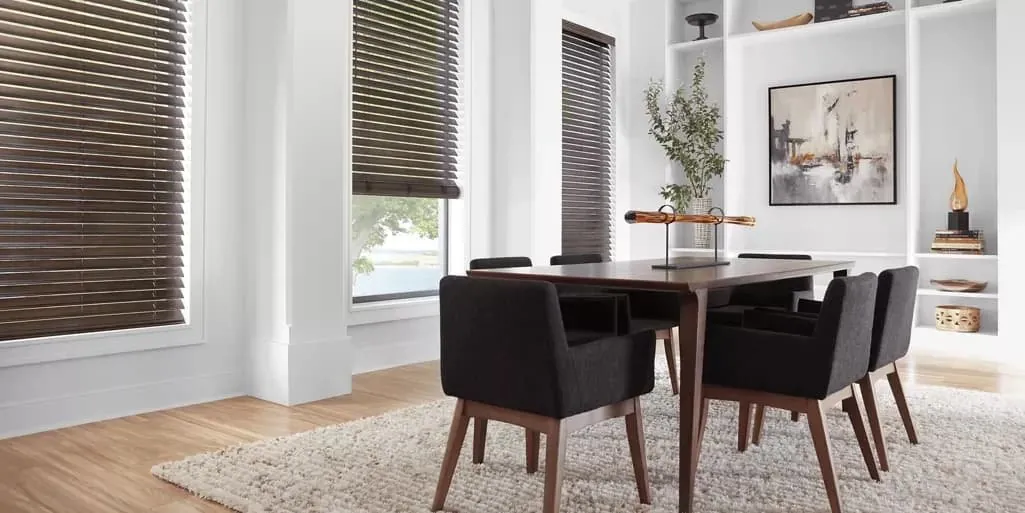
Deep old sash and open country light
Rochester is farm country. Along New Bedford Road and out toward Snipatuit Pond, antique colonials and old farmhouses stand on big lots with fields, woods and cranberry bogs around them, and often no other house in sight. The windows in those older houses are small and set deep into thick walls. Newer houses built on the same roads have large modern glass. Planning custom blinds in Rochester, MA, means handling both, sometimes in the same house where an addition meets the original rooms.
Out here the usual reason for a blind is turned on its head. In a town of close neighbors, blinds are mostly about privacy. With a bog or a hayfield on the other side of the glass, nobody is looking in. What people want from a blind in Rochester is control of the light: the low sun that crosses an open field with nothing to stop it, the glare off a pond or a flooded bog, and a dark bedroom on a summer morning.
That makes the tilt of the slat the most useful thing about a blind here. You can keep the view of the land and still keep the sun off the table.
What we bring for Rochester houses
The Hunter Douglas range of custom blinds in Rochester homes comes down to three groups, and we carry samples of all of them to your door.
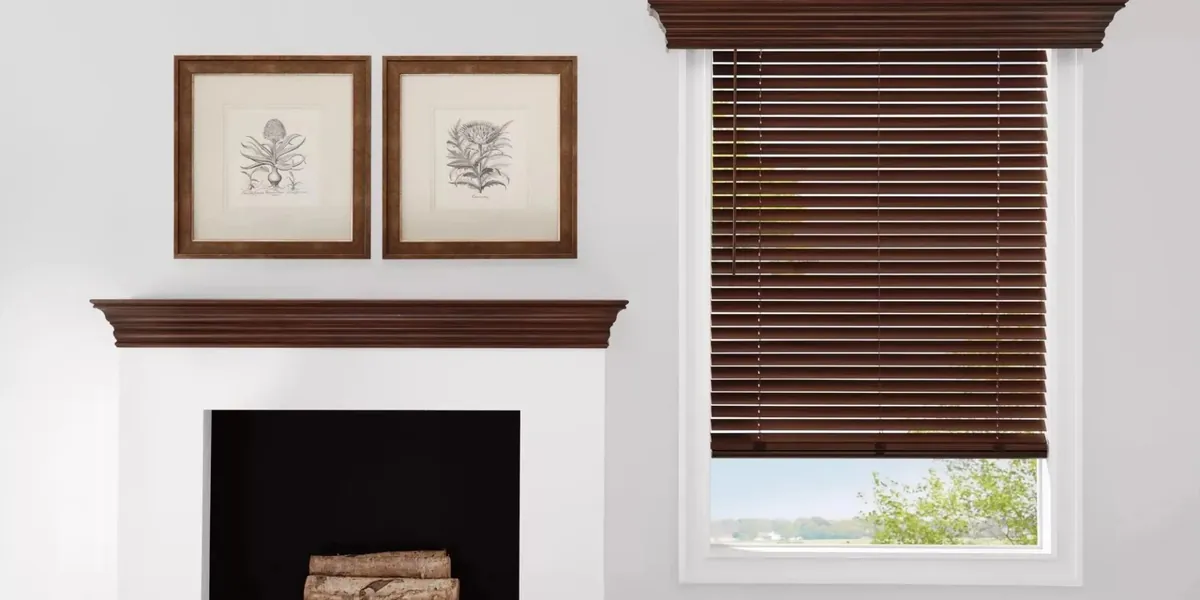
Wood blinds for the antique rooms
Parkland real wood blinds, stained or painted, suit the parlors and dining rooms of an old colonial. A matching cornice can finish a window with no trim to speak of.
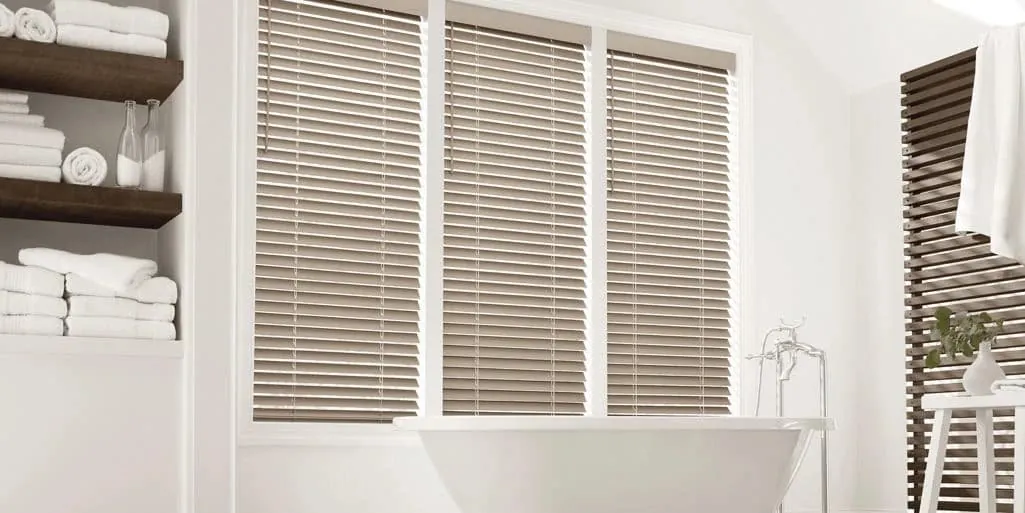
Faux wood and metal for working rooms
EverWood faux wood for baths, kitchens and a mudroom off the barn door, and aluminum blinds for small or shallow openings where a slim headrail is needed.
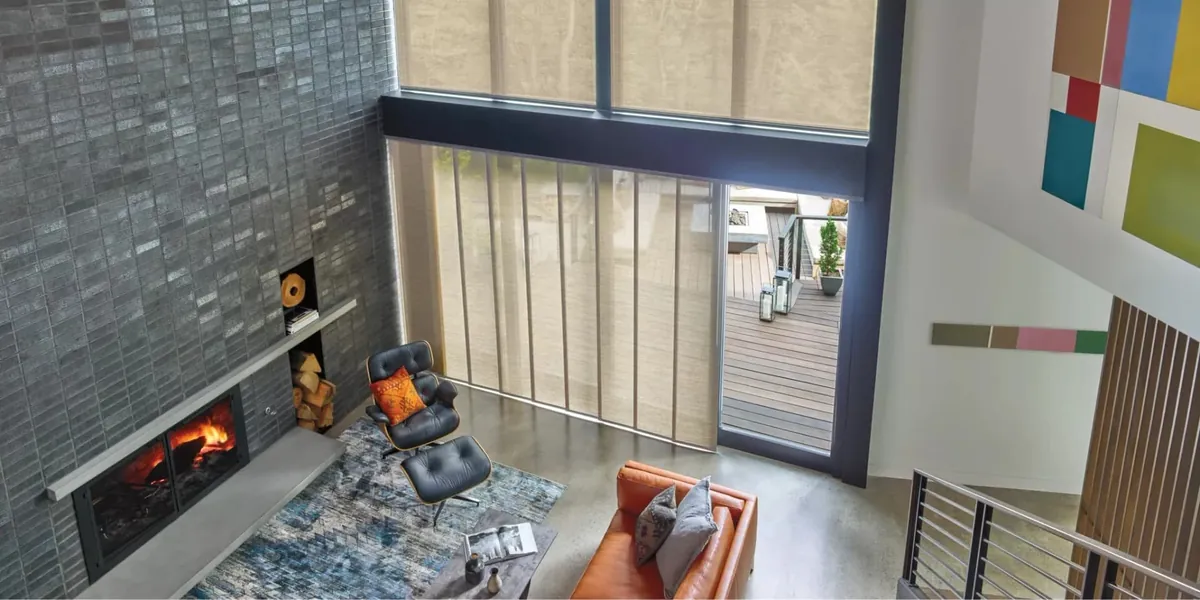
Vertical blinds for new glass
Wide sliders and tall glass in a newer build or a modern addition take vertical blinds or soft panels that draw aside to open the door.
Deep sills in an antique colonial
The oldest houses in Rochester were built with heavy timber frames and thick walls, and their windows sit well back from the face of the wall. Stand inside and the sill is often deep enough to set a plant or a book on, with the sash itself small and divided into many panes. The windows are rarely large, because glass was precious when these houses went up.
That depth is good news for a blind. An inside mount needs room for the headrail to sit within the window opening, and an old colonial window usually has more than enough. The blind tucks back into the reveal, the casing and the deep sill stay in view, and when the blind is raised it almost disappears into the top of the opening. It is the most built-in look a blind can have, and it suits an antique house well.
What the old windows rarely are is square. A timber-frame house moves with the seasons, and the sash openings can lean or narrow from top to bottom. We measure each one at several points and order to the tightest figure, so the blind fits the narrowest part of the opening without binding. On a badly racked window, we may suggest an outside mount instead, set on the casing, and we explain the trade-off before you decide.
Small sash also asks for the right slat. A narrow slat keeps the stack short and looks in proportion with small panes. Painted white or matched to the trim, it lets the window’s muntins stay the feature.
Sun across the bogs and fields
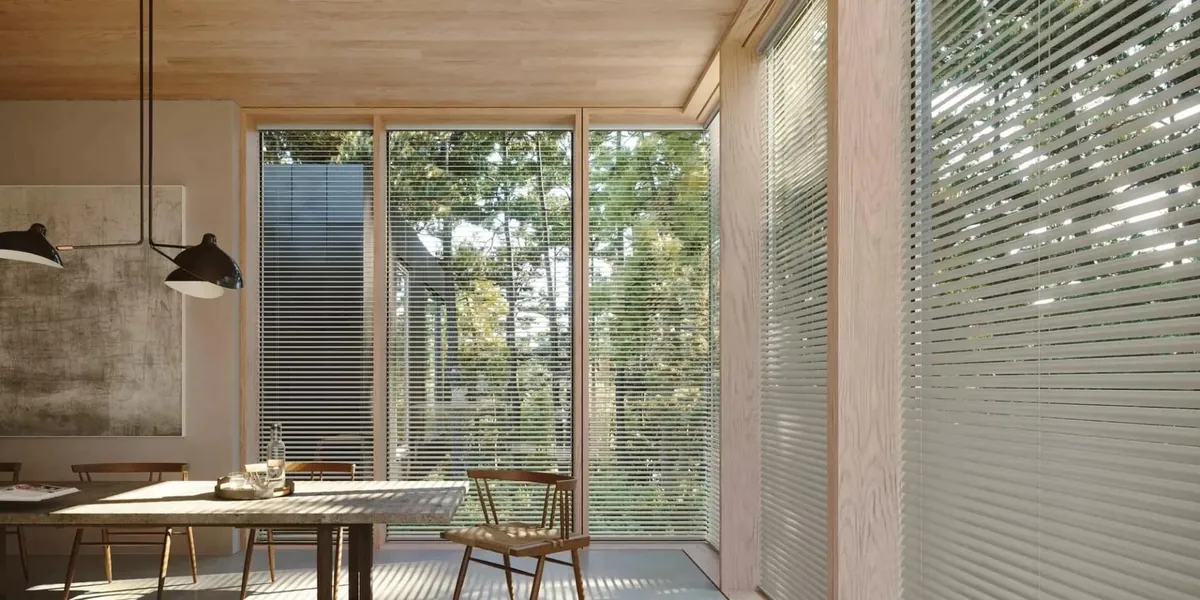
With open land on every side, Rochester houses take sun in a way that houses in a closer town do not. There are no neighbors, no hedges and often no big trees between the house and the horizon. A west-facing room gets the full late-afternoon sun as it drops toward the fields, and in autumn and winter it reaches deep into the house.
Water adds glare. A house looking across Snipatuit Pond, or over a bog when it is flooded for the harvest or the winter, has a sheet of bright water reflecting light back up into the rooms. That bounced light is often worse than the direct sun, because it comes in under the line of a porch roof or an overhang.
A blind handles both. Tilted upward, the slats turn the light toward the ceiling, so the room stays bright but the glare is off your eyes and the furniture. Tilted downward, they let you look out at the land below while blocking the sky. Lighter slat colors reflect more of the heat back out; darker slats cut the glare harder. We will hold both up at your window so you can see what each does to the room at that time of day.
Long, low sun can also fade a rug or a wood floor over the years. Lowering the blinds in the hottest part of the day, or setting PowerView motorized blinds to tilt on a schedule while you are out, protects the room without any thought on your part.
Newer houses on big lots
New construction in Rochester has gone the other way from the antique houses: large rooms, big modern windows, sliders onto a deck and often a great room with tall glass facing the best of the view. On a big lot the house is usually turned to look out over the land, which means a lot of glass on one side.
Those windows are square and well made, so inside mounts work cleanly, and the larger openings suit a wider slat. A wide slat gives a clearer view when open, because there are fewer slats crossing the glass, and it looks in scale on a big window. Real wood suits a dining room or office, and faux wood the kitchen and baths.
For very wide windows, we split the run into two or three blinds on separate headrails. They line up when lowered, so the window reads as one, but each can be raised or tilted on its own. Tall windows above a slider or in a two-story room are where motorized blinds in Rochester make the most sense, because the top of the glass is out of reach.
Where the old house meets the addition
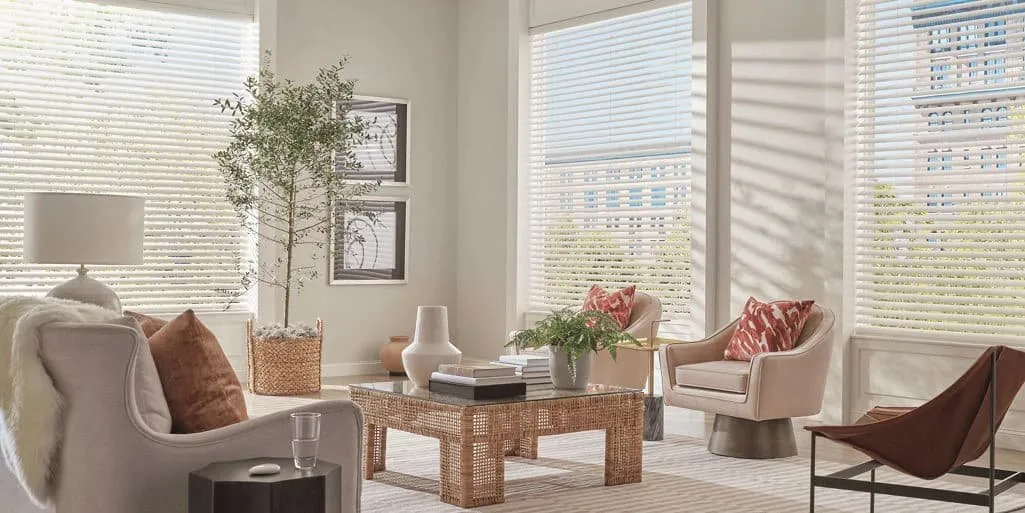
Many Rochester farmhouses have been extended over the years: a family room or a new kitchen built on the back, a garage with a room above, or a sunroom off the side. The result is a house with very different windows in neighboring rooms, small deep-set sash in the old part and wide modern units in the new.
Blinds help pull a house like that together. Using the same slat color throughout, even where the material changes from wood in the old rooms to faux wood in the new kitchen, keeps the look consistent as you walk from one part of the house to the other. The slat width can change with the window size and still look like one family of blinds.
Houses near Snipatuit Pond
The houses closer to Snipatuit Pond are a mix: older places that have been lived in a long time, and newer houses set back from the shore to take in the water. Either way, the rooms that face the pond are the ones that matter most to the people who live in them, and they are the ones that take the strongest light.
On the pond side, think of a blind as a way to manage the brightest hours rather than to close the room off. In the morning and evening, raised or tilted wide open, the window frames the water. In the middle of a summer afternoon, tilted up, the slats break up the reflected light so you can sit by the window without squinting. A wider slat in a light color does this especially well, because there are fewer slats across the view and each one throws more light toward the ceiling.
Rooms near the water also see more damp than a house on a dry rise, especially in a cellar-level family room or a porch that has been closed in. In those spaces we would steer you toward faux wood or aluminum over real wood. Choosing custom blinds in Rochester for a pond-side room this way means the slats stay straight and easy to clean through every season.
Wood, faux wood or metal: how the choice usually falls
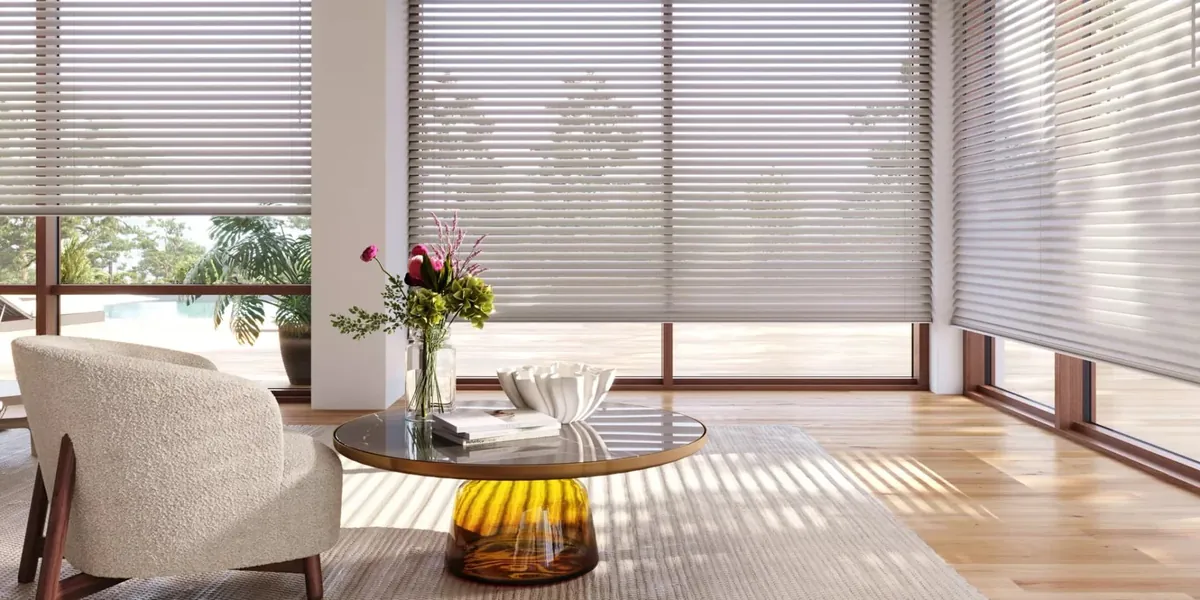
When we finish walking through a Rochester house with a customer, the plan usually follows a pattern. The old front rooms of a colonial or farmhouse, with their deep sills and painted or stained woodwork, take real wood. It suits the age of the house, it takes a stain that sits well beside old pine floors, and in a heated, dry room it lasts well.
Kitchens, baths, mudrooms and any room near a door to the outside take faux wood, because it shrugs off moisture, splashes and the wear of a busy back entry. In white, it is hard to tell from painted wood across a room.
Aluminum blinds find their place in the small or shallow openings: a narrow window beside the chimney, a tiny window in a back stair, or an opening in a newer house where the frame is too shallow for a wood headrail. Verticals go on the sliders.
That mix is typical of custom blinds in Rochester, MA, because so many houses here blend the old with the new. We will suggest a plan for your house, and you decide room by room.
Bedrooms on a summer morning
With no streetlights and no neighbors, a Rochester bedroom at night is properly dark. The trouble begins at dawn. In June the sun is up very early, and an east-facing bedroom with nothing between it and the horizon fills with light long before the alarm.
There are a few ways to make a blind close out more of that light. Darker slats block more than pale ones. A routeless slat, made without the small holes the lift cords usually pass through, closes tighter and lets less light through at those points. Cloth tapes down the front of the slats cover the cord holes on a standard blind and add a finished look in an old house. And an inside mount on a deep sill leaves less of a gap around the edges than you might expect.
If you want a room completely dark, we can also show you room-darkening options from the wider Hunter Douglas range, such as cellular shades in Rochester, which can sit in the same window or replace the blind in that one room.
Cords, lift and safety
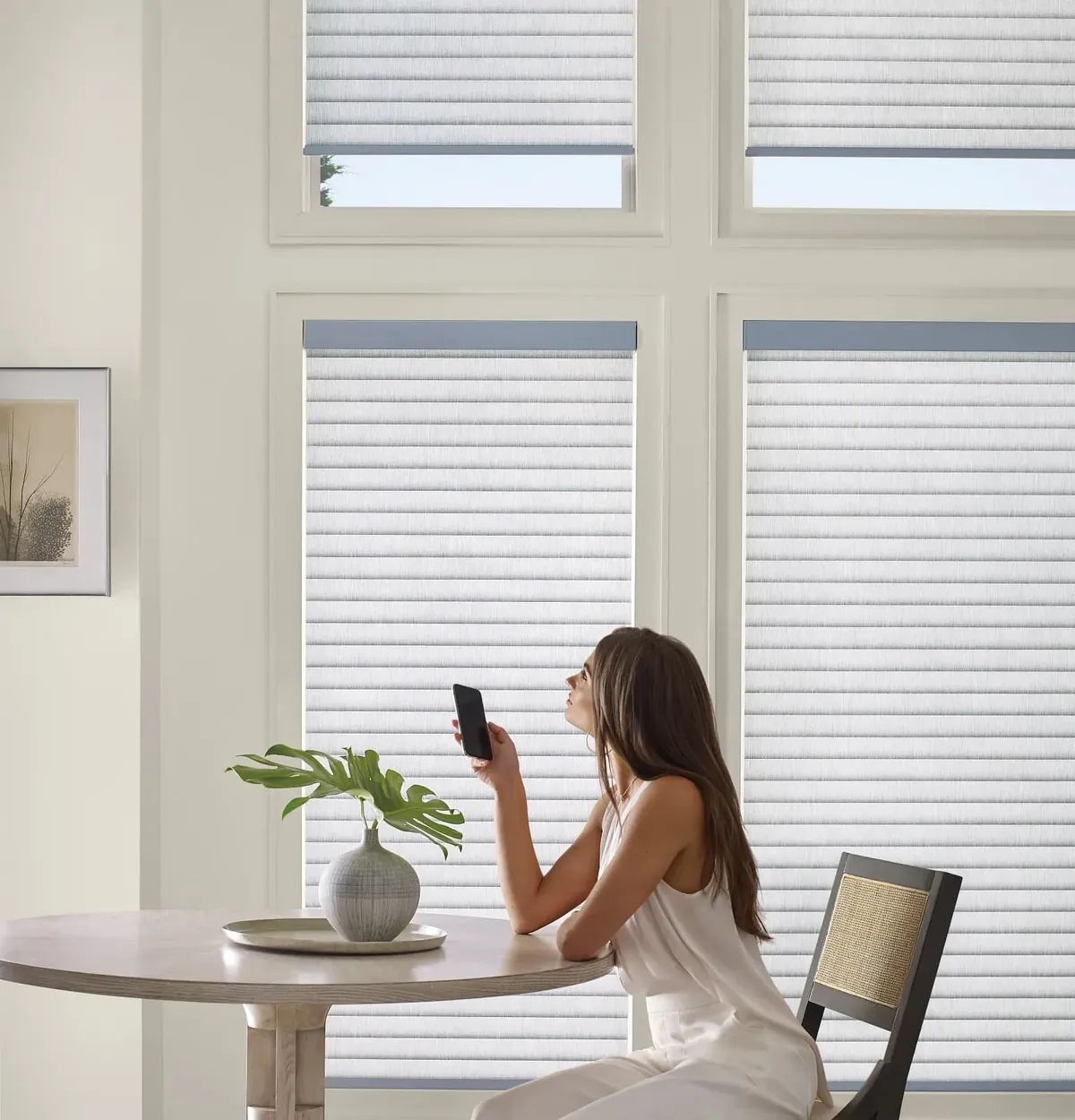
On a farm property, with grandchildren visiting or dogs coming in from the fields, cords hanging by the window are a nuisance at best. Cordless lift does away with them: you lift or lower the blind by the bottom rail, and the slats are tilted with a wand. Motorized blinds go further, with no cords or wand at all.
Cordless lift also suits the deep sills of an antique house, because there is no cord lock to stand proud of the frame and nothing to catch on a plant pot or a candlestick on the sill.
If you prefer a corded blind, perhaps to match blinds elsewhere in the house, the cords can be kept short and tidied with a cleat on the frame. We will show you each lift option on a sample so you can feel how it works before you choose, because the way a blind lifts is something you will notice every single day.
How we measure a Rochester window
Because so many houses here combine very old and very new windows, measuring is the step we take most care over.
- We measure the width of each opening at the top, middle and bottom, and use the narrowest for an inside mount.
- We measure the height on both sides and in the center.
- We check the depth of the frame, which is usually generous in the old house and tighter in some newer units.
- We note sash locks, crank handles on casements and anything else a slat might catch on.
- We go over mount, slat width, color, lift and tilt for every window with you before the order is placed.
When the blinds arrive, our certified Hunter Douglas installers fit each one, set it level and run it through its tilt and lift before showing you how it works.
A visit to the farmhouse
Most customers in Rochester start with a visit at home. It is the only way to judge a slat color against your own trim and in your own light, which on an open lot can be very bright. Our vans carry samples, so we can bring the showroom to you. We go through the house together, hold real slats up to the windows, measure, and you receive a free estimate for the blinds you are thinking about. There is no pressure to decide that day.
You can ask about our interior design consultations at the same time if you are planning a room more widely. The guide to what happens at an in-home consultation covers what to expect.

A Hunter Douglas Gallery dealer for farm country
Blinds & Designs is a Hunter Douglas Gallery dealer. Through us you have the whole Hunter Douglas blind range: Parkland wood, EverWood faux wood, aluminum and vertical blinds, with the lift choices and PowerView automation, chosen at one visit.
Our installers hold Hunter Douglas certification, and the same company measures, orders and fits your blinds. If one needs attention later, we offer blind and shade repairs as well.
Browse the full range on our Hunter Douglas blinds page, or read more about wood blinds. For other rooms, see plantation shutters in Rochester, or everything we offer in town on our Rochester page.
Questions from Rochester
Will a blind fit inside the deep window of an antique colonial?
Usually very well. Old colonial windows tend to have plenty of depth for an inside mount. The thing to watch is whether the opening is square, so we measure at several points before recommending a mount.
I have no neighbors. Why would I want blinds?
For the light. Open land and water mean strong low sun and glare, and a blind lets you tilt it away while still seeing out. Blinds also close out early summer light in a bedroom.
Can you match blinds across the old house and a modern addition?
Yes. We can use the same slat color throughout, changing the material or slat width where the windows call for it, so the whole house looks consistent.
Which blind is right for a mudroom or bath?
Faux wood. It looks like painted wood but copes with damp, splashing and muddy hands, and it wipes clean.
Is there a charge for the estimate?
No. After we measure your windows, the estimate for your blinds is free.
Take the next step today
The best way to choose custom blinds in Rochester, MA, is with the samples in your hand at your own windows. Request a consultation and we will come to you with the full range, measure each opening and leave a free estimate. If you want to see the blinds in person first, our North Dartmouth showroom is the nearest to Rochester, or press the call button to talk it over.