
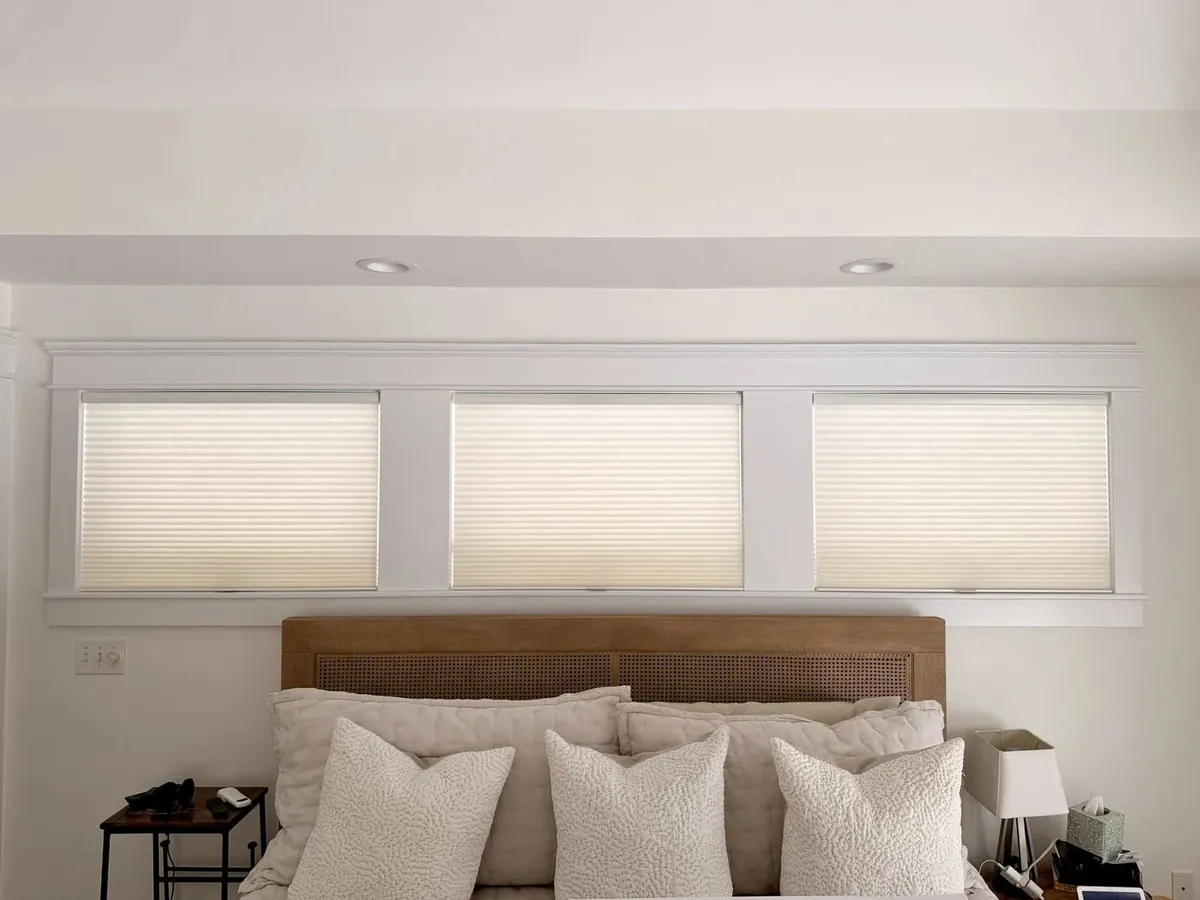
One town, two coastlines
Barnstable runs the full width of the Cape, from the bay on the north shore to the Sound on the south, and that makes it one of the hardest towns to generalise about. A house looking north over the marsh toward the bay gets cool, even light for most of the day and the full force of a winter northeaster. A house a few miles south, facing the Sound, bakes in strong sun from late morning until evening. Both are in the same town, and both are our customers.
The houses are just as varied. Along Route 6A, in the old village, the antique capes and the Federal houses stand near the edge of the road with small sash set deep into thick walls. They are protected by historic district rules and by owners who care about every detail of the front. On the bay side, the larger newer houses have tall glass, wide openings and rooms built around the view.
As a Hunter Douglas dealer in Barnstable, MA, we start every visit by asking two questions: how old is the window, and which way does it face. The answers point us toward the right family in the Hunter Douglas range, and our certified installers make sure it fits the opening as well as it suits the room.
The Hunter Douglas families we bring to Barnstable
As a Hunter Douglas dealer in Barnstable, MA, we can offer any family in the range. These six account for most of what goes up between the 6A village and the bay-side houses, and each card opens our Barnstable page for that product.
Honeycomb shades
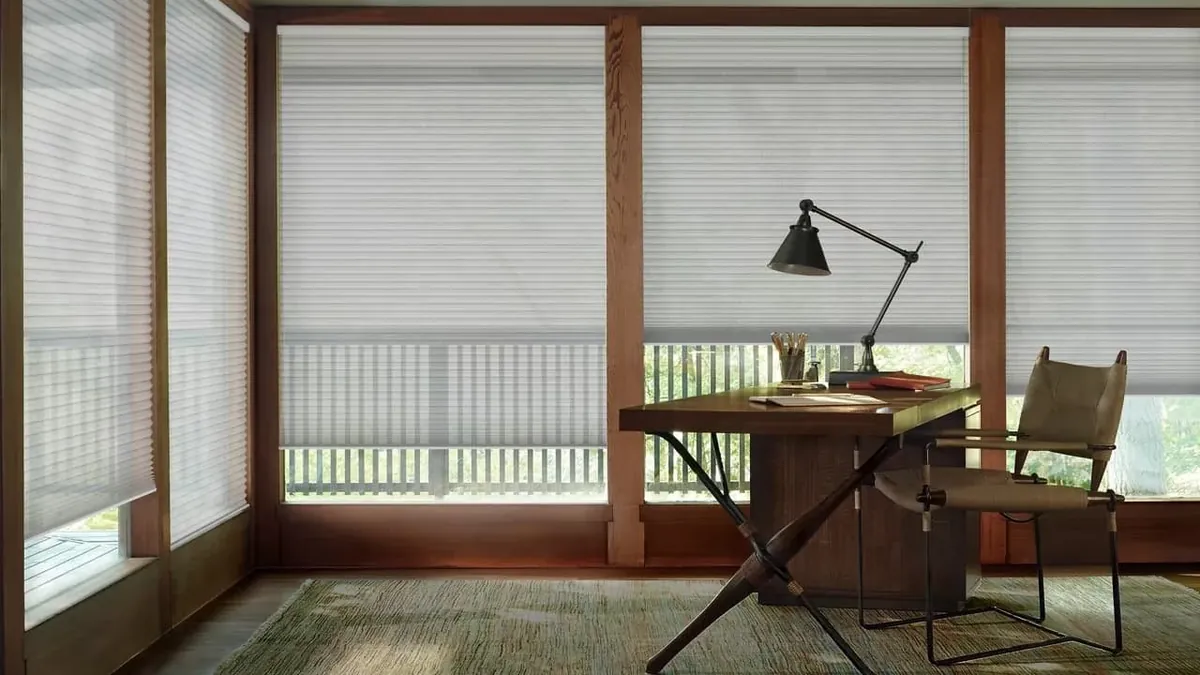
The pleated cells of a Duette or Applause shade trap a pocket of air against cold glass, which takes the chill off a north-facing room or an old parlor.
Roman shades
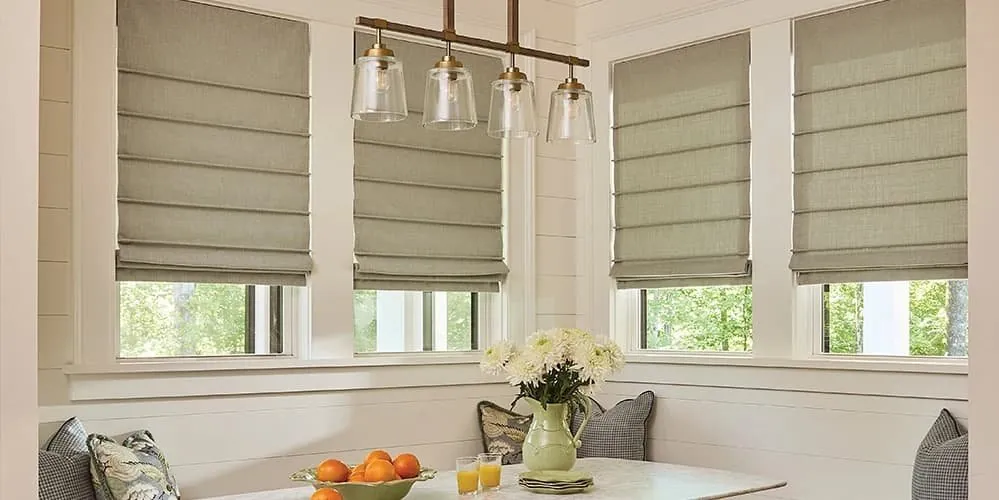
Vignette and Carole fabrics fold softly inside a deep reveal and suit the proportions of a period room without crowding it.
Shutters
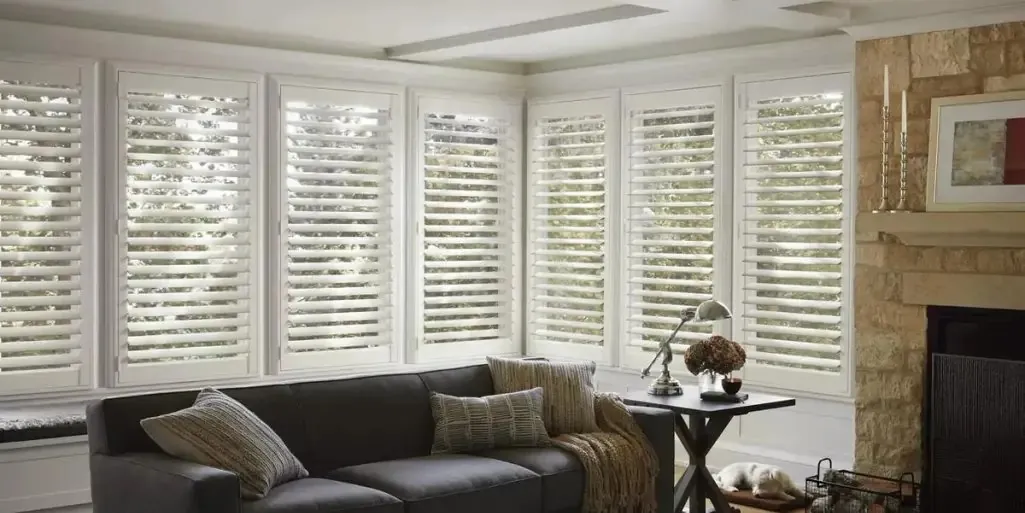
Made to measure for every window. Heritance is real hardwood and takes paint, so the panels can blend into the woodwork of an antique room.
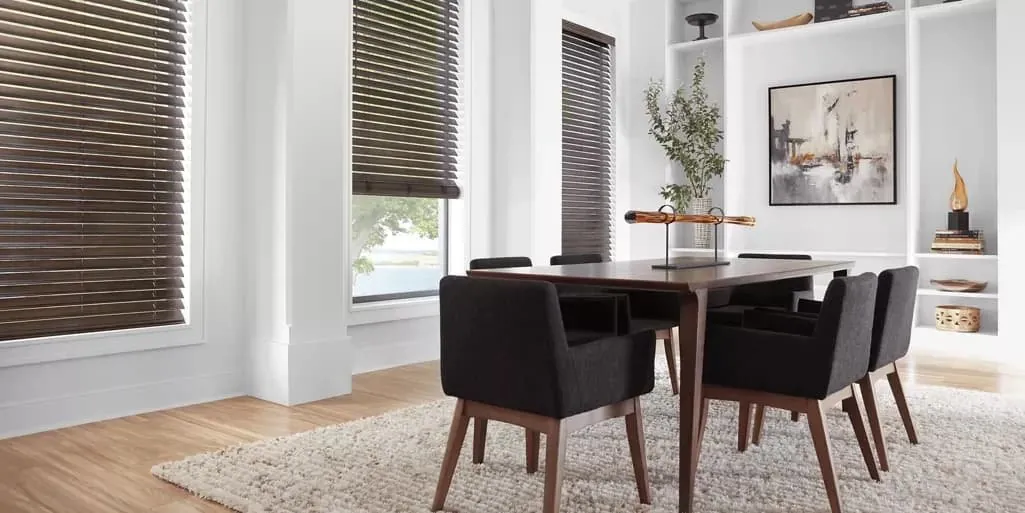
Wood and faux wood blinds
Parkland in a stain that picks up wide pine floors, or moisture-proof EverWood where a room gets steamy.
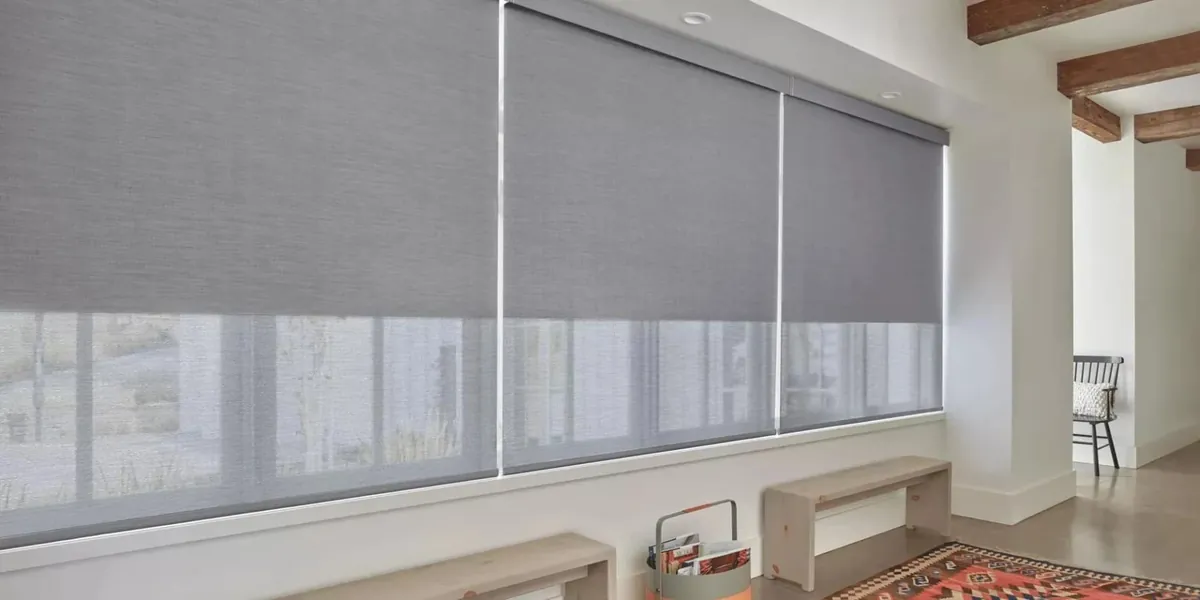
Roller and screen shades
Designer roller and screen shades suit the newer bay-side houses, where long runs of glass want one tidy, uninterrupted look.
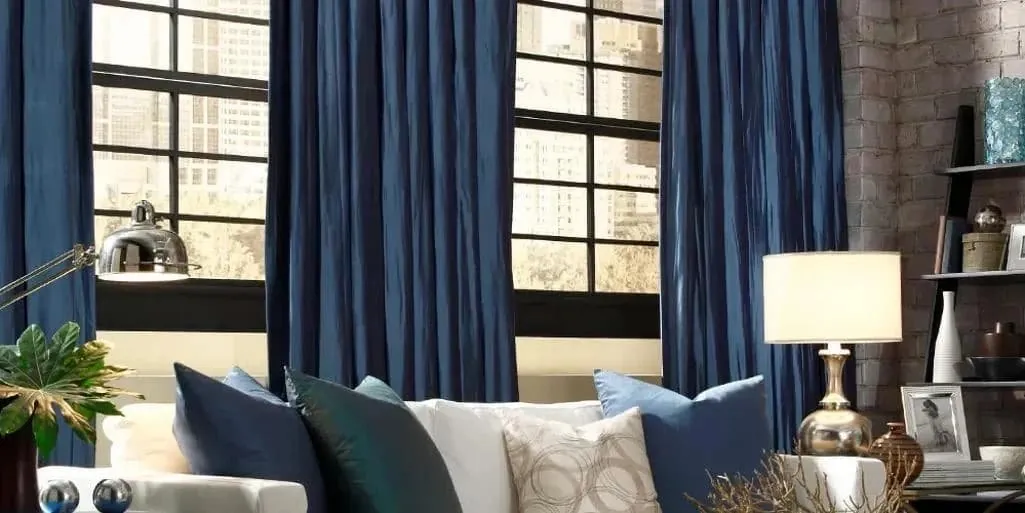
Drapery
Carole panels bring height and softness to a Federal front room, and a lined pair over a shade helps on a bitter night.
Deep-set sash in the 6A village
The oldest houses along 6A were built with heavy timber frames and thick walls, so their windows sit well back from the face of the house. From inside, that often means a deep reveal around each window, sometimes with a sill wide enough to hold a row of plants. It is one of the loveliest features of an old Cape house and one that a good window covering should respect.
A deep reveal is usually good news for an inside mount. There is room for a headrail without anything projecting into the room, and the shade can sit back near the glass where it does the most good against cold. A honeycomb or Roman shade mounted this way all but disappears when raised, leaving the reveal and its trim clear.
The catch is the sash itself. Many of these windows are small, divided into little panes and sometimes slightly out of square after many winters. Each one gets measured at several points, top to bottom and front to back, because two windows on the same front can differ more than you would think. Where a window has interior shutters or an old pocket in the reveal, we check what is left before we suggest anything.
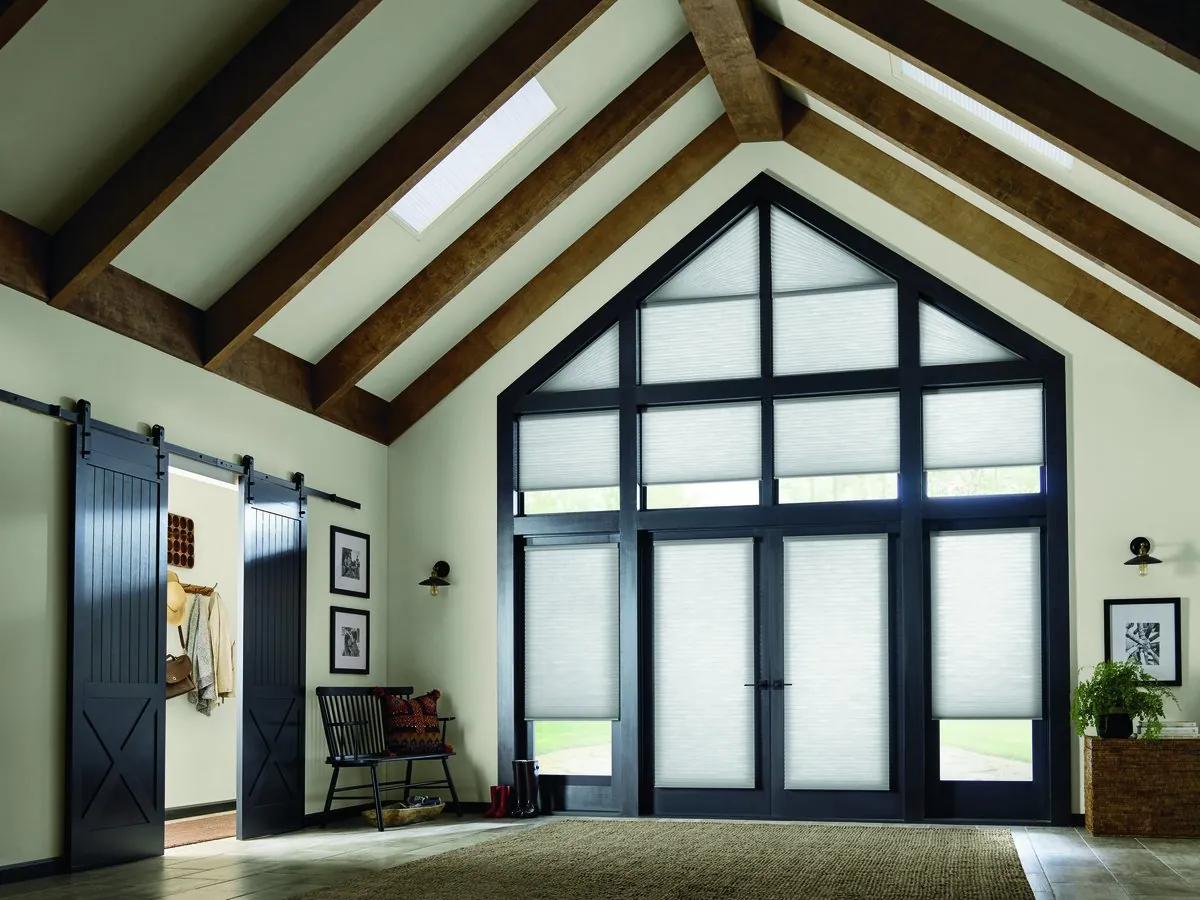
Antique capes: small rooms, low ceilings
A full or half cape packs a lot into a small footprint: a center chimney, front rooms either side, a kitchen across the back and bedrooms tucked under the roof. The windows are modest, the ceilings are low and the rooms are close to the street. Anything bulky at the window makes these rooms feel smaller still.
Slim, light products suit them best. Honeycomb shades have a narrow headrail and fold up tight, so they take almost nothing from a short window when raised. Flat-fold Roman shades in a light linen add softness without weight. In the kitchen, cafe-style shutters on the lower sash give privacy from the road and keep the top light. Upstairs, under the eaves, room-darkening honeycomb handles the early sun in a dormer bedroom.
Color matters in a small room. We bring warm whites and soft neutrals that sit comfortably against old plaster and painted woodwork, and show them in your own light, because a cape room with one window looks very different at four in the afternoon than it does at noon.
Federal houses: taller windows, finer detail
The Federal houses along the old road stand a little taller and a little more formally than the capes, with a balanced facade, a fanlight over the entry and windows that are larger and more evenly spaced. Their trim tends to be the finest in the village, with thin mouldings and carefully proportioned casings.
These rooms can carry a more finished treatment. A Vignette Roman shade in a good fabric, a Silhouette sheer for soft daytime light, or a shade layered with drapery panels in a front parlor all suit the scale of a Federal room. The sidelights at the front door often need their own narrow shade, which a honeycomb can manage at very slim widths.
Because these houses are on show, we plan the street view first. Every window should look the same from outside, with a neutral backing and a consistent stopping height, even if the rooms inside take different products and colors.
Inside the historic district
Much of the village along 6A falls within the Old King’s Highway historic district, and owners there are used to thinking about how any change looks from the road. Window coverings sit inside the house, but they are seen through the glass, and a jumble of colors and heights across a historic front can spoil it.
A few habits keep a historic front looking settled. Pale, uniform backings mean every window shows the same face to the road whatever color the room is inside. Mounting within the reveal leaves the old casings and wavy glass on view. A painted shutter in white or a soft historic shade belongs on a cape or Federal front far more naturally than anything glossy. Whether a particular plan needs the district’s view is a matter between you and the district; we can explain what each option looks like from outside so you go into that conversation well informed.
Bay-side houses with bigger glass
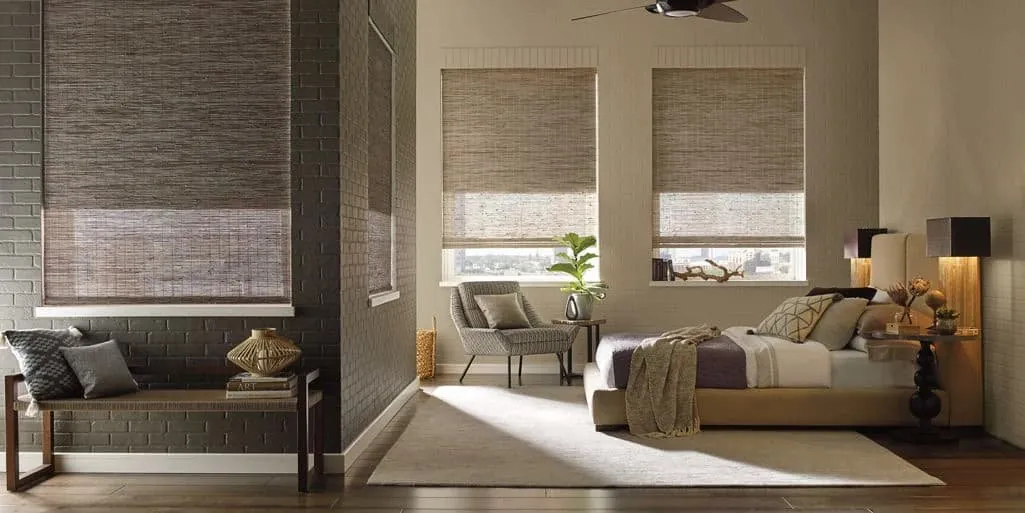
North of 6A and along the shore, the newer houses are built for the view. Great rooms open onto decks, tall windows face the marsh and the bay, and a primary bedroom may have glass on two sides. Openings are deep and square, so nearly every Hunter Douglas product fits inside.
Here fitting is easy and the real decision is about light. North-facing glass gives soft, steady light most of the day, so the aim is usually warmth and privacy at night rather than glare control. A honeycomb shade behind a sheer works well: the sheer keeps the marsh view by day, and the honeycomb closes for a warm, private room after dark. Where glass climbs above reach, PowerView moves the upper shades from a phone, a remote or a timetable; our motorized blinds in Barnstable page explains how.
Winter storms come in off the bay, and big north-facing glass can feel cold on a windy night. Lowering honeycomb shades at dusk makes a real difference to how the room feels.
The Sound side: strong sun from the south
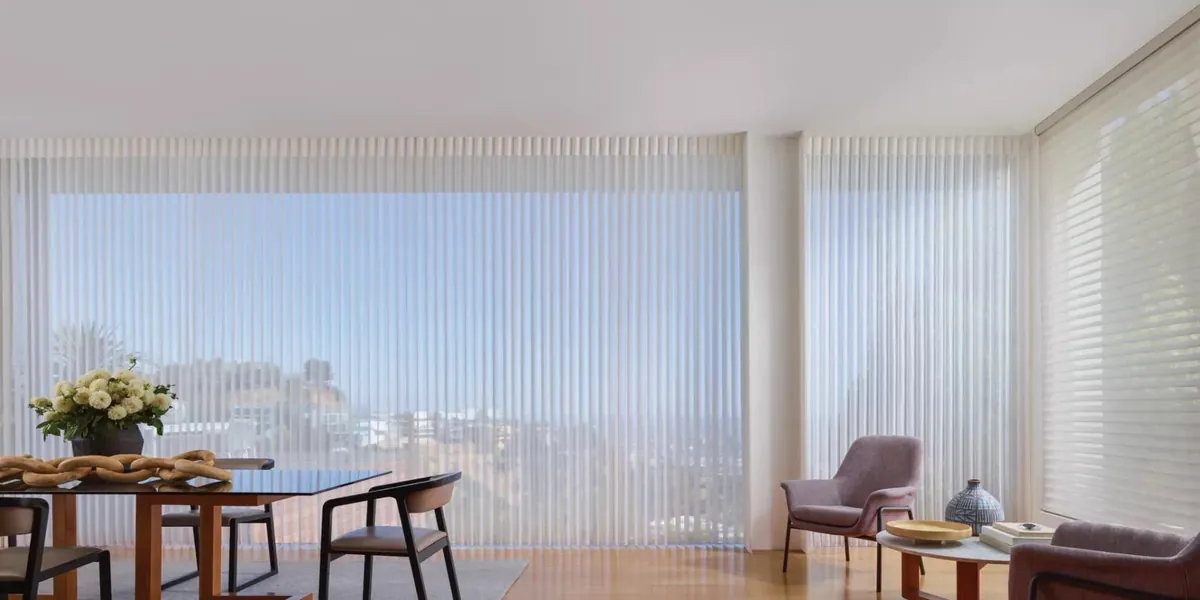
Drive south across town and the light changes completely. Houses facing the Sound take strong sun through the middle of the day and long into the summer evening, and the rooms on that side can overheat fast. Fading is a concern too, on wood floors and upholstery that sit in the same patch of sun for hours.
For those rooms we look at screen shades first, choosing the openness of the weave to balance view against glare. Sheer shades with tilting vanes give a softer look and let you steer light up and away. Honeycomb shades lowered in the hottest hours slow the heat through the glass. A good Hunter Douglas dealer in Barnstable, MA, asks which coast a house faces before suggesting a fabric, because the right answer on the north shore can be the wrong one on the south.
Seeing samples where they will hang
A fabric chosen under shop lights can surprise you once it is up against small old panes or a wall of bay-side glass. That is why most Barnstable projects start in the house itself. The vans carry the samples, so in effect the showroom comes to your door.
- Pick a time through Request a Consultation, or by the call button.
- The consultant brings fabrics and working samples chosen for the age of the house and the way it faces.
- Together you go through each room, north side and south side, and talk about what bothers you in each.
- Samples go up against the actual glass and trim, so you judge color and light where they will live.
- Every opening is measured, reveal depth included, and any awkward window is noted.
- A free estimate follows, and there is no hurry to decide.
For color and fabric across a whole house, ask about interior design consultations. Before the visit you might like to read what happens at an in-home consultation.
Cold glass on the north shore
Small antique sash, even with storms outside, is where an old house loses most of its warmth, and on the north side of town the bay wind pushes that cold straight at the glass. We usually begin with a honeycomb shade set deep in the reveal. Its cells hold air almost still, and placing it close to the pane puts that layer exactly where the cold arrives.
A room that is still chilly with a shade alone can take a second layer. Lined Carole panels drawn over the shade at night add real comfort to a north parlor and look entirely at home in a period room. Shutters, closed tight, are another way to fill the whole opening. Our cellular shades in Barnstable page covers the cell choices and lift options.
The ell at the back: kitchens and baths
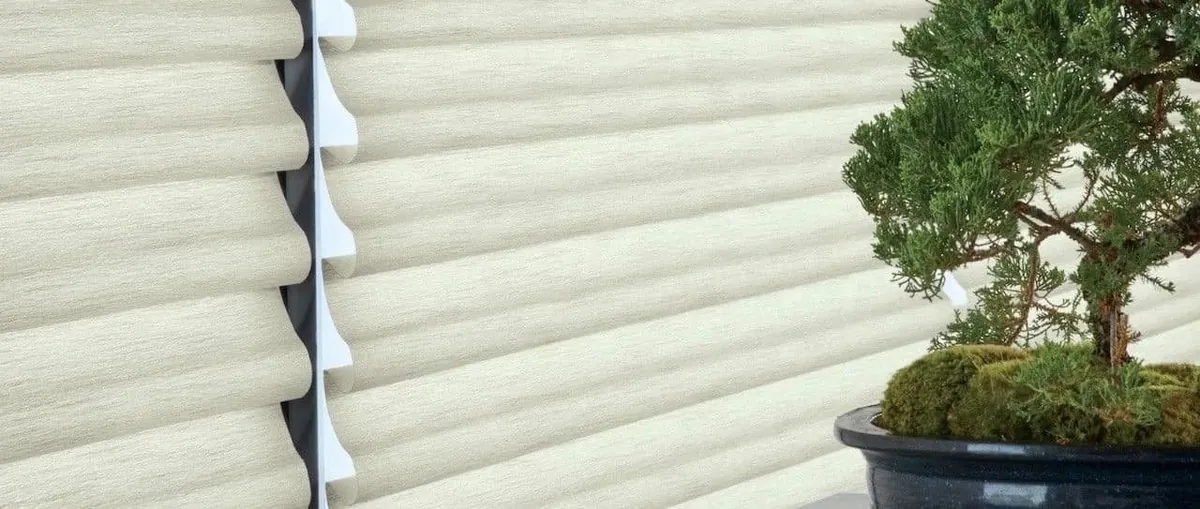
Behind many old capes runs an ell, the long back wing where the kitchen, pantry and a later bathroom ended up. Its windows are plainer than the front ones and lead harder lives, steamed by cooking, splashed at the sink and thrown open all summer. Palm Beach shutters are built for that: the material will not swell or bow in damp air. A pair of half-height shutters over a sink keeps the view in from the lane while the upper sash brings in daylight. EverWood blinds are a sturdy alternative that cleans with a cloth.
The newer bay-side kitchens tend to have long counters under a row of windows, and a roller shade in a wipe-clean fabric gives them one crisp line. In a bathroom with a view toward the marsh, a top-down shade covers the lower glass and leaves the upper panes clear.
Mixed houses: an old front and a new addition
Plenty of Barnstable houses are two buildings in one: an antique front facing 6A and a generous modern addition behind, with a family room, big sliders and a primary suite. Treating them as one house is the trick. From the road only the front shows, so the old windows get their quiet, period treatment. Out back, where the glass is bigger and the rooms are newer, the product can change to screen shades or a vertical honeycomb on the slider, while the colors stay related so the two parts still feel like one home. As a Hunter Douglas dealer in Barnstable, MA, we plan both halves at the same visit so they work together.
Browse the catalog before we come
Hunter Douglas keeps its full catalog online, and it is a good place to get a feel for the families before a visit. You can browse the Hunter Douglas catalog and let us know what caught your eye when you book. Our own Hunter Douglas page explains each family in plain terms.
What Gallery status brings to an old house
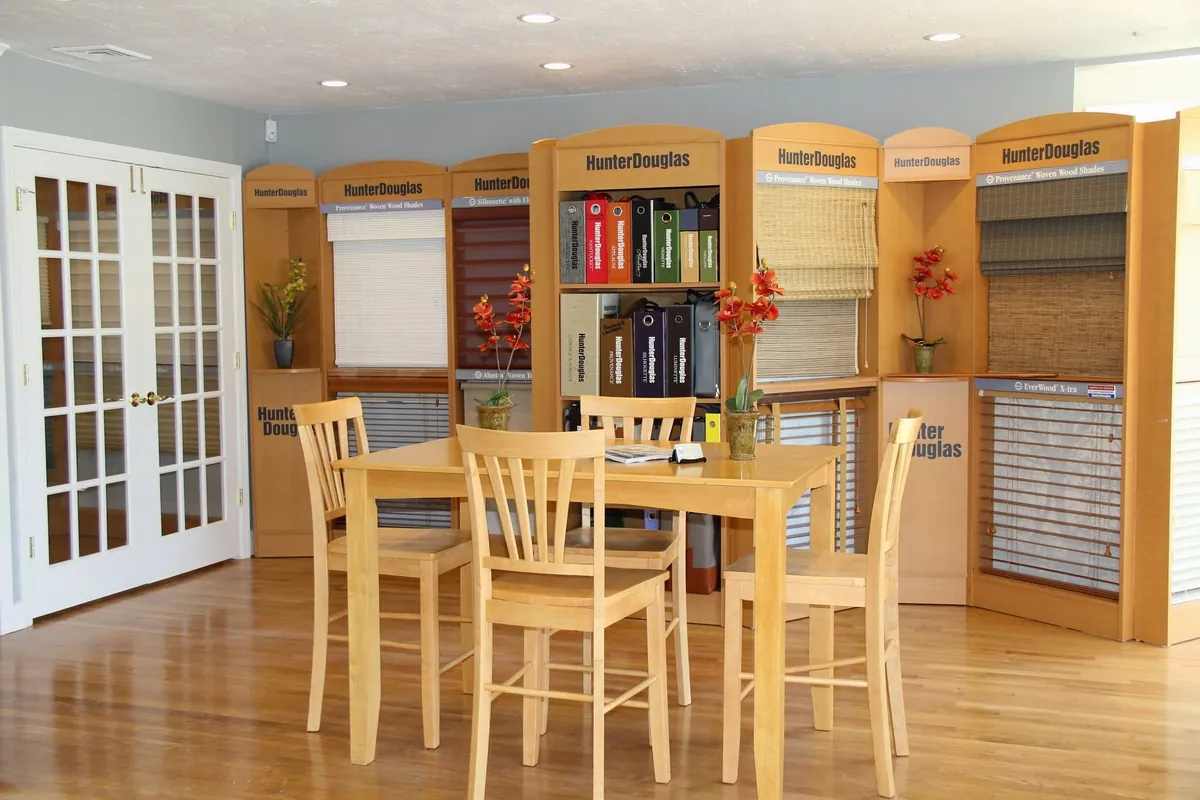
Gallery is the designation Hunter Douglas gives dealers who meet its standards, and Blinds & Designs holds it. What that changes for you is choice: nothing in the range is off the table, so the little front room of a 6A cape and a two-story bay-side great room are each matched on their own terms rather than squeezed into the same product.
Hunter Douglas also certifies our installers. The people who take the measurements answer for the fit, start to finish. If a shade you already have stops working, our repair service looks after it. The full list of what we do here is on our Barnstable page.
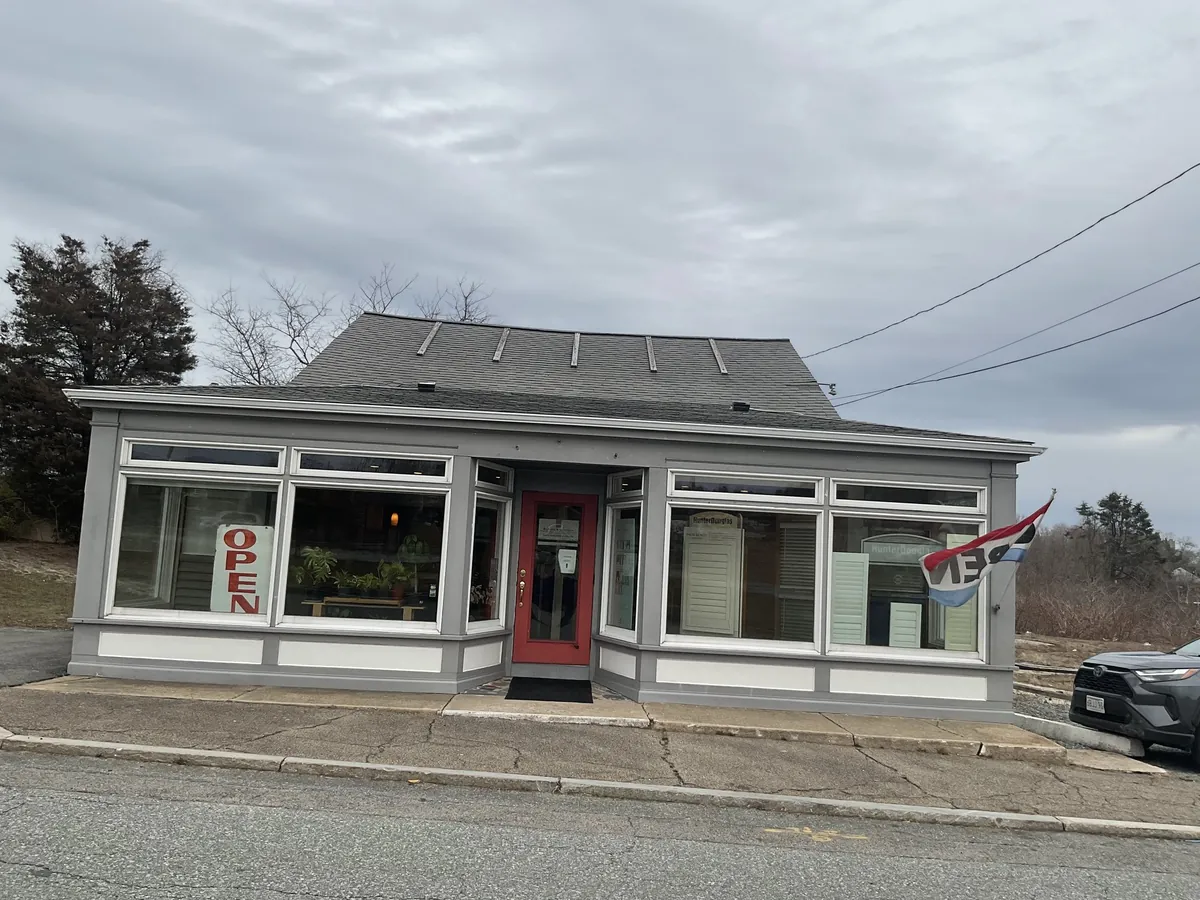
The Sagamore showroom, at the Cape end of the canal
Sagamore is our closest showroom to Barnstable, an easy run along 6A or Route 6. If you would like to handle the products before anyone visits, start there.
Many people reverse the order, seeing samples at home first and calling in afterwards. Whichever you choose, one Hunter Douglas dealer in Barnstable, MA takes the job from first measurement to the last bracket.
Questions from Barnstable
My antique house has deep window reveals. Is that good or bad for shades?
Usually good. A deep reveal leaves room for an inside mount, so the shade sits back near the glass and almost disappears when raised. We still measure each window carefully, because old sash is often small and slightly out of square.
What looks right from the road in the historic district?
Pale, matching backings, the same stopping height at every window and mounts inside the reveal. Painted shutters sit naturally on a cape or Federal front. Questions for the district are yours to put, and we can show you how each option looks from the road beforehand.
Do houses on the bay side and the Sound side need different products?
Often, yes. North-facing rooms tend to need warmth and night privacy more than glare control, while south-facing rooms on the Sound need sun and heat handled. We plan each house by the way its rooms face.
What is warmest for an old north-facing room?
Honeycomb set deep in the reveal, near the pane. If that is not enough, lined panels drawn over it at night give the window a second barrier.
Is the estimate free?
It is. Once every window is measured, we put together a free estimate covering the products you like and their installation.
Take the next step
Whether your windows look onto 6A, the marsh or the Sound, the answer starts with samples at the glass. Ask for a consultation and we will come with the Hunter Douglas families that suit the house, take every measurement and follow with a free estimate. To talk it over first, the call button reaches us, and the Sagamore showroom is open to visitors.