
The center and the subdivisions need different answers
Middleborough covers a very large area, and its houses fall into two quite different groups. Around the town center stand Victorians and Federal houses, built when windows were tall and narrow, with high ceilings above them and deep trim around them. Spread out across the rest of the town, on roads that run a long way from the center, are post-war ranches and newer colonials with the standard, square openings of modern building.
A window covering that suits one group often misses with the other. A shade proportioned for a ranch picture window looks squat on a Victorian sash, and a heavy treatment that dresses a tall parlor window would crowd a ranch bedroom. Choosing a Hunter Douglas dealer in Middleborough, MA is really about finding one who can tell the difference and has the range to answer both.
Blinds & Designs is a Hunter Douglas Gallery dealer. That gives us the full Hunter Douglas family to choose from, and our installers are certified by Hunter Douglas, so each piece is fitted to the opening it was made for.
The Hunter Douglas range, house by house
Here is what we bring most often as a Hunter Douglas dealer in Middleborough, from the oldest streets near the center to the newest roads at the edge of town. Each card leads to our page for that product in town.
Honeycomb shades
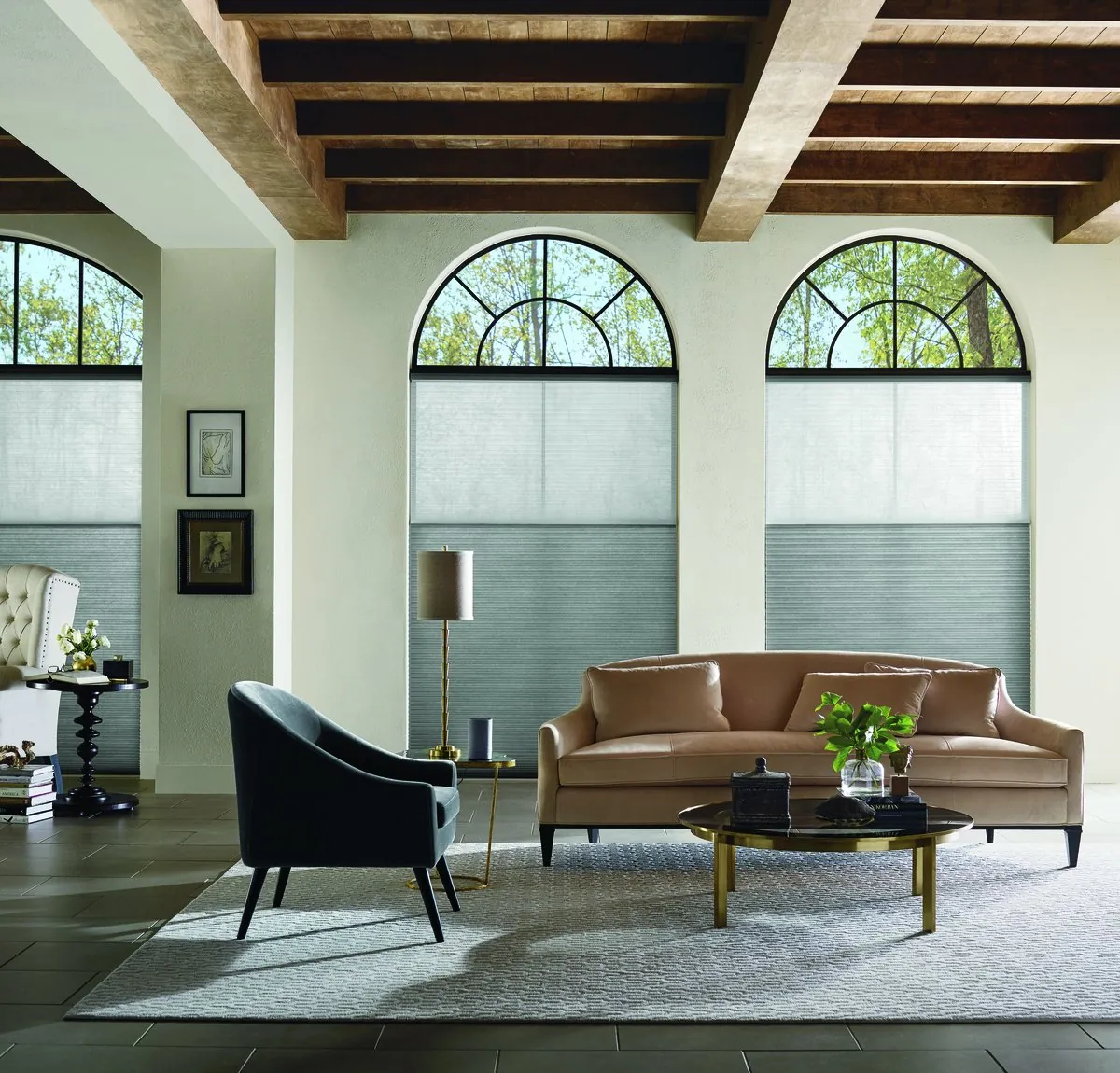
Duette and Applause, with a top-down option that suits tall Victorian sash and an air-holding cell for cold rooms.
Shutters for tall windows
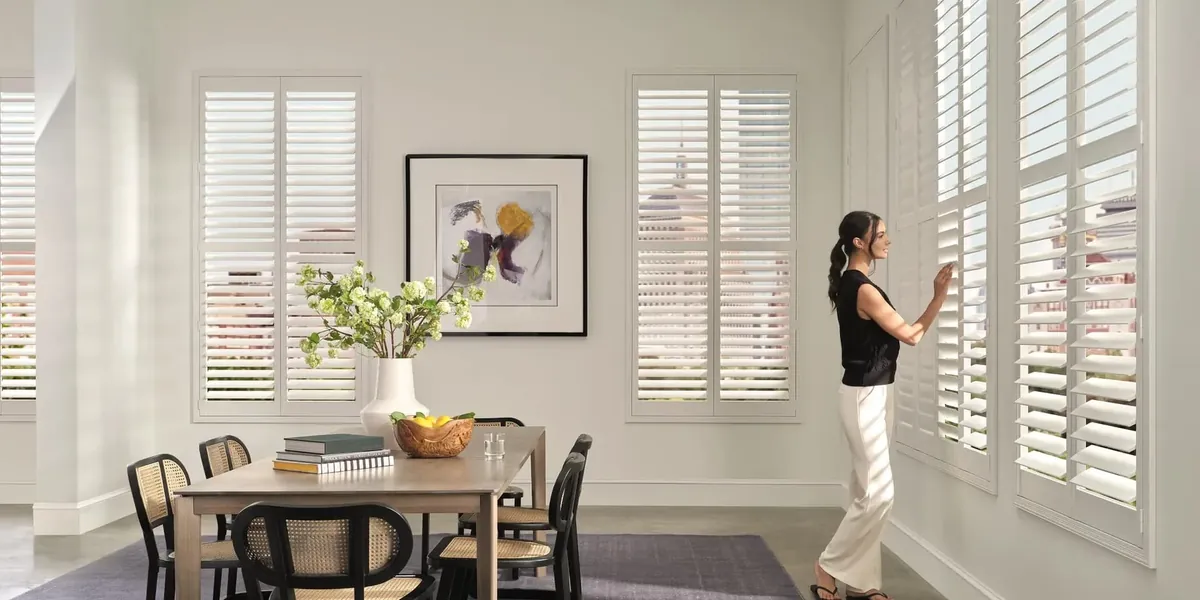
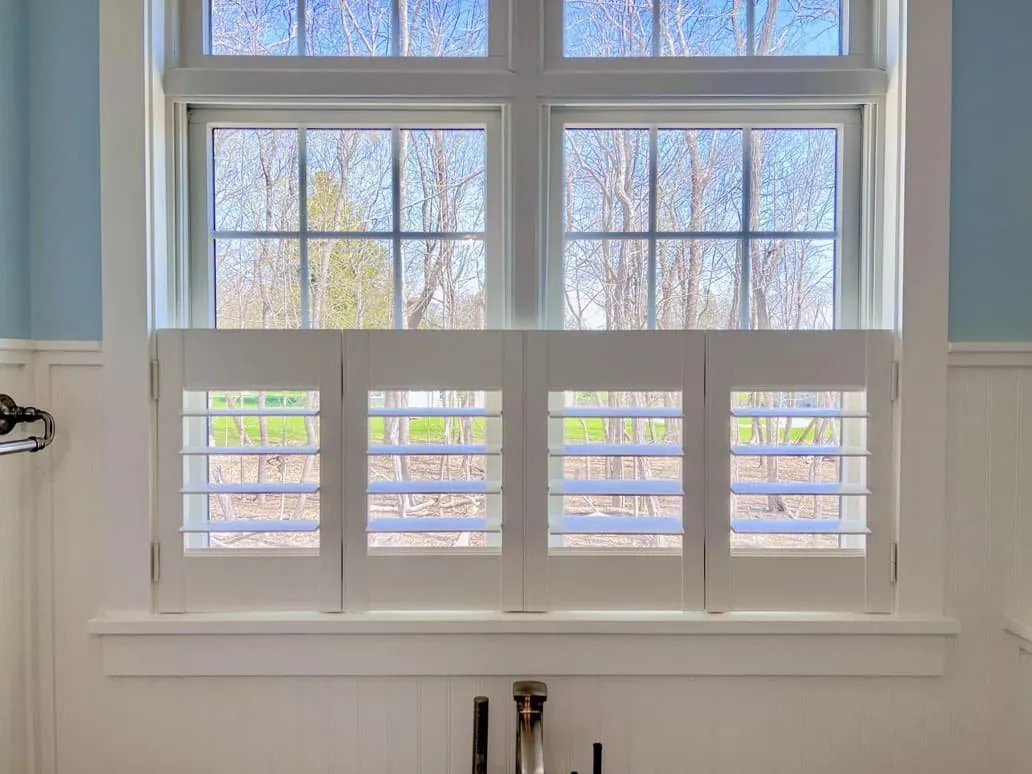
Heritance hardwood, NewStyle and Palm Beach. A divider rail lets the top and bottom of a tall shutter tilt separately.
Roman shades
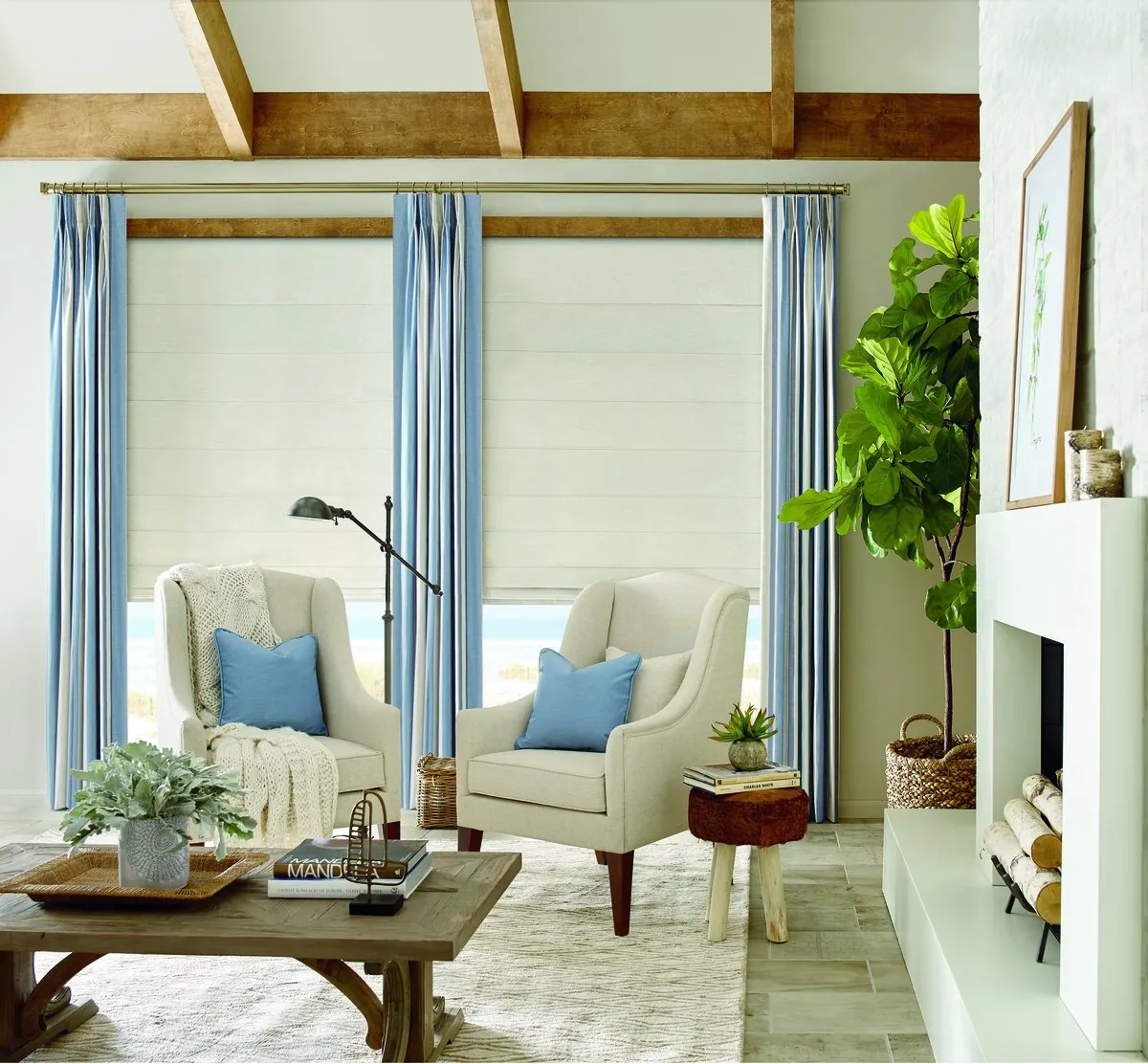
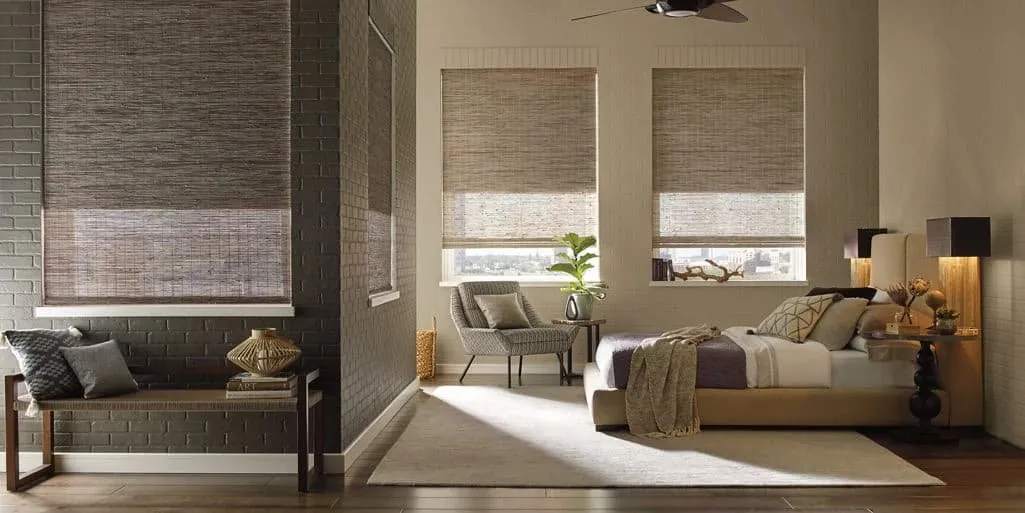
Vignette and Carole Roman shades, whose folds sit comfortably in a room with high ceilings and wide trim.
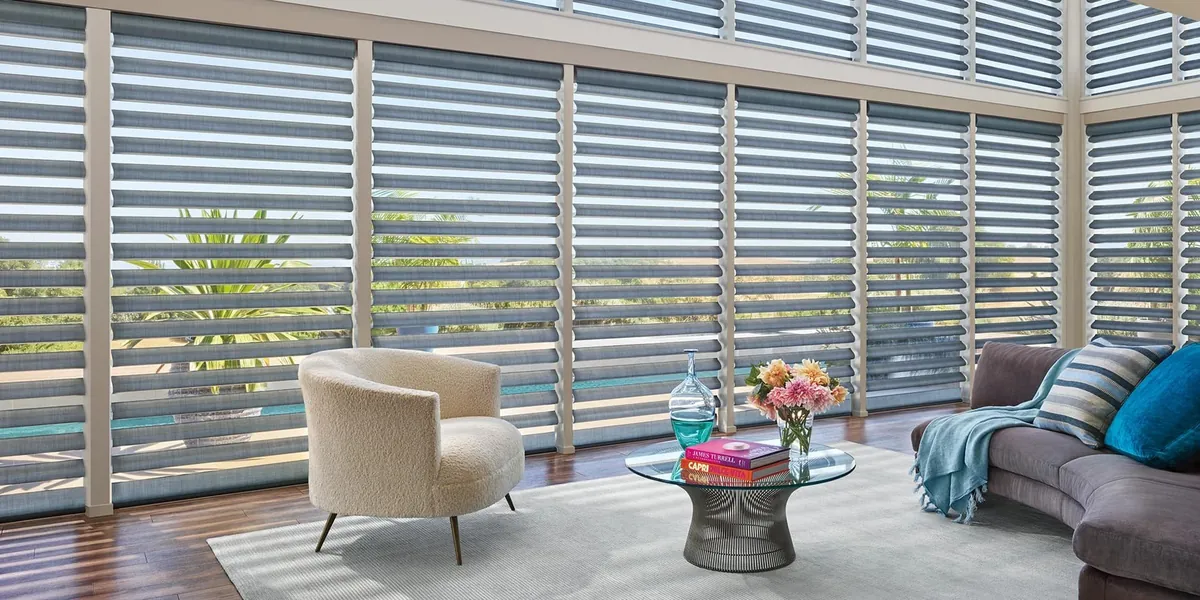
Sheer and roller shades
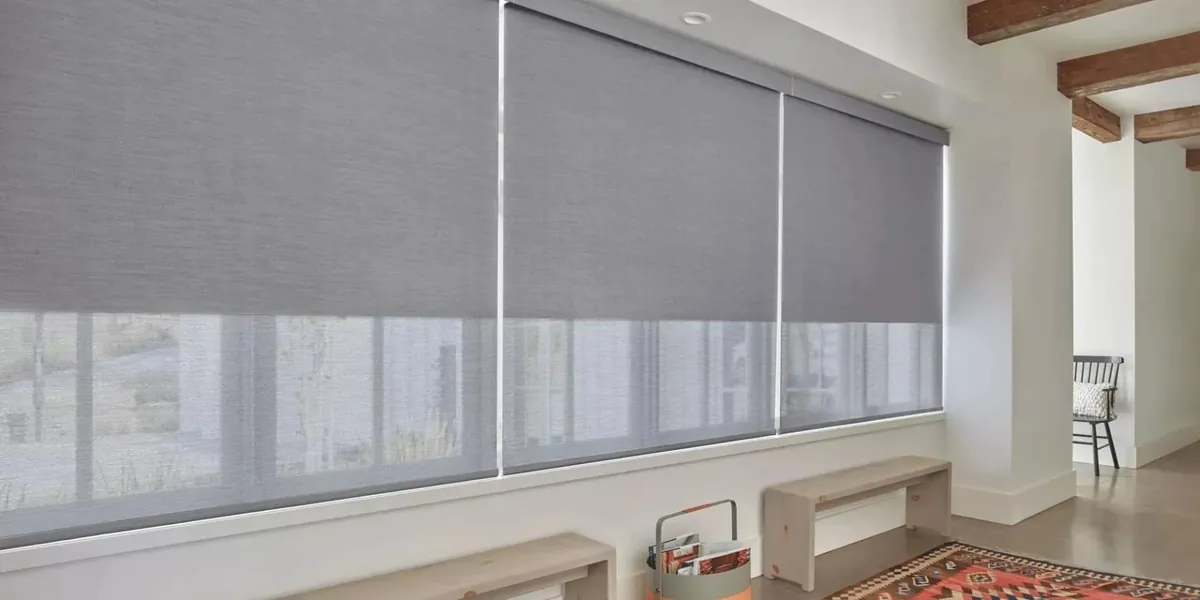
Silhouette, Pirouette and Designer rollers, for bright living rooms in newer colonials and ranches.
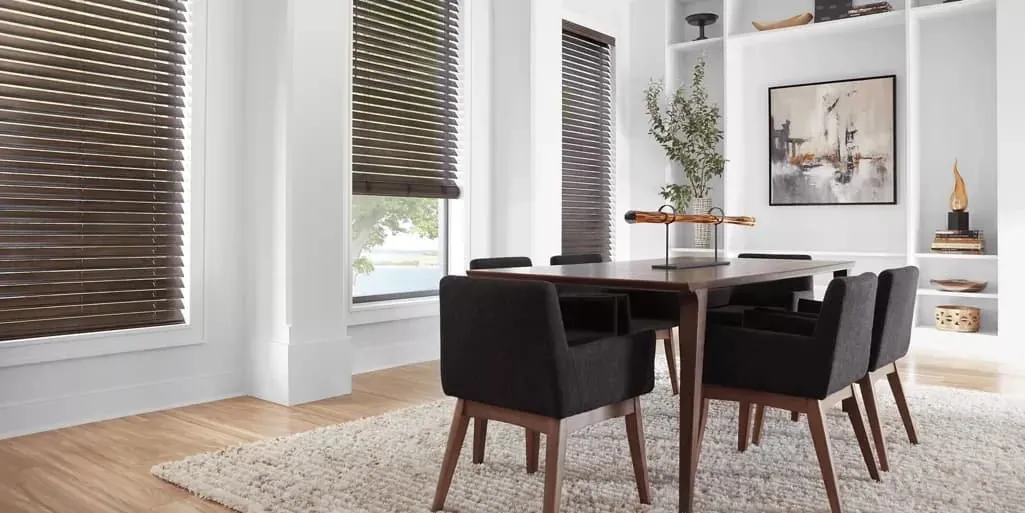
Wood and faux wood blinds
Parkland and EverWood in widths and finishes to suit both a Federal dining room and a ranch kitchen.
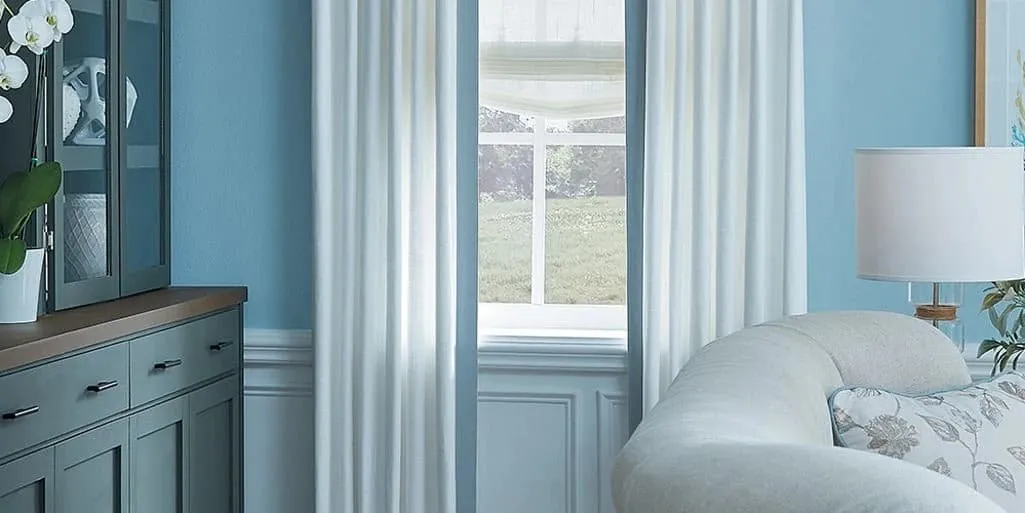
Carole drapery
Floor-length panels give a tall Victorian window the frame it was built for, layered over a working shade.
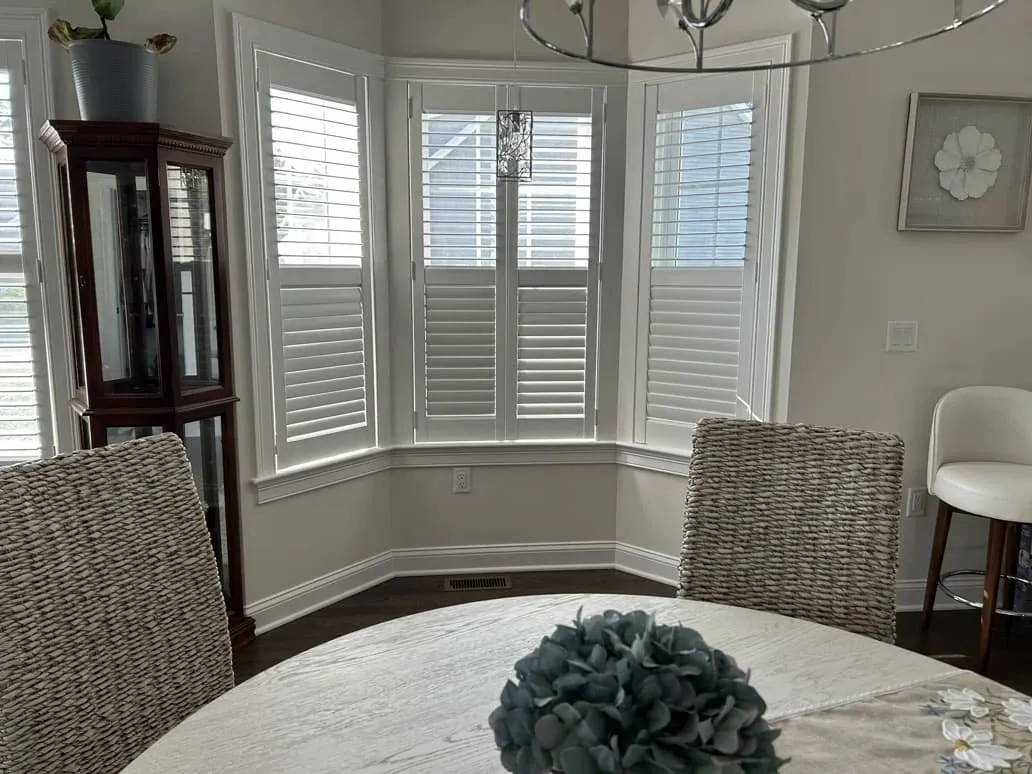
Tall, narrow sash in the town center
The older houses near the center were built with windows much taller than they are wide. In a Victorian parlor a single sash can run close to the ceiling, and the casing around it may be carved, layered or simply generous. Federal houses are a little plainer but share the same tall proportions. These windows are the best feature of the room, and the right covering makes the most of their height.
Proportion is the first thing we look at. A shade that stacks into a deep band at the top of a tall window steals the most valuable light, the light that reaches furthest into the room. Honeycomb shades stack very slim, so they suit this kind of window well. Shutters do too, especially with a divider rail partway down, so you can tilt the upper louvers open for light and keep the lower ones closed for privacy.
Mounting comes next. Old sash often has pulleys, weights and parting beads that take up the depth an inside mount needs, and frames that have moved over the years are rarely square. We measure each window at several points before we recommend a mount. Where a shade fits inside, the casing stays in full view. Where it does not, a slim outside mount set on the casing is the honest answer.
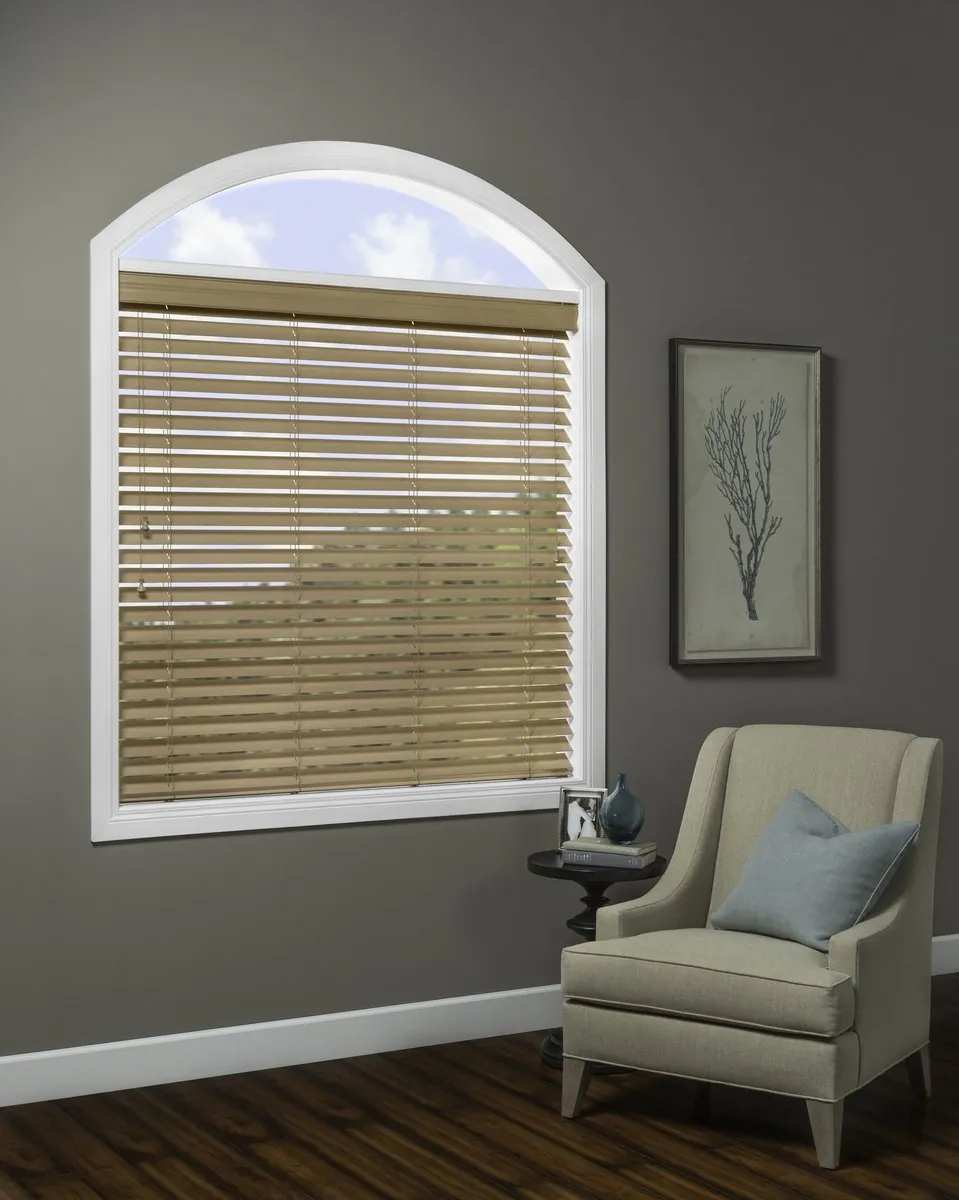
Bays, arches and high ceilings
Many Victorians have a bay on the front or side, often with three or more tall windows set at angles. Each panel in a bay takes its own shade or shutter, and we plan them so the rails line up when everything is lowered. A bay looks finished when the whole curve moves as one.
Some older windows carry an arched top or a transom above the sash. These are often left open to the sky, with the covering on the rectangular part below, or fitted with a shaped shutter where the room calls for it. High ceilings also raise the question of reach. The top of a tall Victorian sash can be out of easy reach, and a cord that runs that far gets long. Cordless lifts help, and PowerView motorization removes the problem entirely.
Rooms with tall ceilings also carry drapery well. Floor-length Carole drapery hung high above the window makes a parlor feel even taller, and layered over a honeycomb or Roman shade it adds warmth on a cold night.
Privacy on the older streets
The houses around the center were built close to the road and close to each other, and their front rooms often sit only a few steps from the sidewalk. Tall windows let in a lot of light, but they also show a lot of the room, especially in the evening with the lamps on.
There are a few good ways to handle that without giving up the daylight. A top-down, bottom-up honeycomb shade lowers from the top, so the upper part of the tall sash stays open to the sky while the lower part is covered from the street. A shutter with a divider rail does the same with louvers: tilt the top section open and keep the bottom closed. A light-filtering fabric gives daytime privacy on its own, because it glows with light rather than showing the room behind it, and a heavier fabric or a room-darkening option takes over at night.
Side windows that face a neighbor a short distance away are just as common in the center. For those, a sheer shade or a light-filtering Roman shade keeps the room bright while blurring the view in both directions.
Ranches and colonials across the rest of town
Leave the center and the houses change completely. The ranches built after the war are single-story, with a picture window in the front room, horizontal windows in the bedrooms and a slider to the back. The newer colonials have two floors of matching double-hung windows, a family room at the back and often a foyer with a tall window over the door.
These houses are easy to fit. Modern openings are square and deep enough for an inside mount, so nearly any Hunter Douglas line sits cleanly in the frame. The choice becomes about what each room should do and how the house looks from the road. A consistent product and color across every street-facing window keeps the outside tidy, while the fabrics behind change from room to room.
Light is the other difference. Outer roads are often open, with fields or new subdivisions around them and few large trees, so a west-facing living room can take strong afternoon sun. Screen shades, sheers and light-filtering honeycomb all help in their own ways.
One visit, wherever you are in town
Middleborough is a big place to cross, and that is one more reason to start at home. Our vans carry samples, so we bring the showroom to you, whether the house is a Victorian a few steps from the center or a colonial at the far edge of town. You see every fabric at your own windows, which matters even more when the center and the outer roads take such different light.
It also means we can see the house as a whole. On an older house that has been added to, the original rooms and the addition often need different products, and planning them together keeps the inside looking related. A Hunter Douglas dealer in Middleborough who sees the whole house can make those choices fit together.
Open roads and afternoon sun
Many of the outer neighborhoods were built on open land, and the young trees around a newer colonial give little shade yet. A family room facing west can be bright to the point of discomfort in the late afternoon, with glare across the television and sun on the floor.
Screen shades are often the first thing we show for that room. The fabric cuts glare and heat at the glass, and the openness of the weave decides how much of the yard you still see. Sheer shades with tilting vanes are the softer option, turning hard sun into an even glow. For a room you want to keep fully bright most of the day, light-filtering honeycomb lowered only during the worst hour does the job without much fuss. Our guide to the best shades for sun and glare compares them.
Your visit, step by step
- Ask for a time through Request a Consultation or the call button.
- We look at each room with you, starting with the ones that trouble you most: a cold parlor, a bright living room, a bedroom that wakes too early.
- Samples go up against your glass, so you see how each fabric, slat and louver handles your light.
- We measure every window, including depth and squareness on older frames, and note any sash hardware in the way.
- You get a free estimate and take whatever time you need to decide.
For help bringing color, fabric and drapery together in a room, our interior design consultations cover that at the same visit. You can read about the visit in our guide to what happens at an in-home consultation, and our shutters for older windows guide is useful if you own one of the houses near the center.
Cold rooms in the older houses
Victorian and Federal houses were built for coal and wood stoves, not for the way we heat today, and their tall single-glazed sash lets a lot of warmth escape. A front parlor can feel comfortable in the middle of the room and chilly near the windows.
A honeycomb shade is the most useful answer here. Each cell holds a band of still air between the glass and the room, which slows the cold coming in and the warmth going out. Double-cell fabrics give the air more places to stay put. Lowered at dusk, the shade makes the window seat usable again. Our guide on cellular shades and winter heat goes further into how the cells work.
Shutters help too, closing a solid layer across the window at night, and drapery over a shade adds another layer for the coldest rooms.
Bedrooms in both kinds of house
A Victorian bedroom and a ranch bedroom have little in common except that both should be dark in the morning. In the older houses the bedroom windows are often tall and narrow, set in pairs, with a radiator below. In a ranch they are wider and lower, along the side or back of the house. In a newer colonial the main bedroom may have a larger window or a pair facing east.
Room-darkening honeycomb works in all of them, because the fabric blocks the early glow and the cells still hold air against the glass on a cold night. In the older houses it can mount inside the deep frame and keep the trim visible. Shutters with tight-closing louvers suit a Victorian bedroom well too, and they keep their looks for a long time. For a wide east window in a newer house, a room-darkening roller shade behind a sheer gives a soft daytime look and a dark night. PowerView can raise the bedroom shades on a schedule, so the room fills with light gradually at the hour you choose.
Kitchens, baths and back rooms
In both groups of houses, the kitchen and bath work harder than any other room. Over the sink, Palm Beach shutters or EverWood faux wood blinds stand up to steam and splashes. In an old house the bath is often a later addition with a small window, which suits a cafe shutter on the lower sash or a light-filtering honeycomb shade. In a newer colonial the main bath may have a larger window over the tub, where a top-down, bottom-up shade gives privacy and daylight together.
Mudrooms and back halls, common in the ranches and colonials, are easy to overlook. A simple roller shade or a faux wood blind is practical there, and matching it to the kitchen keeps the back of the house consistent.
Every Hunter Douglas line, not a short list
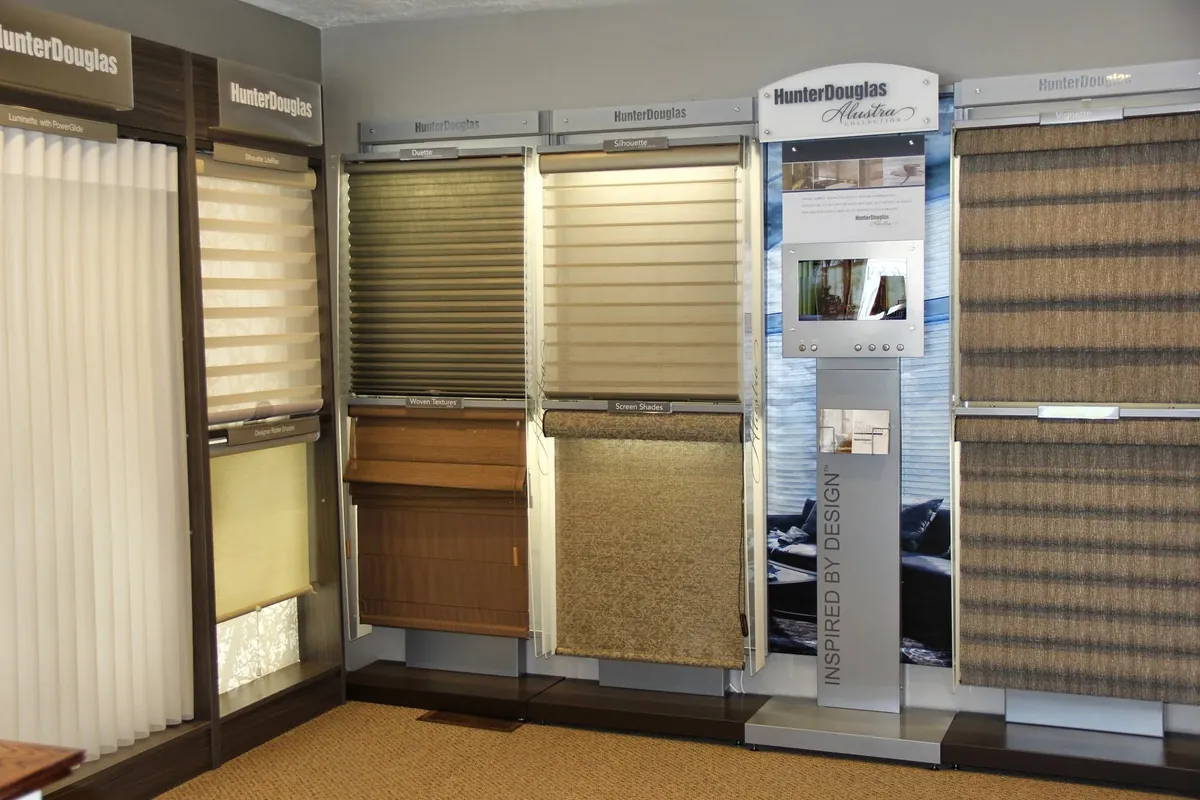
Gallery is the name Hunter Douglas gives to dealers who meet its standards, and it matters in a town where a Victorian parlor and a ranch bedroom can be on the same order. We are not limited to a few products. Heritance for the tall sash, Silhouette for a bright family room, Duette for a cold bedroom and Carole drapery for a parlor can all be planned together.
Our installers are certified by Hunter Douglas, and every Hunter Douglas dealer in Middleborough should be able to say the same before you buy. We offer free estimates, interior design consultations and repairs on window coverings you already own.
You can explore every family on our Hunter Douglas page, or go straight to the shades, shutters and drapery sections.
Fitting old frames and new ones
Our certified installers fit every order. In the center that means patience: setting brackets into sound wood on frames that have shifted, adjusting each headrail until it sits level, and making sure a shutter clears the sash lock. In a bay it means lining up three or four shades so they read as one. In the newer houses it means precision across many identical windows, so every shade on the front of the house sits at exactly the same height.
Before we leave, every lift is tested, every motorized shade paired and set, and you are shown how each one works. If something needs attention later, we offer blind and shade repair on window coverings you already own.
PowerView for tall sash and wide rooms
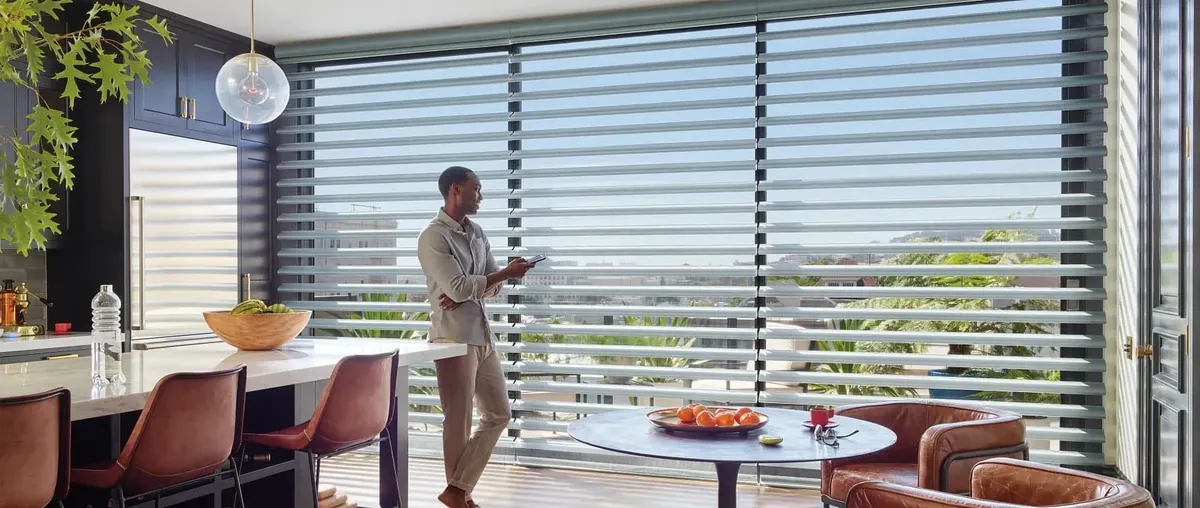
On a tall Victorian window, the top of the shade can be well above your reach. In a newer colonial, a two-story foyer or a family room with a long wall of glass has the same problem in a different shape. PowerView solves both. Shades move from a remote, a phone app or a wall control, and they can follow a schedule, closing a west room before the afternoon sun and opening a bedroom gently in the morning.
It works across many Hunter Douglas lines, so you keep your choice of style. We plan controls and how each motor is powered at the consultation, and our page for motorized blinds in Middleborough has more.
Middleborough questions about Hunter Douglas
What suits the tall, narrow windows in a Victorian?
Honeycomb shades stack slim, so they keep most of the daylight when raised. Shutters with a divider rail let the top and bottom tilt separately. Both can often mount inside the frame, keeping the trim in view.
Will the same product work in my ranch and in an old house?
Often, but in different forms. A honeycomb shade suits both, though the fabric, mount and lift may change. We plan each house on its own terms.
Can you fit a bay window with several angled panels?
Yes. Each panel gets its own shade or shutter, and we line up the rails so the whole bay looks like one piece when lowered.
Do you come out to the far edges of town?
Yes. In-home consultations are how most projects start, and our vans bring the samples to you wherever the house is.
Is the estimate free?
It is. After we measure, you get a free estimate for the products you are considering.
See it at your own windows
Request a consultation and we will bring the full range to your house, measure every window and leave a free estimate. If you would like to talk first, use the call button to reach the Sagamore showroom, our nearest. Whether the house is old or new, your Hunter Douglas dealer in Middleborough, MA is ready when you are. Everything else we do in town is on our Middleborough page.