
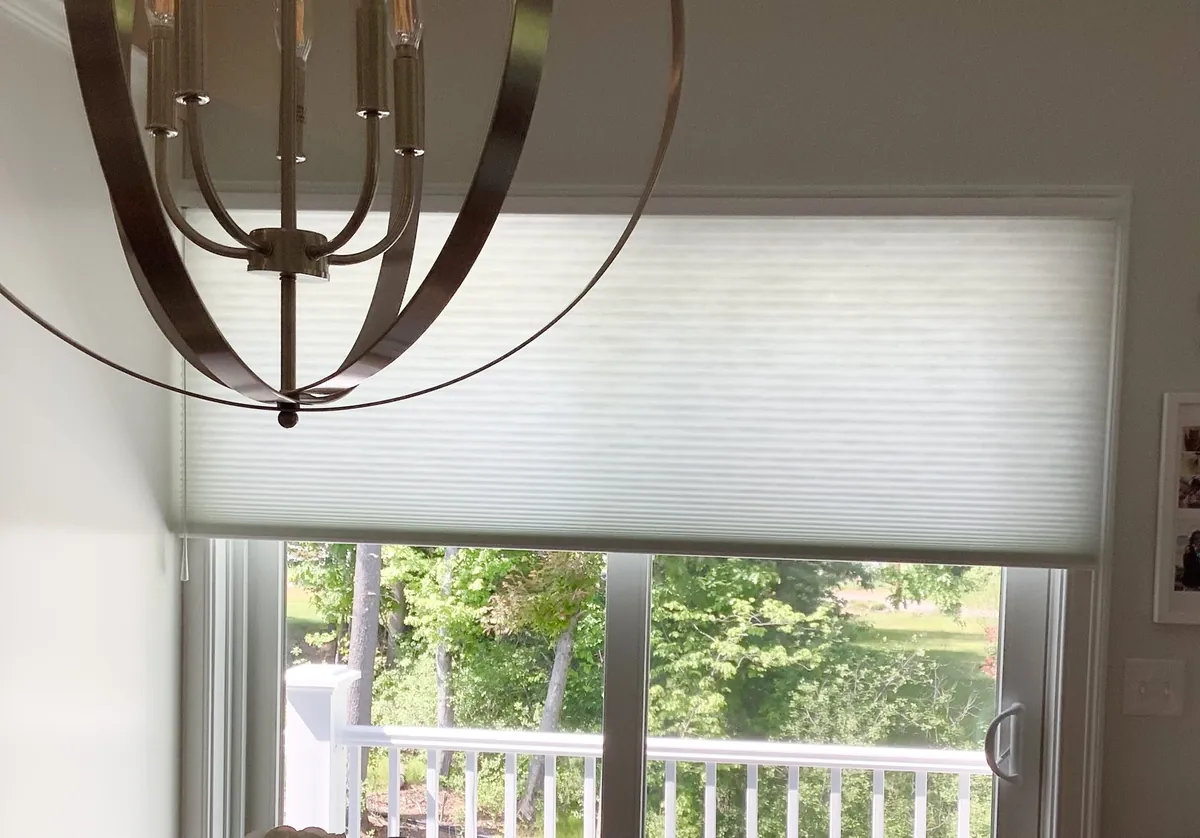
Small old sash and tall new glass in one town
Norwell asks two very different things of a window covering. Along Main Street the antique colonials keep their original sash, little openings with narrow muntins that were cut to the size glass came in at the time. Off Route 123 the newer houses are big, set deep into wooded lots, and many were designed around modern two-story glass in the family room or the front hall. When we plan motorized blinds in Norwell, MA, we are usually solving one of those two problems, and sometimes both under one roof.
The antique houses have many windows and each one is small, so covering every opening means a great deal of daily lifting and lowering. The newer houses have fewer, larger panes, and some of them sit well above anyone’s reach. A PowerView motor answers both. One press moves a whole row of little shades in a front parlor, and that same remote reaches a shade near the ridge of a vaulted ceiling.
Lots here are generous and houses sit back from the road, so privacy from passing traffic is rarely what drives the choice. Heat, glare, reach and routine do.
PowerView on the Hunter Douglas styles Norwell houses use
PowerView is the Hunter Douglas motor system, offered on a wide share of its shades and blinds. Choose the shade that suits the room, and the motor comes with it. These three are the styles we put forward most often when we plan motorized blinds in Norwell, for both kinds of house.
Sheer shades
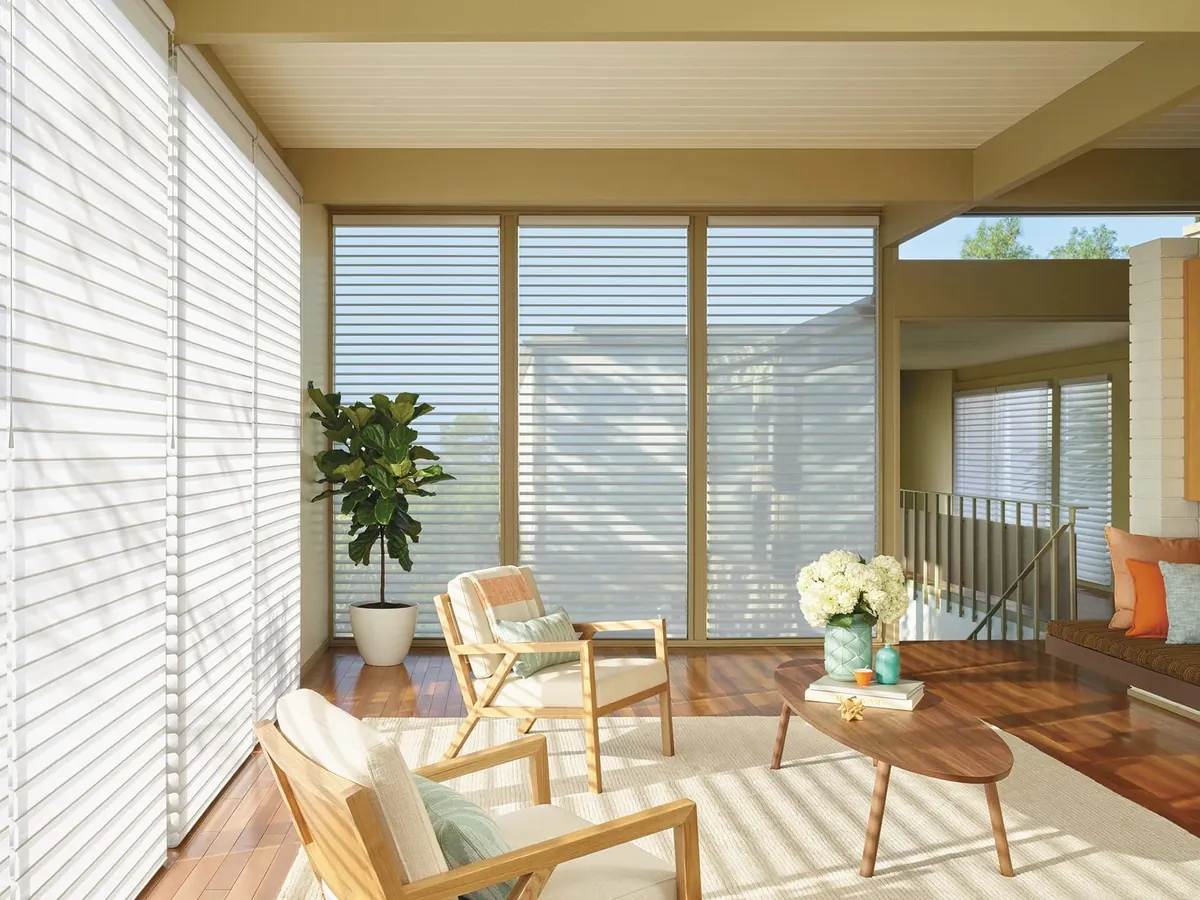
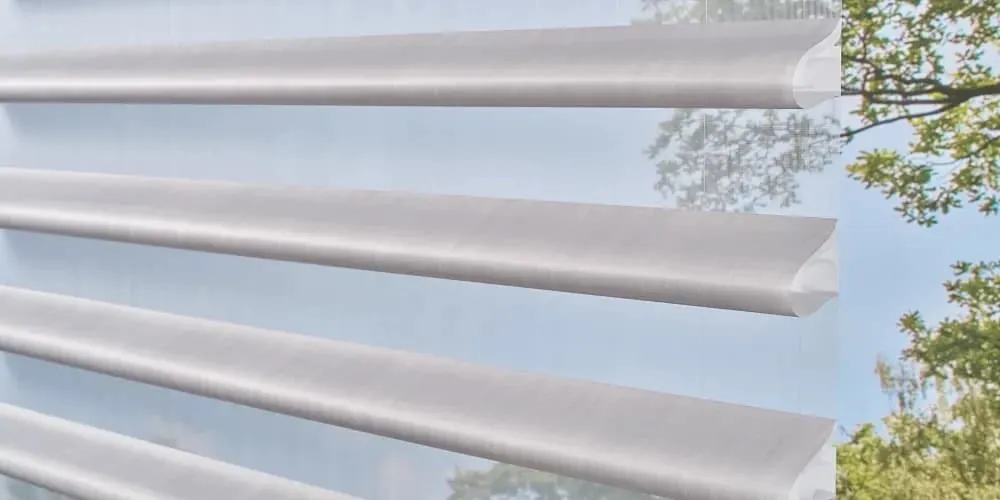
Fabric vanes float between two sheer layers, so tall modern glass can stay softly open to the trees while hard light is filtered.
Cellular shades
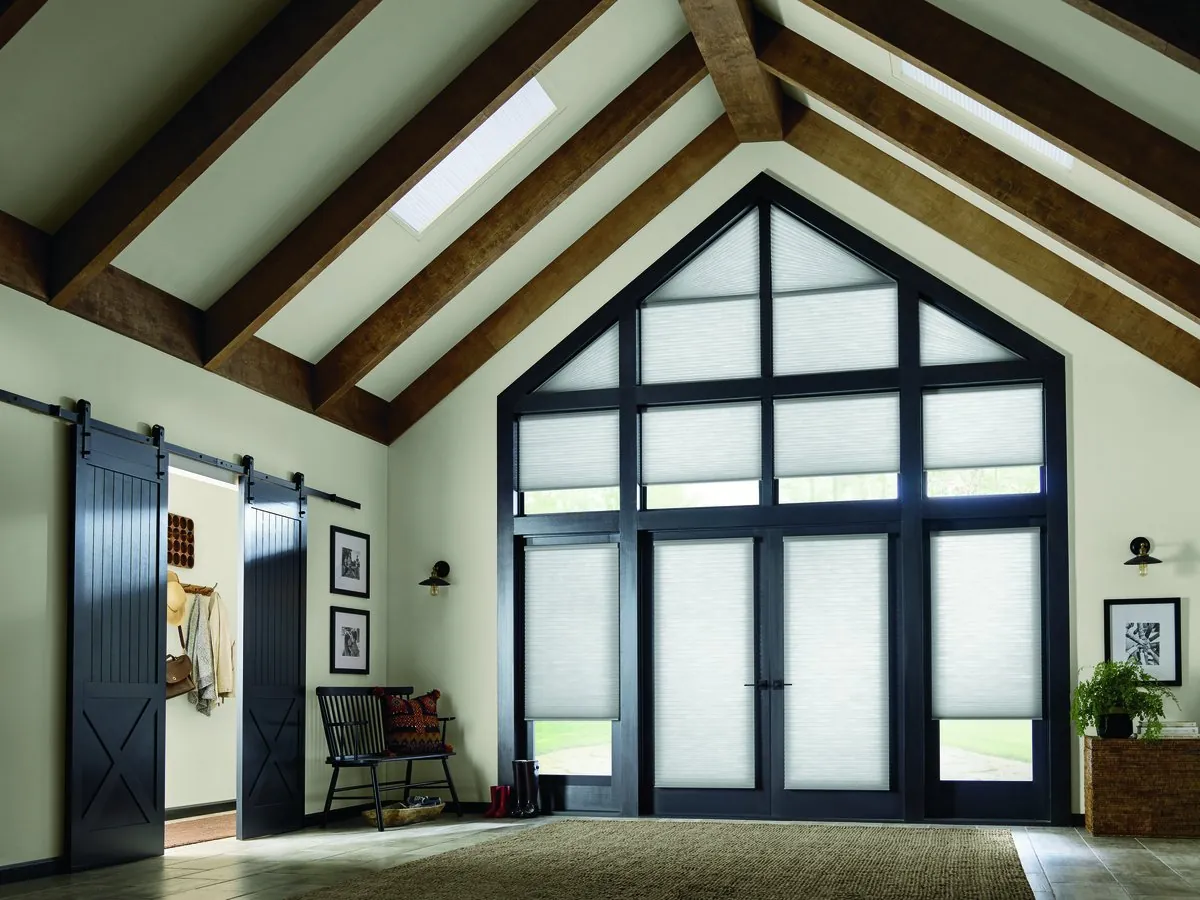
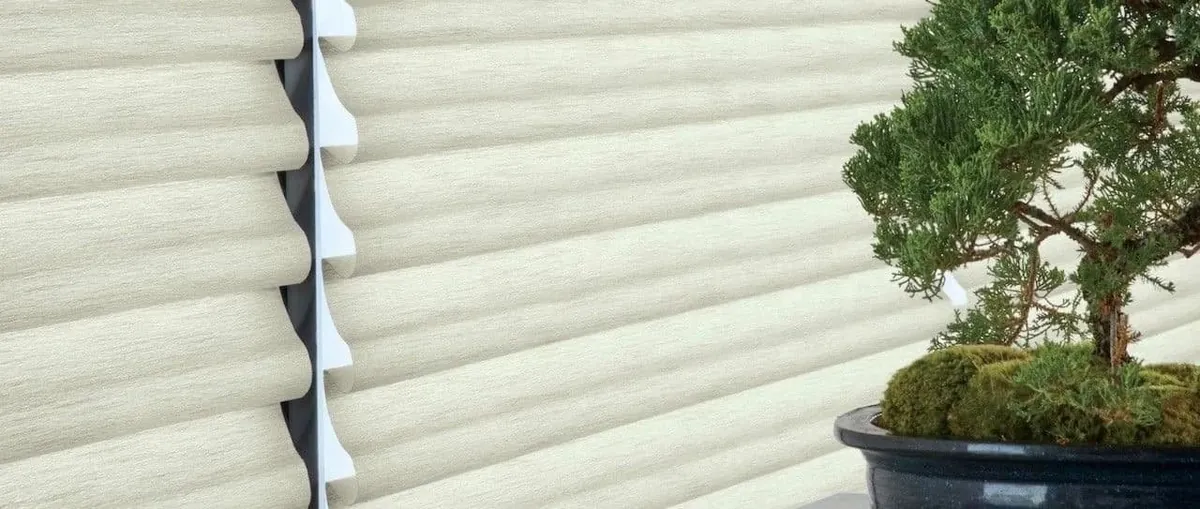
Honeycomb cells trap still air against the pane, which helps on thin antique glass and on big gable walls alike.
Roman shades
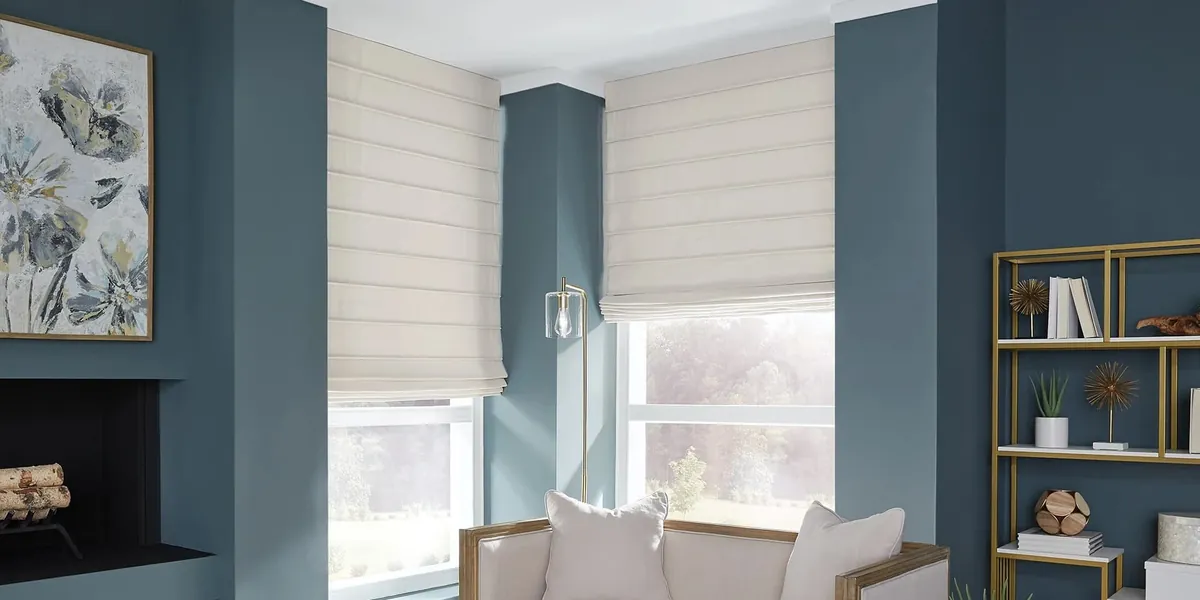
Soft folds in proportion with an old colonial room, sized to each small opening and run together.
Main Street colonials and their many little windows
Count the windows on the ground floor of a Main Street colonial and you often reach twelve or more, each a fraction different in size after a couple of centuries of the frame settling. Anyone who chose a house like that tends to love those windows: wavy glass, slender muntins, deep sills worn smooth. Covering them up is not on the table.
So every antique opening gets its own measurements. We take the width near the head, through the middle and near the sill, and we check how deep the frame runs before talking about mounts. Set within the frame, a raised shade almost vanishes and the casing stays in view. If old stops or sash hardware leave too little depth, you will hear that from us, along with the alternatives: a slimmer style, or brackets on the casing.
Then there is the routine. Twelve small shades raised every morning and lowered every evening is the kind of chore that quietly lapses, and before long the shades just stay wherever somebody last left them. Put them on a motor and the whole front of the house opens with one button, every shade stopping level with its neighbors. Seen from Main Street, an antique facade with its shades in one even line reads as cared for.
Flat roman shades sit comfortably in a small, deep window. Where an old parlor feels cold, honeycomb shades are the other usual pick, and either one can be motorized.
Two-story glass off Route 123
Houses built more recently on the wooded lots off Route 123 tend to be planned around daylight: a family room open to the roof, a front hall with a tall pane above the door, a stair landing with glass over the turn. On an overcast day they feel wonderful. On a clear one the upper panes become the problem.
Sunlight entering high up can reach deep into a room. Through an afternoon it tracks across the oak floor, the sofa, the television and the island, and a house furnished with care feels that daily dose over the years. Climbing up to the top row is out of the question, and a pole suits only some styles, so the upper glass usually stays bare and the room is simply too bright for part of every day.
Motorize that glass and the climbing disappears. Lower the shade with the remote when the glare builds, or let a timetable bring it down as the sun arrives on that wall and lift it again once the light has moved on. Sheers keep the treetops in view; honeycomb blocks more light and heat. Which one belongs up there depends on how the room is used, and it is the single most common reason homeowners ask us about motorized blinds in Norwell at all.
High shades go up from proper staging, and each one’s top and bottom positions are set by hand, so an upper and lower row close in neat parallel lines.
Deep setbacks change the brief
With the house well back from the road, the old reason for a shade, keeping the street from looking in, carries less weight than it does on a tight village lot. The questions we hear in Norwell family rooms sound more like these:
- How do we stop late sun bouncing off the television without losing the woods?
- Can the bedrooms stay dark through a June dawn?
- Is there a better answer for windows that are simply out of reach?
- Can the downstairs look occupied during a week of travel?
Each has a motorized answer. Keeping the woods in view points to sheers or light-filtering fabric. Dark summer bedrooms point to room-darkening fabric and a morning timetable. Unreachable panes point straight at a motor, and an occupied look while you travel comes from the shades keeping their daily routine on their own.
Handsets, the app and timetables
PowerView gives you more than one way in, and households usually find their own mix within a month.
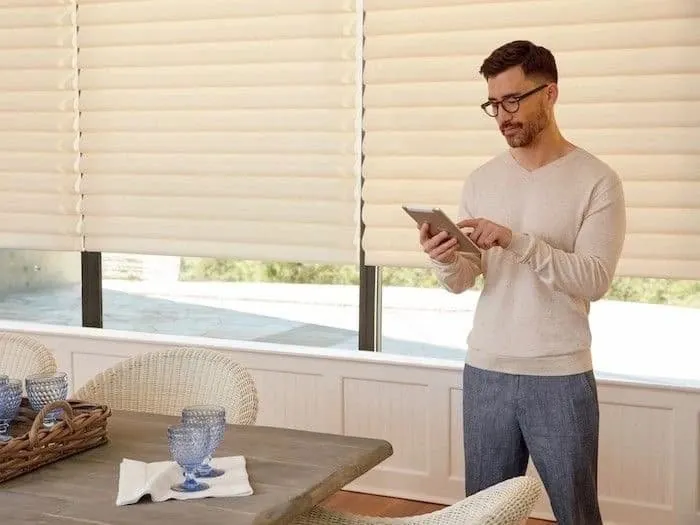
A handheld remote kept in each main room is the plainest. It has up, down and stop, and a visiting relative can use it without instructions. On a phone or tablet the PowerView app adds detail: single shades or groups, a stop at any height, and the timetables that run the house for you. Scenes link it all. A “breakfast” scene might open the kitchen and the front rooms but leave the bedrooms shut; “sunset” might bring down every west-facing shade together.
On installation day we set up your first timetables with you, so the system is already doing something useful when we leave. For a plain-language walk through each control, read how motorized shades are controlled; for more on timetables and scenes, see window covering automation.
Power is planned at the consultation, opening by opening, after we have seen the frames and the walls around them.
Our visit, step by step
Norwell projects nearly always begin at the house. Fabric looks different in your own rooms than anywhere else, and our vans carry samples for exactly that reason: we can bring the showroom to you.
- Book through Request a Consultation or the call button, and pick a day that works.
- We tour the house together, beginning wherever the trouble is worst, usually the top row of glass or an antique front room.
- Samples go up against your actual windows so you can watch how each fabric changes the light.
- We agree which shades belong in a group and how you would like to run them.
- Every opening is measured, with notes on frame depth, the height of any upper row and anything else that affects fitting.
- A free estimate follows for the shades and installation under discussion.
- Hunter Douglas builds each shade to our figures.
- On fitting day a certified Hunter Douglas installer hangs them, sets their positions, links each one to its handset and the app, and builds the first timetables alongside you.
You can read more on what happens at an in-home consultation before we arrive.
Woods, leaves and moving light
Most Norwell houses live with tree light. Summer foliage filters much of it, so a room facing the woods stays calm and green until the sun sinks low enough to slide beneath the leaves, and a hot bright band then crawls across the floor for an hour or so. Once the leaves drop in autumn, that same window takes several times the sun it saw in midsummer.
Timetables suit that rhythm. A west-side shade can come part way down in the late afternoon through summer and somewhat earlier from November on, and moving the time takes seconds in the app. Light-filtering fabric keeps the space bright while softening glare, so the lamps stay off in daytime.
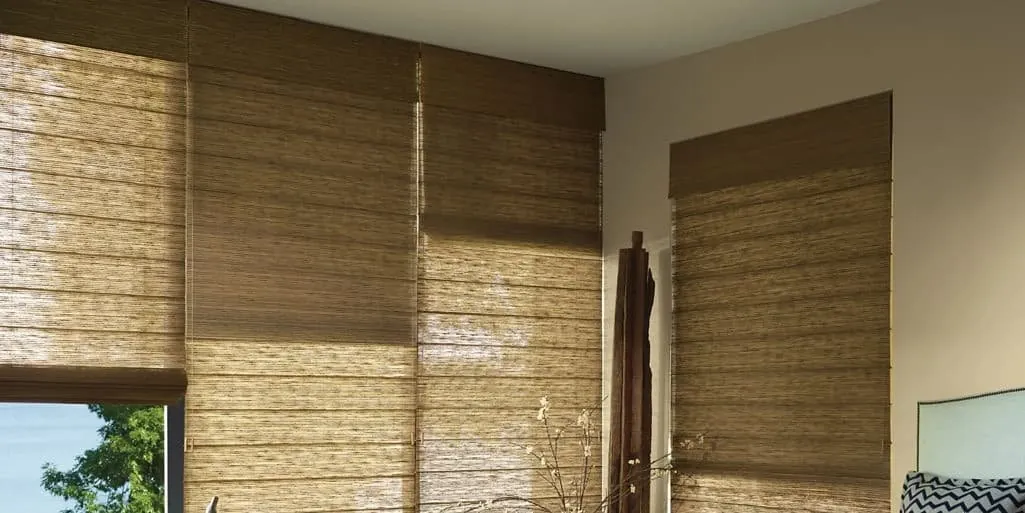
Woven shades deserve a look in rooms that face the trees, since their natural texture sits easily beside a wooded view. For other rooms, our pages on cellular shades in Norwell and roman shades in Norwell go further into each style.
Bedrooms under the eaves and over the garage
Upstairs in an antique colonial, bedrooms often have low ceilings and small windows set close to the floor or tucked under the slope of the roof. In the newer houses, a bonus room over the garage may have windows in dormers or gable ends. Either way, the window frequently ends up behind a headboard, a desk or a tall chest, which makes reaching it a daily stretch.
A motor gives that window back. Room-darkening fabric holds the room dim until the time you pick, and a timetable brings the shade up slowly on school days and later on Saturdays. At bedtime, one press shuts every upstairs shade together.
Nurseries and children’s rooms are another common reason. A motorized shade has no lift cord dangling beside the frame, so nothing can loop around a crib rail or a bunk ladder.
Summer heat on the big panes
A large pane facing south or west collects heat as well as light. On a July afternoon, a two-story family room in one of the newer houses can warm noticeably faster than the rest of the downstairs, and the air conditioning works hardest exactly when the sun is on that glass.
Lowering a shade before the sun arrives keeps the direct sun off the floor and the furniture, which is where it turns into heat in the room. The catch has always been timing: by the time someone notices the room is hot, the heat is already in. A timetable gets ahead of it, every day, whether anyone is home or not.
In winter the logic runs the other way. Shades on the north side can close at dusk and hold the day’s warmth in, and those on the south side can stay open in daylight to let the low sun help.
Stair landings and front halls
The stair is the hardest window in many Norwell houses. A tall pane at the half-landing, or a fanlight and sidelights around the front door, catches the morning or evening sun and throws it straight down the hall. You cannot stand at that window comfortably, let alone pull a cord there.
These openings are often specialty shapes or unusual sizes, which is exactly where measuring at the house matters. Some can take a motorized shade; others are better with a fixed treatment, and we will tell you which is which once we have seen them. Where a motor does go on a landing, it usually joins the group for the front of the house, so the hall darkens and brightens along with the rooms either side.
Lit windows at the end of a long drive
On a big lot, a house is seen from a distance. After dark, with lamps on and shades up, every window of a newer house off Route 123 glows across the lawn, and the two-story glass in the family room shows the whole room like a stage set. Neighbors may be out of sight, but anyone coming up the drive sees straight in.
Closing a dozen shades by hand every evening, some of them out of reach, is exactly the job that does not get done. A dusk timetable handles it. As the light fails, the shades on the public side of the house come down together, earlier in December and later in June, and moving the time takes a moment in the app. In an antique colonial on Main Street, where the windows are closer to the road, the same evening routine keeps the front rooms private while the back of the house stays open to the garden.
A few rooms first, the rest later
Plenty of Norwell homeowners start small and grow the system, and that works well because any new shade simply joins the shades already installed, with the same handsets and app. If you are weighing motorized blinds for Norwell rooms and are not sure where to begin, the windows nobody can reach are usually the clearest place. After that comes the front of an antique house, where grouping keeps the facade even, then the bedrooms, then the rooms that take the late sun through the trees. The whole range is on our motorized blinds and shades page.
Why buy the motors from a Gallery dealer
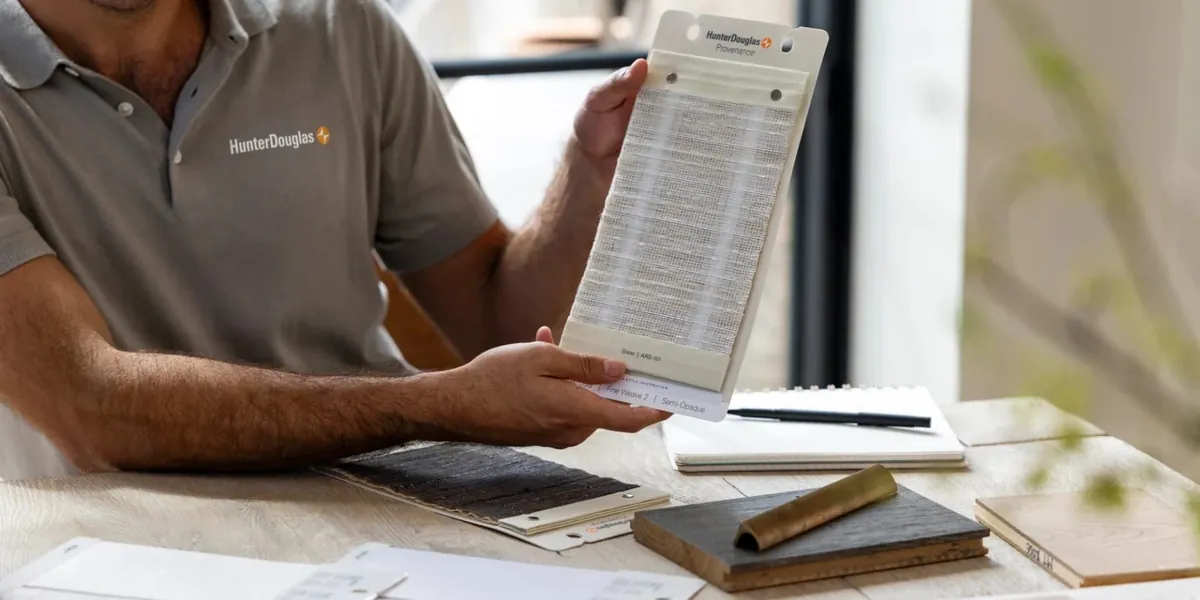
Hunter Douglas names dealers who meet its standards Gallery dealers, and Blinds & Designs is one. On a motorized job that opens up the whole catalog: PowerView goes on honeycomb, sheer, roman, roller and woven styles, so a small antique parlor and a soaring family room can each take the right shade and still answer to one app.
Hunter Douglas certifies our installers. Estimates cost nothing, interior design consultations are available if you want a second eye on a room, and should a shade need work down the road, blind and shade repairs are part of what we do.
See our Norwell page for everything we offer in town.
Sagamore is the nearest showroom
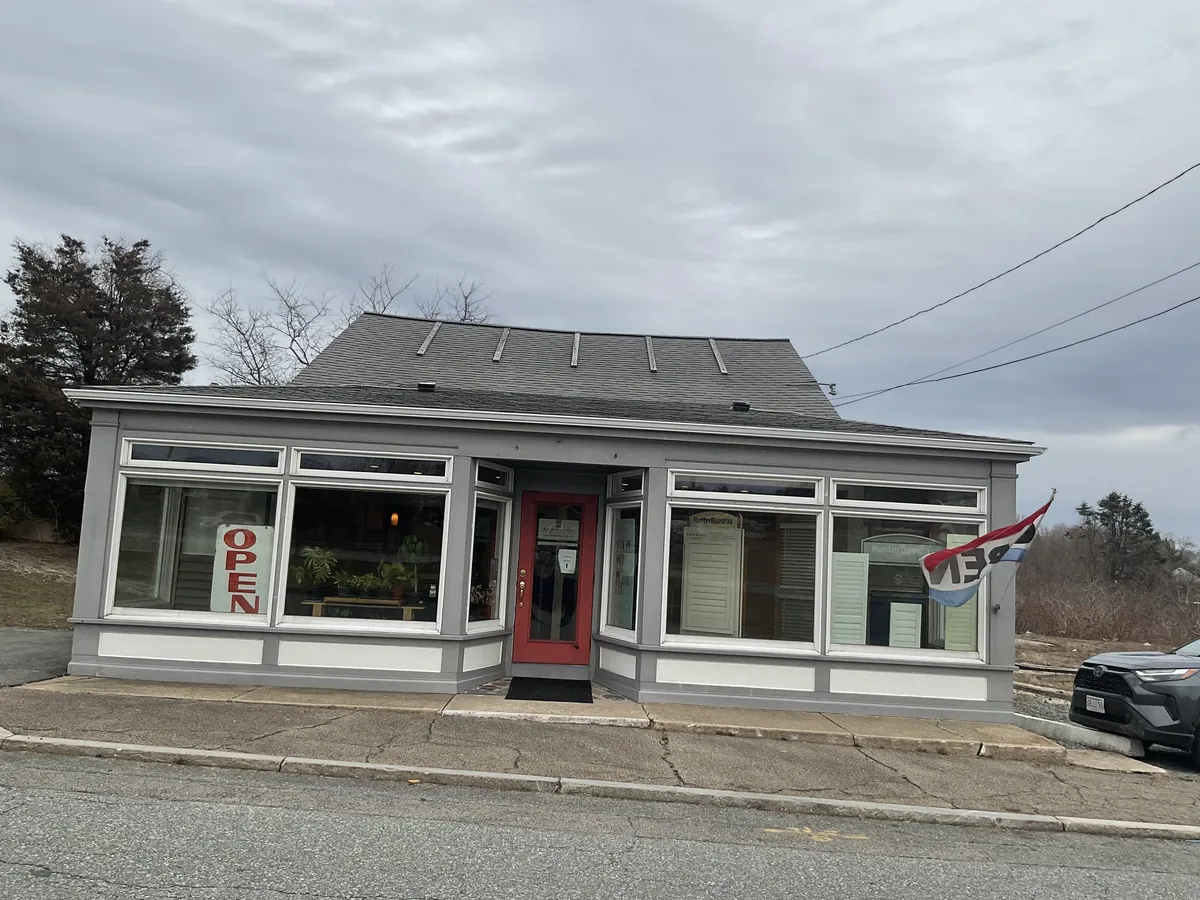
The Sagamore showroom is our closest to Norwell. Many customers start at home anyway, since the windows themselves are what count.
Measuring always takes place at your house, where the frames, the light and the reach can be seen properly.
Questions from Norwell
Can very small antique sash take a motorized shade?
In most cases. Each frame is measured for width and depth. If it has room, the shade sits inside it with the motor hidden in the headrail; if not, a slimmer style or a casing mount is the fallback.
How does anyone fit a shade two stories up?
From staging. Our certified installers hang the high shades safely and set the travel limits so the top row lines up with the bottom. From then on, those shades respond to the handset, the app or a timetable like the rest.
We have plenty of privacy. Why motorize at all?
In Norwell the usual reasons are reach, glare and heat. High glass becomes usable, late sun is kept off floors and screens, bedrooms stay dark at dawn and the house keeps its routine while you are away.
Could we do the family room now and the bedrooms next year?
Yes. Later shades join the same system with the same handsets and app, so nothing installed now needs redoing.
What does the estimate cost?
Nothing. Estimates are free. Once we have measured the windows you are considering, you receive a free estimate for the shades and installation.
Your first window
Start with the window that bothers you most, whether that is the top row of a family room or the front of an old house on Main Street. Mention it when you request a consultation, and we will arrive with samples suited to it, measure, and show you how motorized blinds for Norwell homes would behave in that room. To talk it through first, the call button is the quickest route to us.