
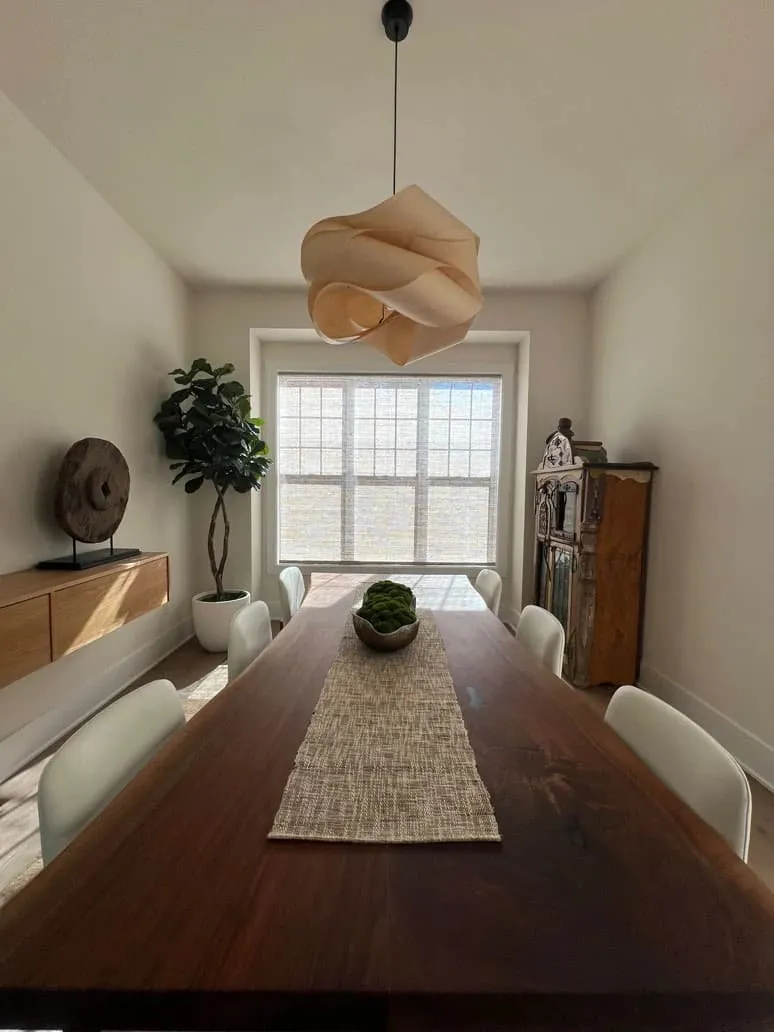
A town of capes, ranches and a few old frames
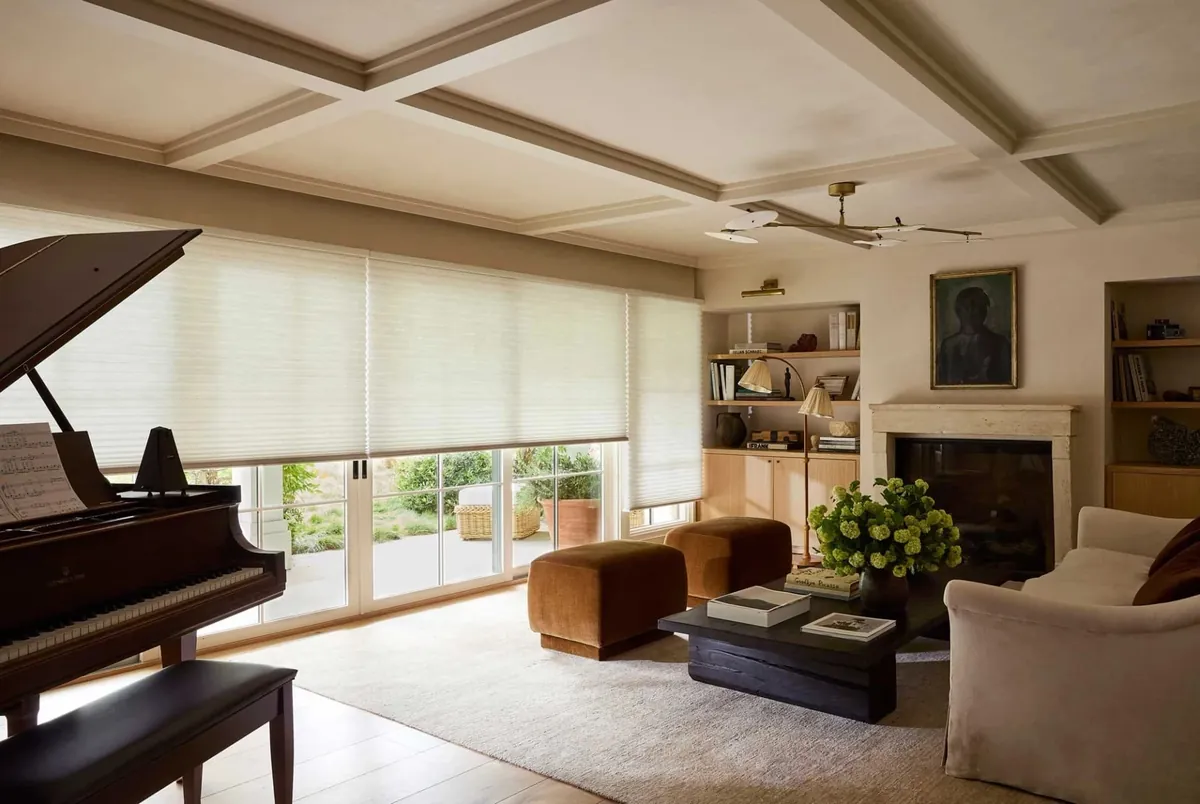
Millis is built mostly from familiar shapes. Capes and ranches occupy modest lots, the newer colonials cluster along the roads leading off Main Street and Village Street, and close to the center a handful of older houses still have their original sash. Away from that older core, nearly every opening is a plain modern window, true and regular, and that suits motorized blinds in Millis, MA, very well. A headrail drops into the opening, its motor is out of sight, and from across the room nobody could tell the shade apart from a manual one.
The older sash is the exception, and it gets slower, more careful treatment, which we come to further down.
In either kind of house, what a motor really changes is timing. A shade that keeps to a schedule through the whole year spends more of its life in the right position than one waiting for someone to get round to it, and in Millis the right position changes a good deal from April to January.
Three Hunter Douglas styles to start from
Pick what each room should wear; PowerView, the Hunter Douglas motor system, is then added to it. When homeowners ask us about motorized blinds in Millis, these three styles are often where the conversation begins.
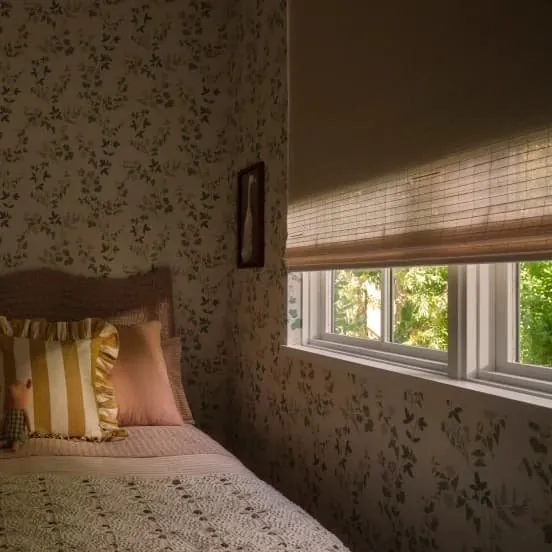
Woven shades
Natural textures for living rooms and bedrooms, softening the light without shutting the room off from outside.
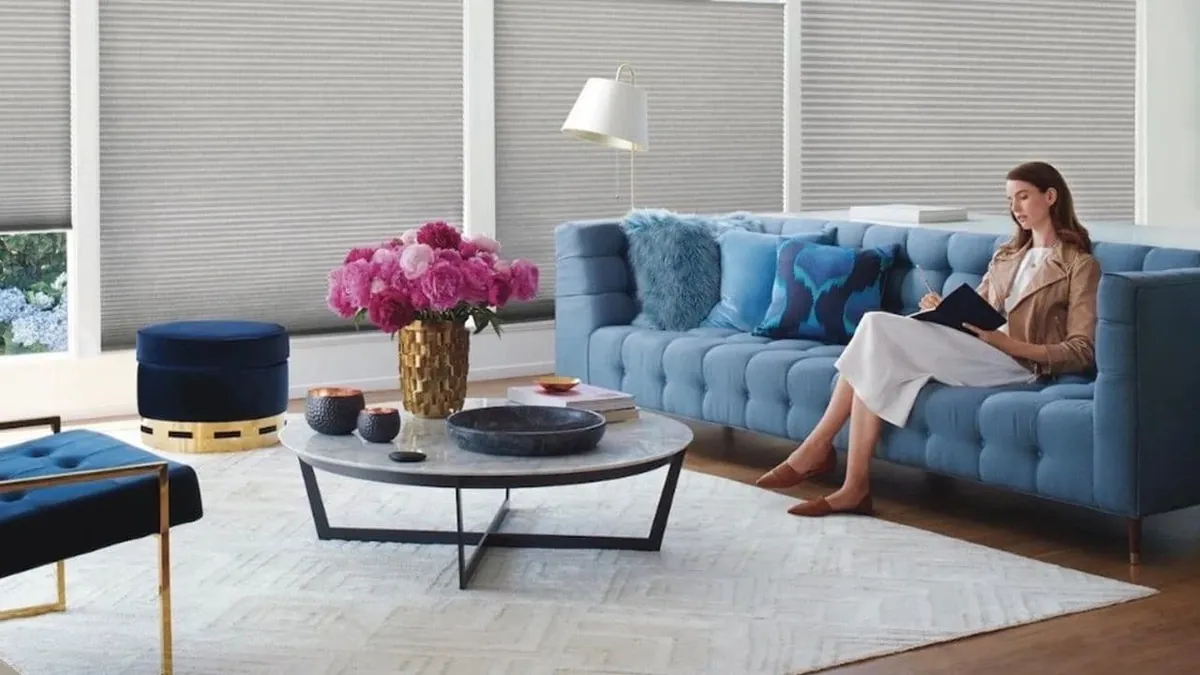
Cellular shades
Honeycomb pleats that trap air against the pane, handy on the older sash near the center and in any chilly room.
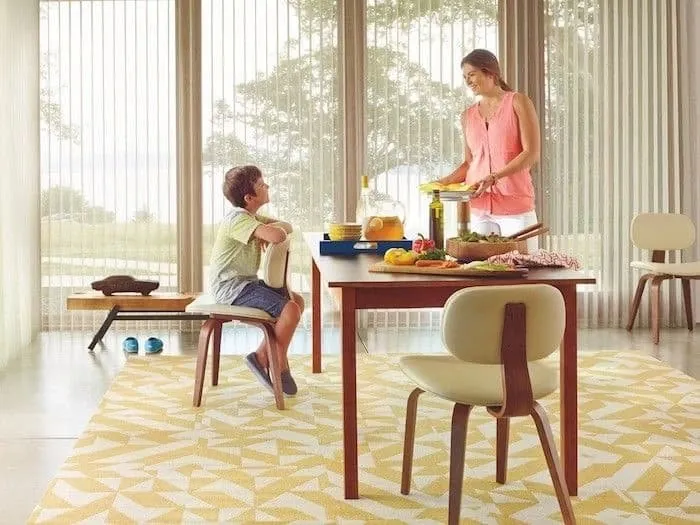
Sheer shades
Soft vanes that tilt for daylight and privacy, a good match for a colonial’s family room wall.
Spring: windows open again
When the weather turns in April and May, Millis houses open up. Single-hung and double-hung windows go up for air, and a shade that was down all winter has to be raised to let the sash move.
On a motor that is one press, or a spring schedule that keeps the shades higher through the day. You can save a favorite position, high enough to clear the lower sash and low enough to soften the light, and return to it whenever you open a window. On the older sash around the center, where the window may be stiff and the shade awkward to reach past it, the motor saves a struggle.
Spring is also when dawn starts creeping earlier. Bedroom schedules that suited February need nudging, which is a few seconds’ work on your phone.
Summer: long days and late sun
By June, daylight arrives before most of the household is ready for it, and it lingers late on the west side of the house. East-facing bedrooms brighten at dawn; west-facing living rooms and kitchens take strong, flat sun right through dinner.
For the bedrooms, blackout-type fabric cut to the exact opening holds the darkness until a wake-up schedule draws the shades up at whatever time you prefer. On the west side, a schedule brings the shades halfway down as the evening sun lands, sparing screens and sofas, and lifts them after sunset so you get the last of the light.
On a modest lot, side windows often look across a short strip of grass at the neighbors. Summer evenings mean open windows and lamps on, so a dusk schedule that closes the side shades keeps those rooms private without anyone walking round the house to see to it.
Autumn: shorter evenings
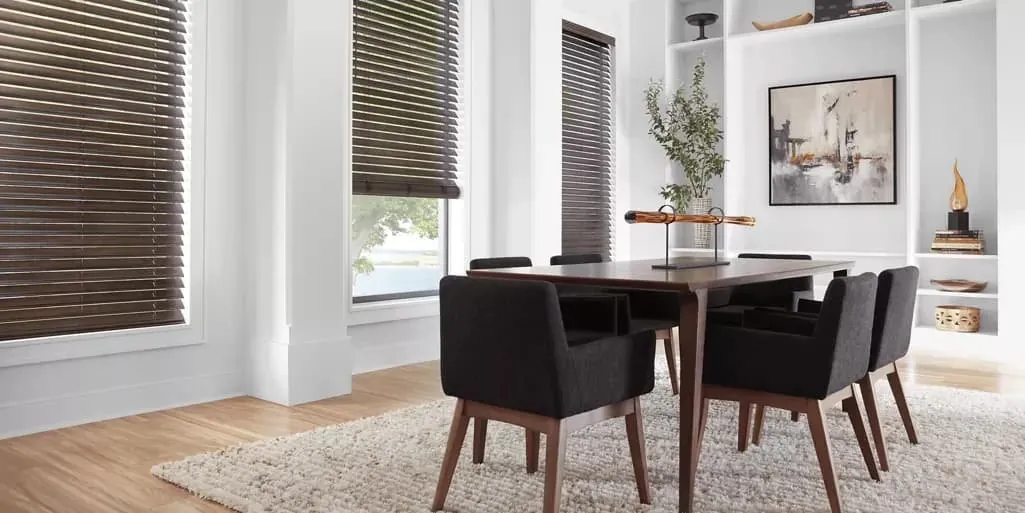
As the days shorten, the hour at which the house needs closing comes earlier each week. By November it is dark before many people are home from work, and a house with every shade up and the lights off looks empty from the road.
Schedules keep pace. Pull the evening setting earlier with a couple of taps and the shades close on time whether or not anyone is in. In the morning they open at the usual hour, so the house keeps a lived-in rhythm through the darker months.
Autumn is also when the sun, now lower, pushes further into south-facing rooms. A shade left open all summer may now need to drop for an hour in the afternoon to keep glare off a television.
Winter: holding the warmth
Come January, the original sash near the center and the large picture windows of the ranches are where a house feels coldest. A honeycomb shade softens that chill: its pleats form cells of trapped air, and that air acts as a buffer between the icy pane and the room.
It only works while the shade is down, though. A winter schedule draws the honeycomb shades on the north and street sides as the afternoon fades, and opens them again once breakfast is over. On a bright day, the south windows can stay uncovered to let the low sun in, then shut at dusk to keep the heat. Nobody has to keep track of any of it.
To read more about honeycomb shades, see our cellular shades in Millis page.
Capes off Main Street
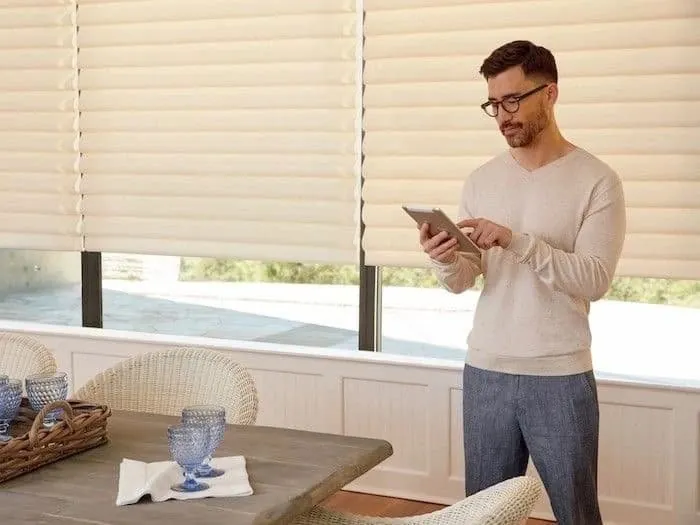
A Millis cape typically keeps its parlor and dining room toward the street, the kitchen at the back, and the bedrooms tucked into the roof upstairs. Those upper rooms are lit by gable-end windows or dormers, and because sloping ceilings leave so little full-height wall, a bed or chest often sits directly in front of the glass.
That is exactly where a motor pays off. A handset on the nightstand, or a schedule, looks after those windows morning and evening. Downstairs, linking the front-room shades into one group means the street side rises and falls together, every hem level with the next.
Ranches on modest lots
A ranch spreads its rooms along a single floor, so there is no reaching up to a high window, but there are plenty of windows to move. The living room picture window, the bedroom windows along one side, the kitchen, the slider to the yard.
Group a ranch by elevation and the shades on each side travel together, which spares a lap of the house every morning and night. One button on a handset by the bed shuts every room. And since the windows are all standard sizes, fitting is quick work.
Newer colonials off Village Street
The colonials built off Village Street and Main Street are roomier: formal rooms in front, a kitchen opening into a family room behind, and bedrooms upstairs. A good number have a tall pane above the entry or lighting the stairs, out of anyone’s reach, and that one tends to top the list.
Across the back, the family room usually runs into the kitchen along a wall of glass or a slider to the yard. Sheer or light-filtering shades along that wall, linked as one group and run from a single handset or a schedule, keep the space pleasant through the late afternoon.
Older sash around the center
Near the center, older sash calls for patience before anyone talks about motorized blinds in Millis. Many of those frames have drifted out of square over the years, and layers of paint, old stops and sash hardware all eat into the depth a headrail needs.
So each one is measured carefully: three widths, three heights and the depth in more than one spot. If the frame has room, the shade tucks inside it and the woodwork stays visible. If not, we mount on the casing and say why. Either way, Hunter Douglas builds the shade to those exact figures, so it suits the opening it was made for.
Controls for a year-round routine
Three PowerView controls are on offer, and most Millis households end up using every one. The handset is the plainest, with raise, lower and stop. The app, on a phone or tablet, sends any shade or group to any height and holds the scenes and seasonal schedules described above. The schedules themselves then carry on unattended.
Scenes are what make the seasons manageable. “Summer evening” might drop the west side halfway; “winter dusk” might shut every shade on the north and street sides; “school morning” might open the kitchen while the bedrooms stay dim. Read how motorized shades are controlled for a plain guide to each, and window covering automation for more on schedules.
Powering the motors is worked out during the visit, opening by opening.
Your consultation, step by step
Fabric has to be seen in your own rooms, at your own windows, to be chosen well, so a Millis project begins in your own house, usually in the room you mentioned first. The samples travel to you in our vans.
- Ask for a visit using Request a Consultation, or ring through with the call button, and settle on a time.
- We go round the house together, talking about how each room is used in summer and in winter.
- Samples are tried at windows facing different directions.
- We decide on groups and on the seasonal schedules you would like to begin with.
- Each opening is measured, and older sash is checked for depth in several places.
- A free estimate follows for the shades and the fitting.
- Hunter Douglas builds the shades to our measurements.
- Our certified Hunter Douglas installer hangs them, sets where each one stops, links them to your handsets and app, and puts the first season’s schedules in place with you.
To learn more about the first visit, read what happens at an in-home consultation.
The kitchen sink window
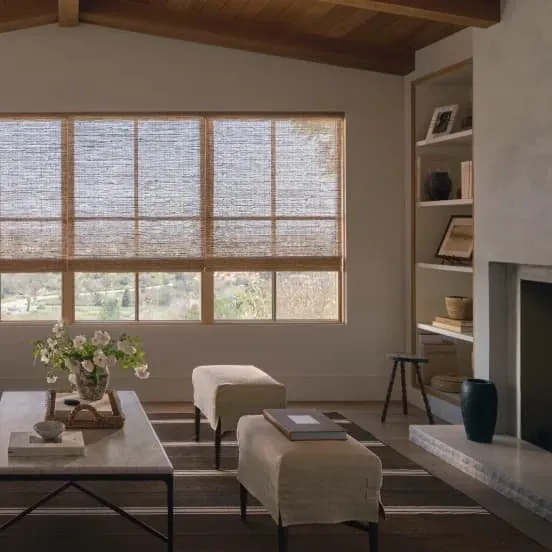
Most Millis capes and ranches put the kitchen window above the sink, on the far side of the counter. Depending on which way the house faces, it catches either the breakfast or the supper sun, and stretching over the counter to deal with it is enough bother that the covering tends to stay put.
Motorize it and group it with the other kitchen windows, and the room opens with a single press or a morning schedule. Blinds suit the spot: angle the slats and the glare is deflected off the counter while you still see the yard. Our custom blinds in Millis page goes into blinds more fully.
Holidays and the dark months
A house left for a week over the holidays, or a long weekend away in February, looks very different from the road depending on its shades. All of them up with no lights on reads as empty; all of them down for days on end looks shut up.
A schedule avoids both. The shades keep their usual morning and evening pattern while you are away, so the house looks as it always does. If you set off and realize the west-facing living room is wide open to the afternoon sun, the app lets you bring those shades down from wherever you are.
Rooms that sit empty most days
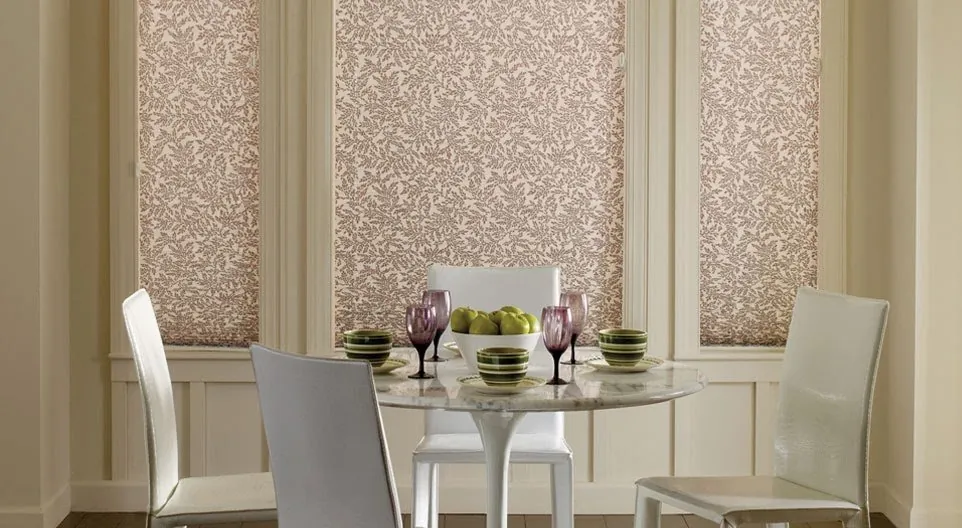
Every house has rooms that are used now and then: a formal dining room in a colonial, a guest bedroom over the garage, a front parlor kept for visitors in one of the older houses near the center. Because nobody is in them, their shades are usually left wherever they were last moved, often wide open to the afternoon sun or closed for weeks.
A schedule gives those rooms a routine of their own. The shades can stay partly lowered through the brightest hours to spare the furniture and the floor, open in the early evening, and close at night with the rest of the house. When guests are coming, a scene opens the guest room and the dining room in one go, and afterwards the room slips back into its usual pattern without anyone climbing the stairs to see to it.
Young children, pets and cords
There is no lift cord dangling beside a motorized shade, which suits households with toddlers or pets. In a cape, where the children’s rooms are often upstairs with low windows under the eaves, that counts for a lot. A bedtime scene shuts the children’s rooms together, and a schedule can open them at the same time every school day.
A home office in a spare room
Plenty of Millis houses now have a spare bedroom or a corner of the colonial’s front room set up as an office. A window next to a desk is welcome until the sun reaches the screen, and then it is a daily nuisance.
An office shade on a schedule can drop at the hour the sun reaches that wall, so the glare never gets started. Light-filtering fabric keeps the room bright, and a blind can angle the light away from the screen. On a video call, one tap in the app closes the window behind you without getting up. It is one of the quieter wins of motorized blinds in Millis houses.
Starting small
A lot of Millis projects start with a single room, often the west-facing living room or the upstairs bedrooms, and grow over time. Each added shade links into what you already have, with the same handsets and app, so early work never has to be undone. Browse the complete range on the motorized blinds and shades page, and see all our local services on the Millis page.
What Gallery status gives you
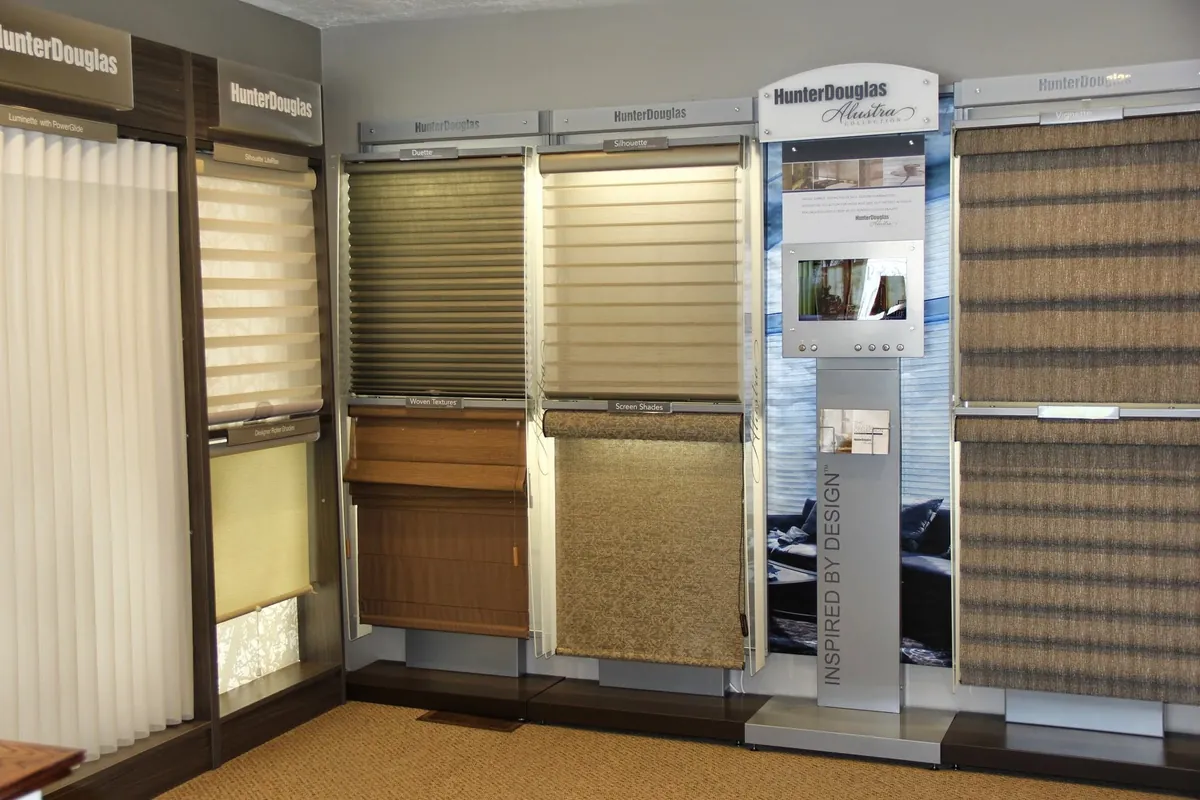
Gallery dealer is the title Hunter Douglas uses for dealers who meet its standards, and Blinds & Designs is one of them. For motorization the benefit is breadth. Woven, honeycomb, sheer, roller and roman shades, as well as blinds, all accept PowerView, so the old sash near the center and the colonial family room each get a suitable covering while sharing one app.
Hunter Douglas certifies our installers. You will not pay for an estimate, interior design consultations are available, and blind and shade repairs are offered for the years ahead.

Franklin, a short drive away
Of our showrooms, Franklin sits nearest to Millis. Stop in, or let the samples come to your door instead.
Whichever you choose, the measuring happens at your house.
Questions from Millis
Do the schedules change through the year?
They do, whenever you change them. A minute in the app moves the times as days lengthen or shorten, and plenty of households keep one warm-season pattern and one for the colder months.
Can the older sash near the center take a motorized shade?
In most cases. Each frame is measured in several places, and its depth decides whether the shade sits inside the opening or on the casing.
How do we open a window with the shade in the way?
Press to lift the shade clear of the lower sash, or save a halfway position that leaves room to open the window and still softens the light.
Are capes and ranches straightforward?
Very. Standard openings are about as easy as fitting gets, and grouping each side lets the whole house open or close at once.
Does the estimate cost anything?
No, it is free. We take measurements at the visit and the estimate is based on them.
Start with this season
Whatever month it is, one room usually stands out: a west-facing living room in July, a draughty front room in January. That is the place to begin with motorized blinds for Millis homes. Name it when you book a consultation, and we will arrive with samples to match, measure, and show you what a motor would do there. Prefer to talk it through first? The call button goes to our Franklin showroom.