
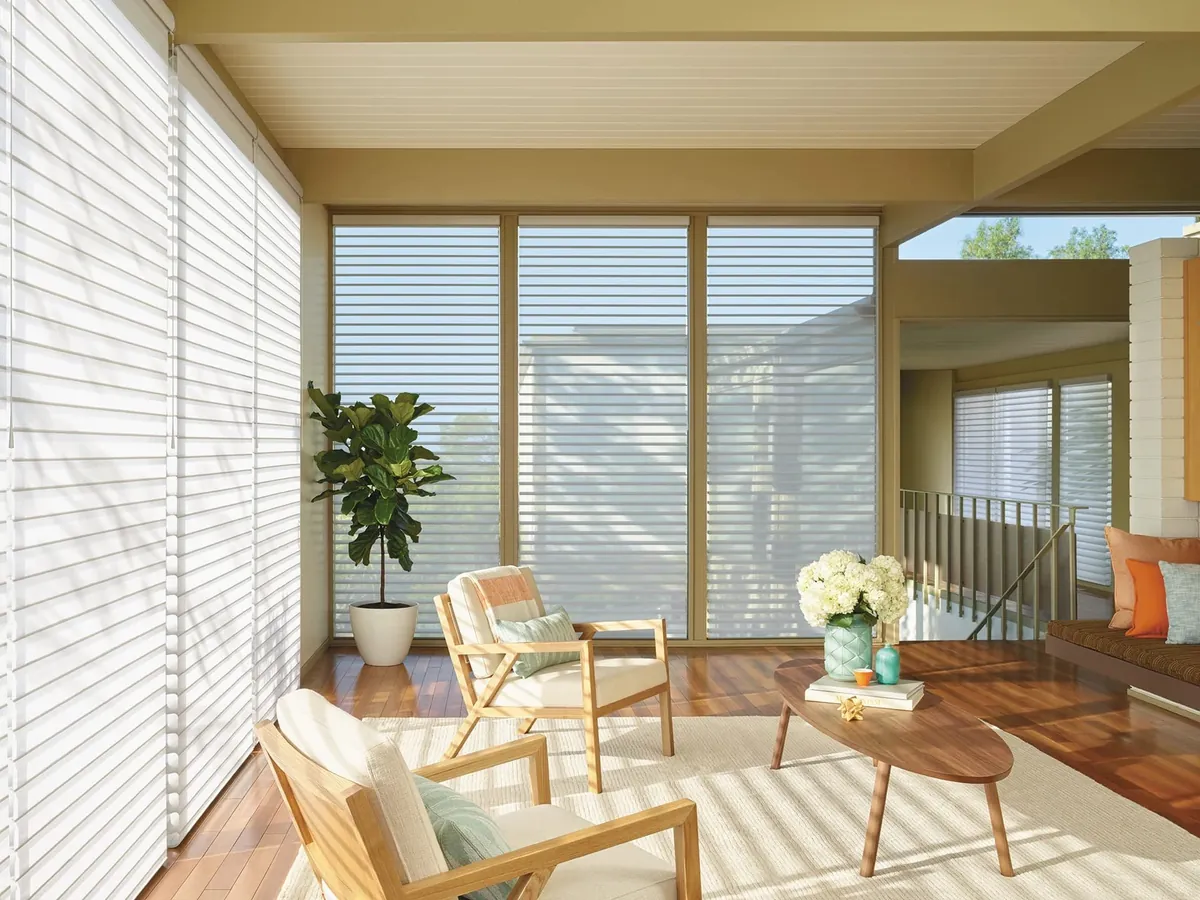
Three eras of house, one way to run the windows
Uxbridge packs three distinct eras of housing into one town. Along the Blackstone, mill-era houses keep their original narrow openings. Out on the rural roads, antique farmhouses stand on their own land. Off Route 16, newer colonials bring standard windows in larger sizes. Each era asks something different of a shade, and planning motorized blinds in Uxbridge, MA means starting from whichever kind of house you live in.
The mill houses need shades that fit slim, settled frames and stack small enough to leave the glass clear. The farmhouses have windows scattered through many rooms, often added to over the years. The colonials have tall entry windows, family room walls of glass and rows of matching bedroom windows.
PowerView is the common thread. Every shade, whatever its size or era, can be run from a handset, from the PowerView app or on a schedule, and all of them can live together in one system. A house that combines two eras, an old farmhouse with a modern wing, is just as easy.
Products we motorize most in Uxbridge
The motor is available across a wide part of the Hunter Douglas range, so the product follows the window. These four cards cover what Uxbridge houses ask for most, and each opens its own page for the town.
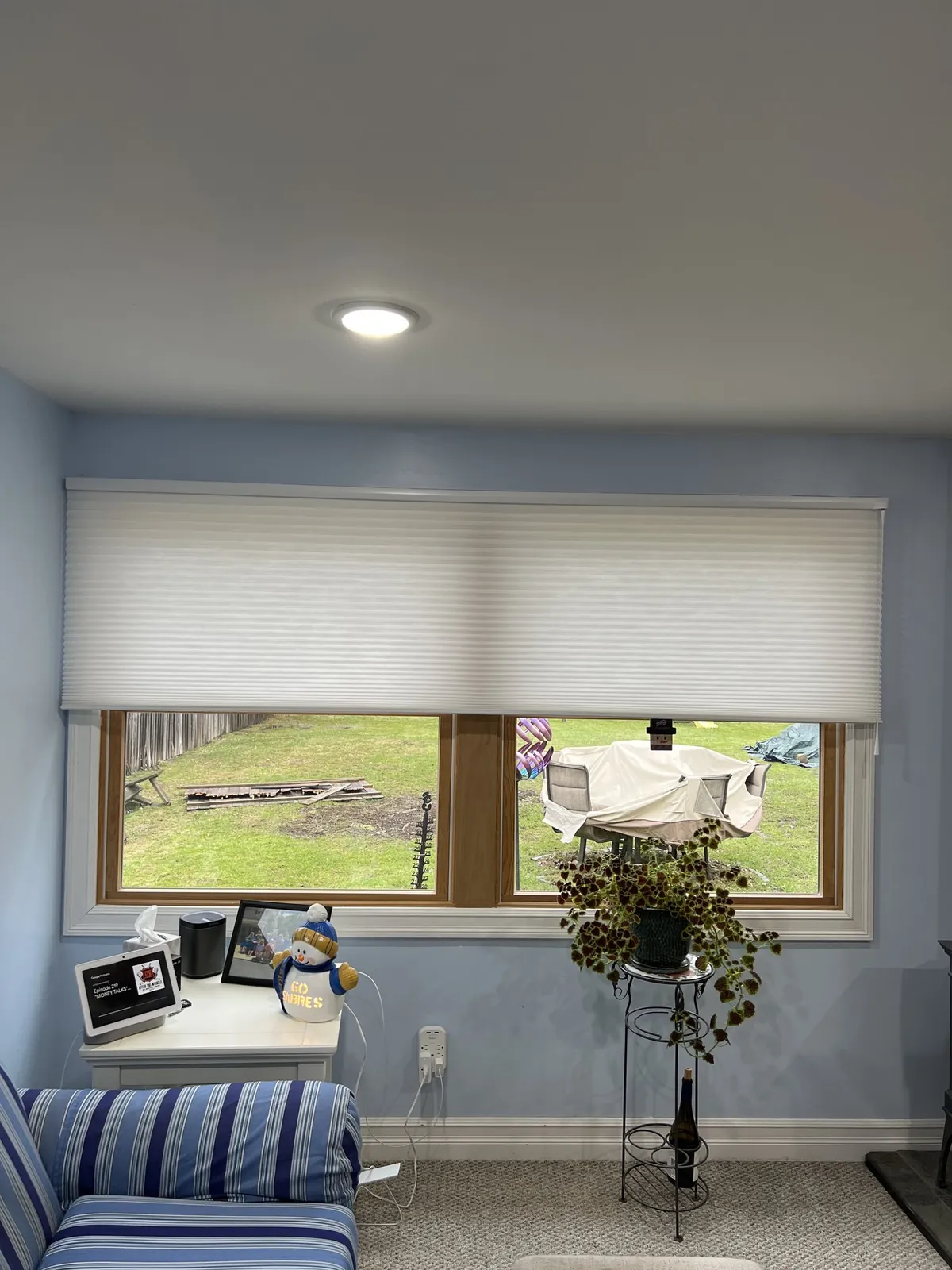
Cellular Shades in Uxbridge
Honeycomb fabric works in every era: compact on narrow mill-house sash, generous on a colonial’s family room window.
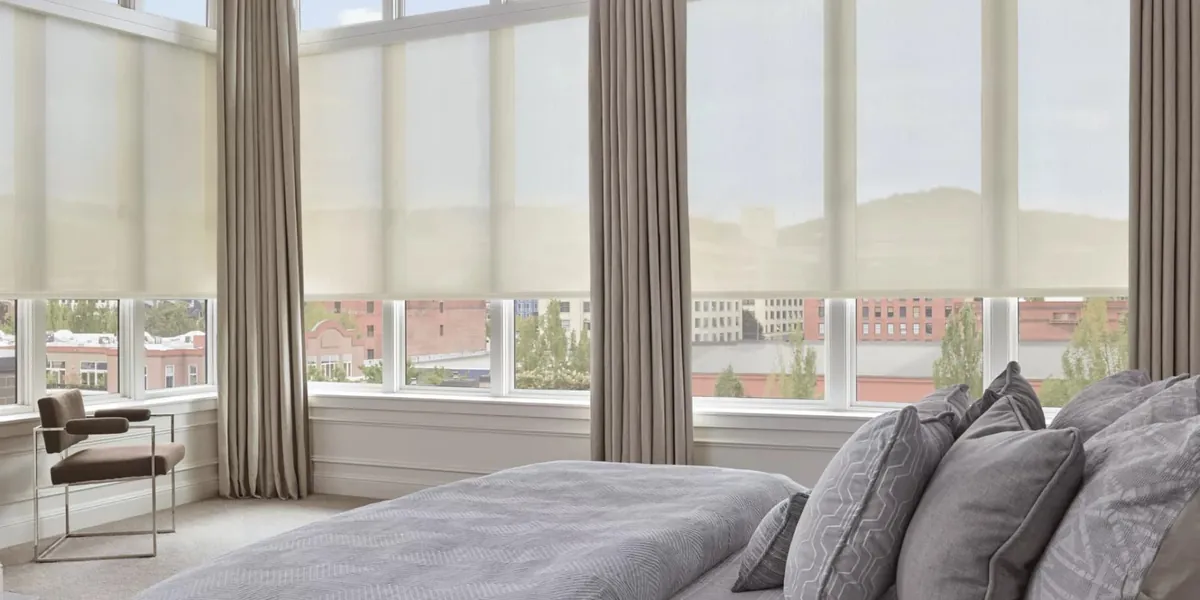
Roller Shades in Uxbridge
Roller and screen shades roll away neatly and cover tall, wide newer windows in a single clean panel.
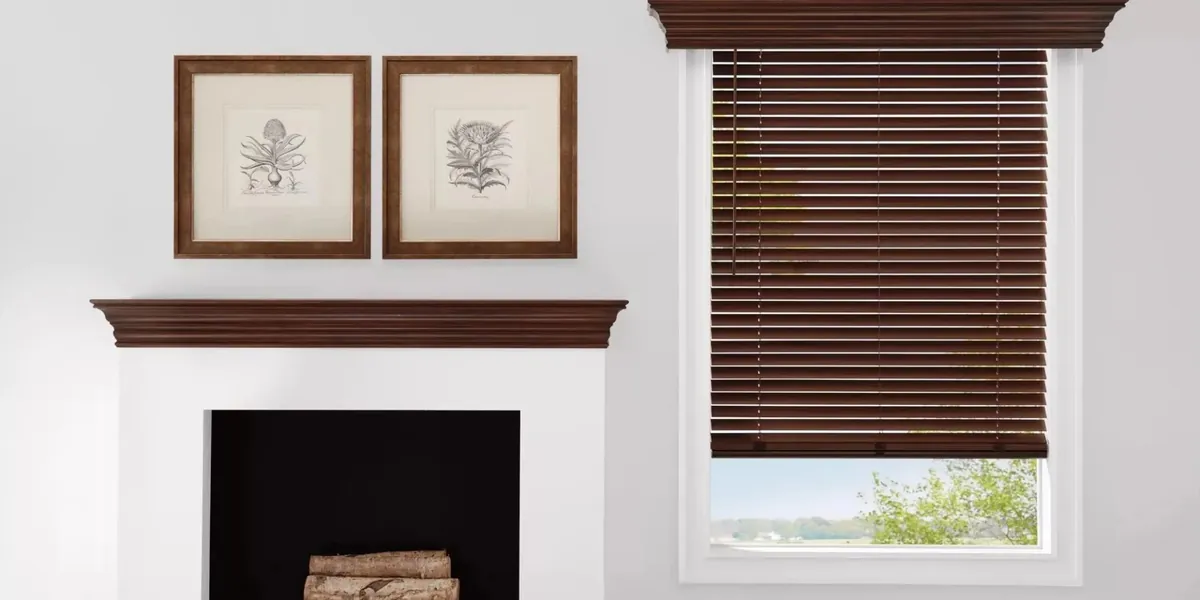
Custom Blinds in Uxbridge
Wood blinds suit a farmhouse parlor, and on a motor the slats tilt to the angle you saved.

Hunter Douglas Dealer in Uxbridge
Gallery dealer status and certified installation, for every Hunter Douglas style a house of any age might need.
Along the Blackstone: mill-era houses
The houses by the river belong to the mill years, and many still have the narrow openings they were built with. Windows like these come in slim, upright shapes, frequently grouped on a wall, and after a long working life the frames are seldom true.
Three things guide a shade for them. It has to fit an opening that may be wider at the head than at the sill, so we measure width at three heights and height at three points across. It has to stack small, because a bulky fold at the top of a slim window steals daylight, so honeycomb and roller fabrics lead. And it has to be easy to set level with its neighbors, which on a manual shade rarely happens and on a motor happens every time.
The mount follows the frame. Where there is depth, the shade sits inside the opening, leaving the old trim visible and hiding the motor and headrail in the reveal. Where the frame is shallow or leans, we mount on the casing, which covers the uneven edges cleanly. A wall of river-house windows can mix the two and still move as one group.
Farmhouses on the outer roads
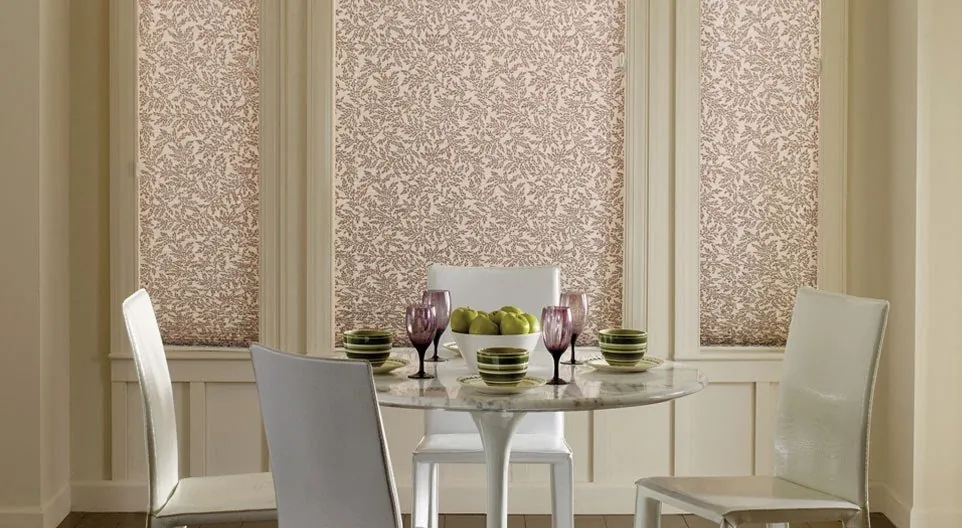
Further out, the antique farmhouses sit on the rural roads with land around them. These are houses that have grown: a main block, an ell, a kitchen wing, an upstairs reached by a back stair. Windows end up in many places and in many sizes.
The everyday problem in a house like that is distance. Opening the ground floor in the morning and closing it at night can mean a walk through half a dozen rooms, and the windows furthest from the kitchen are the ones that get forgotten. With PowerView, distance stops mattering. A morning schedule opens the rooms you choose; an evening one closes them. From the app, you can check on the far end of the ell without walking there.
Old frames in a farmhouse vary as much as those by the river, so we measure each one separately. Deep reveals in thick walls are common, and they are ideal for an inside mount: the shade, headrail and motor sit within the frame, and the trim stays clear.
Newer colonials off Route 16
The youngest of the three eras sits off Route 16. These colonials were built with regular, standard-size windows, and they tend to share a layout: a two-story foyer with glass high above the door, a kitchen that runs into a family room across the back, and four or five identical windows strung along the bedroom floor.
Regular windows are a gift for planning. Identical openings get identical shades, which means a whole elevation can travel as one and come to rest at one level, and from the road the house looks orderly. The foyer glass is the obvious first candidate, since a pole or a stepladder is the only other way to reach it. Because frames in a newer house are shallow, a good share of these shades will mount on the casing rather than inside, and we will say which as we go.
What owners of these houses usually want from motorized blinds in Uxbridge, MA is less effort: the high glass handled, and a dozen or more windows opening and closing without anyone doing the rounds.
Houses that mix two eras
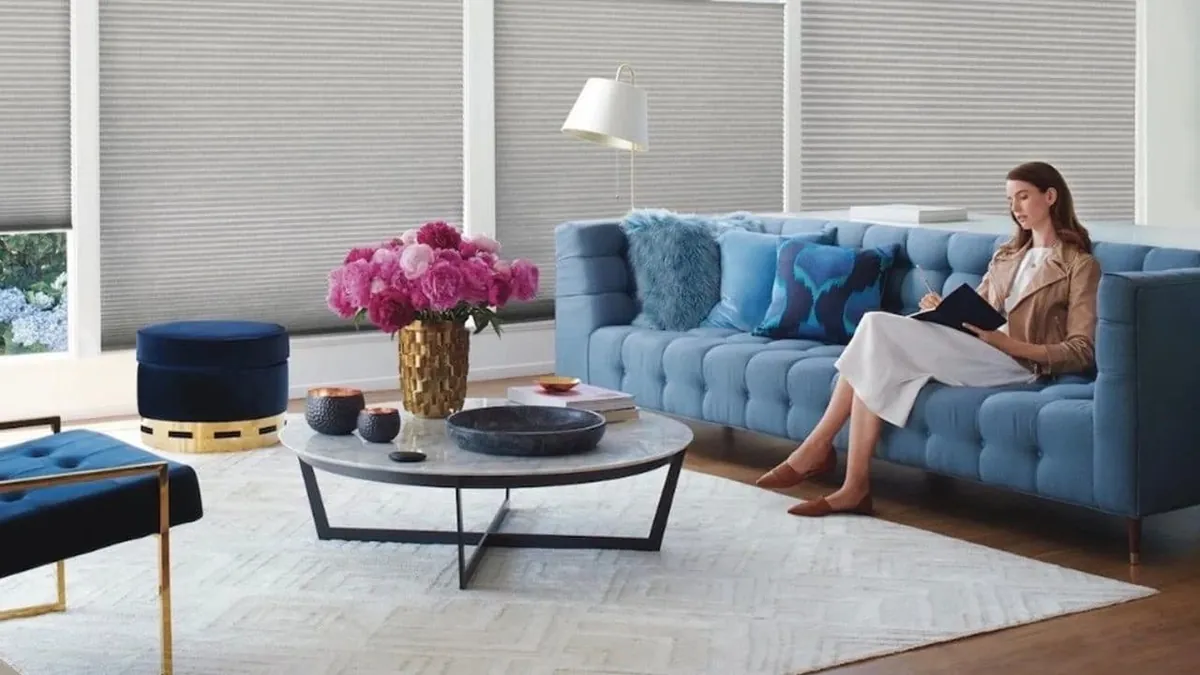
Plenty of Uxbridge houses do not belong to a single era. A farmhouse may have a modern family room built onto the back. A mill-era house may have had its kitchen rebuilt with new windows. That leaves one house with very different openings side by side.
A motorized system treats every window on its own terms. Each shade is made to its frame, and all of them join one app. Groups can follow the way you use the house rather than the age of the windows, so the old front parlor and the new family room can open together on one schedule if that suits your mornings. A single fabric throughout ties the old rooms and the new ones together visually, while each shade is still cut to its own frame.
Motorized blinds in Uxbridge, MA: the controls
Old house or new, the controls are identical, and households tend to lean on different ones for different rooms.
- Handsets. A small remote that lives in the room. It sends one shade or a whole group up or down and stops it wherever you like. Nobody needs a phone, and visitors work it without a lesson.
- The PowerView app. Every shade in the house on one screen, with precise heights, plus the tools for building groups and timetables.
- Timetables. Written once, then left alone. They move the shades you pick at the hours you pick, home or away.
In a farmhouse, timetables do the long walks for you. In a river house, they keep the street side covered after dark. In a colonial, the handset by the family room door ends up doing most of the work. For a plain account of each, see how motorized shades are controlled; for timetables in more depth, visit window covering automation.
Walking an Uxbridge house together
Each era has its own windows, so we begin by walking through yours. Samples travel in the van, which means fabrics are judged against your actual glass and light.
- Pick a day through Request a Consultation, or ring through with the call button, and let us know roughly what era the house belongs to or whether it mixes eras.
- Starting with the windows that are hardest to reach or most on show, we look at each room in turn.
- Fabrics are held in the frames, raised and lowered, so you see the daylight and the privacy each one gives.
- Between us we work out which shades travel together and how your days will run them.
- Every opening is measured separately, and the depth and any lean of each frame are written down.
- Before leaving, we work out, opening by opening, how each motor will be powered.
- A free estimate arrives covering shades and fitting.
- Hunter Douglas certified installers come back to hang the shades, set their top and bottom limits, link them to handsets and the app, and build your first timetables alongside you.
Our in-home consultations page describes that visit in more depth.
Privacy in the river houses
The mill-era houses along the Blackstone tend to sit near one another and near the road, so privacy is a daily matter there in a way it rarely is on the outer roads. Side windows face a neighbor across a small yard; front windows face passers-by.
Light-filtering fabric does the daytime work, letting the light in and blurring the view. In the evening, a schedule closes the street-facing and side shades at the time you choose, so a lit room never sits uncovered. Blinds, with their slats angled away from a neighbor’s window, give privacy without darkening a room. On a motor, that angle is saved and returned to exactly.
Bedrooms across the three eras
Bedrooms differ by era too. In the river houses they may face a street lamp. In a farmhouse they may sit under a low roof with small windows near the floor. In a colonial they are regular and matching, along the upper floor.
Room-darkening fabric made to each window’s exact size suits all three. On a motor, bedroom shades close together at bedtime from a handset by the door and open at the time you set in the morning. In a farmhouse, the windows tucked behind furniture or under the eaves stop being a stretch. In a child’s room, the lack of any cord is a good enough reason by itself.
Media rooms and dens
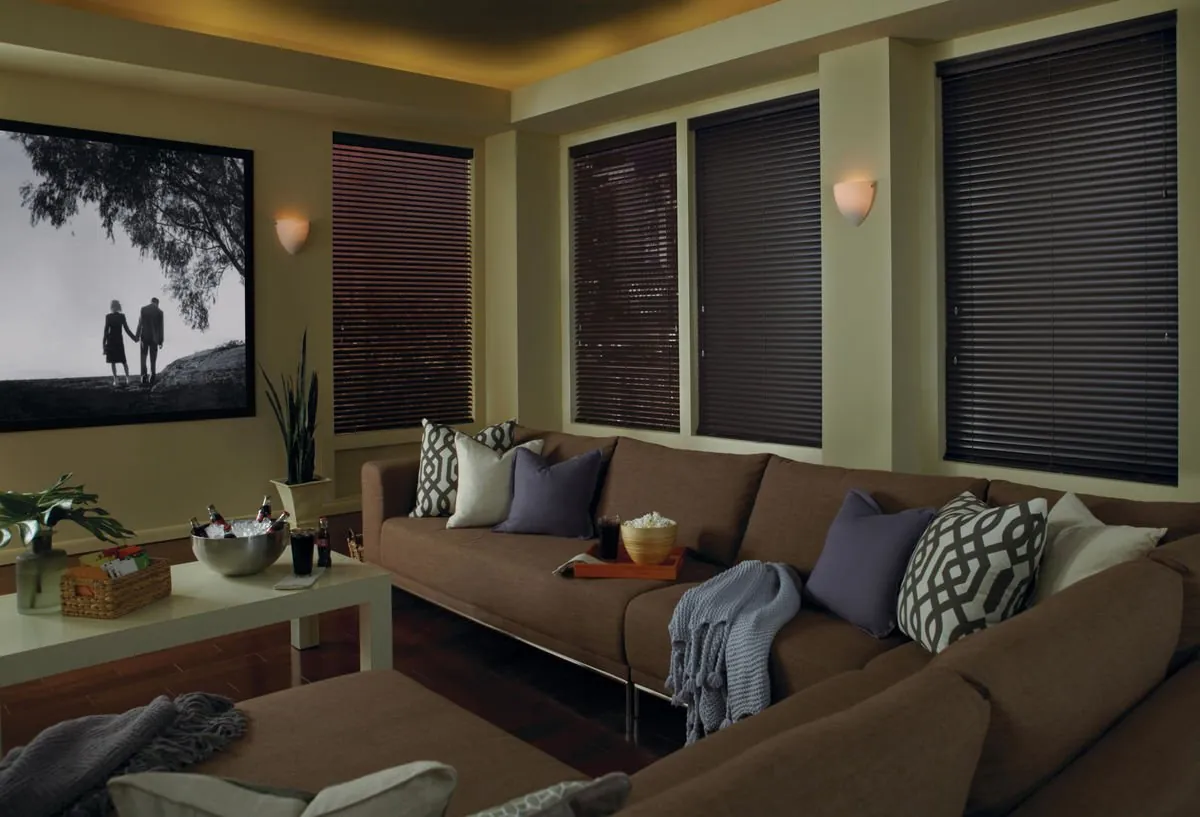
Newer colonials often have a den or a room over the garage used for television, and in an older house a back parlor often takes the same role. Daylight on a screen is the problem, and it moves with the sun.
Room-darkening shades or blinds closed fully on a motor make a room dim enough to watch in the middle of the day, and a single press returns it to daylight afterwards. A “movie” group that closes just that room is quick to set up in the app. Light-filtering fabric is the alternative when you want the glare gone but the room still bright.
Kitchens and family rooms
In a colonial off Route 16, the kitchen usually opens into the family room, and the back of the house is a long run of windows and perhaps a door with glass. Grouped on a motor, the whole back of the house can open with the morning and close with the evening. The window over the sink, awkward to reach across the counter, comes along with the rest.
In a farmhouse, the kitchen may be in a wing of its own with windows on two or three sides. Each side can be its own group, so the morning side opens first and the afternoon side later, following how the light reaches the room. In a mill-era house, the kitchen is usually at the back with one or two windows facing a neighbor, and a light-filtering shade on a schedule keeps it bright and private.
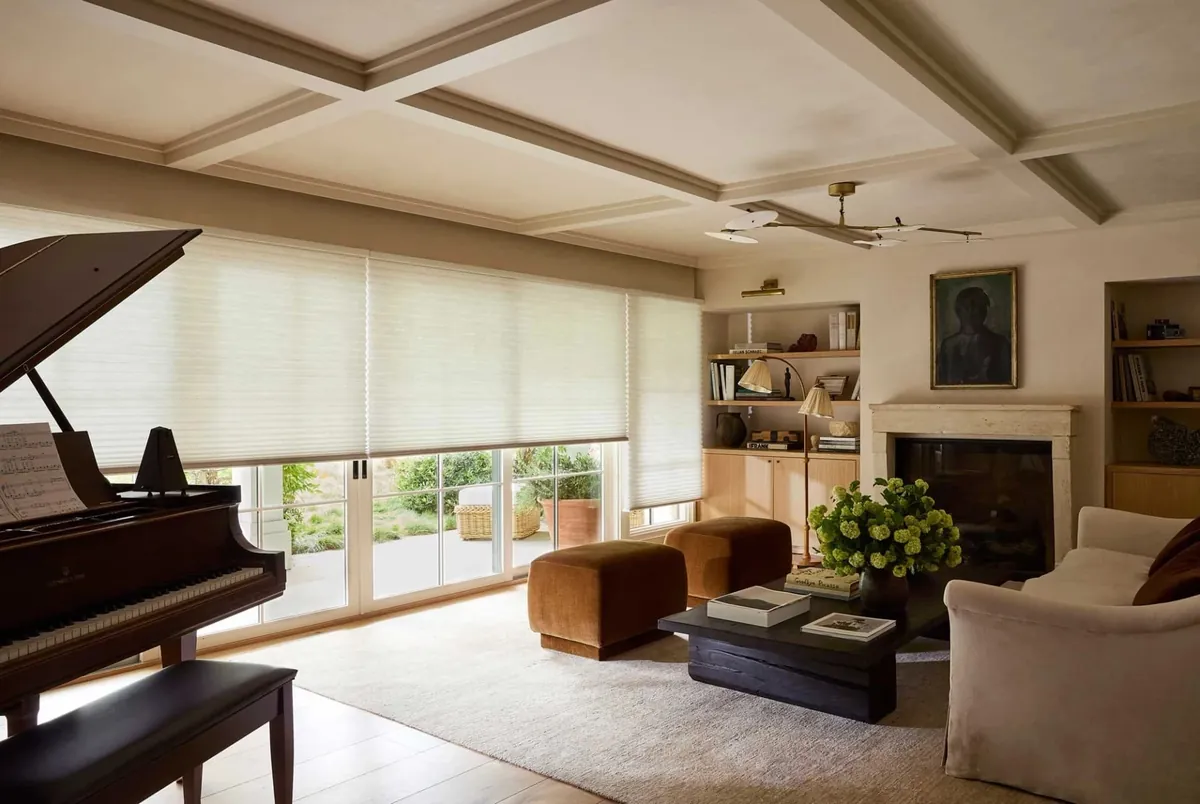
Choosing fabric across the eras
Fabric reads differently in each kind of Uxbridge house. In a slim mill-era opening, a pale light-filtering cloth keeps the window glowing even when the shade is down, while a heavy dark one can make a narrow window look like a slot. In a farmhouse parlor with a deep reveal, wood blinds or a textured woven shade sit comfortably with old trim and wide floorboards. In a colonial family room, a long run of matching roller or honeycomb shades in one quiet color lets the view of the yard take the lead.
Light matters as much as looks. Room-darkening cloth belongs in bedrooms and dens; light-filtering cloth suits living rooms and kitchens; sheer and screen fabrics keep an outlook while softening glare. Because each era catches the light differently, we bring a spread of samples in the van and try them in your frames, at the time of day the room is used most. Our best shades for sun and glare guide is a useful read before the visit.
Starting with one part of the house
Most Uxbridge owners start with the windows that bother them most: the tall entry in a colonial, the far rooms of a farmhouse, or the street-facing room in a river house. Whatever you add afterwards is paired to the system you already have, so stage one is never pulled out or redone. Taking motorized blinds in Uxbridge, MA a room at a time also lets you see how a fabric looks in your own light through a season.
For everything else we offer in town, see our Uxbridge window treatments page, and for folded fabric choices read roman shades in Uxbridge.
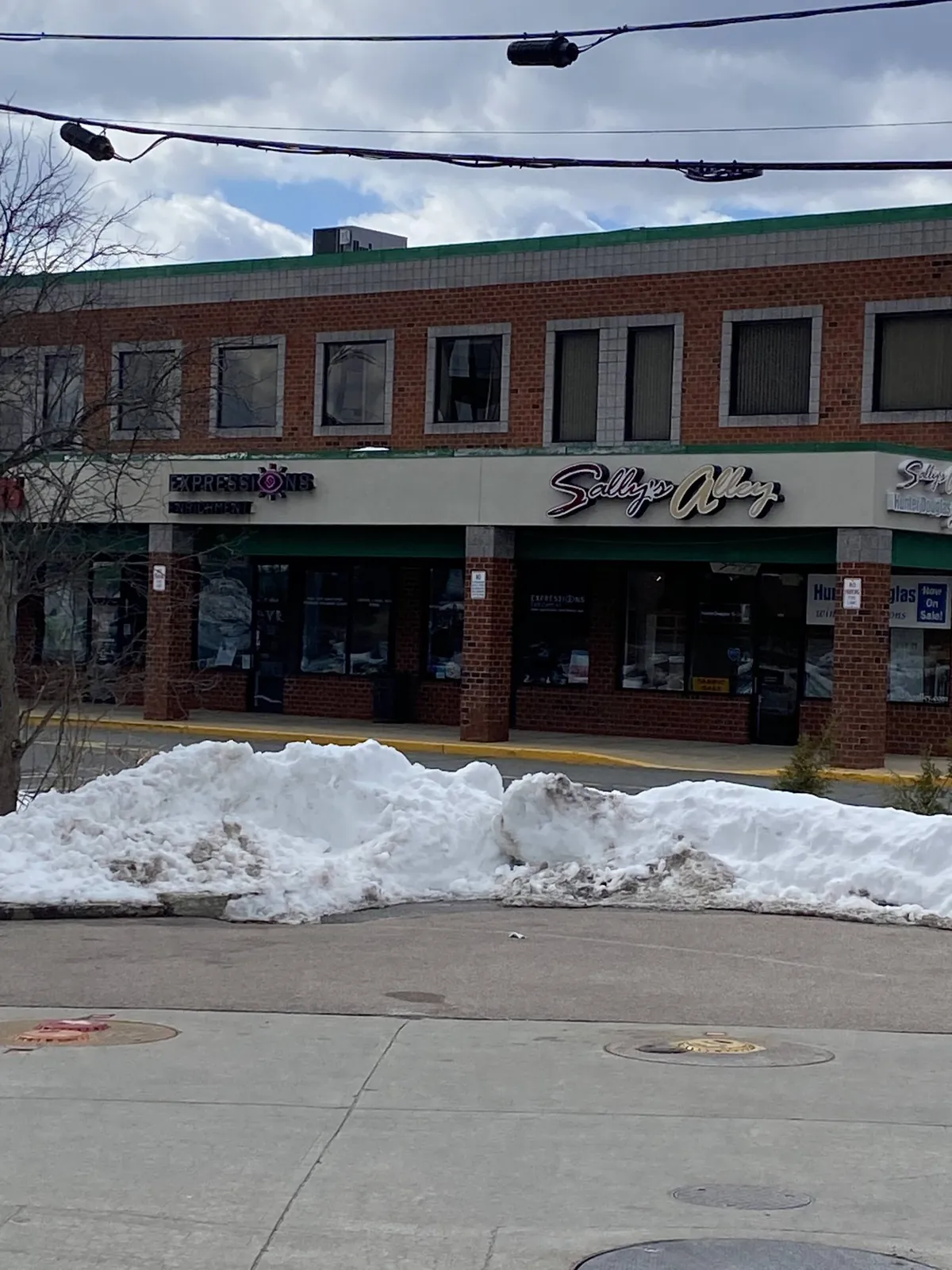
Franklin, our nearest showroom to Uxbridge
Of our three showrooms, Franklin is the shortest drive from Uxbridge. Come and browse there, or keep it simple and have the van call at your door.
Either way, the tape measure comes to the house: a mill-era frame, a farmhouse reveal and a colonial foyer window can only be sized in place.
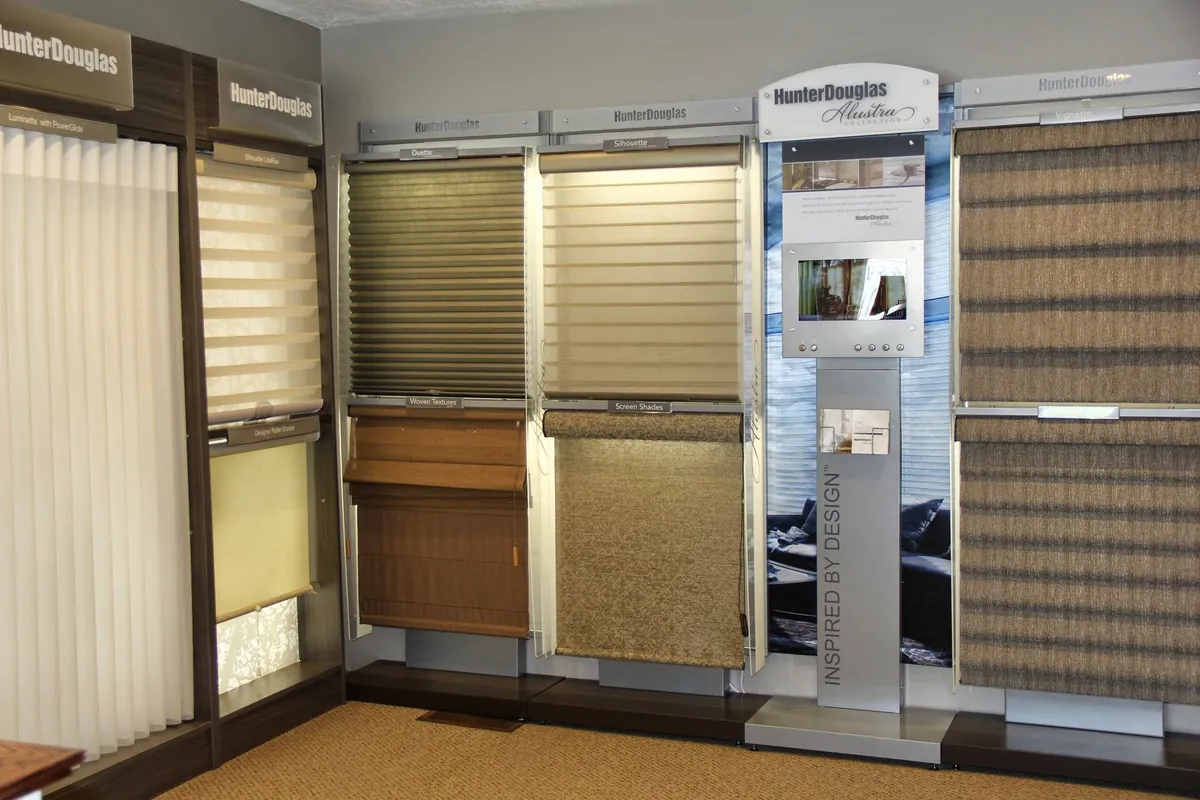
A Gallery dealer for houses of every age
Hunter Douglas names Blinds & Designs among its Gallery dealers, and the crews who fit our shades are certified by Hunter Douglas. A town with three eras of housing needs that breadth. A slim river-house opening, a deep farmhouse reveal and a wide colonial family room can each get the style that suits it, and every one can still be motorized and run from the same app.
We charge nothing for estimates. Our interior design consultations help when you are choosing colors across rooms of different ages, and older blinds and shades you already own can come to us for repair. The motorized blinds and shades page shows the full range.
Questions from Uxbridge
We live in an old mill house by the river. Can its narrow windows be motorized?
Yes. Each opening is measured at several points, and the shade is mounted inside or on the casing to suit the frame. Compact fabrics keep the glass clear when raised.
Our farmhouse has windows in many sizes. Can they all run together?
Yes. Every shade is made to its own window, and all of them join one PowerView app, grouped however you like.
Our colonial has a tall window over the front door. Can that be motorized?
Yes. High entry windows are often the first ones owners choose, and they can join the rest of the ground floor.
Can old and new parts of one house share a system?
Yes. Groups can follow the rooms rather than the age of the windows, so an old parlor and a new family room can open together.
Is there a fee for the estimate?
None. Estimates are free, for the shades and the fitting alike.
Where to begin
Every Uxbridge house, river, farm or colonial, has a window or two that never sits right. Tell us about yours in the booking form. The van will carry fabrics chosen for it, we will size every opening, and you can press the handset yourself to watch motorized blinds in Uxbridge, MA at work. Prefer to talk it through? The call button puts you through to the Franklin team.