
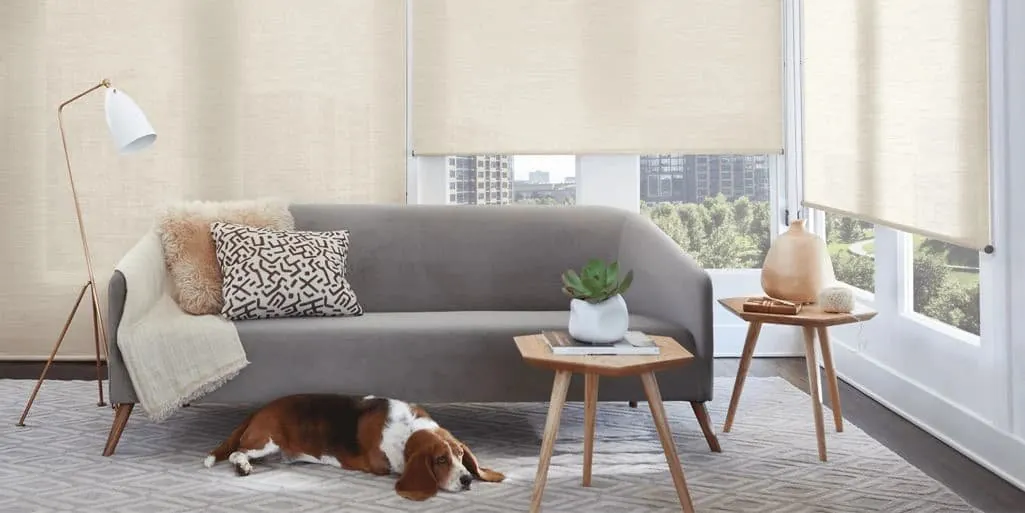
Bays, transoms and made-to-measure work
Around downtown and up on Oak Hill, the houses are Victorians and colonials with the kind of windows nobody buys off a shelf. A Victorian parlor often pushes out into a bay of three or more angled panels. Doors and windows carry transoms, the fixed panes of glass set above the main opening to throw extra daylight into a hall or a front room. None of it is standard, and every one of those openings needs its own measurements if roller shades in Attleboro, MA are going to look as though they belong there.
The rest of the city grew in stages. The 1960s brought split-levels along the streets off Route 123, with their half-flights of stairs and windows at two heights. South Attleboro filled with ranches, single-story houses with wide front windows and bedrooms close to the ground. Each era has its own window shapes, and each asks something slightly different of a shade.
Roller shades handle that range well. The shade is one flat sheet of fabric, made to the exact width of the opening, that lowers to cover the glass and rolls away when you want the window clear. The fabric decides the rest: soft light filtering, a solar screen you can see through, or a blackout cloth for a bedroom.
Roller shades in Attleboro, MA, that suit these houses
Three choices cover most of what we are asked for. Our vans carry the full range, so you can compare them at your own windows.
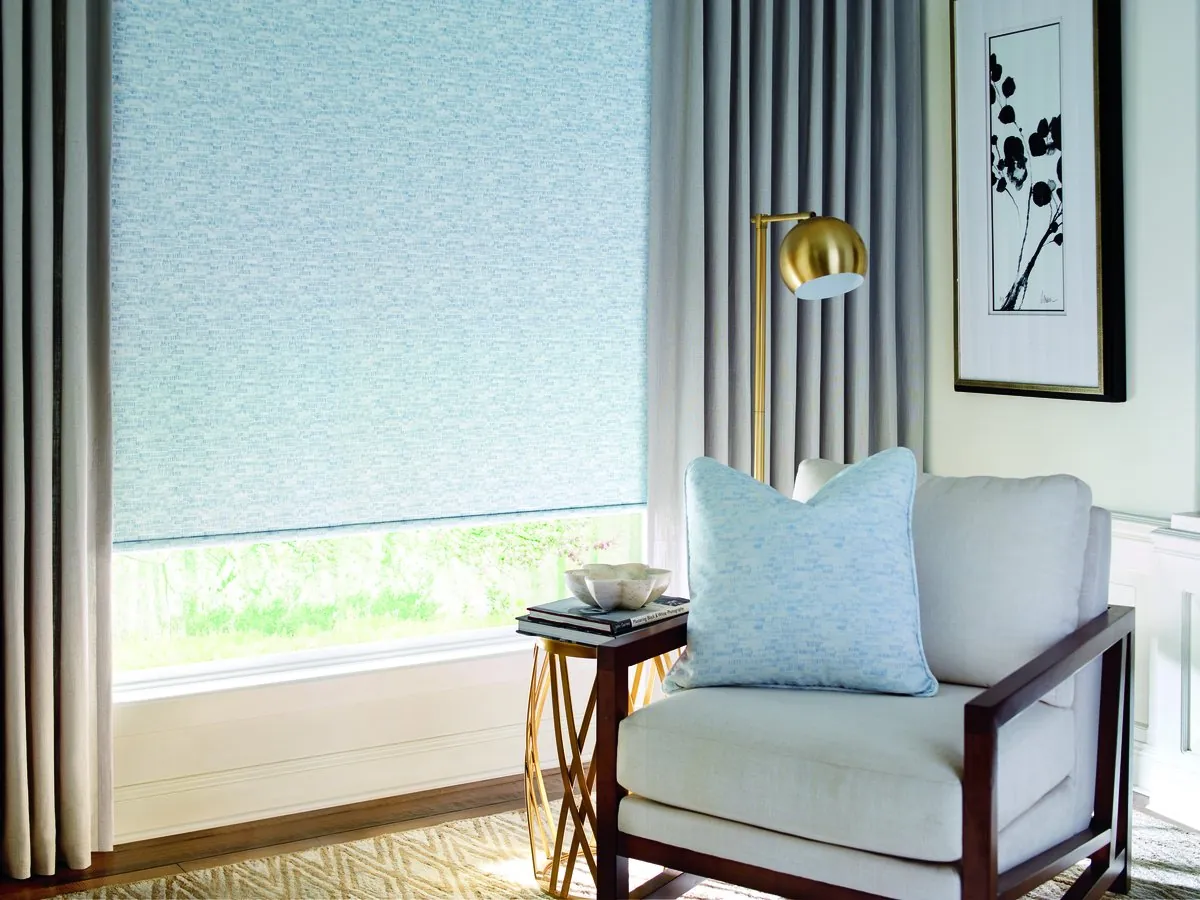
Designer Roller
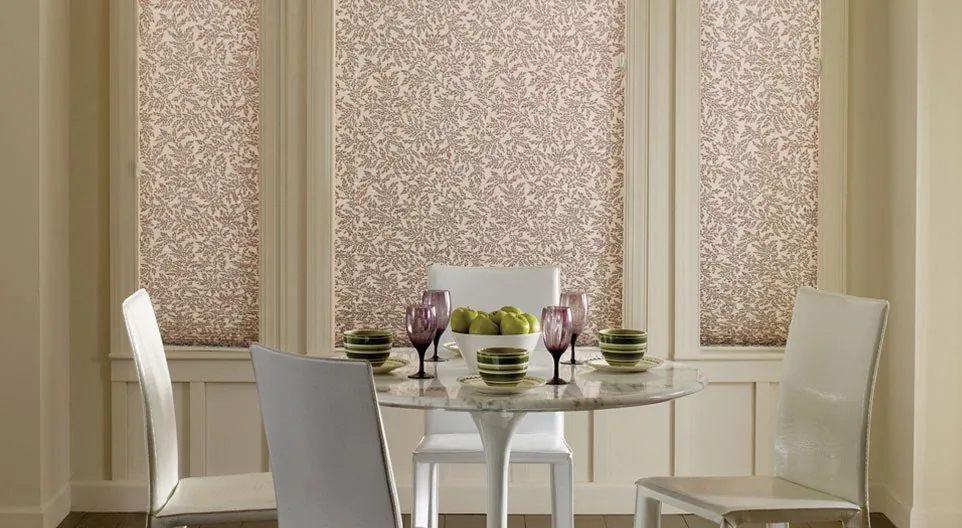
The workhorse of the roller family, with patterns, textures and plain cloths from light filtering to blackout. It sits neatly inside the angled panels of a bay.
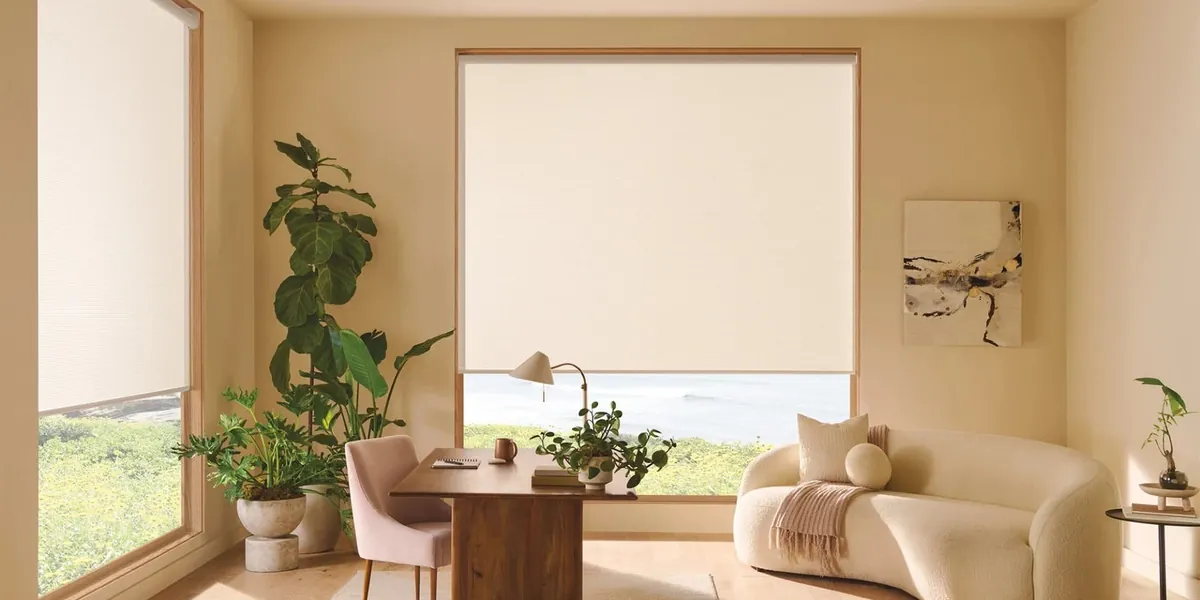
Designer Screen
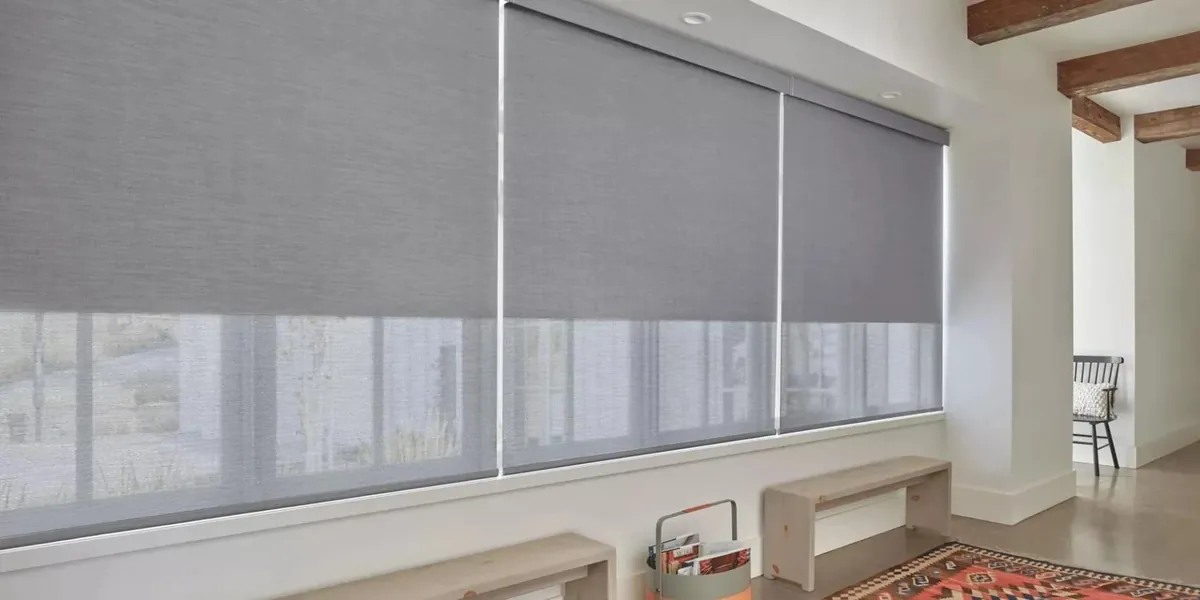
Solar screen fabric that takes the glare off a bright window and keeps the outside in view. A good match for a ranch living room or a sunny split-level kitchen.
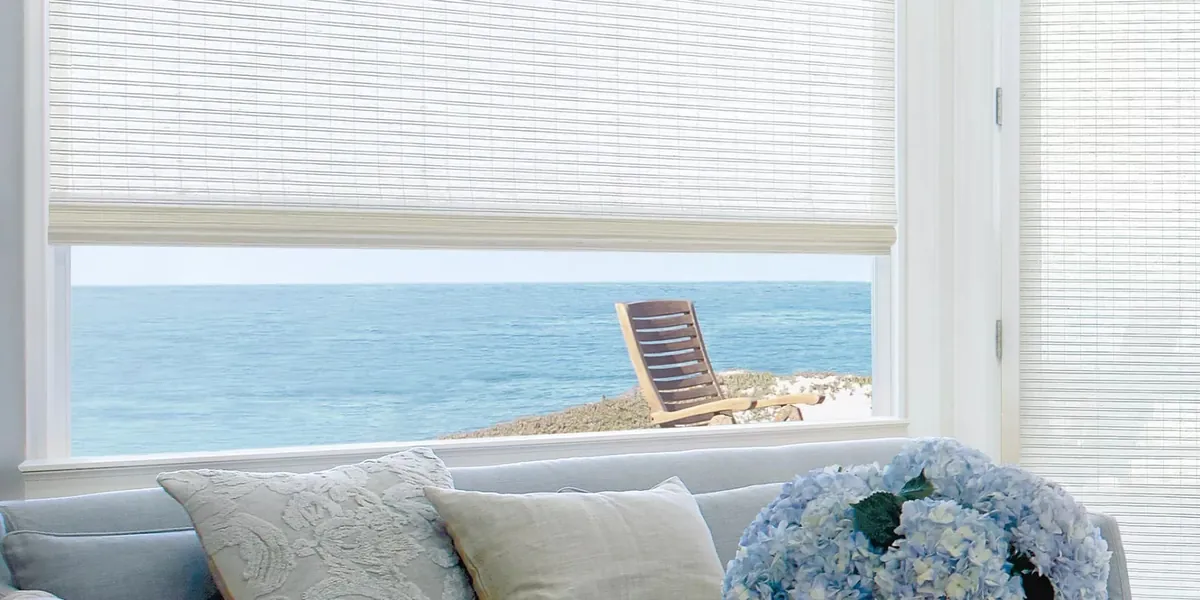
Alustra Woven Textures Roller
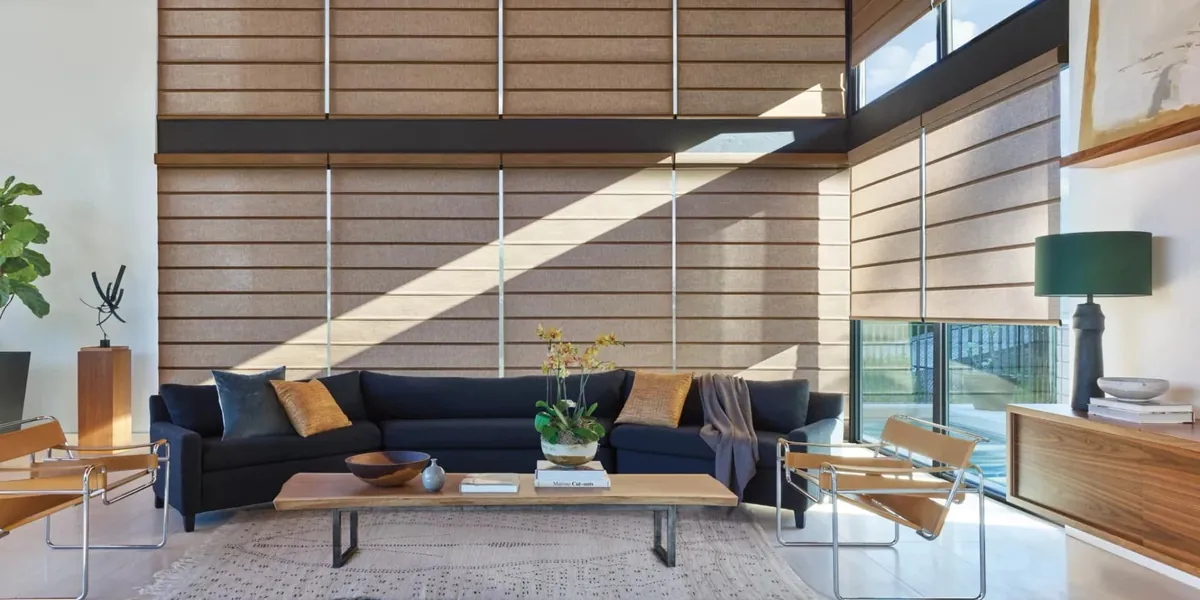
A roller made from woven-look fabrics with a natural texture. It suits the more formal rooms of a Victorian or colonial where a plain cloth feels too bare.
How a bay window is handled
A bay is really several windows set at angles to each other, usually a wide center panel with a narrower one on each side. Trying to cover it with one shade does not work, so each panel gets its own roller, sized to its own opening.
The detail that makes a bay look right is how those shades meet. We line up the tops so every shade begins at the same height, and we size the side panels so their edges close neatly where the angles meet, without one shade bumping into the next as it comes down. When the shades are raised, the bay looks clean and open; lowered, the shades read as one continuous band across the bay.
In older houses the angles are rarely exact, and the panels in one bay can differ by more than you would guess. That is the main reason we measure every panel separately rather than assuming the two sides are a pair. Many owners like to leave the center panel open and lower the two sides, or the reverse, depending on where the sun and the street are. Separate shades let you do that.
Transoms over doors and windows
The transoms in a Victorian or older colonial were built to bring daylight into rooms and halls before electric light. Today they are one of the features people love most in those houses, and also one of the trickier openings to cover.
Often the best answer is to leave a transom uncovered and fit the shade to the main window below it, so the decorative glass stays on show and still brightens the room. Where a transom faces strong afternoon sun, or sits over a bedroom window and lets in light you do not want at night, it can take its own made-to-measure shade. Because a transom shade is usually set and left, a fabric that suits it all day matters more than how easy it is to raise.
Over an entry door, a transom shade can also give a front hall some privacy after dark without blocking light during the day. We look at each one and talk about whether it needs covering at all.
Colonials on Oak Hill
The colonials up on Oak Hill tend to be orderly houses: a center door, matching windows marching evenly across the front, and a symmetry that the original builders cared about. Shades on that kind of front should respect the pattern. When every front window takes the same fabric, set at the same height when lowered, the house keeps its calm, balanced look from the street.
Inside, the rooms are usually generous, with windows on two walls of the main rooms and good-sized bedrooms upstairs. That makes it easy to vary the fabric by room without upsetting the outside view. A dining room might take a patterned Designer Roller cloth that brings some character to the space, while the upstairs bedrooms take a blackout fabric in a color that matches the rest of the front. When we plan roller shades in Attleboro for a colonial, we sketch out the front windows first and then work room by room behind them.
Some of these houses keep their original interior shutters or deep window seats. A roller can usually be mounted so it clears both, and we check that before suggesting a mount.
Split-levels off Route 123
A 1960s split-level puts rooms at three or four heights. The upper level usually holds the bedrooms and a living room with a wide picture window over the front lawn. The lower level, partly below ground, has shorter windows set high in the wall, and the half-level in between often has the kitchen and a slider to the back.
Each level asks for something different. The upper living room window takes full sun and is a natural place for roller shades in Attleboro to start, often in a solar screen chosen to soften the light while keeping the street in view. The short, high windows on the lower level often face the driveway or a neighbor at close range, so a light-filtering or room-darkening cloth works better there, especially if the room is used as a den or for a television. The slider takes a shade sized to the whole door, so it can be raised fully when you step out.
Mixing fabrics through the levels is normal. We keep the color consistent across the front of the house so it looks tidy from outside, and choose the opacity for each room inside.
South Attleboro ranches
Out in South Attleboro, many houses are ranches, built on one floor with the living room, kitchen and bedrooms all at ground level. Their front windows are wide and low, their bedroom windows sit close to the yard, and the back of the house usually has a slider or a kitchen window over the sink.
Wide front windows in a ranch can take one long shade or be split into two or three shades side by side, each sized to its own section of glass. Splitting a run gives you more control, because you can lower the end that catches the sun and leave the rest open. For bedrooms at ground level, room-darkening and blackout cloths give privacy at night and keep the early light out in summer.
If the kitchen window sits behind a sink and is hard to reach, a roller is one of the easiest coverings to work there, and PowerView can take the reaching out of it altogether.
Openness: the view versus the glare
Solar screen fabrics are described by their openness, which is simply how much of the weave is open. That one number shapes two things you will notice every day: how clearly you see out, and how much glare the shade takes off the glass.
- A more open weave keeps the view clearer and lets more light in, while still softening the brightness.
- A tighter weave cuts more glare and gives more privacy during the day, but the view through it is softer.
- Darker screen colors tend to be easier to see through; lighter ones look softer against pale walls and trim.
One point that surprises many people: a solar screen gives privacy in daylight but not at night, when the lights inside are on. In a ranch bedroom or a front room on a busy street, it is often paired with a room-darkening shade elsewhere in the same room, or chosen only for the rooms where night privacy matters less. We hold several openness levels at the same window so you can judge for yourself.
Bedrooms: room darkening or blackout
People often use the two terms as if they meant the same thing, but in the fabric books they are separate groups. A room-darkening cloth turns a bright room dim and blocks most of the light through the fabric itself. A blackout cloth goes further and stops the light coming through the fabric altogether.
What usually lets light into a dark bedroom is not the fabric but the edges. Any shade leaves a slim gap down each side so it can move freely, and in a bright room that gap shows as a line of light. An outside mount, set a little wider than the opening, covers more of that edge light; an inside mount keeps the trim visible and leaves a little more. In a Victorian bedroom with fine original casings, many owners accept a thin line of light to keep the woodwork showing. In a ranch bedroom facing a streetlight, the outside mount often wins. We show you both before you decide.
Color against old woodwork
The older houses near downtown often have stained or painted wood trim that has been looked after for a long time. Shade color can either sit quietly against it or fight it. Soft whites, warm creams and gentle grays tend to settle well against painted trim, while warmer, textured fabrics can suit stained wood. From the street, a pale fabric keeps the front of the house looking even.
Holding a swatch against the actual casing, in the light that window actually gets, is the only reliable way to choose. That is one more reason we bring the samples to you rather than asking you to guess from a picture. It also helps to see the color from outside: we can lower a sample against a front window and step out to the sidewalk, so you know how the front of the house will read before you commit to a whole set of windows. On a split-level or a ranch, where the front faces the street at eye level, that view from the sidewalk often settles the choice between two close shades of cream or gray.
Measuring the older openings
Made-to-measure work is the whole point in the older houses, and the measuring visit is the first step. Our process is careful but simple.
- We measure the width of each opening at the top, the middle and the bottom.
- We measure the height at both sides and in the center.
- We check the depth of the frame for an inside mount, and look for sash hardware, trim or a crooked frame that might get in the way.
- For a bay, we measure every panel on its own and note how the panels meet.
- For a transom, we decide with you whether it needs a shade at all.
- We confirm each mount and fabric with you before anything is ordered.
A shade built to those figures fills its opening closely, hangs straight even in an old frame, and lets very little light around the edges.
Why order through a Gallery dealer
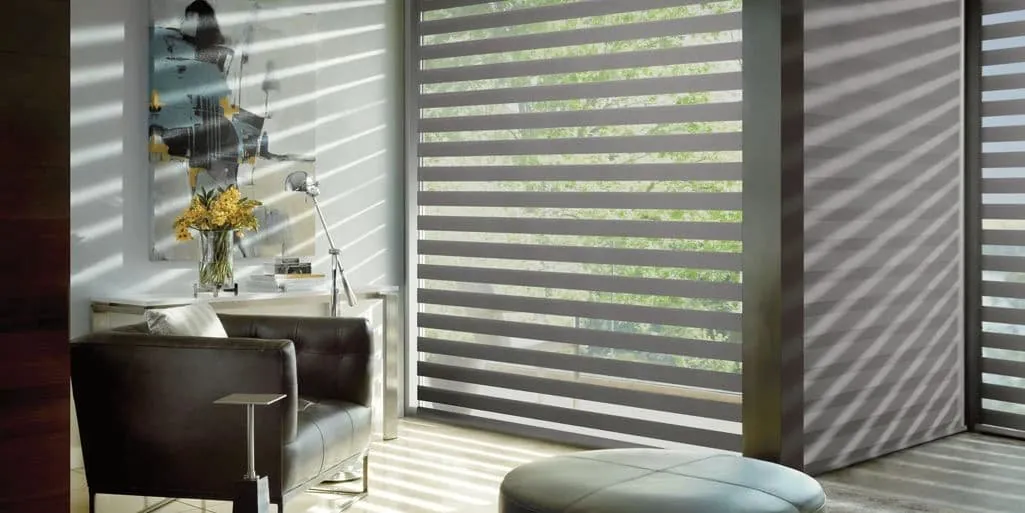
Blinds & Designs is a Hunter Douglas Gallery dealer. For your house that means every roller line in one place, from Designer Roller and Designer Screen to Designer Banded, Sonnette and the Alustra collections, with PowerView motorization when you want it.
Our installers are certified by Hunter Douglas, so each shade goes up level and works as intended. We offer interior design consultations if you want help with color and fabric across a whole house, and blind and shade repairs on window coverings you already own.
We also cover the rest of the house when a roller is not the best fit for a room. Have a look at our cellular shades in Attleboro, custom blinds in Attleboro or plantation shutters in Attleboro, or see all our work locally on the Attleboro page. Every roller line is on our main roller shades page.
Motorized shades for the high and the many
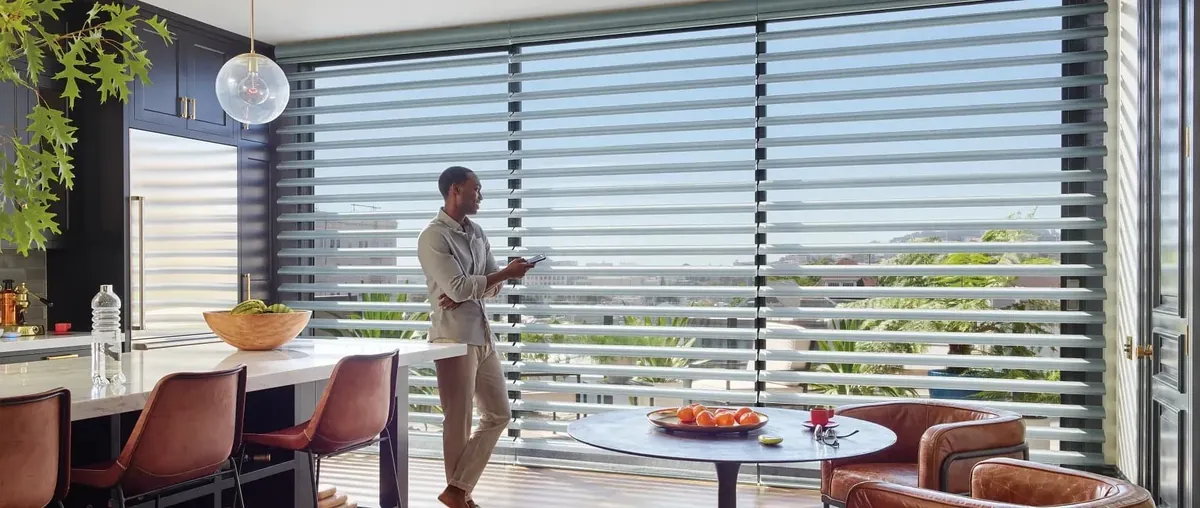
Transoms over tall windows, the upper glass on a split-level stair and a long run of ranch windows all make a case for motorization. With PowerView, roller shades move from a remote or an app on your phone, and you can set them on a schedule: the front shades lowering as the afternoon sun swings round, the bedroom shades rising at a set hour. We plan how each motor will be powered when we visit, so there are no surprises. See our motorized blinds in Attleboro page for more.
A visit with samples, or the Franklin showroom
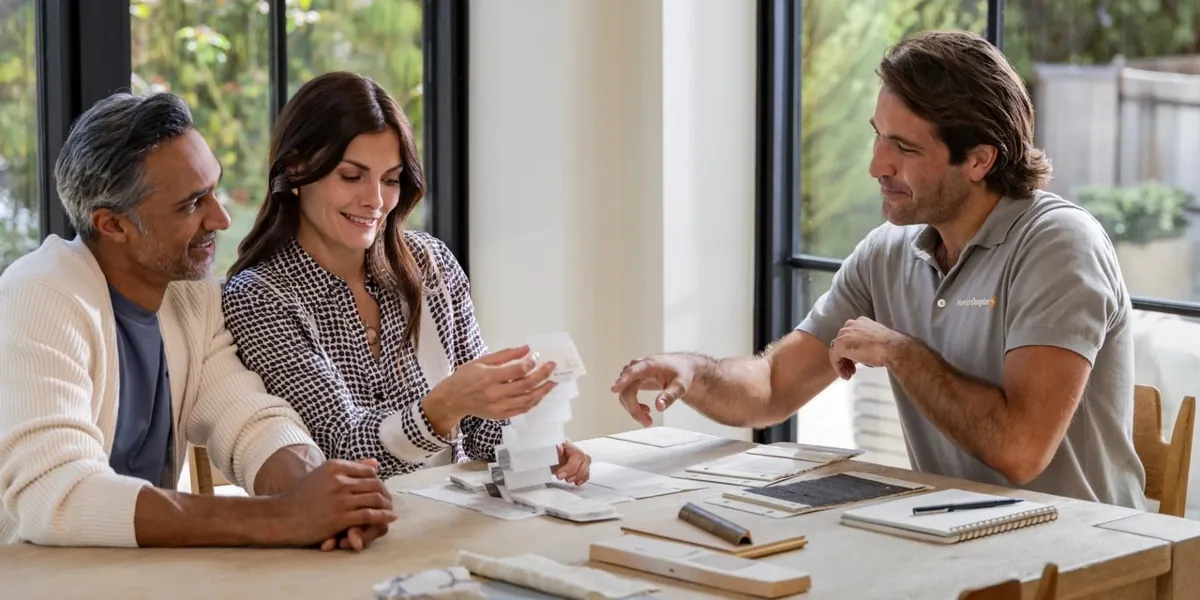
Most Attleboro customers start at home. Our vans carry samples, so we can bring the showroom to you and you can see each fabric against your own trim and in your own light, which is what really decides the choice. We measure while we are there and leave you with a free estimate.
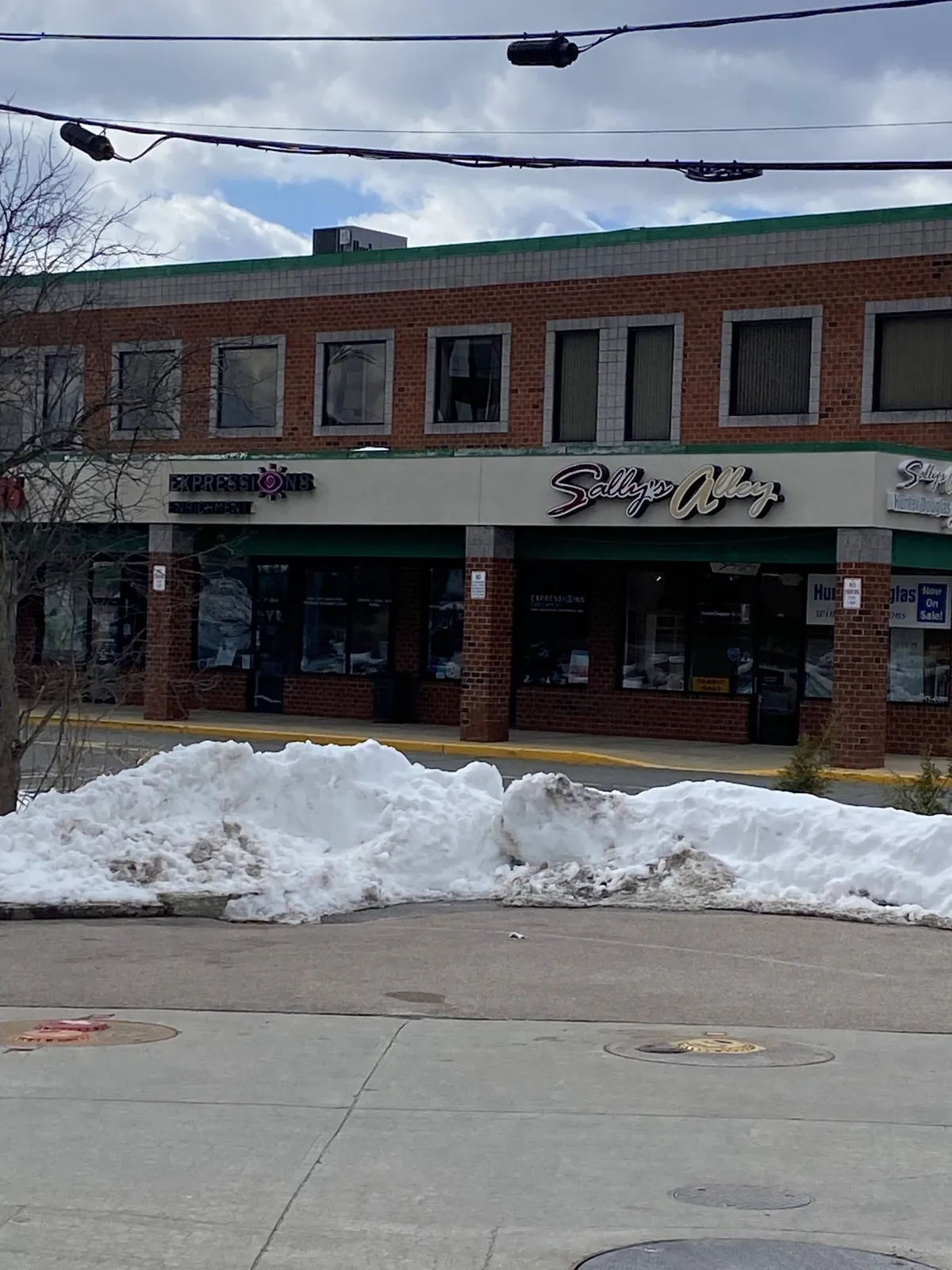
If you would like to look at the roller family before we visit, the Franklin showroom is our nearest. You can read what happens at an in-home consultation to see how the visit runs.
Questions from Attleboro
Can you fit roller shades in a Victorian bay window?
Yes. Each panel of the bay gets its own shade, made to that panel’s exact size. We line the tops up and size the edges so the shades meet neatly at the angles, and you can raise or lower each one on its own.
Should I cover the transom above my window?
Often it looks best left open, so the glass still brightens the room. If it lets in strong sun or light you do not want at night, it can take its own made-to-measure shade. We decide window by window.
What suits the lower level of a split-level?
Those short, high windows usually face the driveway or a neighbor, so a light-filtering or room-darkening fabric tends to work better than a screen. For a den or a television room, room darkening is the usual choice.
Does a solar screen give privacy at night?
Not much. It gives good daytime privacy, but with lights on inside after dark people can see in. For bedrooms and street-facing rooms, a room-darkening fabric covers the evening.
What does the estimate cost?
Nothing. After we measure, you receive a free estimate for the shades you are considering.
Ready when you are
Roller shades in Attleboro, MA, are easiest to choose with the fabrics in your hand at your own bay or transom. Request a consultation and we will come with samples, measure each opening and give you a free estimate. Prefer to talk first? Use the call button, or stop by the Franklin showroom.