
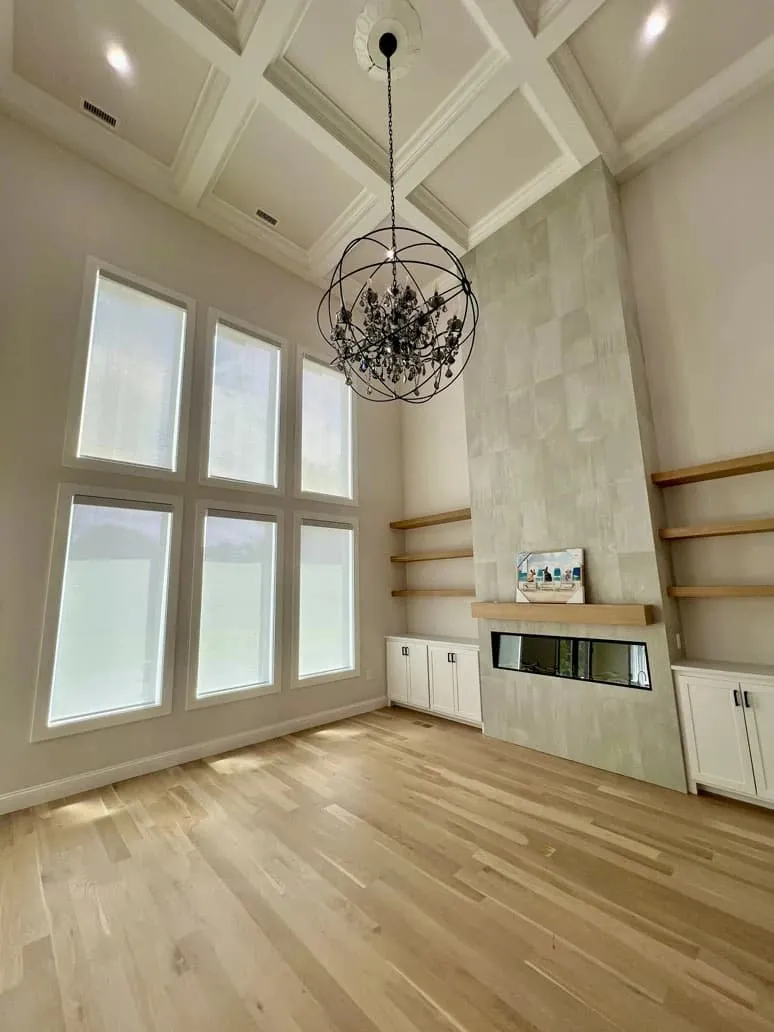
Tall sash and formal rooms near the Blue Hills
Around Milton Village and up against the Blue Hills, the houses are big: large colonials and Victorians with tall sash, formal living and dining rooms, and wide openings that stretch across a room. When we plan roller shades in Milton, MA, the scale of those rooms is the first thing that shapes the choice.
Double-width openings are common here, and so are rooms sized for floor-length drapery. A roller in that setting has to look at home among high ceilings and good trim, and it often works as one layer of a larger window treatment rather than the whole thing. In the lower village, the post-war houses bring smaller rooms and more regular windows, and the job changes again.
A roller is a quiet partner in a formal room. Rolled up, it nearly disappears below the head of the window. Lowered, it gives a clean, flat plane that lets the trim, the drapery and the room take the attention. The decisions are about cloth, color and how the shade sits with everything around it.
Roller lines suited to Milton’s larger rooms
Three Hunter Douglas lines handle most Milton windows, from a grand front room to a back study. All three come in a wide palette, and every sample comes to the house.
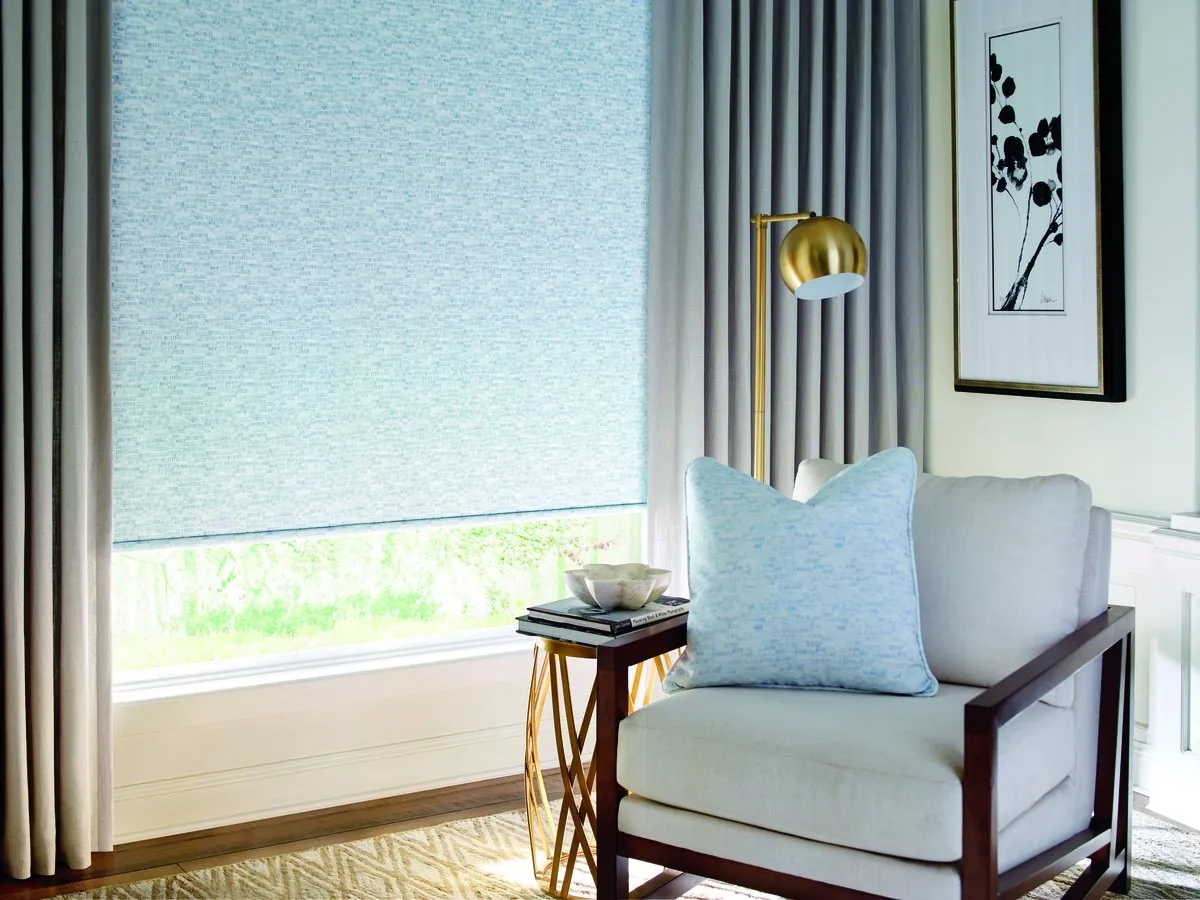
Designer Roller
Plain, textured and patterned cloth, light filtering through blackout. Pairs easily with drapery in a formal room.
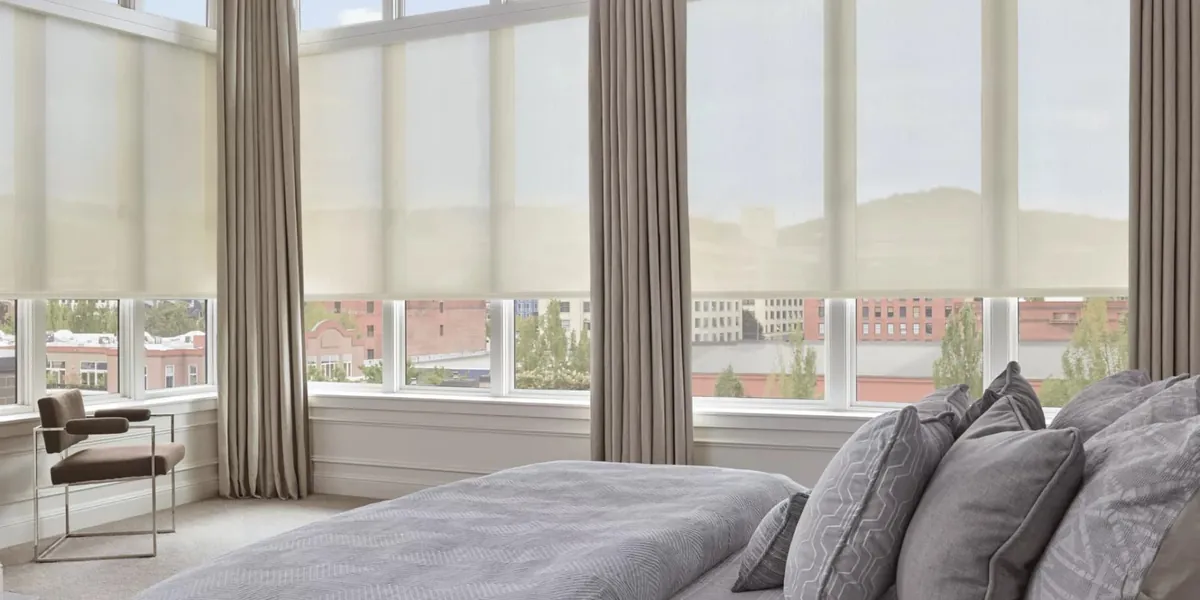
Designer Screen
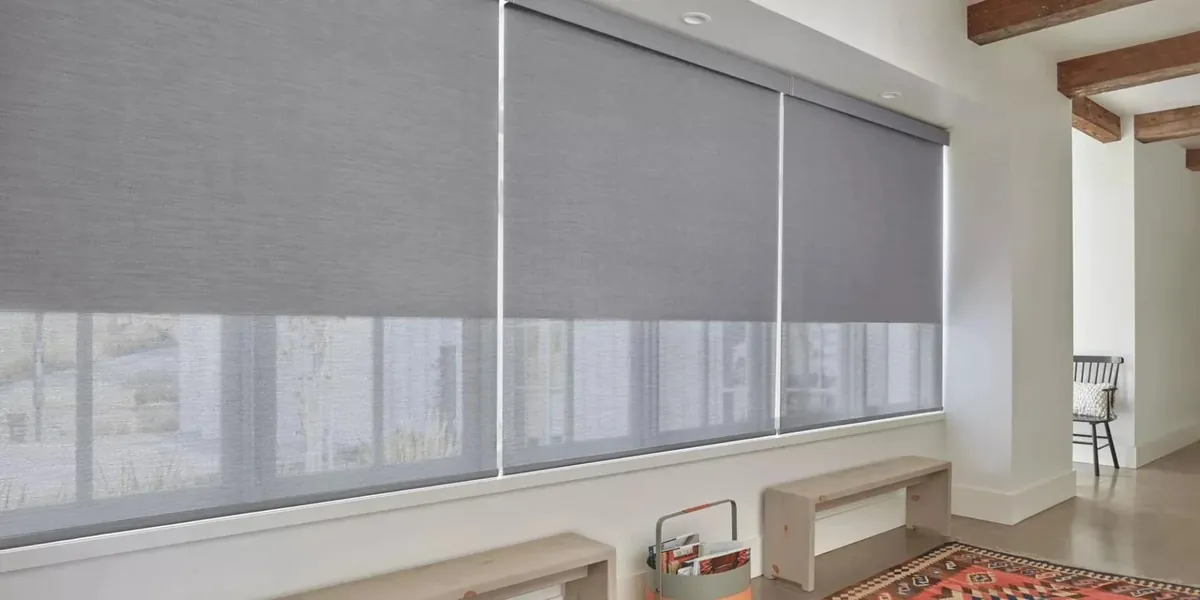
Solar screen cloth that tames sun on a tall south or west window while the garden or the hills stay in view.
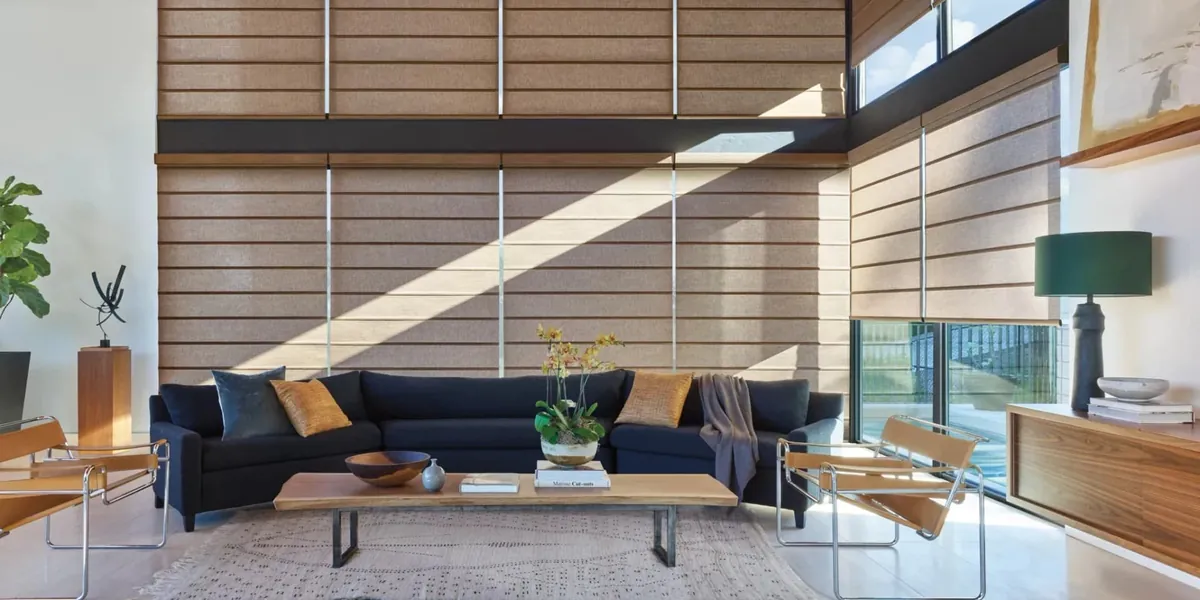
Designer Banded
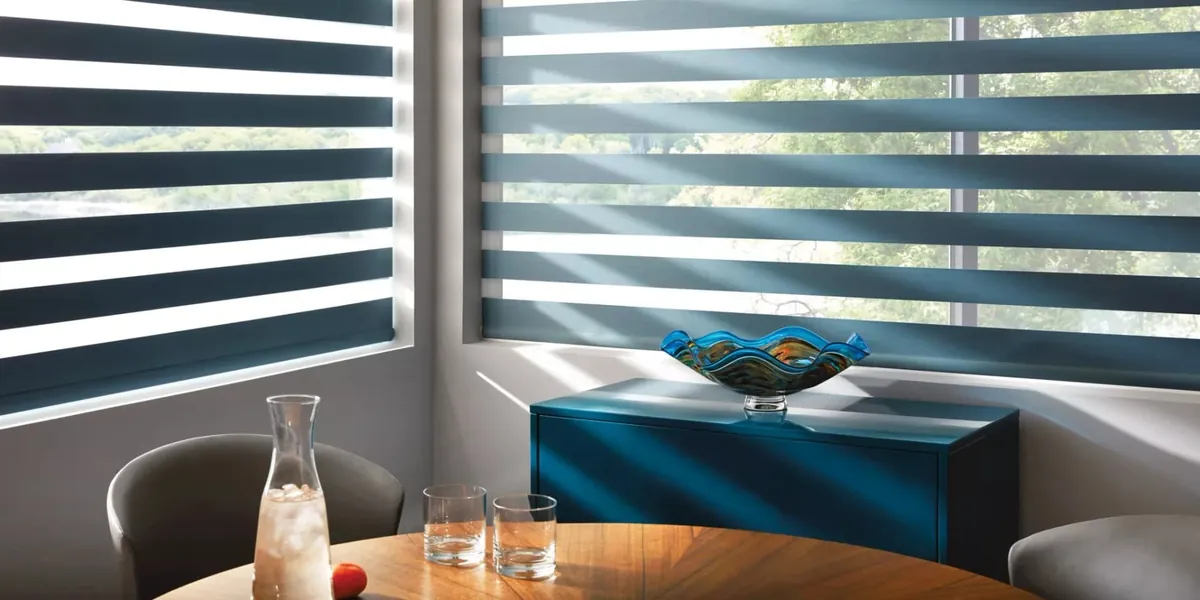
Sheer and solid bands that shift past each other, giving a family room or study adjustable light without lifting the shade.
Double-width openings, handled two ways
A double-width opening, two sash side by side under one head, or a wide window paired across a room, is one of the things that sets Milton’s larger houses apart. It is also the first planning question for a roller.
One option is a single wide shade across the whole opening. That gives the cleanest look when lowered: one uninterrupted plane of fabric. It suits a formal room where the shade is mostly either up or down, and where a continuous surface flatters the window.
The other is two shades side by side, one for each sash. That lets you lower one half against the afternoon sun while the other stays open to the view, and it keeps each shade a more manageable size. In a room that is used through the day, the flexibility usually matters more than the single plane.
Which suits your opening depends on how the room is used, how the window faces and how the shade will sit with any drapery. We look at each wide opening on its own terms during the visit, because no two of them in an older house are quite the same.
Formal living and dining rooms
The formal rooms in a Milton colonial or Victorian tend to be the most considered rooms in the house. Their windows are tall, their trim is substantial and the furniture is chosen to suit them. A window covering there needs to add to the room, not compete with it.
In a living room, light filtering cloth keeps the space bright and soft through the day. Many owners choose a woven or textured fabric in an off-white, a stone or a warm gray, which sits well against painted trim and plaster walls. Where the room faces strong sun, a screen fabric can take its place on the brightest windows.
In a dining room, the shade often spends dinner lowered. A slightly denser weave adds privacy without making the room feel shut in, and in a room with patterned wallpaper, a plain cloth lets the walls lead. If the dining room has a pair of tall windows either side of a sideboard, matching shades lowered to the same line keep it symmetrical.
Rollers beneath drapery
Milton has many drapery-scale rooms: tall windows, high ceilings and enough wall either side for floor-length panels. In those rooms, a roller often works as the inner layer, mounted close to the glass with drapery framing the window in front.
That pairing splits the jobs neatly. The roller does the daily work of managing light and privacy, going up and down as the sun moves. The drapery frames the window, softens the room and can be drawn at night for extra privacy. Neither layer has to do everything.
When rollers sit under drapery, their fabric is usually chosen to recede. A plain cloth in a tone close to the trim lets the drapery take the eye. If you want darkness in a bedroom, a blackout roller under drapery gives it, with the panels drawn across for a finished look at night.
We are a Hunter Douglas Gallery dealer and work with the full Hunter Douglas range, so the roller and the rest of the window can be talked through on one visit.
Stair halls and landings in the big Victorians
The larger Victorians around Milton Village often have a generous stair hall, with a tall window on the landing and sometimes another lighting the upper hall. These windows bring a lot of light into the middle of the house, and they are some of the hardest to reach.
A roller on a landing window needs to be easy to work without leaning over a banister. This is one of the clearest cases for PowerView, so the shade can be raised or lowered from the hall below or set to a schedule. A light filtering cloth usually suits a stair hall, because it keeps the light moving through the house while softening the view from the street or the neighbors.
Because a stair window is seen from both inside and out, color deserves thought. Matching the outward face to the front-room shades keeps the facade consistent, while the tone inside can echo the hall’s paint or paneling.
Houses against the Blue Hills
Toward the Blue Hills, many houses sit among mature trees, and some look out over slopes and woods. That setting changes the light in a way that is easy to underestimate.
Trees filter the sun for much of the year, so a room that faces south may get far less direct glare than its orientation suggests. In summer, leaves soften the light; in winter, bare branches let more of it through. A fabric that suits the room in July may feel too dim in January, so a lighter light filtering cloth is often the better long-term choice in a room surrounded by trees.
Where a house has a real view, of woods, a slope or a garden, a screen fabric earns its place. It keeps the outlook while taking away the sharp sun that comes through when the trees thin out. On the upper floors, bedrooms facing east toward open sky may need a blackout cloth, even when the lower rooms are shaded.
Bedrooms under high ceilings
Upstairs in a large colonial, the bedrooms often share the scale of the rooms below: tall sash, high ceilings and sometimes a window on more than one wall. Those rooms can be bright very early in summer, and that is where fabric choice matters most.
Room darkening cloth suits most bedrooms, cutting the light to a low glow. For a room facing east or a nursery, a blackout roller is the stronger answer. On a tall window, the gap of light at the edges is more noticeable, so many owners pair a blackout roller with drapery that closes across the frame at night.
A guest room that is used only now and then can take a lighter fabric that keeps the room bright when it is empty. A primary bedroom with a sitting area might mix the two: blackout on the windows beside the bed, light filtering on the window by the chair. Choosing roller shades in Milton, MA, room by room like this means each bedroom works the way it is used.
Studies, libraries and sunrooms
Many of Milton’s larger houses have a room that is neither formal nor private: a study, a library or a sunroom added onto the back. These rooms are often where people spend the most daytime hours, and they have their own light problems.
A study with a desk and a screen needs glare under control. A light filtering cloth or a tight screen fabric takes reflections off a monitor without making the room gloomy. A library with good shelving may also want less direct sun falling across the shelves, which argues for a screen or a denser cloth on the sunniest windows.
A sunroom is all windows, and often all sun. A row of screen rollers, one per window, lets you keep the garden in view while taking the heat of the glare off the seating. Lowered together on a PowerView scene, they turn a bright room into a comfortable one within moments, and roller shades in Milton, MA, sunrooms are often the ones used most.
The lower village’s post-war houses
Down in the lower village, the post-war houses are a different proposition. Rooms are smaller, ceilings lower and windows more regular, often repeating in size from room to room.
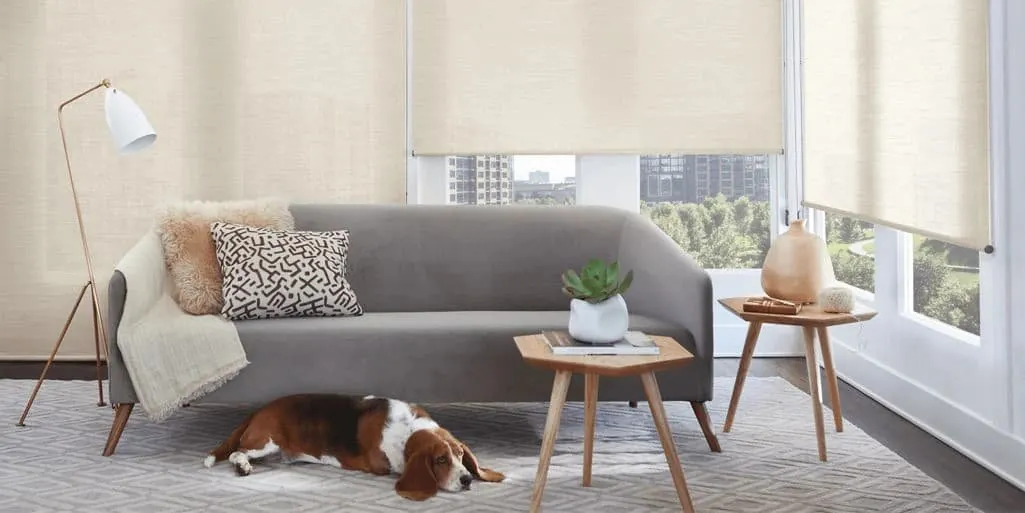
These houses suit a simple, consistent approach. Matching rollers across the front windows give the street side an even look. Inside, fabrics can change from room to room: light filtering in the living room, room darkening in the bedrooms, a screen on a kitchen window that takes the afternoon sun.
Because the openings are standard, the conversation moves quickly from fit to fabric. That makes it a good place to try a color or a pattern you might hold back on in a formal room. A patterned roller in a kitchen, or a bold color in a child’s bedroom, can give a smaller house real character.
Picking roller shades in Milton, MA, for a post-war house is often a whole-house decision made in one visit, with the same consultant looking at every window.
Glare, view and openness
Solar screen fabric is woven with small gaps, and the openness of a screen describes how big those gaps are. It is the setting that decides what you see and what you feel.
- More open: a clearer view out and more daylight in, with more of the sun’s glare.
- More closed: stronger glare control and more daytime privacy, with a softer, hazier view.
- Darker colors: easier to look through, because the fabric fades from sight.
- Lighter colors: a brighter room, with the outlook a little more veiled.
For a tall window facing the hills or the garden, a dark screen with moderate openness often gives the best balance. For a formal front room near the street, a tighter weave in a lighter tone adds privacy by day. A screen does not hide a lit room at night, so evening privacy usually comes from drapery or a second shade.
Motorizing a wide or lofty shade
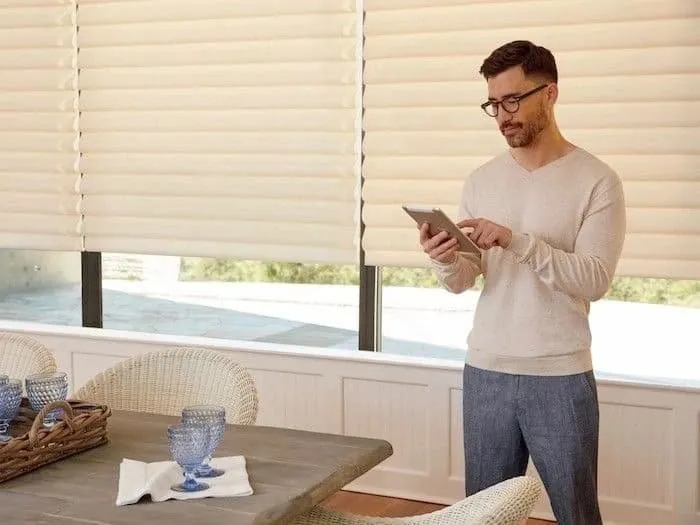
Tall sash and wide openings make for large shades, and large shades are where Hunter Douglas PowerView motorization makes the most difference.
With PowerView, rollers respond to a tap in an app or a press on a remote, and they can run on a timetable. A row of formal front windows can lower together at sunset. A screen on a sunny study can drop during the brightest hours and rise again later. Bedroom blackout shades can open slowly at the time you choose to wake.
In a house with many tall windows, grouping shades into scenes saves a lot of walking from room to room. We plan how each motor is powered with you at the visit. Our page on motorized blinds and shades in Milton has more, and the guide to how motorized shades are controlled explains the options in plain language.
Getting ready for a shop-at-home visit
Milton is part of our shop-at-home territory. A consultant drives out with a van of samples so you can judge each fabric against your own windows and walls. The Canton shop-at-home page describes how the territory is run.
A few things help the visit go smoothly:
- Book through Request a Consultation, or use the call button, and mention the rooms you have in mind.
- Note any double-width openings and how you use those rooms through the day.
- Decide where drapery will stay, go or be added, since that changes the roller fabric.
- Pick out the rooms where sleep matters most.
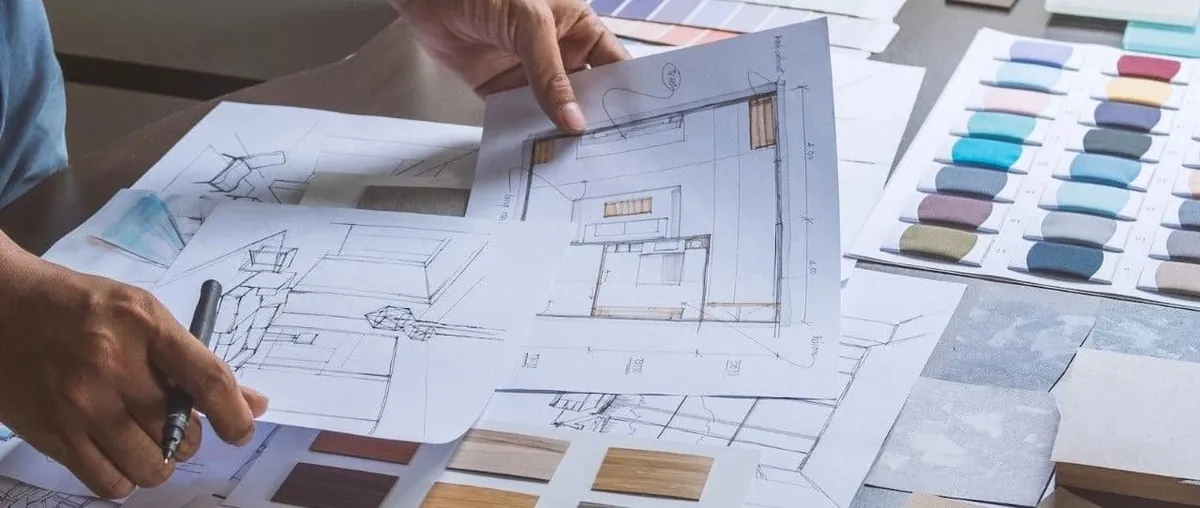
- Have any wallpaper, paint or fabric samples to hand for color matching.
- Expect a free estimate before you decide anything.
For help with the whole room, our interior design consultations are available too.
Alustra in a formal room
Hunter Douglas makes two broad families of roller. Designer is the larger, covering plain, textured, patterned, screen and banded fabrics. It suits everything from a lower village kitchen to a colonial bedroom.
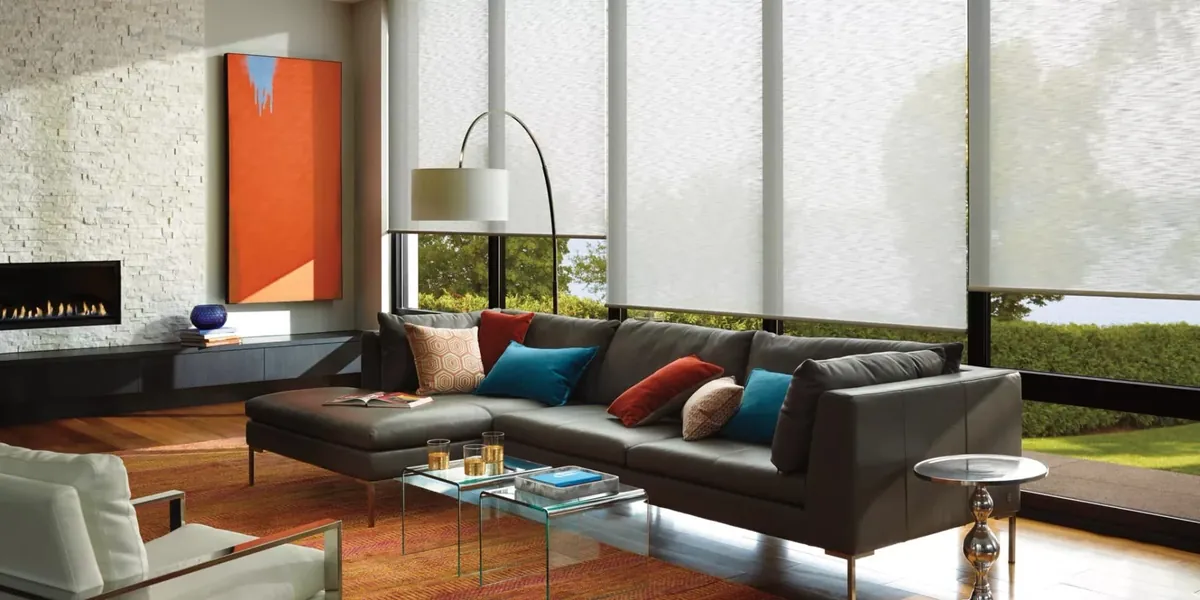
Alustra is the Hunter Douglas collection with a more refined finish. In a Milton living room with tall sash and good trim, a fabric from Alustra Woven Textures can bring the kind of texture that looks right beside wood, plaster and drapery. It is a natural choice for the rooms where guests are received.
Many Milton orders use both: Alustra in the front rooms, Designer in the bedrooms, kitchen and family room. Seeing them side by side at a real window is the easiest way to decide, and you can read about every line on our roller shades overview.
Where to see shades in person
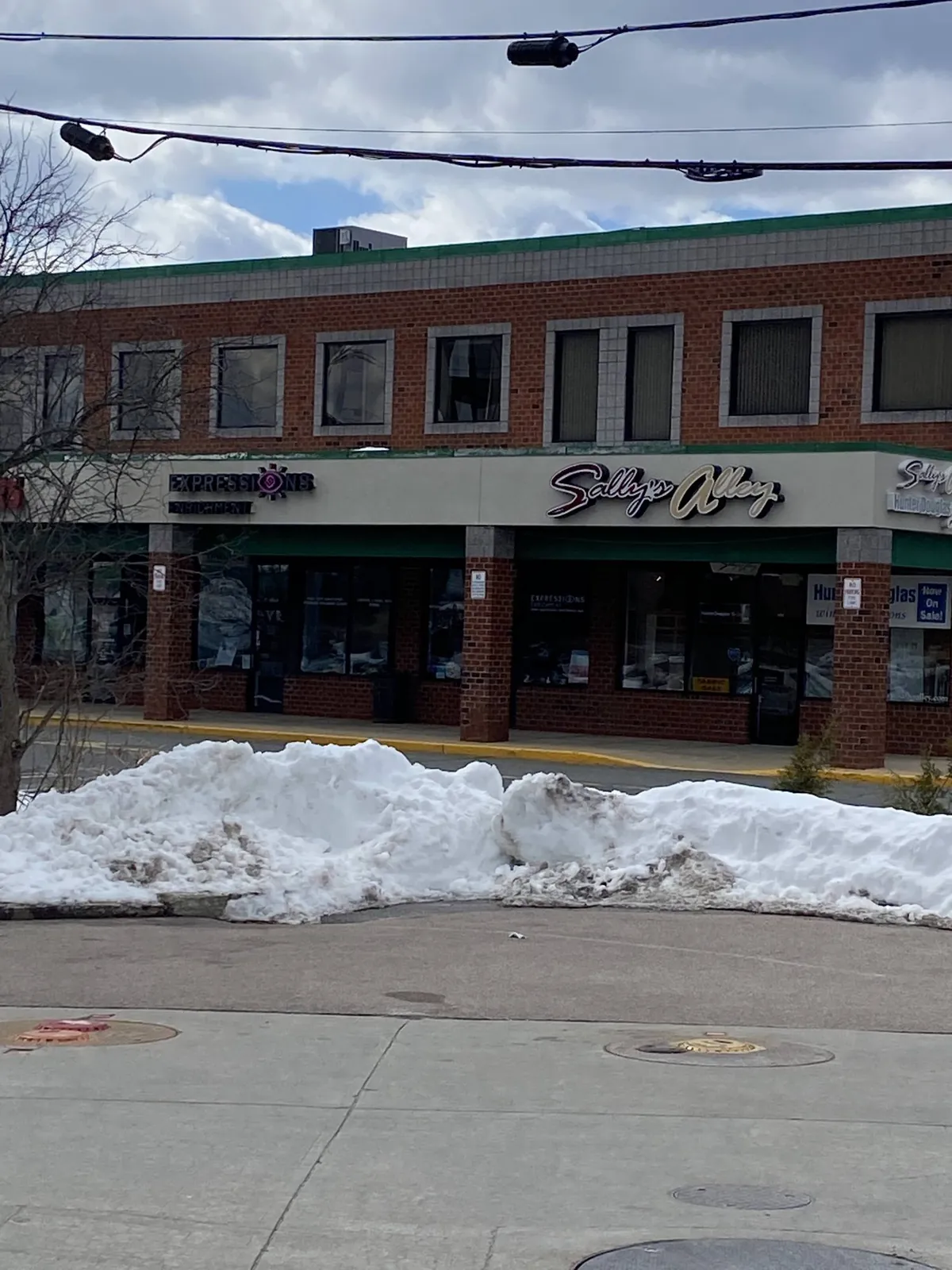
A home visit is the usual route for roller shades in Milton, MA, because the fabrics are seen in the rooms they will hang in. If you would like to see shades in a showroom as well, the closest is our Franklin showroom.
Blinds & Designs is a Hunter Douglas Gallery dealer, so the full Hunter Douglas range is open to you, and finished orders go up with certified Hunter Douglas installation. If an existing shade in the house needs attention, ask about blind and shade repair.
For a full picture of what we do locally, visit the Milton page. If a room needs a softer folded look, Roman shades in Milton are worth comparing.
Questions from Milton
We have a double-width opening. One roller or two?
It depends on how you use the room. One wide shade gives the cleanest look when lowered. Two side by side let you shade one half while the other stays open.
Can rollers go under our drapery?
Yes. In many tall Milton rooms, the roller sits close to the glass and handles light, while the drapery frames the window in front.
Our house is surrounded by trees. Which fabric should we pick?
Trees soften the light for much of the year, so a lighter light filtering cloth often suits those rooms. Where there is a view worth keeping, a screen is worth comparing.
Is there a showroom in Milton?
No. Our shop-at-home team brings samples to your house. The nearest showroom is in Franklin.
Does the estimate cost anything?
No. Estimates are free, with no obligation.
Plan the formal rooms first
In a large Milton house, the formal rooms usually set the tone for everything else, so they are a good place to begin. Ask for a consultation and we will come with the full roller range, look at your tall sash and wide openings with you, consider any drapery already in place and leave a free estimate. The call button at the top of the page reaches us as well.