
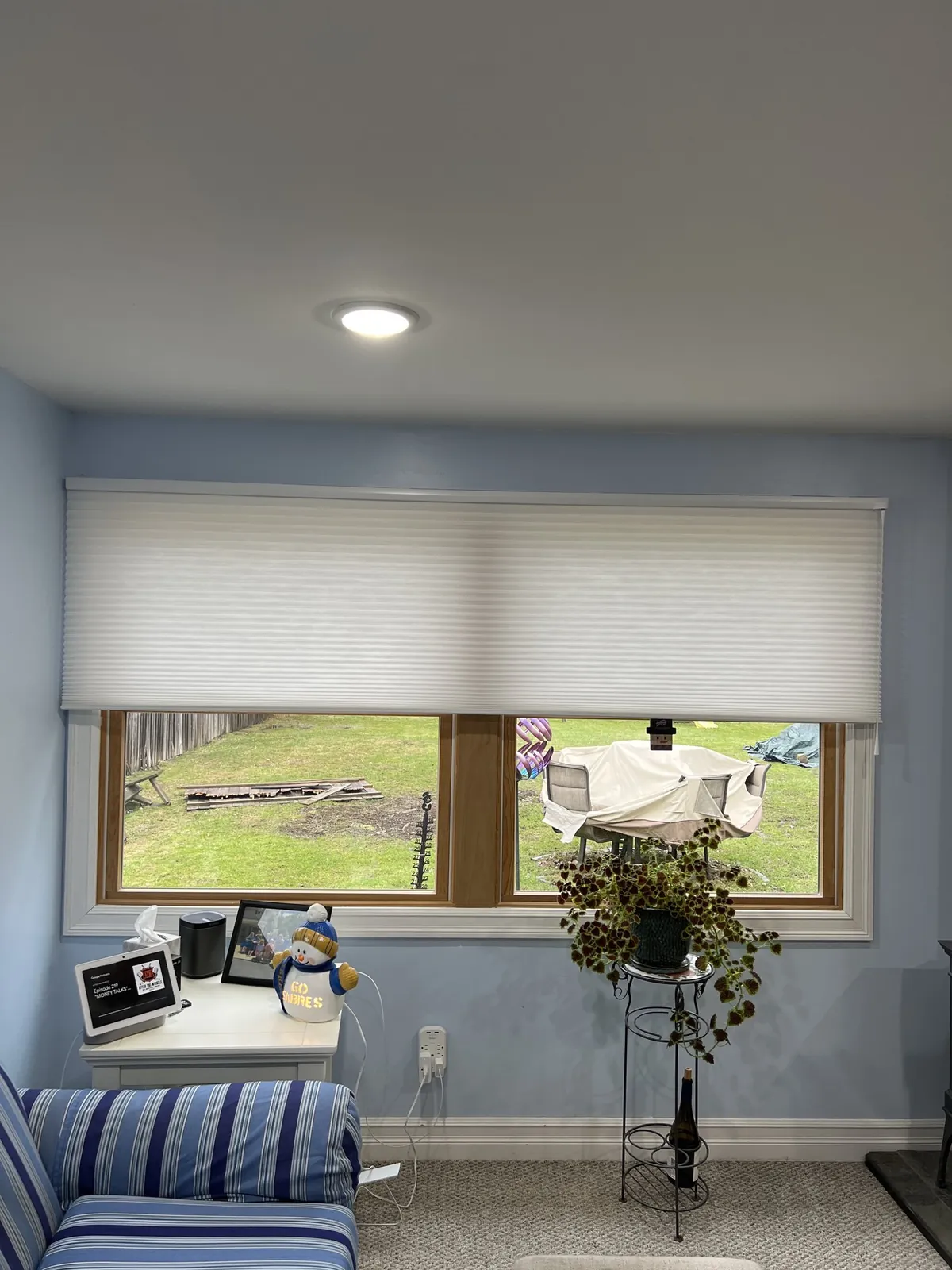
Square frames, wooded lots and a lot of choice
Most houses off Washington Street and around the Four Corners fall into three groups: post-war capes with a steep roof and a pair of dormers, low ranches spread across a single floor, and newer colonials built later on the lots in between. Nearly all of them have standard modern openings, square and true, sitting on wooded lots with a real setback from the road. That is a good starting point for window treatments in Hanover, MA, because the frame rarely rules anything out.
When the window does not limit you, the decision moves to the room. How bright does it get, and when? Who uses it, and for what? Does it face a neighbor or a stand of pines? Is it a room you want warm on a January evening or dark at five on a June morning? Those questions, asked room by room, are what turn a catalog into a plan.
The trees matter too. A lot ringed by oaks and pines filters the summer sun and opens up once the leaves drop, so a room’s needs change with the seasons.
What we fit in Hanover
Every card opens our Hanover page for that service. Window treatments in Hanover, MA, from one Gallery dealer, from a single bedroom to the whole house.
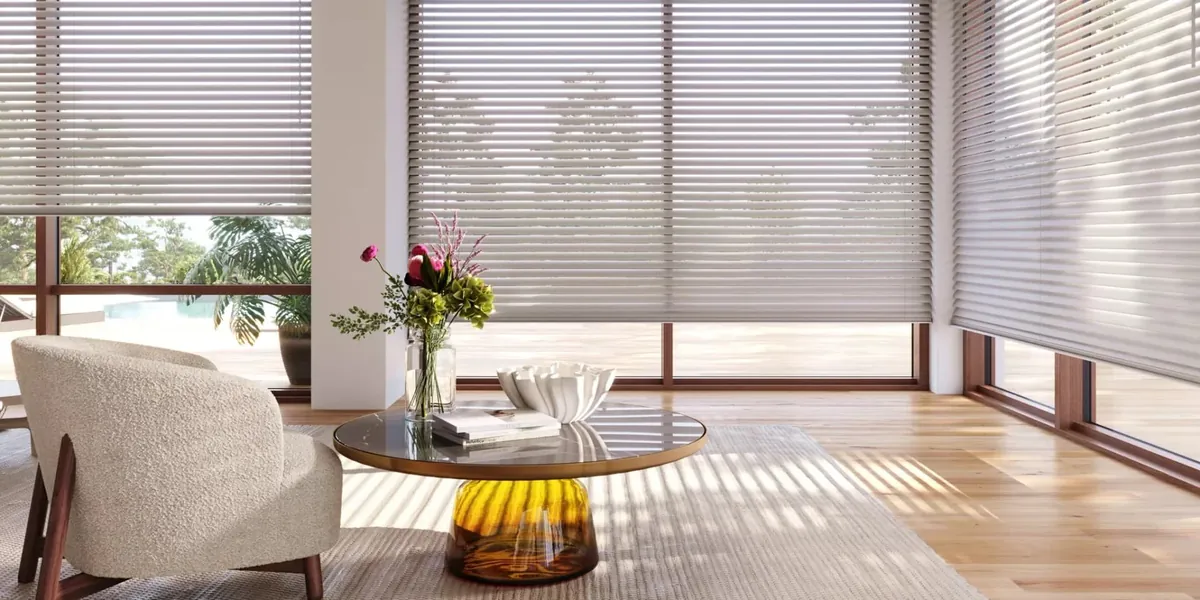
Custom Blinds in Hanover
Wood, faux wood, metal and vertical blinds, picked by material and by how you want to tilt and raise them.
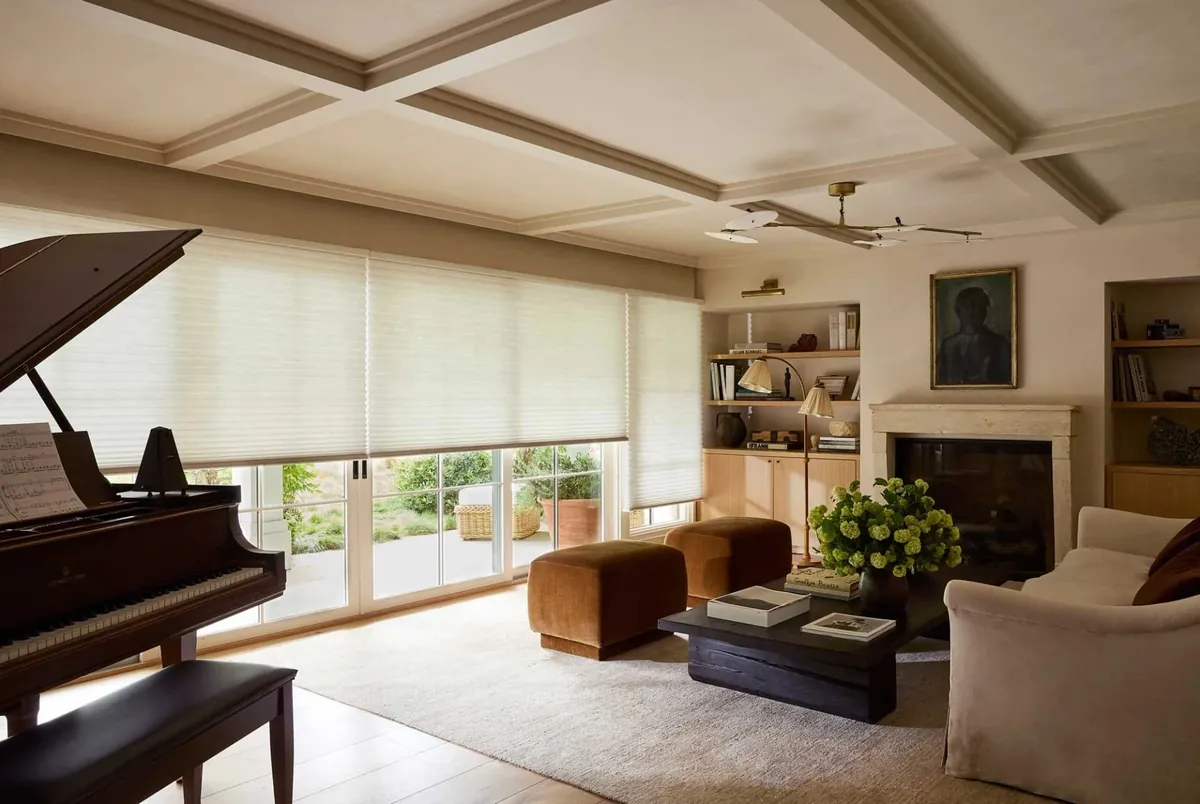
Cellular Shades in Hanover
Duette and Applause honeycombs. The air held in each cell is what helps a room hang on to its heat.
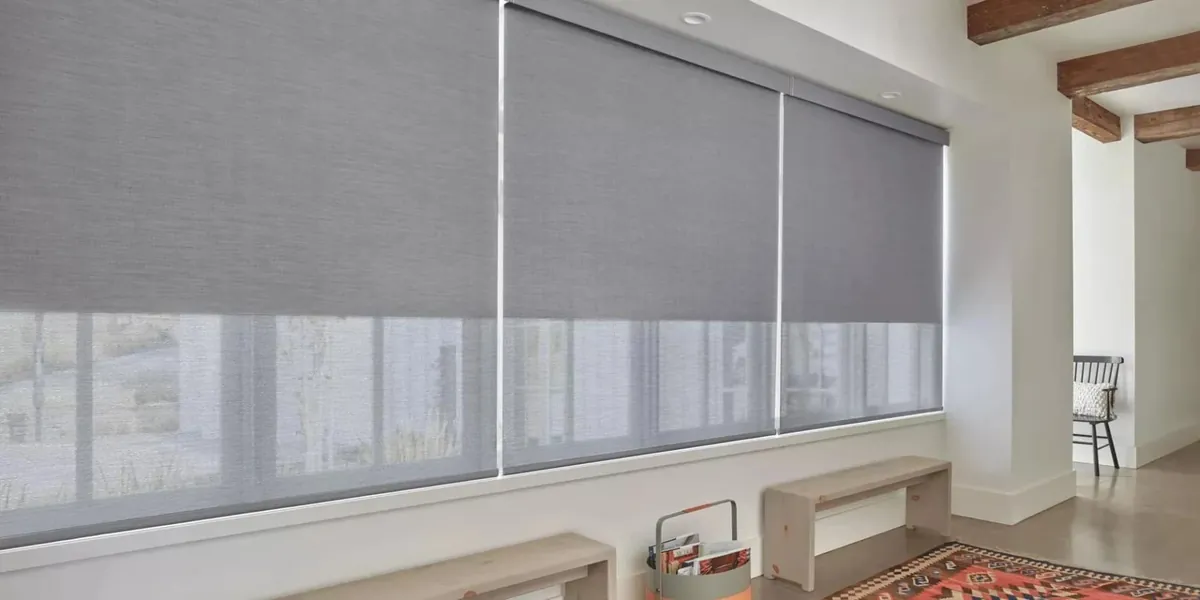
Roller Shades in Hanover
Designer and Alustra rollers and solar screens, chosen by openness: how much glare you cut against how much yard you see.
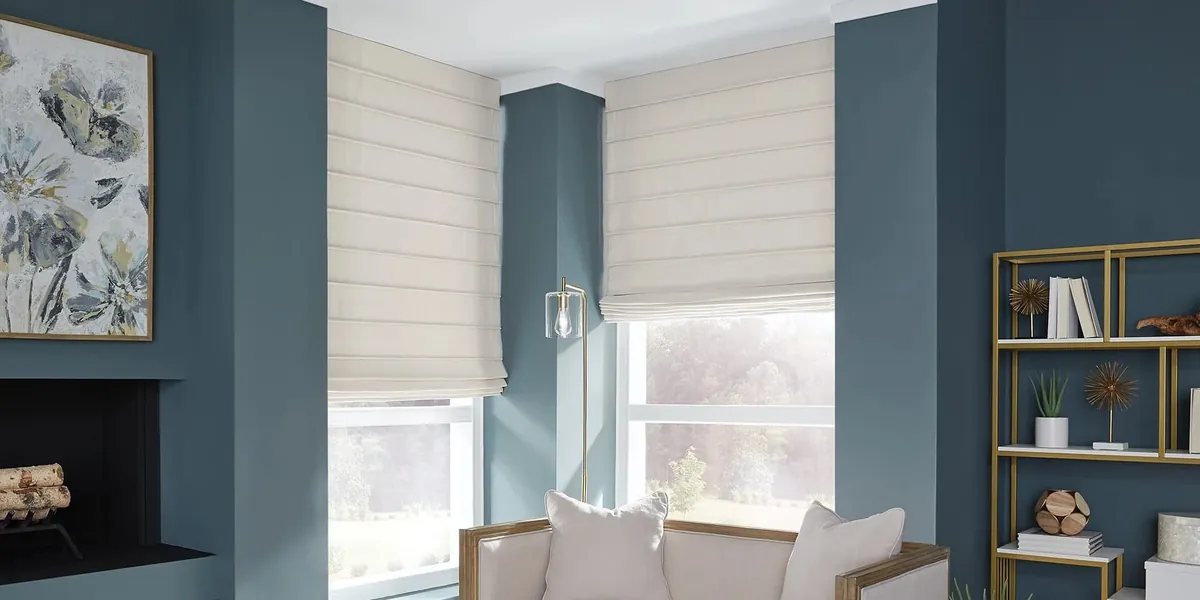
Roman Shades in Hanover
Vignette and Carole Fabrics romans in flat and folded styles, for a living room or bay that wants fabric.
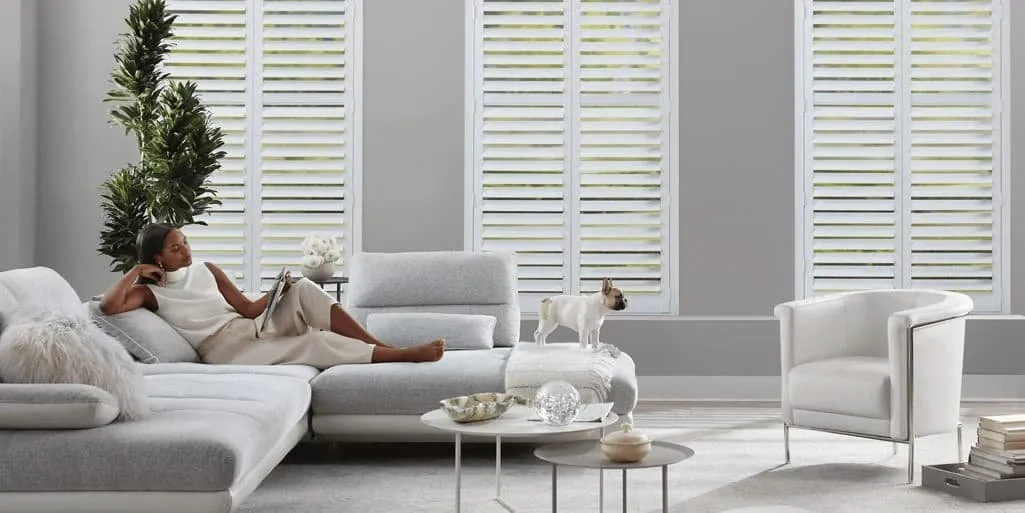
Plantation Shutters in Hanover
Palm Beach, NewStyle and Heritance shutters, with louver size and frame style matched to the house.
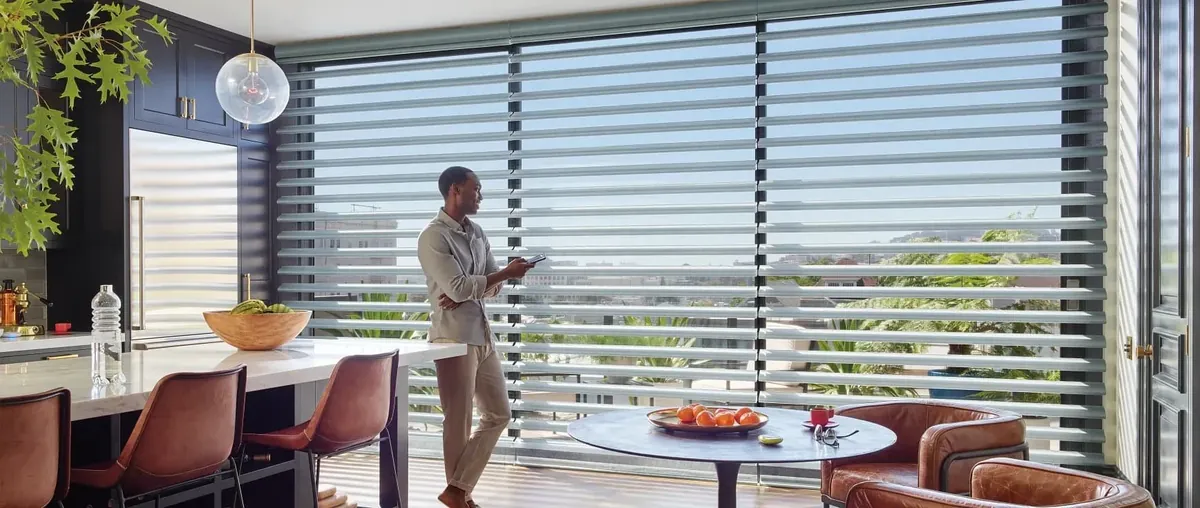
Motorized Blinds and Shades in Hanover
PowerView control from a remote, an app or a schedule, for one awkward window or every shade in the house.

Hunter Douglas Dealer in Hanover
Gallery dealer access to the full Hunter Douglas range, fitted by certified Hunter Douglas installers.
Five questions that decide each room
Because the openings in most of these houses are standard, we can start a home visit with the room rather than the window. These are the five things we ask about, in roughly this order.
- Light. Which way does the room face, and what time of day does the sun become a problem? An east bedroom and a west family room want very different fabrics.
- Privacy. Is there a house close by, or only trees? On a deep wooded lot, privacy is often an evening question rather than a daytime one.
- Warmth. Is this a room that feels cold near the glass in winter? Honeycomb shades hold air against the window and help with that.
- Use. Do you want to tilt light off a screen, raise the whole shade out of sight, or step through to a deck?
- Look. Should the room feel crisp and tailored, soft and relaxed, or simply match the rest of the house from outside?
Once those are answered the choice usually narrows to two or three products, and the samples in the van make the last step easy.
The post-war capes
A cape puts the living spaces downstairs and tucks the bedrooms under the roof. On the ground floor, the front windows usually come in matching pairs either side of the door, and they set the face of the house. Upstairs, light comes through dormers and the gable ends, and the rooms can swing from warm to chilly with the weather because they sit right under the roofline.
Downstairs, we tend to start with how the house looks from the road. The same color and line in every front window gives a cape a tidy, finished face, even when the rooms behind use different products. A shutter in the living room and a honeycomb in the dining room can both read as white from the street.
Upstairs, the dormer is the window to think about. It sits at the end of a small recess, so a covering that stays inside the frame keeps the recess clear. Honeycombs are a common pick here because the air in the cells helps a room under the roof stay comfortable in both summer heat and winter cold. A darker fabric keeps a child’s room dim in the early morning.
The single-floor ranches
A ranch is all on one level, often with a large front window in the living room, a hallway of bedrooms and a kitchen at the back opening to a patio or deck. That layout makes a ranch easy to plan and easy to fit: every window is within reach, and the rooms sharing one side of the house share the same sun.
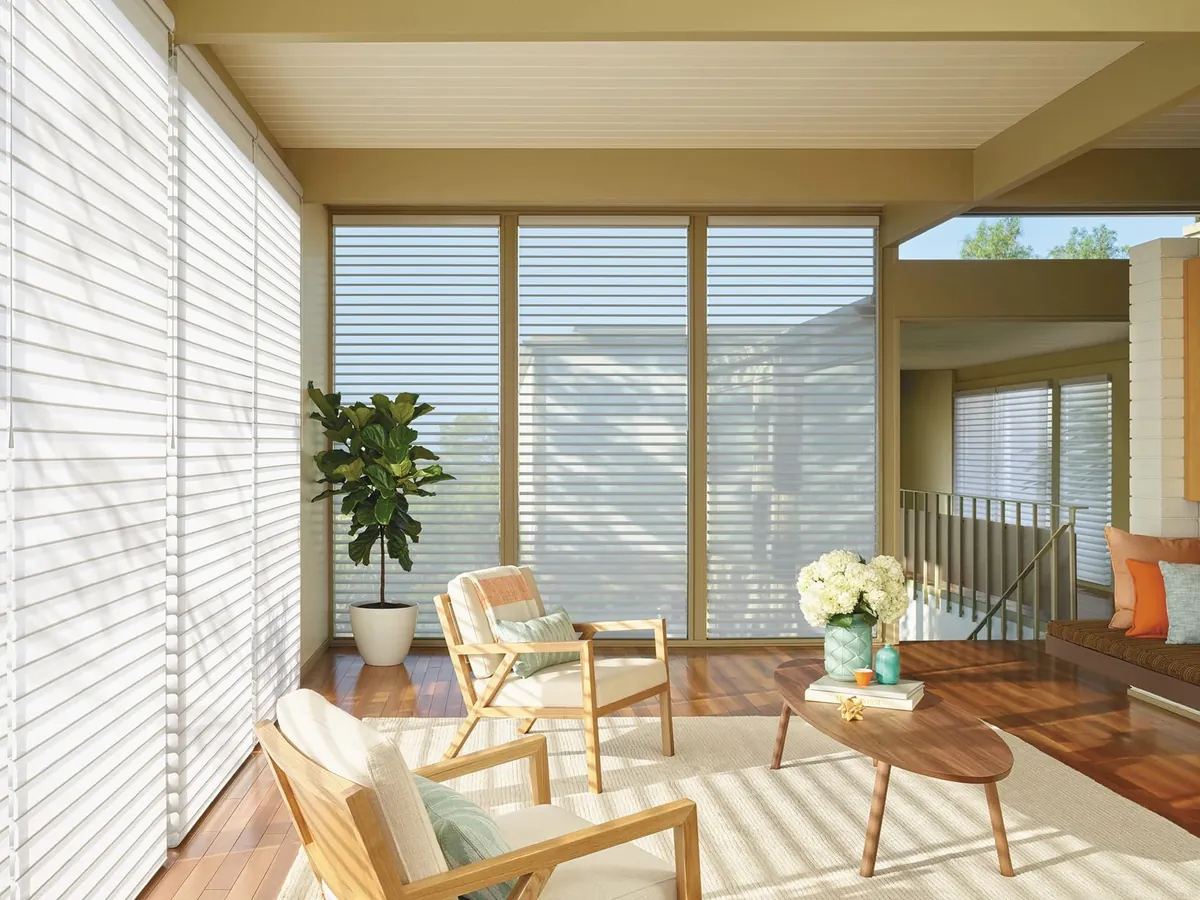
The front window is usually the widest piece of glass in the house. Rollers and screens suit it well, as do honeycombs set on one headrail in two or three sections so you can lower one part and leave another up. Sheers such as Silhouette soften the light across a wide window without losing the view of the yard.
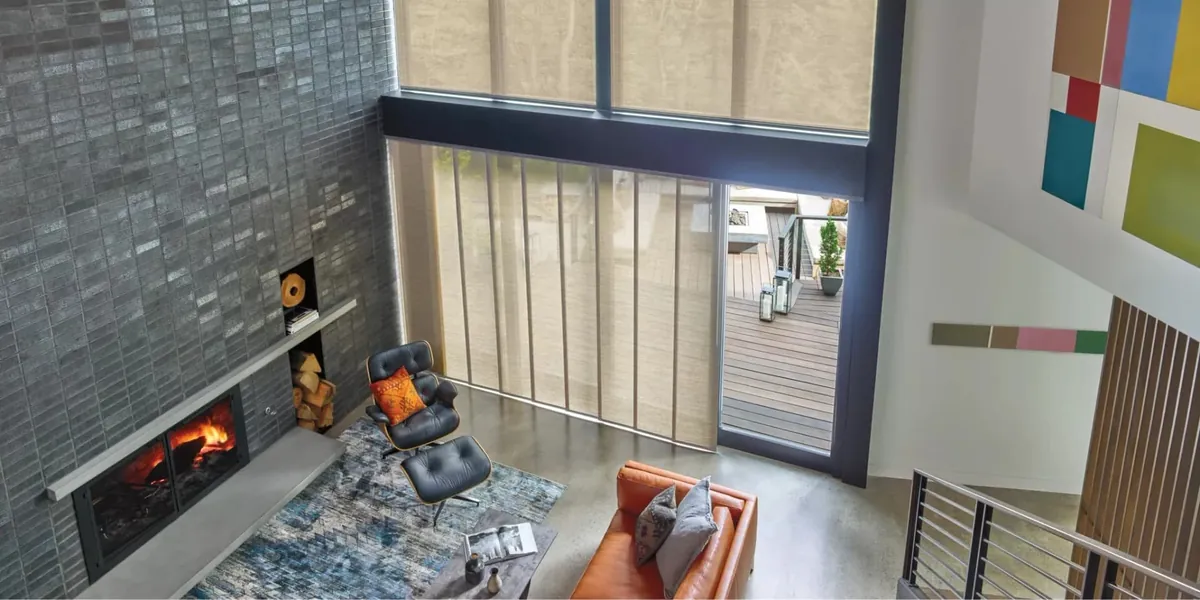
The patio door wants something that clears out of the way when you walk through. Vertical blinds, vertical honeycombs and gliding panels all stack to the side. In the kitchen, the window over the sink is often hard to reach across the counter, which makes it a good candidate for PowerView. Bedrooms along the hall are usually small, with one or two windows each, so a simple honeycomb or a wood blind fits without crowding the bed or the dresser, and every room can match from the outside.
Newer colonials near the Four Corners
The colonials built later are larger, with a formal front room, a family room open to the kitchen and several bedrooms upstairs. More rooms means more windows, and more windows means a plan saves a lot of back and forth. Not because one product has to go everywhere, but because deciding the rules once makes each room quicker to settle.
A typical plan picks one main product and color for most of the house, then makes exceptions where a room needs them: shutters for the formal front room, faux wood blinds for a bathroom, something darker for the main bedroom, and a motorized shade for the tall window over the stairs. We lay that out with you at the end of the visit so you can change anything before the estimate is written.
Color, fabric and a view of the trees
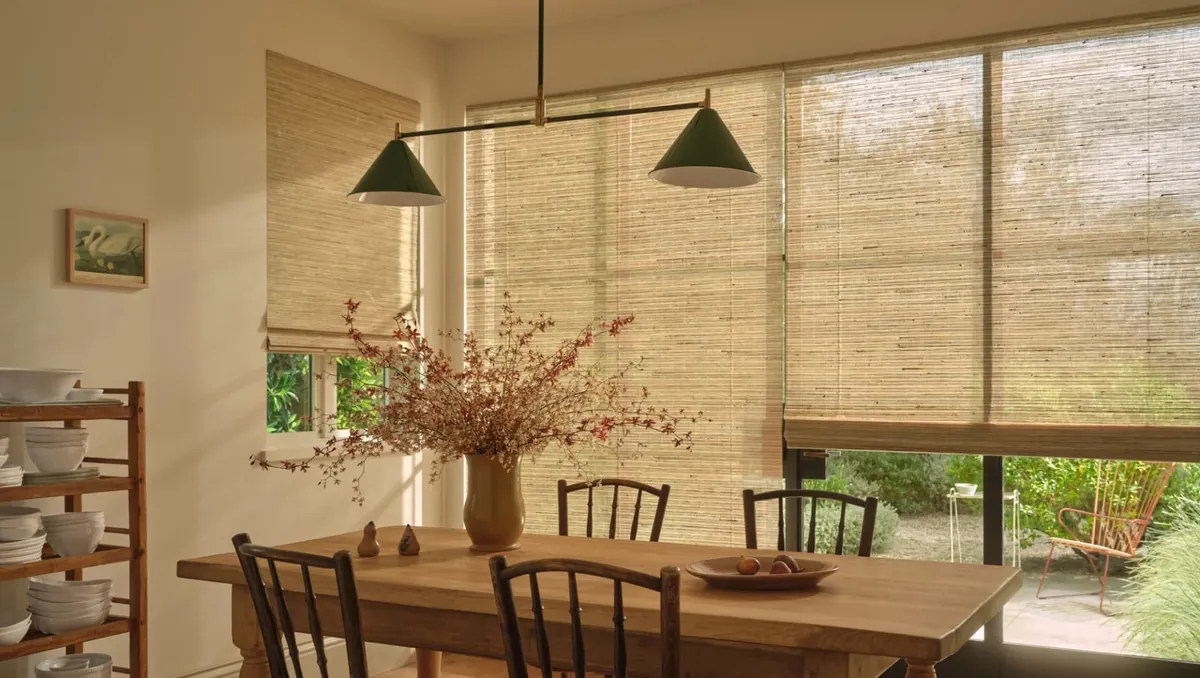
With woods outside most windows, the view is often the best thing in the room, and the covering should frame it rather than compete. Natural tones, soft whites and woven textures sit comfortably against a green backdrop. A sheer or a light screen keeps the trunks and branches visible through the day.
Inside, think about the walls and floors as well as the window. A warm wood floor and cream walls suit an ivory honeycomb or a natural woven shade. Painted white trim in a colonial suits a crisp white shutter. When a room is open to the next, we look at both together, because window treatments in Hanover, MA, are seen from room to room as much as from the road. If you are torn between two fabrics, we leave both samples in the window for a moment and let the light make the decision.
Planning now, fitting in stages
Not every project happens at once. Some people start with the bedrooms that will not stay dark, then do the living spaces the following season. That works well, provided the first rooms are chosen with the rest of the house in mind. At the first visit we are happy to sketch the whole plan, from the dormers to the patio door, so the later rooms match the earlier ones. You then order whichever part makes sense first, and the free estimate shows each room separately so the choice is easy. For many window treatments in Hanover, MA, that staged plan is the most practical route.
Trees, setbacks and changing light
A house set back on a wooded lot behaves differently from one on an open street. In high summer the canopy shades the walls, and a west-facing room can stay pleasant until evening. Once the leaves fall, the same room takes the full afternoon sun on furniture and floors that were shaded for months.
That swing is why we often suggest a filtering fabric rather than one that blocks the light completely in living spaces. It lets you leave the shade up through the green months and lower it in winter to cut the glare without darkening the room. Our guide to the best shades for sun and glare compares the options if you want to read ahead.
Privacy also changes with the seasons. A bedroom that faces a neighbor through dense trees in summer may look straight at them in February. A honeycomb or roman you lower at dusk and raise again at breakfast handles that without shutting out the morning.
A Gallery dealer for every room in the house
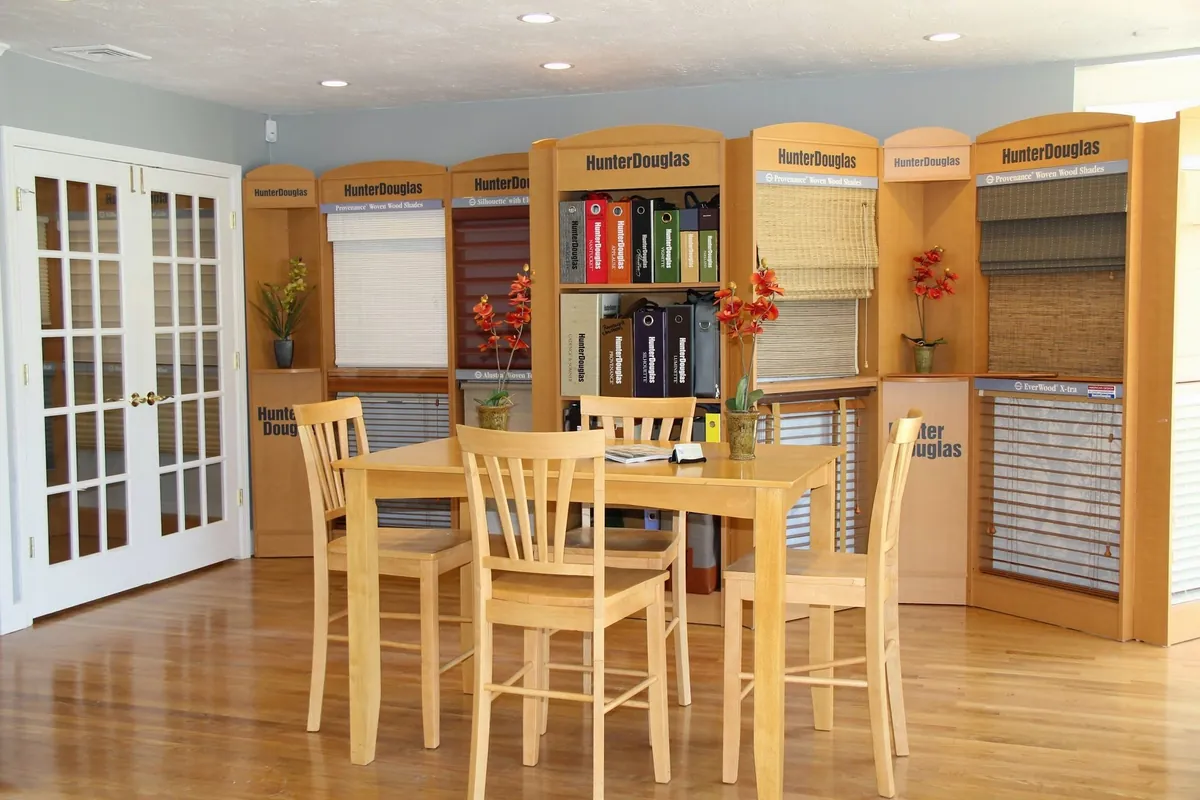
Blinds & Designs is a Hunter Douglas Gallery dealer. For a Hanover house, that means the whole Hunter Douglas catalog is open to you, from wood blinds and plantation shutters to Duette honeycombs, Designer rollers, Silhouette sheers and PowerView automation.
Every order is fitted by certified Hunter Douglas installers. Around the products sit the services that make a project easier: in-home consultations with vans carrying samples, free estimates, interior design consultations, automation and repairs to coverings you already own.
Warm rooms, cool rooms
Houses on wooded lots can feel cooler than you expect, especially on the north side and in rooms under a cape roof. The windows are the weak point. A honeycomb shade closed in the evening holds a layer of air against the glass, which is why Duette and Applause are a frequent choice for bedrooms, a north-facing family room and the dormers. For more on how they work in winter, see cellular shades and winter heat.
In summer the problem reverses in the rooms that catch afternoon sun. A solar screen or a roller in a heavier fabric cuts the glare and heat through the glass, and on PowerView it can lower itself before you get home.
Kitchens and baths
Kitchens in the capes and ranches tend to be compact, with a window over the sink and a door to the yard. Faux wood blinds and shutters are a popular pair here: easy to tilt for light, simple to keep clean and at home with painted cabinets. In a larger colonial kitchen open to the family room, many people prefer one fabric across both spaces so the open plan looks calm.
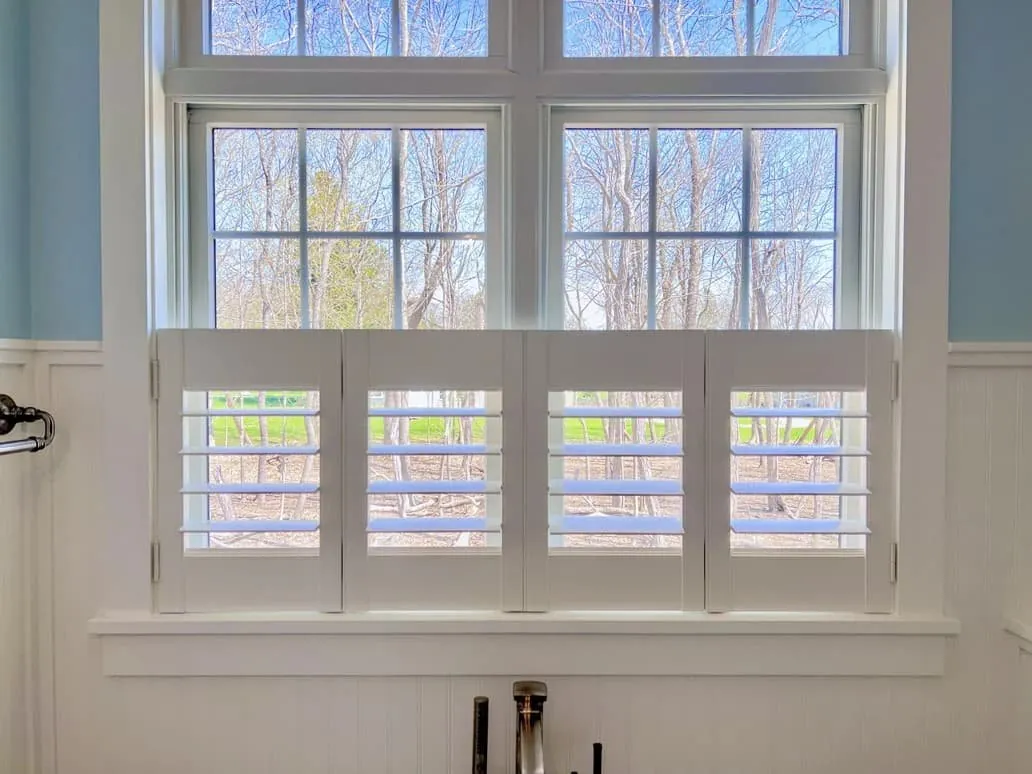
Bathrooms want privacy first. Faux wood blinds and shutters are the usual picks for a room that gets steamy. In a small bath with one window, a cafe-style shutter on the lower half keeps the view out while the top of the window lets daylight in.
Bedrooms and the early sun
On a summer morning the sky is light well before most alarms go off, and an east-facing bedroom feels it first. In the capes those rooms are often the dormer bedrooms; in the ranches they are the ones along the hall on the sunrise side. A fabric that properly dims the room, fitted inside a square frame with the smallest possible gap at the edges, is what lets you sleep in.
Children’s rooms and guest rooms tend to want the same thing. For a main bedroom, plenty of couples like a softer look by day, so we might pair a honeycomb in a darker fabric with a roman or drapery for the room’s character. Whichever you choose, the samples go up in the window during the visit so you can judge how dark the room gets before you order.
A visit to your house
The simplest way to decide is in the rooms themselves, with your own walls, floors and light. We can bring the showroom to you: the vans carry samples of the full range, so you can hold a fabric up to the glass and see what it does at that time of day. A consultant walks the house with you, measures every opening and talks through options room by room. A free estimate follows, and there is no deadline for deciding. The in-home consultations page has the details, and our interior design consultations help when color and fabric across an open plan are the sticking point.
Fitting day and after
Once the order arrives from Hunter Douglas, our certified installers come back to fit it. They check every covering against its window, set the brackets level, hang and adjust each one and pair any PowerView motors with your remote or phone. Before they leave they show you how everything works. You can read about the day in what happens on installation day.
If a blind or shade you already own needs attention, we are glad to look at that too. Repairs are a service we welcome, and we will tell you honestly if a replacement makes more sense. More on our blind and shade repair page.

Sagamore is the nearest showroom
The closest Blinds & Designs showroom to Hanover is in Sagamore. It can be useful to call in before your home visit with a photo of a room or a swatch of upholstery fabric.
That said, most people still make the final choice at home, where the light is their own. You are welcome to do either, or both.
Questions from Hanover
My windows are all standard. Does that make choosing harder or easier?
Easier, mostly. A square modern frame takes almost any Hunter Douglas product, so the choice comes down to how each room is used. We still measure every opening before recommending inside or outside mounting.
What works on a cape dormer?
A covering that stays inside the frame, such as a honeycomb or a roller, keeps the dormer recess clear. Honeycombs are a common choice because a room under the roof gets warm in summer and cool in winter.
The trees shade my house in summer. Do I still need shades in the living room?
In summer, maybe not much. After the leaves drop, the low sun comes straight in. A filtering shade you can leave up in summer and lower in winter handles both.
Can one product cover the whole house?
It can, but it rarely has to. Most plans use one main product and color, then switch for a bathroom, a bedroom or a tall stair window. From outside the house still looks consistent.
Do you charge for the estimate?
No. Estimates are free. After the visit we write one up for the coverings you chose, and you decide in your own time.
Getting started
One room or the whole house, the start is the same for window treatments in Hanover, MA: request a consultation and we will set a time to visit with the samples. Every window is measured and a free estimate follows. You can also use the call button to talk it through first, or stop in at the Sagamore showroom.
To compare everything we carry side by side, see our window treatments page.