
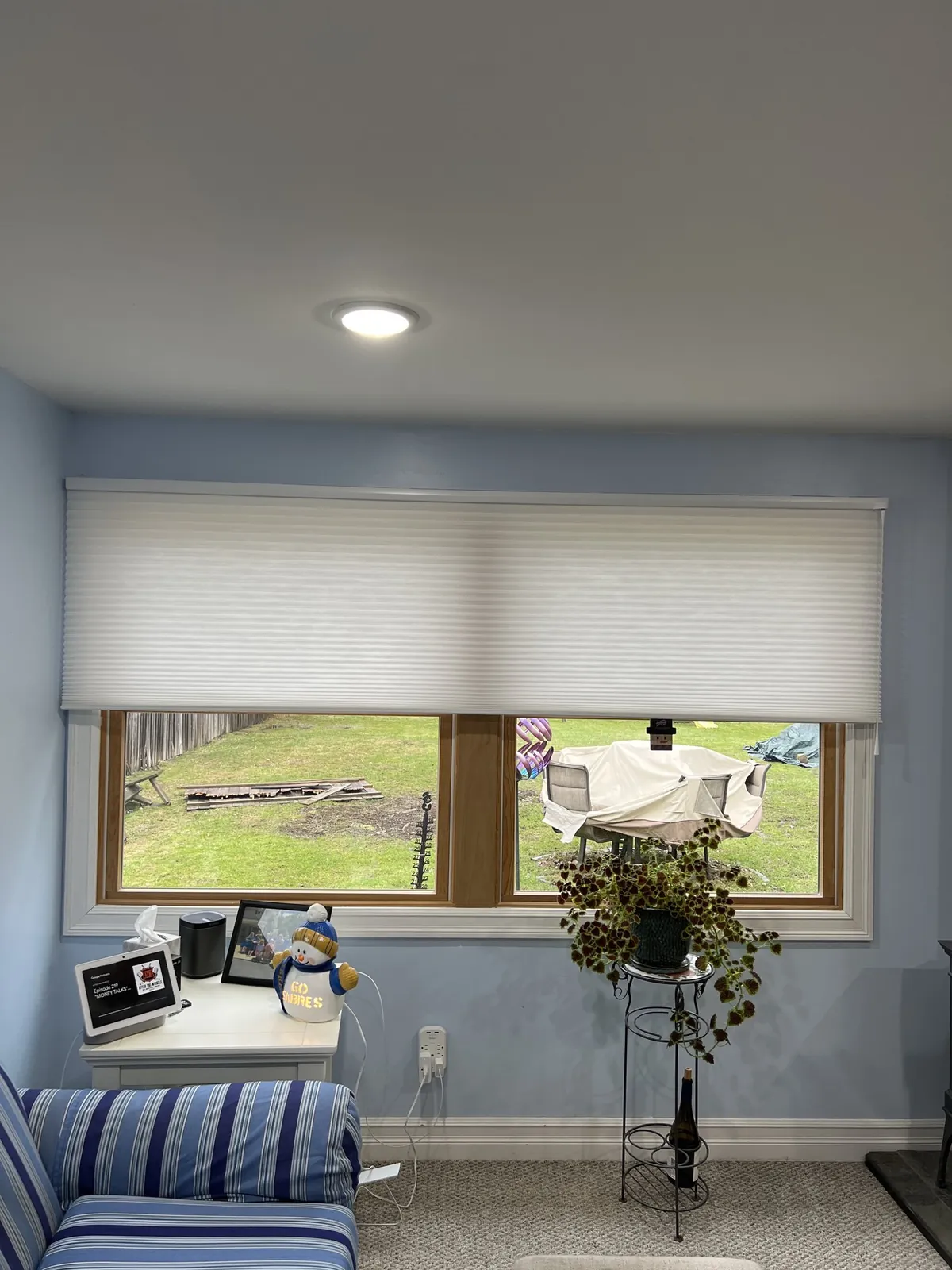
From the bay to the sound in one town
Barnstable reaches right across the Cape, from Cape Cod Bay on the north side to Nantucket Sound on the south. That makes it unusual: a house on the bay side near the old village takes cool northern light and the wind off the water, while a house a few miles south faces the long summer sun off the sound. When we plan motorized blinds in Barnstable, MA, the first thing we ask is which way your rooms face, because the answer changes so much across the town.
The housing on the north side has its own character. Along the Old King’s Highway, Route 6A, the village is lined with antique capes and Federal houses, many in the historic district. Their windows are small, their sash is deep-set in thick walls, and the look of the house from the road matters a great deal. On the bay side, newer and larger houses open big windows toward the water and the marsh.
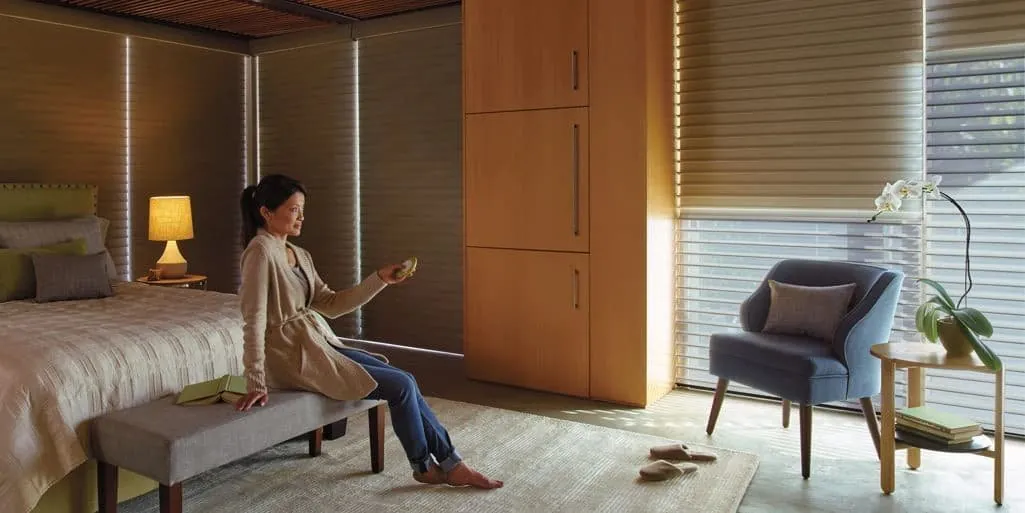
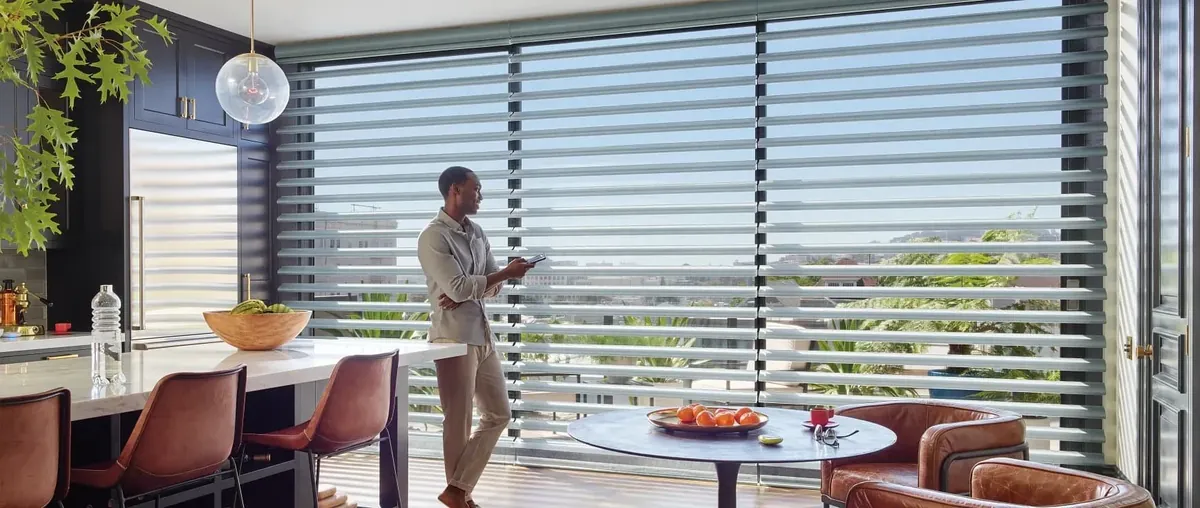
Hunter Douglas PowerView suits both. On an antique house, the motor lets a shade on a deep, awkward sill rise without anyone leaning over it, and the shades on the street side move in step. On a newer house, it handles big and high glass easily. Everything answers to a remote, to the PowerView app on a phone or tablet, or to schedules that run by themselves.
Six ways to motorize a Barnstable house
Any of these can be ordered with a PowerView motor. We bring samples of each, so you can judge them against your own trim and light.
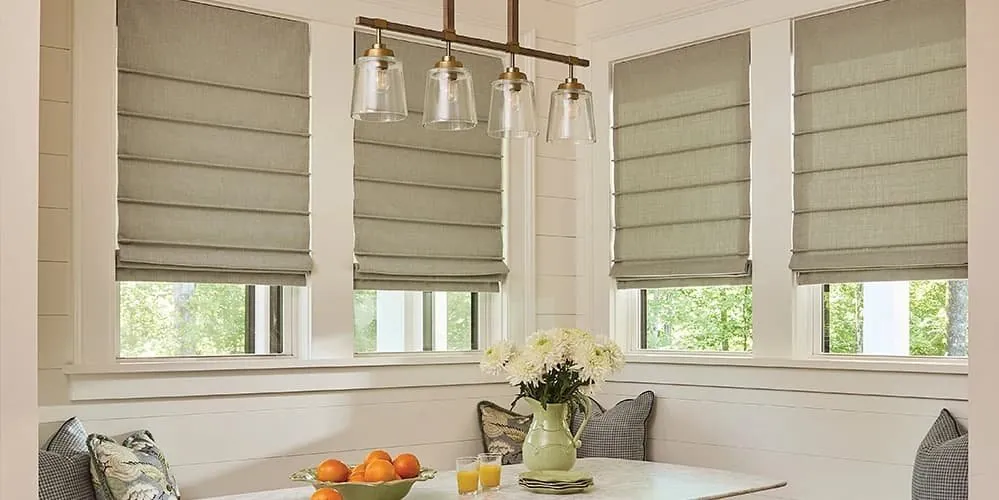
Roman shades
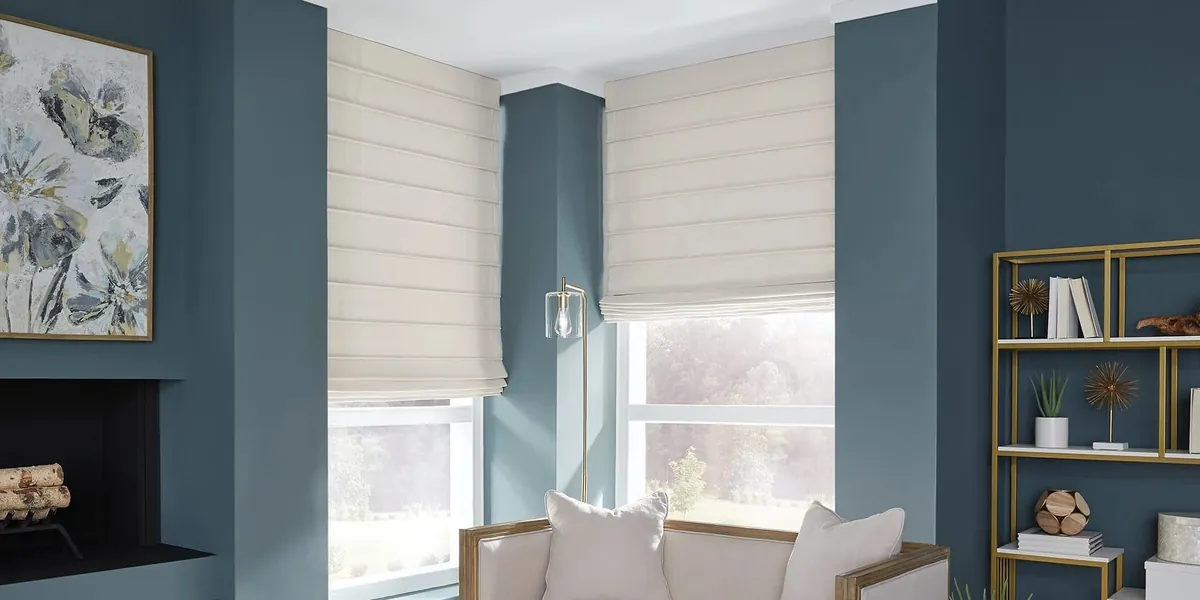
Flat or folded fabric that belongs in a period room. On a motor, the folds stack evenly every time.
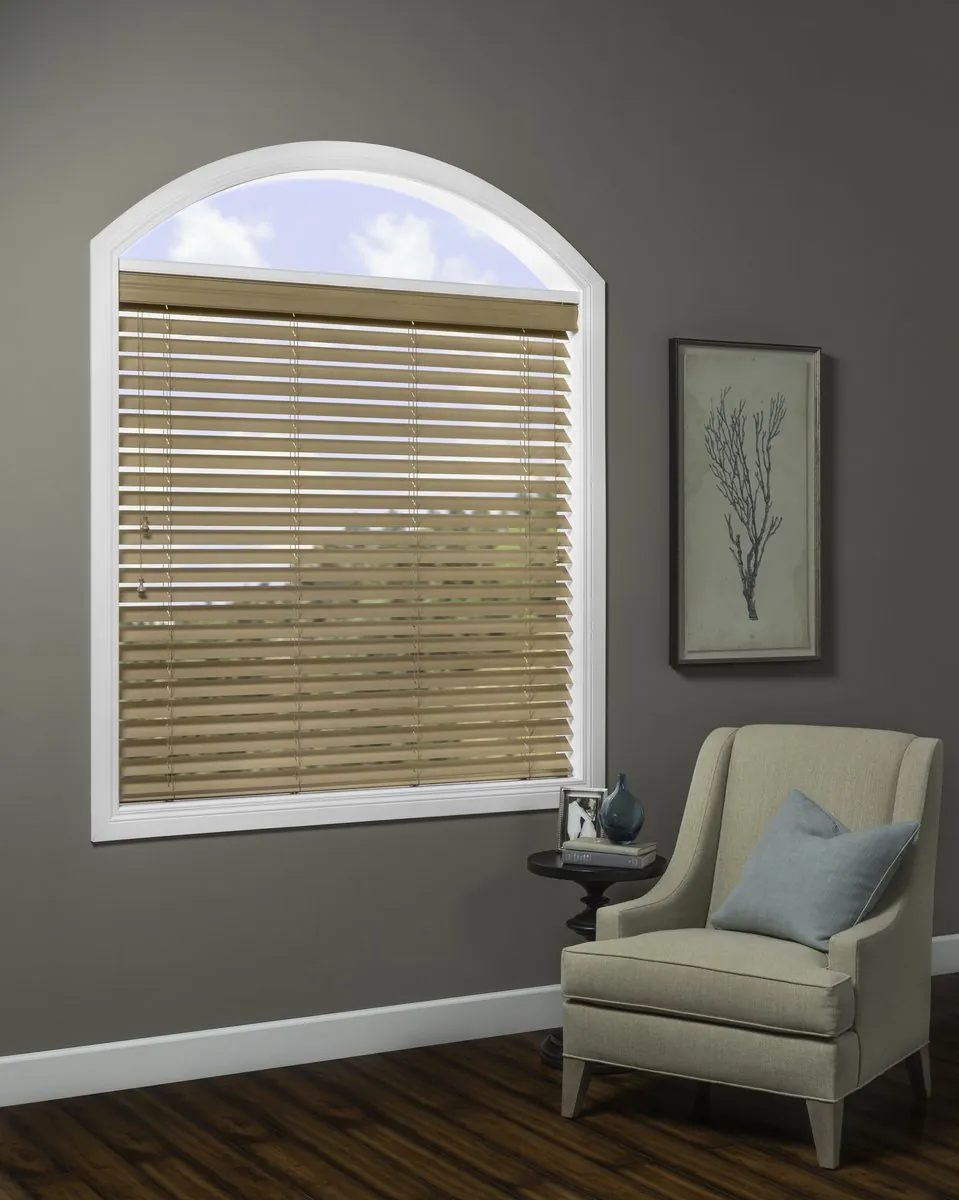
Wood blinds
Warm slats for a study or dining room. Whether a given size takes a motor is something we confirm at your windows.
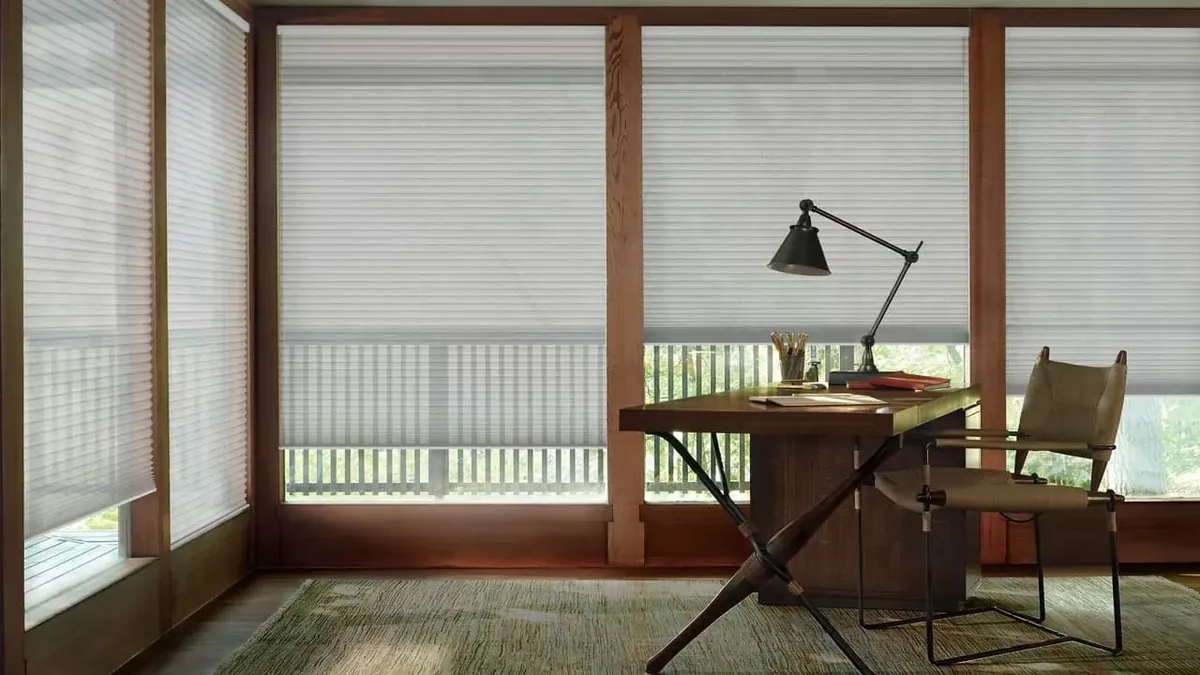
Honeycomb shades
Cells of still air between the glass and the room. A strong choice for old single-pane sash on the cold north side.
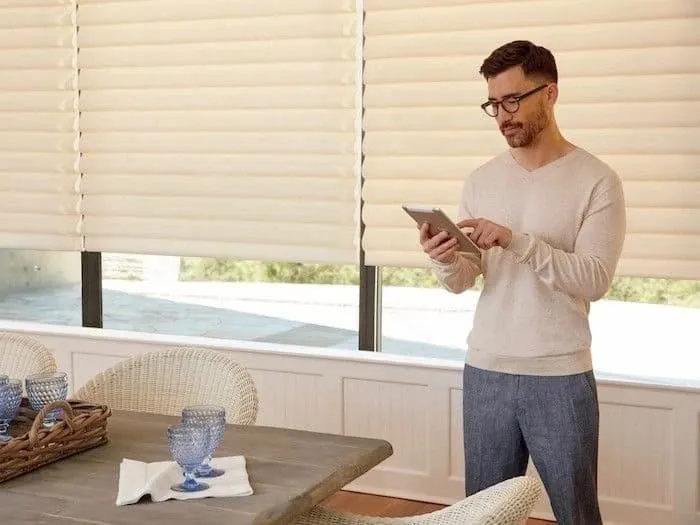
Phone and tablet control
The PowerView app shows every shade in the house, room by room, and saves the positions you use most.
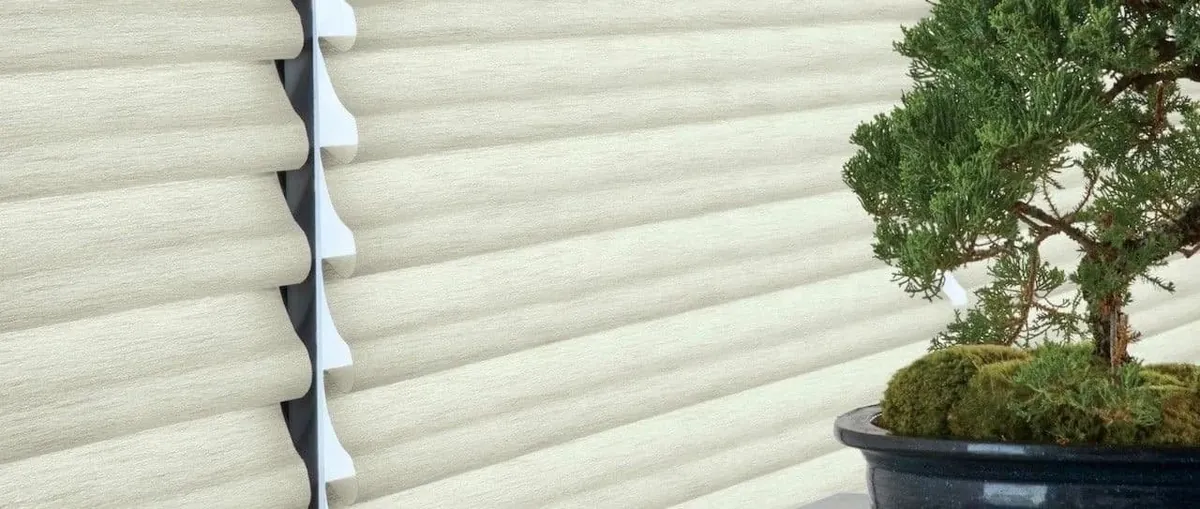
Sheer shades
Fabric vanes between sheer layers that tilt to soften light, for the bigger windows on a newer bay-side house.
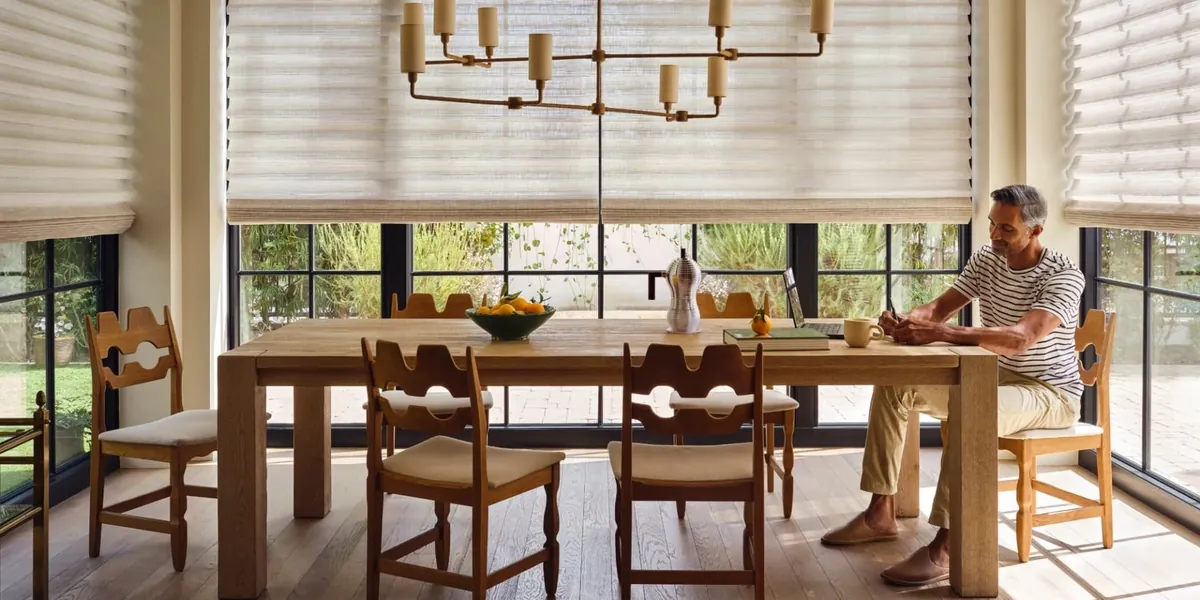
Woven shades
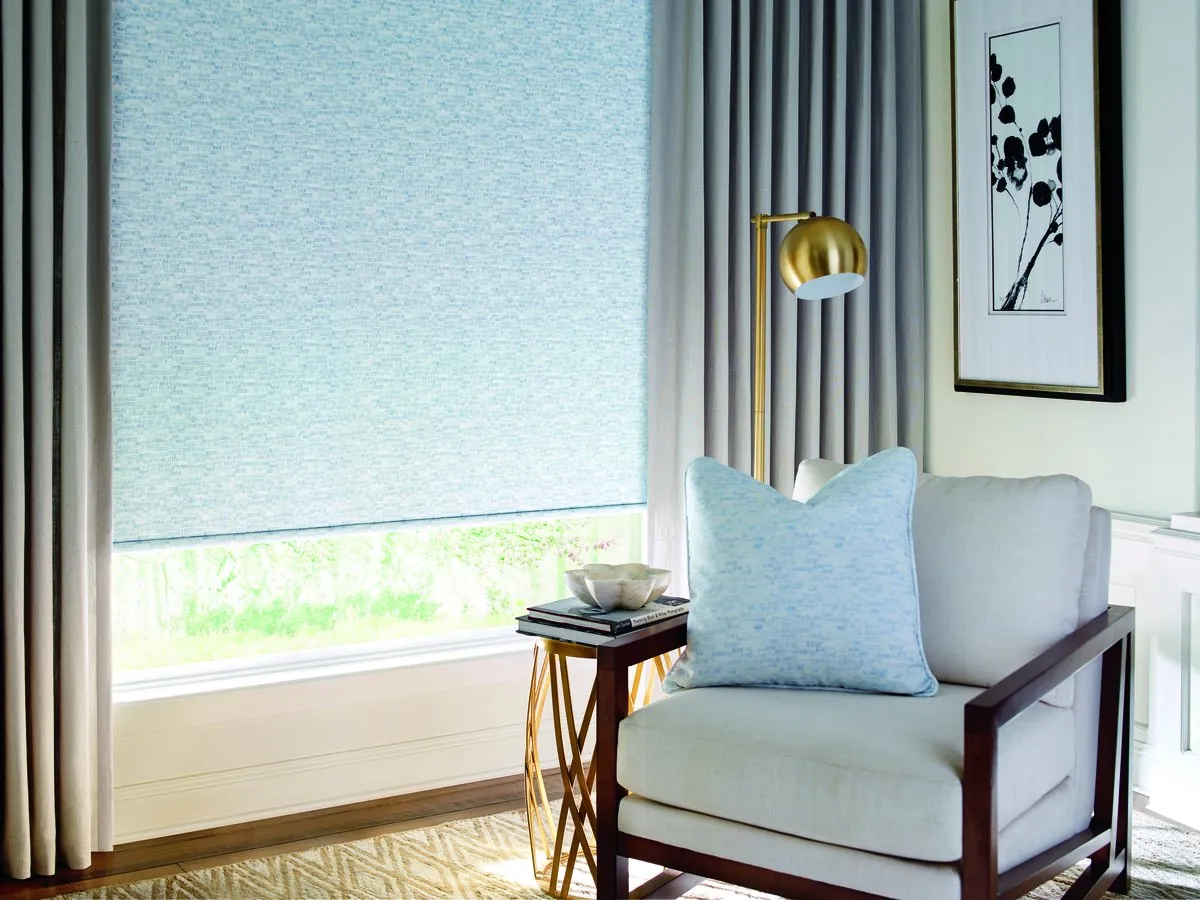
Natural texture with light coming through the weave. Pleasant in a sunroom or a family room toward the marsh.
Antique capes along the Old King’s Highway
The capes along 6A are some of the oldest houses on the Cape: low, broad, built around a central chimney, with small windows set symmetrically about the front door. Upstairs, the rooms sit under the roof with small windows in the gable ends or dormers. Everything about them was built for warmth and economy, including the size of the glass.
What makes these windows tricky is not height but depth and placement. The walls are thick, so the sash sits well back from the room, with a deep sill in front of it. Upstairs, a gable window may be low to the floor behind a bed, or tucked into a dormer you have to crouch to reach. A shade on any of these is a nuisance to raise and lower by hand, which is why so many end up left halfway all year.
A motor puts them on a button. The bedroom shades in a cape can close every evening and open every morning on a schedule, and the remote by the bed handles the rest. In a small house with a dozen modest windows, motorizing just the bedrooms and the window behind the kitchen sink often makes the biggest daily difference.
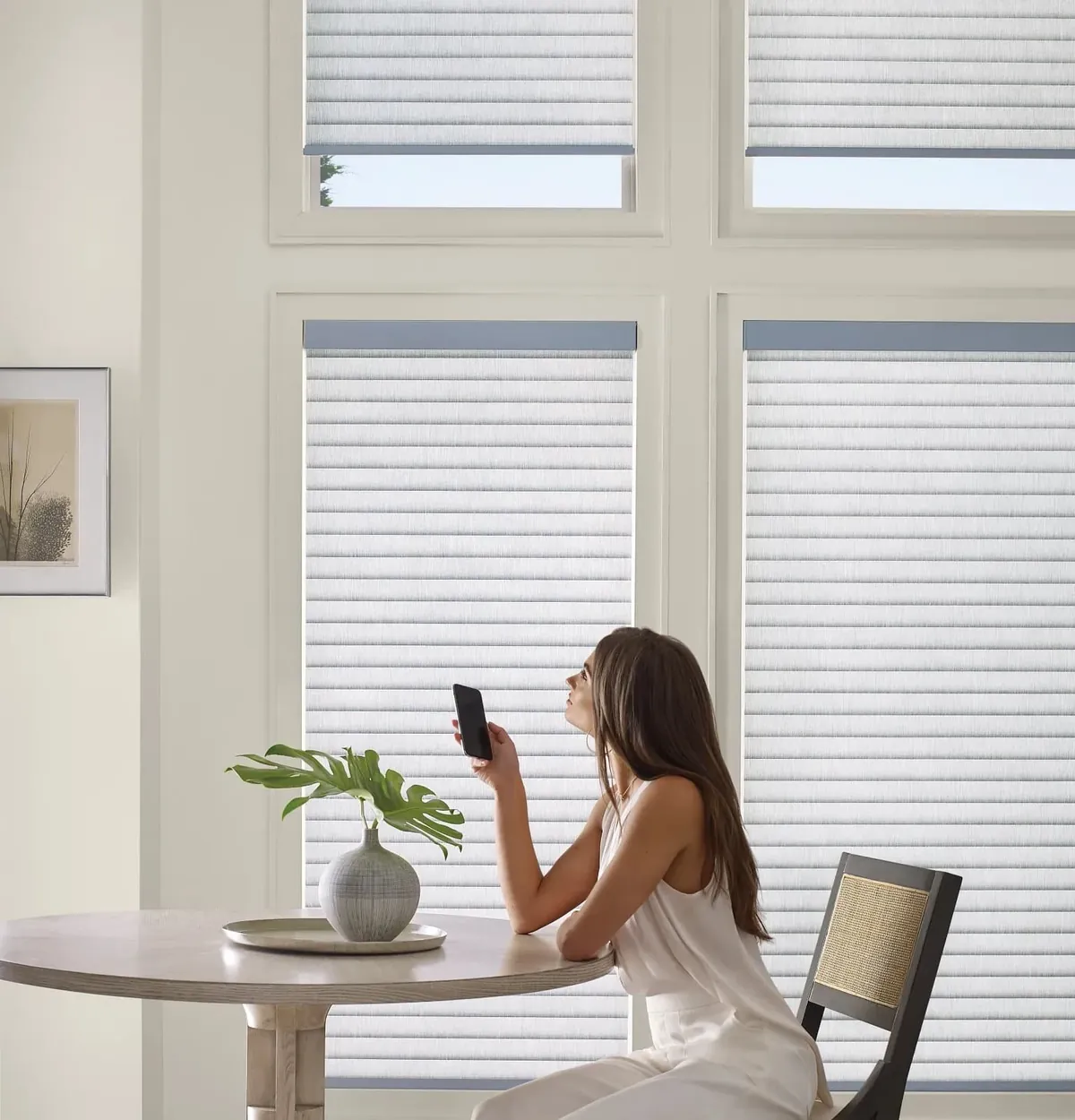
Federal houses and deep-set sash
The Federal houses in the village are taller and more formal than the capes, with two full stories, a balanced front and finer interior trim. Their windows are larger, but the panes are still small by modern standards and the sash still sits in thick walls. The trim around each window is often the best feature in the room.
The aim with these windows is to keep that trim in full view. Mounted within the frame, a shade leaves the casing untouched and its motorized headrail tucks up at the head of the opening. Raised, the window looks nearly bare. Lowered, the fabric fills the opening and the woodwork frames it.
Federal fronts were designed to look balanced, so a row of shades stopped at different heights spoils the effect from the street. A motorized group lifts every front shade to exactly the same point, which keeps the house looking the way it was meant to. In a parlor with four street windows, one press does the whole row.
What the historic district asks of a window
In the historic district along 6A, the face a house shows to the road carries real weight. A window covering is not the main concern of the district’s guidance, but it is part of the picture from the street, and a modern treatment that shouts through old glass looks out of place.
Motorized shades help in quiet ways. With no cords at the glass, nothing hangs visibly behind the panes. With the front shades grouped, the house never shows a ragged row of different heights. And with a pale lining on every street-facing shade, whatever the room side looks like, the house reads as calm and uniform from outside.
We spend a minute outside on most village visits, looking back at the front of the house with a sample held in a window. If a fabric you love for the parlor reads too strongly from the road, a lining settles it, and you see that before anything is ordered.
Small sash and deep frames: getting the size right
On a house built long before standard window sizes, almost every opening is a little different. Frames have settled, so the width at the top may not match the width at the bottom, and two windows that look identical from the road can differ by a noticeable amount. On a small window, any gap at the sides shows much more than it would on a big one.
We measure each opening at the top, middle and bottom, and the height at both sides and the center, then check the depth of the frame at more than one point. For a shade that fits inside the frame, the smallest figure decides the size, and Hunter Douglas builds each shade to it. Careful measuring is what makes motorized blinds in Barnstable, MA look as if they were always part of an old window.
Deep walls usually give plenty of room for a motorized headrail, which is one advantage antique houses have. Where an old frame has been altered or narrowed, though, a slim mount on the face of the casing may suit better. Different shade families have different headrail sizes too, so if a Roman shade will not tuck in cleanly, a roller or honeycomb shade might.
Bay-side houses and the northern light
North of the village, out toward the marsh and the bay, many of the houses are newer and larger. Great rooms open toward the water through tall windows, there are often sliders to a deck, and the views across the marsh toward Sandy Neck are the reason the house was built where it is.
Light on this side of town is cooler and steadier than on the sound side. North-facing glass rarely takes harsh direct sun, but it gives up a lot of warmth on a winter night, and the wind off the bay can make a big window feel cold. Here a motorized honeycomb shade does good work: lowered at dusk on a schedule, its cells hold a layer of still air against the cold glass.
The east and west walls of these houses are a different matter, with low morning or evening sun coming in across the marsh. Those shades can follow their own schedules, lowering only for the hours the sun is on them.
Exposure changes from one end of town to the other
Because Barnstable stretches across the whole Cape, there is no single rule for which shade goes where. A few patterns do repeat, though:
- North-facing rooms on the bay side need warmth more than shade. Honeycomb fabrics and dusk schedules suit them best.
- South and west rooms, wherever they are in town, take the strongest sun. Screen rollers and sheer shades soften the glare, and a schedule lowers them for the bright hours.
- East-facing bedrooms wake early in summer. A room-darkening fabric on a schedule keeps them dark until you choose.
- Rooms with windows on two or three walls, common in the antique capes, can set each shade to its own height so one window cuts the sun while the next stays open.
We plan motorized blinds in Barnstable, MA room by room for exactly this reason. The same house can need a warm, closed shade on one side and a light, open one on the other.
Living with the controls
Most of the time, the remote is enough. Keep one in the kitchen and one by the bed, choose a shade or a group, and press. In a cape with a handful of motorized windows, many customers never need more than that.
The PowerView app gives you the whole house at once. You can see where every shade sits, bring a room to the same height, or save a scene such as evening, with every street-facing shade down and the back of the house open. In a Federal house with windows on two floors and a third-floor attic room, that saves a lot of stairs.
Schedules make the shades look after themselves. Set the bay-side shades to close at dusk, the bedrooms to open at seven and the west windows to lower for the late afternoon, and the house follows that pattern every day. For a fuller explanation, read our guide on how motorized shades are controlled, and see window covering automation for more on scenes and timers.
Winter in an old house on the north side
Many antique houses along 6A still have their original sash, sometimes with storms outside, and many people choose to keep it. It is beautiful glass, but it is thin, and on the bay side of town the winter wind finds it. A room with three small windows can feel noticeably colder near the glass on a January evening.
A honeycomb shade adds a layer between the cold pane and the room, and a motor makes sure it is down when it matters. A dusk schedule follows the season on its own, closing the shades earlier in December and later as spring comes. On sunny winter days, the south-facing shades can rise around midday to let the low sun warm the rooms, then close again before the light goes.
It is a simple way to make an old house more comfortable without touching the windows themselves. Motorized blinds in Barnstable, MA paired with honeycomb fabric on the north side, and lighter shades elsewhere, let the historic sash stay exactly as it is.
Roman shades, blinds and the period room
In a period room, the choice of shade matters as much as the motor. Roman shades are a natural fit: soft folds of fabric that suit antique and Federal interiors, in flat styles for a clean look or folded styles for something more relaxed. A motor keeps the folds even across a row of windows, which a hand-pulled cord rarely manages.
Wood blinds are the other traditional choice, with warm slats that tilt to send light up toward the ceiling and keep a view. Not every blind can take a motor at every size, and small antique windows sometimes fall outside the range, so we check each one rather than assuming. Honeycomb shades work almost anywhere and fold up very compactly, leaving nearly all of a small sash clear when raised.
How our visit works
- Ask for a visit with Request a Consultation or the call button.
- One of our vans brings samples to your house, so you see fabrics in your own rooms.
- We walk through the house with you and, in the village, step outside to look at the street side.
- We measure every opening carefully, the small deep-set sash most of all.
- We agree which windows get motors, how they are grouped and what the schedules should do.
- We plan how each motor is powered, window by window, while we are there.
- A free estimate follows for you to consider, with no pressure to decide that day.
Our page on what happens at an in-home consultation tells you more about that first visit.

Why our Gallery status matters on an old house
Blinds & Designs is a Hunter Douglas Gallery dealer, a designation Hunter Douglas gives dealers who meet its standards. In a town where one road has antique capes and the next has modern bay-side houses, that breadth is useful. PowerView works across Roman, honeycomb, sheer, roller and woven shades as well as blinds, so every window can have the product that suits it.
The installers who fit your shades are certified by Hunter Douglas. They level each headrail in an old frame, set the stopping points, connect the remote and app, and program the schedules. We also offer interior design consultations, and repairs on blinds and shades you already own.
For everything else we do in town, see our Barnstable page, or go to roman shades in Barnstable or custom blinds in Barnstable. The motorized blinds and shades page covers the full PowerView range.
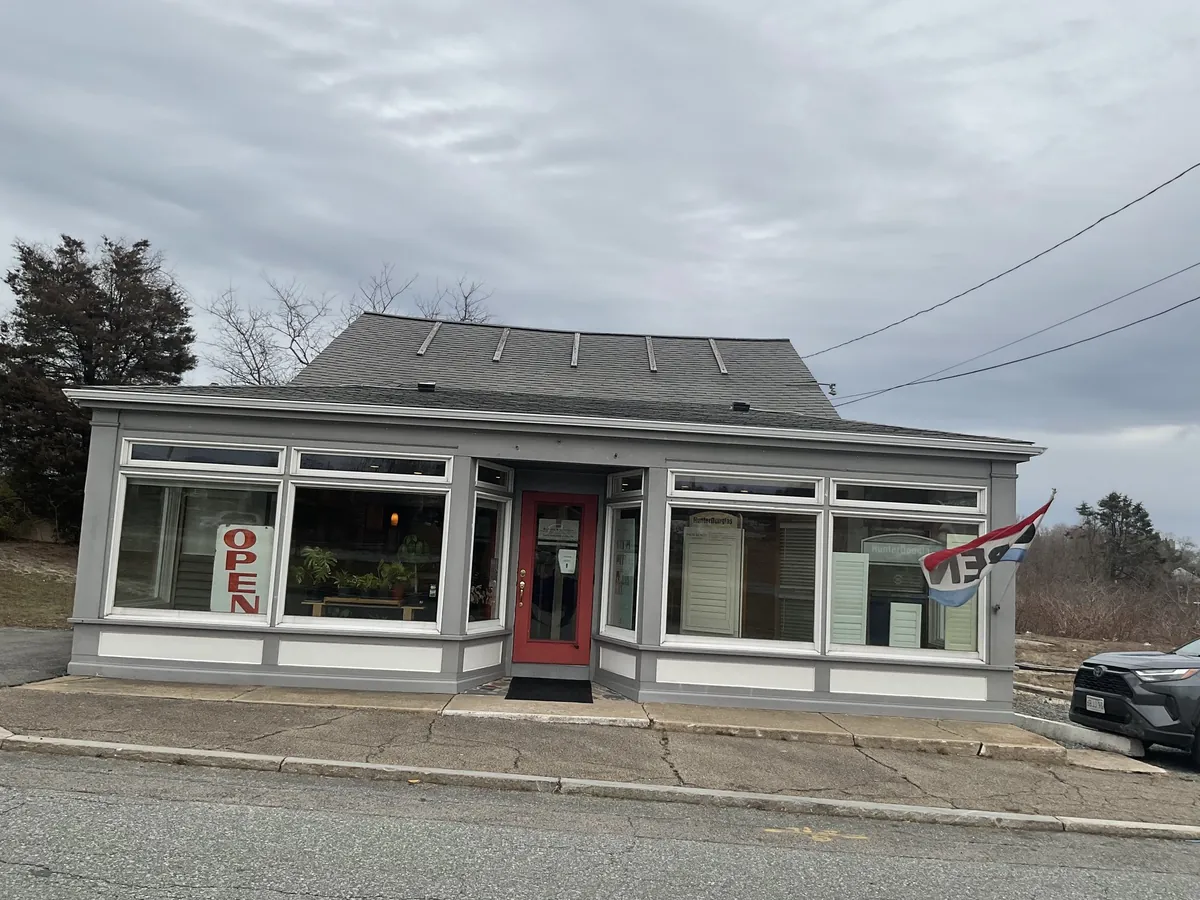
Sagamore is our nearest showroom
Our Sagamore showroom, just over the bridge, is the closest of our locations to Barnstable. Stop in when you are passing along the Cape.
On an antique house, though, a home visit tells us more than any showroom can. The depth of a sill, the size of an old sash and the view from the road all shape the plan for motorized blinds in Barnstable, MA, and we see them best at your door.
Questions from Barnstable
Will a motorized shade fit the deep-set sash in my antique cape?
Usually, yes. Thick walls give plenty of depth for a motorized headrail. We measure each window at several points because old frames are rarely square, and we suggest a slim mount on the casing where a frame has been altered.
My house is in the 6A historic district. How will the shades look from the street?
Quietly. With no cords at the glass, the front shades grouped to stop at one height and a pale lining facing out, the house looks calm and uniform from the road. We check it from outside with you.
Our bay-side house gets cold by the big windows in winter. What helps?
A motorized honeycomb shade on a dusk schedule. The cells hold still air against the glass, and the schedule closes the shades as the light fades every day.
Can rooms on different sides of the house follow different schedules?
Yes. Each group of shades has its own schedule, so the north rooms can close at dusk while the west rooms lower only for the late afternoon sun.
How much is the estimate?
It is free. We measure at your house and give you an estimate for every shade and motor we discussed.
The next step for your house
Every Barnstable house has its own exposure and its own windows, so the best place to start is at yours. Request a consultation and we will bring samples, measure each opening and give you a free estimate. You can also use the call button, or call in at the Sagamore showroom.