
Privacy first on close-set streets
Near the center of Milford, houses stand close together. The Victorians and two-families from the granite-quarry era were built on tight lots, with side windows that look straight across a driveway at the next house and front windows only a few steps from the sidewalk. Their windows are tall and narrow double-hung units, often with high ceilings behind them.
That makes privacy at street level the first thing to solve, and it has to be solved without turning a tall, bright room into a dark one. As a Hunter Douglas dealer in Milford, MA, Blinds & Designs plans for exactly that, using the full Hunter Douglas range. We are a Hunter Douglas Gallery dealer, and our certified Hunter Douglas installers fit every order.
Further out from the center the housing changes to post-war ranches and newer colonials, with wider lots and standard modern windows. Those houses need a different plan, and we cover that further down.
A Gallery dealer’s range for Milford windows
Each card links to our page for that product in Milford. In a two-family near the center you might use three of them on one floor; a newer colonial out of town may use all six.
Custom blinds
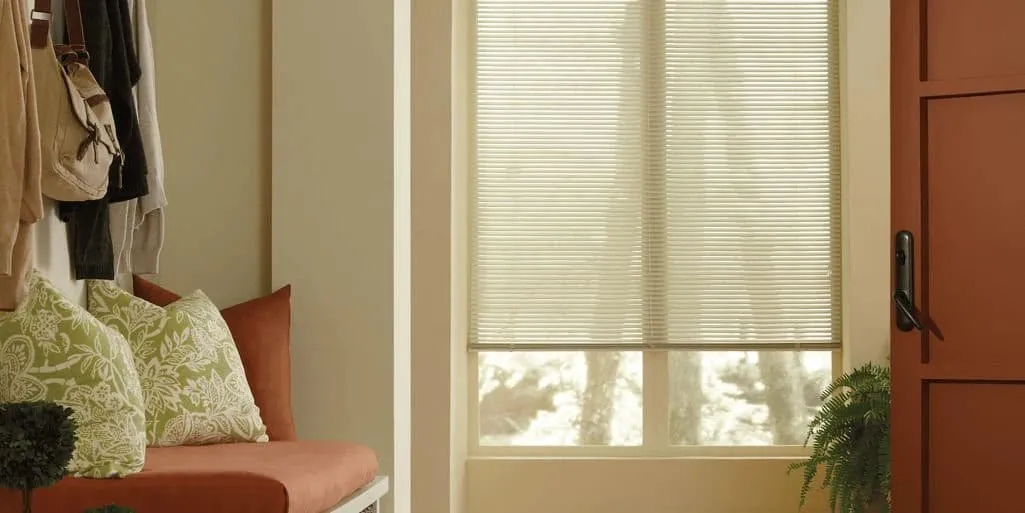
Slats in metal, faux wood or real wood that tilt to steer the light and block a neighbor’s view.
Cellular shades
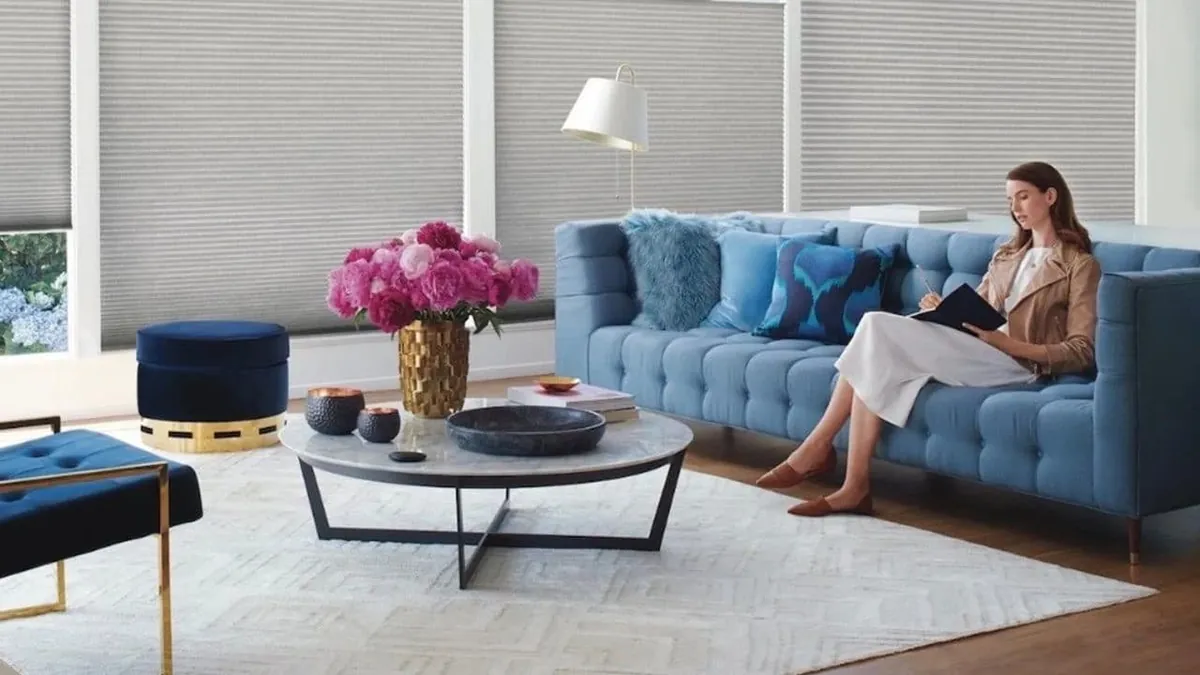
Duette and Applause honeycomb that can open from the top, so a street-side room keeps its sky.
Roller shades
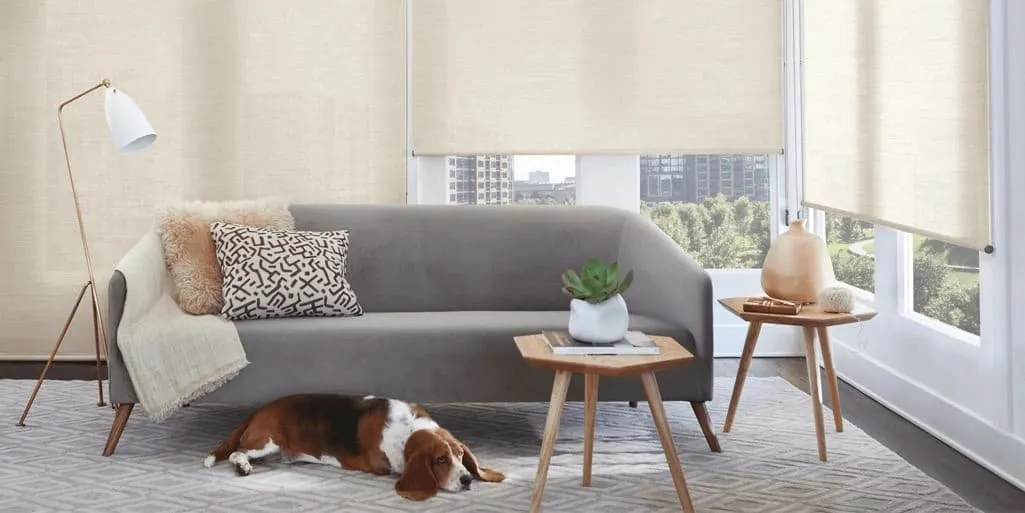
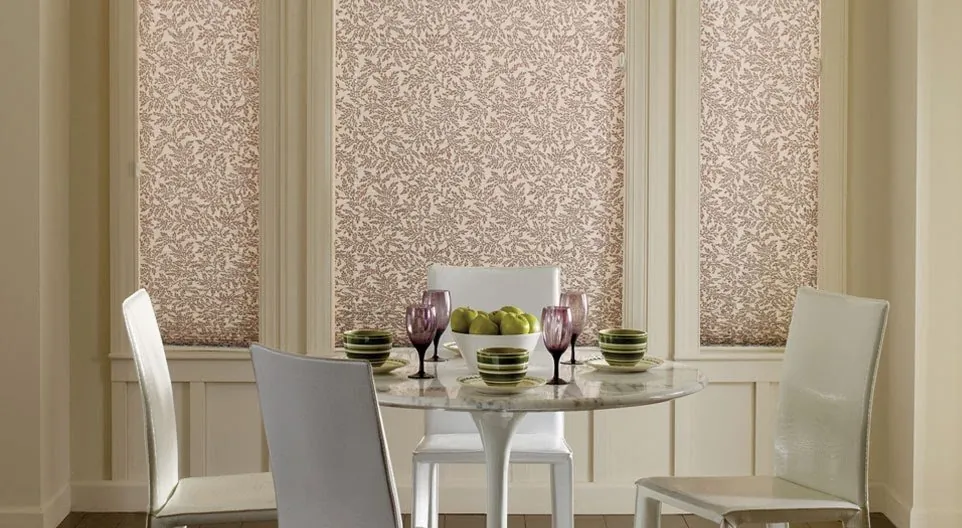
Designer and Alustra fabrics from sheer screen to full room-darkening, rolled tight when up.
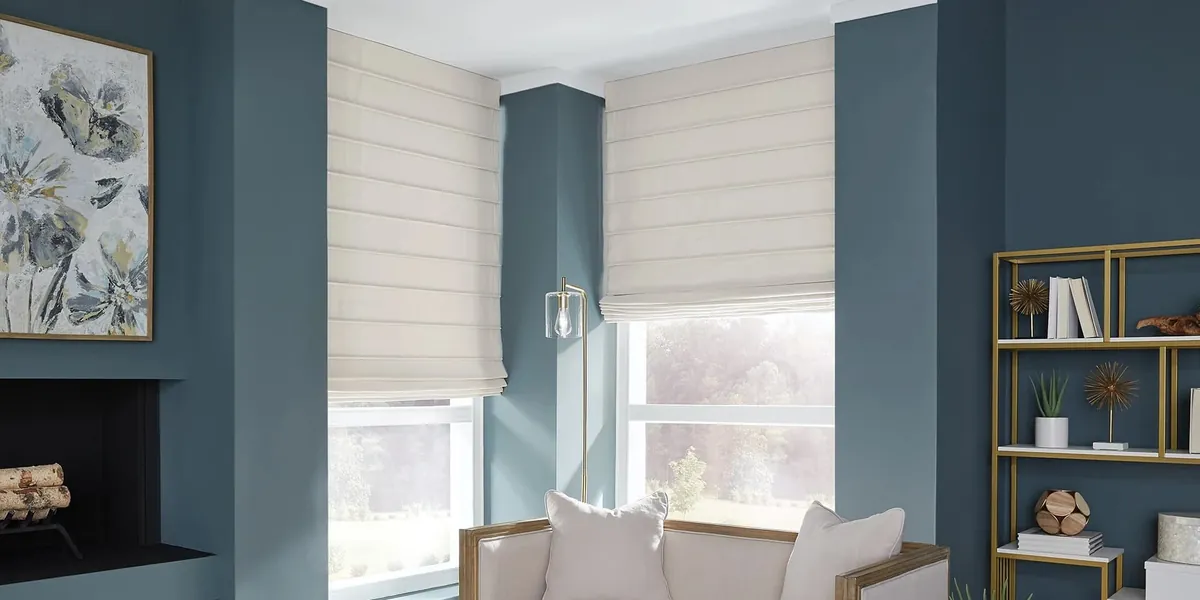
Roman shades
Soft Vignette or Carole folds that suit a Victorian bay or a parlor with high ceilings.
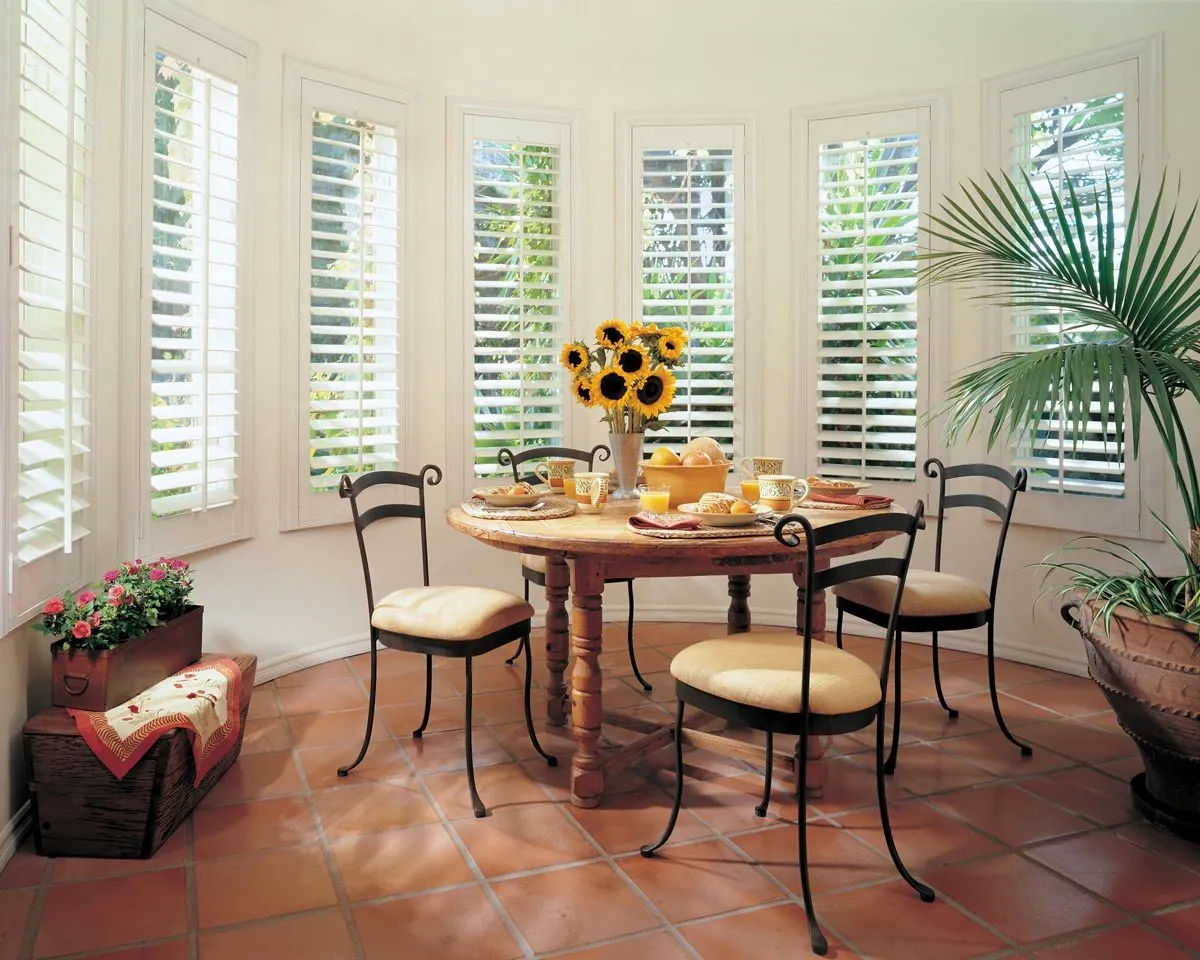
Plantation shutters
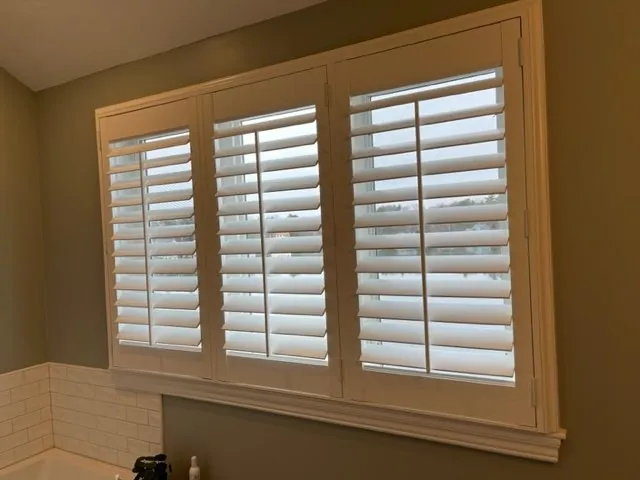
Full-height, split-tilt or café-height panels in Palm Beach, NewStyle or Heritance.
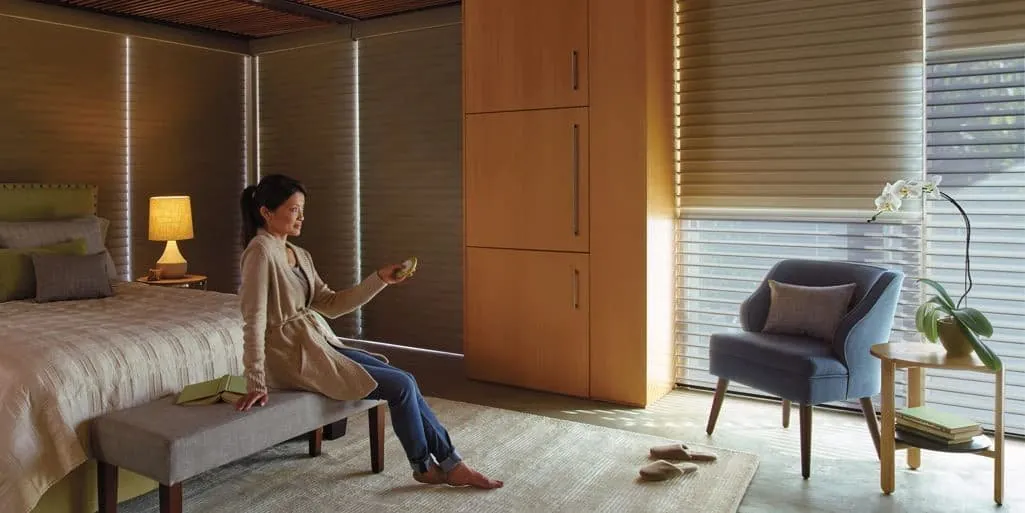
Motorized blinds and shades
PowerView for high sash and for bays you want to raise and lower together.
Tall, narrow sash near the center
The Victorians and two-families around the center share a window type: a tall, narrow double-hung unit, sometimes with a single large pane in each sash, sometimes with two over two. Ceilings are high, so the windows are high too, and many rooms have three or four of them in a row or set into a bay.
A tall narrow window behaves differently from a wide modern one. A product that stacks deep at the top eats into a lot of glass, and a narrow window has less to spare. Honeycomb shades and roller shades stack slim, so the window keeps its height when the shade is up. Shutters suit these windows very well, because a tall shutter can be split with a divider rail, letting the top louvers stay open for light while the bottom ones close for privacy.
Depth is the other check. Older casings in this part of town vary, and some have been replaced with modern units while others still have the original sash. We look at each one. Inside mounts keep the trim visible where the depth allows; where a sash lock or a shallow casing is in the way, we mount outside and line the headrail up with the top of the trim.
Bays come up often in Victorian front rooms. A bay of three or five narrow windows looks best when every shade is the same height and every bottom rail lines up. We measure each window in the bay separately, because they are rarely identical, and set the shades to read as one.
Street-level privacy without a dark room
When the sidewalk is a few steps from the front window, or the house next door is across a narrow driveway, privacy is needed all day, not just at night. The problem is that most ways of getting privacy also block light, and the tall windows in these houses are often the main source of light for the room.
Several Hunter Douglas products split the window so you can have both:
- Top-down, bottom-up honeycomb. Lower the top of the shade and raise the bottom, so the lower glass is covered and the upper glass is open to the sky. On a tall window, that still leaves a lot of daylight.
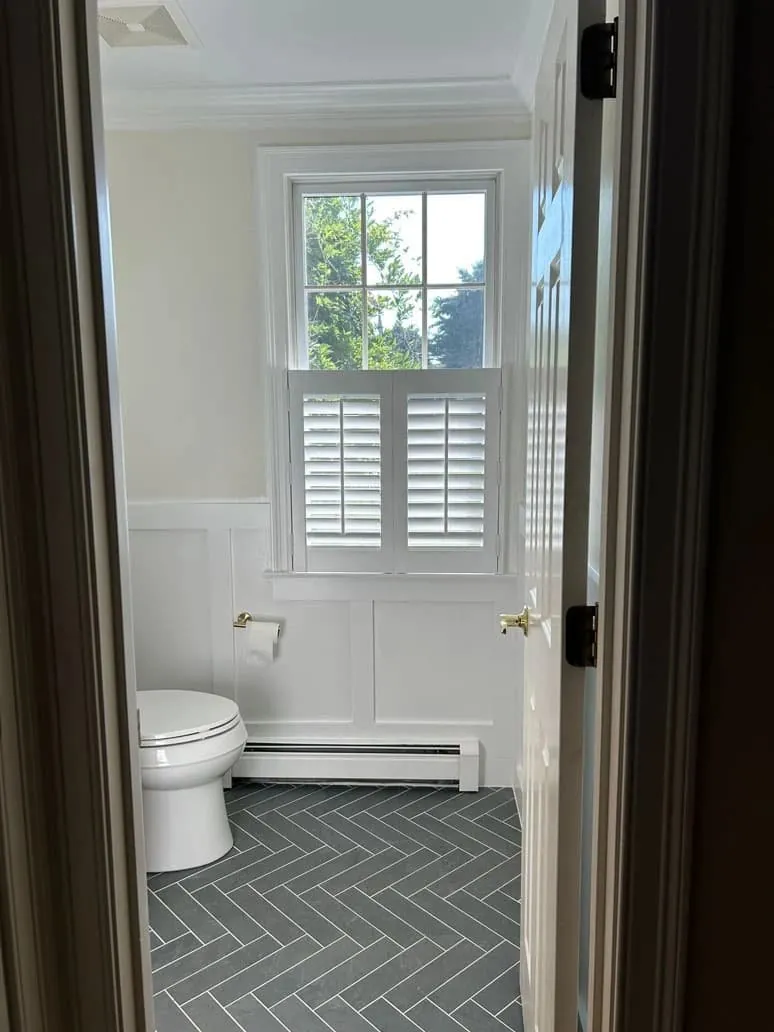
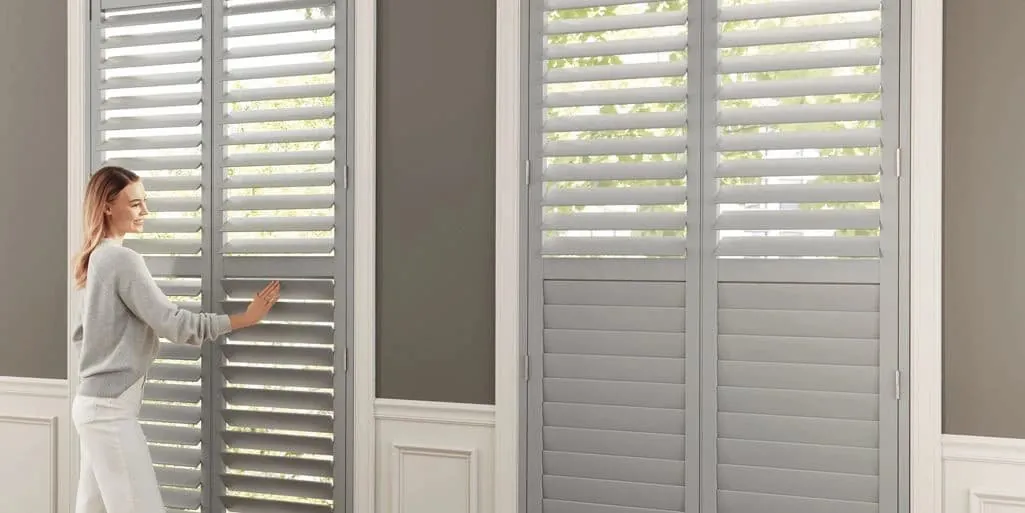
- Café-height shutters. Shutters on the lower half of the window only, leaving the top clear. Common on a street-facing kitchen or a ground-floor bathroom.
- Split-tilt shutters. A full-height shutter with a divider rail, so the top and bottom louvers tilt separately.
- Sheer shades. Silhouette and Pirouette let daylight through the sheer facing while the vanes block a direct view, especially in daytime when it is brighter outside than in.
- Light-filtering fabrics. A roller or honeycomb in a light-filtering fabric gives privacy by day while still glowing with daylight.
One thing to remember: at night, with lights on inside, most sheer and light-filtering fabrics let silhouettes show. For a bedroom or a ground-floor room facing the street, we suggest a room-darkening option, or a sheer layered with a privacy shade, for evenings.

How the house looks from the sidewalk
On a street where houses stand close and near the road, the front of the house is seen up close every day. Window coverings are part of that face. A row of tall Victorian windows with shades all stopped at different heights, or a mix of colors from room to room, looks untidy from outside even when each room works well inside.
That is why a Hunter Douglas dealer in Milford, MA will usually ask how you want the front to look before talking about individual rooms. White or a soft neutral on the street side is a safe base. Where one room wants a stronger color, we look at how that fabric reads from outside, and sometimes suggest keeping the color for a layer that faces the room, such as drapery panels or a Roman shade on a back window, so the street still sees one even front.
Two-families, floor by floor
Two-family houses are common near the center, and they bring their own planning questions. Each floor is its own home, but from the street both floors share one front. If each unit chooses something different, the house can look mismatched from outside.
When we plan a two-family, whether for one household or both, we often suggest one product and color for every street-facing window on both floors, then let each unit choose for the rest of its rooms. That keeps the front looking tidy and leaves plenty of freedom inside. Back porches, common in these houses, tend to be enclosed later and have mixed window sizes; we measure those on their own.
For a unit being prepared for a new tenant, durable and easy-care products make sense: EverWood faux wood blinds, cordless honeycomb and Palm Beach shutters in kitchens and baths. For the floor you live on yourself, the full range is open.
Ranches and colonials further out
Away from the center the lots get wider and the houses newer. Post-war ranches and newer colonials make up much of that housing, with standard modern openings, more space between neighbors and windows that are wider than they are tall.
Here privacy is gentler and the focus shifts to light, comfort and how the house looks as a whole. A ranch’s big front window often takes a top-down, bottom-up honeycomb or a sheer shade. Bedrooms take room-darkening fabrics. A colonial’s front elevation usually gets one consistent line, the family room gets something that suits its slider, and any tall foyer window is a candidate for PowerView. A Hunter Douglas dealer in Milford spends as much time in these houses as in the Victorians, and the plans look nothing alike.
Radiators, sills and old window hardware
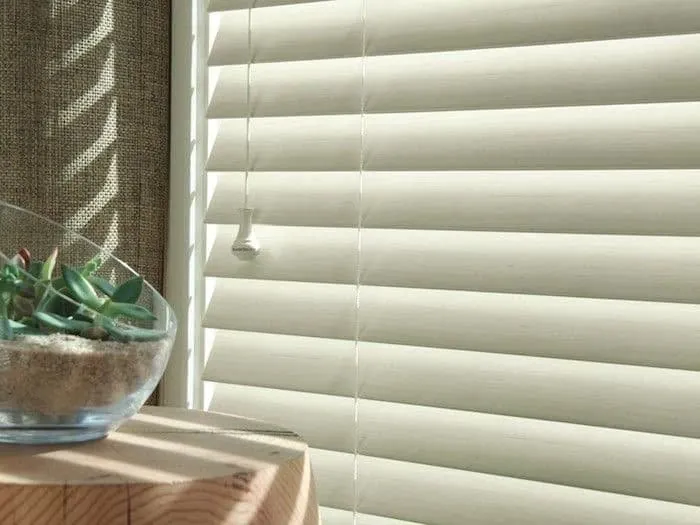
Many of the older houses near the center still heat with radiators, and the radiator nearly always sits right under the window. That affects what you choose. A shade or a panel of drapery that hangs down over a radiator traps the heat behind it and can mark the fabric over time. We usually suggest a product mounted inside the frame that stops at the sill, so the radiator stays clear and the warm air can rise in front of the glass.
Old sash brings other small hurdles. Sash locks, lifts and pulleys sit in the way of a headrail, sills can be deep or sloped, and stops may have been painted so many times that they are thick and uneven. None of this rules anything out, but it does mean measuring carefully and choosing a mount that suits each opening. Our guide to window measuring terms explains the difference between an inside and an outside mount if you want to read ahead.
Bedrooms that face the house next door
On a close-set street, a bedroom window can look straight into a neighbor’s window a short way across the driveway. That calls for privacy at any hour and darkness at night, without a room that feels shut up all day.
The common answer is a layered window: a room-darkening honeycomb or roller for the night, and a sheer shade or a light-filtering fabric in front, or a dual shade that combines both on one headrail, for the day. Shutters are another strong choice, since the louvers can be angled up so you see sky while the view in is blocked. Top-down, bottom-up honeycomb also works, leaving a strip of sky at the top of a tall bedroom window. We look at the sightlines from each window during the visit, because the answer for a side bedroom is often different from the one for the front.
Kitchens and bathrooms on a tight lot
Kitchens and bathrooms in the close-set houses tend to have side windows that face the neighboring house at a short distance. Moisture and privacy both matter.
In a bathroom, a café-height Palm Beach shutter, or honeycomb in a damp-tolerant fabric lowered from the top and raised from the bottom, keeps the lower glass covered and lets daylight in above. Over a kitchen sink, faux wood from the EverWood line wipes clean and handle steam, and their slats can be tilted up so you see sky rather than the house next door. By the kitchen table, a Roman shade adds softness where splashes are not an issue.
High ceilings and tall windows
The Victorians near the center often have high ceilings, and the tops of their windows can be out of easy reach, especially in a stair hall or over a radiator. PowerView motorization is useful here. Once a shade is on PowerView it answers to a phone app, a handheld remote or a switch by the door, and the shades across a bay can be grouped so they rise and fall together. A schedule can lower the street-side shades at dusk every evening, so privacy is taken care of without anyone remembering.
For the many rooms where motorization is not needed, a cordless lift keeps a tall window tidy, with no long cord hanging beside it. We go through the operating options window by window at the visit, and our guide on how motorized shades are controlled explains the choices. See also our page for motorized blinds in Milford.
Choosing fabrics and finishes
Tall windows show a lot of fabric, so the choice matters more than in a room with small windows. A light neutral keeps a narrow room bright and tends to hold its look on a sunny side. A deeper color or a pattern on a Roman shade can suit a dining room or a parlor with less direct sun.
Trim color is worth matching. Plenty of the older houses near the center keep dark stained or deep-painted woodwork, and against that, a wood blind from the Parkland line or real hardwood Heritance shutters, stained to suit, look as though the builder put them there. Against white trim, white or soft gray fabrics almost disappear into the frame. We bring samples so you can judge them against your own woodwork and in your own light. For more on color in bright rooms, see choosing fabric for a sunny room.
How a consultation works
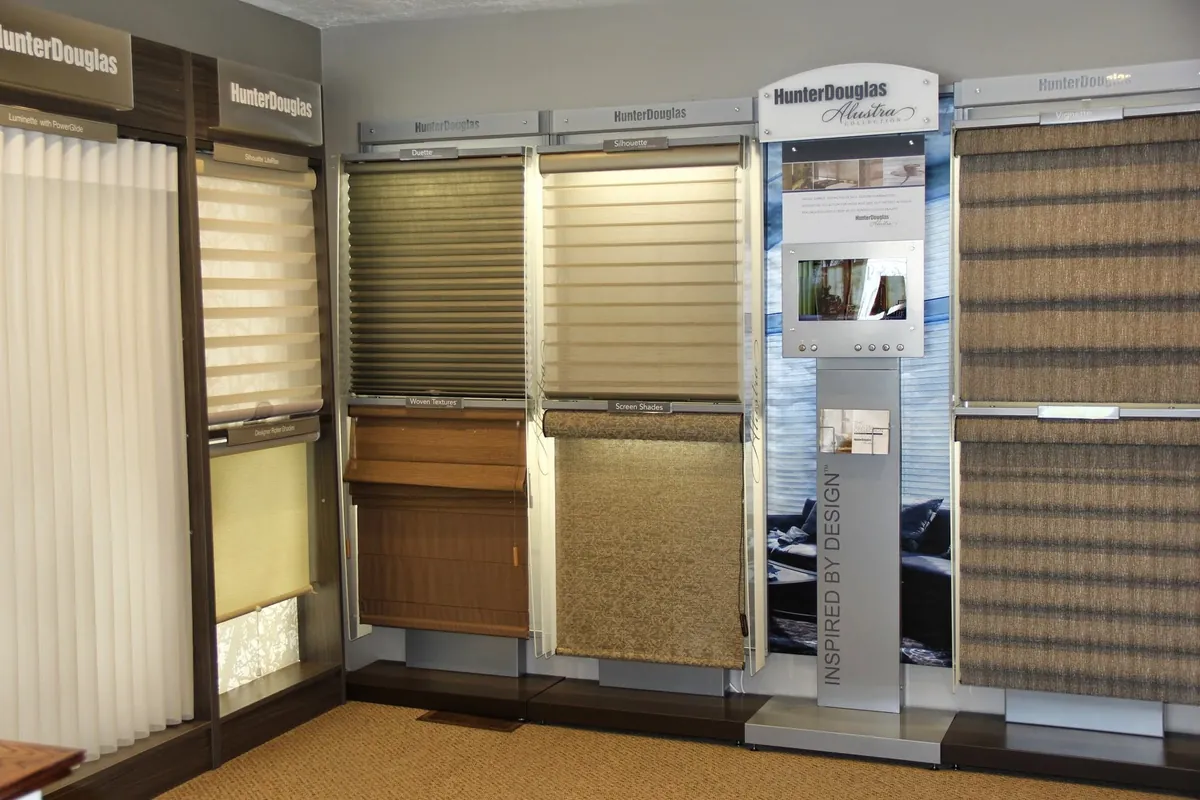
Our vans carry the showroom to your door. Choosing at home means you judge each sample against your own tall sash, in the light that actually reaches the room, with the house next door exactly where it stands.
- Book through Request a Consultation, or ask for a time using the call button.
- We start with the rooms where privacy matters most, usually the street-facing front rooms.
- You compare samples on the glass, including top-down, bottom-up and café options.
- We measure each window, including every unit in a bay, and note the mount for each.
- A free estimate follows, and there is no pressure to decide on the spot.
- Hunter Douglas makes the order to our measurements, and our certified installers fit it.
For more help with color and fabric across a whole room, ask about our interior design consultations. The guide to what happens at an in-home consultation goes through the visit in full.
Why the dealer matters on older windows
Tall, narrow, older windows are unforgiving. A shade ordered a fraction too wide will not fit inside the casing; one mounted out of level shows at once against a tall frame. That is why the dealer matters as much as the brand.
Blinds & Designs is a Hunter Douglas Gallery dealer, with access to the full Hunter Douglas family and the experience to steer you between lines honestly. Our installers are certified by Hunter Douglas: they shim brackets level on frames that have settled, line up every shade in a bay, and test each one before leaving.
As a Hunter Douglas dealer in Milford, MA, we also offer blind and shade repair on window coverings you already own.

Franklin is our nearest showroom
For most Milford houses the first step is a visit at home, where the tight lots and tall sash can be seen as they are. Of our showrooms, Franklin is the one nearest to town, and you are welcome to call in there beforehand.
Our Hunter Douglas page explains the brand and its families, Hunter Douglas keeps its own full catalog online, and the Milford page gathers every service we offer in town.
Questions from Milford
How do I get privacy from the sidewalk without losing light?
Top-down, bottom-up honeycomb, café-height shutters and split-tilt shutters cover the lower glass and leave the upper glass open, so a tall window still lights the room.
Will shades fit inside the tall narrow windows of a Victorian?
Often. We check the depth of every casing and where the sash lock sits. Slim honeycomb and roller shades suit narrow windows because they stack small and keep the window’s height.
Can both floors of a two-family match from the street?
Yes. We often suggest one product and color for every street-facing window on both floors, with each unit choosing freely for its other rooms.
What works in a bathroom that faces the house next door?
A café-height Palm Beach shutter or a top-down, bottom-up honeycomb covers the lower glass for privacy and lets daylight in above, and both cope with steam.
Do you charge for an estimate?
No. Estimates are free, and they are based on our measurements of your windows.
Start with a visit
Tell us about the windows that bother you most, whether that is a front room on the sidewalk or a tall bay that nobody can reach, through Request a consultation. We will come with samples, measure every opening and write you a free estimate. Your Hunter Douglas dealer in Milford, MA is also on the call button, and the Franklin showroom is open to you before or after the visit.