
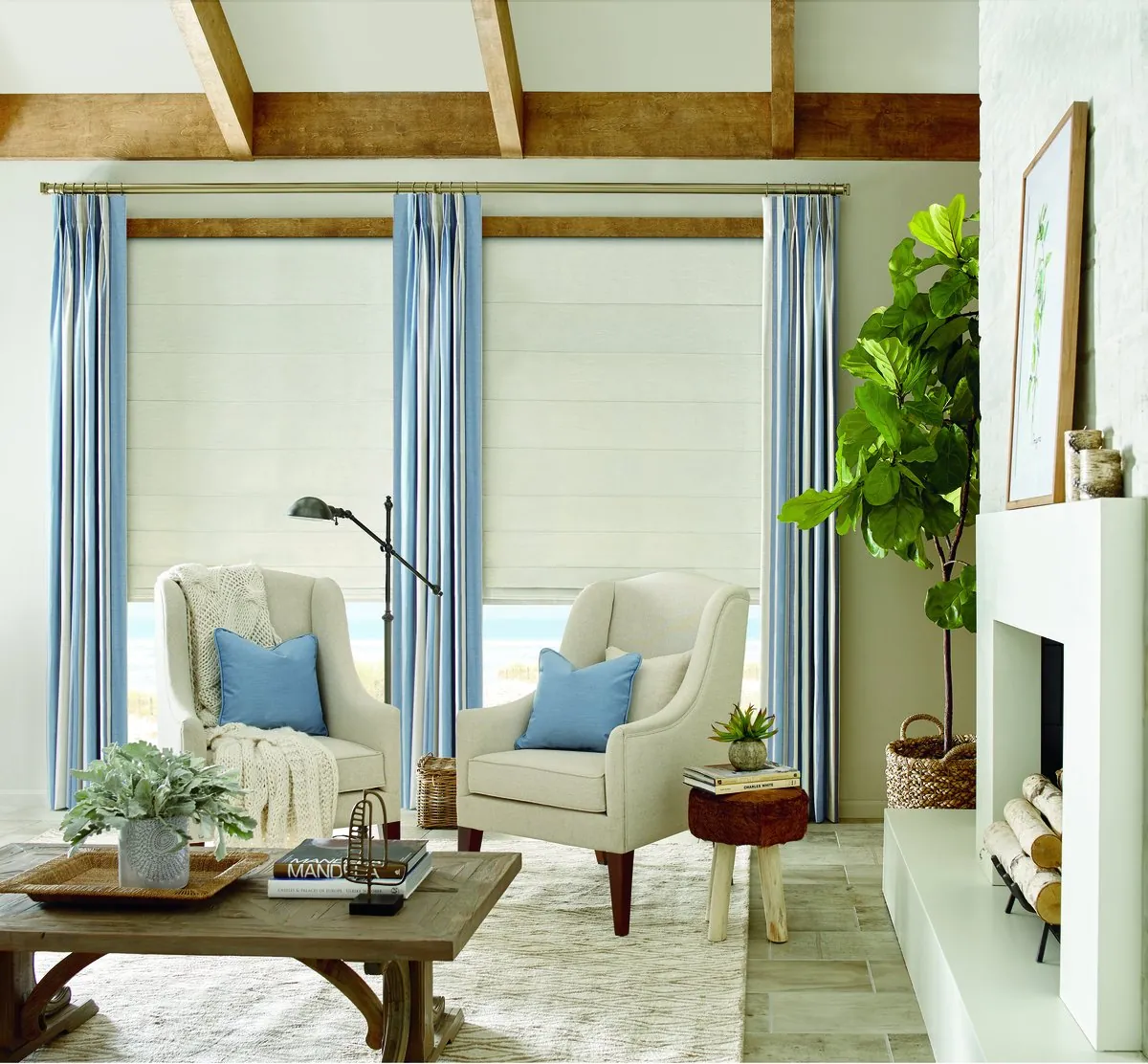
Mill houses and capes along Main Street
Millville is a small town, and most of its homes line up along Main Street or just off it: older mill housing with its original narrow sash, and post-war capes on modest lots with windows in the standard sizes of their day. Two kinds of window, often within sight of each other, and each one asks something a little different of a shade.
The narrow sash in the older houses needs a shade made precisely to an opening that may not match the one beside it. The capes are more regular, but their rooms are small, so every inch of daylight counts. In both, the house next door is close enough that privacy comes up early in the conversation.
That mix is why roman shades in Millville, MA, suit so many of the town’s homes. A roman shade is cut to the window it hangs in, it covers the glass in one soft panel, and it lifts into a neat fold when you want the room bright again.
Roman shade options for Millville
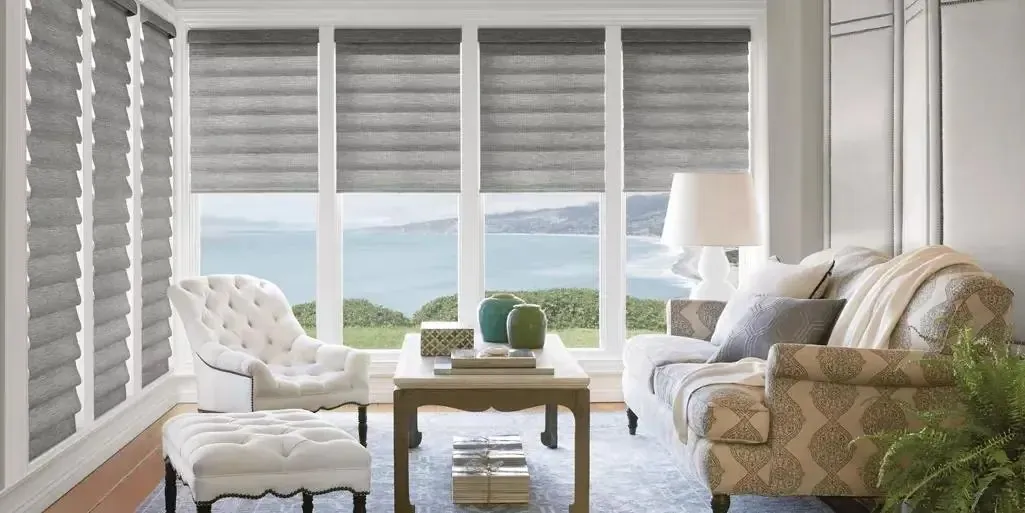
Flat style
Smooth fabric when lowered and crisp pleats when raised. The tidiest choice for the narrow sash in the mill houses. Both our roman lines offer it.
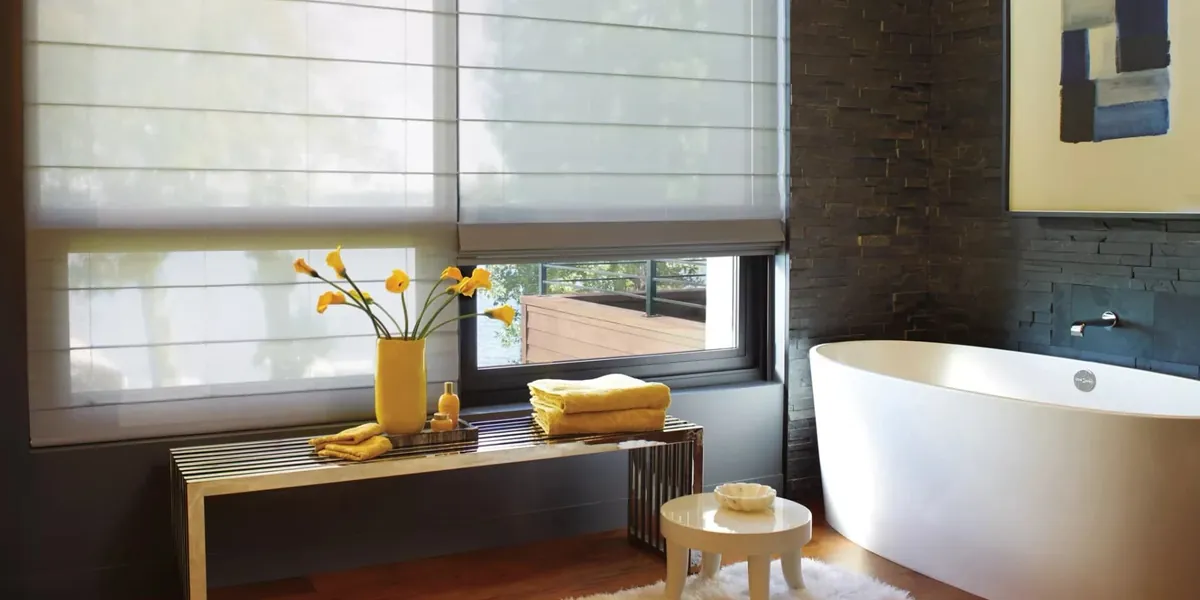
Folded style
Soft loops of fabric that stay in view even when the shade is down. Relaxed and warm in a cape bedroom or living room.
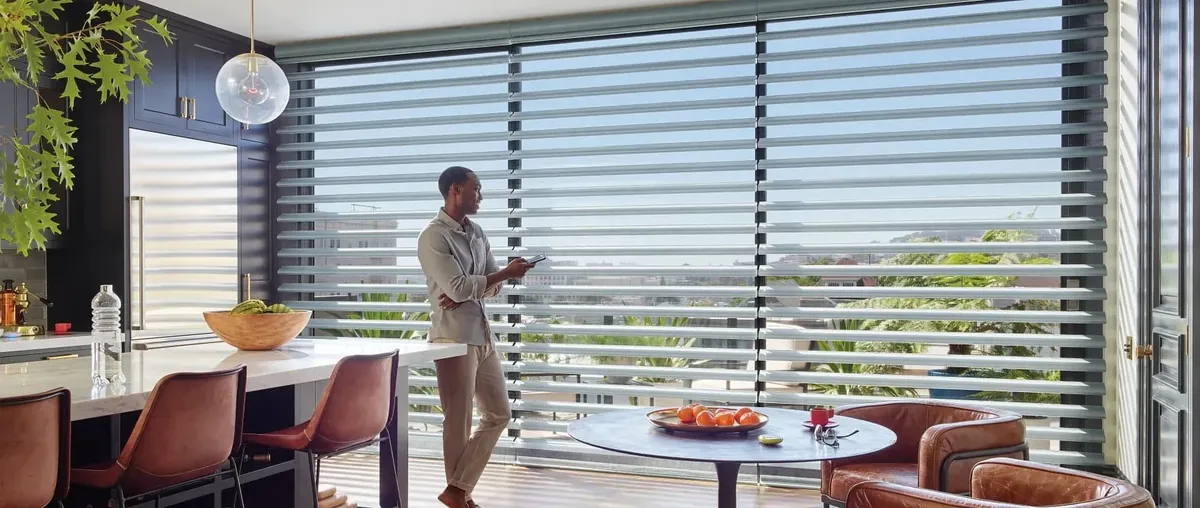
PowerView
Remote, app or schedule control for a shade you cannot reach easily, or one you want lowered every evening on its own.
Old sash and newer sizes in one small town
In the mill housing, the original sash were built to suit the house rather than a catalog, so widths and heights can vary from room to room, and sometimes from one window to the next on the same wall. A shade bought off a shelf rarely fits an opening like that properly. A made-to-measure roman shade does, because it is cut to that one window.
The post-war capes are a different story. Their windows tend to follow the standard sizes of the time, so the openings in a cape are more alike. Even so, we still measure every one, because frames settle and trim gets added over the years, and a shade that fits snugly looks far better than one that nearly fits.
What the two kinds of house share is that most of their windows are modest in size. A roman shade on a modest window has to stack neatly when it is raised, or it will cover more glass than you would like. The flat style is the compact choice here. It folds into firm, even pleats that sit high in the frame.
Front rooms facing Main Street
Many Millville houses face straight onto Main Street, some only a short walk from the road. The front rooms, usually a living room and sometimes a bedroom upstairs, are on show to every car and passer-by.
During the day a lighter fabric gives enough cover, because the brighter light outside keeps the room hard to see into. After dark the balance flips: with lamps on inside, a light fabric lets the room show through. For front rooms used in the evening, a fuller fabric is usually the better choice. It closes the window into a plain, even panel when it is lowered, and from the road the house looks calm and tidy.
On a house with several front windows, the shades look best when they stop at the same height and share one color on the side that faces out. Inside, you can still pick a fabric face that suits each room.
Traffic on Main Street also means headlights at night. A fuller fabric on a front bedroom keeps passing lights from sweeping across the ceiling, which is one more reason to choose the heavier cloth for rooms on the road side of the house. Rooms at the back, facing the yard, can usually stay with something lighter.
Modest lots and close neighbors
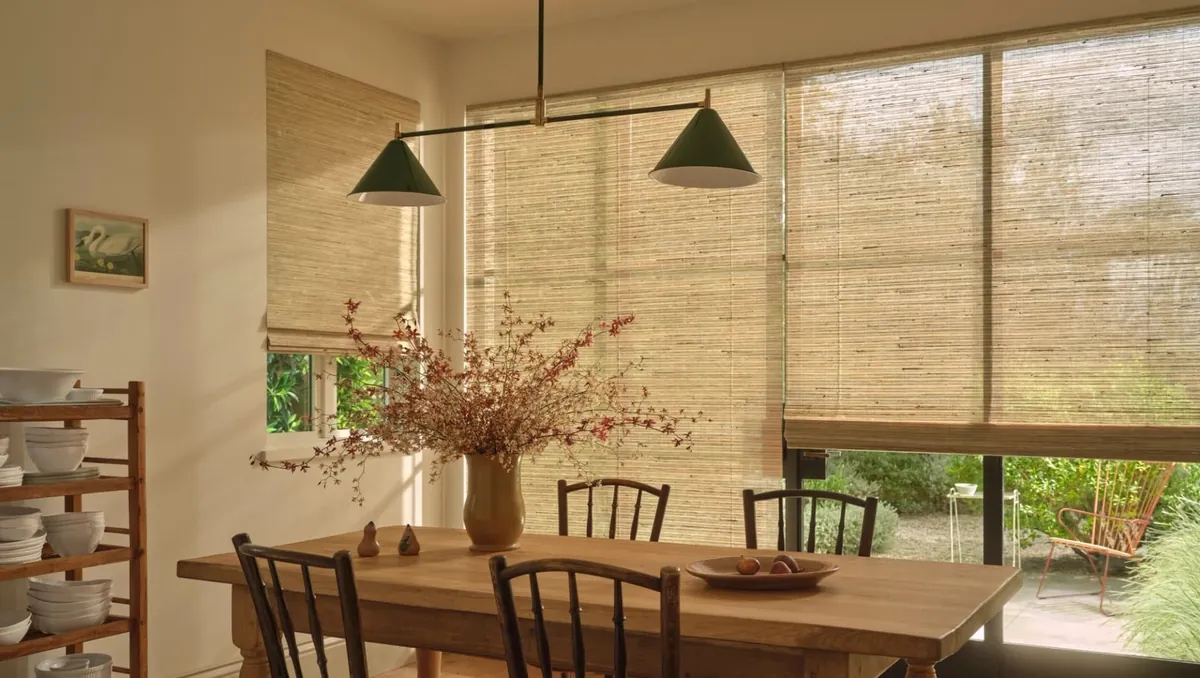
The capes in Millville sit on modest lots, and the mill houses even closer together, so a side window can look toward the house next door at fairly close range. It is not always a problem in daylight, but it shapes the choice of fabric in the rooms you use most.
A good approach is to sort the side windows by room. In a kitchen, a lighter fabric that blurs the view and keeps the room bright is usually right, because kitchens in these houses are often small and benefit from every bit of light. In a bathroom or bedroom, a fuller fabric gives cover at any time of day. A dining room or a stair window falls somewhere between and can go either way.
Roman shades in Millville homes often end up with two or three fabric weights across the house, chosen room by room, with one shared color outside so the house still looks consistent from the street and the yard.
The cape living room
Downstairs in a post-war cape, the living room usually takes the front of the house, with a pair of windows or one wider window looking toward Main Street or the side road. It is the room where the family gathers in the evening, so it is also the room most on show once the lamps are lit.
A pair of matching roman shades, one on each window, keeps the front of a cape symmetrical from the road. If the room has a wider window, two shades side by side are easier to lift than one broad one, and the folds stay neat. A medium fabric often suits this room by day, with enough body to give real cover when the shade is lowered after dark.
Because a cape’s living room is not large, a pale or softly textured fabric helps it feel more open. A strong pattern can still work, but on a smaller wall it becomes the main thing you see, so we suggest trying it at the window first.
Halls and stair windows in the mill houses
Many of the older mill houses have a narrow window on the stair or at the end of an upstairs hall. These windows are often the hardest in the house to reach, and the easiest to forget, but they matter: a bare stair window glows like a lantern from the street at night.
A slim roman shade in a light fabric gives that window cover without darkening the stair. If it sits high above the treads, a PowerView shade saves leaning over the banister, and it can be set to close with the front-room shades every evening.
Bedrooms under the roof of a cape
Upstairs in a post-war cape, the bedrooms tuck under the roof, with smaller windows in dormers or at the gable ends and ceilings that slope down toward the walls. These rooms can heat up and brighten early, because the windows sit high on the house and catch the first light.
A roman shade in a fuller fabric keeps a cape bedroom dim in the morning. Fitted inside the dormer, it lines up with the window and stays clear of the sloping ceiling. When it is raised, the fold sits right at the top of the opening, so the small window still gives as much daylight as it can.
Dormers often lean a little, so we measure them with extra care. If one is too far out of square for a shade to hang straight inside it, we explain the outside mount alternative and show you how it would look before anything is ordered.
A single look for a small house
In a small house, a single, consistent approach to window treatments makes the rooms feel larger and the house feel calmer. That does not mean every window has to be the same, but a shared thread helps.
One option is to use the same style throughout, say a flat style, with the fabric weight changing from room to room. Another is to keep one color family and let the style change: flat in the kitchen and front room, folded in the bedrooms. A third, which suits a cape with a clear upstairs and downstairs, is one look for each floor.
Whatever you choose, roman shades in Millville, MA, tend to look best when the street-facing shades match each other, because that is the side of the house everyone sees. We sketch out a whole-house plan at the consultation so you can see how the pieces fit together, even if you start with just one or two rooms.
Choosing fabric weight
The single biggest decision after style is how much light the fabric lets through.
- Light fabrics glow with daylight and blur the view. Good in kitchens, stairways and any room where light is scarce.
- Medium fabrics give more cover while still letting the room feel bright. A sound choice for a front living room by day.
- Fuller fabrics close the window off firmly. Best for bedrooms and for street-facing rooms used after dark.
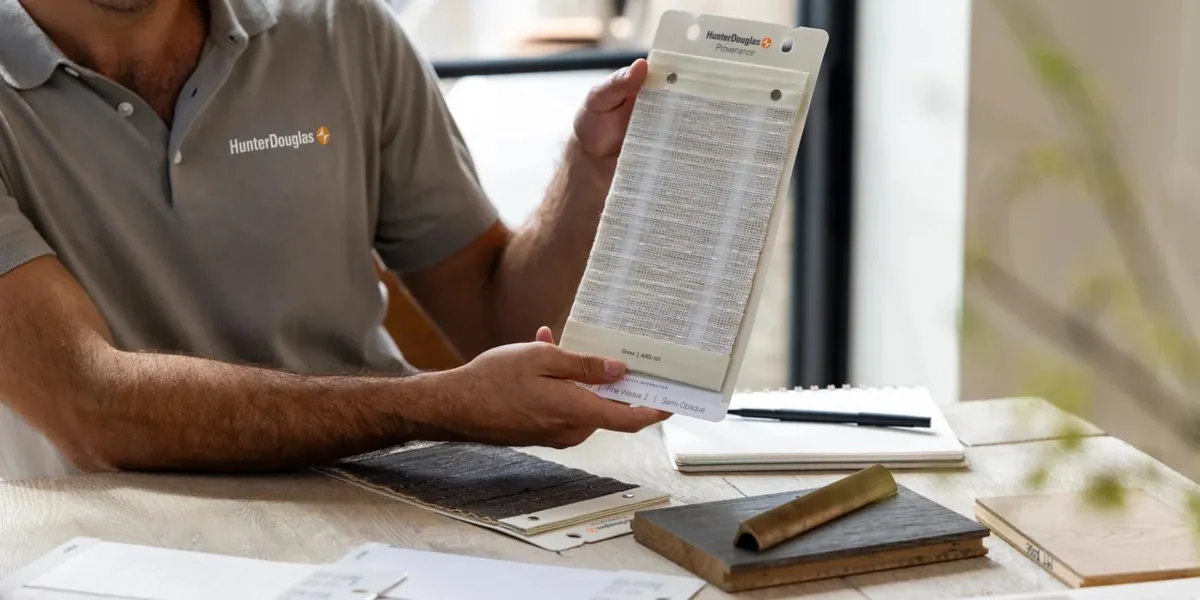
We carry samples of each weight in both Vignette and Carole Fabrics, so you can hold them up to the window and see the difference for yourself.
Doing the house in stages
Not every project starts with the whole house. Many people begin with the rooms that bother them most, often the front room on Main Street or a bedroom that gets the early sun, and add the rest later.
That works well with roman shades in Millville, MA, as long as there is a plan from the start. If we know at the first visit which style and outward color the house will use, the shades added later will match the ones already up. We note the fabric and style choices with your estimate, so a second order a season or a year later picks up where the first one left off.
Starting small also lets you live with a style for a while before committing every window to it. If you find you love the folded style in the bedroom, you might choose it for the living room too when its turn comes.
A Millville appointment, start to finish
With older and newer windows so different from street to street, seeing them in person beats guessing from a photo. The vans are stocked with fabric, which means the choosing happens on your own sofa.
- Set a date with the Request a Consultation form, or ring through on the call button.
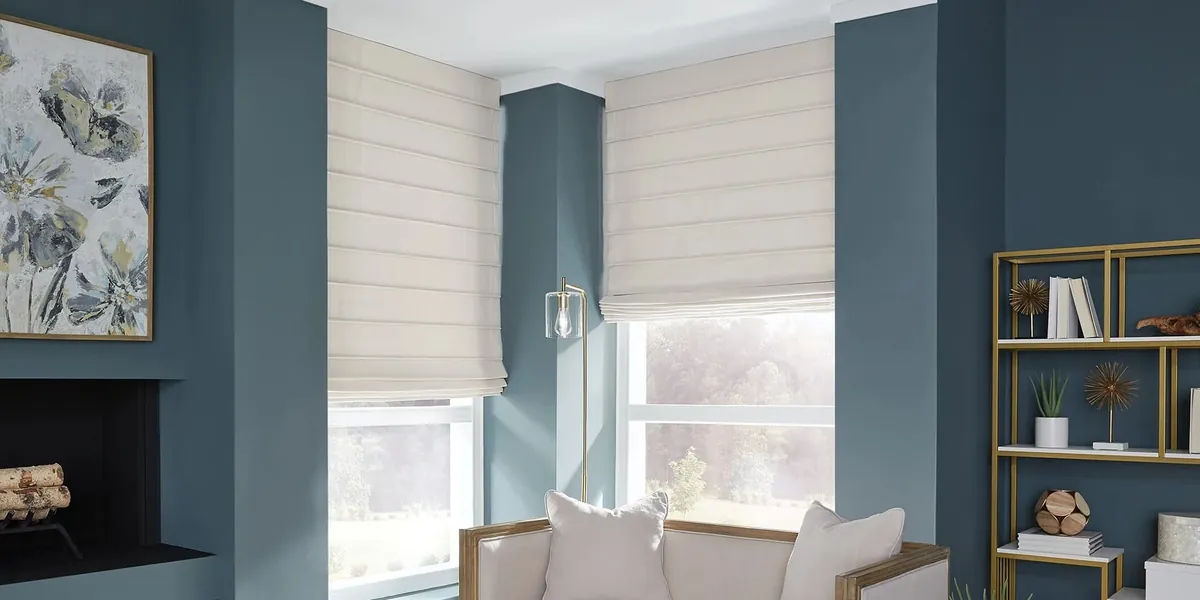
- A consultant turns up carrying Vignette and Carole Fabrics in both styles, from airy cloths to dense ones.
- Room by room, you explain who sits there, at what time of day, and what bothers you about the window now.
- Fabric is pressed flat to the pane, so color, glow and cover can be judged where they count.
- Each opening gets its own tape measure readings, frame depth too, plus a note of any stubborn old latch.
- A written estimate comes free, and nobody hurries you toward a decision.
Color help for a whole floor can be folded into that same appointment as an interior design consultation. More on the visit sits on our what happens at an in-home consultation page.
Old mill frames, newer cape frames
Paint, damp springs and dry winters have all worked on the original mill-house sash, so a frame can be a shade wider at the sill than the head. On a slim window that small drift is visible. Readings go across at three heights and down at three points, with a depth check wherever a rail might be fixed, and those numbers settle whether the shade lives inside the opening or on the casing face.
Cape frames tend to be truer, yet settling and later trim can still nudge them off, so they get the same tape and the same attention.
Hunter Douglas certified installers hang the finished shades: rails set dead level, every shade cycled top to bottom until its pleats lie even, and a quick lesson in using them before anyone leaves. Read what happens on installation day for the full picture.
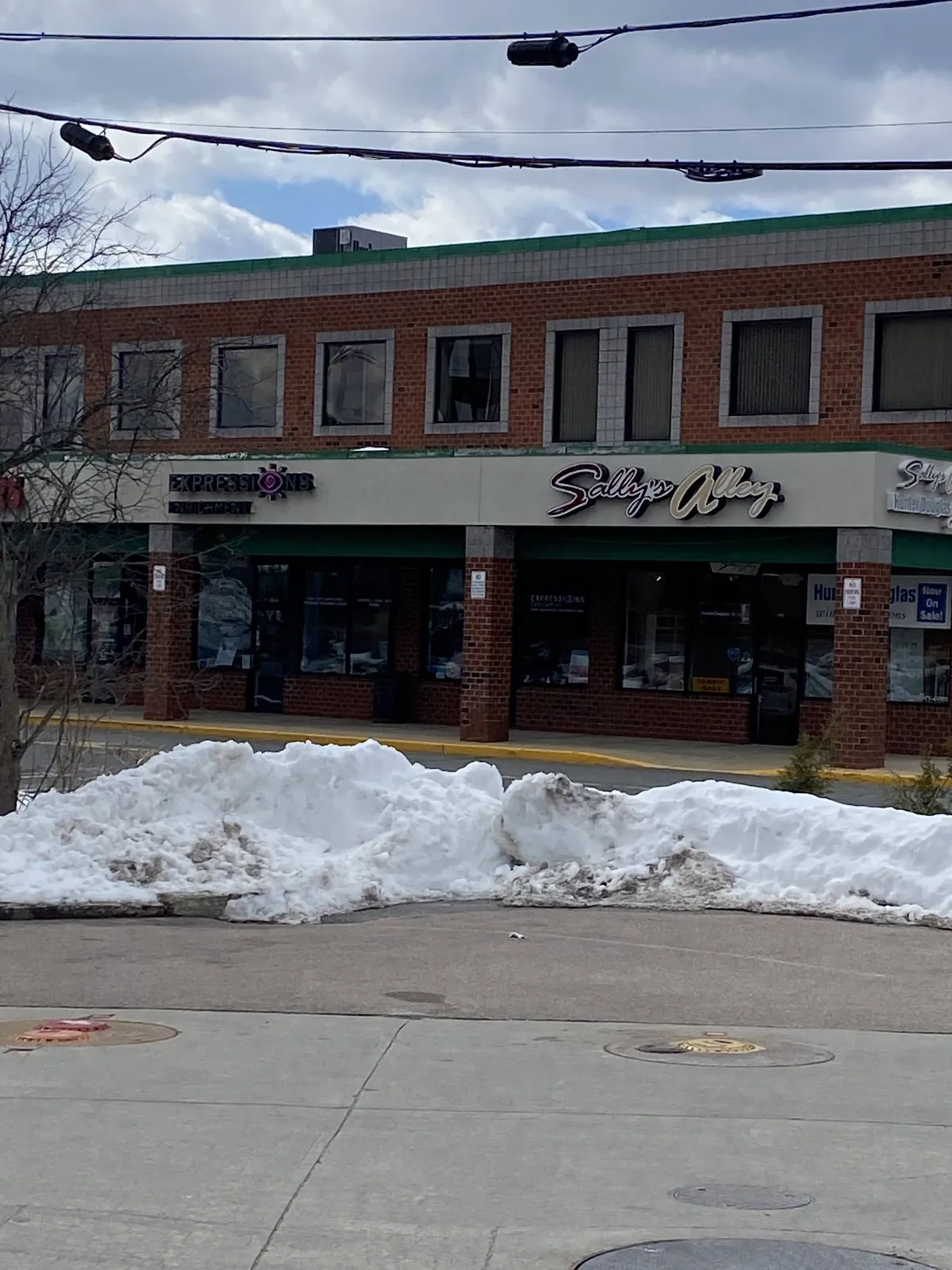
Franklin, the closest showroom
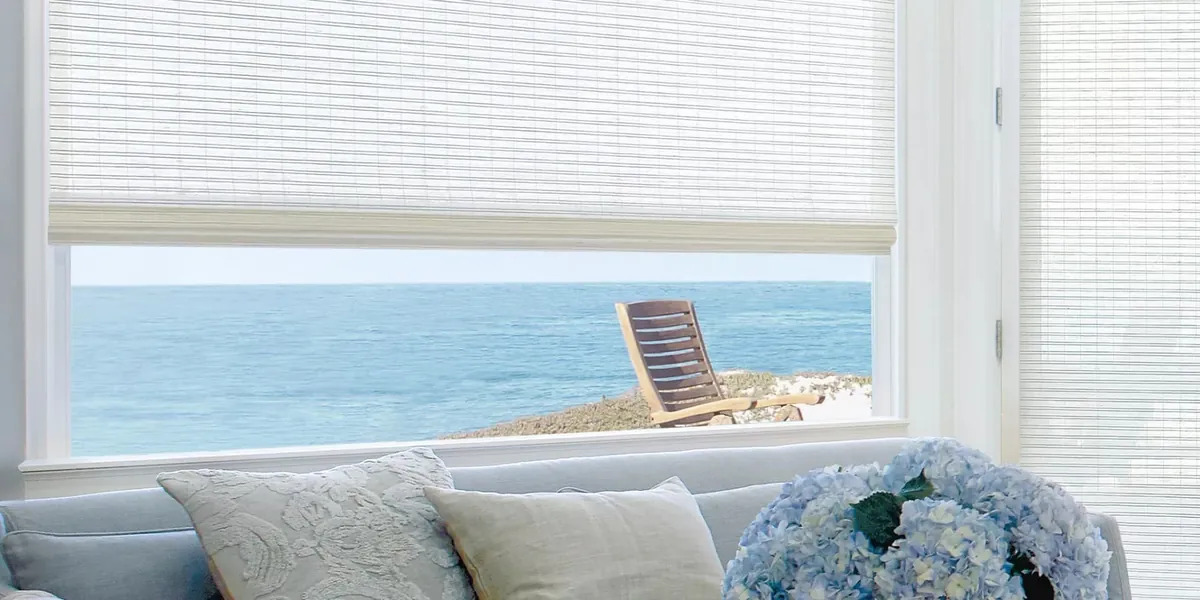
The Franklin showroom is the nearest of ours to Millville. Drop in during opening hours if you would like to talk through roman shades in person.
Still, the best decisions about a window are made beside it. When a consultant comes to the house, you see the fabrics in your own light, against your own walls, with your own neighbors outside.
Gallery status, in plain terms
Blinds & Designs is a Hunter Douglas Gallery dealer. Our fitters carry Hunter Douglas certification. For you, that adds up to every Vignette and Carole Fabrics option under one roof, with one firm handling it from the first swatch to the final bracket.
Should a particular room call for something besides a roman, honeycomb shades in a chilly back bedroom or shutters by a tub, say, the broader Hunter Douglas catalog is ours to plan from at that same appointment. An old blind or shade that has quit lifting is welcome too: repairs are part of the work. Every service in town is listed on our Millville page, and the complete roman shades range has its own page.
Motorized roman shades in a small house
Motorization might sound like something for a big house, but it is just as handy in a small one. A shade over a kitchen sink, a dormer window behind a bed, or a front window you want closed every evening are all good candidates.
PowerView puts a roman shade on a handheld remote or a phone, with a timetable that brings it down at dusk and up again with the morning. On Main Street, the front rooms are first in line for that, since they are on view the minute the lights come on. Powering each motor is something we work out window by window when we visit. Remotes, the app and timers are explained in how motorized shades are controlled.
Your Millville questions
Our mill house windows are all slightly different sizes. Is that a problem?
Not at all. Every roman shade is made to its own window, so differences between openings are taken care of when we measure.
Which style works best on small windows?
A flat style. It folds into firm pleats that sit high in the frame, so a modest window keeps as much glass as possible when the shade is raised.
Our front room faces Main Street. What fabric would you suggest?
For a room you use in the evening, a fuller fabric. It closes the window firmly once the lamps are on, when a lighter fabric would let the room show through.
Can the upstairs dormers in our cape take roman shades?
Usually, yes, fitted inside the dormer. We check each one for square first, since dormers often lean slightly.
Will the estimate cost us anything?
No. Measuring and the written estimate are both free of charge.
Start with a visit
Roman shades in Millville are simplest to choose at home, swatch in hand, your own windows in front of you. Ask for that visit through Request a Consultation: both roman lines come to you, every window is measured, and a free estimate stays behind. Got a quick question? The call button reaches us, and the Franklin showroom is glad to see you too.