
Highlands capes, newer subdivisions and the square
Braintree’s housing falls into three broad groups. Around Braintree Highlands you find capes and colonials on settled, tree-lined streets. Further out, newer subdivisions bring larger colonials and modern floor plans. Near the square, older two-families stand closer together. Across most of town the windows are standard modern openings, and the houses sit back from the road and from each other with real setbacks.
That combination makes life easy for a Hunter Douglas dealer in Braintree, MA. Standard openings mean the whole Hunter Douglas range will fit, and decent setbacks mean privacy is rarely the only concern. The conversation is free to turn to light, comfort, style and how each room is used through the day.
That talk happens in your living room rather than ours. A van loaded with samples comes to the door, so each option is judged at your own glass in the light that room really gets.
Hunter Douglas lines for Braintree rooms
Each of these services has its own Braintree page. Start with the one that suits the room you are planning.
Custom blinds
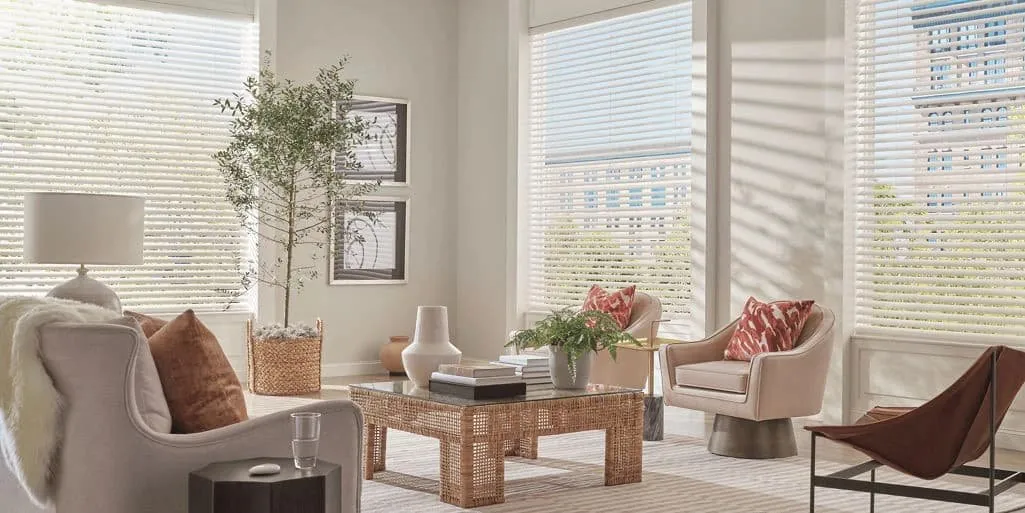
Slatted blinds in real wood, faux wood or metal, plus verticals for wide glass, each picked for how it tilts and lifts.
Cellular shades
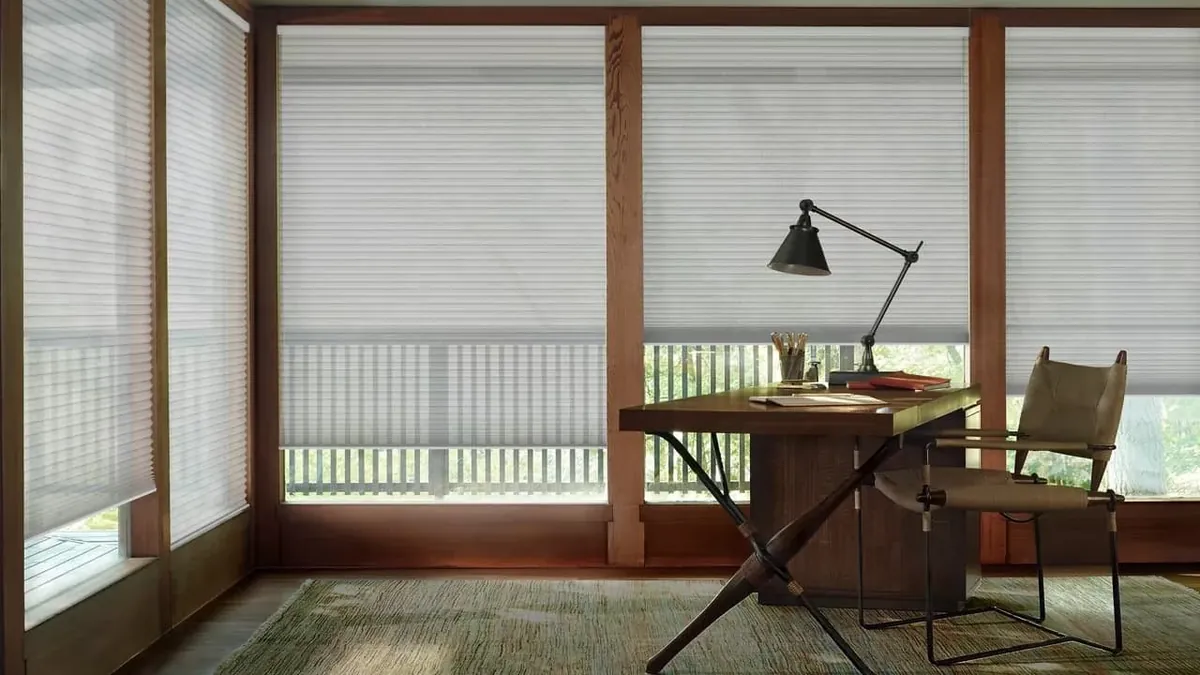
Duette and Applause, the honeycomb shades whose pockets of trapped air sit between you and a cold pane.
Roller shades
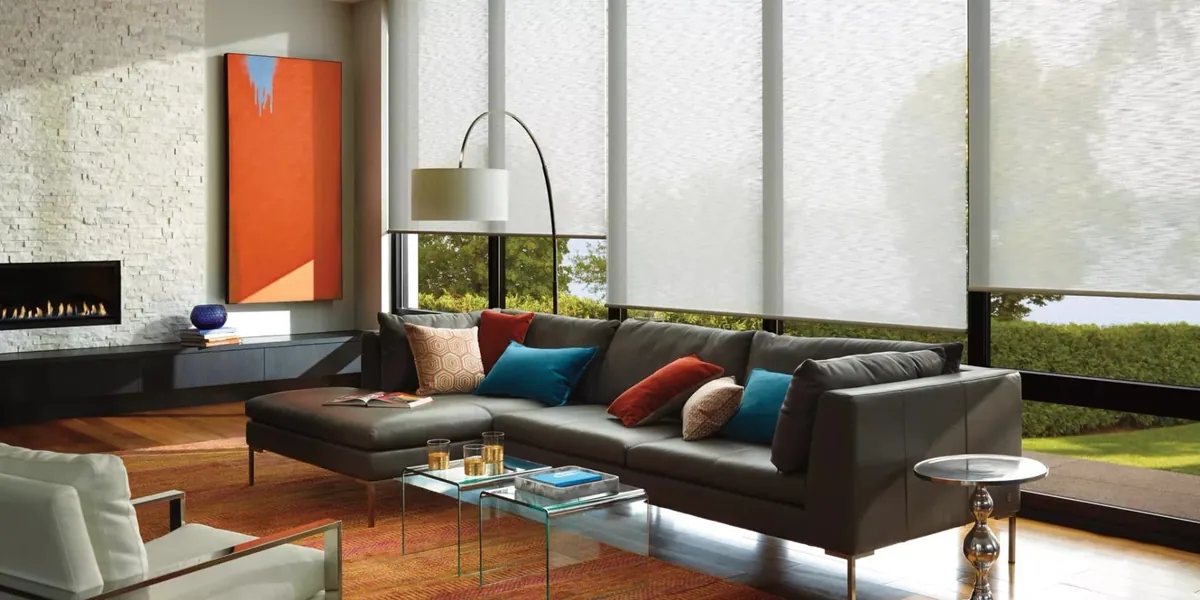
Designer and Alustra rollers, from soft fabrics to screens whose openness decides how much yard you still see.
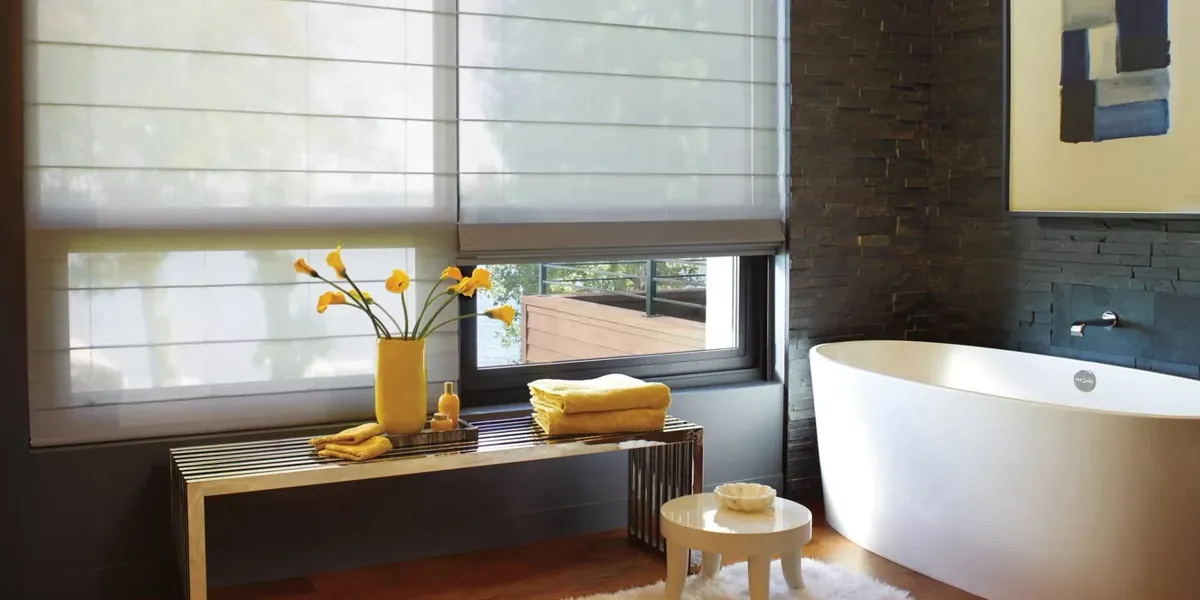
Roman shades
Vignette and Carole Fabrics, hanging smooth and flat or gathered into soft folds.
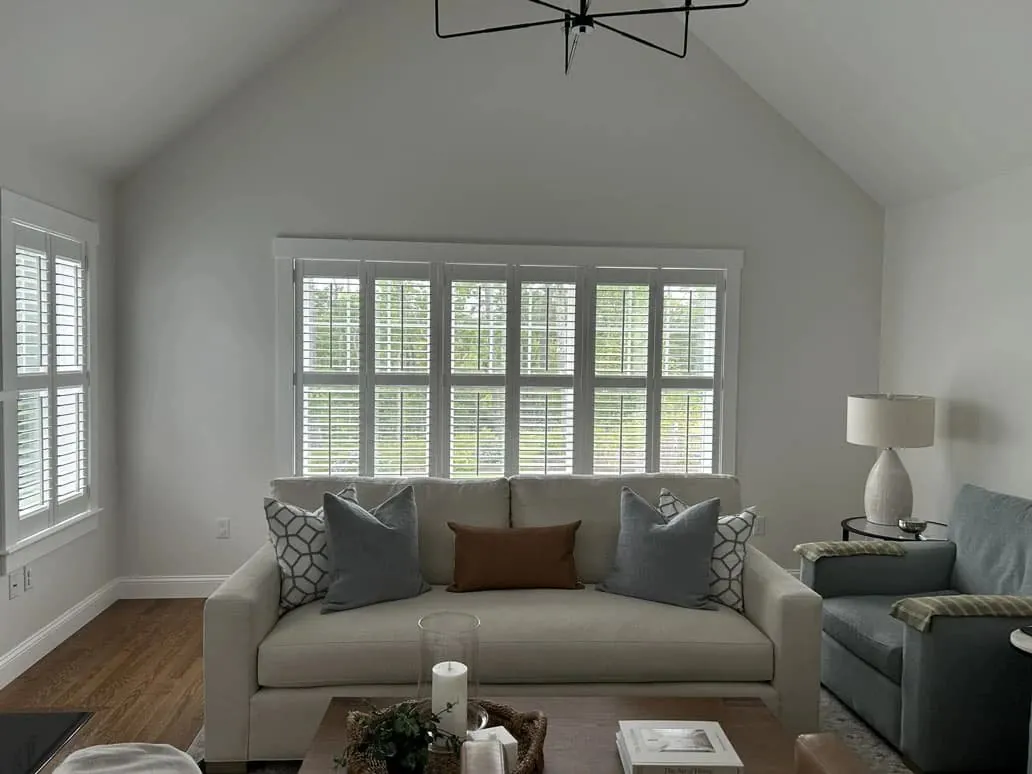
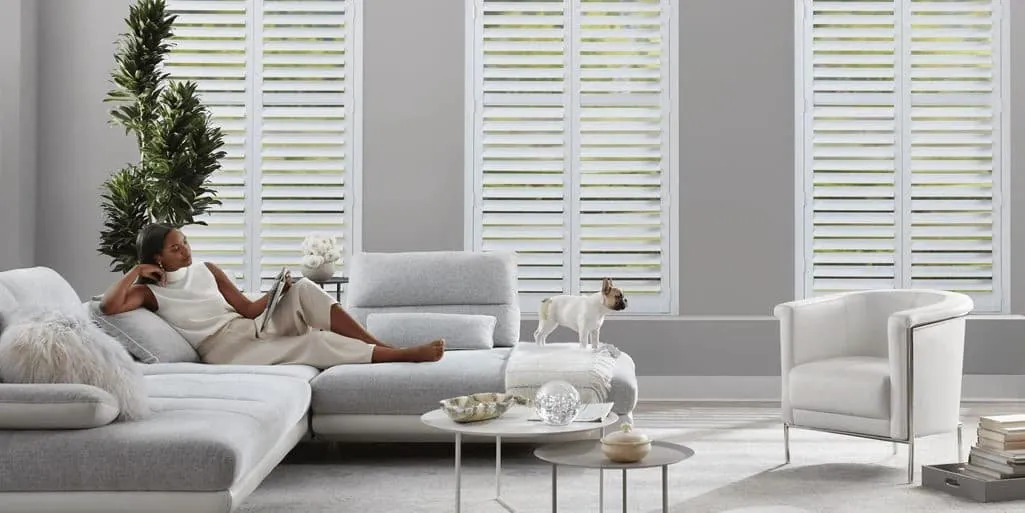
Plantation shutters
Palm Beach, NewStyle or Heritance, sized louver by louver with a frame that suits a colonial or a newer house.
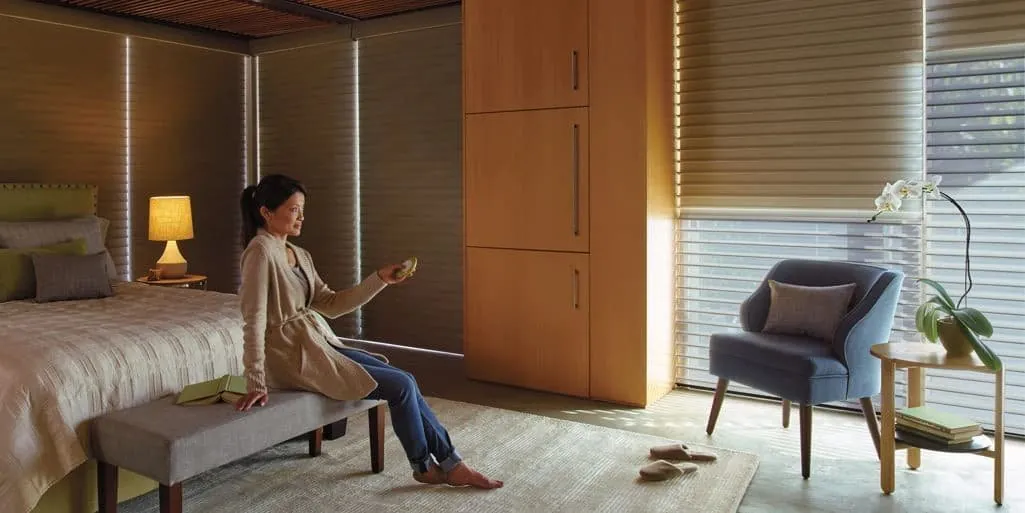
Motorized blinds
PowerView automation that moves shades on a timetable, by phone or with a handheld remote.
Capes and colonials around the Highlands
The older streets around Braintree Highlands are lined with capes and colonials. Their windows are standard, their rooms are well proportioned, and most houses have a front yard deep enough that the street is not right outside the glass.
A cape puts its main rooms on the ground floor and its bedrooms upstairs under the roof, often with dormers. Downstairs, the living room usually faces the street and the kitchen faces the yard. Upstairs, the dormer bedrooms want darkness and comfort, and an inside-mounted honeycomb shade tucked into the recess handles both without crowding a sloped ceiling.
The cape’s front living room is worth a second look. With a proper front yard between the window and the sidewalk, it rarely needs a heavy fabric for privacy by day, so it can stay bright with a sheer, a light Roman shade or shutters set open. At night, when the lamps are on, the same room shows clearly from the street, and that is when a covering that closes fully earns its place. Choosing one product that handles both moods saves layering a small room.
A colonial is more formal: living and dining rooms on either side of a center hall, bedrooms above, with the windows lined up across the front in neat rows. That symmetry is worth respecting. A single outward color across all the street windows, with the shades resting at matching heights, keeps the front looking orderly from the road. Behind that face, each room can have what suits it, from shutters in the dining room to a sheer in the living room and honeycomb shades upstairs.
A Hunter Douglas dealer in Braintree working in the Highlands will often plan a whole colonial in one visit, room by room, with that outside face in mind.
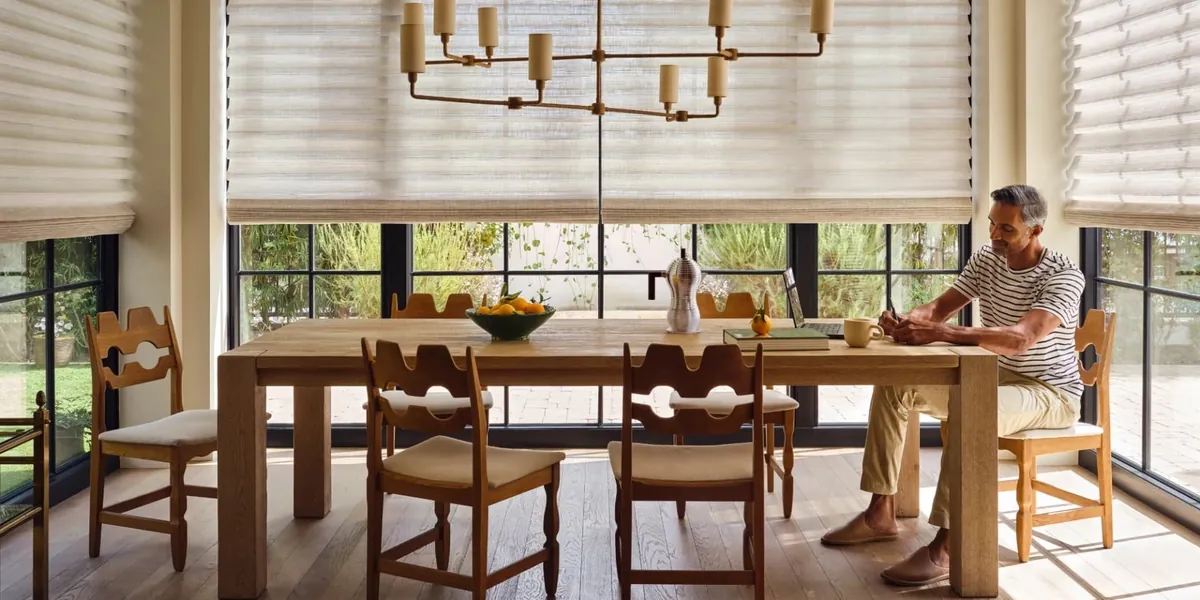
Newer subdivisions further out
Moving outward, the newer subdivisions bring larger colonials and more open layouts: a kitchen that runs into a family room, a great room with a wall of windows, a main bedroom suite with its own bath. The openings are still standard modern sizes, but there are more of them, and they are often grouped.
Grouped windows benefit from being treated as a set. Three windows across the back of a family room look best when their coverings share a fabric and rest at the same height. A run of windows in a kitchen and family room that flow together should look like one room, even if one end needs more glare control than the other.
Nearly every one of these houses has a glass door out to the deck. Because people walk through it all day, whatever covers it should draw to the side rather than rise, and Luminette, a vertical honeycomb or vertical blinds all do that. A west-facing door is the one that heats up the kitchen in late afternoon; a screen fabric there tames the brightness and still shows the deck and lawn.
Main bedroom suites in the newer houses often have more windows than a cape bedroom, sometimes on two walls. Darkness across all of them, and the convenience of closing them together, is a common reason to consider PowerView in these rooms.
Center halls, front doors and stair windows
A Highlands colonial usually opens into a center hall, with a stair rising straight ahead and a window on the landing halfway up. Many front doors are flanked by narrow side windows. Both are small details that make a big difference to how the house feels.
The side windows by the door let light into the hall, but they also show the inside of the house to anyone on the step. A slim shade or a narrow shutter panel fixes that and still lets daylight through. The landing window is often the last one in the house to get a covering, partly because it can be awkward to reach over the stair. A sheer that stays down, or a PowerView shade that moves on a schedule, both solve it. A Hunter Douglas dealer in Braintree will usually match these smaller windows to the front rooms, so the hall looks like part of the same plan.
Older two-families near the square
Near the square, Braintree’s older two-families stand closer together than the houses in the Highlands or the subdivisions. One household lives above the other, with a shared front and often a porch on each floor.
This is the one part of Braintree where distance from the neighbors runs short, so privacy matters again. A dining room window might face a clapboard wall a few steps away, and the parlor sits nearer the sidewalk than any room in the Highlands. In those rooms we lean toward coverings that soften what can be seen while daylight keeps coming in, such as Silhouette sheers or a pale fabric, and toward shutters for the front, where tipped louvers screen passersby and bounce light up to the ceiling.
Upstairs and downstairs units share one street front, and passersby see both together. Picking one exterior tone for every front window keeps the house looking orderly, whether the two units are fitted in a single project or years apart.
What real setbacks change
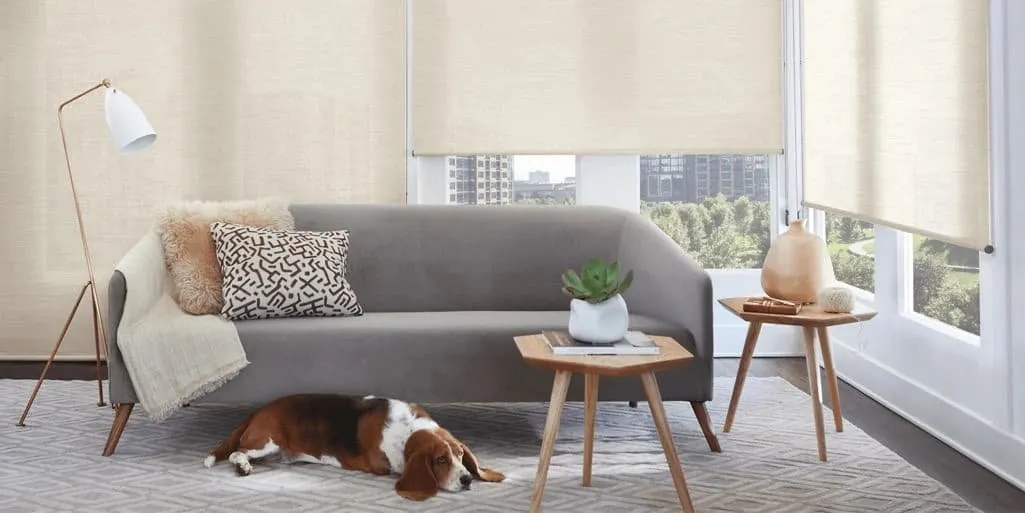
Because most Braintree houses sit back from the road and from each other, the usual first worry, privacy, often takes a back seat. That frees up the choice of product. A room that would need a heavier fabric on a close-set street can take a sheer, a woven shade or a light roller, letting in more daylight and more of the view.
It also brings the sun into sharper focus. With fewer neighbors and trees shading the windows, rooms facing south and west can get bright and warm in the afternoon. Screens and light-filtering fabrics handle glare while leaving the outlook, and honeycomb shades slow heat coming through the glass. Our guide to the best shades for sun and glare goes into the choices.
In winter, the same open aspect means windows lose heat freely after dark. A honeycomb shade lowered at dusk keeps a room holding its warmth, and our cellular shades and winter heat guide explains why the cells help.
Home offices and spare rooms
Plenty of Braintree houses now have a room set aside for work: a spare bedroom in a cape, a den off the family room in a newer colonial, a corner of an upstairs unit near the square. The needs are the same everywhere. Daylight is welcome, glare on a screen is not, and anyone on a video call wants privacy behind them.
Light roller and screen shades handle screen glare neatly while keeping the room bright. A honeycomb shade can be lowered just far enough to block the sun on the monitor. If the office doubles as a guest room, a darker fabric makes it a better bedroom when someone stays over. PowerView can lower the office shades at the same time every afternoon when the sun reaches that side of the house, so nobody has to remember.
Kitchens, baths and the busy rooms
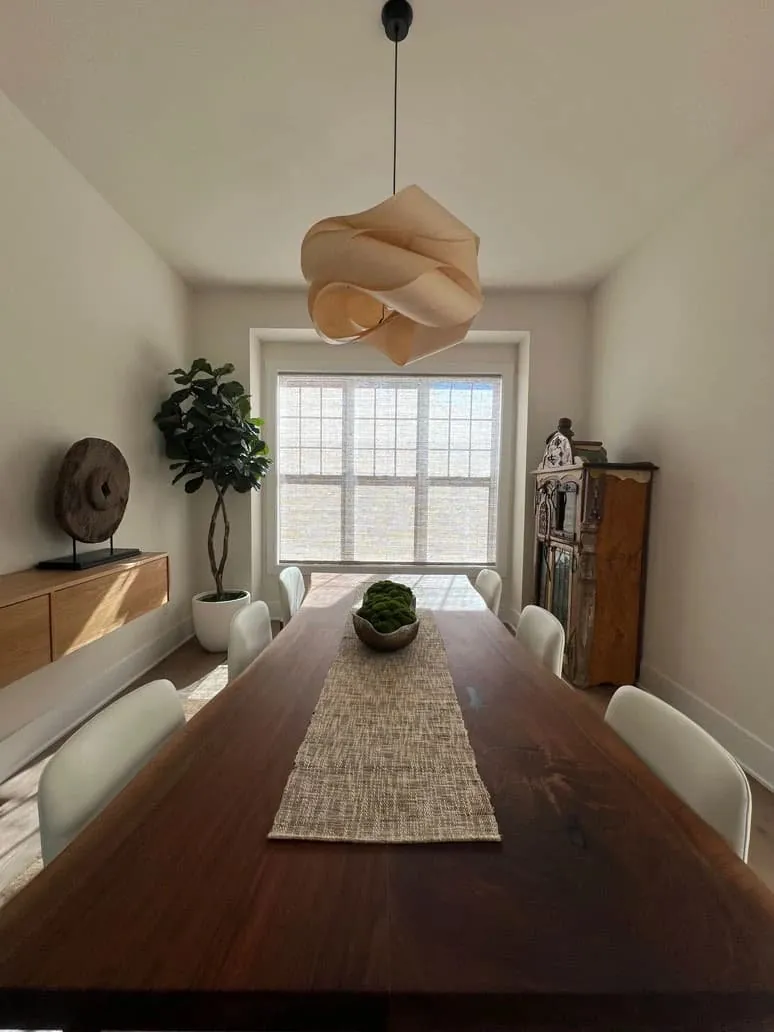
Every Braintree house, old or new, has rooms that work harder than the rest. Kitchens see steam and splashes, and the window over the sink is a stretch to reach across a counter. Bathrooms need privacy without losing daylight. Mudrooms and laundry rooms want something simple that stays out of the way.
These rooms are where practical choices pay off. Shutters suit a kitchen or bath and give a finished look from inside and outside. Faux wood blinds and roller shades are popular in the same rooms. Over a sink, motorized operation saves the stretch. We talk through which material makes sense in each room at the window, because the right answer depends on how the room is used.
Planning a Braintree visit
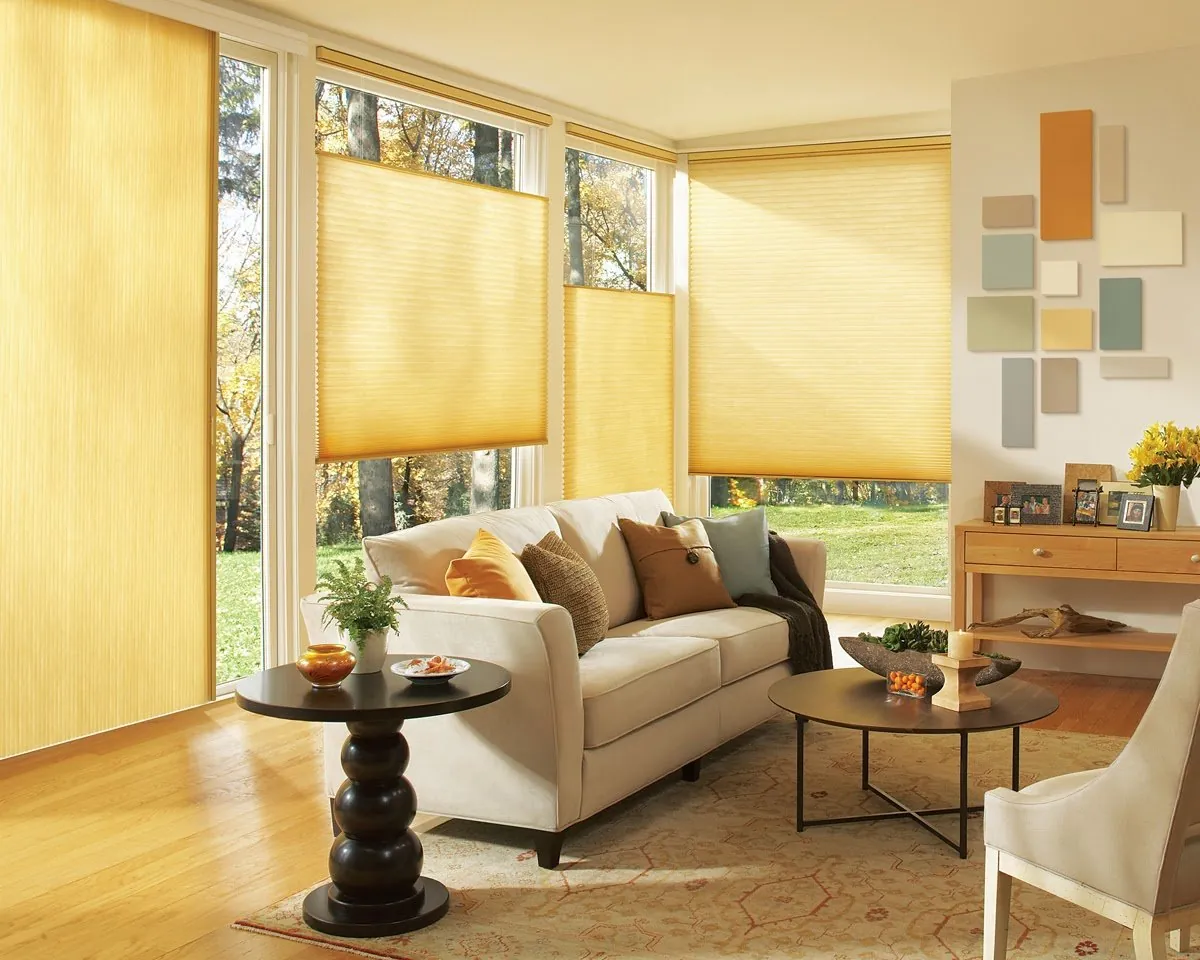
Braintree is served from our Canton territory, so the consultation comes to you. This is the usual shape of a visit.
- Our van pulls into the driveway carrying the samples, which is how we bring the showroom to you.
- You lead the way through the house and point out the rooms on your list.
- At each window, samples go up against the glass so color and light are judged where they will hang.
- Grouped windows and the deck door are planned as sets rather than one by one.
- Each opening on the list is measured.
- Before we leave, you have a written free estimate for the coverings and their certified installation.
Our guide to what happens at an in-home consultation walks through a visit in more depth, and the in-home consultations page covers the service itself. Redoing a whole room at once? Ask for one of our interior design consultations as part of the same appointment.
Certified installation in practice
Hunter Douglas makes every piece to the sizes we took, and then the installers, certified by Hunter Douglas, come back to put it up. Their job is to make sure each covering works the way it was designed to, for years.
They start by checking each product against its window with you. Brackets go in firmly and level. Every shade, blind and shutter is mounted and adjusted so it hangs evenly in the opening. Each one is raised, lowered and tilted from end to end, and any PowerView motor is linked to the remote or the app. The visit ends with a walk around the house so you know how every covering works, and the rooms are left clean.
Standard modern openings make for straightforward fitting, but a Hunter Douglas dealer in Braintree still checks every frame on its own. More detail is on our installation day guide.

Coverings you already own
Many Braintree houses already have Hunter Douglas shades or blinds from an earlier round of decorating. If one has stopped lifting, tilting or running, mention it during the visit. We welcome blind and shade repair on coverings you already have, and we will tell you honestly whether a repair or a new covering suits that window better. Repair customers are welcome whether or not they plan anything new.
Choosing a look for a newer house
Many of the newer Braintree houses have plain, light interiors with modern lines. Window coverings can either blend in or add character. Light roller shades and sheers blend, keeping the room open and bright. Woven shades bring texture to a dining room. Shutters give a family room a finished, architectural look. Wood blinds warm up a study.
In the Highlands colonials and capes, painted trim and more traditional rooms often suit shutters, Roman shades and wood blinds. Near the square, lighter fabrics help smaller rooms feel bigger.
Mixing is fine as long as the house reads well from the street. We bring samples that show both the room side and the outside face of each covering, so you can judge both.
See Hunter Douglas in Franklin
Our Canton shop-at-home team covers Braintree, so the first meeting takes place in your house, with samples carried in from the van. The Canton shop-at-home page explains how that works.
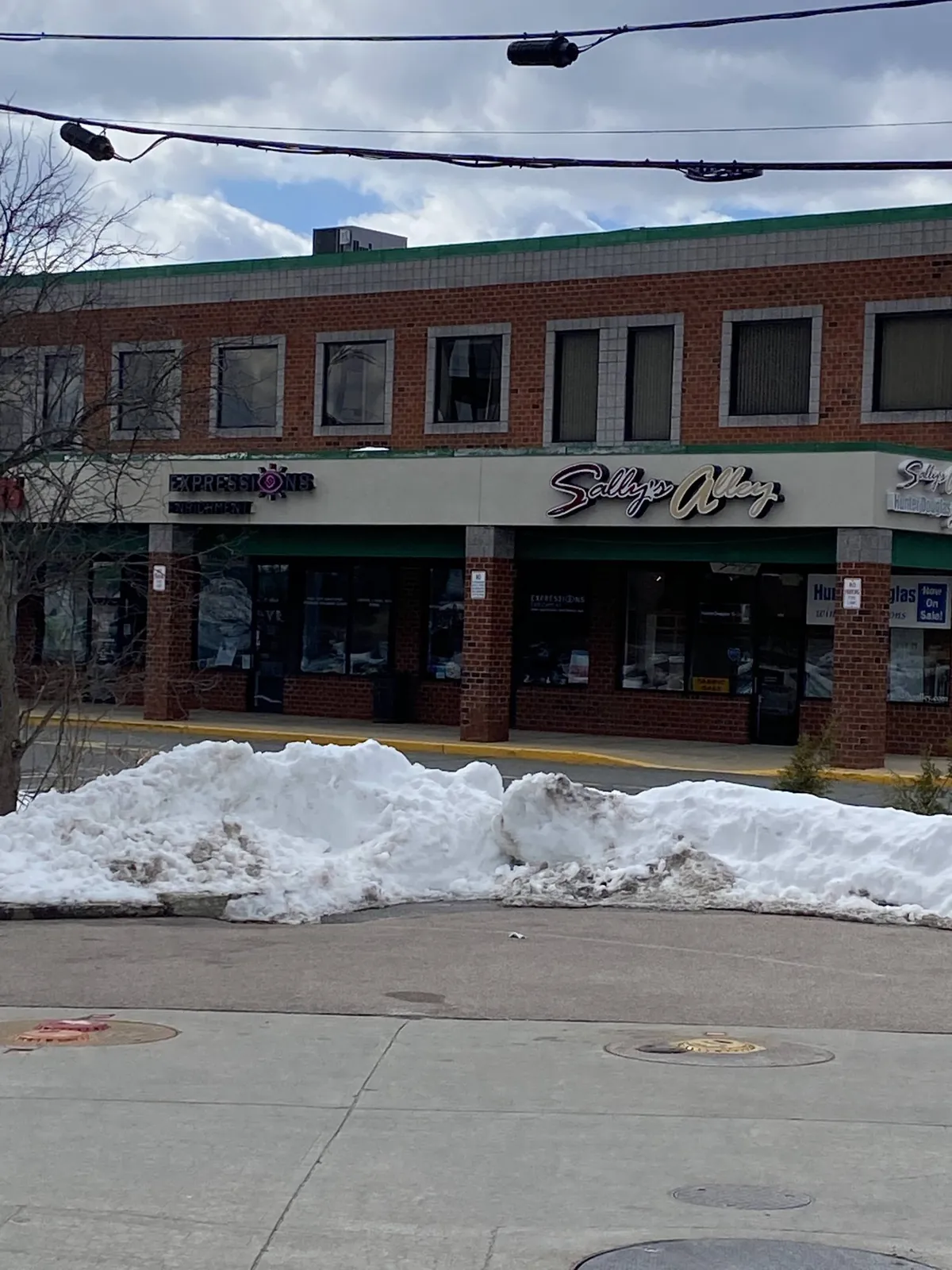
For anyone who also wants to see Hunter Douglas products in a store, Franklin is the closest showroom, and you will find what you need on the Franklin showroom page.
As a Hunter Douglas Gallery dealer, we offer the full range with certified installation, interior design consultations and repairs on coverings you already own. Read more on the main Hunter Douglas page, or look through the Hunter Douglas catalog.
PowerView for larger houses
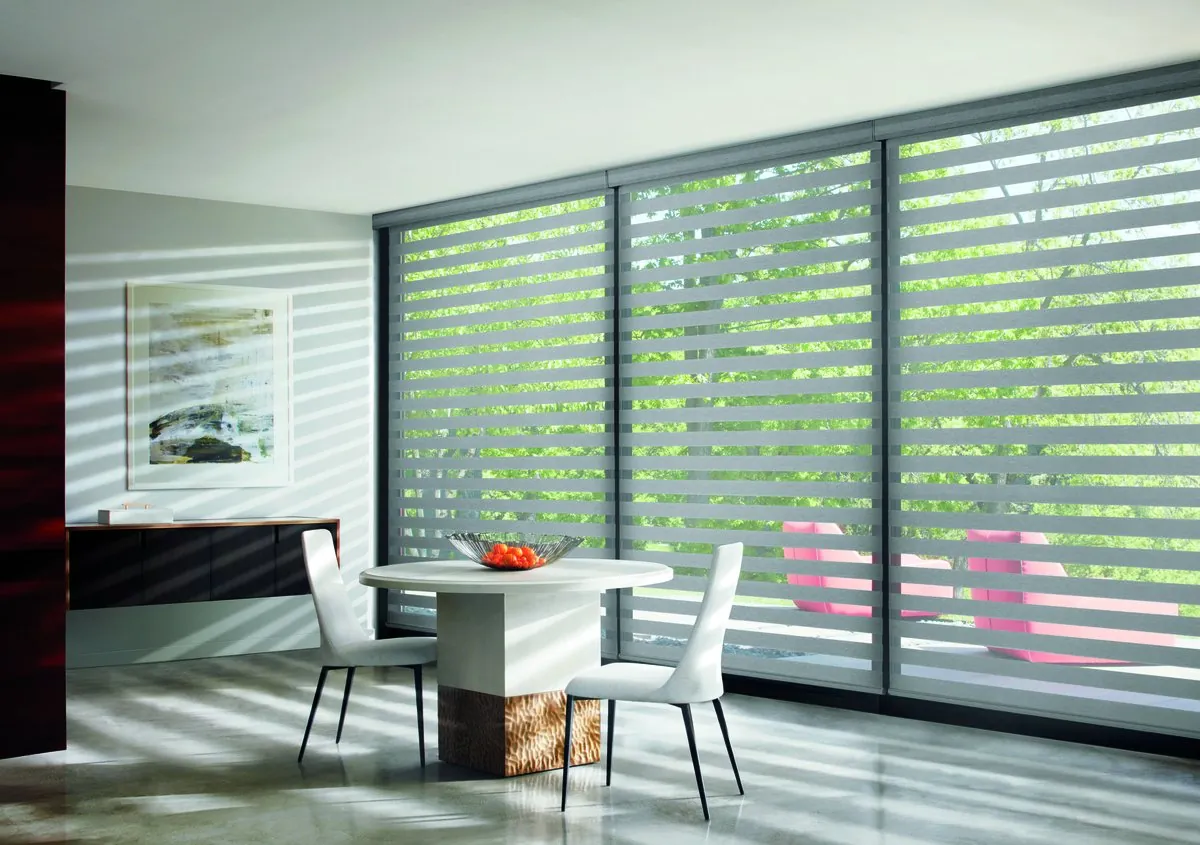
In a larger colonial or a house with many grouped windows, PowerView takes the daily chore out of shades. A single press can lower every shade in the family room against the afternoon sun, and a schedule can raise the bedroom shades each morning and close the front rooms at dusk.
Because PowerView spans many Hunter Douglas families, a honeycomb in a bedroom and a roller in the kitchen can sit in the same system. How each motor gets its power is something we work out together at the visit. There is more on the motorized blinds and shades page.
Every service we bring to town is listed on the Braintree page.
Questions from Braintree
My house sits well back from the road. Do I still need privacy fabrics?
Often less than on a close-set street. Many Braintree rooms can take lighter fabrics, sheers or screens, keeping more daylight and view, while bedrooms still get darker choices.
How should I cover three windows grouped together?
Usually as a set, with the same fabric and resting height so they read as one. One wide covering or separate shades per window both work, depending on the mullions.
What goes on a back slider?
Something that moves sideways, such as Luminette, a vertical honeycomb shade or vertical blinds. A solar screen fabric helps if the slider takes hard afternoon sun.
Can you plan both units of a two-family near the square?
Yes. We can fit both floors together or one at a time, with the front windows kept consistent.
Is there a charge for the estimate?
No. The estimate for products and certified installation is free.
Bring the samples to your Braintree house
A Highlands cape, a newer colonial or a two-family by the square: with a Hunter Douglas dealer in Braintree, each one starts with a consultation at home. Ask for one and we arrive with samples, measure what needs measuring and hand you a free estimate. Prefer to ask a question before booking? Tap the call button near the top of the page.