
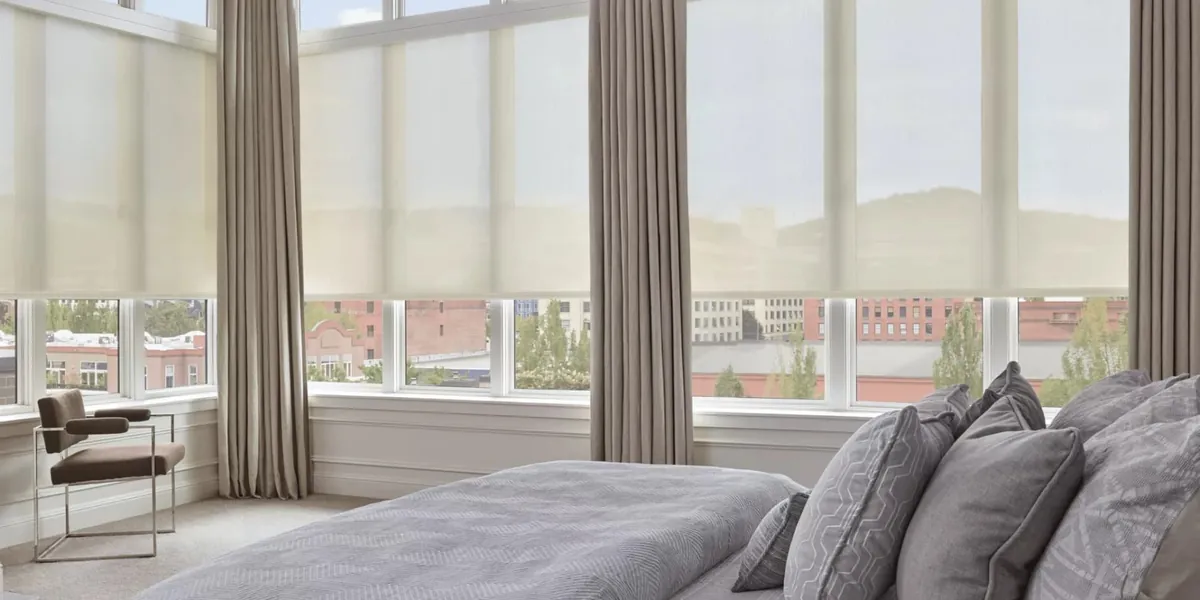
Brownstone sash and tower glass in one city
Boston asks two very different things of a window covering. Through the Back Bay, Beacon Hill and the South End, brownstones and row houses have tall, narrow sash set into deep masonry reveals, many of them on streets under historic district review. A few blocks away, new high-rise condominiums are glazed from floor to ceiling. Choosing roller shades in Boston, MA, means knowing which of those two homes you are planning for.
In a brownstone, the window is the frame of the room. The sash is slender and tall, the trim is often original, and the reveal is deep enough to hold a shade entirely inside it. The challenge is proportion: a covering that suits a narrow opening and does not crowd the woodwork.
In a tower, the window is the wall. Glass runs edge to edge and top to bottom, the view is the point of the apartment, and the sun has nowhere to be stopped except at the shade. The challenge there is glare and scale. A roller handles both homes well, which is why it is so often the covering that city homes end up with.
Roller lines for brick and for glass
Three choices cover most roller shades in Boston, MA: a refined architectural roller for the condominium window wall, a solar screen for the brightest glass, and motorization for the shades nobody wants to work by hand. Each card links to its own page.
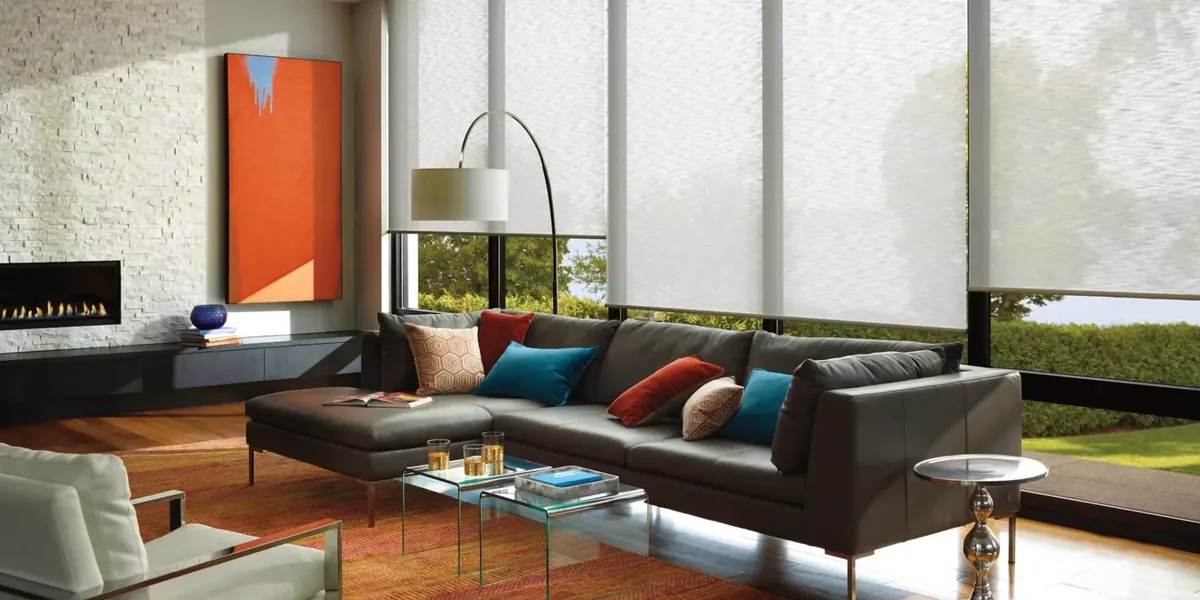
Alustra Architectural
Clean, tailored rollers suited to long runs of modern glass and to rooms where the finish matters.
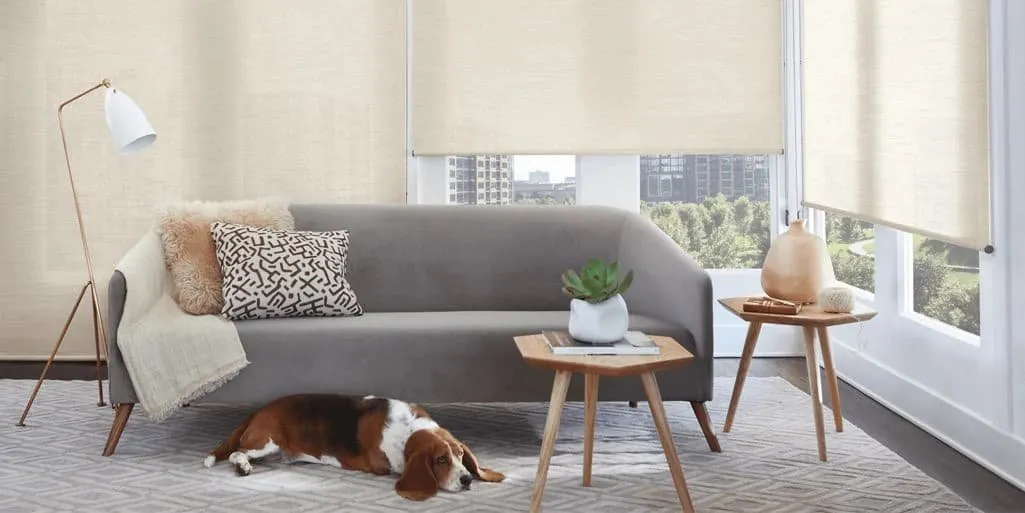
Designer Screen
Solar screen cloth that takes the hard edge off the sun while the skyline or the street stays in view.
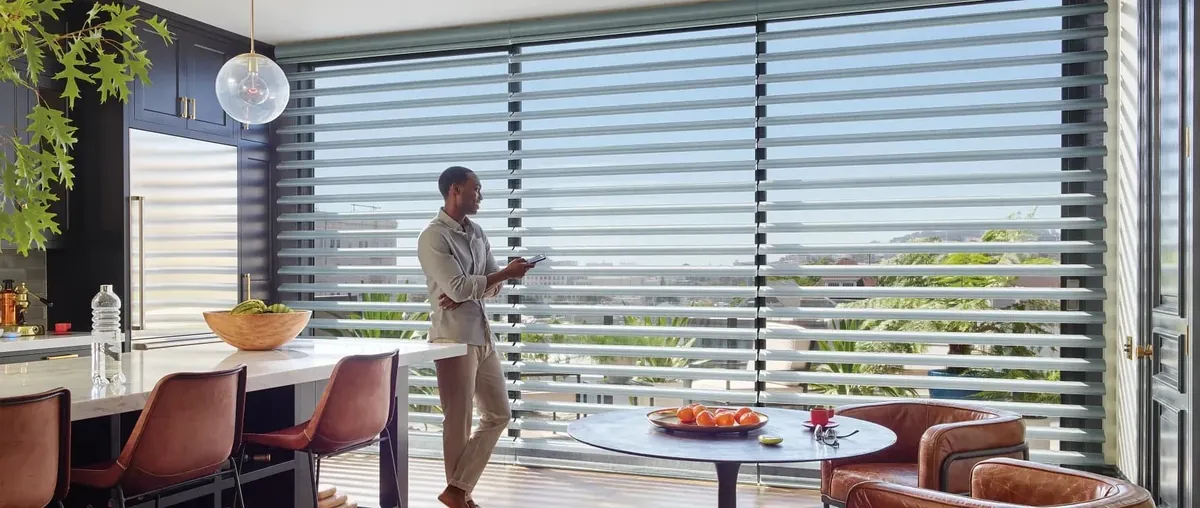
Motorized Blinds in Boston
PowerView control for a window wall, a tall parlor sash or a stair landing, from a remote, an app or a schedule.
Inside a deep reveal
The masonry walls of a Back Bay or South End row house are thick, and the windows sit well back from the face of the wall. That depth is a gift for a roller. Mounted inside the reveal, the shade sits within the opening, leaves the casing and trim untouched, and rolls up out of sight beneath the head of the window.
An inside mount keeps the room looking as it was built. Nothing projects into the room, nothing covers original woodwork, and the shade reads as part of the window rather than something added to it. In a room where the plaster and the moldings have survived, that restraint matters.
Old reveals are rarely square, though. Masonry settles, plaster is patched, and an opening can be a little wider at the top than the bottom. That is one reason we look at every window in person rather than working from a list of sizes, and why your shades go up with certified Hunter Douglas installation.
Where a reveal is too shallow or too uneven for a clean inside fit, an outside mount above the casing is the alternative. It changes the look, so it is worth seeing both options at the actual window before you decide.
Tall, narrow sash on the parlor floor
The parlor floor of a brownstone carries the tallest windows in the house. They are narrow for their height, often in pairs or threes across a bow front, and they bring a great deal of light into rooms that might otherwise be dark between party walls.
A roller on a sash like that needs to suit the proportions. Plain or finely textured cloth in a quiet tone usually looks best, because a large pattern on a long, slender panel can feel busy. A soft white, a stone or a warm gray sits well against painted trim and lets the shape of the window lead.
On a bow front, each sash normally gets its own shade, lowered to the same line so the curve reads as one composition from inside and from the street. Light filtering cloth keeps a parlor bright through the day and gives privacy from the sidewalk, which in a row house can be only a few steps away.
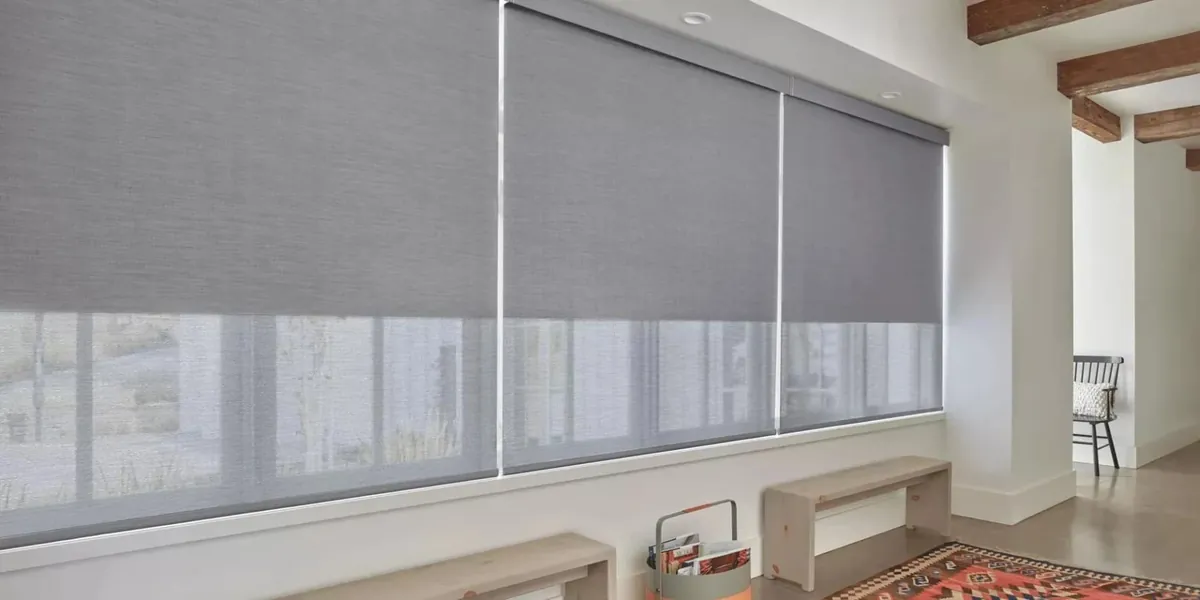
What the street sees in a historic district
Much of Beacon Hill, the Back Bay and the South End sits under historic district review, and the fronts of these buildings are looked at closely. Inside your home the choice of fabric is yours. From the sidewalk, though, every shade on the facade is part of the street.
That makes the outward face of a roller worth thinking about before you choose. A consistent tone across every front window keeps the facade calm and even. White, off-white and soft neutral backs tend to sit most quietly behind old glass and painted sash. If you live in a building with an association, or on a street with its own expectations, it is sensible to check what applies to the front windows before you settle on a color.
The rear windows, facing a back garden, an alley or the backs of the next street, are usually much freer. Many owners choose a matched, neutral tone for every window facing the street and something with more character for the rooms at the back.
Row houses and the light at the back
A row house is deep and narrow, with windows only at the front and the back. The middle of each floor depends on light borrowed from both ends, so a covering that blocks too much at either end makes the whole floor feel darker.
That is a strong argument for light filtering cloth on most of the windows in a row house. It softens the view in from the street or from the windows behind, while light still carries back into the stair hall and the rooms in the middle. Where a back room faces the windows of the next building across a narrow yard, a slightly denser cloth gives privacy without shutting the room in.
Kitchens at the rear and garden-level rooms are often the brightest spaces in the house in the afternoon. A solar screen there takes the glare off a counter or a table and keeps the garden in view. Upstairs, the bedrooms at the back are where room darkening and blackout fabric come into their own.
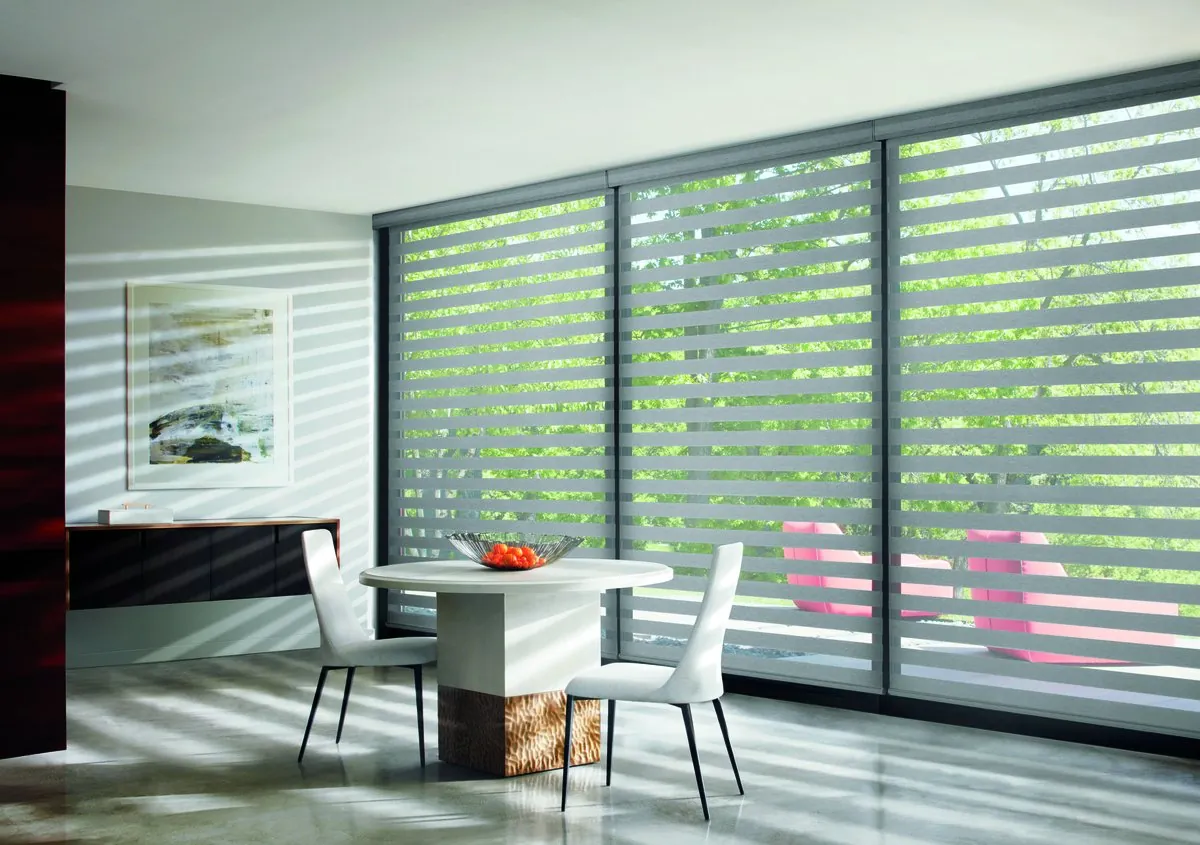
Floor-to-ceiling glass in the new towers
The other Boston home is the high-rise condominium, where the outside wall is glass from floor to ceiling. The view is the reason the apartment exists, and the sun, unshaded by trees or neighboring roofs, comes straight in.
Roller shades in Boston, MA, condominiums are the natural covering for this kind of glass. They follow the clean lines of a modern window wall, and when raised they leave the glass completely clear. A long wall is normally divided into a row of matched shades, one per section of glass, so you can lower the sunniest panels and keep the others open.
Scale changes the decisions. On a tall, wide panel, small differences in fabric color and weave show far more than on a sash window. Seeing a large sample against the actual glass, at the time of day the room gets its strongest light, is the surest way to choose. We bring samples to the apartment for exactly that reason.
Glare and view from a high floor
On an upper floor, solar screen cloth does the heavy lifting. A screen is woven with small openings, and how open that weave is decides the balance between what you see and how much glare you stop.
An open weave keeps the skyline sharp and the room bright, and suits a living room where you want the city in full view. A tighter weave takes more brightness off the floor and furniture and gives more daytime privacy from nearby towers, with a slightly softer view. A darker screen is easier to see through, because the cloth drops away against a bright sky. A lighter screen brightens the room and matches white walls, with the view a little more veiled.
Many apartments use a darker, moderately open screen on the main window wall and a lighter, tighter one in a study where a desk faces the glass. Remember that a screen does not hide a lit room at night. In a tower facing other towers, evening privacy comes from a second layer or a denser cloth on the windows that need it.

Light filtering to blackout across a city home
Designer and Alustra rollers range from light filtering through room darkening to blackout, and most Boston homes, old or new, use more than one. Here is how the rooms usually fall:
- Parlors and living rooms: light filtering cloth or a screen, to keep the room bright and the view open.
- Kitchens and dining rooms: a screen where the afternoon sun lands on a counter or a table, light filtering elsewhere.
- Studies and home offices: a tight screen or a light filtering fabric, to take glare off a monitor.
- Bedrooms: room darkening or blackout, especially facing a street lit through the night.
- Stair halls and landings: soft light filtering, so light keeps moving through the house.
Planning roller shades in Boston, MA, room by room like this means each space works the way it is actually used, rather than every window getting the same cloth.
City bedrooms and light at night
A city never really goes dark. Streetlights, neighboring windows and the glow of the skyline all find their way into a bedroom long after sunset, and early summer mornings bring their own light on top.
In a brownstone bedroom, a blackout roller inside the deep reveal fits closely to the opening and blocks most of that light. On a tall sash, many owners add drapery across the window as well, for a finished look and a little more darkness at the edges.
In a condominium bedroom with floor-to-ceiling glass, blackout cloth on the main panels handles the city glow, and a screen can sit on a second roller for daytime use, so the room is bright and private by day and dark at night. Guest rooms used only now and then can take a room darkening cloth instead, which keeps them from feeling closed up when empty.
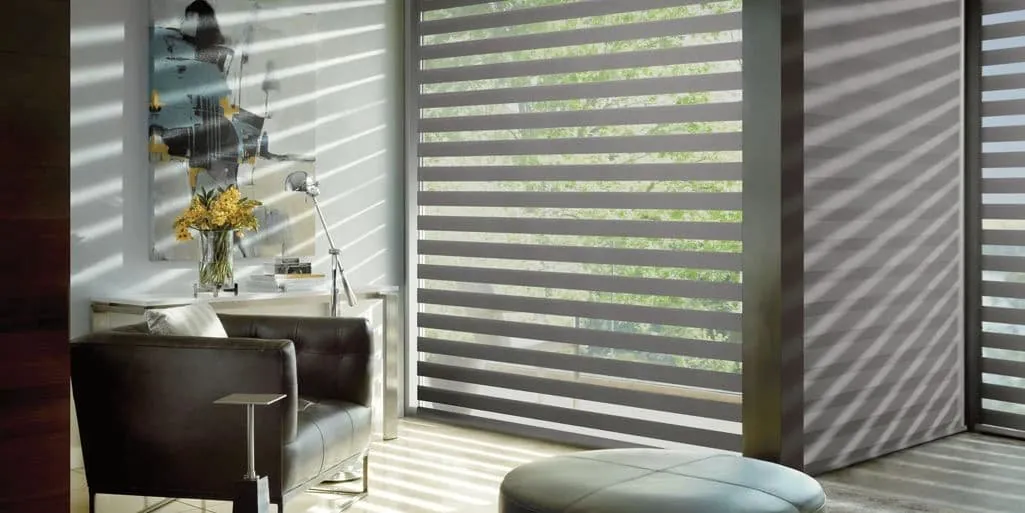
PowerView for a window wall or a tall sash
Hunter Douglas PowerView motorization suits both kinds of Boston home for different reasons. In a condominium, a long window wall may hold many shades, and raising and lowering them one by one is tedious. In a brownstone, the tallest parlor sash and the stair landing windows can be awkward to reach.
With PowerView, rollers answer to a remote or an app, and they can follow a schedule. Screens on a sunny window wall can lower together in the afternoon and rise in the evening. Bedroom blackout shades can open at the hour you choose. A whole room can move as one scene with a single tap.
We plan motorization at the visit, window by window, and we plan how each motor is powered with you then. The guide to how motorized shades are controlled explains remotes, apps and schedules in plain language.
Designer and Alustra, brick and glass
Hunter Douglas makes two families of roller. Designer is the broader one, with plain, textured and patterned cloth, screens and banded fabrics, light filtering through blackout. It handles most rooms in either kind of home, from a garden-level kitchen to a bedroom high up in a tower.
Alustra is the more refined collection, and it fits Boston’s two extremes in two ways. Alustra Woven Textures brings a natural, woven surface that suits plaster, moldings and old wood in a brownstone parlor. Alustra Architectural suits the cleaner, larger planes of a condominium window wall.
Many homes use both: Alustra in the rooms where guests are received, Designer in the bedrooms, kitchen and back rooms. Our roller shades overview describes every line, and the guide to the best shades for sun and glare is useful for the brightest rooms.
Choosing at home, wherever home is
Boston is part of our shop-at-home territory, so we come to the house, the row house or the apartment. A consultant brings a van of samples, and you choose each fabric against your own walls, trim and light. Our Canton shop-at-home page explains how the territory is run.
- Request a consultation or use the call button, and mention whether you live in a brownstone, a row house or a condominium.
- We look at each window with you: the depth of the reveal, the height of the sash or the size of the glass, and the way the room faces.
- We compare screen weaves, fabrics and colors at the window, including the face that shows to the street.
- You receive a free estimate and decide in your own time.
- Your shades go up with certified Hunter Douglas installation.
If you would like help with the room as a whole, ask about our interior design consultations. If you would also like to see shades in a showroom, the nearest is our Franklin showroom.
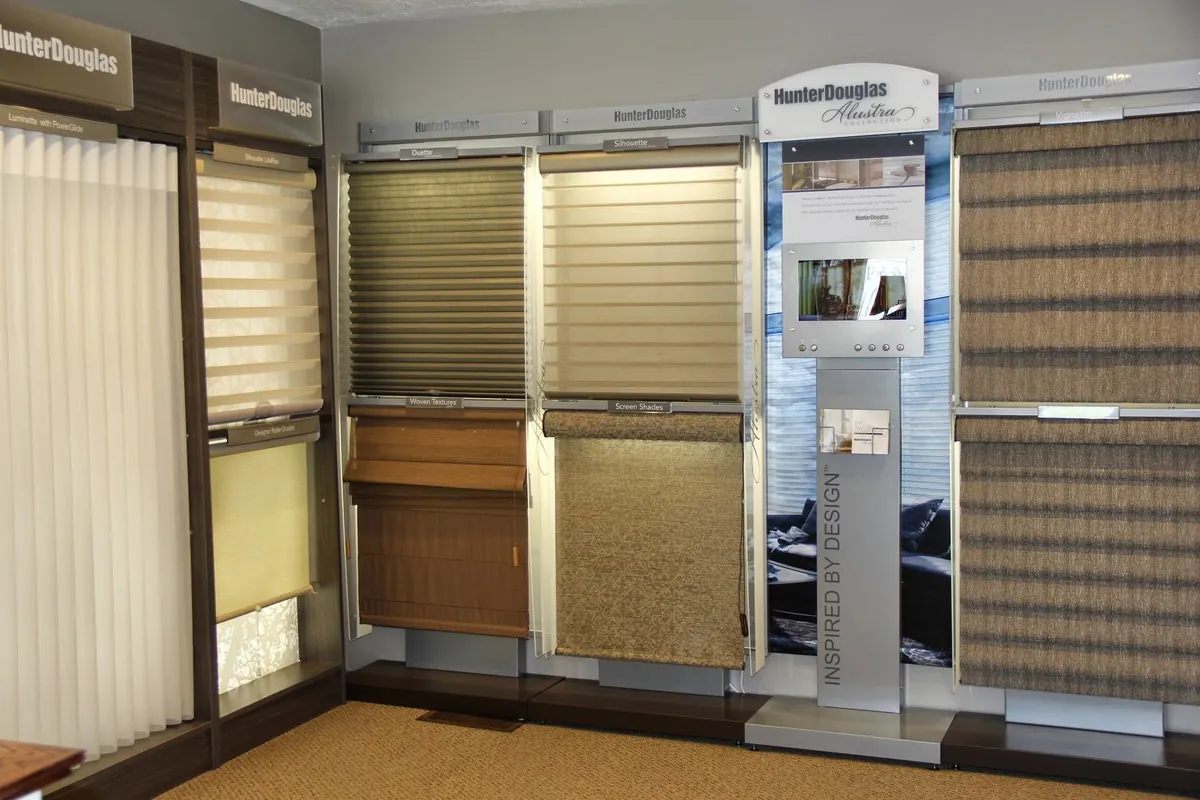
The full Hunter Douglas range, through one dealer
Blinds & Designs is a Hunter Douglas Gallery dealer. Whether your windows are slender sash in old brick or a wall of tower glass, every Designer and Alustra roller is open to you, with solar screens, banded fabrics and PowerView motorization alongside the rest of the Hunter Douglas range.
The company that helps you choose is the company that fits your shades, with certified Hunter Douglas installation. Shades already in the house that need attention are welcome too, through our blind and shade repair service.
To compare other coverings for the same rooms, see cellular shades in Boston or Roman shades in Boston, read about us as your Hunter Douglas dealer in Boston, or find everything we offer in the city on our Boston page.
Questions from Boston
Will a roller fit inside the deep reveal of our brownstone window?
Usually, yes. A deep masonry reveal suits an inside mount, with the shade sitting within the opening and the trim left clear. Old reveals are not always square, so we look at each one in person.
Our building is in a historic district. Does that affect the shades?
It can affect what shows from the street. A consistent, neutral tone on every front window keeps the facade even, and it is worth checking what your district or association expects before you choose.
How do you shade a floor-to-ceiling window wall?
Usually with a row of matched rollers, one for each section of glass, so you can lower the sunniest panels and keep the others open. A solar screen keeps the view while cutting glare.
Will a solar screen give us privacy from the next tower at night?
Not on its own. A screen hides the room by day, but once the lights are on inside it can be seen through. A second layer or a denser cloth handles privacy after dark.
Is the estimate free?
Yes. Estimates are free, with no obligation.
Pick the hardest window first
Every Boston home has one window that is hardest to get right: the tallest parlor sash, the bow front on the street, or the sunniest panel of a tower window wall. Start there. Request a consultation and we will bring the full range of roller shades in Boston, MA, to that window, compare screens and fabrics in your own light, think through what the street sees, and leave a free estimate for every room. The call button at the top of the page reaches us as well.