
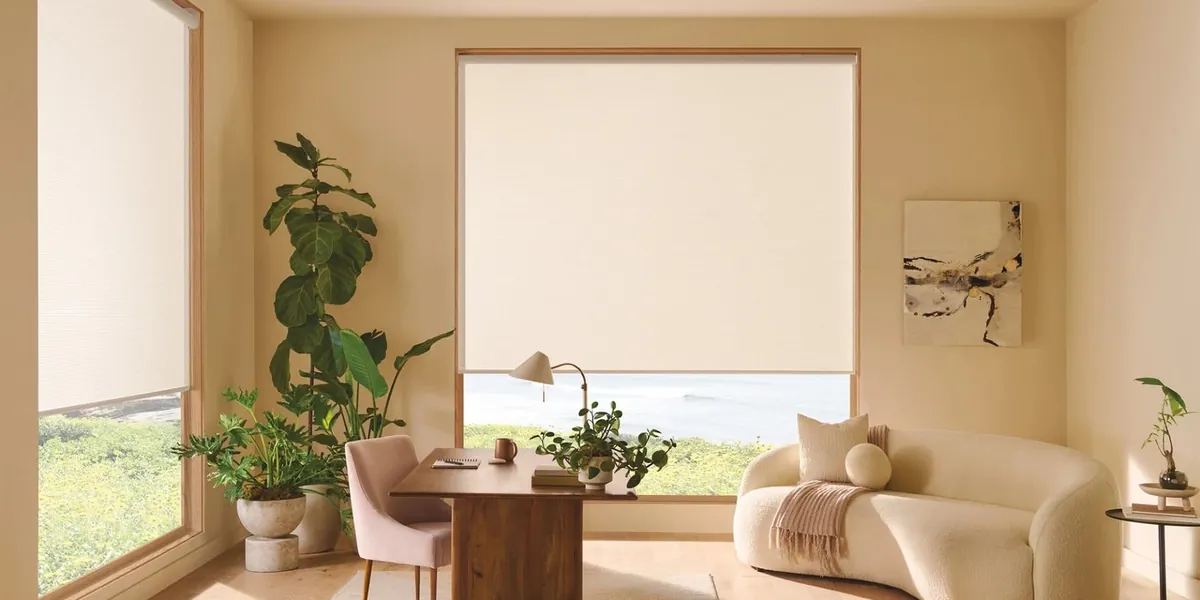
Rooms that were built around the harbor
Along the harbor and out toward Minot and Peggotty Beach, Scituate’s shingled houses turn their best rooms to the water. A living room is arranged so the harbor fills the windows; a kitchen is placed where the boats can be seen from the sink; a bedroom upstairs looks straight out to sea. This is also one of the most exposed stretches of the South Shore, where wind, salt and storms arrive with nothing in the way. Window treatments in Scituate, MA, on the water have one rule above all others: protect the view, and work hard only when the light or the weather demands it.
Inland, newer colonials stand on quieter streets with standard modern windows, and the questions there are the usual ones of privacy, darkness and how each room is used.
So a Scituate plan begins by asking how much of the house faces the water, and how hard that side gets hit.
Our services in Scituate
Follow any card to the Scituate page for that service. These are the window treatments in Scituate, MA, we supply and install, from one harbor-facing room to every window in a colonial.
Custom blinds
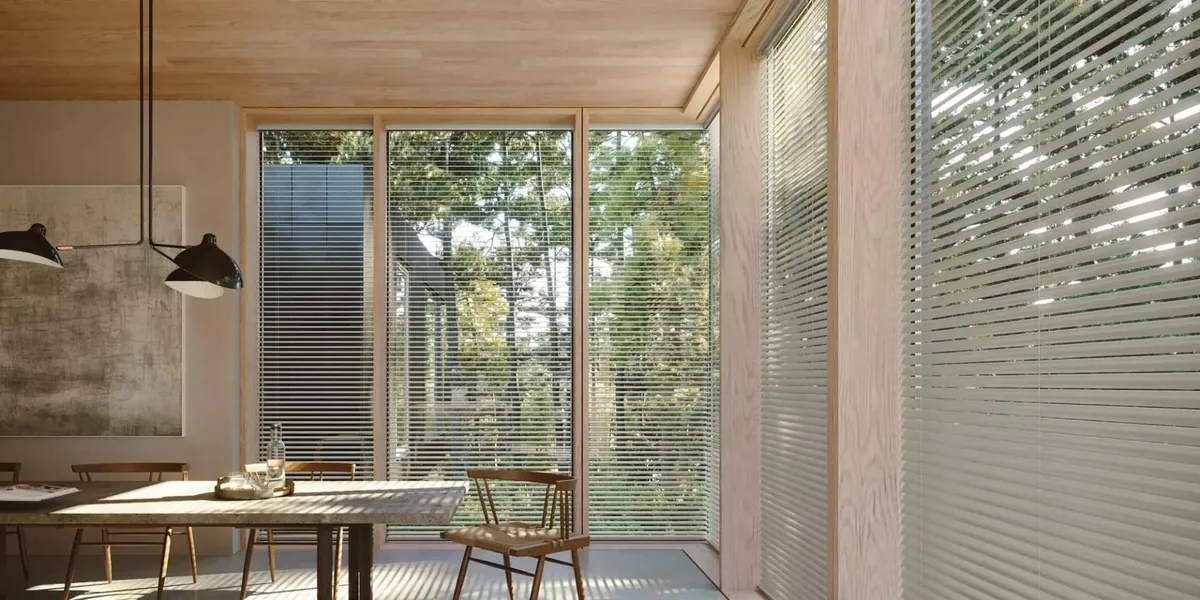
Metal, faux wood, real wood and vertical blinds. Slim slats tilted open barely interrupt a harbor view.
Cellular shades
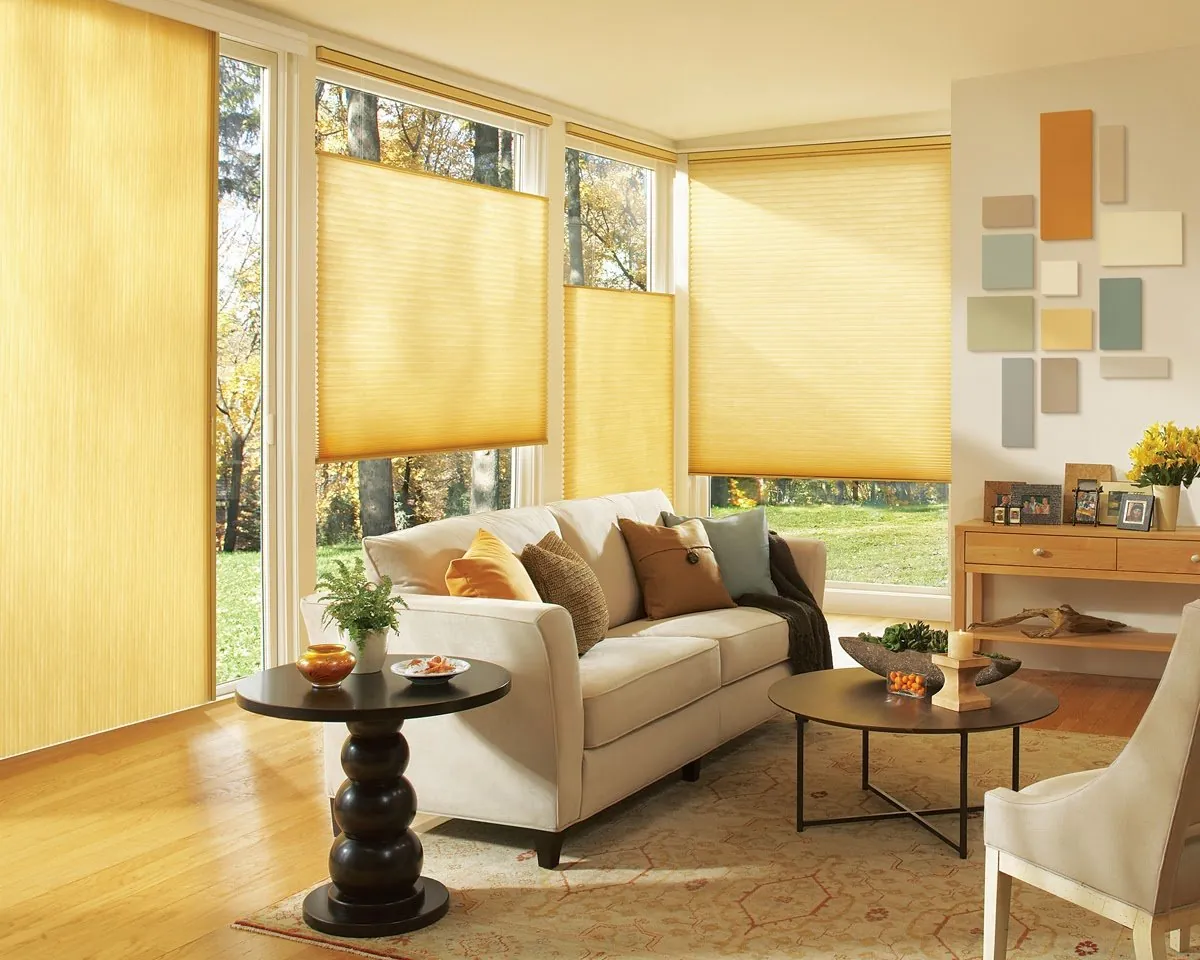
Duette and Applause honeycombs that close against a winter storm and open from the top for the sky on a calm day.
Roller shades
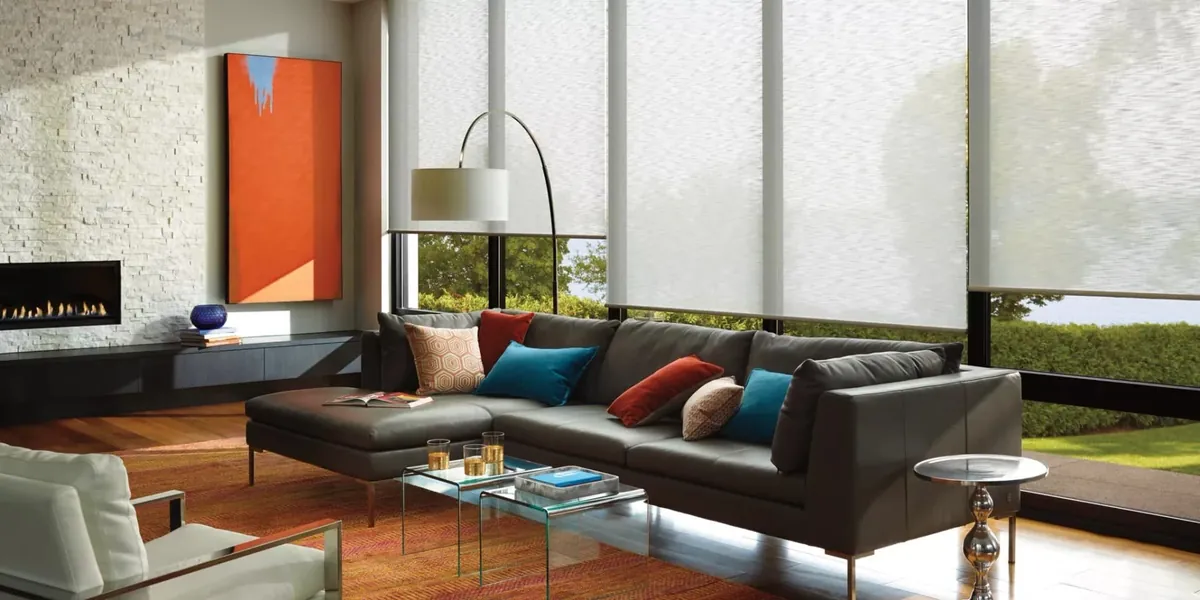
Solar screens and Designer rollers that take the glare off open water and roll away to nothing.
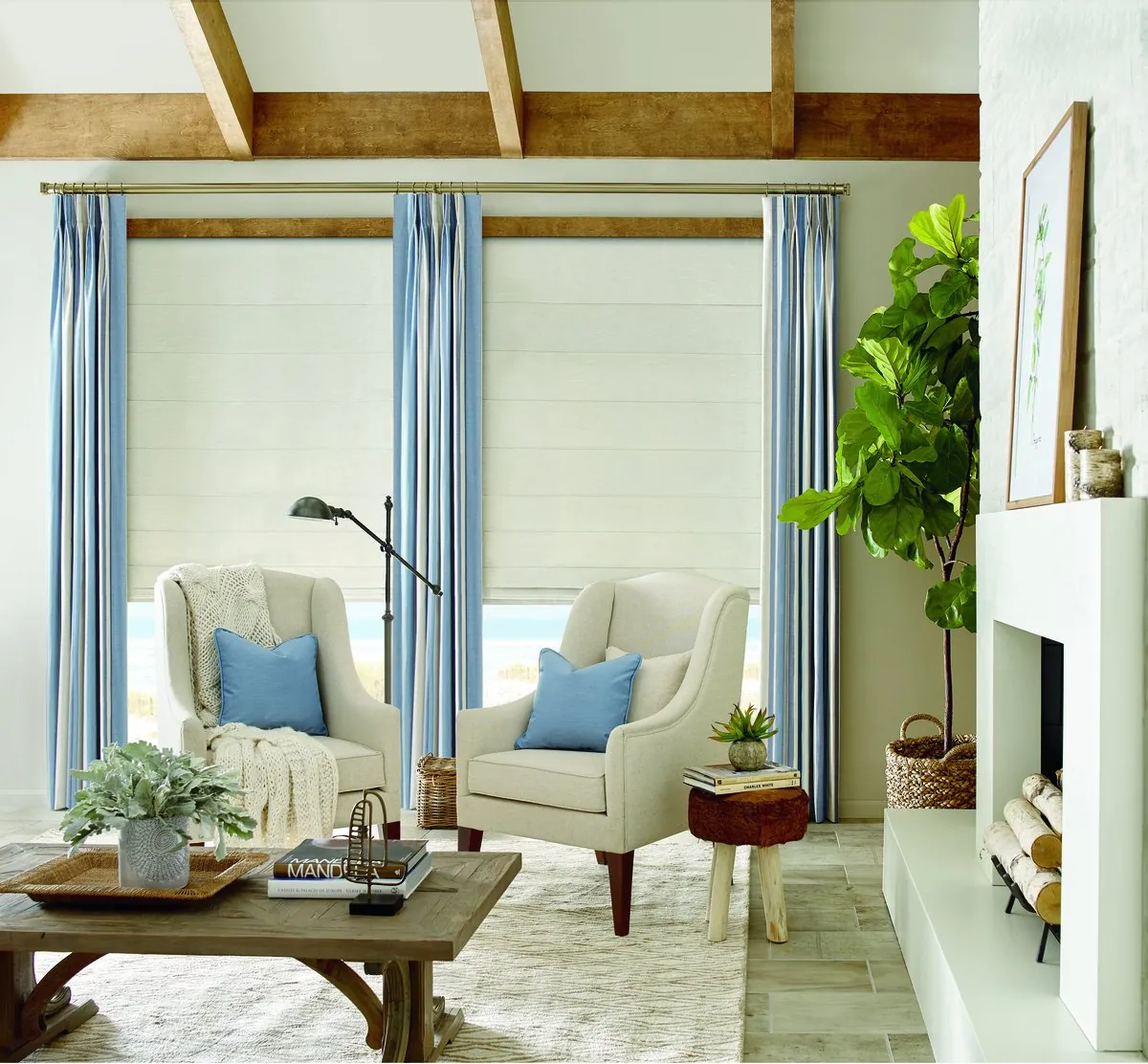
Roman shades
Vignette and Carole Fabrics romans for the softer rooms of a shingled house, folded up clear of the glass.
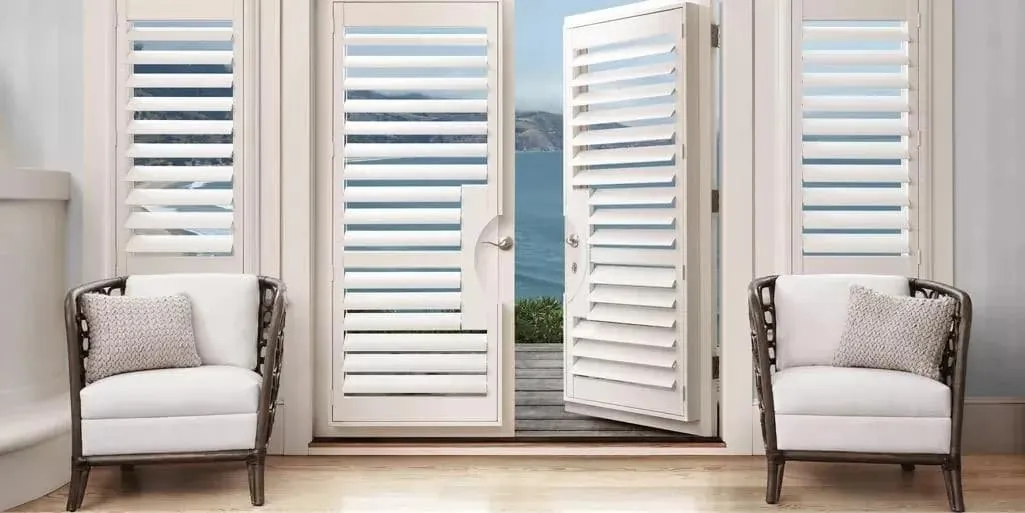
Plantation shutters
Palm Beach, NewStyle and Heritance shutters, with composite panels for the salt air and wide louvers for the view.
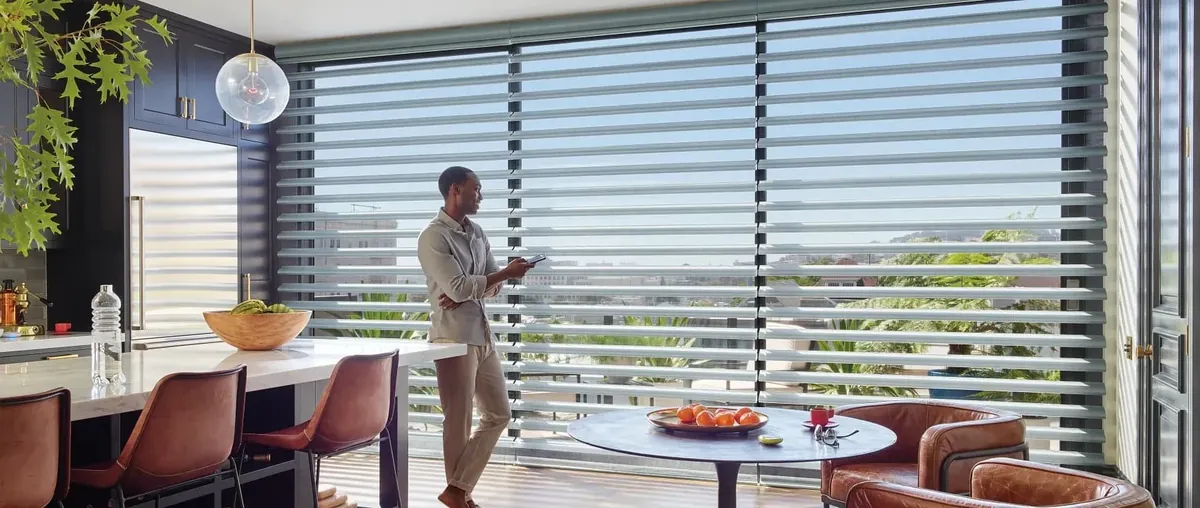
Motorized blinds and shades
PowerView, so a whole wall of water-facing shades can move together on a schedule or from your phone.

Hunter Douglas dealer
Gallery dealer access to Hunter Douglas, every order fitted by certified Hunter Douglas installers.
Frame the view, do not fill it
In a harbor room, the window covering should disappear when it is not needed. That sounds simple, but it shapes almost every choice we make on the water.
- Small stack. A raised shade gathers at the top of the window. On a view window, every inch of stack hides sky or water. Rollers vanish into a slim cassette; honeycombs fold into a narrow band; romans fold taller, so we size them with care.
- Mount above the glass. Where the wall allows, mounting the shade above the frame lets it lift fully clear of the glass, so the view is complete when it is up.
- See-through options. Solar screens and sheer shades let you keep looking out while they work, so the view never fully goes away.
- Side stacking on doors. French doors and sliders to a deck want a treatment that moves sideways or sits on the door itself, so the doorway stays clear.
Getting these details right is the difference between a harbor room that feels open and one that feels hemmed in.
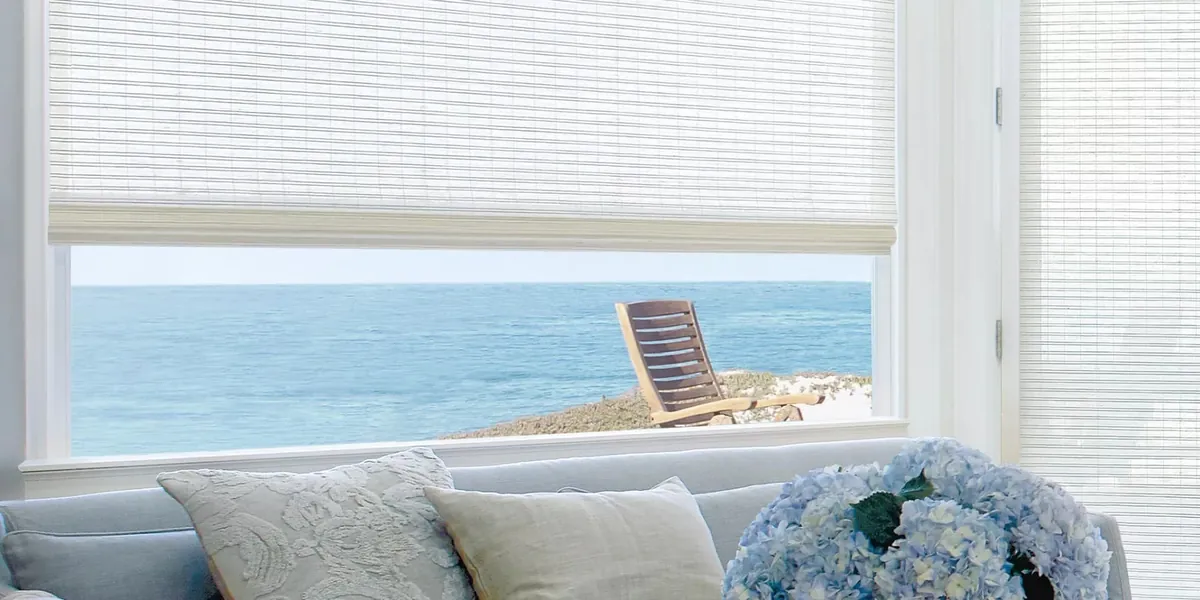
Shingled houses along the harbor
The shingled houses near the harbor come in many ages and shapes. Some are older, with small-paned windows, dormers in the roof and a bay looking toward the water. Others have been remodelled with large modern windows across the water side and the original small openings left on the street side.
That split is common: a street side with modest windows and a water side with as much glass as the walls allow. The street side usually needs privacy and a tidy face to passers-by, so matching shades with a single outward color on every front window work well. The water side needs view-first treatments like screens, sheers and top-down honeycombs. A house can carry both without looking mismatched if the headrail color and fabric family stay consistent.
Dormer bedrooms under the roof are small and often set deep. A slim honeycomb or a compact roller fits neatly inside, and a room-darkening fabric holds back the early light coming off the water.
Morning light over the harbor
On this coast the water lies to the east, so harbor and ocean rooms get the sunrise first. For the first part of the day that light comes in low, reflects off the water and reaches deep into a room, onto a breakfast table or straight into a bedroom.
In a kitchen or living room, a solar screen dropped for an hour or two takes the glare away and keeps the boats in view. A top-down, bottom-up honeycomb lowered from the top shades the brightest part while the water stays visible below. In a bedroom, a room-darkening honeycomb or blackout roller keeps the sunrise out until you want it, and a PowerView schedule can open it gently at a set hour. Our best shades for sun and glare guide covers this in more depth.

Out at Minot and Peggotty Beach
Toward Minot and Peggotty Beach, houses face the open ocean with nothing between them and the weather. Salt carries on the wind, sea air keeps everything damp, and the winter storms that come up the coast hit these streets as hard as anywhere on the South Shore.
Inside those houses, window coverings face more moisture and more sun than they would inland. We lean toward materials that handle damp: composite shutters and faux wood blinds hold their shape, and many fabric shades do well where the house is heated and aired. Strong sun off the ocean fades fabric, so a fabric made for sunny rooms keeps its color longer. See choosing fabric for a sunny room.
On a stormy night, a closed honeycomb or a lined roman adds a sense of shelter and helps a room hold its warmth while the wind works at the glass. On a bright summer afternoon, the same windows want a screen that cuts glare and leaves the beach in view.
A visit to your house
We hold the consultation at your house. Our vans carry samples, so we bring the showroom to you, and on the water that matters: a screen sample looks entirely different held against a harbor view than it does in a catalog.
- Arrange the visit with Request a Consultation, or through the call button.
- We bring screen weaves, sheers, honeycomb fabrics, shutter louvers and blind slats.
- In water-facing rooms we compare samples at the glass so you can judge how much of the view each one keeps.
- We check where shades can mount above the frame for a full, clear view when raised.
- Every opening is measured, including depth and anything in the way.
- A free estimate follows, and you decide when you are ready.
More detail is on what happens at an in-home consultation.
Newer colonials inland
Away from the harbor and the beaches, Scituate’s newer colonials sit on quieter streets with standard double-hung windows, a family room opening to a deck, bedrooms upstairs and often a room over the garage. These houses are easy to fit, and the plan is built room by room.
A single outward color on the front windows keeps a colonial orderly from the street. Inside, bedrooms usually want room-darkening honeycombs or blackout rollers, the family room a light-filtering fabric that softens the afternoon, and the slider gliding panels or a vertical honeycomb. Kitchens and baths take faux wood or composite shutters, which cope with steam and damp.
PowerView on the water side
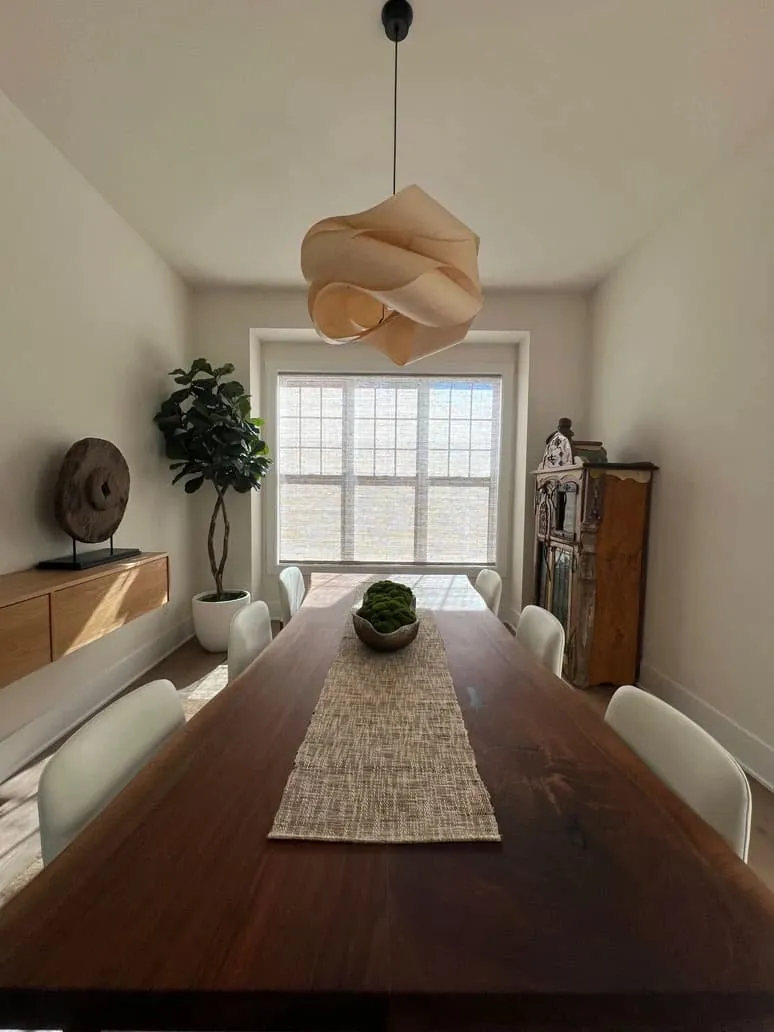
A harbor room with a long run of windows is one of the best places for motorization. With PowerView, every shade on the water side can move together: down for an hour against the morning glare, up for the rest of the day, closed at dusk when the lights come on. A remote handles a room; the app works from anywhere; schedules run the house without you.
That helps when you are away too. Shades that keep moving through the day make a house look lived in and protect the water-facing rooms from the fading power of the sun. We plan each motor’s position and how it is powered during the visit. Motorized shades have no cords, which also suits a child’s room. Read more on how motorized shades are controlled.
After dark on the harbor
A harbor room that is all view by day becomes a lit box after sunset, seen from the water and the harbor edge. Many harbor houses therefore pair a see-through shade for daytime with something that closes fully at night.
A dual shade, or a sheer shade whose vanes close completely, does both in one product. A screen roller by day with lined drapery panels drawn at night is another approach, and it adds softness to a room full of glass. Window treatments in Scituate, MA, for a harbor room nearly always need that night-time answer as well as the daytime one.
Shutters in a shingled house
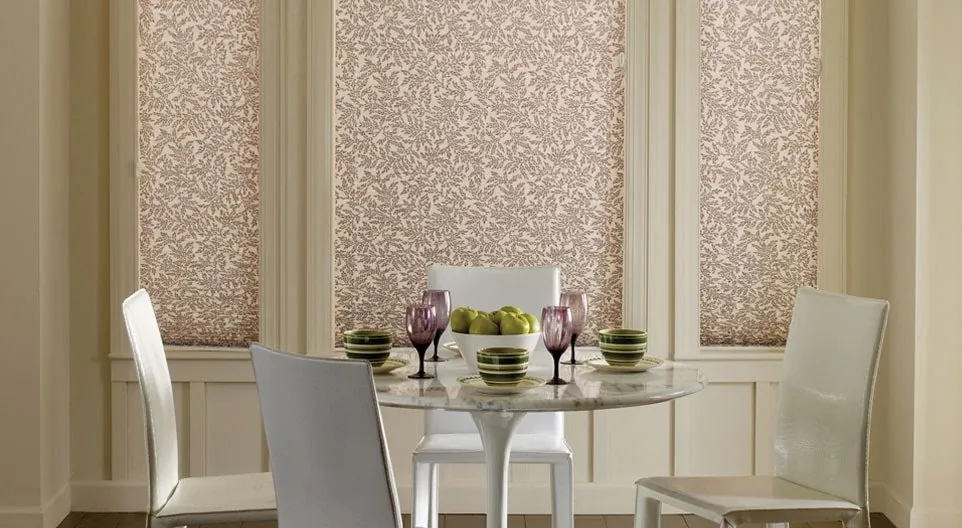
Shutters suit a shingled house well and handle the coast better than most products. Composite panels hold their shape in salt air and damp. On the water side, a wide louver opened flat gives the clearest view between the slats, and the panels swing fully back from the glass when you want nothing in the way. On French doors to a deck, shutters mounted on the doors let you open them without moving anything.
On the street side, a smaller louver suits small-paned older windows, and cafe shutters across the lower sash give privacy at eye level.
Layering in the living room
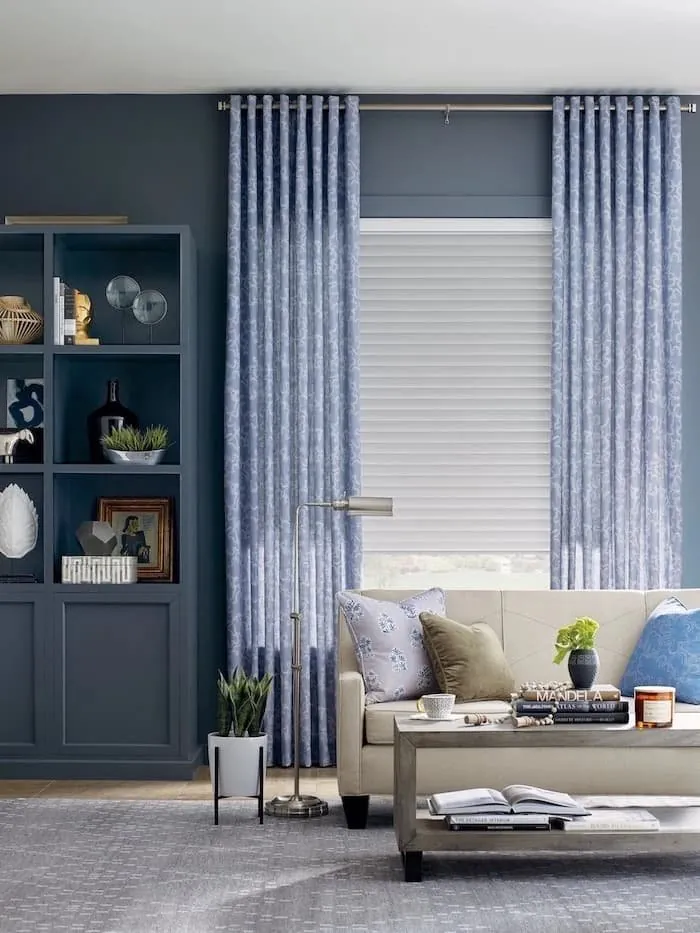
Many shingled houses have a living room with a fireplace, wood floors and a wall of windows to the water. Drapery panels hung beside a working shade soften that room, add color and give a little warmth on a cold night. Hung wide, the panels clear the glass when open, so the view is untouched by day.
Kitchens, baths and the back door
Coastal kitchens deal with steam, salt and sun off the water at once. Faux wood blinds wipe clean; a screen roller over the sink cuts the glare from the harbor. Bathrooms take composite shutters or faux wood, which handle damp, or a top-down, bottom-up shade that keeps the lower glass covered. A back door that leads to the beach or the deck sees sand and wet coats; a simple roller or faux wood blind there is easy to look after. In an outdoor shower room or a mudroom by the beach path, composite shutters or a metal blind cope with the wet better than fabric, and they rinse off easily when sand gets into them.
Porches and glassed-in rooms
Many shingled houses near the water have a porch, and over the years plenty have been glassed in to make a room that can be used from spring into autumn. These rooms are nearly all window, and on a sunny afternoon they heat up quickly while the sea glitters straight into them.
Solar screens on every pane are the usual answer: they knock down the heat and glare and leave the harbor or beach in view. A light-filtering honeycomb gives a little more insulation for the shoulder seasons, when a glassed porch cools fast after sunset. Because a porch room usually has many windows of the same size, it is also a natural place for a motorized group that moves all the shades at once.
Wind at the windows
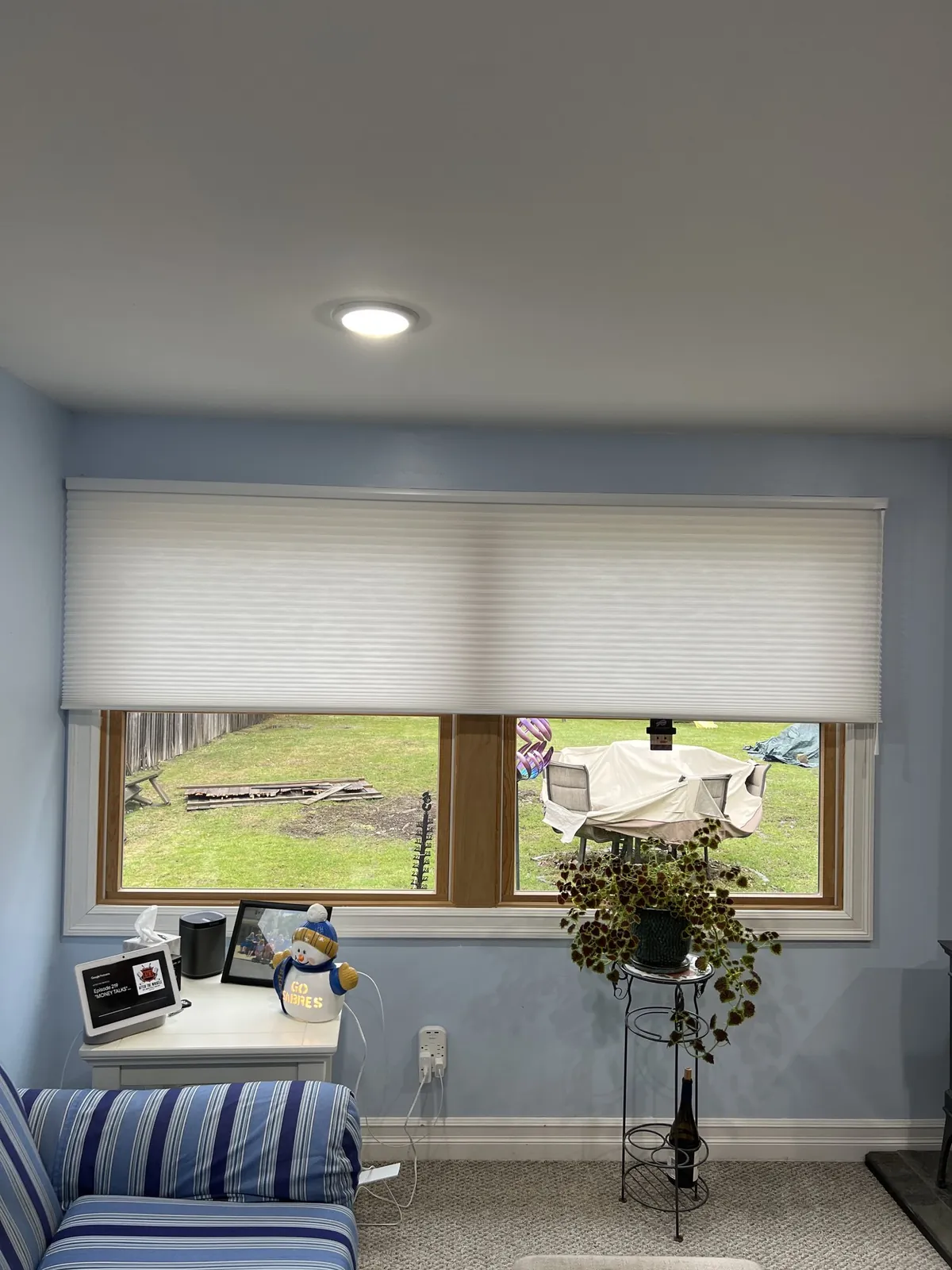
On the most exposed streets, a strong easterly finds every gap in an older window. Shades are not a substitute for good sash and storm windows, but they make a real difference to how a room feels on a wild night. A honeycomb fitted closely inside the frame holds a pocket of still air against the glass, and a lined roman or drapery panel adds another layer. In older shingled houses with small-paned sash, we measure each frame at several points so the shade fits snugly despite any settling, which keeps the edges tighter.
High glass in the newer houses
Inland, some of the newer colonials and remodelled houses have a two-story foyer, a window high above the stairs or a great room with a row of transoms. Those are the windows most often left bare, simply because nobody can reach them. PowerView takes care of it, so the high shades follow the same schedule as the rest of the house. An arched or angled top can follow the shape of the frame or be left open while the glass below is covered. Thinking about these hard-to-reach openings early is part of planning window treatments in Scituate, MA, for a newer house, because the motors are easiest to plan from the start.
Planning one house
Treating window treatments in Scituate, MA, as one plan keeps a house with two very different sides looking consistent. The same headrail color throughout, one outward color on the street side and a single fabric family on the water side tie it together. Every PowerView shade can share one app and one set of schedules. Browse the full range on our window treatments page.

A Gallery dealer on the South Shore
For a house that faces the open water on one side and a quiet street on the other, range matters. As a Hunter Douglas Gallery dealer, Blinds & Designs can bring every Hunter Douglas product to the table, from solar screens and sheers for the harbor side to composite shutters and honeycombs for the rest of the house.
Fitting is done by certified Hunter Douglas installers, which counts when a shade has to mount above the glass to clear a view. We also offer interior design consultations, repairs to the coverings you already own and estimates that never cost a thing. The brand has its own Hunter Douglas page.
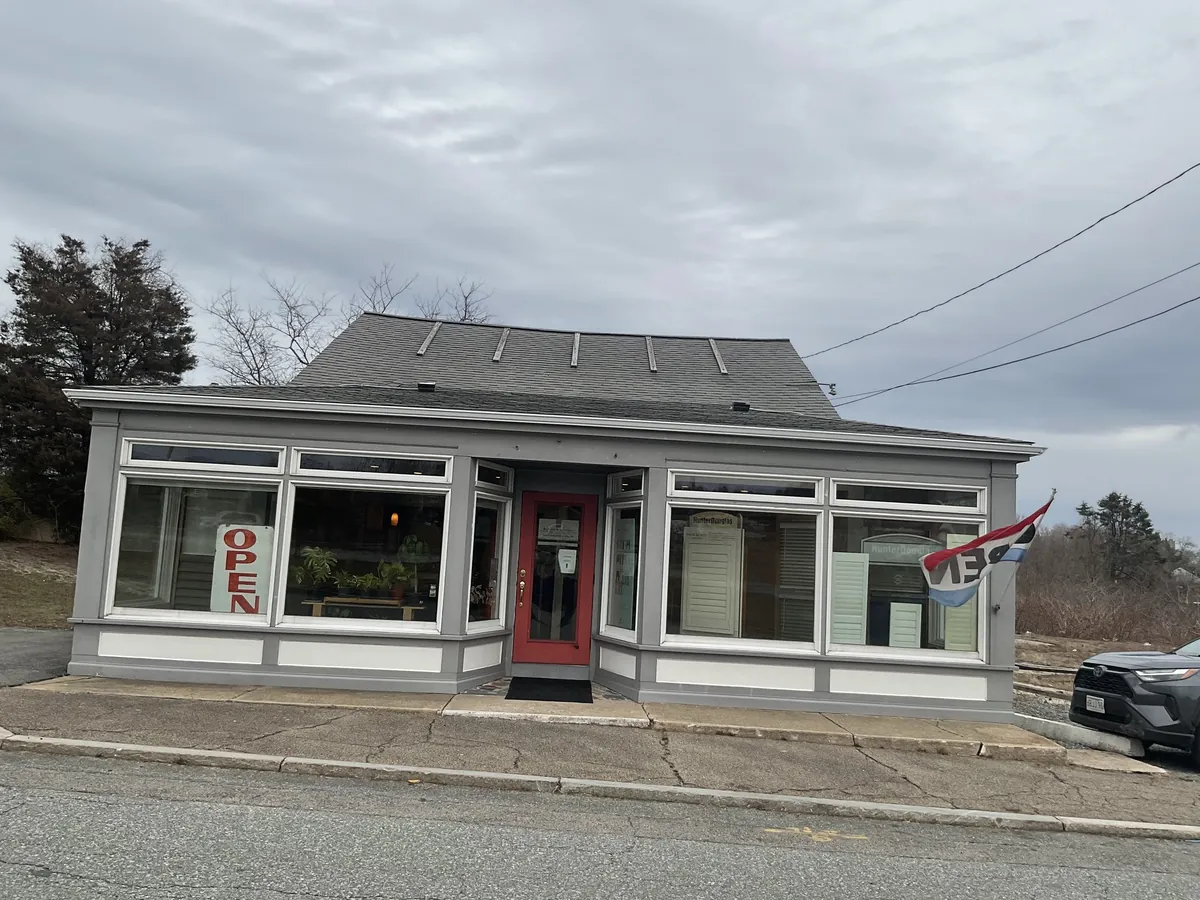
The showroom nearest Scituate
Sagamore is the closest of our showrooms to Scituate. Most harbor choices are still best made at home, with the samples held up to your own view.
Questions from Scituate
How do we keep our harbor view and still control the glare?
Solar screens and sheer shades cut glare while you look through them. Top-down, bottom-up honeycombs shade the bright sky and leave the water visible. Mounting shades above the frame lets them clear the glass fully when raised.
What stands up to the salt air near Minot and Peggotty Beach?
Composite shutters and faux wood blinds hold their shape in damp air. Many fabric shades do well in a heated, aired house, and a fabric meant for sunny rooms keeps its color longer.
What about privacy in a harbor room at night?
A sheer shade whose vanes close fully, or a screen by day with drapery drawn at night, gives you the view in daylight and privacy after dark.
Can every shade on the water side move together?
Yes. With PowerView, all the shades on one wall can be grouped and moved by remote, app or schedule.
What does the estimate cost?
Nothing at all. After measuring, we leave a free estimate for the windows you asked about.
Start with a consultation
The quickest way to find out what will work against your view is to see the samples at your own windows. Request a consultation and we will bring them, measure every opening and leave a free estimate. The call button handles quick questions, and our nearest showroom is in Sagamore.