
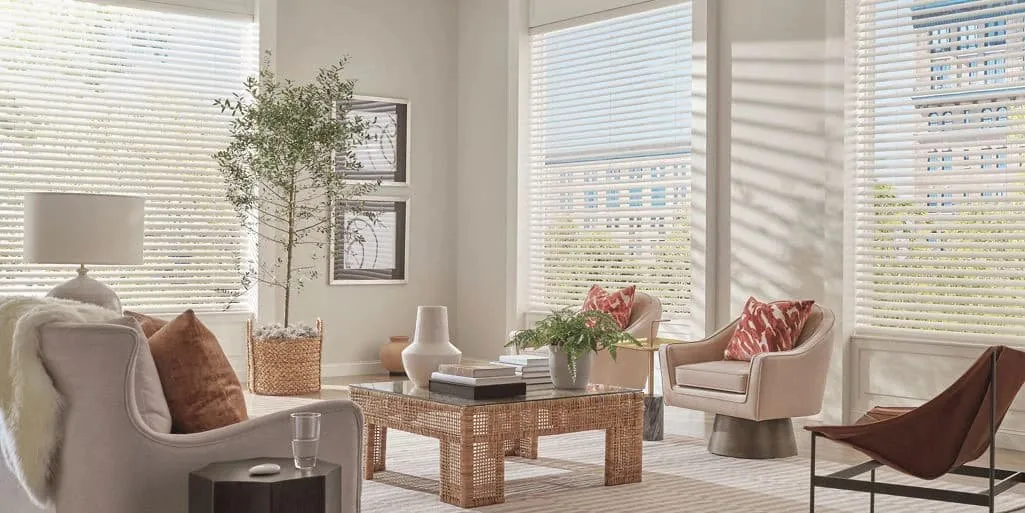
Close neighbors and tall, narrow sash
Through the center, the houses stand close together: Victorians and two-families from the granite era, set near the sidewalk and near each other, with tall, narrow double-hung windows running up their fronts and sides. In many rooms the nearest neighbor’s window is only a driveway away. That makes privacy at street level the first concern for window treatments in Milford, MA, at least in the older part of town.
Further out the housing changes. Post-war ranches and newer colonials sit on bigger lots with standard modern openings, and the questions become more about sun, warmth and how the rooms are used. Many projects in town involve one or the other; a few involve a mix, where a family has moved from the center to the edge and wants a fresh plan.
What the center houses need most is a way to keep daylight while stopping the view in. That balance is where most of our time goes.
Our Milford service pages
Pick a card to open the Milford page for that service. Each one explains how it suits the houses here.
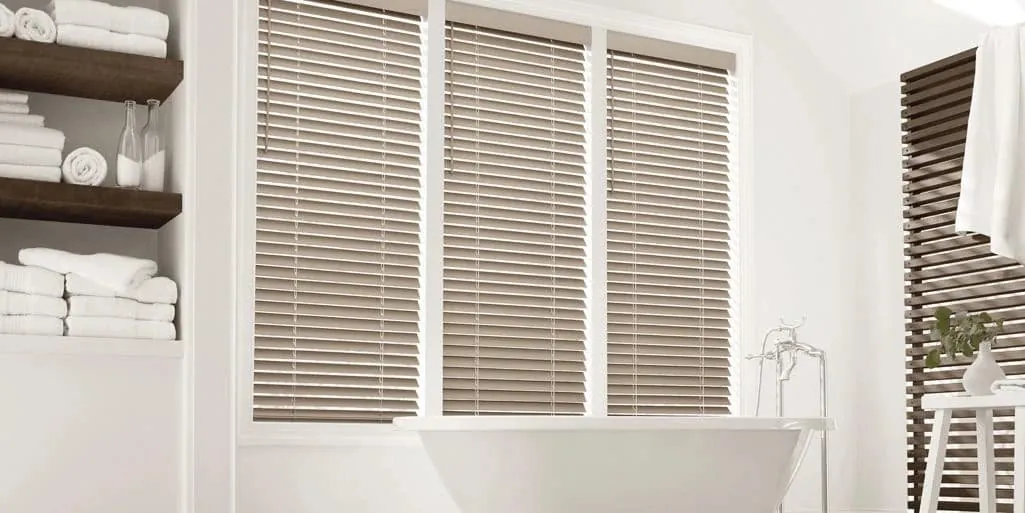
Blinds made to measure
Wood, faux wood, metal and vertical blinds. Tilting slats are one of the simplest ways to keep light and lose the view in.
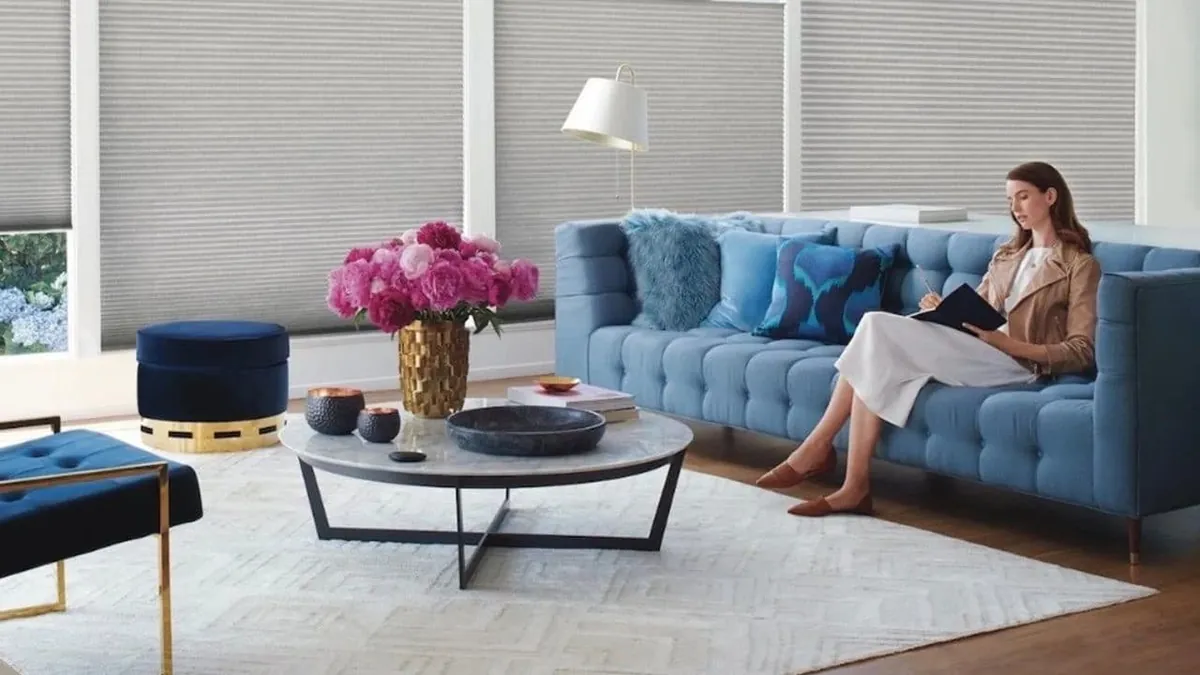
Honeycomb shades
Duette and Applause. The trapped air in each cell is what helps an older room hold its warmth.
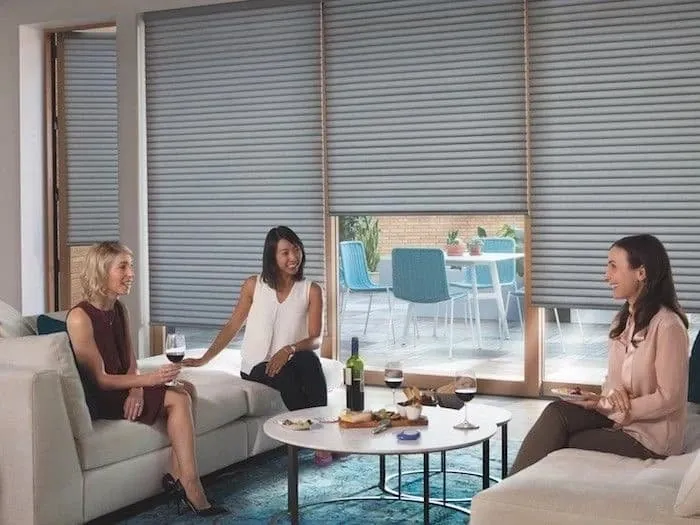
Rollers and solar screens
Designer and Alustra. A screen’s openness decides how much of the street you see and how much glare you cut.
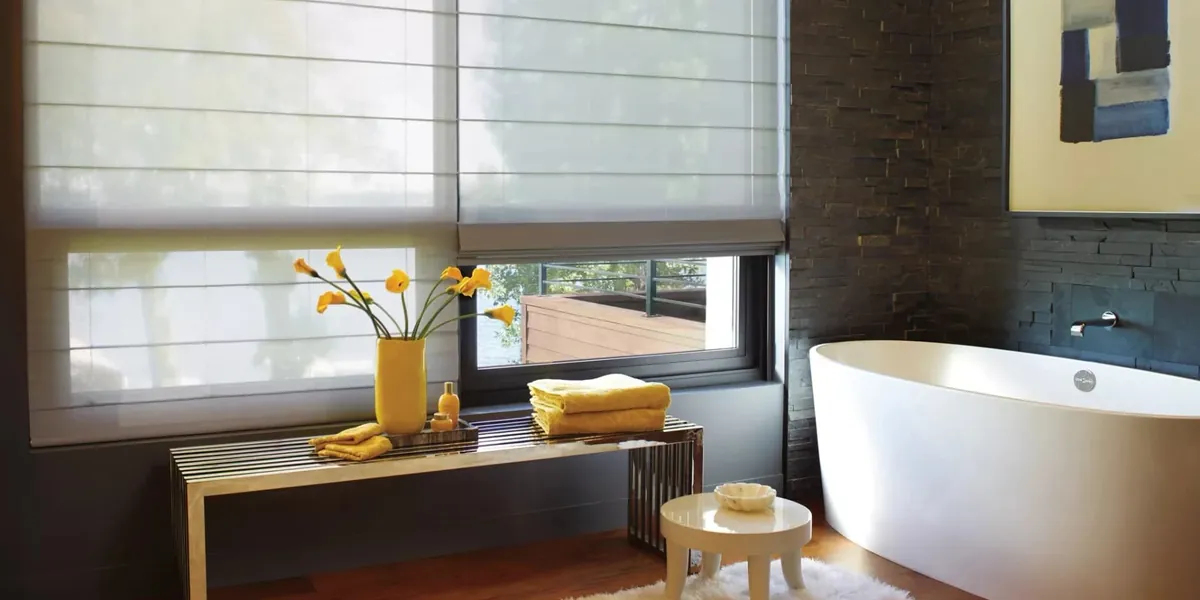
Roman shades
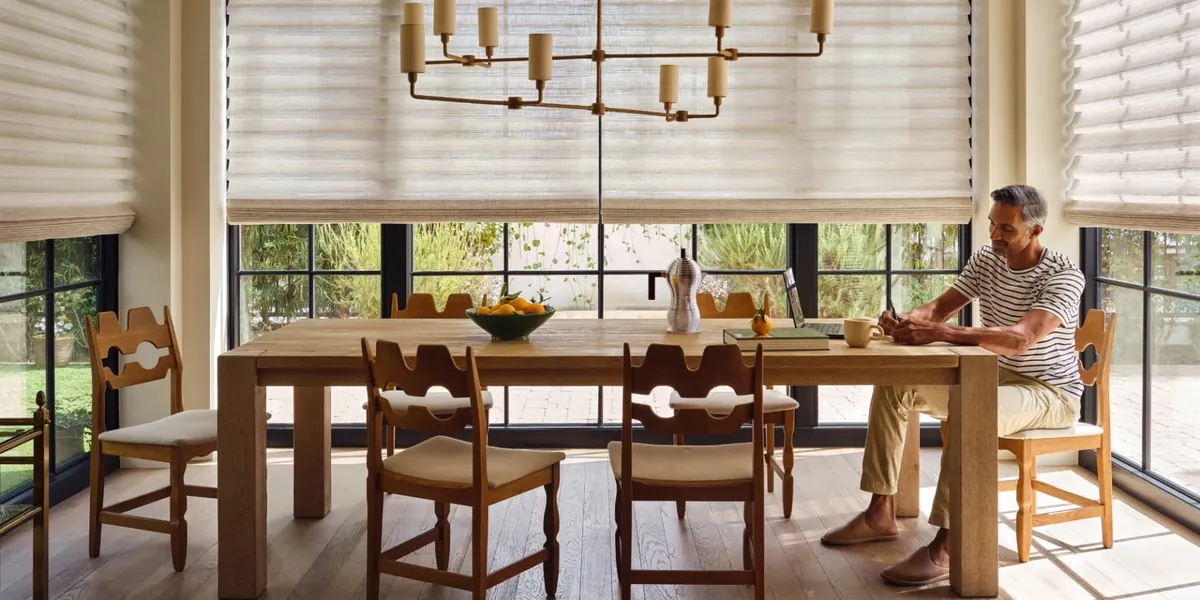
Vignette and Carole Fabrics romans, flat or folded, for a Victorian parlor or a front bedroom.
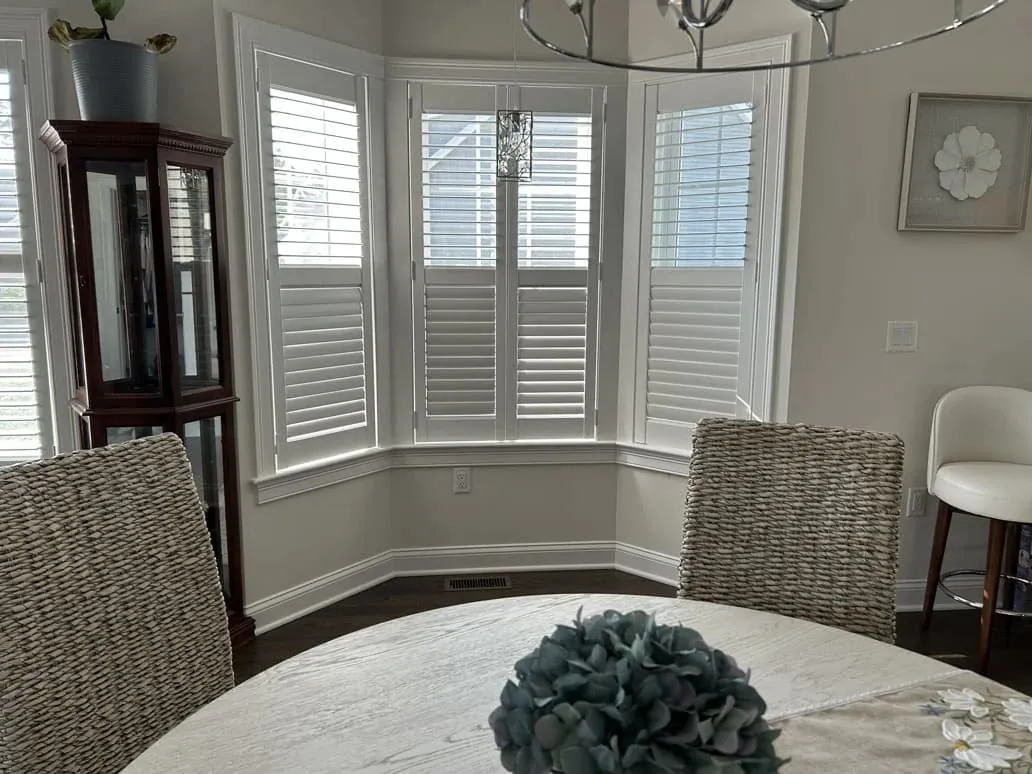
Plantation shutters
Palm Beach, NewStyle and Heritance, with louver size and frame style matched to a tall narrow sash or a bay.
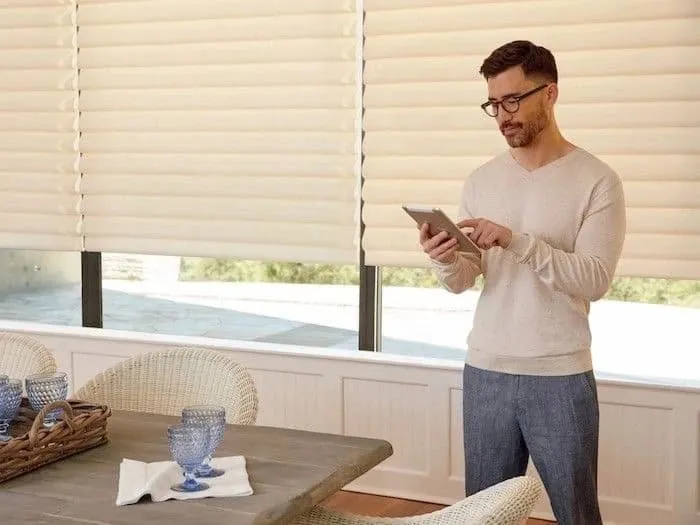
Motorized shades and blinds
PowerView remote, app and schedule control, handy on tall sash with high tops.
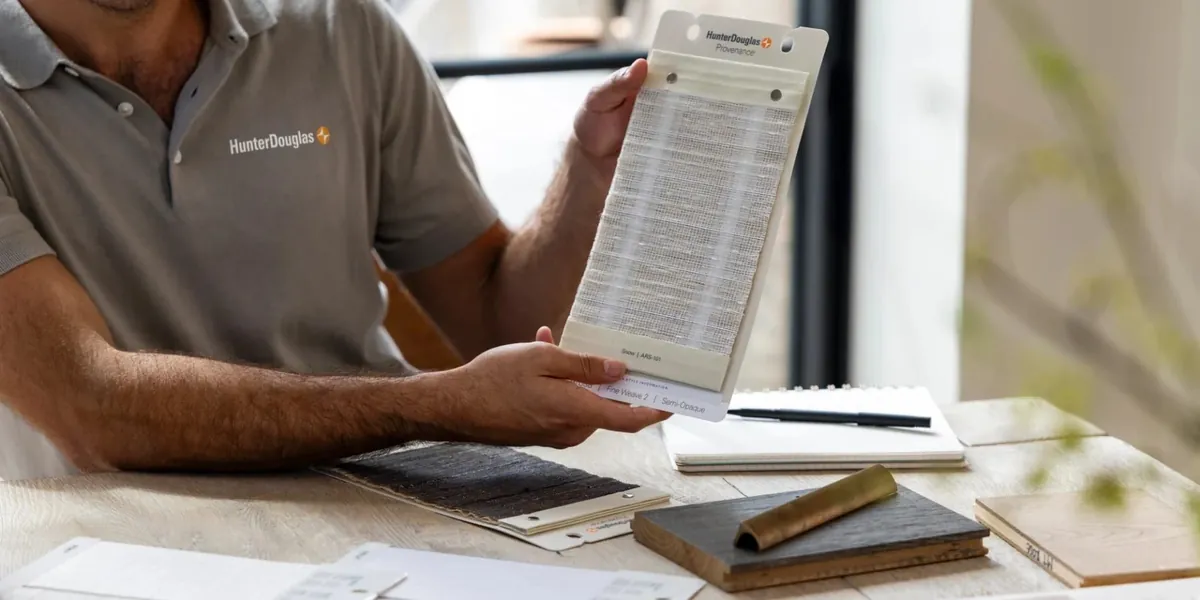
Hunter Douglas Gallery dealer
The complete Hunter Douglas range, fitted by certified Hunter Douglas installers.
Privacy at street level, without living in the dark
In a close-set Victorian or two-family, the ground-floor windows face the sidewalk, the street and often the side of the next house. Drawing everything closed works, but it turns a bright room gloomy in the middle of the day. Leaving everything open means the room is on view. The answer is usually a covering that lets light in while blurring or blocking the view, and there are several good ways to do it.
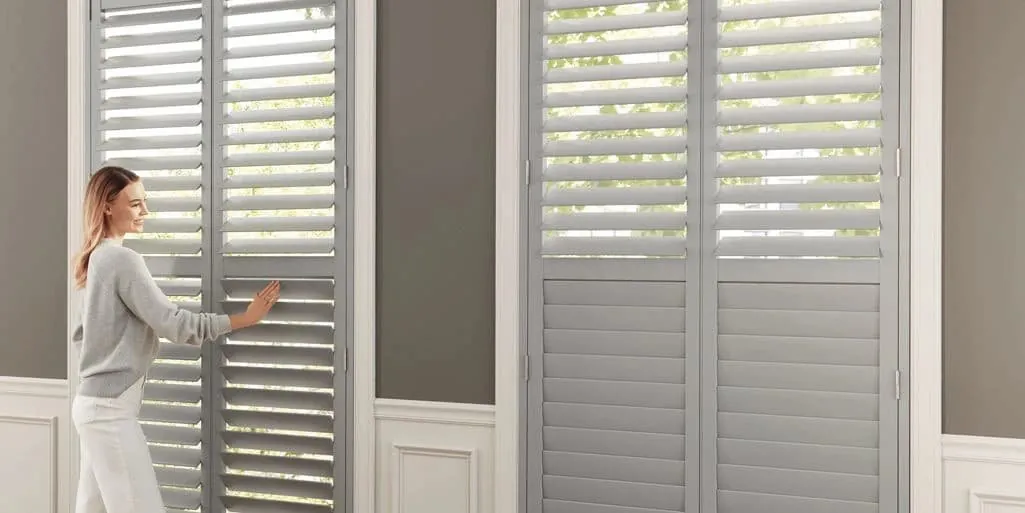
- Tilting slats or louvers. A wood or faux wood blind, or a plantation shutter, can be angled so daylight bounces up off the slats onto the ceiling while the line of sight from the sidewalk is cut. It is the most adjustable option through the day.
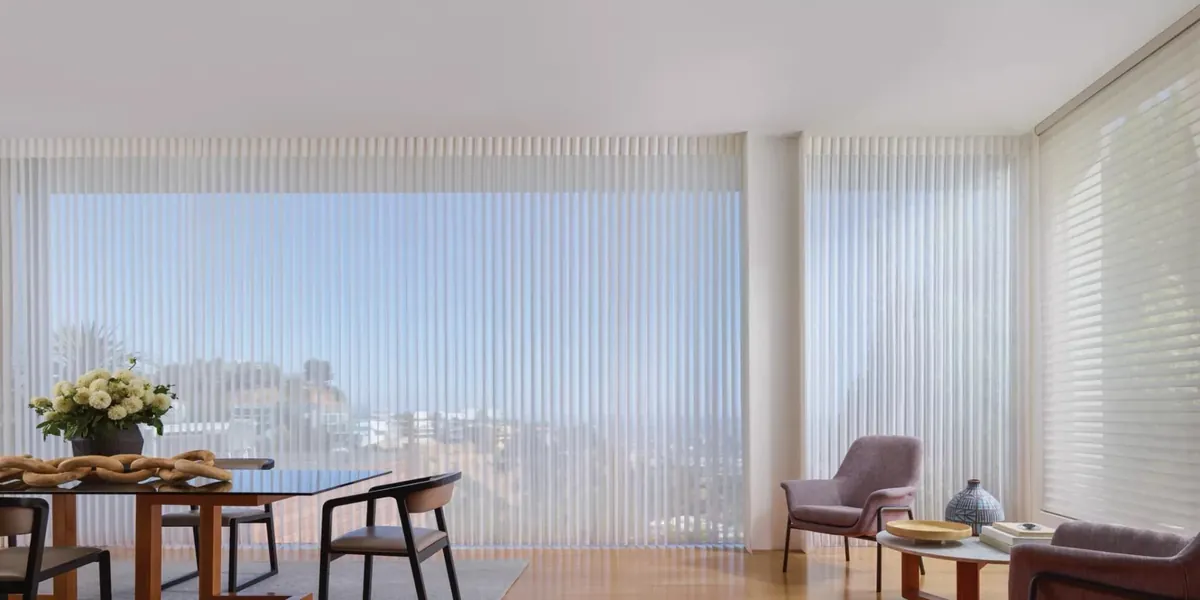
- Sheer shades. Silhouette and Pirouette use soft fabric vanes that tilt. Open, the room is bright and the view out is softened; closed, the room is private.
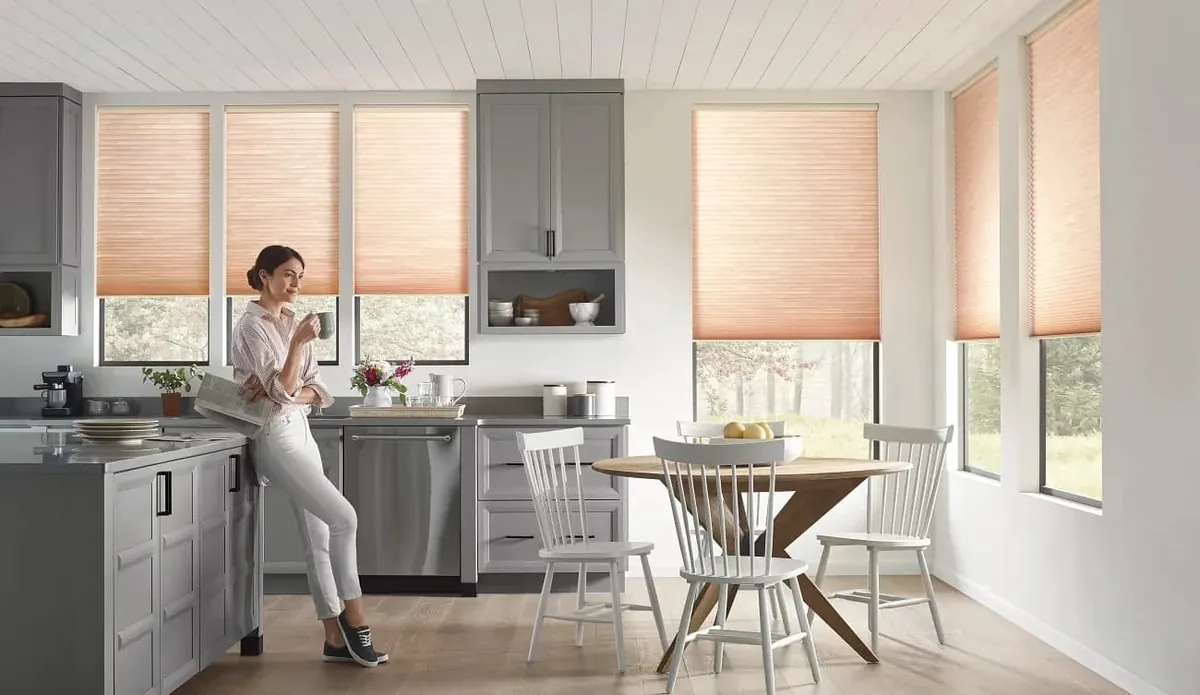
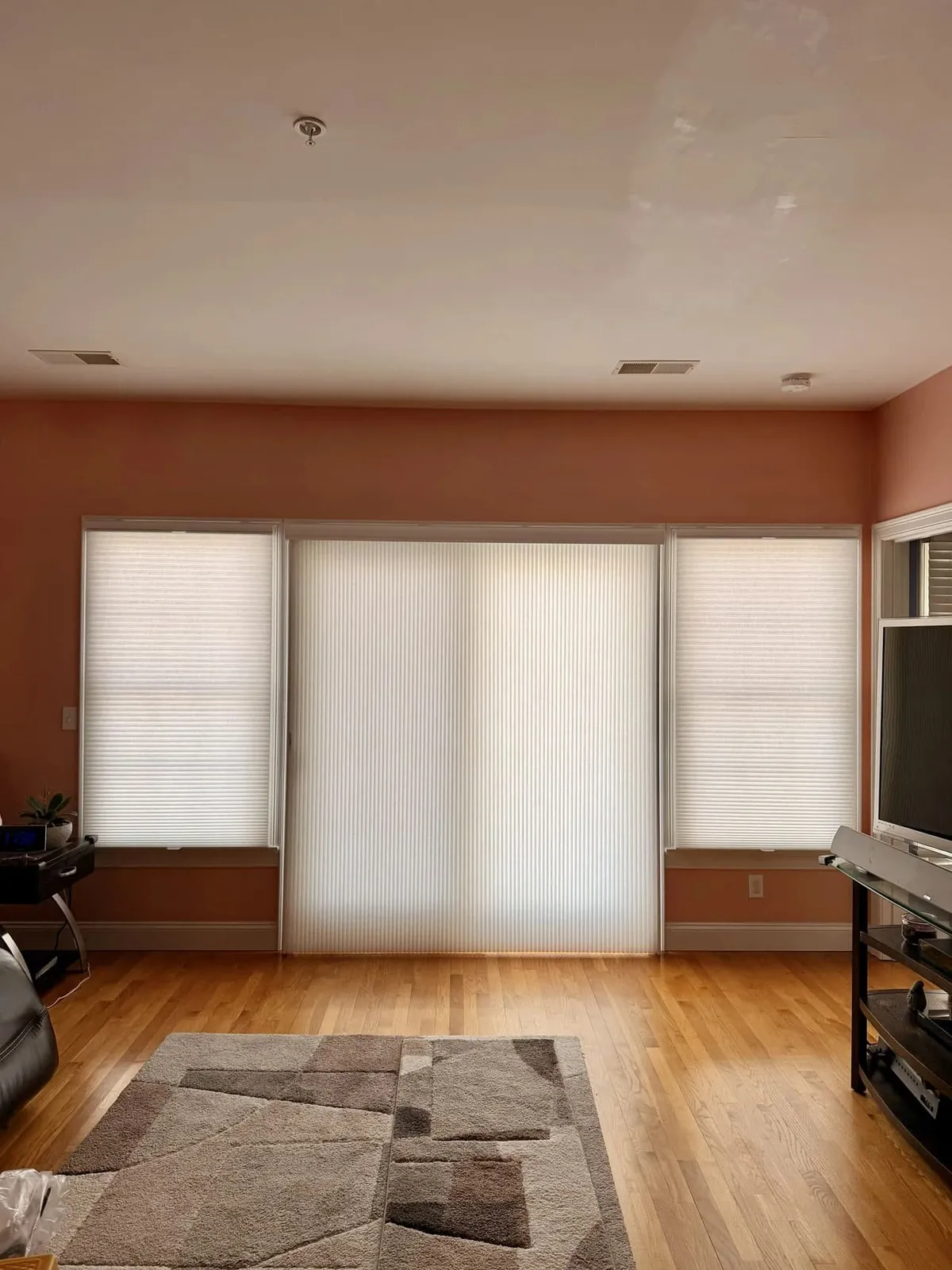
- Light-filtering fabrics. A honeycomb or roller in a filtering fabric lets a glow of daylight through with no clear view in, which suits rooms facing a neighbor close by.
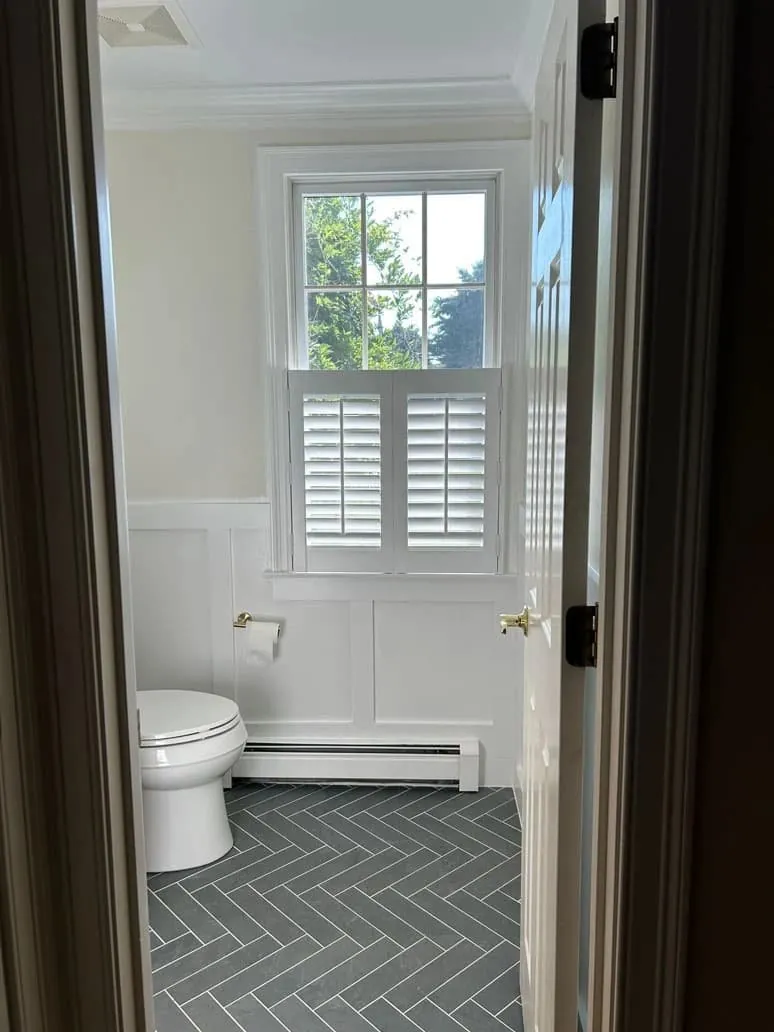
- Cafe-style shutters. Covering just the lower half of the window keeps the street out at eye level and leaves the top clear for light.
We often mix these within one house: shutters on the front parlor, sheers in a side room facing the next house, filtering honeycombs in the bedrooms.
After dark, the view reverses
Privacy in a close-set house is a day problem and a night problem, and they are not the same. By day the street is brighter than the room, so a sheer or a filtering fabric hides the inside well. After dark, with lamps on indoors, the room becomes the bright side and anyone on the sidewalk can see in through a light fabric. That is why window treatments in Milford, MA, for the center houses often need to do two jobs.
There are a few ways to manage it. Shutters and blinds simply close their louvers or slats fully at night. A sheer shade closes its vanes. A filtering honeycomb can be paired with drapery, or chosen in a fabric dense enough for evening use. For a front bedroom, a darker fabric is the safe choice. We hold samples up during the visit and talk through how each room is used after sunset, because a parlor used for evening television needs more than a dining room used mostly by day.
Side windows that face the driveway
Many of the Victorians and two-families have tall windows down the side elevation, looking across a narrow driveway at the house next door. Often these are the windows in the dining room, the kitchen or a stair hall. They let in useful light, especially where the front of the house faces north, but they also sit level with the neighbor’s windows.
For these, we usually suggest something that keeps the glow and loses the view: a filtering honeycomb, a sheer, or a blind tilted upward. Matching the side windows to the front ones in color keeps the house looking tidy from the street, which matters on a road where houses are this close together.
Tall, narrow double-hung windows
The Victorian windows in the center are tall and slim, often with a high top sash and a deep, decorated casing. Their proportions are a big part of the houses’ character, and the wrong covering can make them look squat or cluttered.
A shade or blind that sits inside the frame keeps the window’s tall line, and a slim headrail keeps the top neat. We check the depth at the head of each opening, because older frames vary, and we measure the width at several heights, since a frame that has settled over many winters is rarely the same at top and bottom. Our guide to window measuring terms explains the difference between an inside and an outside mount.
On the tallest windows, raising a shade fully means reaching high. That is one reason PowerView is popular even in older houses: you can lower and raise a tall shade from a remote or a schedule, and nobody needs to stretch for it. We plan how each motor is powered at the visit.
Bays on the Victorians
Plenty of the Victorians have a bay on the front, with narrow windows set at angles to one another. A bay is lovely to sit in and awkward to cover, because each window is a slightly different size and the angles leave little room for headrails to meet.
Each window in a bay gets its own covering, measured separately, with the headrails sized so they sit neatly in the corners. Shutters suit bays particularly well, giving each window its own panels and a finished, built-in look. Romans and honeycombs also work, as long as they are planned so the stacks line up when raised.
Two-families: two households, one front
In a two-family, the upstairs and downstairs units share a facade but are often furnished by different people. From the street, a house looks best when the windows on both floors agree, at least in the color facing out. If you own the whole building, choosing one color for every street-facing window keeps it tidy; the rooms behind can still use different products.
Two-families also tend to have side windows that look straight at the next house a short way off. Those windows are where privacy matters most, and where a filtering fabric or a sheer usually does better than a blind you have to keep closed.
Ranches and colonials further out
Away from the center, the houses open up. Post-war ranches put everything on one floor, with a living room window facing the street, a hall of bedrooms and a kitchen to the back. Newer colonials are larger and taller, with more rooms and more windows. Both have standard modern openings, so almost any Hunter Douglas product fits, and the choice comes down to the room.
On a ranch, the wide front window is the one people ask about. Rollers, screens and honeycombs split into sections on one headrail all handle wide glass well. A slider to the yard wants a vertical blind or vertical honeycomb that stacks clear of the door.
These outer houses usually sit further from their neighbors than the center ones, so the privacy question is gentler. Here the bigger issues tend to be afternoon sun on a west-facing living room, early light in the bedrooms and a cold patio door in winter. A solar screen handles the first, a darker fabric the second, and a vertical honeycomb on the door the third. Because the frames are square and modern, each of those fits easily inside the opening.
In a colonial, a plan helps: one main product and color across most of the house, with exceptions where a room needs something different. Our shades or blinds guide is a useful place to start thinking about the main choice.
Stair windows and landings
Victorian stair halls often have a tall window on the landing, sometimes with colored or patterned glass in the upper sash. It is a feature worth showing off, and many people prefer to leave the decorative top uncovered and treat only the lower part, or nothing at all. Where privacy is needed, a shade sized to the plain lower glass, mounted to sit below the decorative section, solves it.
Plain landing windows that face a neighbor get the same treatment as the side windows: something light that blurs the view. If the window is high above the stairs and hard to reach, a PowerView motor saves balancing on a step.
Keeping the period character
The granite-era houses in the center have real character: tall sash, deep casings, plaster walls and high ceilings. Good window treatments in Milford, MA, work with that rather than against it. Shutters echo the wooden shutters these houses may once have had. Romans in a plain or subtly patterned fabric suit a parlor. Wood blinds in a warm finish sit naturally against stained trim.
We are careful about what goes on the casing itself. Where the trim is decorative, an inside mount leaves it fully visible. Where the frame is too shallow, we choose slim hardware that sits as discreetly as possible. Either way, the window should still look like a Victorian window once the work is done, which is why choosing window treatments in Milford, MA, for an older house takes a little longer than for a newer one.
Warmth in older rooms
The Victorians and two-families in the center were built long before modern windows, and many still feel cool near the glass on a winter evening, especially with tall sash and high ceilings. Honeycomb shades help: each cell holds air against the window, so a Duette or Applause lowered at dusk keeps more warmth in the room. Our guide to cellular shades and winter heat goes into how it works. In a parlor, drapery over a honeycomb adds another layer and the softness these rooms often suit.
Light and use, room by room
Front parlors. Privacy from the sidewalk and the look of the room both matter. Shutters or romans, sometimes with drapery, suit the period.
Kitchens. Often at the back or side, facing the next house. Faux wood blinds or a filtering roller keep the view out and are simple to wipe down.
Bathrooms. Usually a single tall window. A cafe shutter or a faux wood blind gives privacy and lets light in. In a two-family, the bathroom window often faces the next house across the driveway, so we treat it as a privacy window first and a light window second.
Bedrooms. In the center, privacy from neighbors and darkness at night; further out, mainly darkness and warmth. A darker fabric inside the frame does both.
A Gallery dealer for every house in town
Blinds & Designs is a Hunter Douglas Gallery dealer, so the whole Hunter Douglas range is open to you, whether the window is a tall Victorian sash or a ranch slider.
Every order is fitted by certified Hunter Douglas installers. Alongside the products we offer in-home consultations with vans carrying samples, free estimates, interior design consultations, PowerView automation and repairs to coverings you already own.
The visit, then the fitting
A home visit is where most projects start. We can bring the showroom to you: the vans carry samples, so you can see each fabric in your own windows and judge the privacy with the street right outside. The consultant measures every opening, talks through options room by room and leaves you with a free estimate. There is no rush to decide. The in-home consultations page has more, and our interior design consultations help with color and fabric across several rooms.
When the order arrives from Hunter Douglas, fitting day follows this pattern:
- Certified installers arrive and check each covering against its window.
- Brackets are set level, into solid wood, with care around old trim on the Victorian frames.
- Each shade, blind or shutter is hung, adjusted and tested.
- Any PowerView motors are paired with the remote or app.
- You are shown how everything works, and the packaging leaves with the crew.
What happens on installation day covers it in more detail.
Fixing what you already have
Some of the older houses in the center still have blinds or shades that have stopped working: a cord that has frayed, a shade that will not raise evenly. We are glad to look at coverings you already own. Repairs are a service we welcome, and if replacement would make more sense we will say so. More on blind and shade repair.

Franklin is our nearest showroom
The Blinds & Designs showroom closest to Milford is in Franklin. Some people like to visit before a home consultation, bringing a photo of a tall front window or a swatch from the sofa.
The final choice is usually made at home, where you can see the samples with the street outside and the neighbor’s house next door. Either way is fine, and many people do both.
Questions from Milford
How do I get privacy from the sidewalk and still have daylight?
Tilting slats on a blind or shutter, sheer shades with adjustable vanes, a light-filtering fabric or a cafe shutter on the lower half all do it. The best choice depends on how close the street is and how you use the room.
My Victorian windows are very tall. Will a shade look right?
Yes, if it sits inside the frame with a slim headrail, so the window keeps its tall line. We measure each opening at several heights because older frames are rarely perfectly square.
Can you cover a bay window?
Yes. Each window in the bay is measured and covered separately, with headrails sized to meet neatly in the corners. Shutters are a popular choice for bays.
We own a two-family. Should both floors match?
From the street it looks best if the color facing out is the same on both floors. The products in each unit can still differ.
Is the estimate free?
Yes. Every estimate is free, and you can take as long as you need to decide.
Book your visit
For window treatments in Milford, MA, the first step is a home visit. Request a consultation and we will bring the samples, measure every window and leave you with a free estimate. You can also use the call button to talk first, or visit the Franklin showroom.
For the full range in one place, start with our window treatments page.