
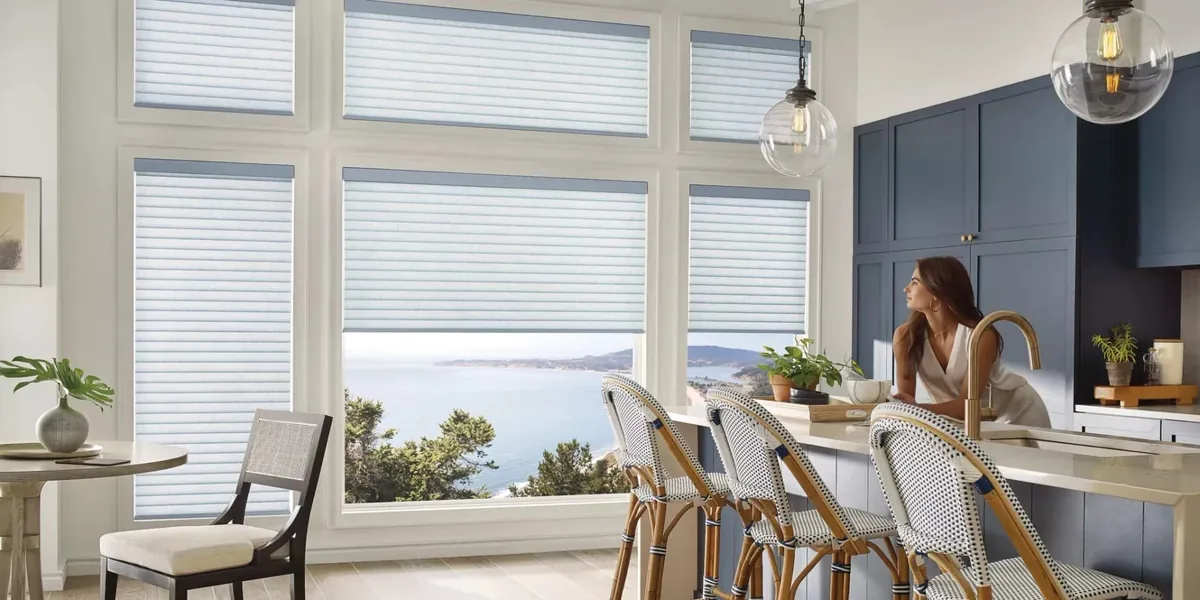
Rooms built around the water
In Westport the view is usually the reason the room exists. The newer houses on the harbor were designed around big panes of glass facing the water, and even the older shingled capes and farmhouses along Main Road and out toward Horseneck and the Westport River tend to have their best windows turned toward the marsh, the river or the sea. Anything you hang in those windows has to earn its place without getting in the way. Roller shades in Westport, MA, do that well: a screen fabric tames the glare and some of the heat, and when it is raised there is almost nothing left at the window but glass.
The other constant here is the weather. Salt air reaches well inland, wind drives rain against the seaward walls, and the light off open water is brighter than anywhere else in the region. Coastal exposure governs every choice we make for a Westport house, from the fabric to the brackets to how a motor gets its power.
So we start with two questions at every window: what do you want to keep seeing, and what does the weather do to this side of the house?
Roller shades in Westport, MA, for coastal rooms
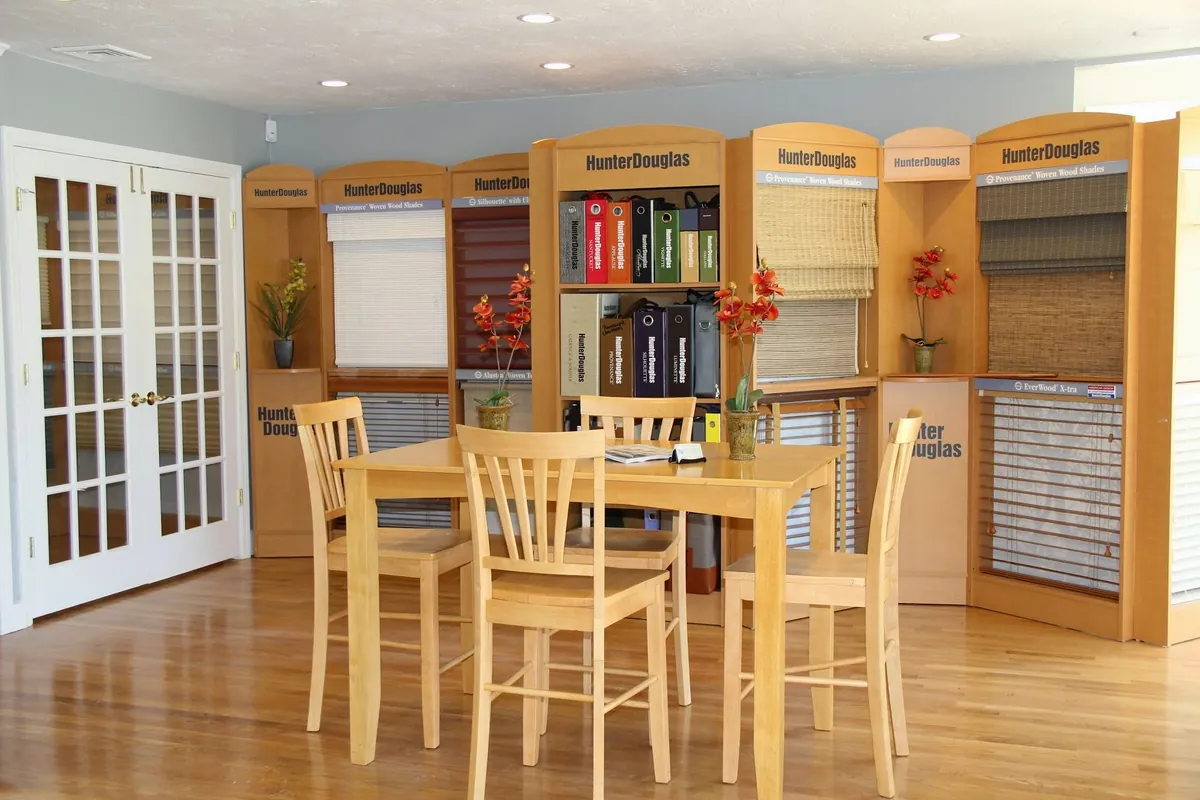
All of these are Hunter Douglas shades. Our vans carry samples of each, so you see them against your own view.
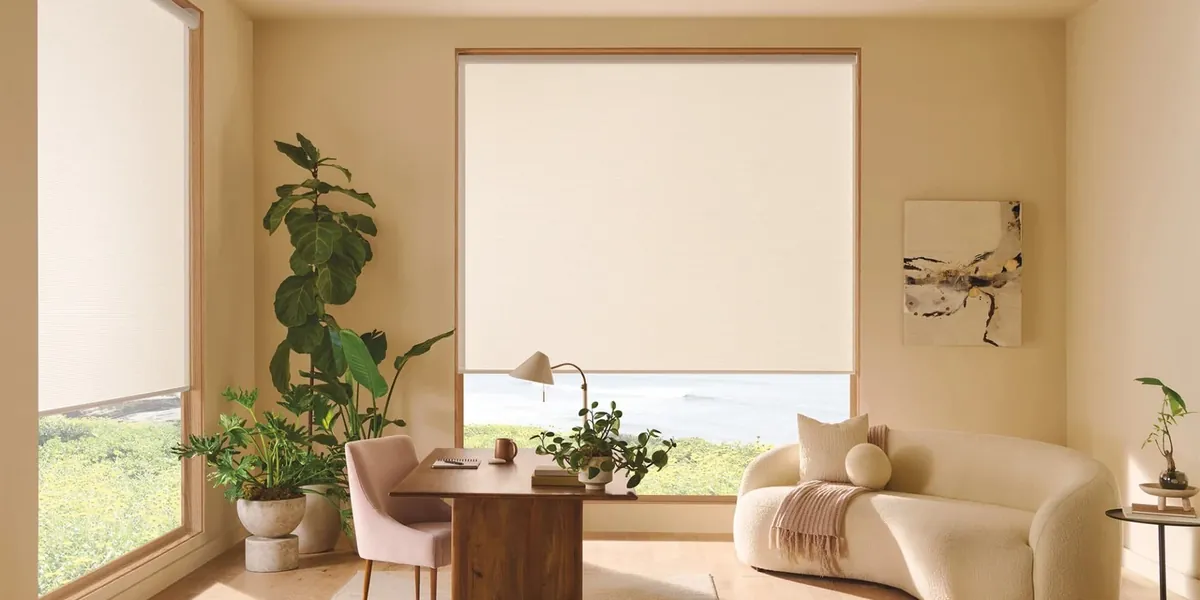
Screen fabric for the view
Designer Screen and Alustra screen weaves cut the glare off the water while the horizon stays in sight. The weave and color decide how clear it is.
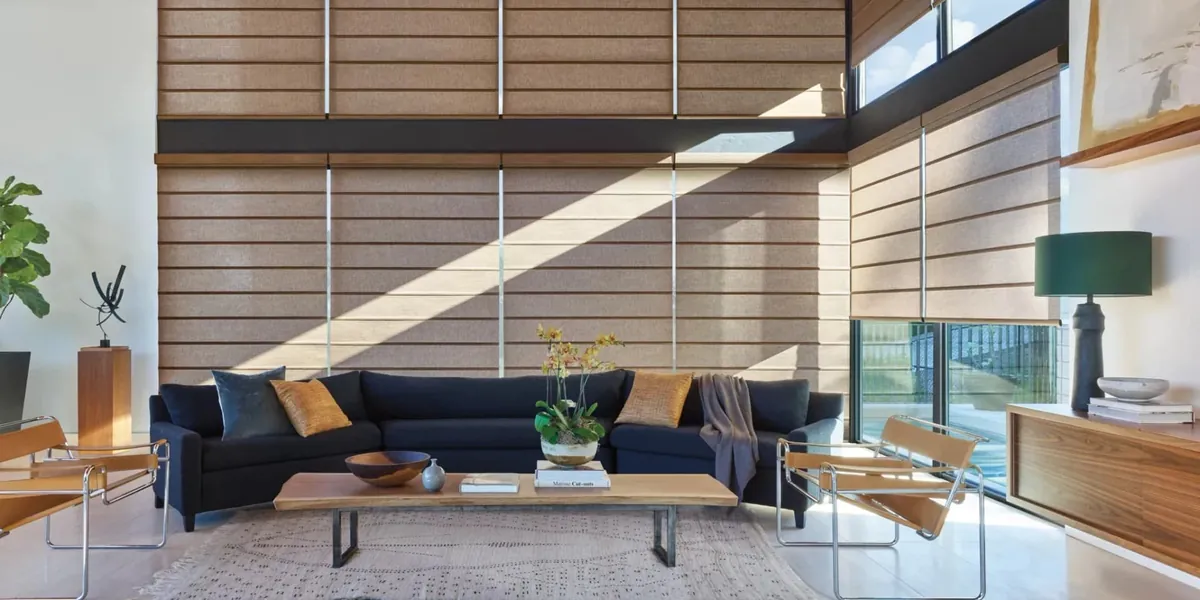
Shades for big glass
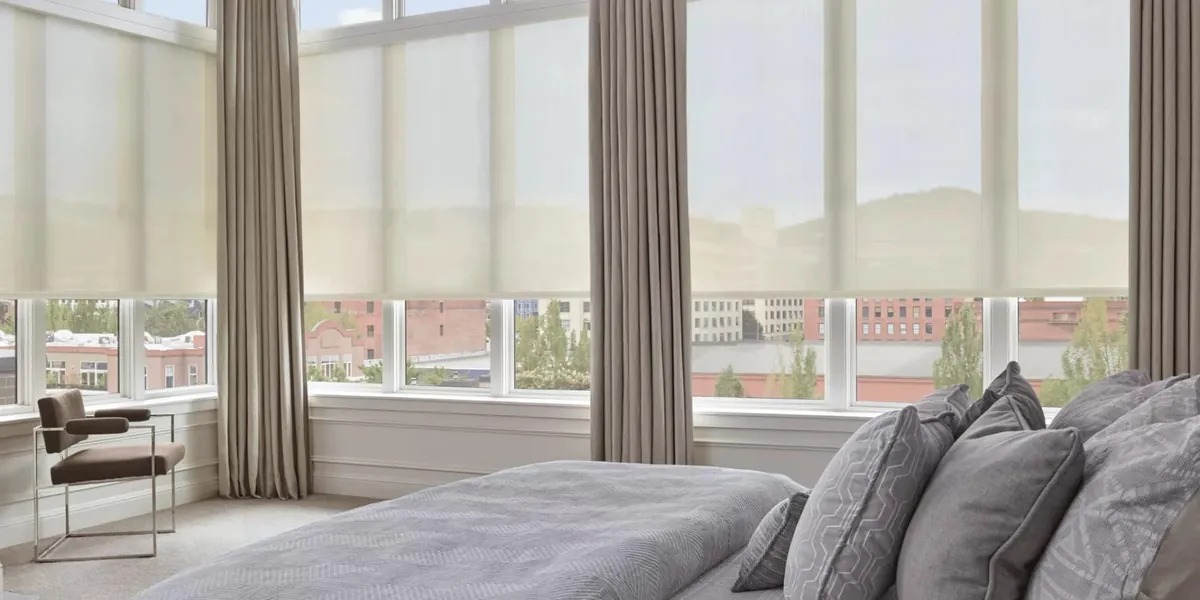
Wide and tall openings in the newer harbor houses, covered with shades that share brackets and line up edge to edge.
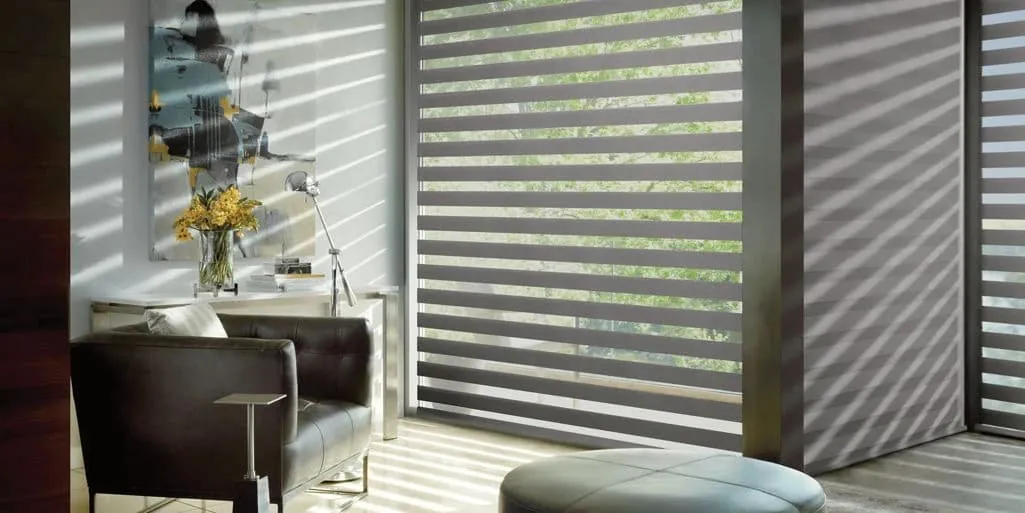
Banded shades for flexible privacy
Stripes of sheer and solid fabric that move past each other, so a room can go from open to private without raising the shade.
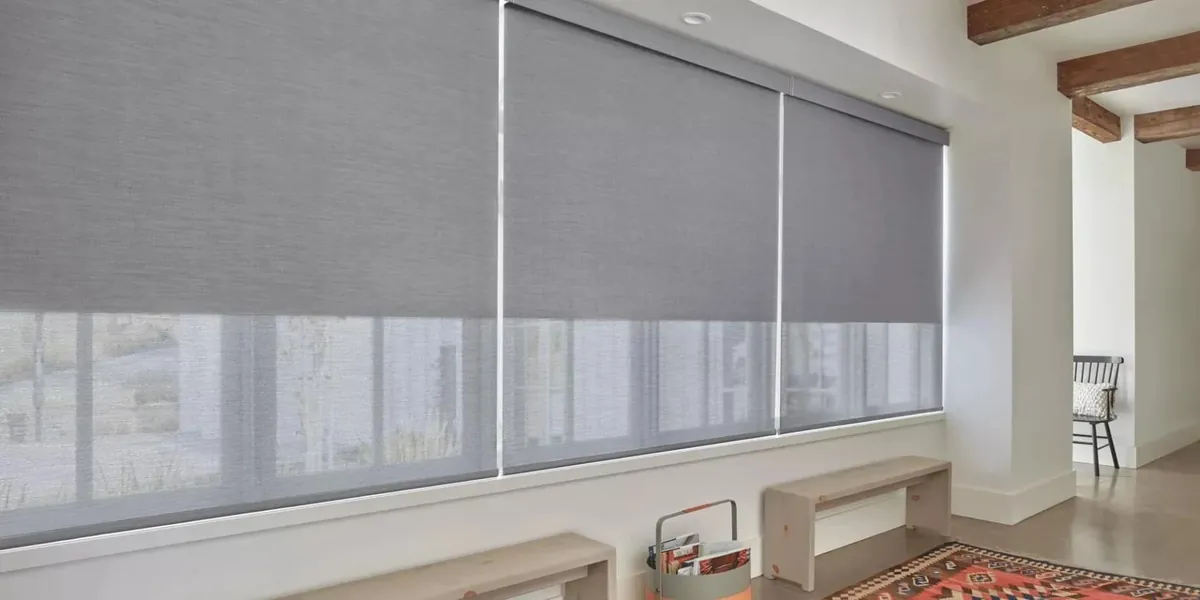
Blackout for the bedrooms
Opaque Designer Roller fabrics for rooms that face the early sun or a bright summer evening sky.
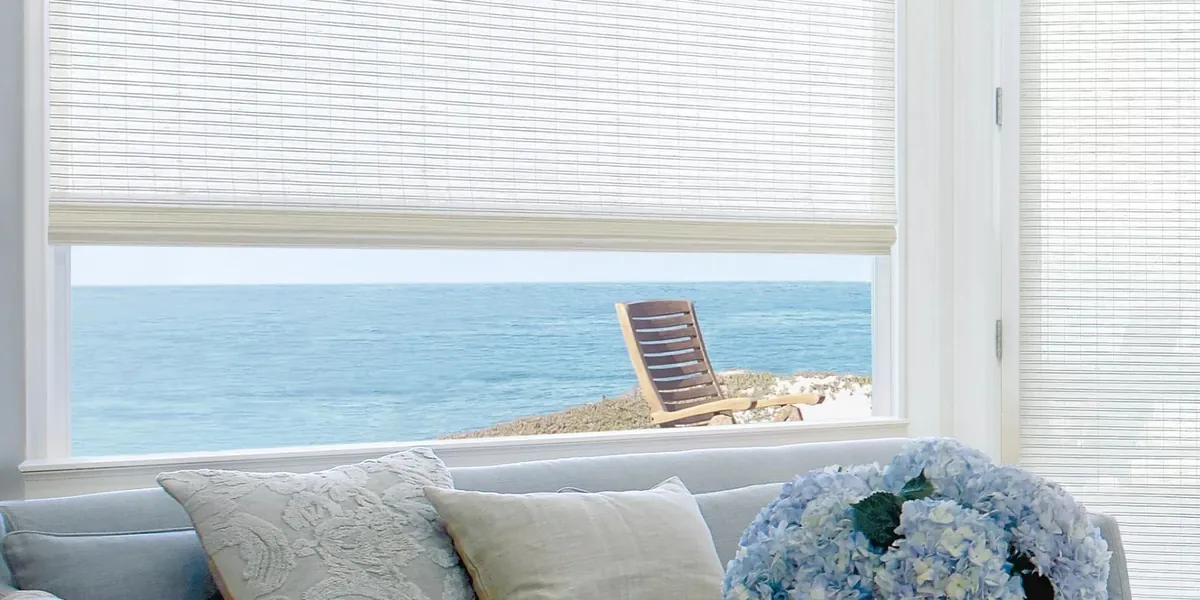
Woven texture rollers
Alustra Woven Textures brings a natural woven look on a roller, a good match for a shingled cape or a farmhouse kitchen.
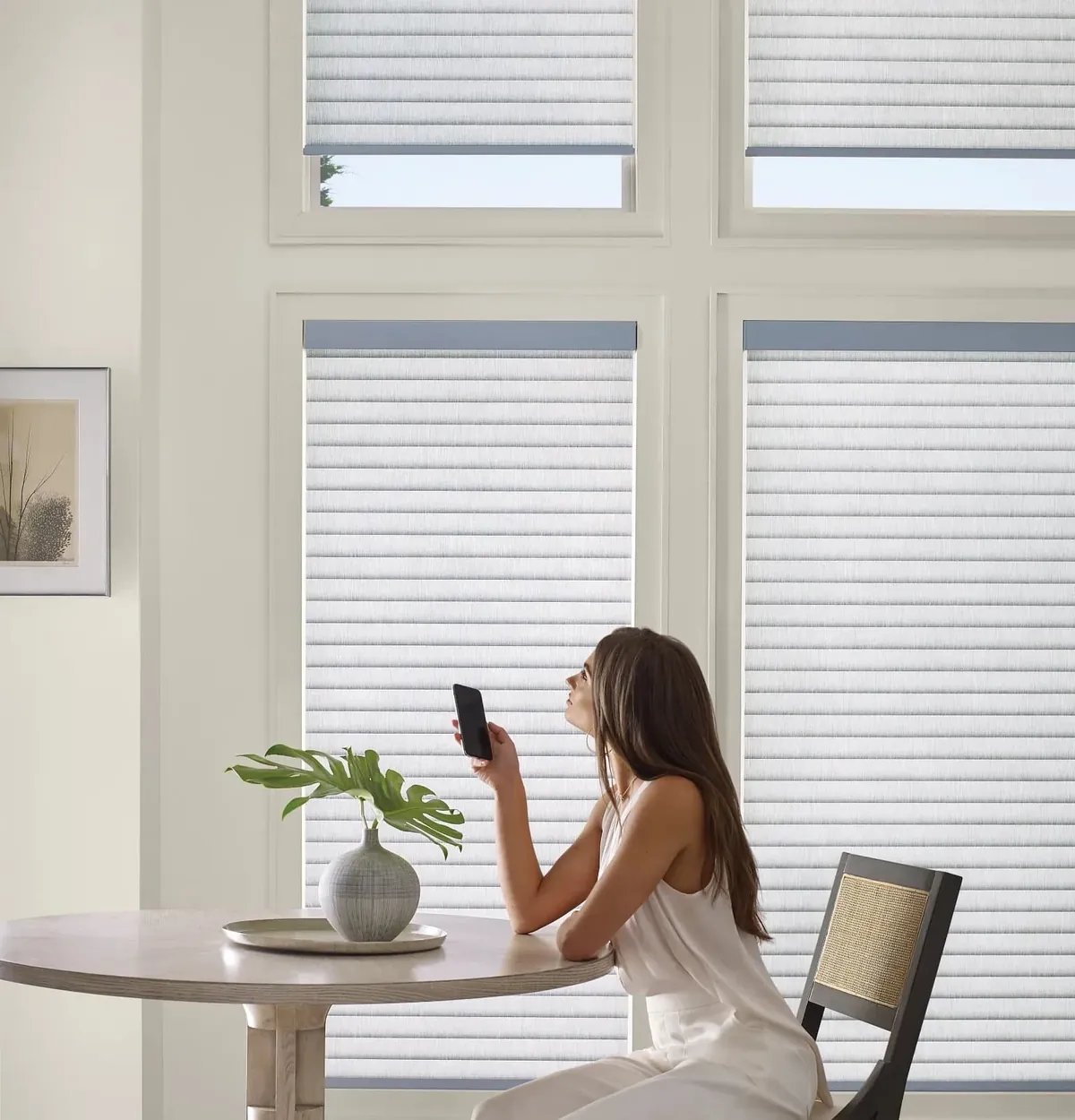
PowerView schedules
Shades that lower themselves when the sun swings onto the glass, and rise again in the evening, controlled from the app or a remote.
Keeping the horizon in a solar screen
A solar screen is a woven fabric with small, even openings between the threads. How much of the fabric is open, its openness, decides how the shade behaves. With more open weave you see more of the water, but more light and heat come through. A closer weave blocks more of the sun and the glare, and the view behind it turns softer and more muted.
Color changes the picture almost as much as the weave. A dark screen is easier to look through, because the fabric does not light up when the sun hits it, and it does a better job of cutting glare. A light screen reflects more of the sun’s heat back out but glows in direct light, so the view behind it fades. For a room in Westport where the water is the point, a darker screen in a medium weave is often the first thing we show.
Remember that a screen works best by day. When it is darker outside than in, a lit room is visible through it. For a harbor living room used in the evening, a second shade or a dual shade with an opaque fabric on the same bracket gives you privacy after sunset. You can compare more options in the best shades for sun and glare.
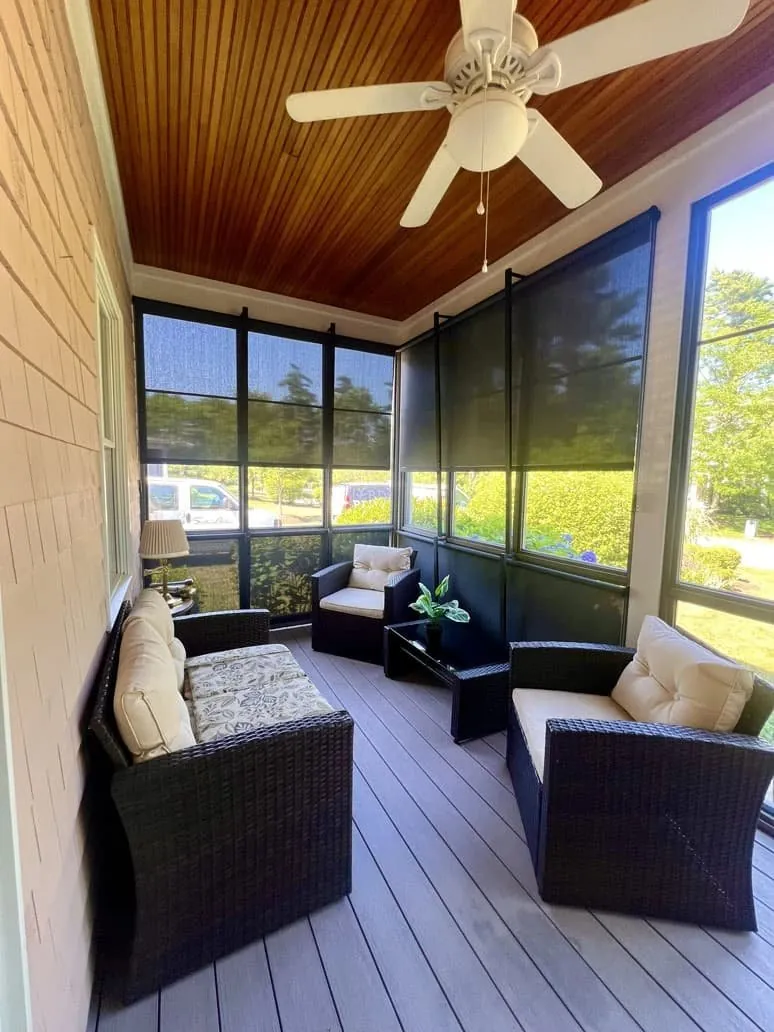
Larger harbor houses and their glass
The newer houses near the harbor were built with the view in mind: tall living room windows, corner windows that wrap the room, sliders and French doors onto a deck, sometimes transoms or clerestory glass above. That much glass makes the room feel open, and it also lets in a great deal of sun and heat on a clear day.
Roller shades are well suited to big openings. The fabric spans wide without slats or pleats to sag, and where a window is wider than one shade can be made, two or three shades sit side by side on a shared bracket, with only a narrow gap between them. On a corner window, the shades are cut so they meet neatly at the post. On sliders and French doors, a shade mounted above the frame clears the handles and the swing of the door.
Many of these houses use casement or awning windows with crank handles at the sill. A standard roller can catch on those. A reverse roll, where the fabric comes off the front of the tube instead of the back, holds the shade a little further from the glass and clears the cranks. We look for those details when we measure.
Very high glass, such as a clerestory or a transom above a door, is where PowerView earns its keep. Nobody wants a ladder to lower a shade every afternoon.
Capes and farmhouses along Main Road
The older houses along Main Road are built on a different scale. A farmhouse may have small windows with wide board trim, low ceilings and plenty of character. A shingled cape has knee walls upstairs, windows tucked into the gable ends, and front windows that sit close to the road.
For these houses the shade should be quiet. A light filtering roller mounted inside the frame lets the trim show and rolls up to a slim tube at the top. Where the opening is shallow, a slim outside mount on the trim is often neater. In an upstairs room with a sloped ceiling, we check the headroom above each window carefully, because the bracket has to clear the slope.
A woven texture roller is worth a look in these houses. It has the natural character of a woven shade, which suits old wood floors and painted trim, with the simple operation of a roller. In a farmhouse kitchen or a cape living room it often looks more at home than a flat fabric.
Salt air and the hardware
Salt is hard on anything metal near an open window. A roller shade has an advantage here: it has very few exposed parts. Fabric, a tube, a pair of brackets and a lift: that is nearly the whole shade. Compare that with a blind, which has slats, ladder tapes and a tilter, all of them catching salt on a seaward window.
The lift you choose matters too. A cordless roller has nothing hanging at the side at all. A continuous cord loop uses a tensioner fixed to the frame, which keeps the loop taut and out of the breeze through an open sash. A PowerView motor sits inside the tube, out of the weather, and we talk through how each motor is powered, and where any power connection is tucked behind the shade, so you know what to expect over time.
Our certified Hunter Douglas installers fix each bracket into solid framing, not just trim or drywall. On a seaward wall that takes wind-driven rain and sees the window open and shut all summer, that solid fixing is what keeps the shade level.
Mudrooms, kitchens and the beach end of the house
Houses this close to the shore have a hard-working side: the mudroom where wet towels and sandy boots come in, the kitchen with a door to the deck, a back hall with a window over the washer. Those windows need a shade that shrugs off damp and grit and still looks tidy.
A roller is about as practical as a window covering gets. There are no pleats or slats for sand to settle in, and most fabrics clean up with a soft brush or a damp cloth. A vinyl-faced or screen fabric suits a mudroom especially well. On a glass door to the deck, the shade can be fixed to the door with hold-down clips at the base, so it stays flat when the door is opened in a breeze.
Matching these rooms to the rest of the house is simple when you order roller shades in Westport, MA, for the whole place at once: the same bottom bar and headrail finish run throughout, while each room gets the fabric its job needs.
Protecting floors and furniture from the sun
Strong coastal light fades things. Wood floors, rugs, upholstery and artwork in a room with big south or west glass all show it eventually. A solar screen cuts a share of the ultraviolet light along with the glare, and lowering it through the brightest hours of the day slows that fading considerably.
If a house is closed up for stretches of time, PowerView can lower the shades on a schedule each day, so the rooms are shaded even when nobody is there to do it. Many people choosing roller shades in Westport, MA, set the screens on the sunniest side to come down at midday and rise again in the evening, which keeps the house cooler and the furnishings protected.
The fabric itself sits in the sun too, and some colors hold up better than others on a bright window. Neutral, lighter fabrics keep their look longer than deep saturated ones in direct light, and screen fabrics are made to take daily sun. We point out the fabrics that suit a sunny seaward window and those better kept for the shaded side of the house. For upkeep, see caring for fabric shades.
Bedrooms facing the water
A bedroom with a water view is a pleasure, until the light arrives early on a summer morning. A blackout roller blocks that light completely and rolls out of sight during the day so the view is clear again.
The edges are the weak point. An inside-mounted shade always leaves a thin gap at each side. For a bedroom, we often suggest an outside mount that overlaps the frame, or a cassette headrail that hides the roll and closes the top. Pairing the blackout roller with side drapery also covers the gaps. For a room you want dark and a view you want to keep, a dual shade with a screen and a blackout fabric on one bracket gives you both in a single window.
Designer or Alustra for a Westport house
Think of Designer as the workhorse and Alustra as the showpiece. Designer covers an enormous spread of colors, textures, screen weaves and opacities, from sheer-looking light filtering to full blackout, and it works with every lift Hunter Douglas offers. Alustra narrows the choice to more distinctive materials, including the woven textures, and finishes the headrail and bottom bar with more care, which matters on a wall of glass that everyone sees.
In practice, roller shades in Westport, MA, often draw on both. A harbor living room with a wall of glass may take an Alustra screen or woven texture, while the bedrooms, baths and the mudroom take Designer. You can read more on Designer Screen, Alustra Woven Textures and Designer Banded, and the whole family on the main roller shades page.
Seeing samples against the water
Fabric behaves differently in coastal light than it does anywhere else. A screen that looks dark and dense in a sample book can almost disappear against a bright sky, and a white roller can look gray against the water. That is why we bring the showroom to you. Our vans carry roller, screen, banded and blackout samples, so you can hold them up at your own windows, on the water side, at the time of day the glare is worst.
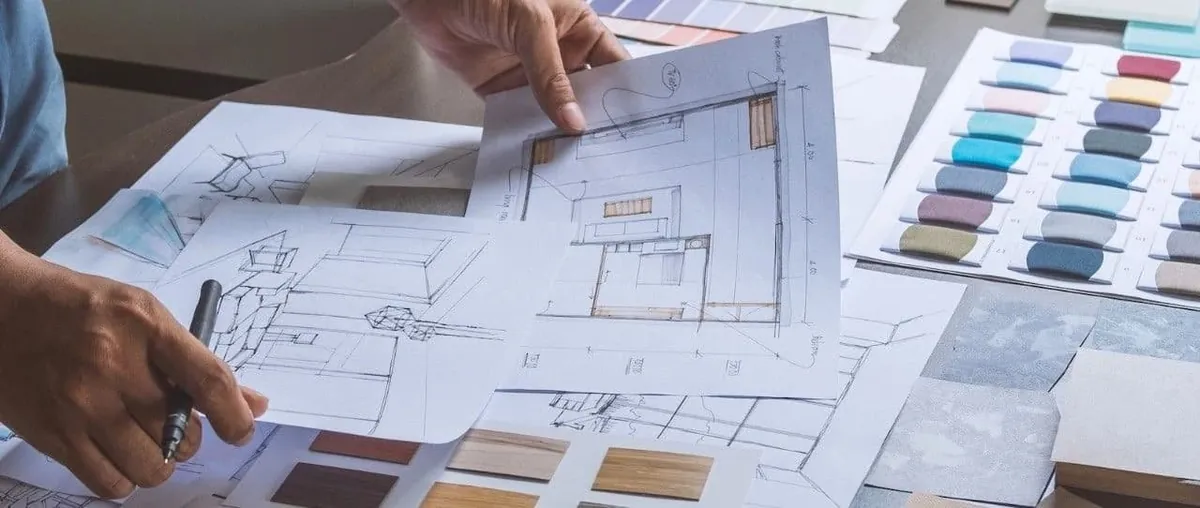
We walk through the house with you and talk about each room, the view you want to keep, the rooms that need to be dark and the windows that are hard to reach. We measure each opening, check the depth and the window hardware, and note anything that changes the mount, such as cranks or a sloped ceiling. You get a free estimate for the shades you are considering, with no pressure to decide on the day. If you want help pulling a room together, our interior design consultations can take place at the same visit.
Installation day
When the shades are ready, our certified Hunter Douglas installers come back to put them up.
- The installer checks each shade against the window it was made for.
- Brackets go into solid framing, set level across the head of the window.
- Shades are hung, and any that share a bracket are aligned so the bottom bars match.
- Every shade is run through its full travel, and motorized shades are paired with their remote or added to the app.
- You are shown how each lift works, and any schedule you want is set up before the installer leaves.
You can read more on what happens on installation day.
Why choose a Gallery dealer
Gallery status is something Hunter Douglas awards dealers who meet its standards, and Blinds & Designs holds it. In practice you can choose from the whole roller family at one visit: Designer Roller, Designer Screen, Designer Banded, Sonnette and the Alustra collection, with PowerView throughout.
Our installers carry Hunter Douglas certification. We also offer interior design consultations and repair blinds and shades, so the same shop helps you choose, fits the shades and looks after them later.
If another room calls for something else, see plantation shutters in Westport for a farmhouse front room or motorized blinds in Westport for the high glass. Everything we offer in town is on the Westport page.
Questions from Westport
Will a screen shade spoil the view of the water?
No, that is what it is designed to protect. A screen cuts glare while the view stays in sight. A darker color and a more open weave keep it clearest. We bring several weaves to try against your own windows.
Can roller shades cope with salt air?
They have very few exposed parts, which helps. A cordless lift has nothing hanging at the side, a motor sits inside the tube, and our installers fix the brackets into solid framing.
My windows have crank handles. Will a roller catch on them?
It can. A reverse roll holds the fabric further from the glass so it clears the cranks. We look at every window’s hardware when we measure.
Can the shades lower themselves when nobody is home?
Yes, with PowerView. A schedule lowers the shades at the times you set, which keeps the sun off floors and furniture while the house is empty.
What happens after the consultation?
You get a free estimate for the shades you are considering and decide in your own time. If you go ahead, the shades are made to your measurements and our certified installers fit them.
Your next step
A shade for a water view is best chosen with the water in front of you. Ask for a consultation, and a van full of roller, screen and blackout fabrics comes to your door; we measure, you compare, and a free estimate follows. Prefer to look around first? Our North Dartmouth showroom is the closest to Westport.