
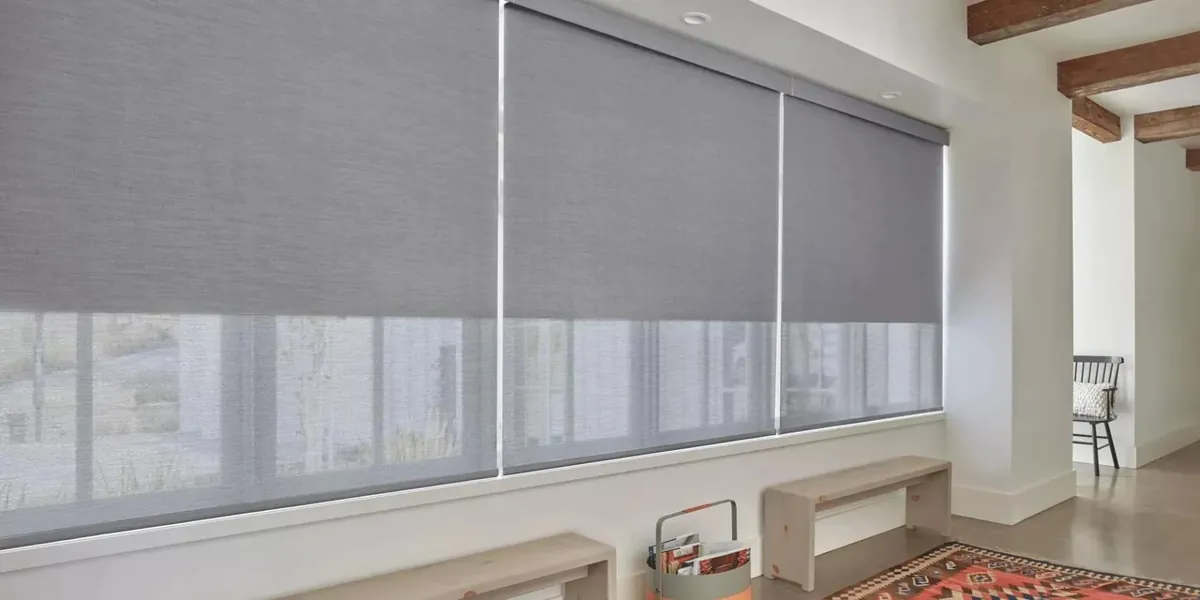
Small, tall sash in the old company houses
The Draper mill village was laid out as workers’ housing, and you can still read that in its windows. The company houses stand close together, often with no more than a driveway between them, and most keep their original sash: small, tall openings set into the wall with a slim casing around each one. That shape decides a great deal when we plan roller shades in Hopedale, MA. The shade has to fit a narrow frame, hang straight in an opening that may have shifted over the years, and still screen the window next door, which can face yours across a very short gap.
Around Hopedale Pond the houses get larger and the glass gets wider. There the question turns from who can see in to how much light bounces off the water and into the room.
A roller is one layer of fabric wound on a tube at the head of the window. It needs very little depth, it disappears when you raise it, and the cloth can be anything from an open solar screen to full blackout. That spread of fabrics is why one product line serves both ends of town.
The Hunter Douglas rollers we carry to your door
Every visit for roller shades in Hopedale comes with samples from the Designer and Alustra lines, light filtering through blackout. These six choices cover most of what the village houses and the pond-side houses ask for.
Designer Roller
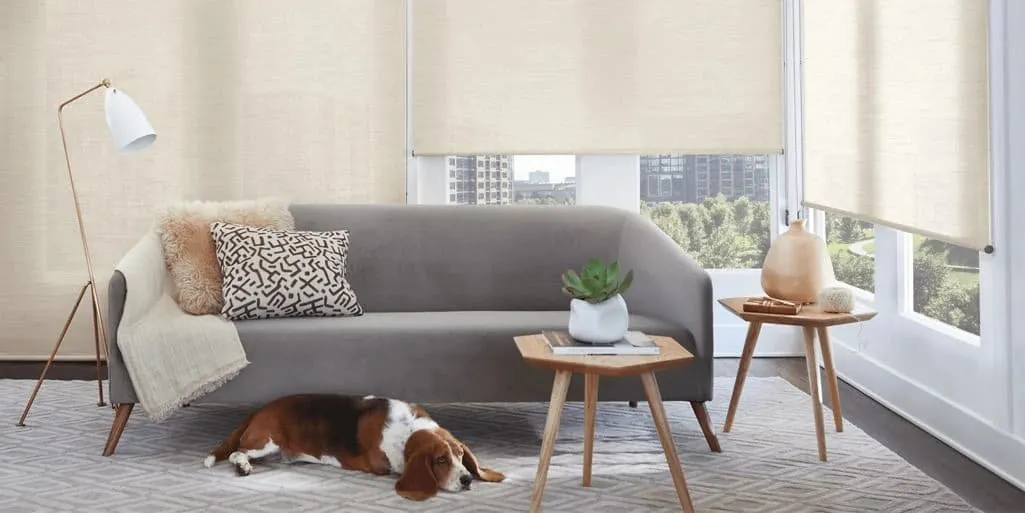
Smooth and textured weaves, from a soft daylight cloth to one that shuts the light out. The everyday answer for a small bedroom or kitchen in a company house.
Designer Screen
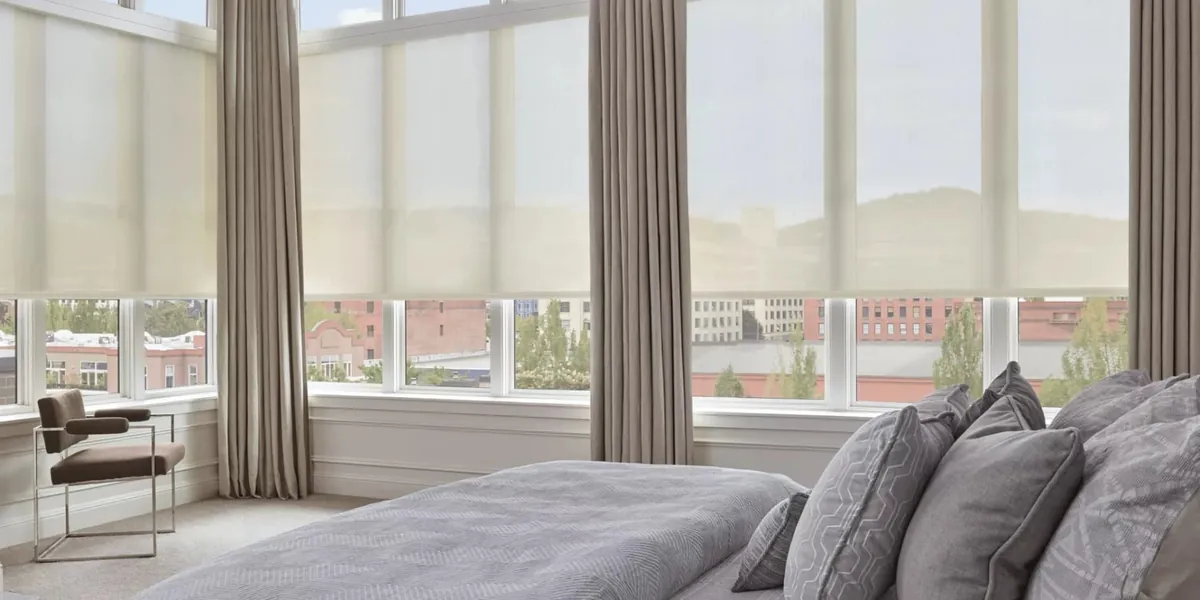
A solar screen woven to a set openness, so it trims glare while the view stays. Well suited to rooms that face the pond.
Designer Banded
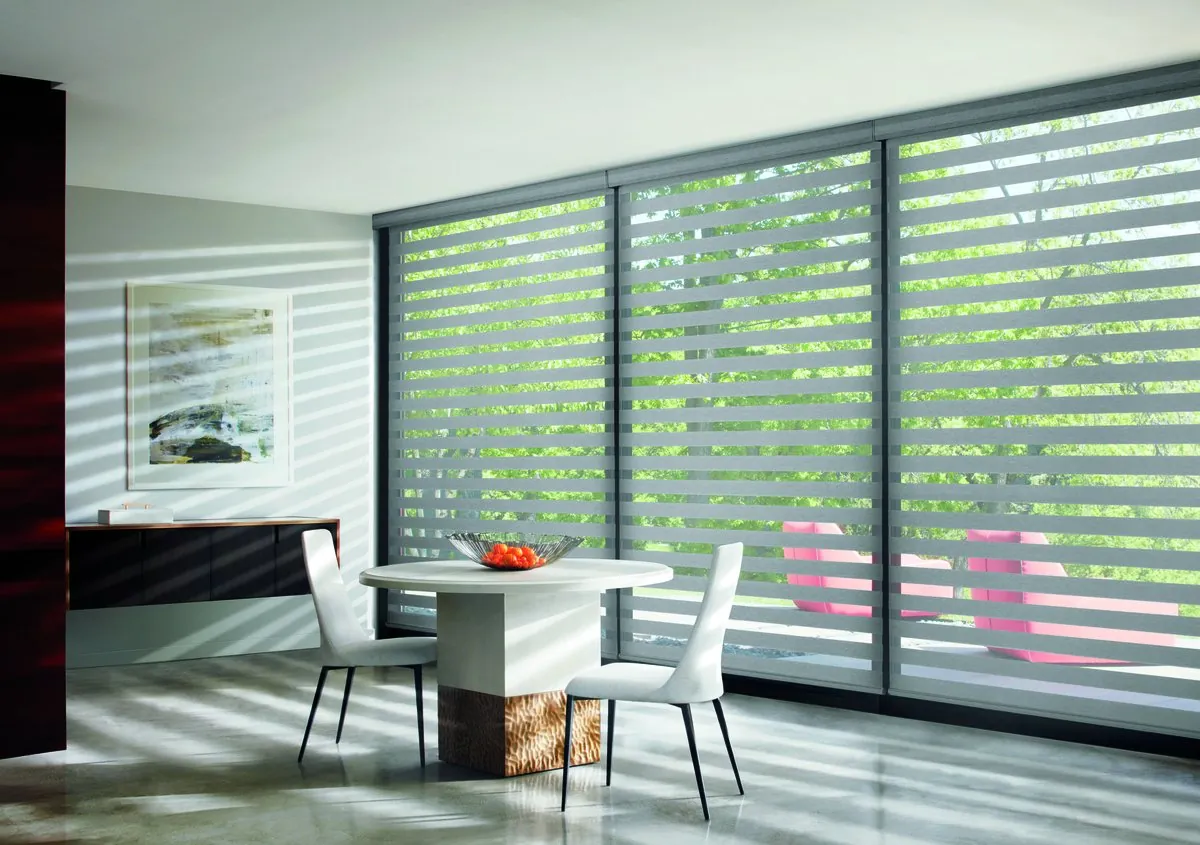
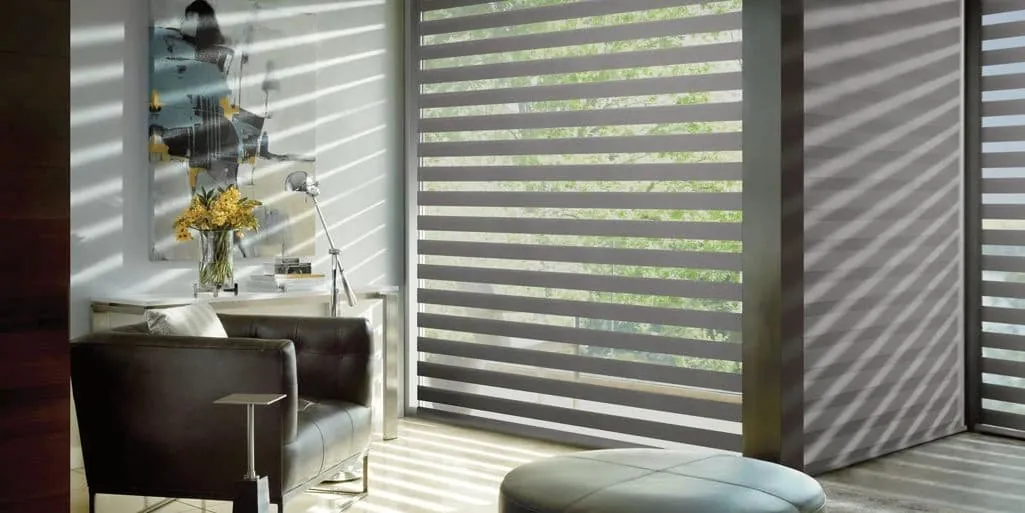
Sheer and solid stripes on two layers. Line the sheer bands up to look out, offset them to close off the house next door.
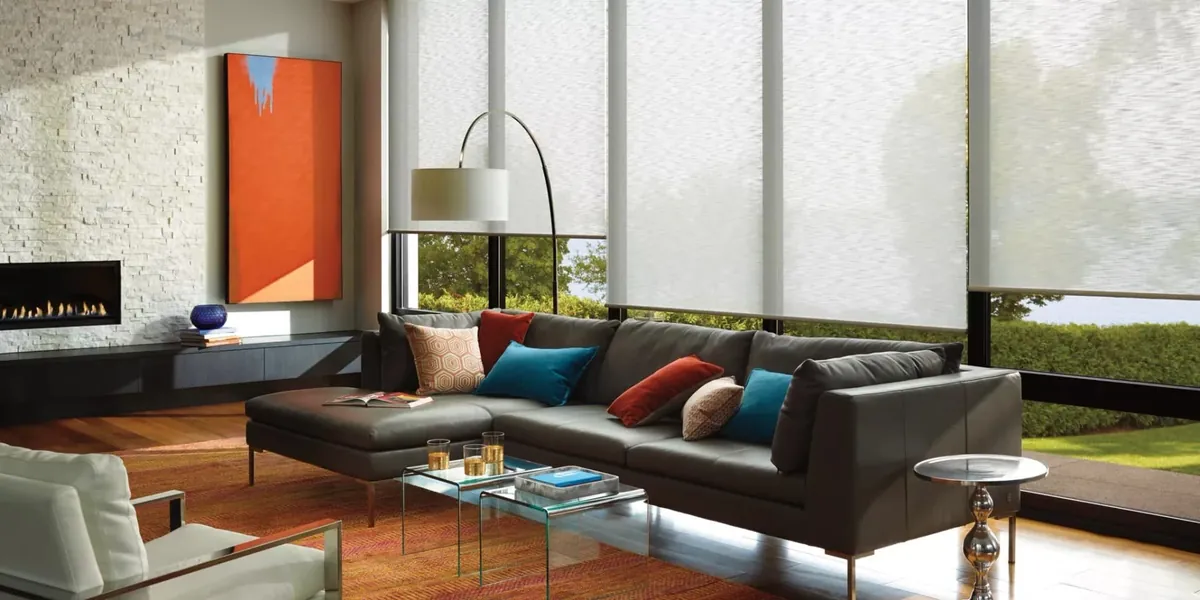
Alustra Architectural
The Alustra collection’s roller and screen fabrics, often picked for the main rooms of a larger house where the shade is part of the design.
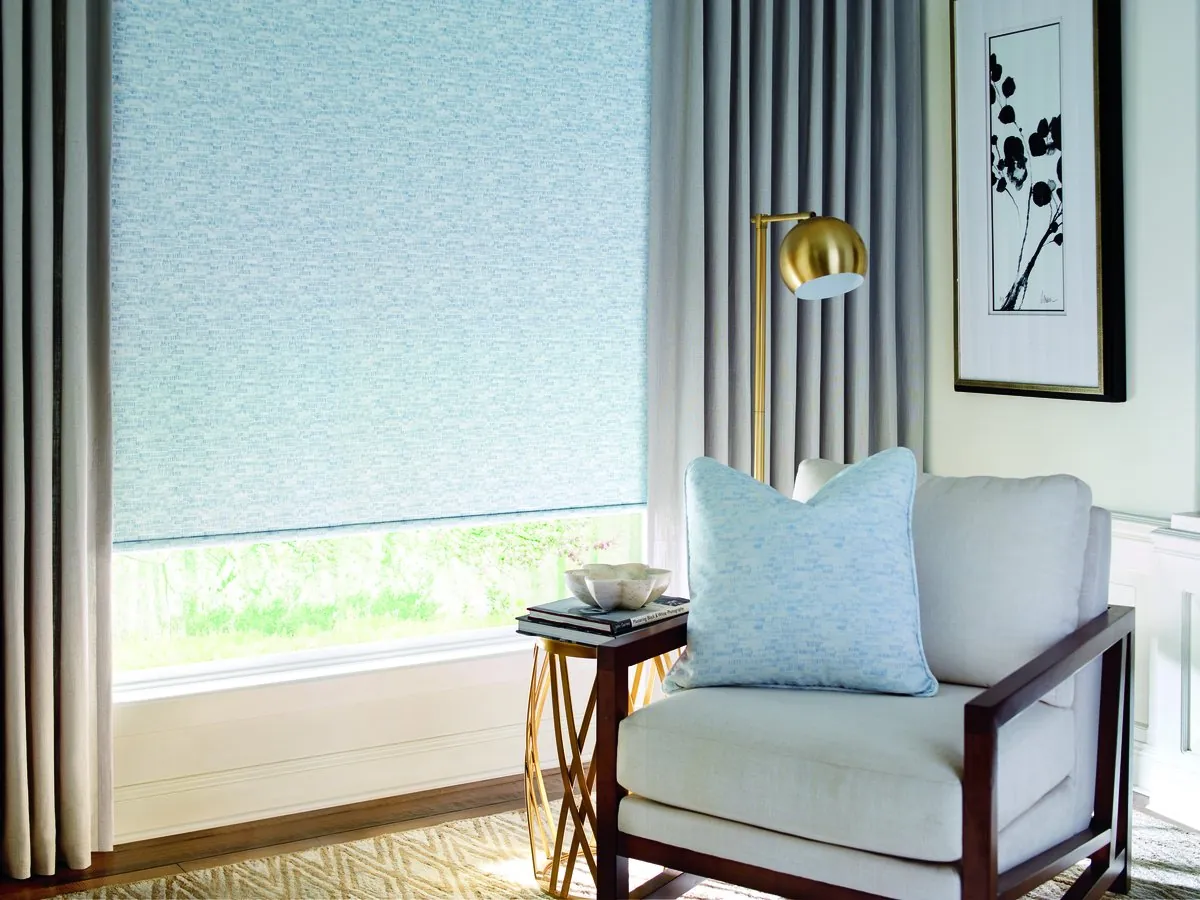
Room darkening and blackout
Heavier cloths for bedrooms and any room you use after dark. They keep the glow of your lamps from showing through to the street.
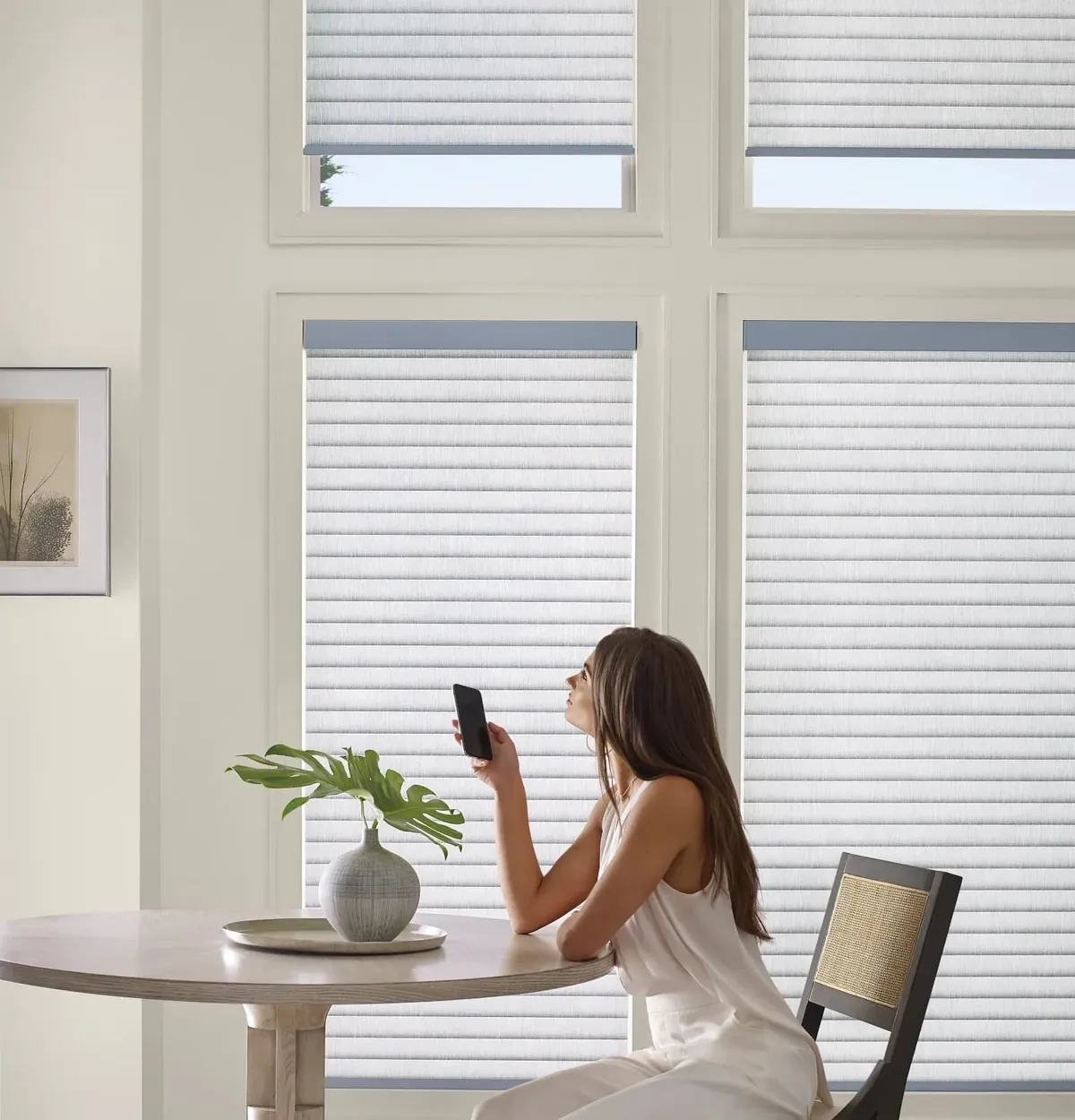
PowerView motorization
Raise and lower from an app or a remote, or let a schedule do it. Handy on a stair window or a tall sash you cannot reach.
Measuring a frame that has moved
An original sash window in a mill village house has had a long time to settle. The frame may lean a little, the head may be wider than the sill, and the depth inside the casing changes where the stops, the pulleys and the sash weight pockets sit. None of that shows from across the room, and all of it matters when a roller is made to fit inside the opening.
So we measure each window three times across, at the top, the middle and the bottom, and work from the narrowest reading for an inside mount. We take the height at the left, the center and the right. Then we check the depth at the head, where the bracket will go, and note anything that sticks out into that space: an old lock, a storm panel track, a pulley wheel.
When an inside mount fits, it looks the best on these windows. The slim casing stays fully on view and the shade tucks up out of sight when you raise it. When the depth is too shallow, or the frame is too far out of square for a clean fit, we say so and suggest mounting the shade on the face of the casing instead. That also covers more of the opening, which helps on a narrow window, where the small gap a roller leaves at each side makes up a larger share of the glass than it would on a wide modern pane.
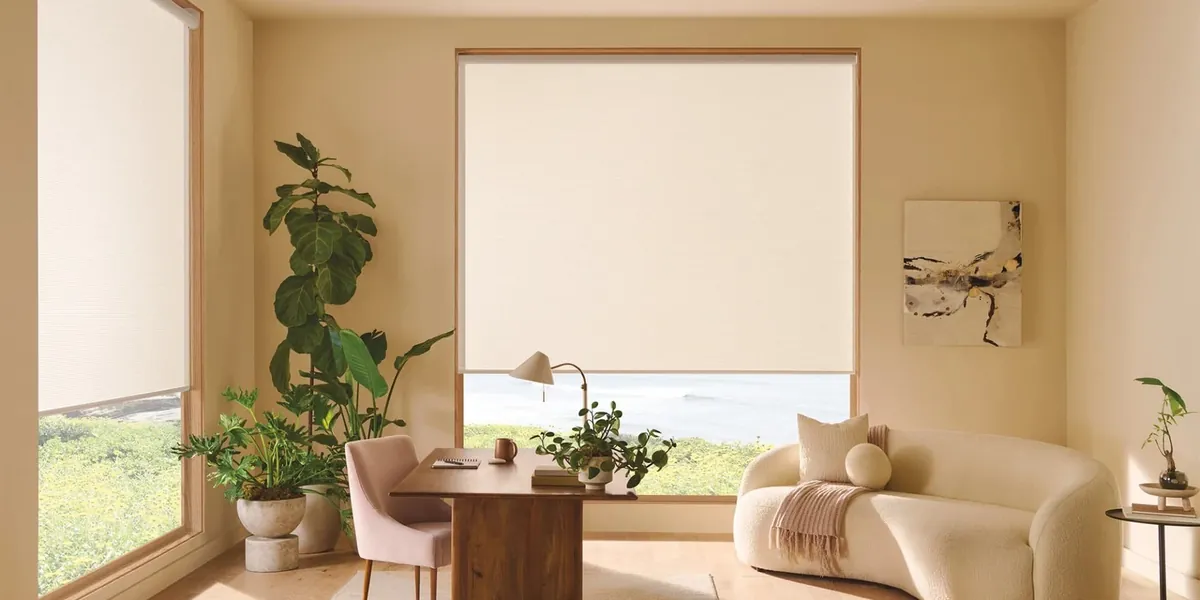
A neighbor’s window across the driveway
In the village, a side window in one house often lines up with a side window in the next. During the day that is easier to live with than it sounds. The outdoors is brighter than your room, so a light filtering roller glows with daylight and gives anyone looking in very little to see, while you still get a soft view out.
After dark the light runs the other way. Lamps make your room the bright side, and a thin fabric or an open screen can let the house next door make out who is moving about. The shade that hid the room at lunchtime can give it away after supper.
There are three straightforward fixes, and we try each one with your lamps lit and then switched off, so you can judge for yourself:
- Choose a room darkening cloth, or a heavier light filtering cloth, for side windows in rooms you use at night.
- Use Designer Banded shades, which open for daylight and close fully when the lamps come on.
- Pair a screen for the day with drapery or a second, heavier roller for the evening.
Many owners of company houses settle on a mix: banded or heavier cloth on the side windows that face the neighbor, and lighter rollers at the back, where the view is the yard.
Wider glass and bright water around the pond
The larger houses near Hopedale Pond tend to have bigger windows, and the rooms that face the water collect light from two directions: straight from the sky and reflected off the surface. On a bright afternoon that reflected glare can wash out a screen or a television and make a reading chair hard to sit in.
A solar screen is the usual answer for roller shades in Hopedale, MA, on the pond side. The fabric is woven with small openings, and its openness is all about the trade between view and glare. A more open weave keeps more of the view and lets more light through. A tighter weave cuts more glare and more of the view with it. Color matters too: a darker screen is generally easier to see through from inside, while a lighter one reflects more and brightens the room. We bring screen samples in several openings and colors and hold them at the window that faces the water, so you see the real effect rather than guess at it.
A wide window is easier to live with as two or three shades than as one long one. Each can move on its own, so you can drop the shade where the sun hits and leave the others up.
An opacity for each room
Most houses end up with more than one fabric, and that is normal. A rough guide to what we see in Hopedale homes:
- Front rooms on the street: a light filtering roller by day, with a heavier cloth or a banded shade if the room is used in the evening.
- Bedrooms: room darkening or blackout, especially on the east side, which gets the first light.
- Kitchens: a pale light filtering cloth that keeps the room bright and blurs the view of the next house.
- Bathrooms: a cloth that stays opaque with the light on, mounted to clear the sash if you open it.
- Rooms facing the pond: a solar screen chosen for openness, so the water stays in view.
Our guide to choosing fabric for a sunny room goes further into light and color if you want to read ahead.
How the consultation runs in your house
Fabric changes with the light, and the light in a narrow village room is nothing like the light in a store. That is why we come to you. Our vans carry samples, so we can bring the showroom to you.
- Book a time through Request a Consultation or the call button.
- We arrive with Designer and Alustra roller and screen samples, light filtering through blackout.
- We go room by room and ask what each window faces: the house next door, the street, the yard or the pond.
- You hold samples up at your own windows, first with the lamps lit and then with them off.
- We take every measurement, look at the frame depth and spot any old hardware in the way.
- You get a free estimate for the shades you are thinking about, with no pressure to decide that day.
If you would like help with color and fabric across the whole room, ask about our interior design consultations at the same visit. You can also read what happens at an in-home consultation before we arrive.

Keeping a row of houses looking tidy
Company houses were built to match, and from the street a row of them still reads as one picture. Shades are part of that picture. A front window with the shade pulled to a different height in every pane, or a mix of white, cream and gray cloths, makes a house look busier than it is.
Choosing one color family for the street-facing windows keeps the front calm, and the rooms at the back can go their own way. Setting the shades in a room to the same drop when they are lowered helps as well, and a motorized group makes that automatic. Both are small choices, but on a house that sits close to the sidewalk they show.
Tall sash and reaching the top
The original openings in the village are small but often tall, and a stair window halfway up a flight can be awkward to reach at all. PowerView motorization takes care of that. You raise and lower from an app or a remote, set scenes for groups of shades, or put them on a schedule so the bedroom shades close at dusk and open in the morning without anyone touching them. We plan how each motor is powered at the visit.
Motorizing every window is rarely needed. Most houses motorize the hard-to-reach shades and the rooms where a schedule helps, and leave the rest manual. Our page on how motorized shades are controlled explains the app, the remote and the schedules in plain terms.
Kitchens and back rooms
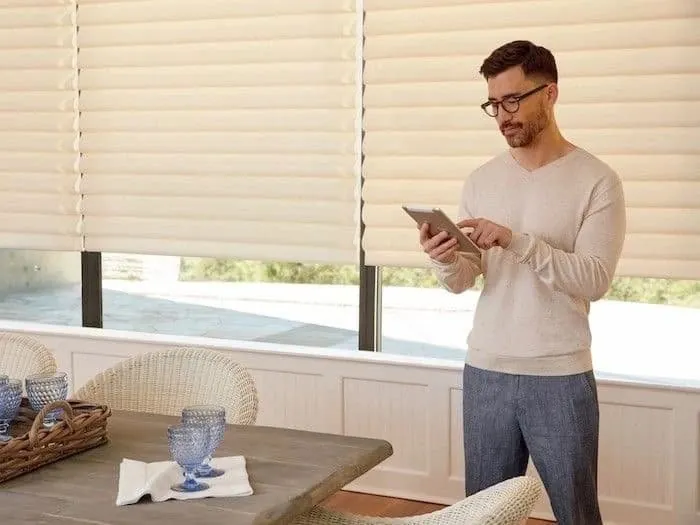
In a company house the kitchen usually sits at the back, and it often looks onto a narrow yard or the clapboard of the next house. Daylight can be in short supply, so the shade there should take away the view of the neighbor’s wall without taking away the light. When we plan roller shades in Hopedale, MA, for a room like that, a pale light filtering cloth mounted inside the frame is the usual starting point. It keeps the room bright and softens what is outside.
Over a sink the shade has to clear the faucet when it is raised and stand up to the odd splash, so a fabric that wipes clean earns its place. A back door with glass in it can take a matching roller so the kitchen reads as one room. If the back of the house faces west, a screen on those windows takes the hard edge off the late sun across the counter.
Looking after a roller
A roller is one of the easiest window coverings to keep. There are no slats to dust one by one and no folds to collect grit. Running a soft brush or a vacuum with a brush head across the fabric now and then keeps it fresh, and most marks lift with a light touch. Rolling the shade up fully from time to time stops the cloth from holding a crease where it usually sits. Our guide to caring for fabric shades covers cleaning in more detail, and if a shade ever stops rolling straight, that is a repair we handle.
Certified installation, done carefully
The people who fit your shades hold Hunter Douglas certification. On an old frame that matters, because a headrail fixed into crumbling plaster or a warped stop will not stay level. They find solid wood for each bracket, set the shade so it hangs square even where the opening is not, run it up and down a few times and show you how it works before they leave.
If a measurement turns out to need an outside mount after all, they tell you before they drill. You can read more on what happens on installation day.
The other windows in the house
A roller is one choice among several, and plenty of village houses mix treatments. A cold north bedroom may suit cellular shades in Hopedale, a dining room may want the soft folds of roman shades in Hopedale, and a front parlor may take plantation shutters in Hopedale. We also fit custom blinds in Hopedale. Our Hopedale page gathers every service we offer in town, and our roller shades overview sets the lines side by side.
Starting with roller shades for Hopedale windows on the street and the side facing next door, then adding to the rest of the house later, is a common way to go about it.
The showroom closest to Hopedale
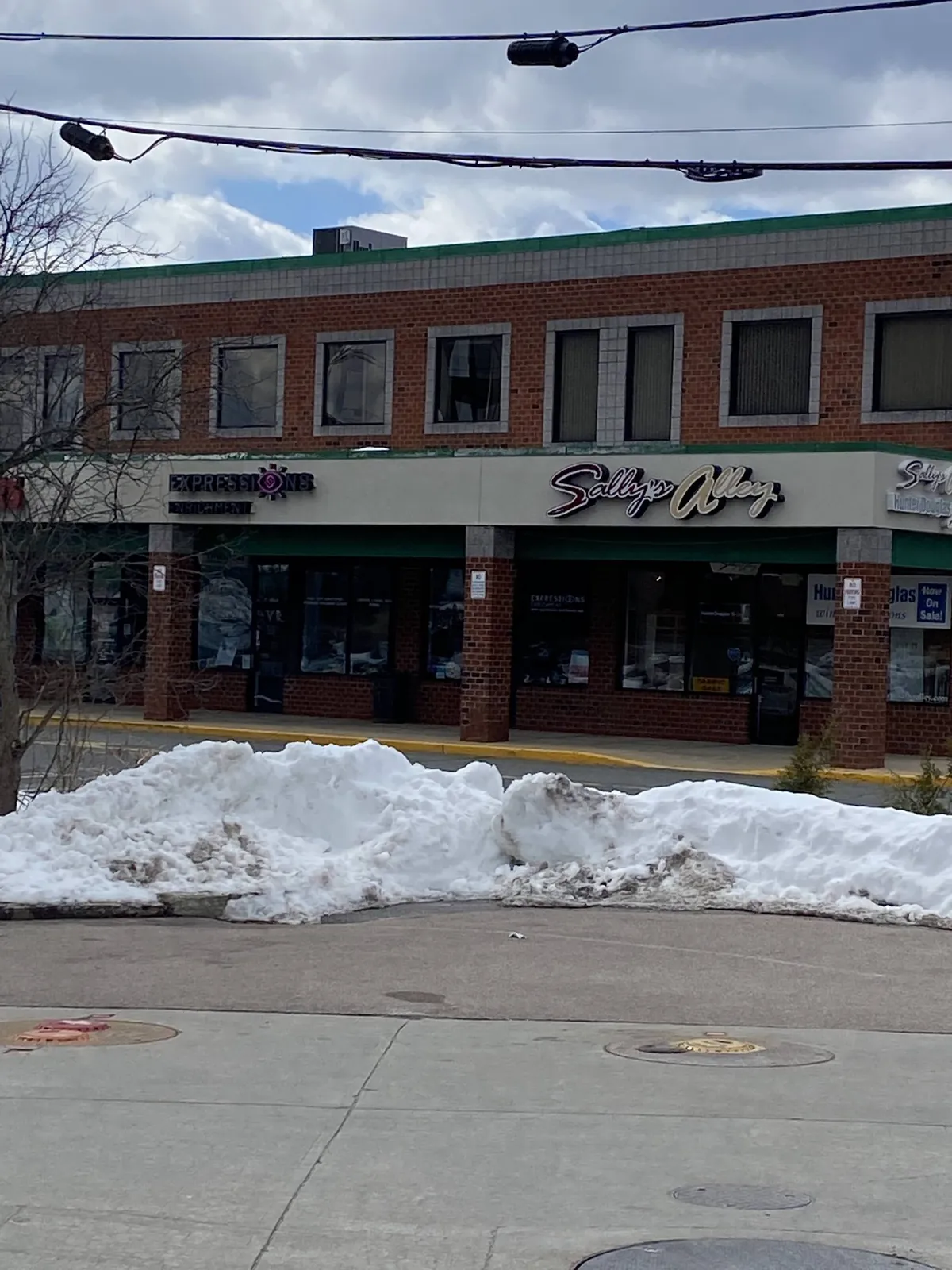
Of our showrooms, Franklin is the closest to Hopedale. If you would like to see and handle shades before anyone comes to the house, it is a good place to begin.
Most choices are still best made at home, though, with the sample against your own sash and your own view.
What a Gallery dealer brings to a small house
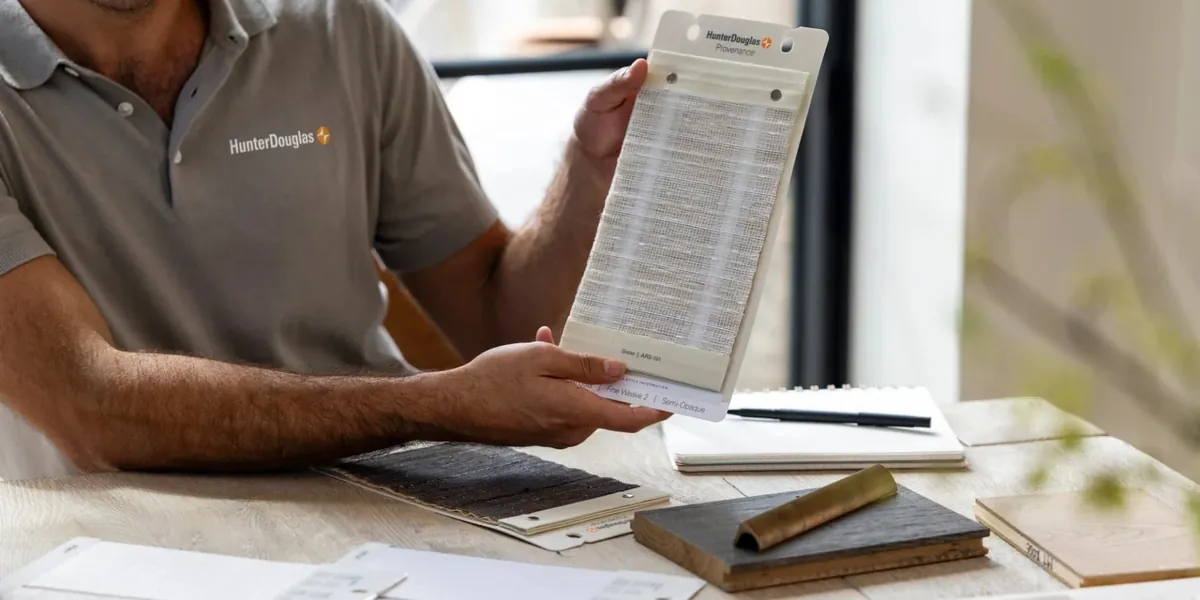
Blinds & Designs is a Hunter Douglas Gallery dealer, so the whole roller family is available through one consultation: Designer Roller, Designer Screen, Designer Banded, the Alustra collection and PowerView automation.
Installation is by certified Hunter Douglas installers. If a shade ever needs attention later, we also take on blind and shade repairs, including on window coverings you already own. Read more about us as a Hunter Douglas dealer in Hopedale.
Questions from Hopedale
My company house still has its original narrow sash. Will a roller fit inside the frame?
Usually. A roller needs little depth, and we measure each opening at several points because old frames are rarely square. Where the depth is too shallow or the frame too far out, we suggest a mount on the face of the casing instead.
The house next door is only a driveway away. What keeps my side windows private at night?
A room darkening cloth, a heavier light filtering cloth or a banded shade. Thin fabrics and open screens look private by day but can show shapes once your lamps are on.
Which shade is best for a room that faces the pond?
A solar screen, chosen for openness. A more open weave keeps more of the view; a tighter one cuts more glare. We bring several to compare at the window.
Can I motorize just the stair window?
Yes. Many houses motorize only the shades that are hard to reach, and keep the rest manual. We plan how each motor is powered at the visit.
What does the estimate cost?
Nothing. We measure during the consultation and give you a free estimate for the shades you are considering.
Your next step
Nothing settles the choice for a village house or a pond-side room like a sample held against your own glass. Request a consultation and we will bring the Designer and Alustra samples to you, measure every opening and leave a free estimate. Prefer a conversation first? The call button reaches us, or stop in at the Franklin showroom.