
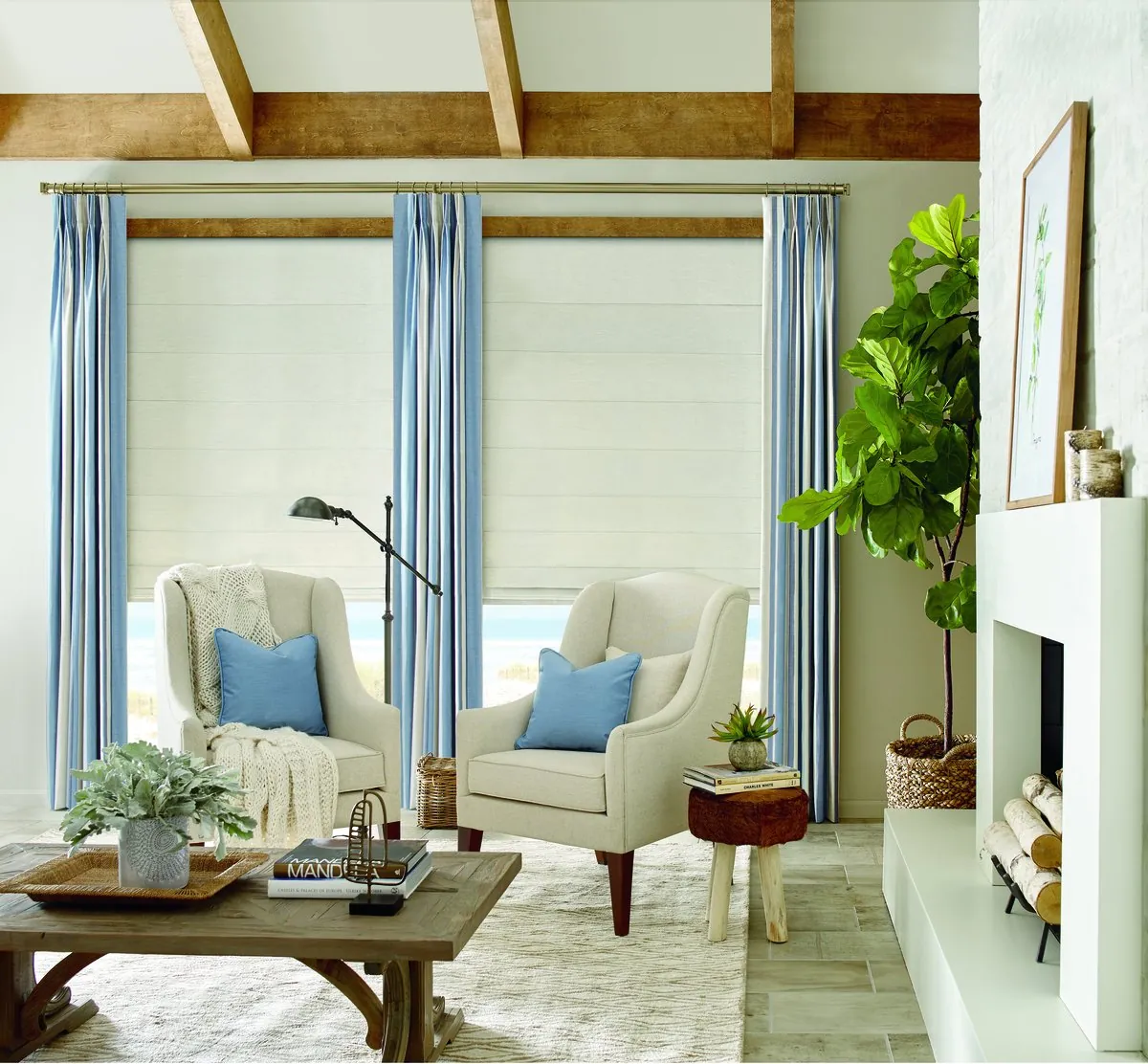
Village sash and houses in the trees
Easton has two distinct kinds of house, and both suit a fabric shade, for different reasons. Near the villages, antique colonials and Victorians stand with the tall sash windows they were built with, often behind original casings. Off Route 123, newer colonials sit on wooded lots, set well back from the road with trees all around. Whichever you live in, roman shades in Easton, MA, start from the shape of your windows and the light that reaches them.
What the two share is space. Lots across most of Easton are generous, and the setbacks are deep, so the houses stand well apart from the road and from each other. That takes some pressure off privacy and puts more weight on light, comfort and the look of the room. A fabric shade can spend much of the day raised, leaving the window clear, and come down in the evening or when the sun gets low.
We bring Hunter Douglas Vignette and Carole Fabrics roman shades, in flat and folded styles, to your house, so every fabric is judged in the room where it will hang.
Three ways to dress an Easton window
These are the looks we bring out most often in Easton, and each comes to your door on the sample van.
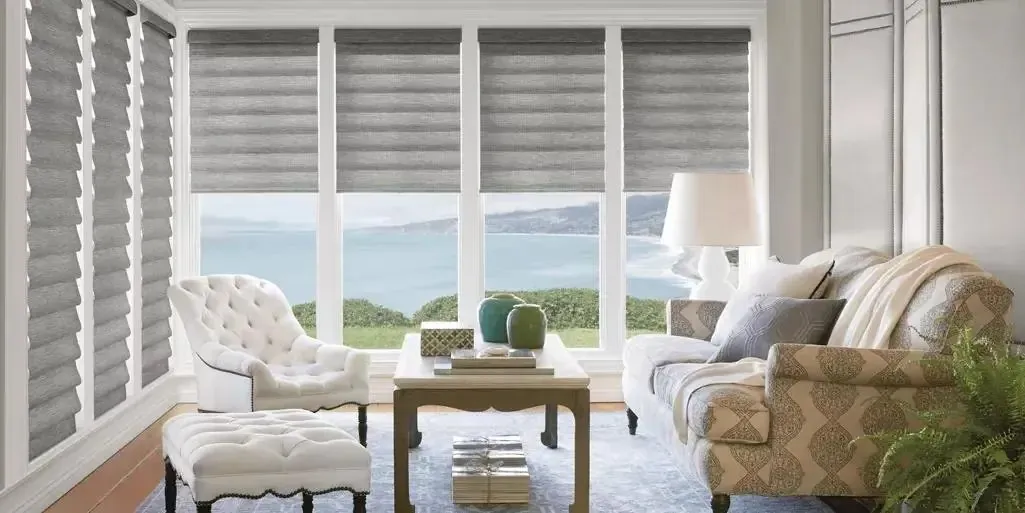
Soft folds for a village parlor
The Carole folded style, with loops that stay in the fabric from top to bottom. A gentle, period-friendly look beneath tall ceilings.
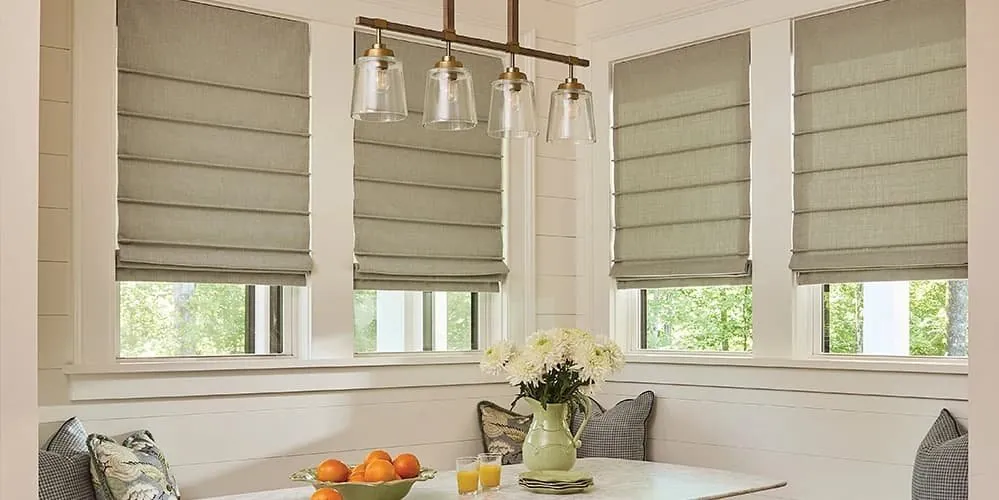
Clean lines for a newer colonial
Vignette, with its regular, even folds, suits the kitchens, family rooms and offices of a house built more recently.
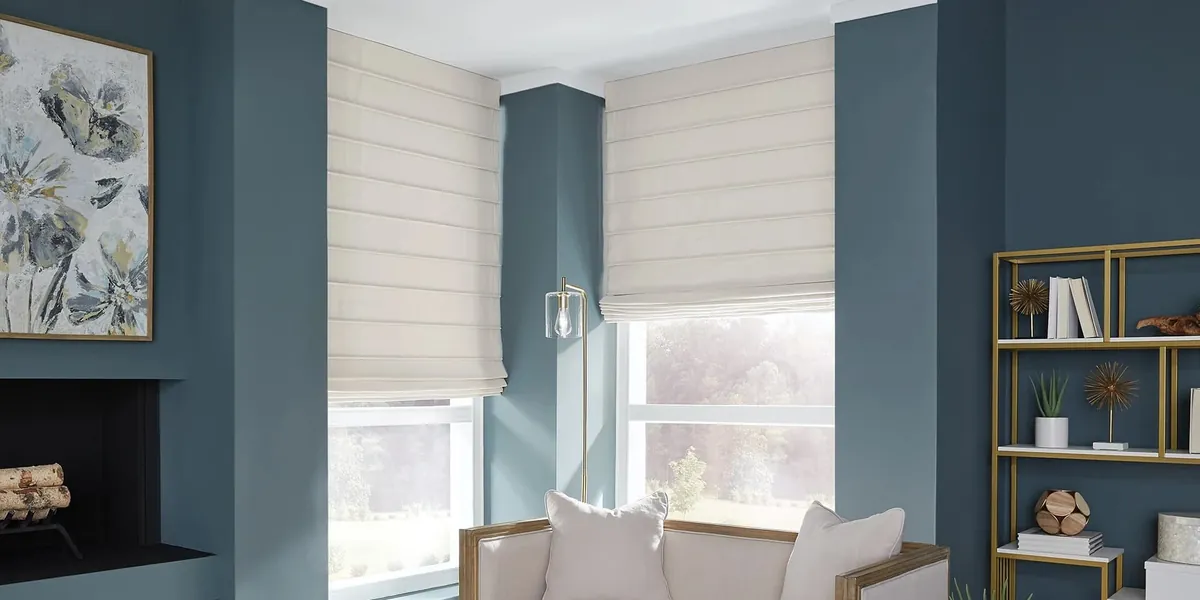
Pattern on a flat panel
A Carole flat style lets a print or stripe run straight down the window, so the shade becomes a feature of the room.
Antique colonials and Victorians near the villages
The older houses near Easton’s villages carry the tall sash windows of their period. A long, narrow window gives a fabric shade a generous drop, so the folds can be spaced comfortably when the shade is lowered, and the raised stack takes up only a modest strip at the top of the glass. That keeps these rooms, often deep with high ceilings, as bright as possible during the day.
Old windows also come with old frames. A good number keep the casings they were built with, some broad and handsome, and the plan is to leave them uncovered. A frame with depth to spare takes the shade within it. A shallow one, or one with sash cords and pulleys in the way, takes the headrail on its face a little above the top pane. We write down every opening separately, since two sash in the same antique room are seldom exact twins.
From the road, these houses are seen as a whole, even with a deep front yard. A single outward-facing color across the front, and front shades that rest at one height through the day, keep that view composed, while each room behind the glass is free to go its own way.
Newer colonials on wooded lots off Route 123
The newer colonials off Route 123 are built on wooded lots, and the trees shape how light arrives. In summer the canopy filters the sun, so rooms can feel shaded and green for much of the day. Once the leaves fall, far more light comes through, and a room that felt dim in July can be bright in November. A fabric shade that works across both seasons needs to keep a summer room from feeling dark while still handling the stronger light of the bare months.
That usually points to fabrics in lighter and middle weights for the main rooms, chosen in colors that look right under green, filtered light as well as under clear winter light. Some fabrics shift noticeably in color between the two, which is one more reason to see the samples at your own windows rather than in a book under someone else’s lighting.
The openings in these houses are modern and consistent, with frames deep enough for the shade to sit inside. A colonial’s rows of matching windows suit a matching set of shades, and a whole-house order is simple to plan.
Why a fabric shade suits an Easton house
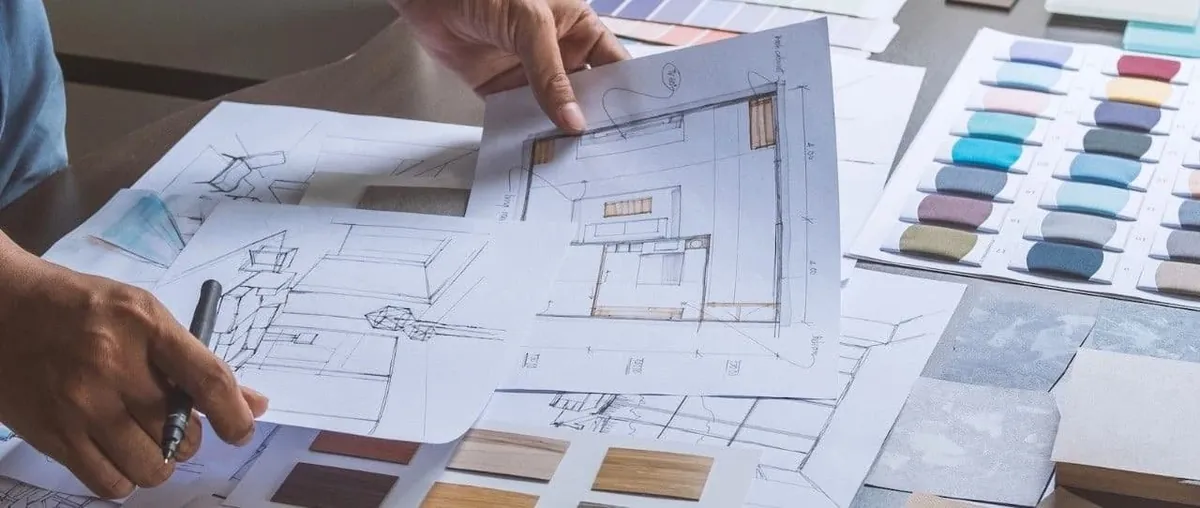
There are plenty of ways to cover a window, and the reason so many Easton rooms end up with a fabric shade comes back to the housing. In the antique colonials and Victorians, fabric suits the age of the rooms. Blinds can look mechanical against old trim, and full curtains can crowd a narrow sash. A roman shade sits neatly within or just above the frame, brings softness to the room, and leaves the woodwork as the main event.
In the newer colonials on wooded lots, the appeal is different. These houses often have big, open rooms with hard floors and lots of glass, and a fabric shade adds warmth and quiet. Because privacy is less pressing on a deep lot, the shade does not need to be down all day, and when it is up, it stacks into a tidy band at the top of the window. If you are still weighing fabric against slats, our guide to shades or blinds, how to choose sets out the differences. For roman shades in Easton, MA, the choice usually comes down to the room, and we bring enough of the Hunter Douglas range to compare on the day.
What deep setbacks change
On a crowded street, a fabric shade is first a privacy device. In most of Easton, with a long front yard and plenty of room between houses, privacy comes second. During the day, people passing on the road are far away and the angle into the room is shallow. So the shade can stay up, stacked neatly at the top of the window, and the room gets the full daylight.
The evening is different. A lit room shows from a long way off, especially from a dark road through the trees, so the front rooms still want a fabric that gives privacy once the lamps are on. But it can be a lighter requirement than on a dense street, and many Easton living rooms are happy with a medium-weight fabric that glows softly after dark rather than the heaviest option.
Bedrooms keep their own rules. However deep the setback, a bedroom usually wants to be dim at night and in the early morning. A heavier fabric there is the common choice, and we plan it room by room.
Windows that face the woods
Many rooms in the newer colonials look out over their own trees, and that outlook is part of the pleasure of the house. A roman shade lifts from the bottom, so a shade lowered a little way screens the top of the glass and leaves the lower part open to the woods. On a family room or breakfast room window, that part-way setting tends to be the everyday one from lunch until dusk.
Where a room faces the woods on several sides, a consistent fabric and a consistent resting height make the windows read as one band around the room. For roman shades in Easton, MA, in rooms like that, we often suggest a pale, light-filtering fabric that keeps the shade from feeling heavy against the green outside.
Color against a green backdrop
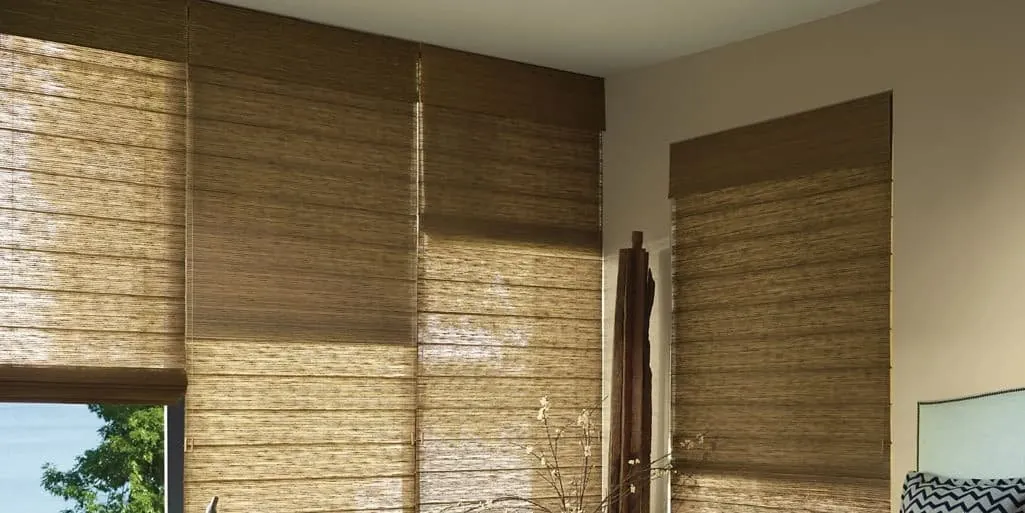
A window that looks out on trees has a backdrop that changes the fabric in front of it. With leaves outside, light reaching the room carries a green cast, and it can make cool whites look gray and warm creams look slightly yellow. From the outside, the shade is seen against the house paint and the trim, so its outward face matters for the look of the elevation from the drive.
In practice, that means we test samples in two ways at an Easton house: held against the glass from inside, to see how the room feels with the shade down, and seen from outside, to check that the color sits well with the siding and trim. Soft, warm neutrals, oatmeal and stone shades, and muted greens and blues tend to sit happily in a wooded setting. Bright whites can look stark against dark trunks in winter. A fabric that passes both tests in your own yard is far more likely to please you over time than one chosen from a small swatch.
Your consultation, from first call to estimate
Easton falls within the area we serve from Canton as a shop-at-home service. With lots this size and houses this far apart, bringing the samples to you simply makes sense. The van comes up your driveway, and the choosing happens at your own windows.
- Ask for a visit using the Request a Consultation form, or use the call button.
- Mention whether the house is one of the older village homes or a newer colonial, so we can bring the right range of samples.
- The consultant sets out the Vignette and Carole Fabrics books in a room with good light.
- Fabrics are tried against tall sash and modern openings alike, and against the trees outside.
- Every window is measured, with notes on frame depth, casing and the resting height of each shade.
- A free estimate, broken down by room, is left with you to consider.
To read up first, the guide to what happens at an in-home consultation explains the visit, and the window measuring terms explained guide decodes the words you may hear.
Pattern and texture in an antique room
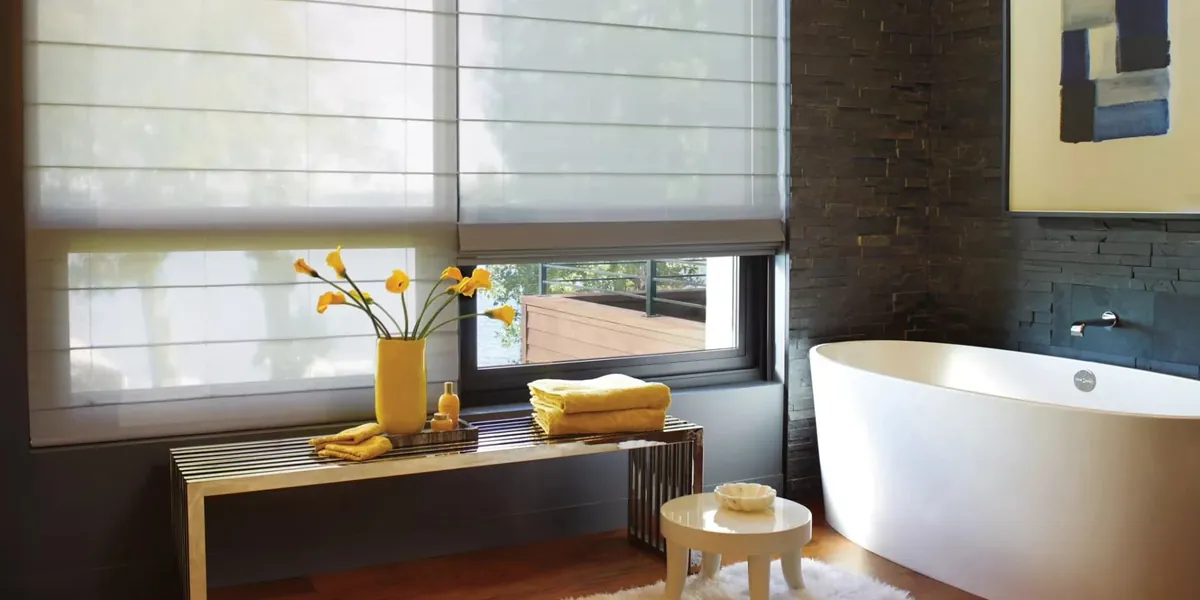
Rooms in an old village house come with their own palette before a single fabric arrives: wavy glass, worn floorboards, trim painted many times over. A printed Carole flat panel on a long sash adds one more layer to that, and on a plain-walled room it can become the thing visitors notice first. Stripes that run top to bottom stretch an already tall opening. A slubbed, linen-like weave stays quiet and lets the old casing hold the eye.
What rarely works is a fabric with a hard sheen or a very contemporary graphic print, which tends to look borrowed from another house. If we think a sample is pulling against the room, you will hear that from us at the window. Soft weaves, faded-looking stripes and small, old-fashioned prints are the ones that usually settle in.
The folded style for comfortable rooms
Not every room wants a tailored look. A Carole folded style, with its soft loops kept in the fabric even when lowered, gives a relaxed, comfortable feel to a sitting room, a den or a primary bedroom. In a newer colonial’s family room, a folded style in a plain, textured fabric softens a space full of hard surfaces. In an antique house, it suits a bedroom tucked under the eaves.
The folded style shines with plain or lightly textured fabrics, where the shape of the loops is the decoration. Bold prints are usually better on a flat style, where the pattern stays legible.
Many windows in a large colonial
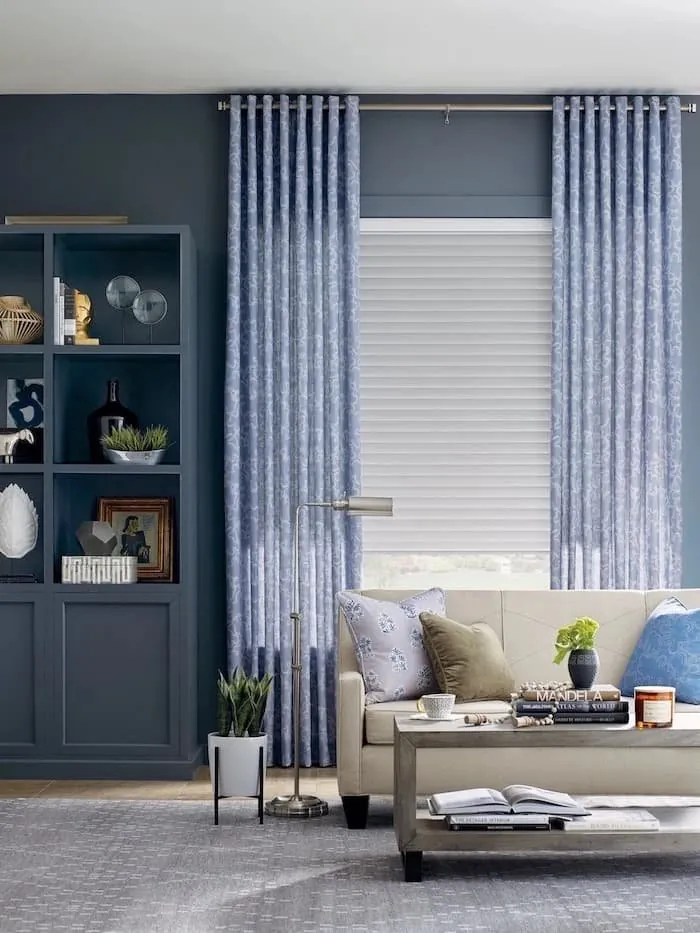
A large colonial on a wooded lot can have a great many windows, and planning them as a whole saves time and gives a better result. We usually group them: the front windows, which are seen from the road and want to match; the main living spaces, often open to one another, which want one fabric family; and the bedrooms, which want privacy and darkness. Each group gets its own plan, and the estimate is set out the same way so you can do the work in stages if you prefer.
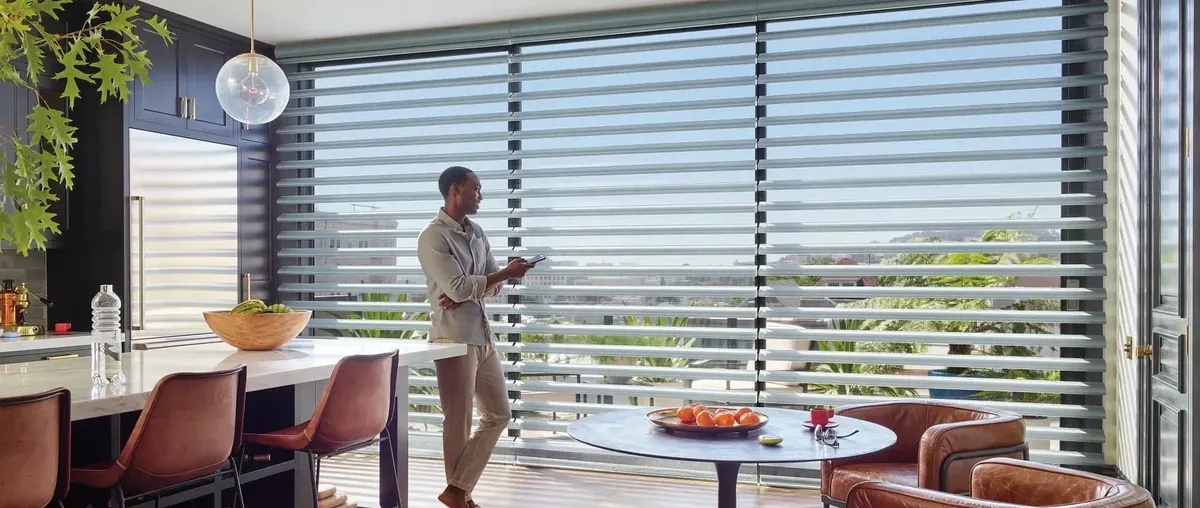
With this many windows, PowerView is worth a look. A tap in the app, a press of the remote or a saved timetable sends the family room shades down together at dusk and lifts them again after breakfast. High windows over a stair or in a two-story room become easy to reach. We plan how each motor is powered at the visit. The motorized blinds in Easton page explains automation across the house.
Design help and other rooms
Some Easton projects take in a whole room or a whole floor. Our interior design consultations pull wall colors, upholstery and window fabrics into one plan, and Hunter Douglas drapery can frame a tall sash in a formal room where the ceiling height calls for it. Rooms that suit something other than a fabric shade can be planned on the same visit: bedrooms often take cellular shades in Easton, and a bathroom or a breakfast room may suit plantation shutters in Easton. Our Easton page lists everything we offer in town.
Installation in old and new houses
Old houses and new ones need different care on fitting day. In an antique colonial, frames may have shifted and plaster can be hard; in a newer house, the work is quicker but there may be many more windows. Either way, your shades get certified Hunter Douglas installation, with each headrail leveled to the room so that rows of shades line up. The installer runs each shade fully down and up before leaving. The guide to what happens on installation day describes the visit.
Gallery dealer status, and two showrooms within reach
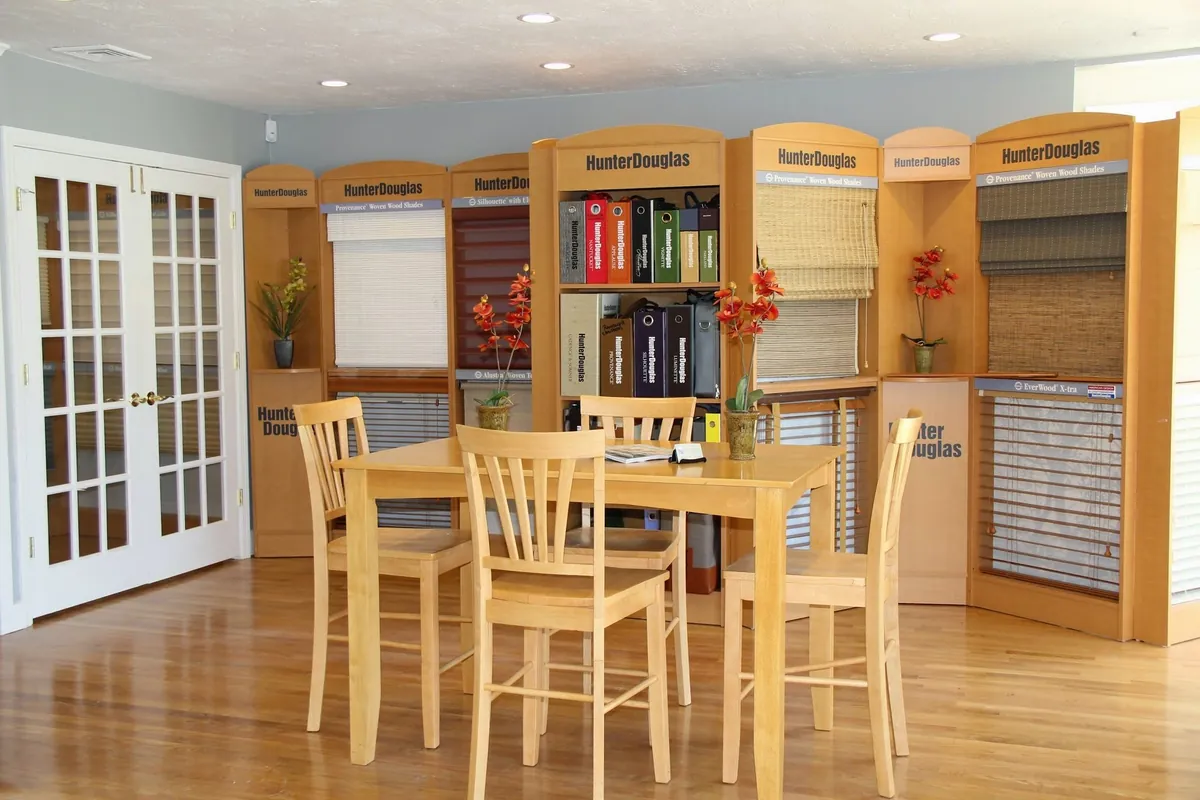
Blinds & Designs is a Hunter Douglas Gallery dealer. For an Easton house that means access to every Vignette and Carole Fabrics roman shade, and to Hunter Douglas blinds, shutters, drapery and other shades for rooms that need them, all planned on one visit.
There is no charge for an estimate, and if a blind or shade already in the house needs attention, our blind and shade repair service will look at it.
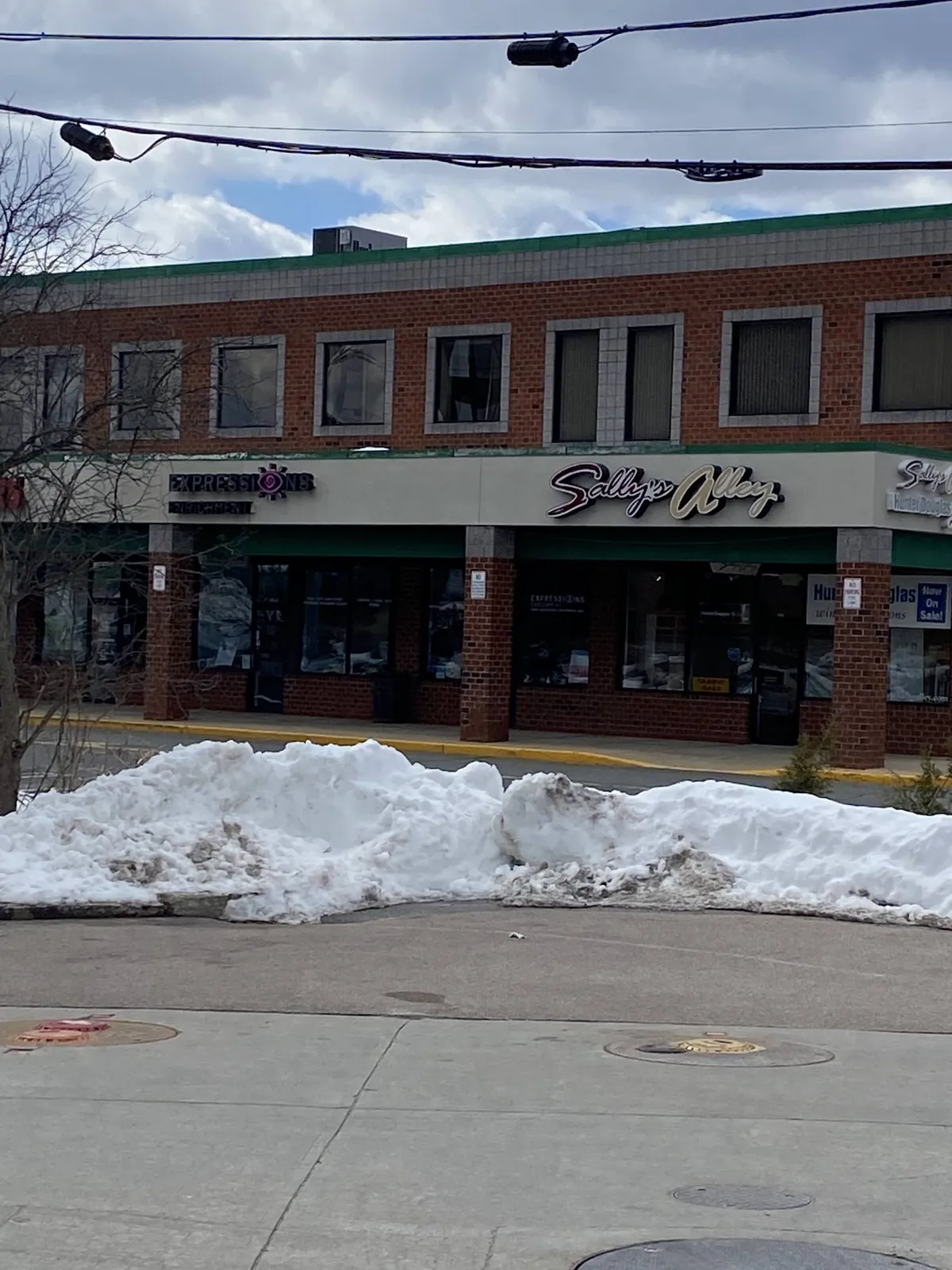
Choosing roman shades in Easton, MA, usually begins at home with the in-home consultation. For anyone who would rather come to us, the Franklin showroom is the closest, and North Dartmouth is also within reach.
Questions from Easton
Our house sits far back from the road. Do we still need privacy fabric in the living room?
For daytime, probably not. In the evening a lit room shows from a long way off, so a medium-weight fabric is usually worth having on the front windows. Bedrooms generally want more weight.
Will the light through the trees change how a fabric looks?
It can. Filtered summer light and bare winter light can shift a color noticeably, so we suggest seeing samples at your own windows before choosing.
Can a roman shade fit an original sash window?
Usually. Where the frame is deep enough, the shade sits inside it; where it is shallow, the headrail goes on the casing just above the glass.
Which showroom is nearest to Easton?
Franklin is the closest, with North Dartmouth also within reach. Most Easton customers start with an in-home consultation instead, since the samples come to the house.
Do you charge for the estimate?
No. Every estimate is free, set out room by room.
Let the samples come to you
The best place to judge a fabric for a village sash or a window full of trees is that window. Request a consultation, and a consultant will bring the Vignette and Carole Fabrics books to your house, measure every opening and write up a free estimate before leaving. Roman shades in Easton, MA, are planned around the light your rooms actually get, through the seasons. If you would like to ask something first, the call button is the quickest way.