
Transoms, bays and tall sash around the common
The houses ringing the common are Victorians and colonials, built with tall sash windows and plenty of detail: a transom over the front door, a fixed pane above a window, a bay pushing out from the parlor. None of those come in a stock size. Openings like these need coverings made for them, measured on site and ordered to fit, rather than something picked off a shelf. That is the heart of window treatments in Foxborough, MA, in the older part of town.
Head out toward Route 1 and the houses change to post-war ranches and newer subdivisions, with standard modern openings that take almost anything. There the questions are about light, privacy and how the rooms are used, rather than how to fit an odd shape.
Most of our work in town falls into one of those two camps. Both start with a tape measure and a look at how the sun moves through the rooms.
Every Foxborough service, card by card
Click through to the Foxborough page for each service. Each one goes into how it suits the houses around the common and further out.
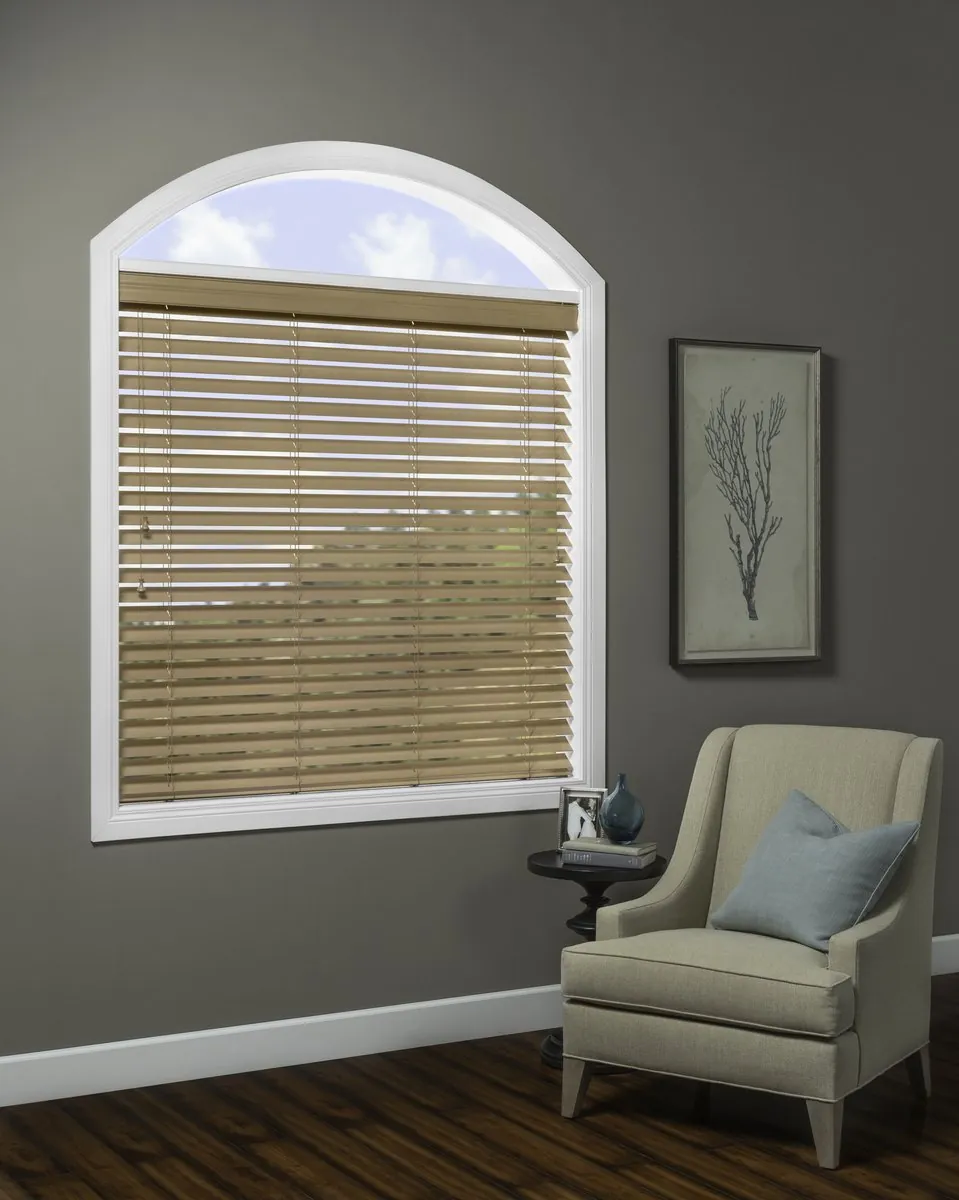
Custom Blinds in Foxborough
Slats in real wood, faux wood or metal, or verticals, each one made to the width of its own frame.
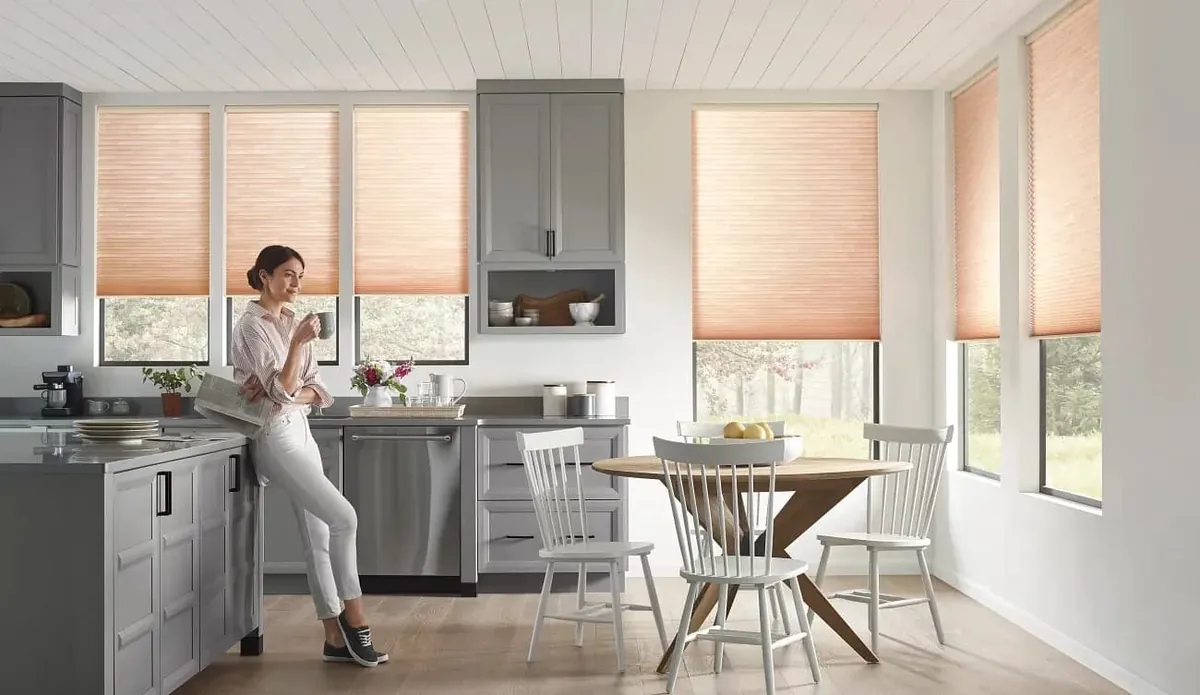
Cellular Shades in Foxborough
Duette and Applause. A honeycomb’s cells trap air at the glass, the reason a tall-sash parlor feels less draughty with one down.
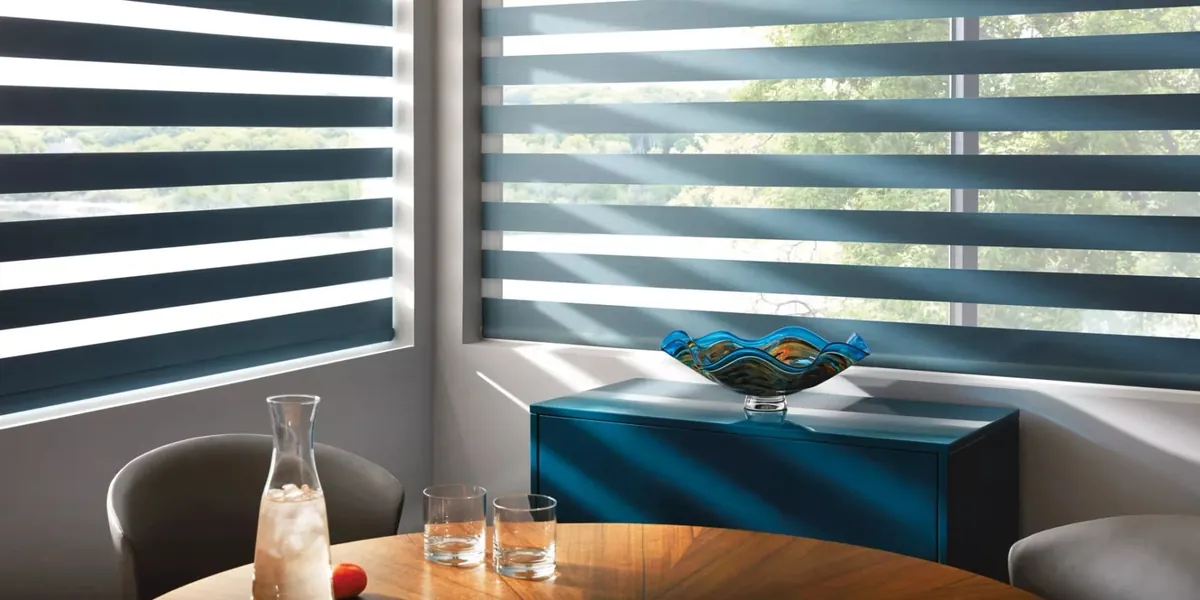
Roller Shades in Foxborough
Designer and Alustra rollers, banded shades and screens. Openness is the dial between view and glare.
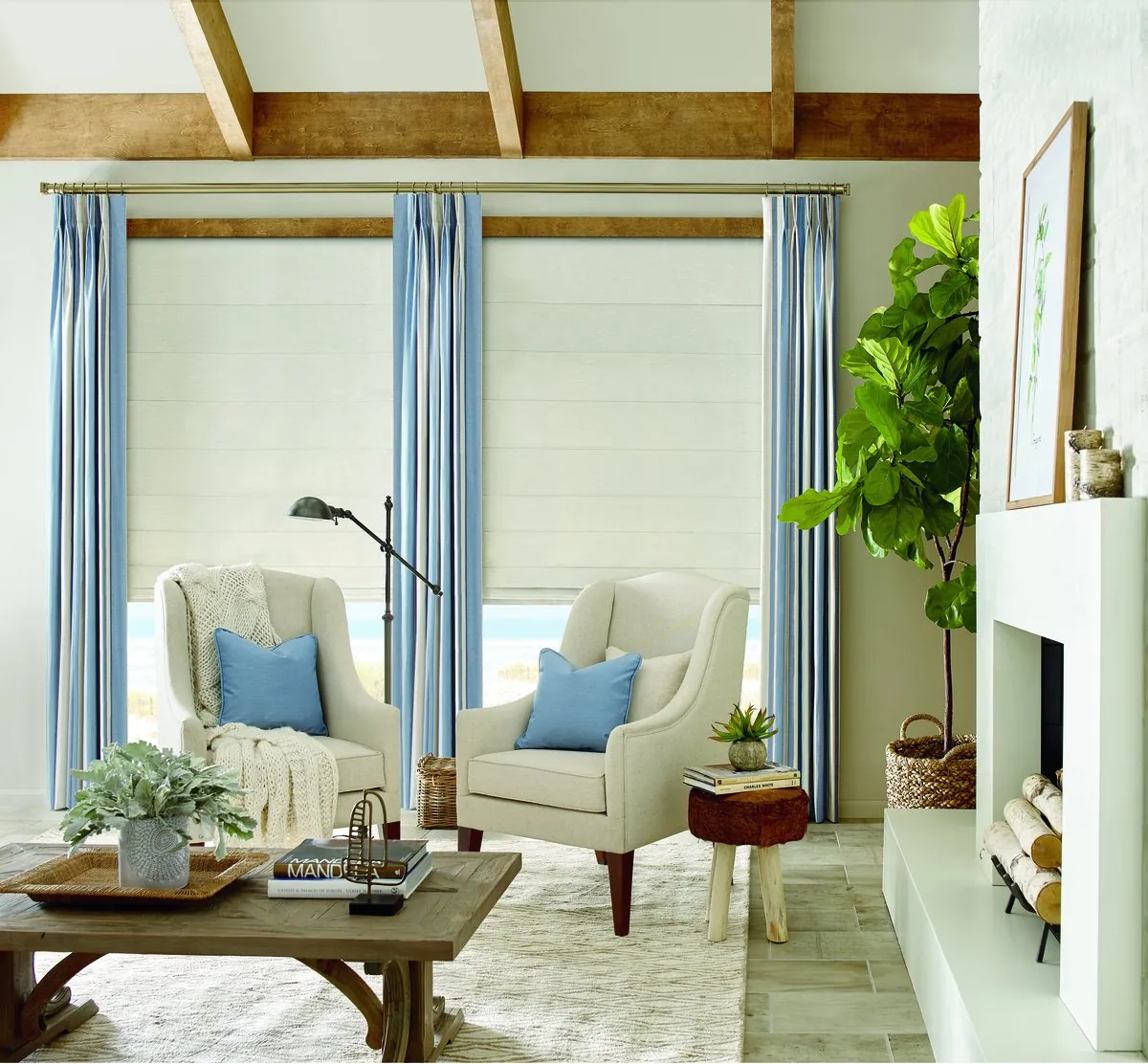
Roman Shades in Foxborough
Flat and folded romans from Vignette and Carole Fabrics, a period-friendly choice for Victorian rooms.
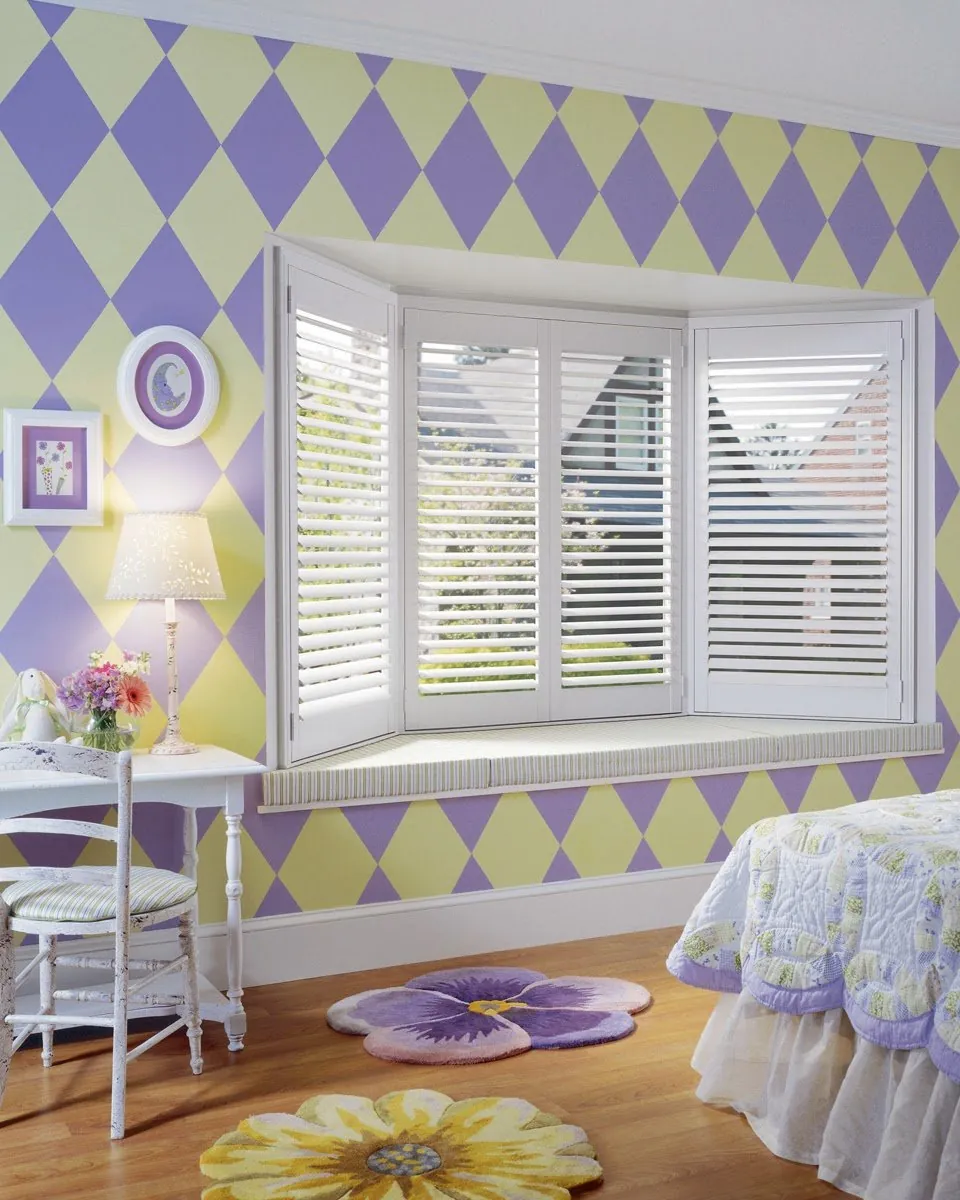
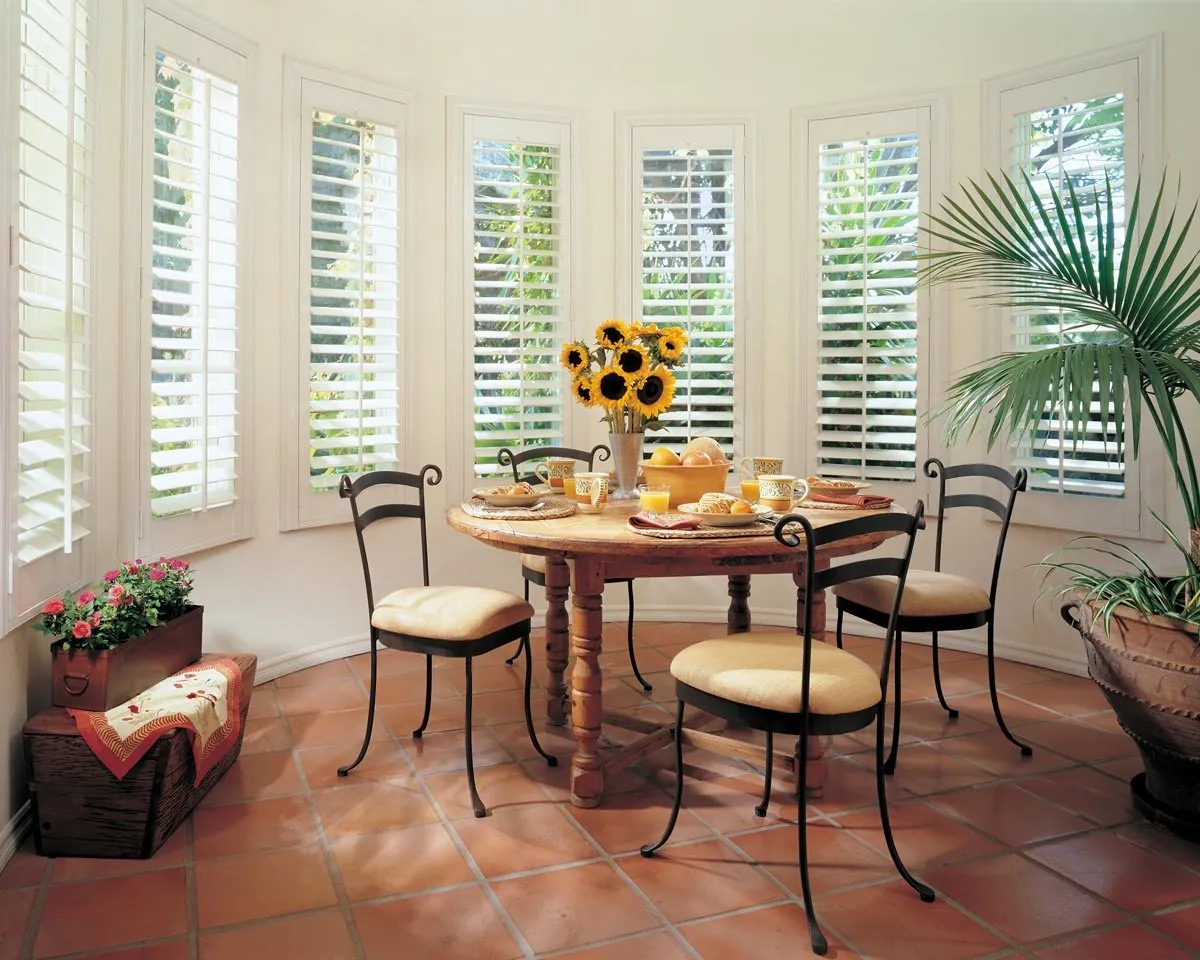
Plantation Shutters in Foxborough
Palm Beach, NewStyle and Heritance shutters, built panel by panel for bays and tall sash.
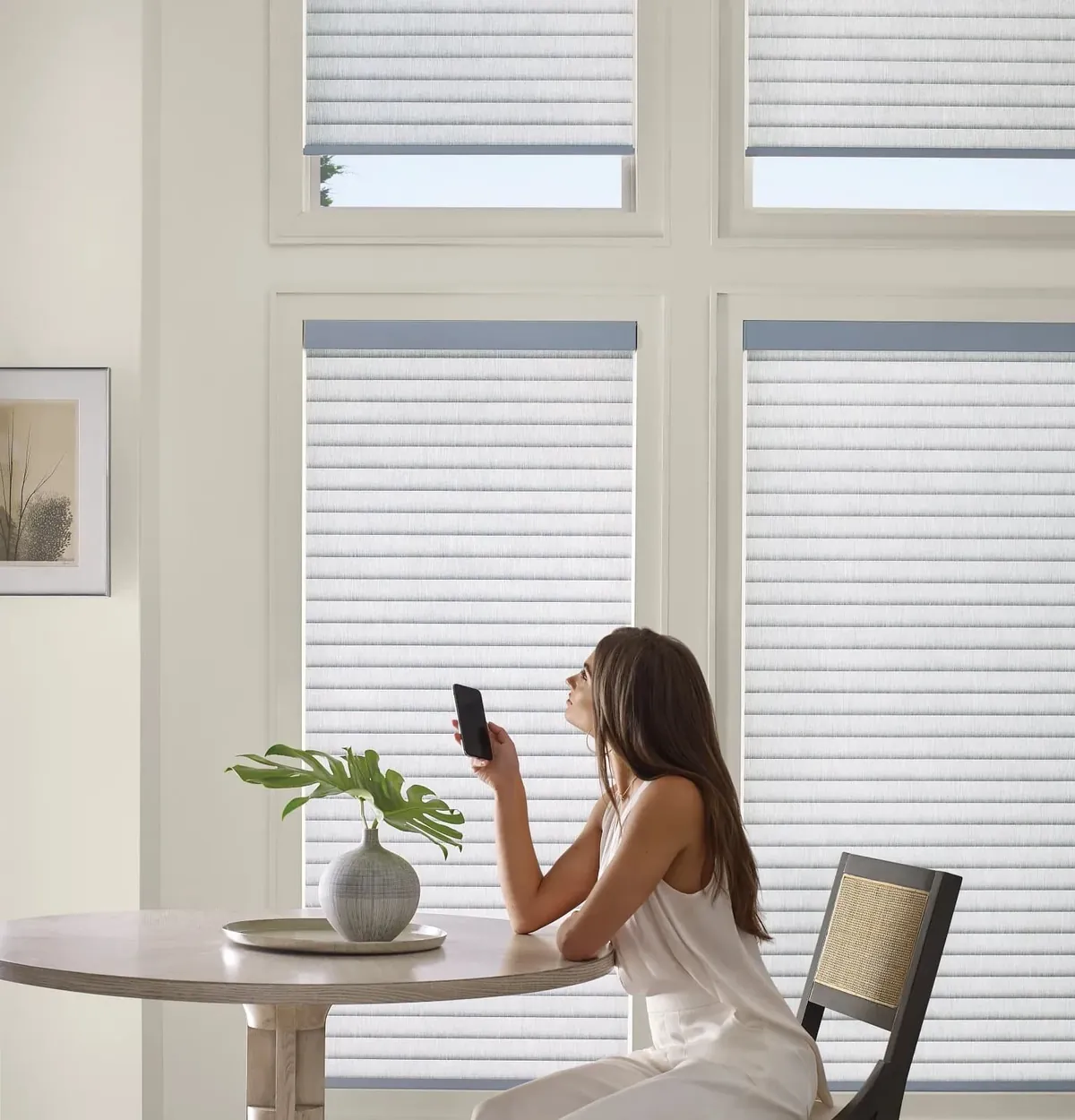
Motorized Blinds in Foxborough
PowerView takes care of high transoms and tall sash from a remote, the app or a set schedule.

Hunter Douglas Dealer in Foxborough
A Gallery dealer with the entire Hunter Douglas range and certified Hunter Douglas installation.
Made rather than bought
A stock blind is made for a stock window. The older houses around the common have very few of those. Their sash is tall and narrow, the frames have moved a little over many winters, and the details that give the houses their charm, the transoms and bays, come in whatever size the original builder chose. Hang a ready-made shade in one and you get gaps down the sides, a headrail that overhangs the trim or a bay where nothing quite meets in the corners.
Made-to-measure coverings avoid all that. Every Hunter Douglas product we supply is built to the measurements taken in your house, so the shade fits the frame it is going into rather than the nearest standard size. That matters most on exactly the windows the center houses are full of.
Here is how we go about measuring an older opening:
- Width at the top, middle and bottom, because an old frame is often narrower at one point than the others.
- Height on the left, center and right, to see whether the frame has leaned or settled.
- Depth at the head, to decide whether a headrail fits inside the frame or needs to mount on the casing.
- Any latches, sash locks or old hardware that a shade has to clear on its way up and down.
- For a bay, the angle between each window and the space at each corner where two headrails meet.
- For a transom, whether it opens, how high it sits and whether you want it covered at all.
The window measuring terms guide explains the vocabulary if you would like to follow along.
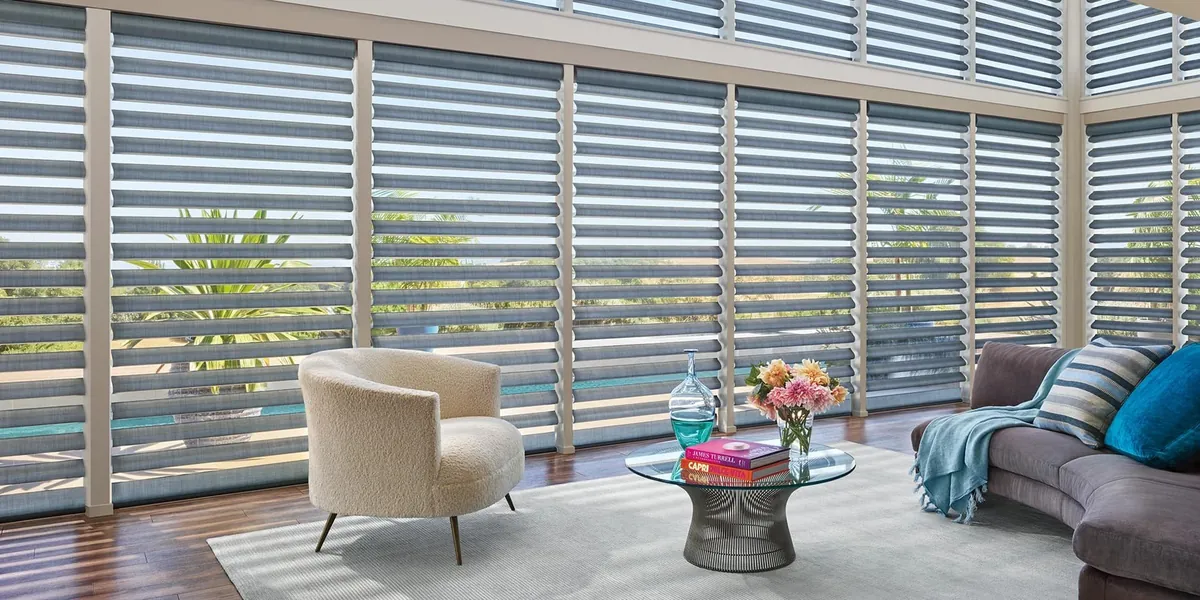
What to do with a transom
A transom is the band of glass over a door or a window, sometimes fixed, sometimes hinged to tilt open. Around the common they are common over front doors and between rooms, and some of the Victorians have them over the main windows as well. The question is always the same: cover it, or leave it?
Often the answer is to leave it. A transom over a door lets light into a hallway without giving much of a view in, and covering it can make the entrance gloomy. Where a transom faces the afternoon sun or sits over a bedroom window, though, the light coming through the top can undo the work of the shade below. In that case we look at covering the transom in the same fabric as the window beneath, so the two read as one treatment, and we tell you at the visit what can be made for that particular opening.
Transoms are also high. If a covering goes up there and you want to adjust it, PowerView saves reaching for a pole. We plan how each motor is powered at the visit.
Parlor bays
A bay off a Victorian parlor or dining room is really three or more separate windows standing at angles to one another, rarely identical in width, frequently with a seat or a deep ledge in front. It is the best seat in the house and the trickiest window to dress.
We treat every pane in the bay as its own job. Each gets its own measurement and its own covering, and where two meet at a corner we work out the clearance so neither headrail fouls the other and no sliver of light slips between them. Shutters are a favorite here, since a set of panels per window turns the whole bay into something that looks like joinery. Honeycombs or romans suit a softer room; the trick is ordering them so that, pulled up, every stack finishes at the same line, and from the common the bay still reads as one piece of glass.
Window treatments in Foxborough, MA, for a bay take a little longer to plan than for a flat wall, but this is the window that gets noticed from inside and out.
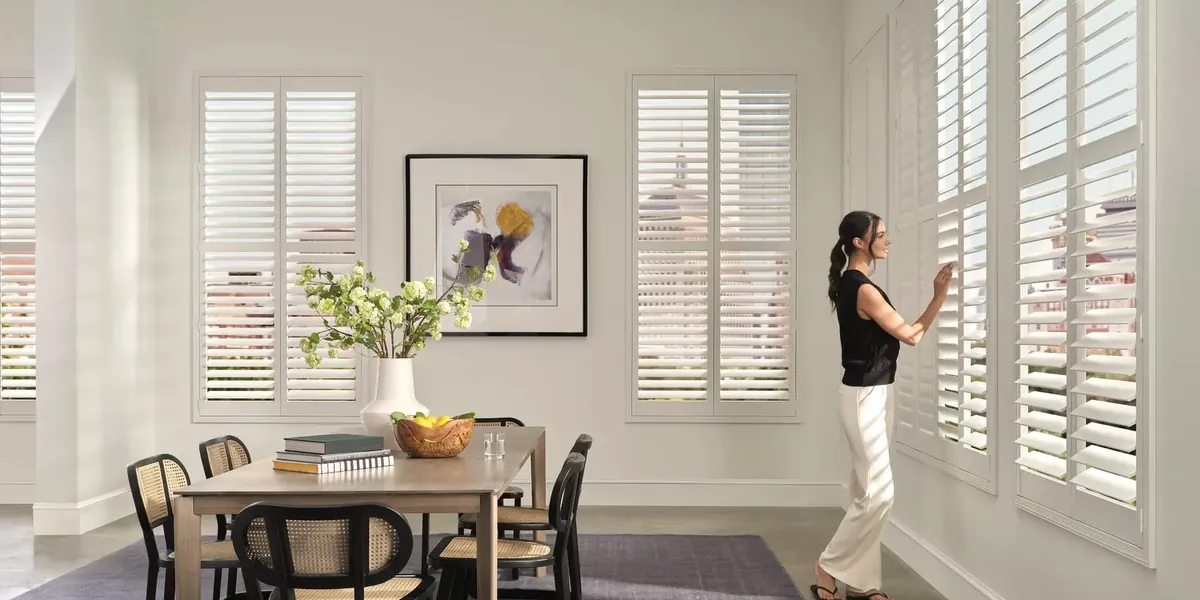
Tall sash and high ceilings
The Victorians and older colonials have tall windows to match their high ceilings, and those windows set the proportions of each room. A covering that sits inside the frame keeps the tall line intact; a slim headrail keeps the top clean. On the tallest sash, the raised stack of a shade can block the top of the glass, so we think about which product leaves the most window clear when open. Honeycombs and rollers fold or roll into a narrow band; romans stack deeper but bring softness the rooms often suit.
Reaching the top of a very tall window is its own problem. PowerView is useful even in an older house for this reason: a remote or a schedule handles the shade, and nobody needs a step stool. Our guide to shutters for older windows also covers how shutters are fitted into tall, old frames.
Respecting the older rooms
In the center houses the window is part of the architecture, so whatever goes on it should look as if it belongs there. Shutters suit the period and the tall proportions of the sash. A flat roman in linen or a quiet stripe looks right in a parlor. Stained trim pairs well with a warm wood blind. In a formal dining room, drapery hung high over a shade lifts the eye and softens the hard edges of tall glass.
The casing gets special care. Decorative trim is left fully exposed by setting the covering inside the opening. Where an old frame is too shallow for that, we pick the slimmest hardware available and fix it to the casing so it all but disappears.
Newer kitchens in older houses
Many of the center houses have had their kitchens rebuilt at the back, sometimes with a newer window or a door to the yard set beside original sash. That mix asks for a little thought. A matching color across old and new windows ties the room together, while the product can differ: a honeycomb on the old tall sash, a vertical honeycomb on the door, a roller over the sink. The result looks planned rather than patched, which is what most people want from window treatments in Foxborough, MA, in a house that has grown over the years.
Out toward Route 1: ranches and subdivisions
Away from the common, the post-war ranches and newer subdivisions are built with standard modern openings. Square and of a regular depth, they will take nearly anything Hunter Douglas makes, so the room, not the frame, drives the decision.
Ranches put everything on one level, with the main window looking at the street, bedrooms strung along a hall and the kitchen opening to the back yard. Wide living room windows suit a roller or a honeycomb across the full width, or sheers that soften the light. In the bedrooms, a darker fabric helps with sleep, and in the kitchen a faux wood blind is easy to tilt and to keep clean.
The newer subdivision houses tend to be larger, with more rooms and repeated window sizes. That repetition makes a whole-house plan efficient: one lead product and color for most rooms, with a few chosen exceptions. Our guide to shades or blinds is a good place to begin weighing up the main choice.
In a subdivision where neighboring houses share the same window sizes, it is easy to keep whatever was hanging at move-in. A fresh plan is usually worth it. Choosing window treatments in Foxborough, MA, for a newer house is mostly about matching each room to its sun: a solar screen where the afternoon glare lands, a honeycomb where warmth matters, and a darker fabric in the bedrooms, all in one color so the front stays consistent from the street.
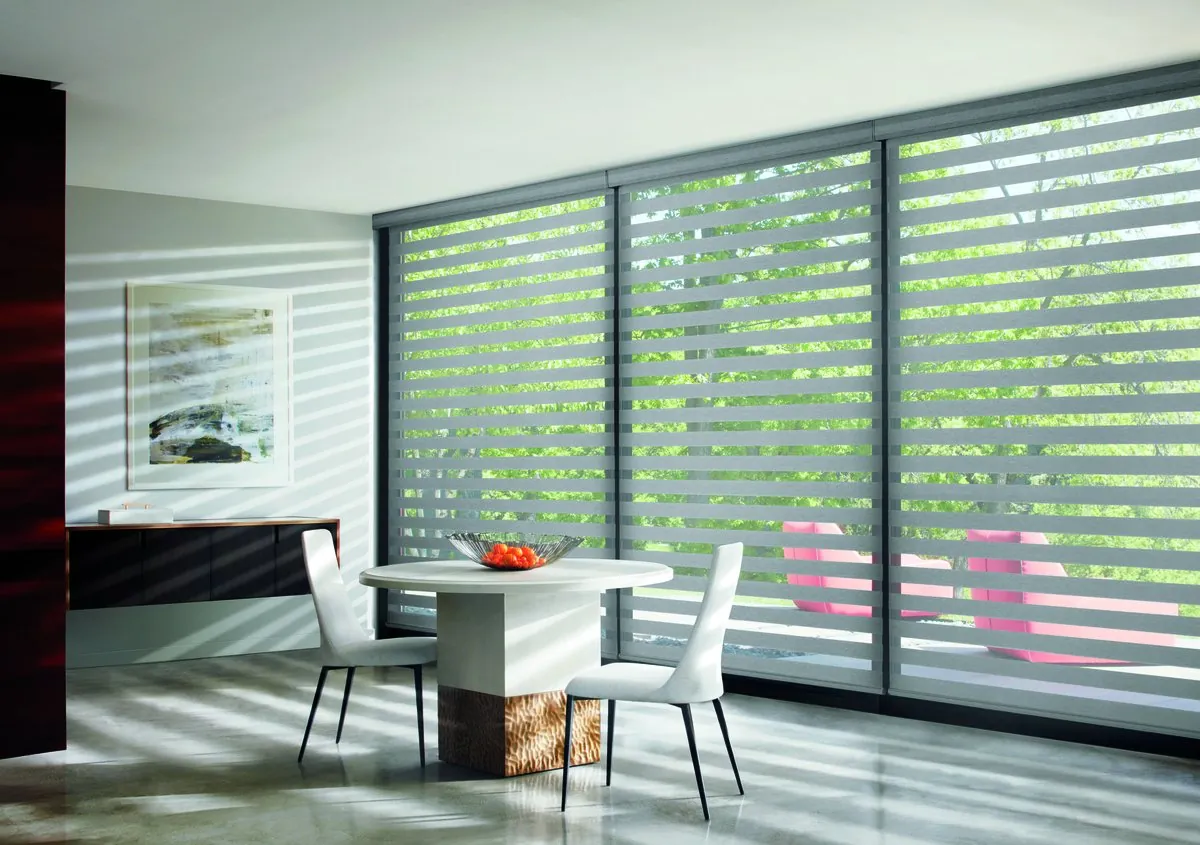
Light, privacy and the common
Houses facing the common look out over open ground, which brings plenty of light and a lot of passing eyes. Front rooms here need privacy at street level without going dark. Tilting the louvers of a shutter or the slats of a blind upward lets daylight onto the ceiling while cutting the view in. Sheer shades with fabric vanes soften the view out and blur the view in. In the evening, with lamps on, everything needs to close fully.
On the newer streets, privacy is gentler and the bigger issue is sun: a west-facing family room in late afternoon, or an east bedroom at dawn. Solar screens and honeycombs handle the first; darker fabrics the second. The guide to the best shades for sun and glare sets the choices out.
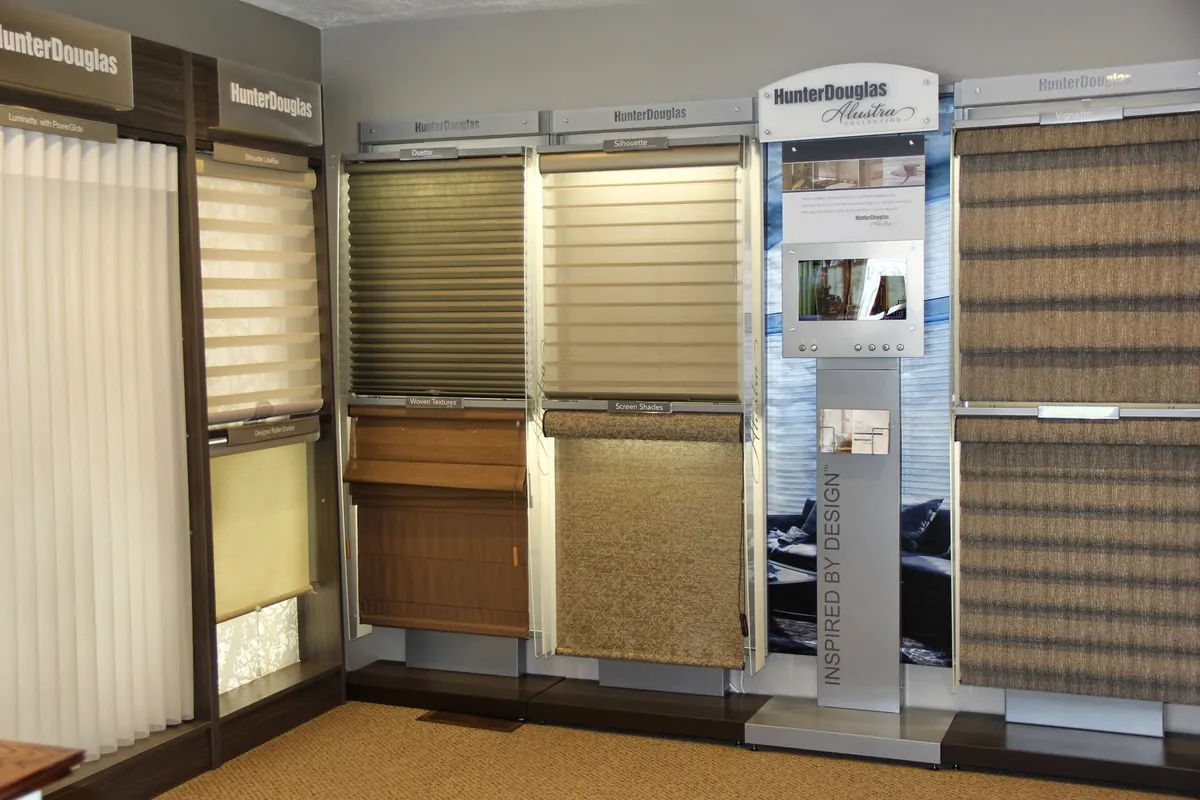
The Gallery dealer advantage
Transoms, bays and tall sash call for coverings built to measure, and a ranch out toward Route 1 needs good choices at a fair scale. As a Hunter Douglas Gallery dealer, Blinds & Designs can offer both from the full range: honeycombs, rollers, sheers, romans, blinds, shutters and PowerView.
Each order is hung by Hunter Douglas certified installers. Around it come free estimates, home visits with sample vans, interior design consultations, automation and a repair service for coverings you already have.
Kitchens, baths and bedrooms
Kitchens. In a Victorian the kitchen is often at the back with a tall window over the sink. A faux wood blind or a roller is easy to operate from across the counter; if it is hard to reach, PowerView makes it simple.
Bathrooms. Privacy first. A shutter sized to the opening, or a faux wood blind, closes fully and tilts for light. On a tall bathroom sash, a cafe shutter over the lower half leaves the top for daylight.
Bedrooms. Tall sash in a Victorian bedroom lets in a lot of early light. A dim-out fabric made to the exact width of that frame, so no light leaks down the sides, lets the room sleep. In the newer houses, the same idea works on standard frames.
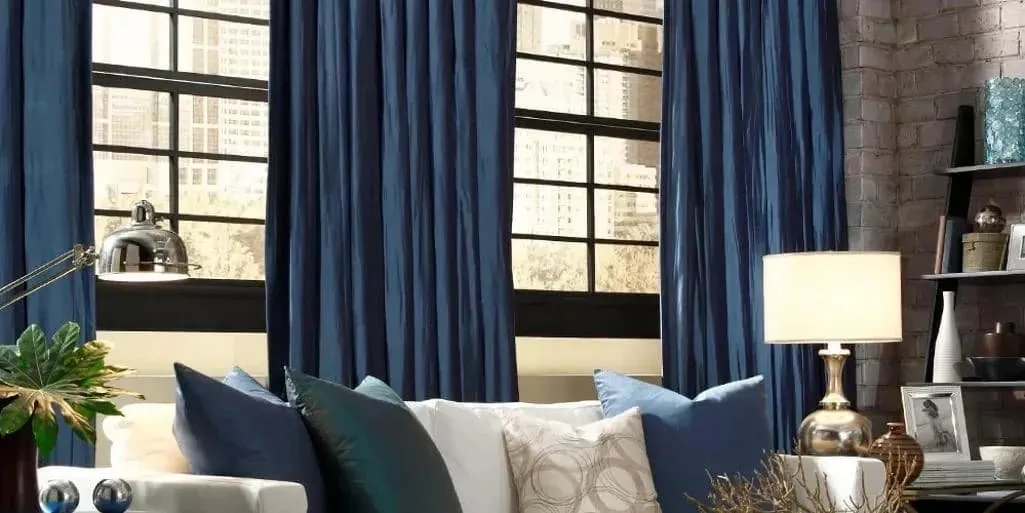
Warmth by tall windows
Tall old sash can feel cool on a winter evening, even after the house has been updated. Honeycomb shades help: a Duette or Applause lowered at dusk holds a layer of still air against the glass and keeps more of the room’s warmth inside. For a formal room, drapery over the shade adds a further layer and the softness the room suits. Cellular shades and winter heat explains the idea in more detail.
Seeing it in your own rooms
Odd-sized windows are best judged in place, so planning happens at the house. We can bring the showroom to you, in a van full of samples. Our consultant will look at every transom and bay, hold fabrics against the tall sash at the time of day you use the room, and measure each opening in the detail described above. You come away with a free estimate and all the time you want to consider it. More on our in-home consultations; for help with color and pattern across several period rooms, ask about interior design consultations.
Once Hunter Douglas has made the order, our certified installers fit it: each covering checked against its opening, hardware set true, everything adjusted and tested, motors paired, and a quick walk-through of how it all works before they leave. What happens on installation day covers the day.
Have a shade in the bay that no longer raises evenly, or a blind on the back door that will not tilt? We are glad to look at coverings already in the house and will tell you if a repair or a replacement is the better spend. See blind and shade repair.

Franklin is the nearest showroom
Of the Blinds & Designs showrooms, Franklin is the one nearest Foxborough. Bring a photo of a bay or a transom if you would like to talk options over before a home visit.
Odd-sized windows are still best decided in the house, with the samples in your own light. Do whichever suits you, or both.
Questions from Foxborough
Do I need to cover the transom over my front door?
Often not. A transom lets light into the hall without much view in. If it faces strong afternoon sun or sits over a bedroom window, we look at covering it in the same fabric as the shade below and tell you at the visit what can be made for it.
How do you cover a bay window?
Each window in the bay is measured and covered separately, with headrails sized to meet in the corners. Shutters are a popular choice, giving each window its own panels and the bay a built-in look.
Why not buy a ready-made blind for my old sash?
Older frames are rarely a standard size and often not perfectly square. A shade made to your measurements avoids gaps at the sides and a headrail that overhangs the trim.
My house is a newer build near Route 1. Is it simpler?
Usually. Standard modern frames take almost any product, so the choice comes down to how each room is used.
What does an estimate cost?
Nothing at all. It comes after the measuring, and you decide when you are ready.
Your next move
A single transom or the whole house from parlor bay to back bedroom, window treatments in Foxborough, MA, begin the same way. Ask for a consultation; the consultant arrives with samples, takes every measurement that odd old opening needs and follows up with a free estimate. Questions first? The call button works, and so does a trip to the Franklin showroom.
To compare everything we carry side by side, see our window treatments page.