
Open land, thick walls and sun on every side
Along Main Street and Hartford Avenue the old houses sit on very large lots: antique colonials and farmhouses set well back, with open ground on every side and newer houses dotted between them. That openness is lovely to look out on, and it shapes how we approach roller shades in Mendon, MA. With no neighboring house and often no tree close enough to cast shade, the sun reaches the glass from morning until it sets. A south or west room can get bright, warm and full of glare by mid-afternoon.
The windows themselves add a second puzzle. In the antique houses the sash is small and set deep into thick walls, so the opening is a little well with a wide sill at the bottom. A shade there has to suit a small pane, a deep reveal and a frame that is rarely square.
A roller handles this well. It is a single piece of fabric on a slim tube, it sits neatly in a deep opening, and the fabric does the work of controlling the light.
Light filtering, screen or blackout: roller shades in Mendon, MA
Most decisions for roller shades in Mendon start with one question: how much sun do you want in the room? Hunter Douglas Designer and Alustra fabrics fall into three families, and we bring samples of all of them.
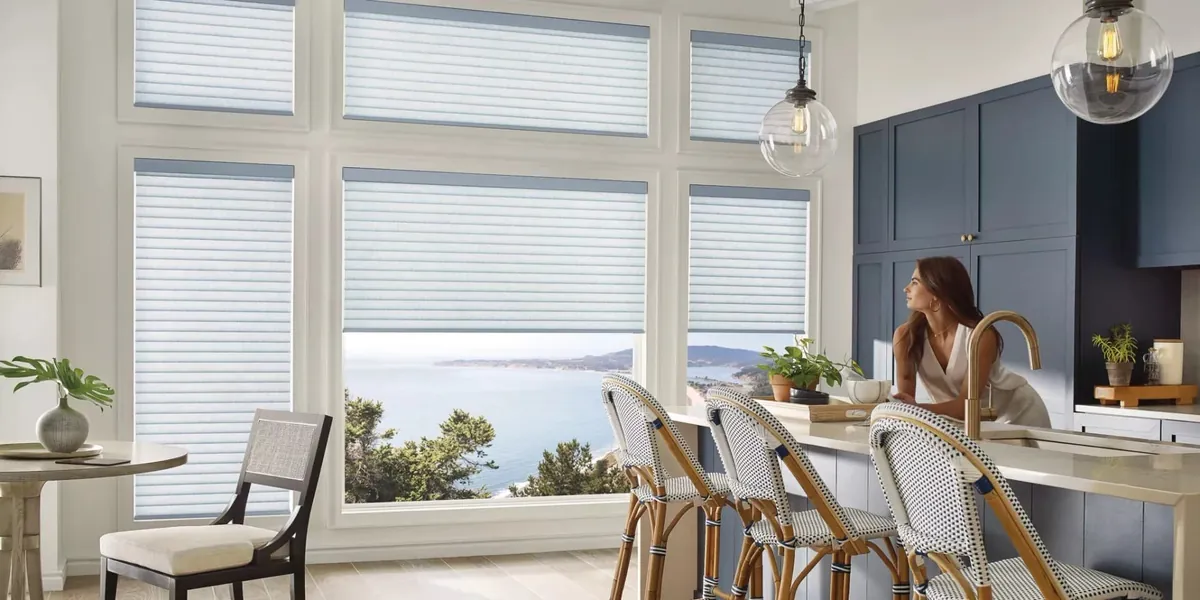
Light filtering
Daylight comes through soft and even. A good fit for kitchens and sitting rooms where you want brightness without the hard glare.
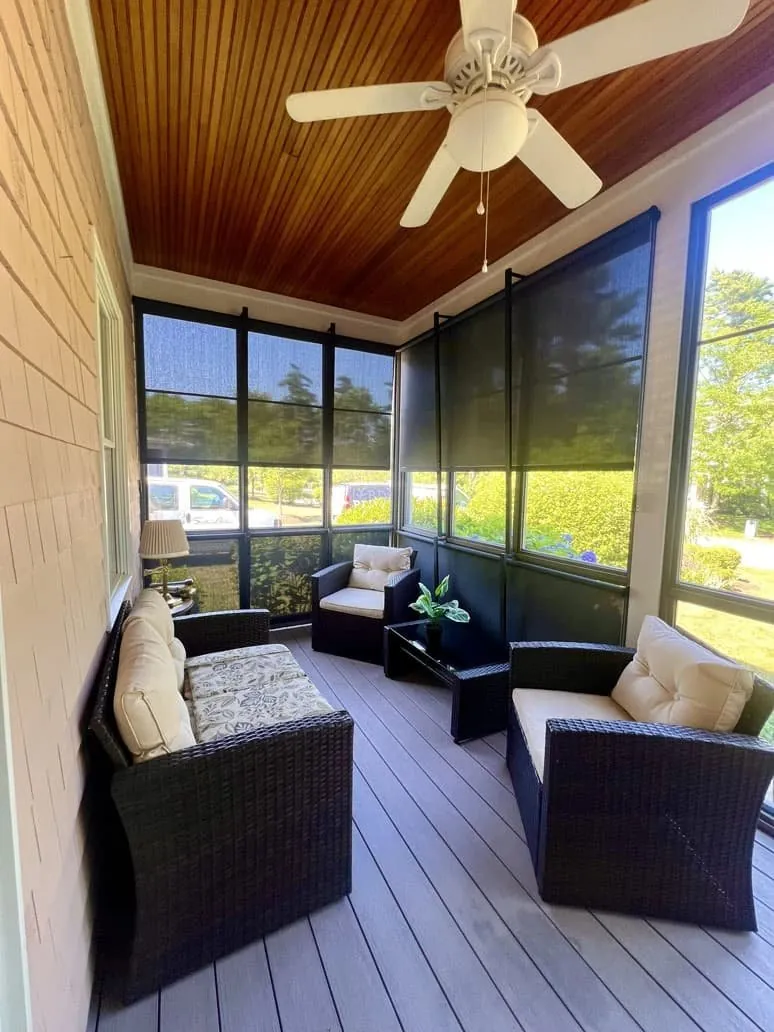
Solar screen
An open weave that tames sun and glare while you keep looking out across the land. The choice for south and west rooms.
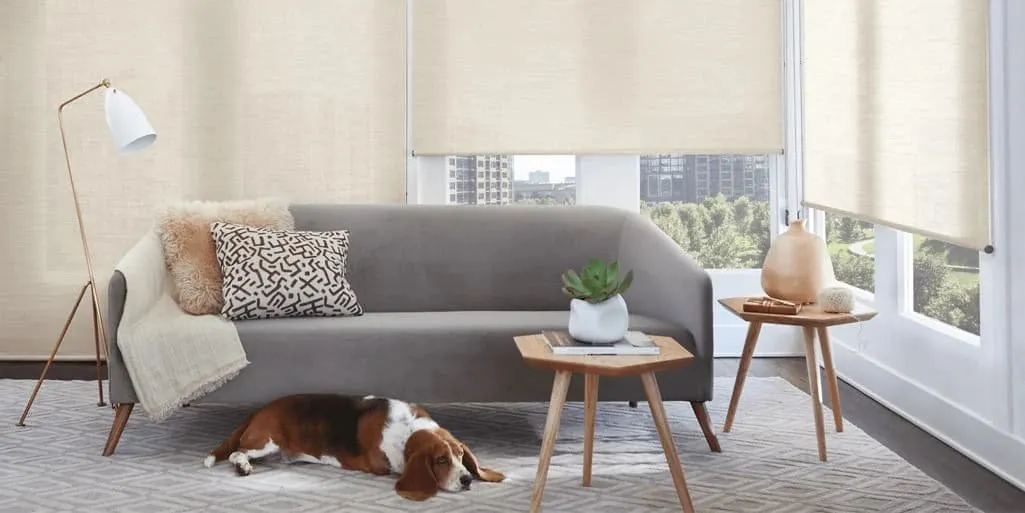
Room darkening and blackout
Dense cloths that block the morning sun in a bedroom, or the evening glow of your lamps from the road.
Deep window wells in the antique houses
The thick walls of an old colonial or farmhouse give every window a deep reveal. Stand at one and the glass may sit a hand or more back from the face of the wall, with a broad sill below that collects plants and books. That depth is good news for a roller. The tube and bracket need very little room, so an inside mount almost always fits, and the shade can sit snug against the head of the frame with the reveal left open around it.
The challenge is the shape of the opening, not its depth. Antique frames are seldom true. The head may slope, the sides may lean, and the width can change from top to bottom. We measure across at three heights and down at both sides and the center, then make the shade to the tightest reading so it rolls freely without catching. Where an opening is especially uneven, we talk through the trade between a snug fit and a clear roll before anything is ordered.
Inside the reveal, a roller leaves the old trim on full view. In a room where the casings and the panelled walls are a large part of the character, that matters. An outside mount is there if you need it, but on these houses we usually avoid covering the woodwork.
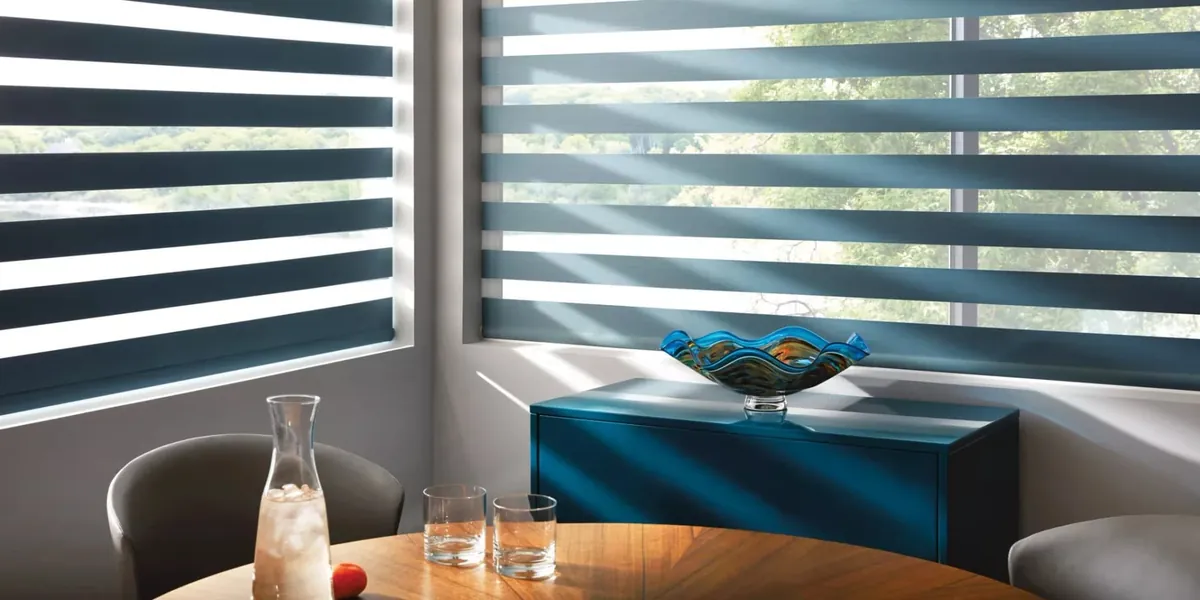
When the sun has nothing in its way
In a village, the house across the street and the trees along it take the edge off the afternoon. On an open lot there is nothing to do that job, so the shade has to. A sitting room facing south can feel like a sunroom by three o’clock, and a west room gets the low evening sun straight across the floor.
A solar screen is built for this. The weave has tiny openings, and the openness of the fabric is the dial between view and glare. A more open screen lets you see more of the fields and lets more light in. A tighter screen holds back more glare and some of the view with it. The color changes the effect as well: a darker screen tends to be easier to see through from the room, while a lighter one bounces more of the sun back out and keeps the room brighter.
Strong sun also fades things over time: floors, rugs, upholstery and the shade fabric itself. Keeping a screen down through the brightest hours helps protect what is in the room. For the shade, lighter neutral colors tend to wear direct sun most gracefully, and we will point those out as you choose. Our guide to the best shades for sun and glare covers this in more depth.
Keeping the view of the land
Nobody buys a house on open land to stare at a closed shade. The view is the reason, so the shade should keep it as long as possible. In daylight a solar screen does exactly that: from inside you see out through the weave, while from outside the bright fabric gives little away.
After dark it changes. A lit room on a big open lot can be seen from the road a long way off, and a screen or a light filtering cloth lets the glow and the shapes inside show through. If you sit in a front room in the evening, plan a denser cloth for those windows, or layer a screen for the day with drapery or a second shade for the night. Designer Banded shades are another route, with sheer bands to see through by day and solid bands that close off the room once the lamps are on.
How we plan the shades with you, at home
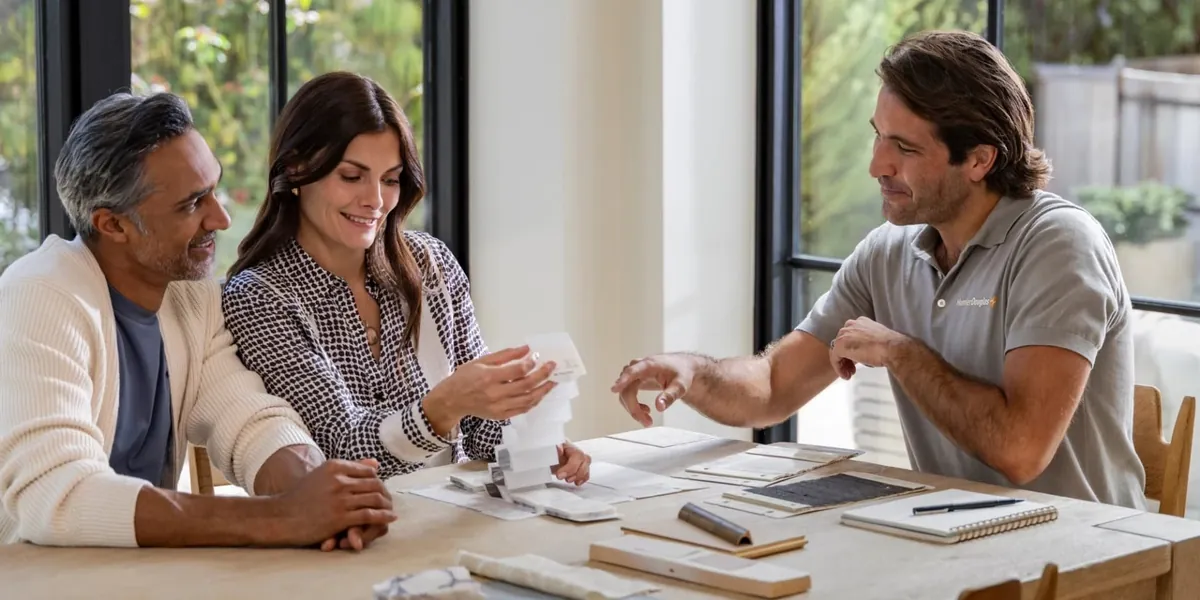
The light on an open lot shifts a lot from one side of the house to the other, and you can only judge a fabric against it in person. Our vans carry samples, so we can bring the showroom to you.
- Ask for a visit through Request a Consultation, or use the call button.
- We come with screen, light filtering and blackout samples from the Designer and Alustra lines.
- We start in the rooms where the sun is hardest to live with and work around the house.
- You hold each fabric up against your own windows and see how it handles the light at that hour.
- We measure every opening at several points and look at the depth of each reveal.
- You get a free estimate for the shades you are weighing, and take whatever time you need.
To prepare, read what happens at an in-home consultation. If color and fabric for the whole room are on your mind, our interior design consultations can run alongside the same visit.
The newer houses in between
Not every house on these roads is antique. Newer homes sit on the lots between the old ones, with modern openings that are square and consistent from room to room. They are straightforward to fit, and a whole-house order of rollers in one fabric family looks tidy from every side.
These houses still share the old houses’ main problem: open ground and full sun. A family room with a big picture window and a slider to the deck faces the same afternoon glare as a farmhouse parlor. A wide picture window is often better split into two or three shades so you can lower the one where the sun lands and leave the others open. A slider gets its own shade, sized so the door handle stays clear when it is down.
Corner rooms with sun on two walls
A colonial’s front corner rooms usually have windows on two walls, and on an open lot each wall meets the sun at a different hour. The south window may need a screen from late morning, while the east one is only a problem at breakfast and the west one only near supper. One fabric for the whole room rarely suits all three.
The fix is to treat each wall on its own terms while keeping the room looking like one piece. Same color, different openness is a neat way to do it: a tighter screen where the sun is strongest and a more open one where you want the view. From the room, the shades read as a set. In practice, the shade on each wall goes down only when its own sun arrives, so the room never has to sit in the dark.
Small panes, small shades
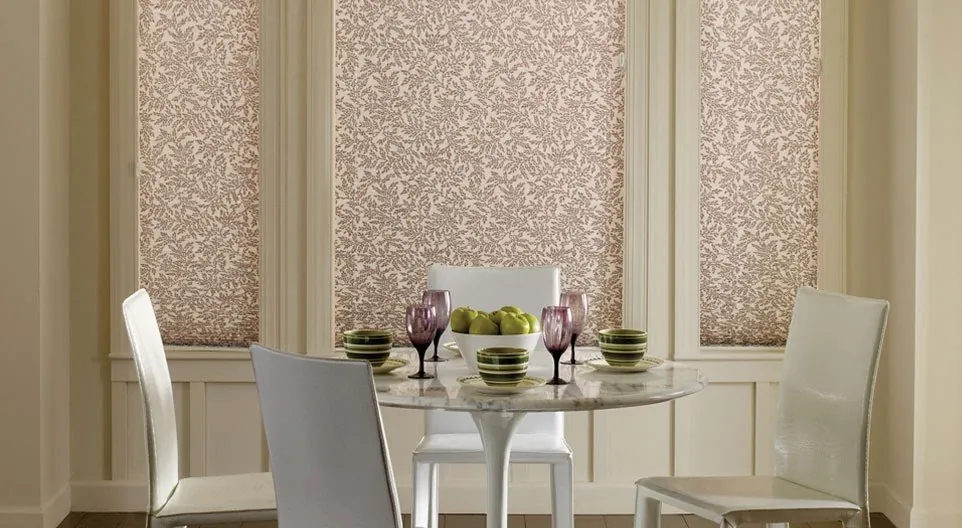
The smallest openings in the antique houses can look crowded if the shade is fussy. A roller suits them because there is so little to it: a slim roll at the head of the reveal and a flat panel of fabric below. Raised, it all but vanishes into the top of the opening, and the small panes and old glass get the attention they deserve.
On a small window the bottom bar and any pull become a bigger part of the picture, so we keep them simple and in a color that sits quietly against the sash. A plain light filtering fabric in a warm white or a soft neutral looks right against old painted trim, and keeps the old panes in view when the shade is up.
Bedrooms facing the morning
East bedrooms on an open lot catch the first light with nothing in the way, and in summer that is very early. A room darkening or blackout roller keeps the room dim until you choose to raise it. Mounted inside a deep antique reveal, the shade sits back from the room and the thick walls around it help the room feel darker still. On a newer house with a shallower frame, an outside mount that laps over the trim cuts the light at the edges further.
If you like waking to daylight but not to glare, a light filtering cloth softens the morning without blacking out the room. Some couples split the difference, with a blackout shade on the window beside the bed and a lighter cloth on the window across the room, so one side stays dark while the other lets a little day in. Rollers make that easy, because both fabrics can come in the same color and hang at the same height.
A house that grew over time
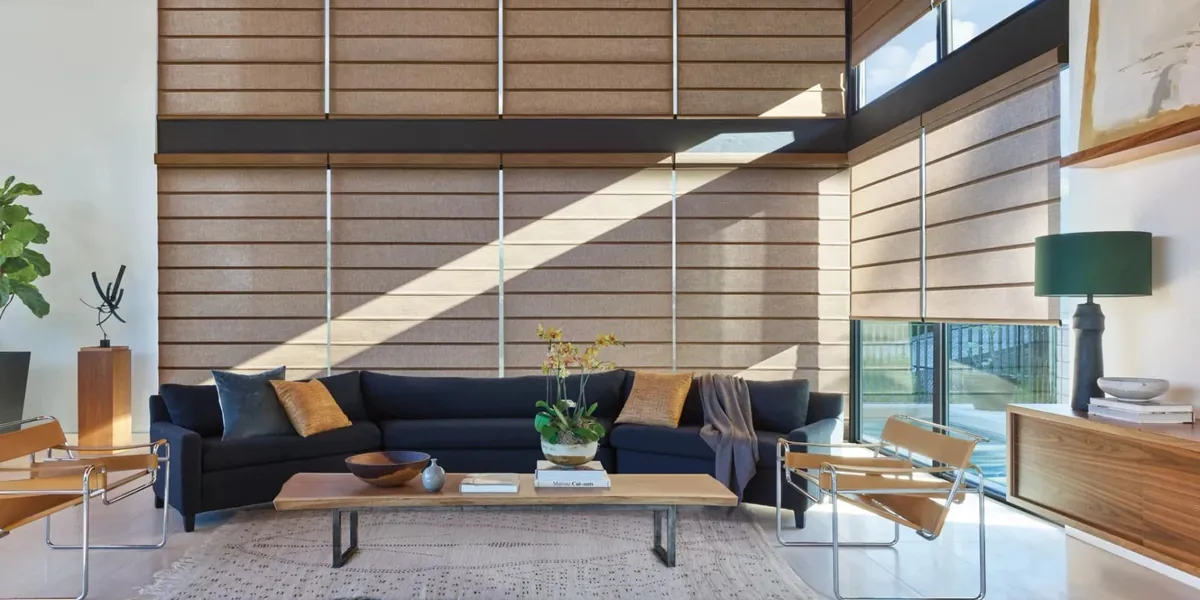
Many antique houses have been added to more than once: an older front block with small deep sash, a later wing with taller windows, and a recent kitchen or family room with modern glass. Each part has its own window sizes, and it is easy to end up with a different shade in every room.
Choosing one or two fabrics across the whole house holds it together. A single light filtering color in the public rooms and a matching blackout in the bedrooms is a common plan. Rollers make that simple, because the same fabric works in a tiny deep opening and a wide modern one. From the road, the windows read as one house rather than three.
Letting PowerView follow the sun
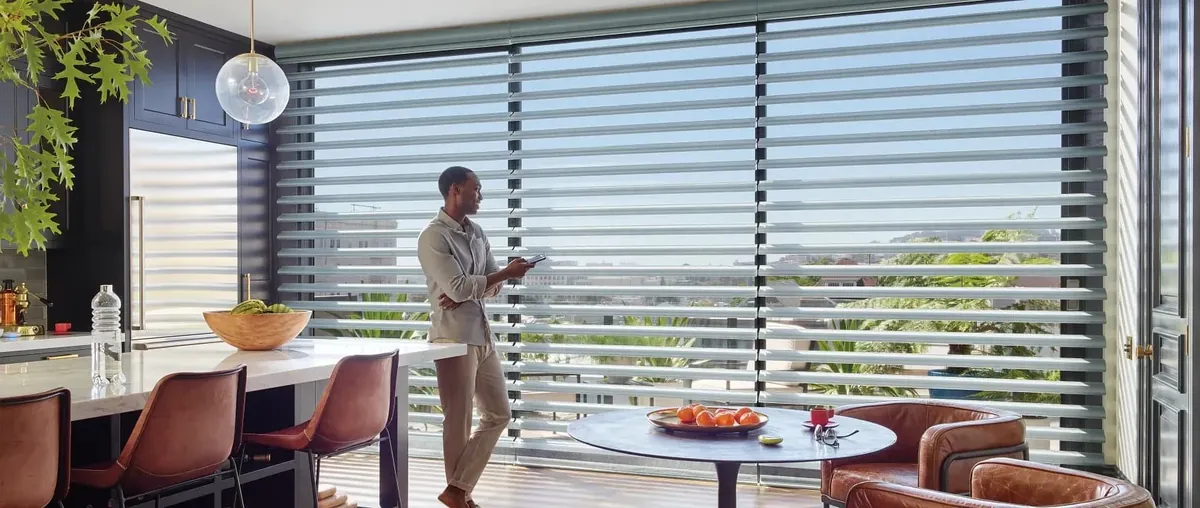
On a large house where the sun moves across many windows, PowerView motorization does a lot of the thinking for you. Set the south shades to drop in the early afternoon and lift again in the evening, close the bedroom shades at dusk, or lower a whole room with one tap in the app or on a remote. Shades keep working while you are out, which helps protect floors and furniture on a sunny day when nobody is home. We plan how each motor is powered at the visit.
You do not need to motorize everything. Many houses start with the sunniest rooms and add more later. Read how motorized shades are controlled, or see our motorized blinds in Mendon page for more.
Fabric care in a sunny house
Shades on an open lot work harder than most. They see more sun and, with windows thrown open in summer, more pollen and field dust. A soft brush or a vacuum with a brush head run across the fabric now and then keeps it clean, and rolling each shade up fully from time to time stops a crease from setting where it usually rests. Our guide to caring for fabric shades explains the gentle cleaning methods that suit roller shades in Mendon, MA, and elsewhere. If a shade ever starts to roll unevenly, tell us and we will look at it.
Installed by Hunter Douglas certified hands
Thick old walls can hide almost anything behind the plaster, from solid oak to crumbling lath. Our certified Hunter Douglas installers find good wood for every bracket, set each tube level even when the head of the frame is not, and run every shade up and down before they finish. They show you how each one works and how to reach any controls. See what happens on installation day for the full picture.
Shades for the rest of the house
Rollers often sit alongside other treatments. A cold back room may suit cellular shades in Mendon, a formal dining room the soft folds of roman shades in Mendon, and an antique parlor the look of plantation shutters in Mendon. We also fit custom blinds in Mendon. Our Mendon page shows every service we offer in town, and the roller shades overview lays out each Designer and Alustra line.
Starting with the sunniest rooms is a sensible way to bring roller shades to a Mendon, MA, house, then moving on to the bedrooms and the rest.
Franklin is the nearest showroom
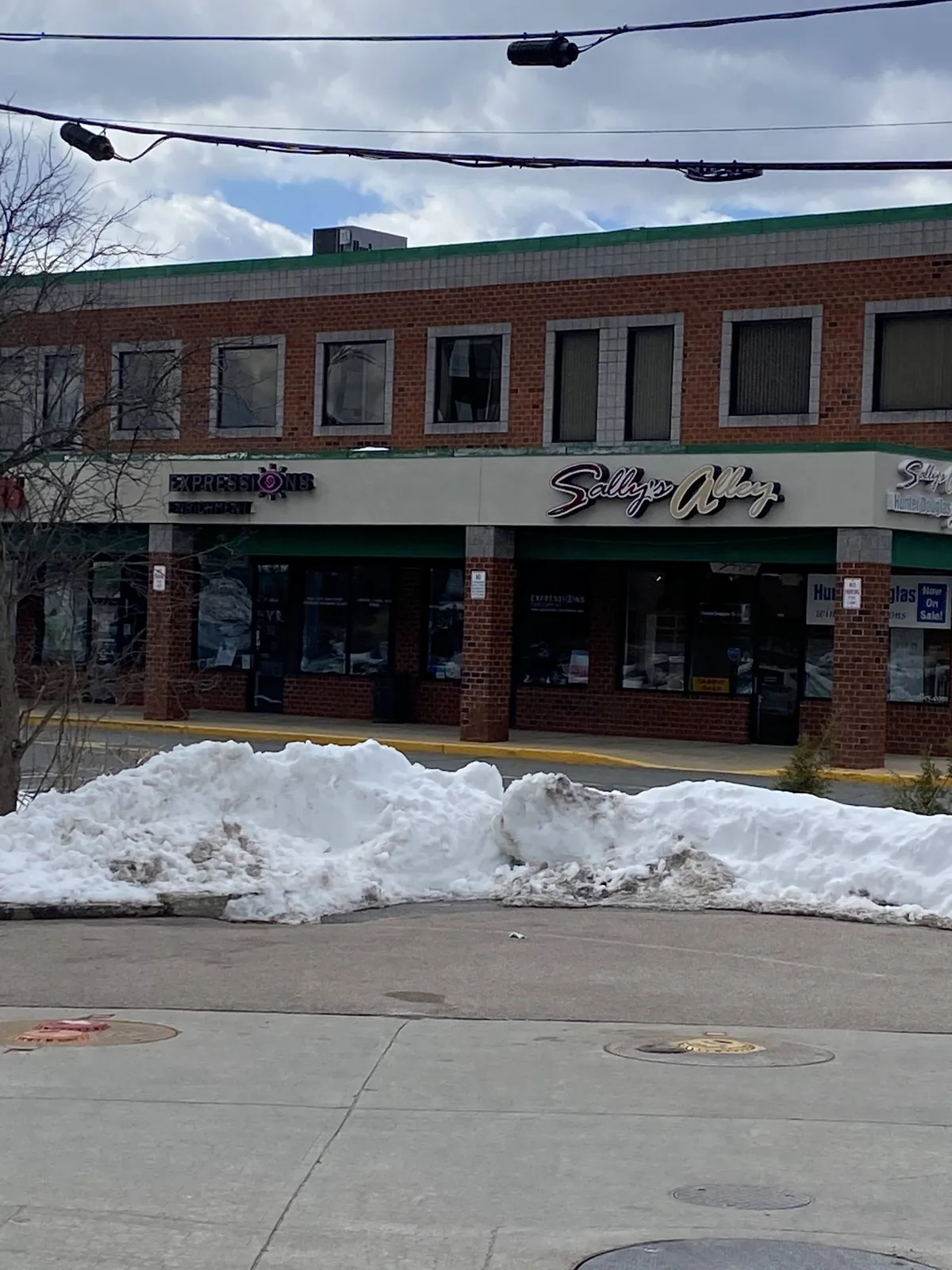
From Mendon, our Franklin showroom is the closest. It is a handy first stop if you would like to handle shade fabrics before a visit to the house.
The final choice is still easier to make in your own rooms, with your own sun coming through.
A Gallery dealer for an old house
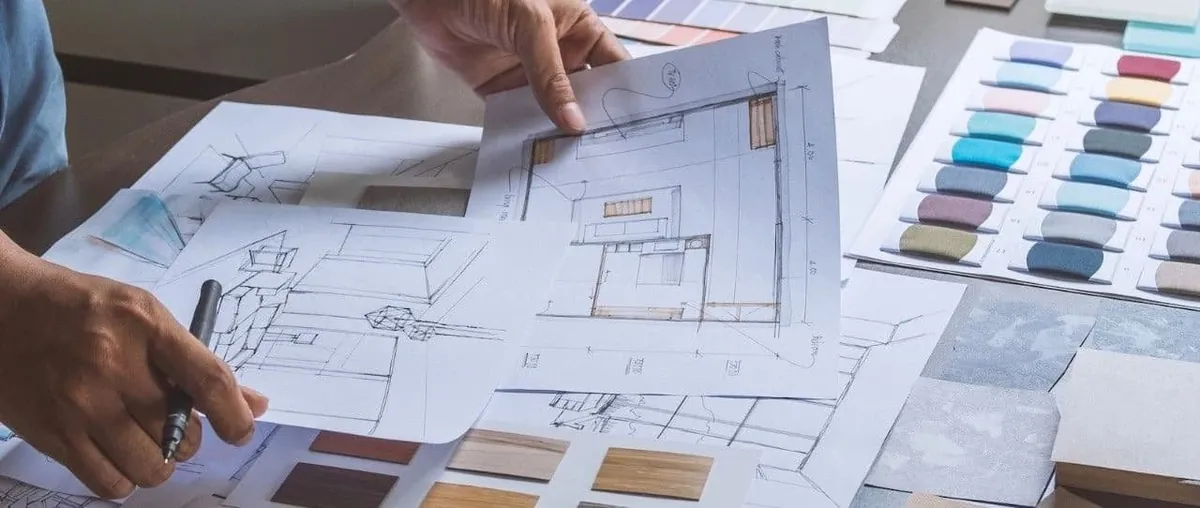
Blinds & Designs is a Hunter Douglas Gallery dealer. That gives you the full roller range through one consultation, from Designer Roller and Designer Screen to the Alustra collection and PowerView automation, along with design help for the room around the window.
Every shade is fitted by certified Hunter Douglas installers, and we also offer blind and shade repairs, including on coverings you already have. Learn more about us as a Hunter Douglas dealer in Mendon.
Questions from Mendon
My antique house has deep-set windows. Will a roller sit inside the reveal?
Almost always. A roller needs very little depth, so a deep reveal leaves plenty of room. The frame shape is the bigger question, so we measure each opening at several points.
Nothing shades my south windows. What will stop the afternoon glare?
A solar screen. Its openness sets the balance: a more open weave keeps more view, a tighter one blocks more glare. We bring several to try at the window.
Will a screen give me privacy at night?
Not on its own. Once your lamps are on, a screen shows the room. For evening privacy choose a denser cloth, a banded shade or a second layer.
Can the shades lower themselves when the sun comes round?
Yes, with PowerView. You can set schedules for each room or group of shades, and we plan how each motor is powered at the visit.
Is there a charge for the estimate?
No. We measure at the consultation and give you a free estimate.
Start with a visit
Seeing a fabric against your own deep-set sash, with the sun coming across open ground, tells you more than any catalog. Request a consultation and we will bring the samples, measure every window and leave a free estimate. You can also reach us with the call button, or visit the Franklin showroom.