
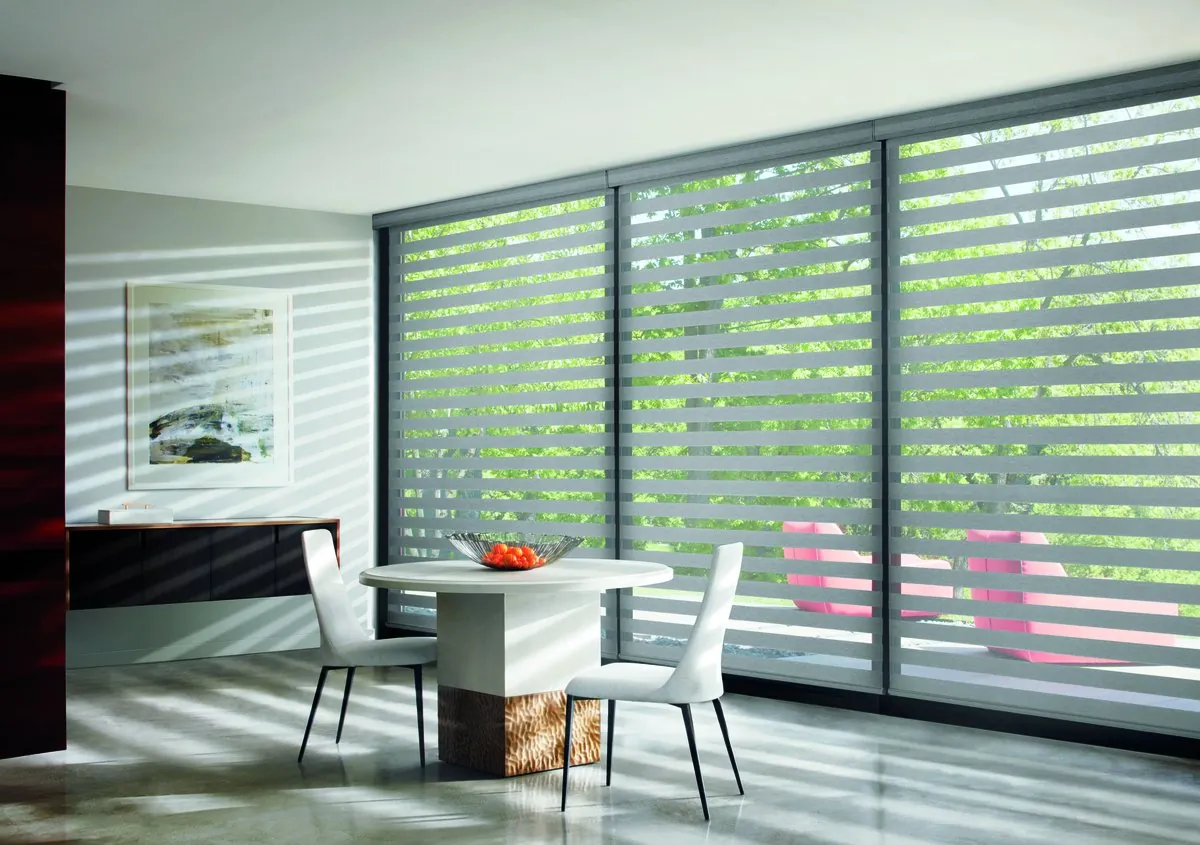
Street-level privacy comes first
The city was built around its mills, and the housing shows it: dense streets of triple-deckers and Victorians, packed close, with tall, narrow double-hung windows and high ceilings inside. A front room on the ground floor can sit only a few steps from the sidewalk, and a side window often faces another house across a gap barely wide enough for a path. So when we plan roller shades in Woonsocket, RI, the first problem a shade has to solve is privacy at street level. Light, glare and looks all matter, but they come after that.
The tall windows bring their own questions. High ceilings mean the top of the sash can be well above reach, and a tall opening sends daylight deep into the room, welcome in winter and harsh when the sun is low.
A roller suits these houses well. It is one flat panel of fabric on a slim tube, it fits a narrow frame without crowding the old trim, and it can stop at any point on a tall window, from just covering the top of the glass to fully down. The fabric, from light filtering to blackout, is where most of the decisions are made.
Roller shades in Woonsocket, RI, floor by floor
A triple-decker stacks three flats with very different views of the street, and the right roller shades in Woonsocket change as you climb. We bring Hunter Douglas Designer and Alustra fabrics for each level.
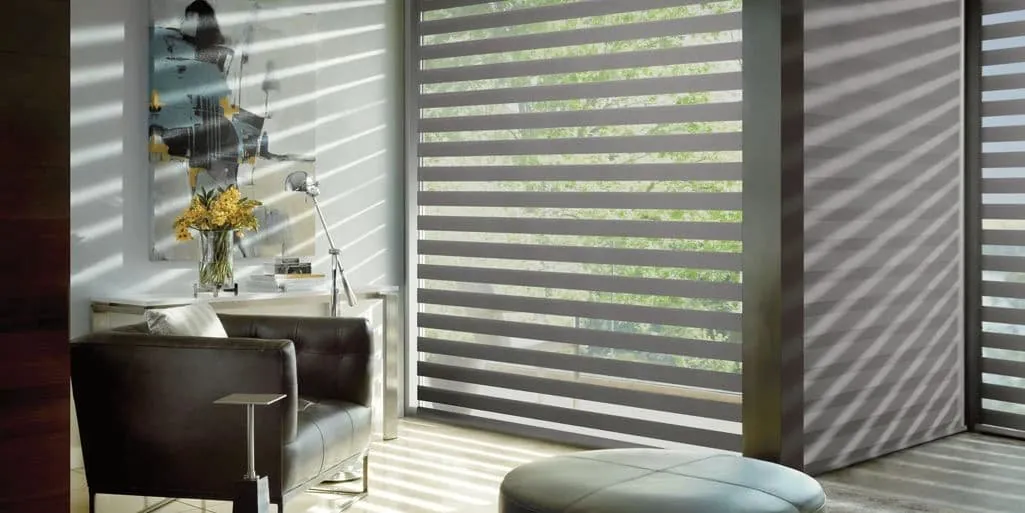
The ground floor
Eye level with the sidewalk. Banded shades or denser cloths for front rooms, and room darkening for anything used at night.
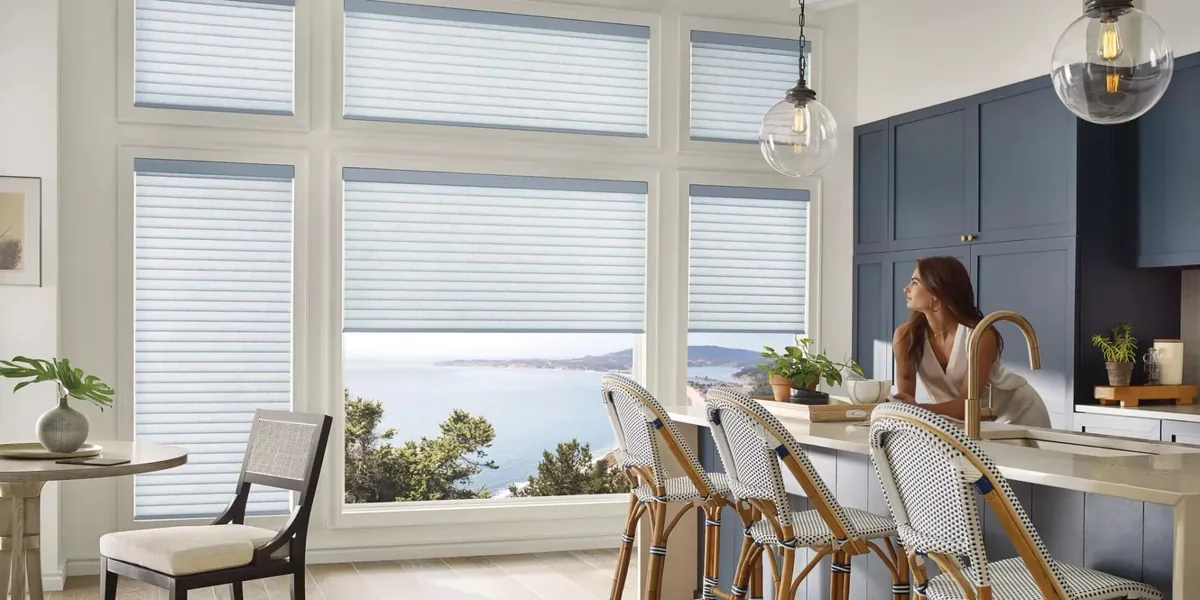
The middle floor
Above the passing traffic but level with the house next door. Light filtering at the front, privacy cloths on the side.
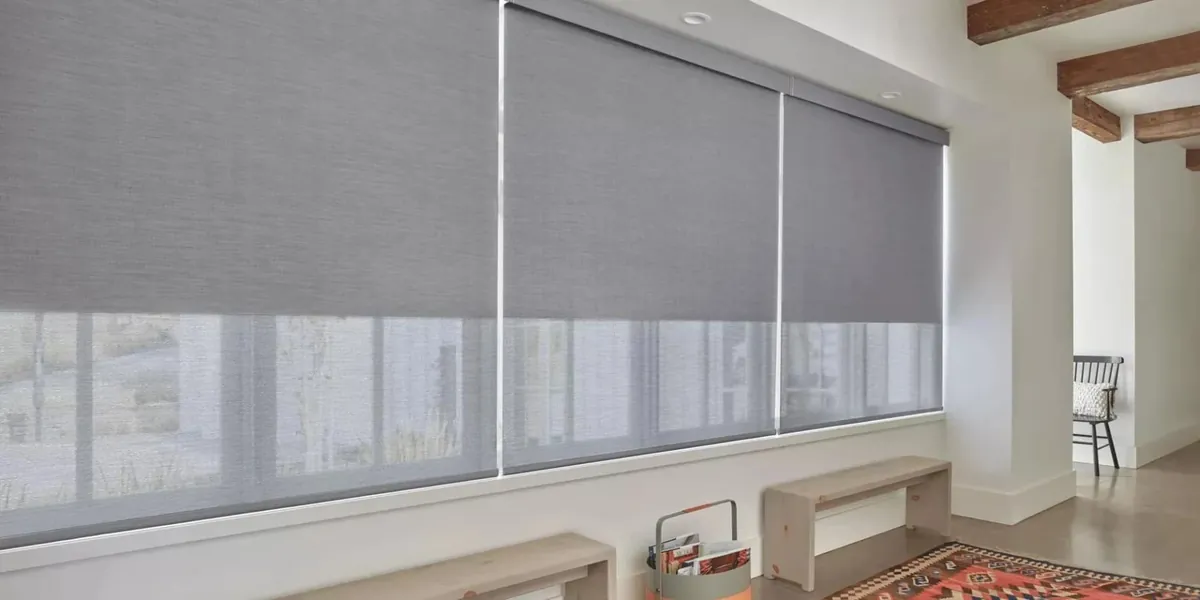
The top floor
The most light and the least street exposure, with sun to manage. Solar screens on the bright side, blackout in bedrooms.
The ground floor, eye to eye with the sidewalk
On the first floor of a triple-decker or a Victorian close to the street, the front windows look straight out at passers-by, and passers-by look straight in. How a shade handles that depends on the time of day.
In daylight, the street is brighter than your living room. A light filtering roller glows with that outside light, and from the sidewalk it looks like a pale panel with little to see behind it. From your sofa, the street turns into a soft blur. That is real daytime privacy, and it keeps the room bright.
After dark, the brightness flips. Your lamps make the room the lit side, and a thin fabric starts to show shapes and movement to the street. A ground-floor front room used in the evening needs one of three things: a room darkening cloth that stays opaque with the lights on; Designer Banded shades, which open their sheer stripes by day and close solid at night; or a light roller for daytime layered with drapery or a second, denser shade for after dark. We test all three at your window with the lamps on, because it is the only way to see the difference properly.
High ceilings and tall, narrow sash
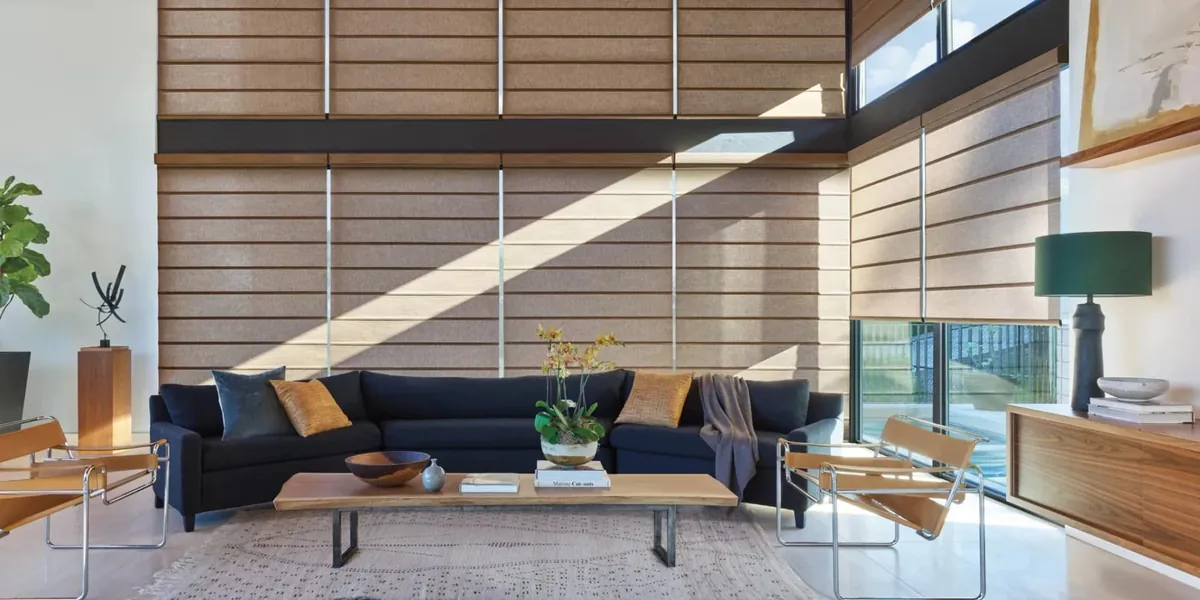
High ceilings go hand in hand with tall glass, and here the glass is slender too. The proportions are handsome and the daylight reaches right across the floor. The catch is practical: the frame head often sits higher than you can comfortably reach, and over such a long drop even a slight misfit becomes obvious.
Frames in these buildings have shifted with every season. Our tape goes across each one near the head, at the middle rail and near the sill, and down both edges and the center, and the shade is cut to the slimmest reading so nothing scrapes on the way down. Bracket depth is checked too, along with anything poking into it, from latches to the channels of old storm sash.
Tucked inside the opening, a roller leaves the tall casing on show, which most period rooms want. Sometimes, though, a mount high on the wall over the casing is better. Hung there, it hides the side slivers that look large on slim glass, and by lifting the roll above the frame it can make the window read taller still. Which way each room goes is talked through as we measure.
Radiators under the sill add a stretch to an already high reach, so we mark those windows as candidates for PowerView.
The middle floor and the house next door
The middle flat of a triple-decker sits above the sidewalk, so the front windows have less to fear from passers-by. What it does face is the house next door. On close-set streets the side windows of one building often line up with the side windows of the next, at exactly the same height and only a short distance away.
Because those sight lines run straight across at the same height, the side glass needs cover through the day as well as at night. Bedrooms are simple: a dark cloth and done. Kitchens and dining rooms want daylight, so a banded shade earns its keep there, open for light and closed for cover. Another trick is to bring a translucent roller nearly to the sill and leave a strip of sky showing above the facing window’s line.
At the front, a light filtering roller is often enough on the middle floor by day, with a heavier cloth in any room used at night.
The top floor and the sun
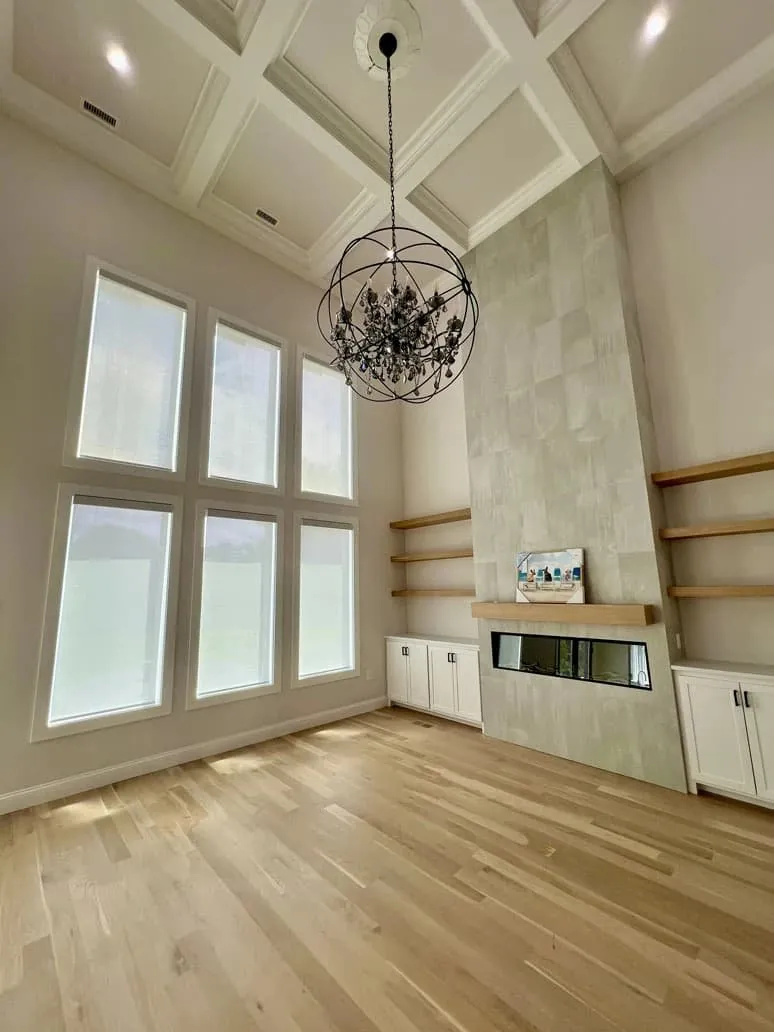
Up on the third floor, street-level eyes are a long way down, and the side windows often clear the neighbors’ roofs. Here, light is the main subject. Top-floor rooms take sun for most of the day, and under the roof they can heat up in summer.
A solar screen does most of the work. It trims glare and heat while keeping the view across the rooftops. Bedrooms facing east take room darkening or blackout for the early sun. If the top flat has windows on all four sides, as many do, each wall may need its own fabric, kept in one color so the rooms still look like a set.
Victorians and their bays
The Victorians mixed in among the triple-deckers have some of the finest windows in the city: tall pairs in the front parlor, bay windows with three or more slim openings set at angles, and deep, detailed casings. A roller shows them off well, because it tucks inside the frame and leaves the trim in view.
In a bay, each window gets its own roller, and we set them all to the same top line and the same drop so the bay reads as one piece when the shades are down. Where the angles are tight, we check that each roll clears the casing between windows. For a bay facing the street on the ground floor, the privacy advice above still applies: banded or denser cloth for evening use.
Porches stacked on the front
Many triple-deckers carry a porch on each floor at the front, stacked one above the other. Those porch roofs shade the windows behind them for much of the day, which changes the light in the front rooms. A front room behind a porch can be dimmer than you would expect for such tall windows, and the view in from the sidewalk is partly screened by the porch rail and posts.
That often means a lighter cloth will do at the front than the street alone would suggest. A pale light filtering roller keeps the room as bright as possible under the porch roof while still blurring the view in. Where the porch itself is used, at night especially, the window onto it needs more privacy than the street-side ones, because people on the porch stand right at the glass. A room darkening cloth or a banded shade on that window is the usual answer. When we plan roller shades in Woonsocket, RI, for a porch-fronted house, we look at the windows from the porch as well as from the room.
Kitchens at the back
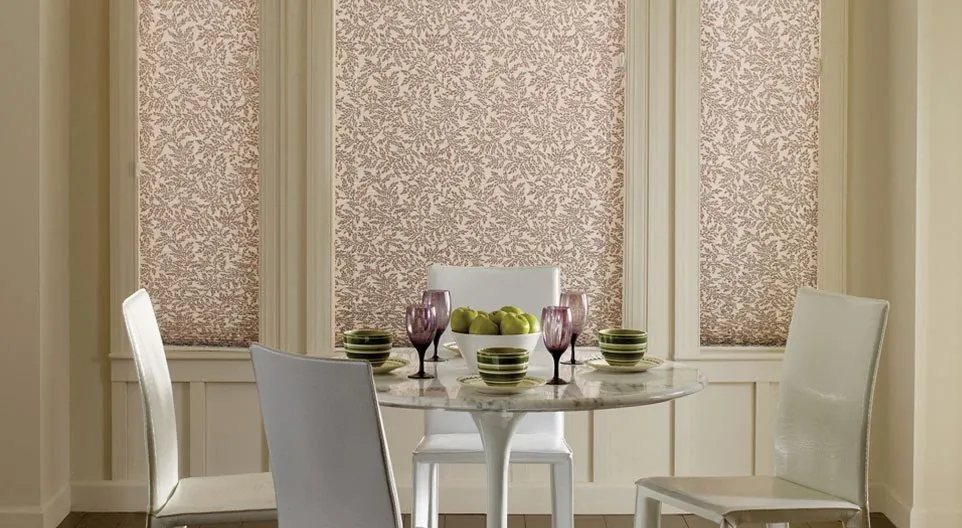
The kitchen in a triple-decker flat usually runs along the back, looking onto a rear porch, a yard or the back of the next building. A pale roller that softens the view while keeping the room bright is the usual choice, with a fabric that wipes clean near the sink. If a glass back door opens onto the rear porch, a matching roller on it keeps the kitchen looking like one room.
Owning a whole triple-decker
When all three flats belong to one landlord, the building is still seen from the street as a single face, however many households live behind it. Shades in three colors at three heights make the front look busy. Choosing one color family for every street-facing window, on all three floors, keeps the building tidy, and each flat can still choose its own opacity inside.
Rollers are also practical in rental flats. With no slats to bend or cords to tangle, there is little to break, and a flat panel of fabric is simple to clean between tenancies. The same fabric in the same size can serve all three floors, since the window openings in a triple-decker often repeat from one level to the next.
How a home visit goes
Privacy at street level can only be judged from inside your own front room, so we come to you. Our vans carry samples, so we can bring the showroom to you.
- Arrange a time on the Request a Consultation page, or call through the call button.
- Our van turns up with roller cloths of every opacity, solar screens and banded samples.
- Floor by floor, we look at what each window faces: the sidewalk, the next house, the rooftops or the sun.
- You see swatches at your own tall sash, and the front rooms get a check with the lamps lit.
- We measure every frame at several points and agree the mount with you.
- You get a free estimate for what you have picked, and the timing of any decision is up to you.
The guide to what happens at an in-home consultation explains the visit in more detail. If you are working on a whole room, an interior design consultation can be part of the same appointment.

Openness on a solar screen
A screen fabric is woven with small gaps, and its openness is the measure of how loose that weave is. It sets the trade between view and glare. A looser screen shows more of the street or the rooftops and lets more light in. A tighter one stops more glare and softens the view.
Then there is color. Deep charcoal or bronze screens fade from notice when you gaze through them. White and linen tones reflect sunlight away and lift the room, though they blur the outlook a touch, and on a first-floor street window that blur is a small privacy bonus. Our guide to the best shades for sun and glare covers this in more depth, and choosing fabric for a sunny room explains color and light.
Back stairs and hard-to-reach glass
Many triple-deckers have a back stair with tall windows on each landing, and a tall sash behind a radiator or a dresser is awkward to reach in any room. PowerView motorization handles these windows. Shades move from an app or a remote, a group can move together, and schedules can lower the street-side shades at dusk and raise the bedroom shades in the morning. We plan how each motor is powered at the visit.
Most homes motorize only the windows that are hard to reach. Our page on how motorized shades are controlled explains more, and motorized blinds in Woonsocket covers PowerView in detail.

Installed with care on old walls
Plaster in an old city house may hide sound timber or very little. Hunter Douglas certified installers hunt for a firm hold for every bracket, true up each roller where a tall frame has shifted, drop every shade the whole length of the sash, and set a bay or a row so the hems stop as one. They finish with a walk-through of the controls. See what happens on installation day.
City dust and easy care
Glass beside a busy street gathers a film of fine grit. Smooth cloth hides it well and gives it up easily: a feather duster or the upholstery nozzle on gentle suction, a damp sponge for the odd spot, and now and then a full drop to let the fabric settle. Read caring for fabric shades for the finer points. A shade that begins to track off to one side is a quick repair for us.
Other treatments for the same house
Rollers often work alongside other coverings. A cold back bedroom may suit cellular shades in Woonsocket, a Victorian dining room roman shades in Woonsocket, and a front parlor plantation shutters in Woonsocket. We also fit custom blinds in Woonsocket. Our Woonsocket page lists every service we offer in the city, and the roller shades page compares the lines.
A common start is roller shades in Woonsocket, RI, on the ground-floor front windows and the side windows facing next door, with the upper floors and back rooms to follow.
Franklin is our nearest showroom
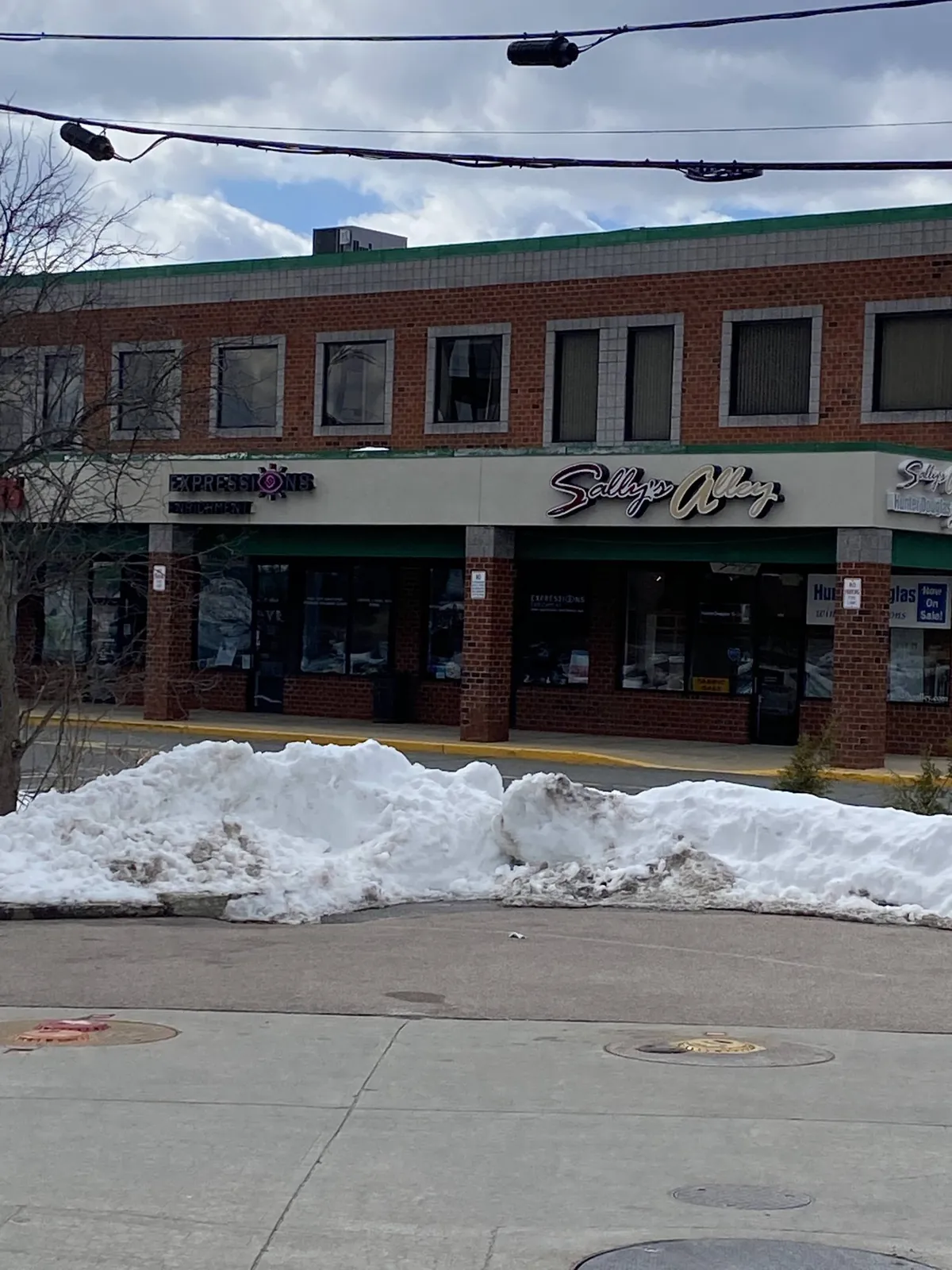
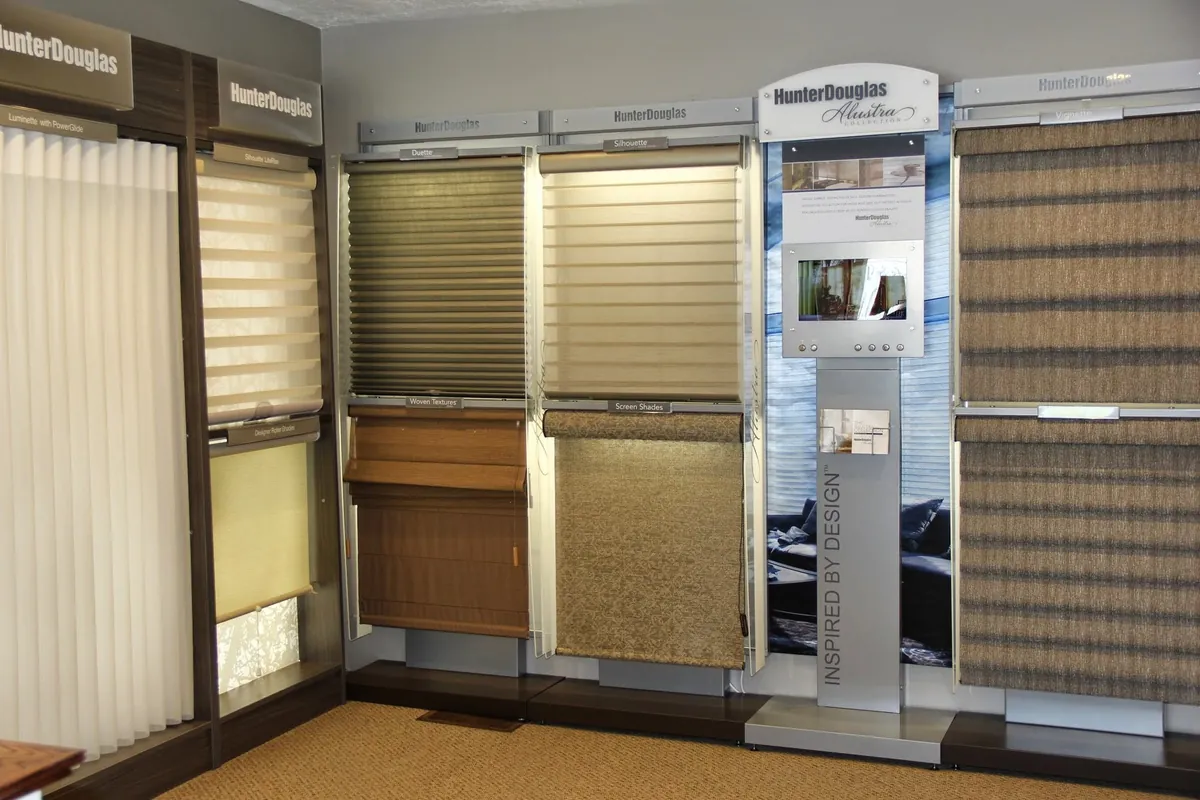
Of our showrooms, Franklin sits nearest to Woonsocket. Handle the roller cloths there first if that helps you picture them.
Your own front window, with the street right outside, remains the real proving ground.
A Gallery dealer for city houses
Gallery is the dealer title Hunter Douglas grants, and Blinds & Designs has it. For a tall-windowed city house, that means Designer cloths, screens and banded shades, the Alustra range and PowerView all arrive together at one appointment.
The fitting is done by certified Hunter Douglas installers, and older shades that have given up are welcome through our blind and shade repairs. There is more on the Hunter Douglas dealer in Woonsocket page.
Questions from Woonsocket
My ground-floor front room is right on the sidewalk. What keeps it private at night?
A room darkening cloth, a banded shade that closes solid, or a light roller layered with drapery. Light filtering alone looks private by day but can show shapes once your lamps are on.
Will rollers suit the tall, narrow sash in a triple-decker?
They suit it well. Frames are measured in several places since they shift over time, and each shade goes inside the opening or high over the casing, depending on depth and how dark the room should be.
My ceilings are high and the windows are taller than I can reach. What then?
Motorize them with PowerView and run them from your phone or a remote. Powering each motor is planned with you at the visit.
Should every flat in my triple-decker have the same shades?
Keeping one color on the street side keeps the building tidy, while each flat chooses its own opacity inside.
Does the estimate cost anything?
No. We measure at the consultation and give you a free estimate.
Book a consultation
A tall window a few steps from the sidewalk is best judged with the cloth hanging in it. Request a consultation to have the swatches brought over, every frame measured and a free estimate left with you. The call button is there too, and so is the Franklin showroom.